Where to Catch Trout on the Caddo River
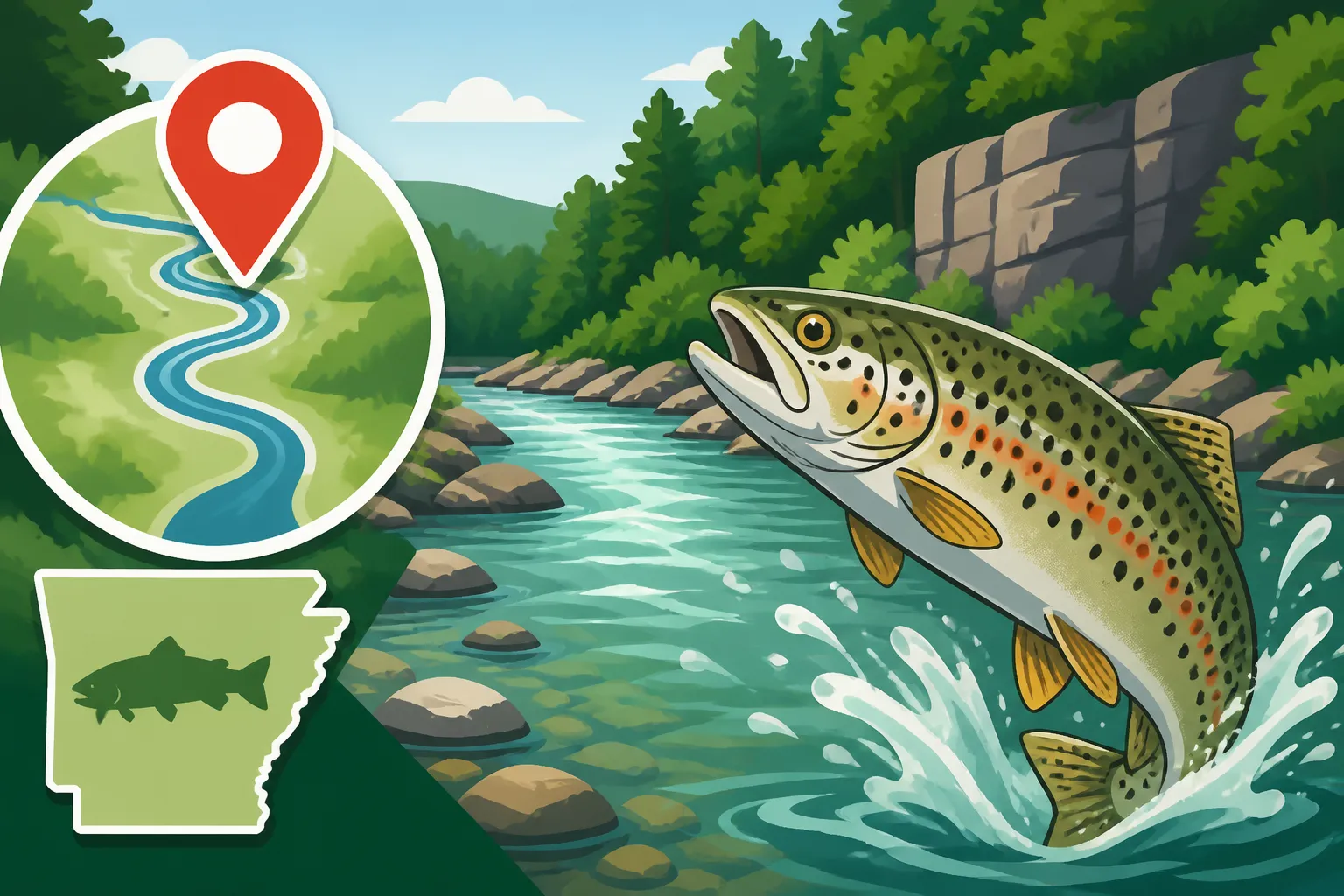
Many anglers in Arkansas dream of catching trout, but often think they need to head to the large, well-known tailwaters like the White River to find them. However, for those seeking a more intimate and often less crowded experience, the Caddo River offers a fantastic, albeit seasonal, opportunity for trout fishing. This guide will delve into everything you need to know about where and how to successfully target trout in this beautiful Ouachita Mountains river.
The Seasonal Appeal of Caddo River Trout Fishing
The Caddo River isn't your typical year-round trout fishery; it's a unique, seasonal gem maintained through dedicated stocking efforts by the Arkansas Game and Fish Commission (AGFC). Understanding this seasonal appeal and how the AGFC manages these fish is crucial for planning a successful trip. The Caddo, much like other rivers in the Ouachita region, naturally warms too much in the summer for trout to survive, which is why the stocking program focuses on the cooler months.
How the AGFC Manages Trout on the Caddo
The Arkansas Game and Fish Commission plays a vital role in making trout fishing on the Caddo River possible. Unlike the self-sustaining trout populations in the cold tailwaters below dams, the Caddo relies on a "put-and-take" stocking program. This means the AGFC regularly introduces hatchery-raised rainbow trout into specific stretches of the river when water temperatures are suitable, typically from late fall through spring. These stockings aim to provide diverse fishing opportunities across the state, bringing the joy of trout fishing closer to communities that might not have access to natural trout streams. The fish are usually catchable size right upon release, making for immediate action once a stocking occurs. You can often find information on scheduled stockings directly from the AGFC's website, which is a great resource to monitor before heading out.
Understanding Seasonal Stocking and Water Conditions
The key to finding trout on the Caddo River really boils down to timing your visit with the stocking schedule and favorable water conditions. Trout thrive in cold, oxygen-rich water. As mentioned, the Caddo's natural water temperatures become too warm during the hotter months of summer, making it impossible for trout to survive. Therefore, the AGFC generally stocks the river from around November through April or May, depending on the specific weather patterns and water temperatures that year.
When planning your trip, pay close attention to recent rainfall and river levels. Heavy rains can cause the Caddo to rise quickly, becoming murky and fast-moving, which makes fishing difficult and can disperse the trout. Conversely, periods of drought can lead to very low water levels, concentrating the fish but also making them more wary. Ideal conditions usually involve stable, cooler weather, following a light rain that has passed, leaving the river clear but slightly elevated. Knowing when the AGFC has last stocked the river gives you the best chance of encountering fresh, actively feeding trout. A useful strategy is to look at the AGFC's weekly stocking reports, often found online or through local bait shops, to pinpoint the most recent releases.
Identifying Productive Stretches and Access Points
While the Caddo River winds through much of the Ouachita Mountains, not all of it is equally suitable for trout fishing. The AGFC focuses its stocking efforts on specific, easily accessible stretches of the river, primarily within the "lower winter trout season" areas. These areas are chosen for their public access, suitable water depth, and structure that can hold trout, even temporarily.
Popular Public Access Areas Along the Caddo
The most consistent and popular areas for catching trout on the Caddo River are generally found between Caddo Gap and the town of Glenwood. These sections offer a good mix of public land access, including state parks and bridges that serve as informal entry points for wade fishing or launching small craft.
- Montgomery County Park (Caddo Gap): This park, right near the confluence of the Caddo River and the Little Missouri River, is a prime location. It offers excellent bank access, making it family-friendly and easy for anglers of all mobility levels. The river here features a mix of pools and riffles, providing diverse habitat. Many anglers report good success targeting trout in the deeper pools just downstream from the park's main access points.
- Glenwood City Park: Further downstream, Glenwood City Park also provides good public access. The stretches around Glenwood are often part of the AGFC's stocking program. Look for slower, deeper runs and eddies that offer trout a respite from the current. Access here is generally good for wade fishing, but caution is always advised as riverbeds can be uneven and currents deceptively strong.
- Highway 8 Bridge (Near Caddo Gap): Many local anglers utilize the public access near various highway bridges, particularly the Highway 8 crossing in the Caddo Gap area. These points often have informal paths down to the water and provide access to both upstream and downstream sections. Always be mindful of private property when using these access points and respect posted signs. For specific details on other public access points, a resource like Caddo River Fishing Access Points in Arkansas can be invaluable.
Reading the Water for Prime Trout Habitat
Once you're at the river, knowing where trout are likely to hold will greatly increase your chances. Trout, particularly rainbow trout, have specific preferences for water features that provide food, oxygen, and protection from predators and strong currents.
- Pools and Deep Runs: Trout often congregate in deeper pools, especially those with some current flow. These areas offer thermal refuge and a place to escape strong sunlight. Look for pools downstream from rapids or riffles, where food items are washed into their feeding lanes.
- Riffles and Current Breaks: Don't ignore the faster, shallower riffles. While trout might not hold directly in the fastest current, they'll often position themselves just behind rocks, logs, or other obstructions that break the current. These "current breaks" allow them to expend less energy while waiting for food to drift by.
- Undercut Banks and Submerged Structure: Any form of overhead cover or submerged structure is a magnet for trout. Undercut banks provide shade and a place to hide. Fallen trees, log jams, and large boulders in the water create eddies and cover, making them excellent spots to present a bait or lure. Trout feel secure in these spots and will often ambush prey from their hiding places.
- Confluences: Where smaller feeder creeks or springs enter the main river, the water temperature can be slightly cooler, or new food sources might be introduced. These confluences are often prime spots to explore.
Top Techniques and Baits for Caddo Trout
Catching trout on the Caddo River can be an incredibly rewarding experience, whether you prefer the simplicity of spin fishing or the artistry of fly fishing. The key is adapting your approach to the conditions and the behavior of freshly stocked trout.
Spin Fishing Strategies for Success
For many anglers, especially beginners or those new to trout fishing, spin fishing offers a straightforward and effective way to catch Caddo River trout. The right tackle and a few go-to presentations are all you need.
- Light Tackle is Key: A light to ultralight spinning rod (5-6 feet) paired with a small spinning reel spooled with 4-6 pound monofilament or fluorocarbon line is ideal. This setup allows for accurate casting of light lures and provides excellent sensitivity to feel subtle bites. It also makes fighting a spirited trout more enjoyable.
- PowerBait and Live Bait: For freshly stocked trout, prepared baits like Berkley PowerBait (in various colors like "rainbow," "chartreuse," or "sherbet") are incredibly effective. Mold a small amount around a tiny treble hook or a size 10 bait holder hook, fished on the bottom with a small split shot or a sliding egg sinker rig. Small worms (like red wigglers) or corn can also be very productive. Fish these stationary in deeper pools or slow runs.
- Small Spinners and Spoons: When trout are more active, casting and retrieving small inline spinners or tiny spoons can yield excellent results. Classic spinners like Rooster Tails (1/16 to 1/8 oz in white, black, or chartreuse) or Panther Martins are perennial favorites. Small silver or gold spoons, such as Acme Kastmasters or Little Cleos, also work well. Cast these across or slightly upstream and retrieve them just fast enough to make them spin or wobble, mimicking a baitfish.
- Jigs: Small marabou jigs (1/32 to 1/8 oz) in white, black, olive, or pink can be deadly. Fish them under a small bobber or by slowly twitching them along the bottom, simulating an injured baitfish or insect larva.
- Drifting Baits: When wading, try drifting small baits (PowerBait, worms, or even tiny jigs) naturally downstream into pools or current breaks. Use minimal weight to keep the drift as natural as possible. For more on general techniques, explore resources like Spin Fishing Techniques for Trout.
Fly Fishing for Caddo River Trout
Fly fishing on the Caddo River provides a more engaging challenge and can be incredibly rewarding, especially for those who appreciate the delicate presentation and the art of matching the hatch (or what little of it there might be).
- Rod and Reel Setup: A 3- or 4-weight fly rod, 7.5 to 9 feet long, paired with a matching reel and floating fly line is perfect for the Caddo. This lighter setup handles the smaller flies and lighter tippets often required for trout in these waters.
- Go-To Fly Patterns: Since the Caddo is a stocked fishery, trout here are often less selective than wild trout and will readily take common patterns.
- Nymphs: Small pheasant tail nymphs, Hare's Ear nymphs, Prince nymphs, and Squirmy Wormies (sizes 12-18) are consistently effective. Fish these under a strike indicator with a small split shot to get them down to the fish.
- Streamers: Small Woolly Buggers (black, olive, brown, or white, sizes 8-12) can be very productive, especially when stripped through deeper pools, imitating small baitfish or leeches.
- Dries (Opportunistic): While not as consistent as nymphing, if you see trout rising to feed on the surface (often during warmer parts of the day or after an insect hatch), don't hesitate to try dry flies. Adam's, Elk Hair Caddis, or Parachute Adams (sizes 14-18) can work.
- Presentation is Key: Regardless of the fly pattern, a natural, drag-free drift is paramount. Observe the currents and try to mend your line to ensure your fly moves at the same speed as the water around it. On a smaller river like the Caddo, stealth and accurate casting are more important than long casts.
Essential Gear and Adhering to Regulations
Before you even think about putting a line in the water on the Caddo, it's absolutely critical to be properly equipped and, more importantly, fully aware of and compliant with all Arkansas fishing regulations. Skipping these steps can lead to hefty fines and a ruined fishing trip.
Recommended Tackle and Lures
Beyond the rod and reel, having the right ancillary gear makes your Caddo River trout experience much more enjoyable and effective.
- Waders and Boots: If you plan on wade fishing (which is highly recommended for accessing the best spots), breathable chest waders and sturdy wading boots with good grip are essential. The Caddo River bottom can be rocky and slippery, so safety is paramount.
- Tackle Box Essentials: A small tackle box or vest stocked with extra hooks (size 8-12 bait holder or treble for bait, size 12-18 for flies), split shot weights, swivels, and a selection of the lures and baits mentioned above. Don't forget a small pair of pliers for hook removal.
- Landing Net: A small, soft-mesh landing net is invaluable for safely landing trout, especially if you plan on practicing catch and release. It minimizes stress on the fish and prevents it from flopping on the bank.
- Stringer or Cooler: If you intend to keep your catch, a stringer or a small cooler with ice is necessary to keep the fish fresh.
- Sun Protection and Hydration: Even in cooler months, sun protection (hat, sunglasses, sunscreen) and plenty of water are vital, especially during prolonged periods on the water.
- Polarized Sunglasses: These are a game-changer. They cut glare off the water, allowing you to see submerged structure, rocks, and even cruising trout that you would otherwise miss.
| Item Type | Recommended for Spin Fishing | Recommended for Fly Fishing | General Essentials |
|---|---|---|---|
| Rod & Reel | Ultralight spinning rod (5-6ft), 4-6lb mono/fluoro | 3-4wt fly rod (7.5-9ft), floating fly line | Small, soft-mesh landing net |
| Baits/Lures | PowerBait, small worms, 1/16-1/8oz spinners/spoons | Nymphs (Pheasant Tail, Hare's Ear), small streamers | Pliers, small tackle box, extra hooks |
| Clothing/Footwear | Comfortable outdoor clothing, sturdy shoes | Breathable chest waders, wading boots | Hat, polarized sunglasses, sunscreen, rain gear |
| Safety/Misc. | Water, snacks, first-aid kit, stringer/cooler |
Navigating Arkansas's Trout Fishing Rules
This is arguably the most important section. Fishing without the proper licensing and permits can quickly turn a fun day into a costly one. Arkansas has specific rules for trout fishing, and the Caddo River is no exception.
- Arkansas Fishing License: Every angler aged 16 and older needs a valid Arkansas Fishing License Rules and Costs. Whether you're a resident or non-resident, this is your baseline requirement. You can purchase these online, at AGFC offices, or from many local sporting goods stores.
- Arkansas Trout Permit: In addition to your regular fishing license, you must purchase an Arkansas Trout Permit Rules if you intend to fish for or keep trout, regardless of where you're fishing for them in the state, including the Caddo River. This permit is an add-on and helps fund the AGFC's extensive trout management programs. Many anglers wonder, Do you need a trout permit to keep trout in Arkansas?, and the answer is a resounding yes.
- Creel and Size Limits: Always check the latest AGFC fishing regulations guide for the specific creel (daily catch) and size limits for trout on the Caddo River. These rules can change annually. As of the time of writing, the statewide daily limit for trout is typically 5 fish, with no minimum length, but it's vital to confirm this for the current season.
- Special Regulations: While the Caddo River doesn't typically have the same "trophy trout" or "catch-and-release only" regulations as some of the more famous tailwaters like parts of the White River (for example, Trout Fishing Below Bull Shoals Dam on the White River), it's always best practice to review the specific regulations for the Caddo River section you plan to fish. You can find these in the official AGFC fishing guide, which is available online and in print. Make sure to consult the "Special Regulations for Trout Streams" section.
- Respect Private Property: Many sections of the Caddo River flow through private land. Always be respectful of landowners and only access the river from designated public access points or with explicit permission. Trespassing is illegal and can lead to fishing access being restricted for everyone.
For those who feel a bit overwhelmed or want to ensure they're hitting the best spots, consider hiring a local guide. Platforms like FishingBooker can help you find experienced guides who know the Caddo River intimately, its stocking patterns, and local regulations. A guide can significantly shorten the learning curve and provide an exceptional day on the water, especially if it's your first time targeting trout in this area. You can even filter by guides that specialize in specific species like those found on the Caddo, offering a personalized experience. Just remember that even with a guide, you'll still need your personal fishing license and trout permit.
Fishing for trout on the Caddo River offers a charming alternative to the state's larger, more famous trout destinations. With careful planning around stocking schedules, understanding the river's unique characteristics, and adhering to all regulations, you're well on your way to a memorable angling adventure in the heart of the Ouachitas.
Disclaimer
Please remember that fishing regulations, stocking schedules, and river conditions can change. Always consult the latest official Arkansas Game and Fish Commission (AGFC) regulations guide before your trip. This article is for informational purposes only and does not constitute official legal advice regarding fishing regulations.