Which Arkansas Fish Are Best for Eating
There's nothing quite like the thrill of reeling in a beautiful fish from one of Arkansas's many pristine lakes or rivers. But let's be honest, after all that effort, the first thing many of us wonder is, "How will this taste on the dinner plate?" It’s a completely valid question, because while catching them is fun, enjoying a delicious meal with family and friends is often the ultimate reward. This guide is all about helping you navigate the waters of Arkansas’s fish species to discover which ones are truly the best for eating, and how to make them shine in your kitchen.
The All-Stars of the Arkansas Dinner Plate: Crappie and Catfish
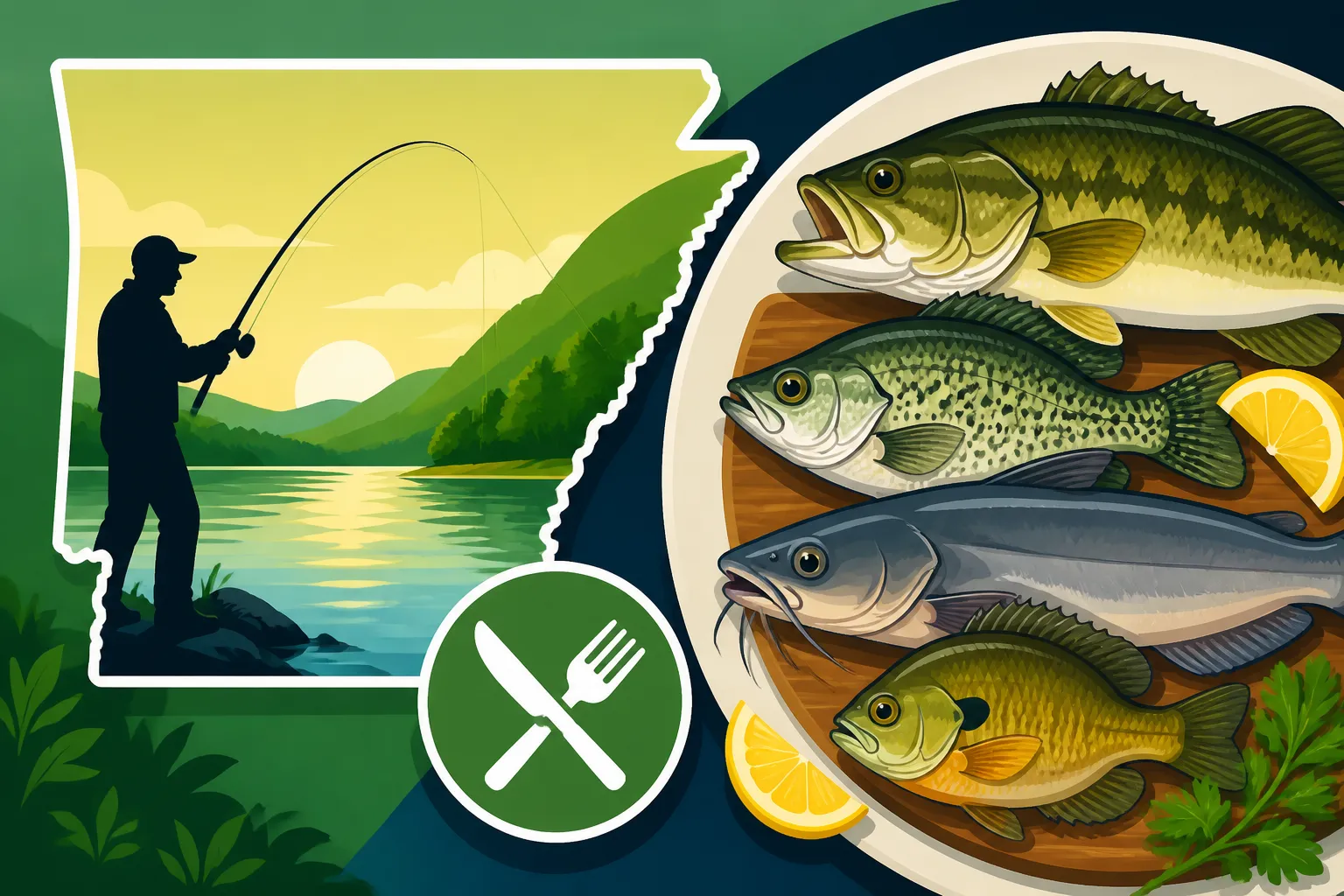
When you talk about Arkansas fish that consistently deliver on flavor and texture, crappie and catfish are almost always at the top of the list. These species have earned their reputation for a reason, providing flaky, mild, and satisfying meat that's a favorite across the state.
Crappie: The Panfish Perfection
Crappie, both black and white varieties, are undeniably one of Arkansas's most prized culinary catches. Anglers chase them year-round, not just for the exciting bite, but for the delicious fillets they provide. Their meat is known for being incredibly mild, white, and flaky, which makes it exceptionally versatile for cooking. You'll find that crappie don't have that strong, "fishy" flavor that some other species possess, making them a fantastic choice even for those who are a bit hesitant about eating fish.
Many folks find that crappie are best when simply fried. A light breading, perhaps a mix of cornmeal and a little seasoning salt, is all you really need to create a mouth-watering meal. They cook up quickly, leaving you with tender, sweet flakes of fish that practically melt in your mouth. Beyond frying, crappie can also be baked, broiled, or even grilled in foil packets with a touch of butter and lemon. Their delicate nature means you don't want to overpower them with heavy sauces or spices. When you're cleaning your catch, remember that proper filleting and storage, perhaps in vacuum-sealed bags you can find on Amazon, will help maintain that fresh taste until it's time to cook. Knowing the Crappie Size and Daily Limit in Arkansas is also crucial for a responsible and sustainable harvest.
Catfish: Southern Comfort Food at its Finest
Ah, catfish. Is there anything more iconic in Southern cuisine? In Arkansas, we're blessed with several species, including channel, blue, and flathead catfish, and all of them are fantastic table fare. Channel catfish, in particular, are incredibly popular, both wild-caught and farm-raised. Their meat is firm, flaky, and has a distinct, yet mild, flavor that's easily recognizable and loved by many. It holds up well to various cooking methods, which is part of its widespread appeal. You can learn more about Channel Catfish in Arkansas Lakes and Rivers.
Frying is, of course, the quintessential way to prepare catfish. A good cornmeal crust, fried to a golden crisp, is a culinary staple here. But don't limit yourself! Catfish can be baked with herbs and lemon, grilled whole or in large steaks, or even stewed in gumbos and other hearty dishes. The blue catfish, especially the smaller ones, offer a slightly richer flavor and firmer texture, making them excellent for grilling. Flathead catfish, which can grow to impressive sizes, have very firm, white meat that's often compared to pork tenderloin in texture, making them exceptional for smoking or slow cooking. Just remember to properly clean and skin your catfish to get the best flavor, as the skin can sometimes impart a stronger taste. A good pair of catfish skinning pliers, often available through retailers like Amazon, can make this task a lot easier.
Bass: A Divisive Delicacy or Just OK?
Bass fishing is practically a religion in Arkansas, with anglers chasing largemouth, smallmouth, and spotted (Kentucky) bass across countless lakes and rivers. But when it comes to eating them, opinions tend to be a little more divided. Some folks swear by them, while others prefer to release them.
Largemouth and Smallmouth Bass: The "Depends on Where You Caught Them" Fish
Largemouth bass are arguably the most popular game fish in Arkansas. They're thrilling to catch, especially those big lunkers. As for eating, largemouth bass tend to have a firmer, white, slightly flaky meat. The flavor can be quite mild, but it can also sometimes lean towards a "gamey" or "muddy" taste, especially if the fish comes from warmer, murky waters or has a diet heavy in certain aquatic insects. Many anglers feel that bass caught from colder, clearer waters, like some of our Ozark streams or deep reservoirs, taste significantly better.
Smallmouth bass, often found in cooler, rockier streams and deep lakes, generally have a more consistent and preferred flavor profile compared to largemouth. Their meat is firm, white, and typically has a cleaner, milder taste. For both largemouth and smallmouth, proper handling after the catch is paramount. Bleeding the fish immediately and getting them on ice quickly can vastly improve their table quality by removing impurities and cooling the flesh rapidly. Many anglers carry a cooler specifically for this purpose, often equipped with robust ice packs that you can stock up on from Amazon. When cooking, baking, broiling, or grilling with a marinade can help enhance the flavor and keep the meat moist. For a full breakdown of bass species, check out Bass Fishing in Arkansas: Largemouth, Smallmouth, and Kentucky Bass Explained.
Kentucky (Spotted) Bass: Often Overlooked, Surprisingly Good
The Kentucky bass, also known as a spotted bass, is a species often caught alongside largemouth and smallmouth, particularly in our clearer, rocky reservoirs and rivers. These fish are feisty fighters for their size, and many anglers release them, not realizing what a treat they're passing up. Kentucky bass are often considered to have some of the best-tasting meat among the black bass species.
Their flesh is usually very white, firm, and has a clean, mild flavor, often less prone to the "gamey" taste that can sometimes affect largemouth. They don't typically grow as large as largemouth, making them perfect pan-sized fish. If you're looking for a good eating bass, and you're in waters known for spotted bass, give them a try. They respond well to simple preparations like pan-frying or baking with a little lemon and butter.
Trout: The Coldwater Culinary Gem
Arkansas is renowned for its world-class trout fishing, particularly on the White River system below our major dams. We have rainbow, brown, cutthroat, and brook trout, each offering a unique angling experience and, importantly, a distinct culinary profile.
Rainbow Trout: A Classic on the Plate
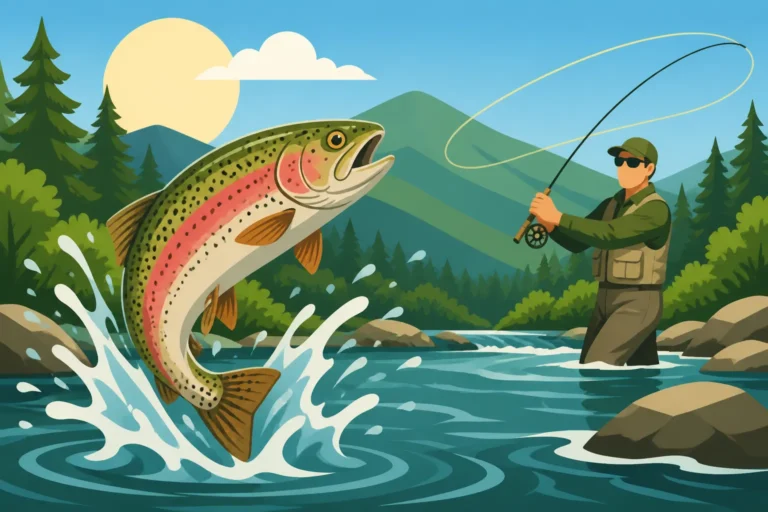
Rainbow trout are the most common trout species caught in Arkansas's tailwaters and are a fantastic eating fish. Their meat is typically pinkish-orange, often flaky, and has a delicate, almost nutty flavor. The color of the meat can vary depending on their diet; trout that consume more crustaceans, for instance, tend to have a richer, deeper orange hue. Many people specifically target them for the table, and rightly so!
Rainbow trout are incredibly versatile in the kitchen. They can be baked whole with herbs and citrus, grilled, pan-fried with a simple dusting of flour, or even smoked. Their skin crisps up beautifully, adding another layer of texture and flavor. Because their flavor is already so good, you don't need to do much to them. A little salt, pepper, and a squeeze of lemon are often all that's required to bring out their natural deliciousness. For specific locations, consider Rainbow Trout Fishing Below Bull Shoals Dam.
Brown Trout: A Richer, Firmer Option
Brown trout are the elusive giants of Arkansas's trout waters, celebrated for their cunning and fighting prowess. While many trophy brown trout are caught and released, smaller, stocker-sized browns also offer excellent table fare. Their meat is generally firmer and tends to be a deeper orange or red than rainbow trout, and they have a richer, more pronounced flavor. Some describe it as more "fishy" than rainbow trout, but in a pleasant, robust way.
Due to their firmer texture and richer flavor, brown trout stand up well to slightly more assertive cooking methods and seasonings. They are superb when smoked, which really brings out their deep flavors. They can also be baked, grilled, or pan-fried. Many European recipes for trout, which often feature robust herbs and sauces, were originally designed for brown trout and would be fantastic to explore with an Arkansas brown. Remember, just like with bass, quickly bleeding and icing trout after the catch is key to preserving that quality taste. A good thermal bag, readily available on Amazon, can keep your catch fresh on the way home.
Panfish and Other Tasty Tidbits
Beyond the main game fish, Arkansas waters are teeming with smaller, yet incredibly delicious, fish often referred to as "panfish." These are fantastic for family fishing trips and perfect for introducing kids to the joy of catching and eating their own dinner.
Bluegill and Other Bream: Small but Mighty Flavor
Bluegill, along with other sunfish like redear sunfish and green sunfish (collectively often called "bream"), are an absolute blast to catch, especially for beginners and kids. They might be small, but they make up for it in sheer numbers and fantastic flavor. Their meat is white, firm, and has a delightfully sweet, mild taste. There's almost no "fishy" flavor to speak of, making them a universal favorite. You can find out more about Bluegill Fishing for Arkansas Beginners.
These little powerhouses are, as their name suggests, perfect for the pan. Filleting them can be a bit tedious due to their size, but many anglers simply scale and gut them, then fry them whole until crispy. The bones become brittle and easy to navigate, and the reward is tender, sweet morsels of fish. Bluegill are often considered among the very best eating fish in Arkansas, rivaling crappie for their clean, delicate flavor. A simple cornmeal dredge and a hot skillet are all you need to turn a stringer of bluegill into a memorable meal.
White Bass: The "Striped" Panfish
White bass are energetic fighters that travel in schools, providing fast action for anglers, particularly in larger reservoirs and rivers like the Arkansas River. They are often caught in large numbers, making them excellent candidates for a fish fry. Their meat is white, firm, and has a moderate flavor that's a bit stronger than crappie but generally milder than black bass.
Many people enjoy white bass fried, baked, or grilled. A common tip for improving the flavor of white bass is to remove the darker "mud line" or "bloodline" that runs along the lateral line of the fillet. This dark meat can sometimes contribute to a stronger, more assertive taste, and removing it often results in a milder, cleaner-tasting fillet. With the right technique and a sharp fillet knife (you can easily find high-quality ones on Amazon), preparing white bass is a breeze.
Important Considerations for Flavor and Safety
No matter which fish you choose to target for the dinner plate, there are several crucial factors that influence how good it tastes and how safe it is to eat. Pay attention to these details, and you'll always have the best possible culinary experience.
Water Quality and Fish Diet
The environment a fish lives in plays a massive role in its flavor. Fish caught from clean, cold, clear waters with natural forage typically taste better than those from warm, muddy, or stagnant waters where their diet might include more undesirable elements. For example, a largemouth bass from a clear Ozark stream is generally going to have a cleaner taste than one from a shallow, warm farm pond with a heavy algae bloom. This isn't always a hard and fast rule, but it's a good general guideline. Fish health and the overall ecosystem contribute directly to the quality of the flesh.
Anglers often discuss specific locations as having better-tasting fish, and it often boils down to these environmental factors. Knowing where to fish, such as some of The Top Arkansas Lakes for Bass, Crappie, and Catfish or Arkansas's Best Rivers for Trout, Bass, and Catfish, can make a real difference to your plate.
Proper Handling After the Catch
This cannot be stressed enough: how you handle your fish from the moment it leaves the water until it hits your cooler dramatically impacts its flavor and freshness.
- Bleed the fish: If you plan to keep a fish, bleeding it immediately after the catch is one of the best things you can do. This involves cutting the gills or severing the artery behind the head. This removes blood from the flesh, which can contribute to a "fishy" taste and spoilage.
- Ice it down: Get your fish on ice as quickly as possible. A cooler full of ice is not optional for keeping fish fresh. The cold temperature slows bacterial growth and helps firm up the flesh, preserving that delicate flavor and texture.
- Clean it promptly: While keeping fish on ice can buy you some time, cleaning them as soon as reasonably possible is ideal. This removes the guts, which contain enzymes that can start to break down the flesh.
- Proper storage: Once filleted and cleaned, store your fish in airtight bags in the refrigerator if you plan to eat it within a day or two. For longer storage, vacuum sealing and freezing is the way to go. Vacuum sealers and bags are readily available, often with good deals on Amazon. Understanding What Counts as a Final Point of Storage for Fish in Arkansas is also important for compliance with regulations.
Cooking Methods and Seasoning
The way you cook fish can also make a huge difference. For delicate, mild fish like crappie and rainbow trout, simple preparations that highlight their natural flavor are often best. Pan-frying, baking, or broiling with minimal seasoning (salt, pepper, lemon, maybe some fresh herbs) works wonders.
For fish with a slightly stronger flavor, like some catfish or larger bass, you might experiment with marinades, blackening spices, or stronger seasoning blends. Grilled fish tacos, for instance, are an excellent way to prepare many Arkansas species. Always avoid overcooking, as fish can dry out quickly and become tough. Cook just until the flesh is opaque and flakes easily with a fork.
Local Advisories and Consumption Limits
While delicious, it's always wise to be aware of any local fish consumption advisories issued by the Arkansas Department of Health or the Arkansas Game and Fish Commission. These advisories are in place to inform the public about potential contaminants (like mercury) in certain species from specific bodies of water. These limits are usually recommendations, not prohibitions, and are particularly important for pregnant women, young children, and those who eat a lot of fish. Always check current regulations and advisories for the waters you plan to fish to ensure safe and responsible consumption.
Summary of Arkansas's Best Eating Fish
To help you decide what to target for your next delicious meal, here’s a quick overview of some top contenders and their culinary characteristics:
| Fish Species | Flavor Profile | Texture | Ideal Cooking Methods | General Culinary Rating |
|---|---|---|---|---|
| Crappie | Mild, sweet, very clean | Flaky, delicate | Pan-fried, baked, broiled | Excellent |
| Channel Catfish | Mild to moderate, distinct "catfish" flavor | Firm, flaky | Fried, baked, grilled, stewed | Excellent |
| Blue Catfish | Richer than Channel, firm | Very firm, meaty | Fried, grilled, smoked | Excellent |
| Flathead Catfish | Very mild, almost pork-like | Very firm, dense | Smoked, slow-cooked, fried | Excellent |
| Smallmouth Bass | Clean, mild, less "gamey" | Firm, white, flaky | Baked, broiled, grilled, pan-fried | Very Good |
| Kentucky Bass | Clean, very mild | Firm, white, flaky | Pan-fried, baked | Very Good |
| Rainbow Trout | Delicate, nutty, often sweet | Flaky, tender | Baked whole, grilled, pan-fried, smoked | Excellent |
| Brown Trout | Richer, more pronounced, robust | Firmer, meaty | Smoked, baked, grilled | Very Good |
| Bluegill/Bream | Sweet, very mild, clean | Firm, white, delicate | Pan-fried whole, baked | Excellent |
| White Bass | Moderate, slightly stronger than crappie | Firm, white | Fried, baked, grilled (remove bloodline) | Good to Very Good |
| Largemouth Bass | Mild to gamey (depends on water quality/diet) | Firm, white, flaky | Baked, broiled, grilled (with marinade), fried | Good |
Ultimately, the "best" eating fish often comes down to personal preference. What one angler loves, another might simply tolerate. But with so many incredible species swimming in Arkansas waters, from the delicate crappie to the robust catfish, there's a delicious option for everyone. So next time you're out on the water, whether you're chasing The Most Popular Game Fish in Arkansas or simply enjoying a relaxing afternoon, keep these culinary insights in mind. You might just discover a new favorite for your dinner table!
Disclaimer
This article is for general informational purposes only and does not constitute professional advice. Laws, prices and regulations vary by location and change over time. Consult a qualified professional for guidance on your specific situation.