Bream and Bluegill Fishing for Beginners
Many aspiring anglers in Arkansas find themselves staring at the water, eager to feel that tug on the line, but totally unsure where to start. The sheer variety of fish and techniques can be overwhelming, making that first step onto the bank feel like a huge leap. But don't you worry, because this comprehensive guide is all about simplifying the path to success, focusing on two of the most rewarding and accessible fish in our beautiful state: bream and bluegill. We're going to break down everything you need to know, from the basic gear to the best spots, ensuring your first fishing experiences are nothing short of fantastic.
Understanding Bream and Bluegill: Your First Catch in Arkansas
If you're looking to introduce yourself or your family to the pure joy of fishing, you honestly can't pick a better starting point than bream and bluegill here in Arkansas. These little fighters are abundant, eager to bite, and provide a fantastic experience that builds confidence and creates lasting memories. Forget the complicated rigs and the endless waiting; panfish are all about action, making them the ultimate entry into the angling world.
What Makes Them Perfect for Beginners?
Let's be real, nobody wants to spend hours on the water only to come home empty-handed. That's where bream and bluegill truly shine. They are incredibly prolific across nearly every body of water in Arkansas, from small farm ponds to large reservoirs and slow-moving rivers. This widespread availability means you don't need a fancy boat or expensive electronics to find them. They're often right there, close to the bank, ready to snap up a tasty morsel.
What's even better is their aggressive feeding habits. Bluegill and other bream, like redear sunfish and green sunfish, are rarely picky eaters, especially when they're actively feeding. This makes them relatively easy to tempt with a variety of simple baits, meaning less frustration for beginners and more bites to keep everyone engaged. Imagine the excitement on a child's face (or your own!) as their bobber dips below the surface time and time again. It’s a fantastic way to learn the basics of casting, setting the hook, and reeling in a fish, all without the pressure of trying to land a trophy-sized bass on your very first outing. These fish teach you the rhythm of fishing, from patience to the thrill of the fight, making them an invaluable part of any angler's journey.
Identifying Your Catch: Bluegill vs. Other Bream
The terms "bream" and "bluegill" are often used interchangeably, and while bluegill are indeed a type of bream, it's good to know the subtle differences and what else you might encounter. "Bream" is a common umbrella term used in the South for various sunfish species, and in Arkansas, that often includes bluegill, redear sunfish (often called shellcrackers), and green sunfish.
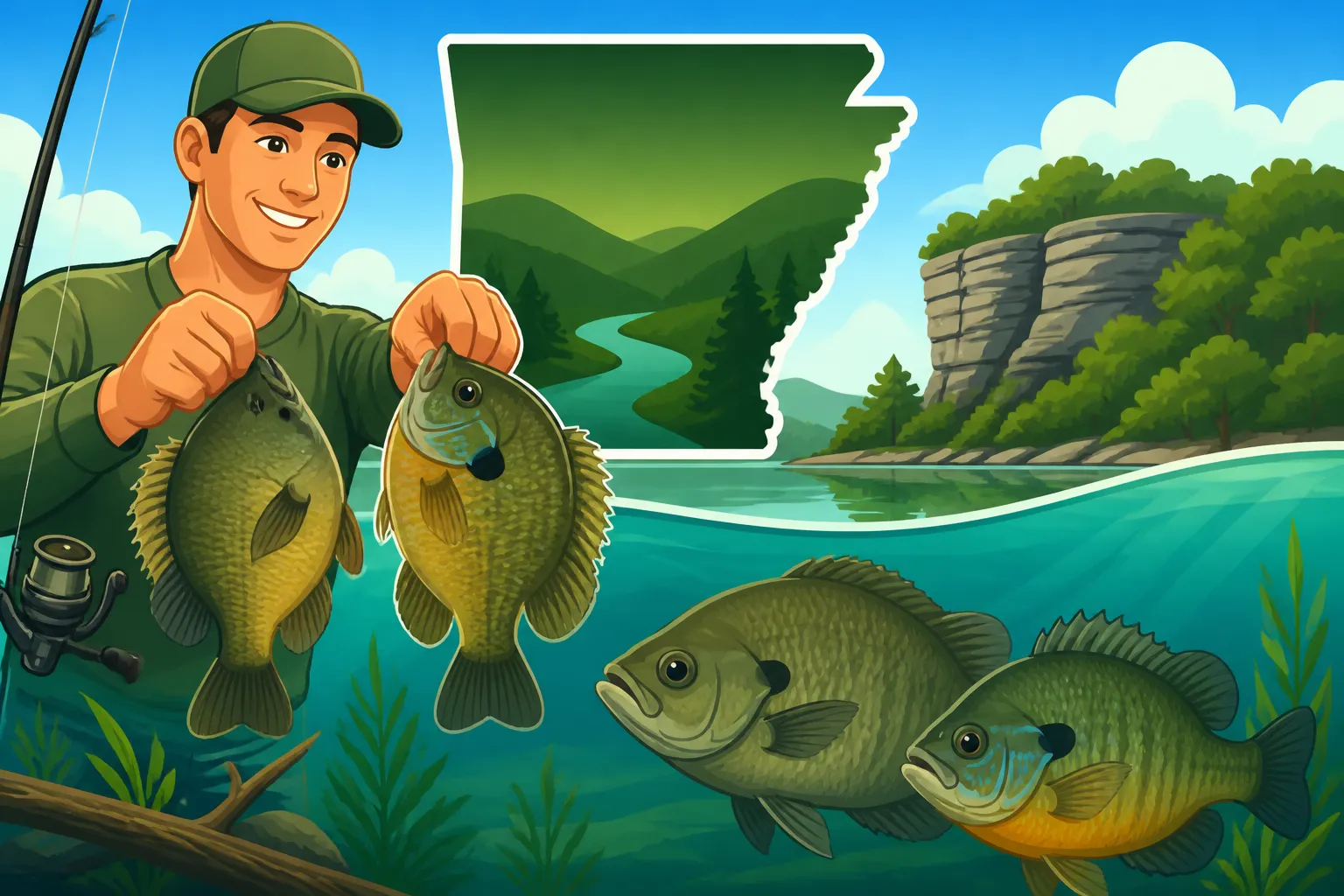
Bluegill are arguably the most iconic of the bream family. They're typically round, disc-shaped fish with a distinctive dark spot on their dorsal fin and a smaller, often black, "ear flap" on their gill plate. Their coloring can vary from olive-green to dark blue-purple, often with vertical bars on their sides, and males can develop a vibrant orange or yellow belly, especially during the spawn. They usually have a small mouth that doesn't extend past the front of their eye.
Redear sunfish, or shellcrackers, get their name from the red or orange margin around their black ear flap. They tend to have a slightly more compressed body than bluegill and a harder mouth, adapted for crushing snails and mussels, which are a major part of their diet. Green sunfish, on the other hand, are a bit more elongated, often displaying iridescent green-blue spots on their sides, and have a noticeably larger mouth that extends to or just past the middle of their eye. Understanding these differences can be fun for new anglers and helps you appreciate the diversity of Arkansas's waters. When you reel in a beautiful redear, you'll instantly recognize its distinctive marking and know you've caught something a little different from a standard bluegill.
The Joy of Panfish: More Than Just a "Starter Fish"
While perfect for beginners, calling bream and bluegill just "starter fish" would be doing them a disservice. They offer so much more! For starters, they're truly fantastic table fare. Many anglers, myself included, would argue that a plate of freshly fried bluegill fillets is one of the finest meals you can pull from Arkansas waters. Their white, flaky meat is mild and delicious, making them a popular choice for fish fries and family gatherings. If you're wondering, "Is Bluegill Good to Eat?", the answer is a resounding yes!
Beyond the culinary delights, panfish offer consistent action that makes them a staple for seasoned anglers looking for a relaxing day or a guaranteed catch. They also play a crucial ecological role, serving as a primary food source for larger game fish like bass and catfish. The pursuit of bream and bluegill can be a lifelong passion, providing endless opportunities to hone your skills, experiment with different baits, and enjoy the tranquility of nature. Plus, they’re accessible from almost anywhere. You don't need a boat to have a successful day of bluegill fishing; many of the best spots are easily reached from the bank, docks, or public fishing piers in state parks. This makes them ideal for a spur-of-the-moment trip or a casual outing with the kids, cementing their status as a beloved fish across generations of Arkansas anglers.
Essential Gear for Starting Your Bream and Bluegill Adventure
One of the biggest hurdles for new anglers is often the perceived cost and complexity of fishing gear. But with bream and bluegill, you can put those worries aside. You absolutely do not need to break the bank or carry a massive tackle box to have a successful day. The beauty of panfishing lies in its simplicity. Let's talk about the basic essentials that will get you out on the water without fuss.
Rod and Reel Combos: Simple and Effective Setups
For bream and bluegill, you'll want to lean towards lighter tackle. This isn't just about making it easier to cast; it’s about making the fight more exciting. An ultralight or light action spinning rod and reel combo is your best friend here. These setups are designed for small fish, making even a palm-sized bluegill feel like a heavyweight champion. A rod between 5 to 6 feet in length, paired with a small spinning reel (typically a 1000 or 2000 size), is perfect.
When you're starting out, a pre-spooled combo from brands like Shakespeare, Zebco, or Ugly Stik can be incredibly convenient and cost-effective. You can often find decent starter combos for under $50, sometimes even less. For example, a basic spinning combo available on platforms like Amazon will typically come with line already on the reel, so you're pretty much ready to tie on your hook and go. Look for one that's easy to handle, especially if you're fishing with children, as these lighter rods are much less fatiguing to cast repeatedly. The main thing is that the rod has a flexible tip (light action) to detect those subtle bites and a bit of backbone to handle a feisty fish.
For line, 4 to 6-pound test monofilament is ideal. It’s thin enough to be subtle in the water but strong enough to handle most bream, and even the occasional small bass or catfish that might surprise you. Monofilament is also forgiving, stretches a bit, and is easy to tie knots with, making it excellent for beginners.
Tackle Box Essentials: Hooks, Weights, and Bobbers
Once you have your rod and reel, a small tackle box or even a simple plastic container will hold all the terminal tackle you need. This is where your basic rig components come in.
First up, hooks: You'll want small, sharp hooks. Sizes like a #6 or #8 Aberdeen or bait holder hook are perfect for bream and bluegill's small mouths. Aberdeen hooks are thin-wired, which helps them bend out of snags rather than breaking your line, and bait holders have small barbs on the shank to keep your bait in place. You can find packs of these hooks easily at any local sporting goods store or even a general merchandise store like Walmart.
Next, weights: Small split shot weights are indispensable. These are tiny, round weights that you crimp onto your line to help cast your bait farther and sink it to the desired depth. A small assortment, ranging from BB size to #7 or #5, will cover most situations. You just need enough weight to get your bait down and keep your bobber upright.
Finally, bobbers: The iconic red-and-white round bobber or a slip bobber will be your visual indicator. For beginners, the traditional clip-on bobber is simplest. Just clip it to your line above your hook and weight. When a fish bites, the bobber will dip, dance, or disappear! Thill is a popular brand for slip bobbers, which are a bit more advanced but allow you to fish deeper. Having a few different sizes on hand is helpful, from small ones for calm water to slightly larger ones for a bit more visibility or to support a heavier bait. Don't forget a pair of small pliers or forceps for removing hooks, and some clippers for trimming line. These small tools make a huge difference in convenience and safety on the water.
| Item | Description | Recommended Size/Type |
|---|---|---|
| Rod & Reel Combo | Ultralight or Light Action Spinning Rod & Reel | 5-6 feet rod, 1000-2000 size reel |
| Fishing Line | Monofilament line for ease of use and stretch | 4-6 pound test |
| Hooks | Small, sharp hooks for small mouths | #6 or #8 Aberdeen or Bait Holder hooks |
| Weights | Small, crimp-on weights to sink bait | Assorted split shot (BB to #5) |
| Bobbers | Visual bite indicator | Small clip-on or slip bobbers (e.g., Thill, Comal) |
| Pliers/Forceps | For removing hooks and crimping weights | Small needle-nose pliers or hemostats |
| Line Clippers | For trimming excess line | Small nail clippers or dedicated fishing clippers |
| Tackle Box | Small container for organizing tackle | Compact plastic tackle box or utility tray |
Choosing the Right Bait: Natural and Artificial Options
This is where the fun really begins! Bream and bluegill aren't usually finicky, which means you have a wide array of bait options, both natural and artificial.
For natural bait, which is often the most effective and easiest for beginners, you can't go wrong with live worms. Nightcrawlers or smaller red wigglers are irresistible to panfish. You can buy them at almost any bait shop, gas station, or even dig them up in your backyard after a rain. Crickets are another fantastic choice, especially in late spring and summer. Their erratic movement on the surface or just below drives bluegill wild. Small pieces of corn, bread, or even hot dogs can also work in a pinch, especially if you're fishing a pond where fish are used to being fed.
If you want to venture into artificial options, small jigs are incredibly effective. Think tiny grub tails, curly tails, or tube jigs, usually 1/32 or 1/16 ounce. Colors like chartreuse, white, black, or pink often produce well. You can tip these jigs with a small piece of worm or a Berkley Gulp! Alive! minnow or worm for added scent and appeal. These artificial baits are great for situations where live bait might be inconvenient, or if you want to practice casting and retrieving. For instance, a pack of Berkley Gulp! Alive! Maggots or Honey Worms from Amazon can be a lifesaver when you can't get fresh live bait. Just remember, keep it small! Bream have small mouths, so a small bait presentation is key to getting solid hookups.
Mastering Basic Techniques for Bream and Bluegill Success
Now that you've got your gear sorted, it's time to learn how to put it to good use. The beauty of bream and bluegill fishing is that the techniques are incredibly simple, yet highly effective. You don't need complex retrieves or advanced knowledge of fish behavior right off the bat. We'll focus on methods that are easy to learn, produce results, and most importantly, are fun!
The Classic Bobber Rig: Simple, Visual, and Fun
The bobber rig is the quintessential beginner's setup, and for good reason. It's visual, easy to understand, and incredibly effective for catching bream and bluegill in shallow to moderate depths. Here’s how you set it up:
- Tie your hook: Start by tying your #6 or #8 hook to the end of your fishing line. A simple improved clinch knot is strong and easy to learn.
- Add split shot: About 6-12 inches above your hook, crimp on one or two small split shot weights. The goal is just enough weight to sink your bait slowly and keep your bobber standing upright. If your bobber is lying on its side, you need a little more weight. If it sinks, you have too much!
- Attach your bobber: Finally, clip your bobber to your line about 1-3 feet above your weights. The depth depends on how deep you think the fish are. If you're fishing in 3 feet of water, you might set your bobber at 1.5-2 feet, allowing your bait to suspend just off the bottom. If you're seeing fish near the surface, you might shorten that depth.
Once rigged, bait your hook with a small piece of worm or a cricket. Cast your rig gently towards areas with cover like lily pads, submerged logs, or shaded banks. Then, simply watch your bobber. When a fish bites, that bobber will start to twitch, dance, or even quickly disappear below the surface. This is your cue to set the hook with a gentle upward flick of the wrist. It’s an incredibly satisfying moment, and the visual feedback makes it perfect for teaching kids to fish or for those who just enjoy the anticipation.
Bottom Fishing for Deeper Waters: Getting to Them When They're Down
While the bobber rig is fantastic for shallower areas, sometimes bream and bluegill are holding a bit deeper, especially in the heat of summer or in larger lakes. This is where a simple bottom-fishing rig comes in handy. It allows your bait to rest directly on the bottom, where fish might be foraging for food.
This rig is even simpler than the bobber setup:
- Tie your hook: Just like before, tie your #6 or #8 hook to the end of your line.
- Add a weight: About 6-12 inches above your hook, pinch on one or two split shot weights, or use a small egg sinker (1/8 to 1/4 ounce) above a swivel, with a leader tied to the hook. The egg sinker rig allows the line to pass through the weight, so the fish can take the bait without feeling the full weight of the sinker immediately, leading to more bites.
With this setup, you'll cast your bait out and let it sink to the bottom. Instead of watching a bobber, you'll be feeling for the bite. This takes a little more practice and sensitivity. Hold your rod tip slightly elevated and watch the line where it enters the water. A bite might feel like a gentle tap, a series of quick tugs, or the line might simply start to move sideways. When you feel a definitive tug, set the hook! This technique is particularly effective around deeper drop-offs, submerged brush piles, or along creek channels in lakes like Lake Conway, where panfish might congregate in cooler, deeper water. This method is also great for targeting larger redear sunfish, which often feed closer to the bottom on mollusks and insects.
Sight Fishing and Cover Tactics: Finding Them in Their Hiding Spots
Sometimes, the best way to catch bream and bluegill is to actively look for them and target their preferred hiding spots. This is called sight fishing, and it's particularly exciting when the water is clear.
Bream and bluegill are almost always found near some kind of cover or structure. Think of it from their perspective: they need places to hide from predators, find food, and spawn. Excellent targets include:
- Docks and Piers: The shade and structure provided by docks are irresistible to panfish. Cast your bait close to the pilings or under the dock itself.
- Lily Pads and Aquatic Vegetation: These provide food, shade, and protection. Gently drop your bait into pockets within the lily pads or along their edges.
- Fallen Trees and Brush Piles: Submerged wood offers fantastic cover. Cast your bait right next to or even over the sunken branches, being prepared to quickly reel in once you get a bite to avoid snags.
- Shaded Banks: On sunny days, fish will often move into the shaded areas along the bank to escape the direct sunlight. Look for overhanging trees or structures that cast a shadow.
When sight fishing, wear polarized sunglasses. They cut the glare off the water's surface, allowing you to see deeper and potentially spot individual fish or schools of bream holding near cover. A stealthy approach is key; cast gently and avoid making loud noises or sudden movements that might spook the fish. This technique is often most productive during the spring spawn when male bluegill are actively guarding their nests in shallow, visible areas. You might even see their circular beds on the bottom! It’s a rewarding way to fish, combining observation with precise casting.
Where and When to Find These Panfish in Arkansas
Arkansas is a paradise for panfish anglers, boasting an incredible array of lakes, ponds, and rivers teeming with bream and bluegill. Knowing where to go and when to go can drastically improve your success rate. These fish are generally abundant, but understanding their seasonal patterns and preferred habitats will turn a good fishing trip into a great one.
Prime Arkansas Habitats: Lakes, Ponds, and Slow-Moving Rivers
You'd be hard-pressed to find a body of freshwater in Arkansas that doesn't hold bream or bluegill. They are incredibly adaptable.
-
Lakes and Reservoirs: Major impoundments like Lake Ouachita, DeGray Lake, Lake Hamilton, and Lake Conway are absolutely loaded with panfish. In these larger bodies of water, focus on shallower coves, the backs of creeks, around standing timber, brush piles, and along the edges of aquatic vegetation. Corps of Engineers lakes, in particular, often have excellent habitat due to their varied shorelines and submerged features. Places like Lake Conway near Little Rock are famous for their excellent panfish populations, providing ample opportunities for shore anglers and boaters alike. Even smaller state park lakes, such as Lake Chicot or Lake Monticello, offer fantastic bream fishing opportunities.
-
Farm Ponds and Smaller Impoundments: These are often honey holes for bream and bluegill. Smaller ponds tend to have higher concentrations of fish, and they can be easier to access and fish from the bank. Always make sure you have permission from the landowner before fishing on private property. Many urban and community fishing ponds managed by the Arkansas Game and Fish Commission (AGFC) are also regularly stocked and provide excellent, easy access for families and beginners.
-
Slow-Moving Rivers and Bayous: While not as common as in lakes, bream and bluegill can also be found in the quieter stretches of Arkansas's rivers and bayous, especially in the state's Delta region. Look for areas with slower currents, backwaters, oxbows, and plenty of submerged timber or emergent vegetation. The White River National Wildlife Refuge, for instance, has numerous lakes and bayous that connect to the White River and offer superb crappie and bream fishing.
Remember, bream are rarely found in the main current of fast-flowing rivers. They prefer the calmer, warmer waters where they can find food and shelter without fighting a strong flow.
Best Seasons and Times of Day: Maximizing Your Chances
Understanding the seasonality and daily patterns of bream and bluegill is crucial for consistent success.
-
Spring (March – May): The Spawn is On! This is arguably the absolute best time of year to target bream and bluegill. As water temperatures rise into the mid-60s Fahrenheit (around 68-75°F), these fish move into shallow water to spawn. They create circular "beds" by fanning out depressions in the soft bottom, often in large colonies. During this time, they are extremely aggressive, actively guarding their nests and hitting almost anything that comes near. This is when you can find them in large numbers in just 1-5 feet of water, especially in sheltered coves and protected flats. Look for the visible beds or follow your nose – large groups of spawning bream can sometimes give off a distinct "fishy" odor.
-
Summer (June – August): Early Mornings and Evenings are Key. Once the spawn is over and water temperatures really heat up, bream and bluegill will often move slightly deeper during the day to find cooler water and more oxygen. Your best bet during summer is to fish early in the morning, just after sunrise, or in the late evening, as the sun begins to set. They'll also hold tight to deep shade provided by docks, overhanging trees, or thick weed beds during the hottest parts of the day. Night fishing with a lantern can also be surprisingly productive, as the light attracts insects, which in turn attract panfish.
-
Fall (September – November): Active Feeding Before Winter. As the water cools down, bream and bluegill become very active, feeding heavily to build up reserves for winter. They might spread out a bit more but will still be found around cover. This can be a fantastic time to catch them, especially on sunny afternoons when they move into shallower water to bask and feed.
-
Winter (December – February): Deep and Slow. Bream and bluegill become much less active in cold water. They'll typically move to deeper sections of lakes, often suspending near bottom structure like submerged humps or creek channels. This is the toughest time to catch them, requiring slower presentations and precise bait placement. However, on warmer winter days, they might briefly move shallower, particularly in northern Arkansas.
No matter the season, remember that the "best time of day to catch bass" often overlaps with the best time for panfish – dawn and dusk usually offer peak activity as these fish feel safer to forage.
Reading the Water: Where to Cast for the Best Results
Successfully finding bream and bluegill often comes down to effectively "reading the water" and understanding where these fish prefer to hold. They are structure-oriented fish, meaning they like to be near something for cover, food, or both.
- Shallow Flats with Vegetation: During the spring spawn, vast shallow flats with sparse weed growth are prime locations. The vegetation provides protection for their beds and cover for young fish.
- Transition Areas: Look for spots where shallow water quickly drops off into deeper water. These "transition lines" are highways for fish, offering easy access to different depths as conditions change. Examples include creek channels, old roadbeds, or the edges of submerged points.
- Man-Made Structures: Boat docks, fishing piers, bridge pilings, and riprap (rocky embankments) all provide excellent cover. Fish love the shade and the algae growth that attracts baitfish and insects. This is especially true on heavily fished lakes where natural cover might be sparser.
- Woody Cover: Submerged timber, fallen trees, brush piles (natural or man-made), and stumps are absolute magnets for panfish. These areas provide protection and ambush points for feeding. When you see a fallen tree stretching into the water, cast your bait right up against the branches.
Remember that these fish, especially bluegill, are social creatures and often travel in schools. If you catch one in a particular spot, odds are there are many more nearby. Don't be afraid to cast in the same spot a few times or slowly work your bait around the area. Learning to identify these types of spots by sight, even without a fish finder, is a skill that will serve you well in all your future fishing endeavors across Arkansas. For more detailed information, check out our guide on Arkansas Fishing Seasons Guide.
Handling Your Catch and Practicing Responsible Angling
Catching fish is just one part of the angling experience; knowing how to properly handle them, whether you plan to release or keep them, and understanding the local regulations are equally important. Practicing responsible angling ensures that Arkansas's beautiful waters remain teeming with fish for generations to come.
Careful Handling and Release: Protecting the Fish
Even if you intend to keep some fish for dinner, you might catch more than you need or encounter smaller fish you wish to release. Proper handling significantly increases a fish's chances of survival.
- Wet Your Hands: Always wet your hands thoroughly before touching a fish. Dry hands can remove the protective slime coat that fish have, making them more susceptible to disease and infection.
- Minimize Air Exposure: Fish can't breathe out of water. Keep their time out of the water to an absolute minimum. If you need a photo, get it quickly and carefully, then return the fish to the water immediately.
- Gentle Grip: Hold the fish gently but firmly. For smaller panfish, a careful grip around the body, just behind the head, is usually sufficient. Avoid squeezing their belly area, as this can damage their internal organs.
- Unhooking: Use needle-nose pliers or forceps to remove the hook. This not only makes it easier but also reduces stress on the fish. If the fish has swallowed the hook deeply, it's often better to cut the line as close to the hook as possible rather than trying to rip it out. The hook will usually corrode away over time.
- Reviving: If a fish seems sluggish after being released, gently hold it in the water, facing into any current, until it regains its strength and can swim away on its own.
By following these simple steps, you contribute directly to the health of our fisheries and ensure future angling opportunities.
Cleaning Your Catch for a Delicious Meal: Simple Steps
One of the greatest rewards of panfishing is a delicious meal of fresh fish. Bluegill and bream are excellent eating, and while small, they are relatively easy to clean. You generally have two options: scaling and gutting, or filleting.
-
Scaling and Gutting (for smaller fish): This is the quickest method for very small fish.
- Scale: Use a fish scaler or the back of a knife to scrape against the scales, working from tail to head, under running water.
- Gut: Make a shallow cut from the vent (anus) to the gills. Open the cavity and remove all the internal organs. Use a spoon or your thumbnail to scrape out the kidney line along the backbone.
- Rinse: Rinse the fish thoroughly inside and out. You can then fry them whole (minus the head and tail, which can be removed or left on).
-
Filleting (for larger panfish): This method yields boneless, skinless fillets. While it seems intimidating at first, it's quite simple with a sharp fillet knife.
- Cut Behind the Gills: Place the fish on its side. Make a diagonal cut behind the pectoral fin, from the top of the head down to just behind the gills, but don't cut all the way through the backbone.
- Cut Along the Backbone: Turn the knife flat and cut along the backbone towards the tail. Once you reach the tail, don't cut all the way off.
- Remove Skin: Flip the fillet over so the skin side is down and the tail end is still attached to the body. Hold the tail end of the skin firmly. With the knife almost flat against the cutting board, saw back and forth, separating the meat from the skin.
- Repeat: Flip the fish over and repeat the process for the other side. You'll be left with two boneless, skinless fillets ready for cooking.
Practicing a few times makes it much easier. There are countless videos online demonstrating these techniques, and with a little patience, you'll be a pro in no time, ready to enjoy your hard-earned catch.
Understanding Arkansas Regulations: Daily Limits and Conservation
As enjoyable as fishing is, it comes with the responsibility of understanding and adhering to the regulations set forth by the Arkansas Game and Fish Commission (AGFC). These rules are in place to conserve fish populations and ensure sustainable fishing for everyone.
- Fishing License: First and foremost, almost everyone needs an Arkansas Fishing License Rules and Costs to fish in Arkansas. There are exceptions for certain age groups (like children under 16 – "Do Kids Need a Fishing License in Arkansas?") and during special events like Arkansas Free Fishing Weekend Guide. But generally, if you're an adult resident or nonresident, you need a license. You can purchase these online, at AGFC offices, or from many sporting goods stores.
- Daily Creel Limits: For bream and bluegill, Arkansas typically has a generous statewide daily creel limit of 50 fish, singly or in combination. This means you can keep up to 50 bluegill, or 25 bluegill and 25 redear sunfish, for example, per day. However, it's crucial to always check the current Arkansas Fish Size and Daily Limits for the specific body of water you are fishing, as some lakes or rivers may have special regulations that differ from the statewide limits. For instance, some smaller community fishing ponds might have reduced limits to manage their populations.
- Possession Limits: As of the 2026-27 season, Arkansas has eliminated statewide possession limits for most species, including bream. This means you are only limited by the daily creel limit for fish you catch and keep on any given day. Once the fish are at your "final point of storage" (your home, a freezer, etc.), they no longer count against a possession limit. However, the daily creel limit still applies to fish caught in a single day. You can learn more about this change in our article on Arkansas Fishing Regulations Guide.
Always carry a copy of the current AGFC Fishing Guidebook (available digitally or in print) or consult their website. Ignorance of the law is not an excuse, and violating regulations can result in fines. By doing your part, you help protect these valuable resources for generations of Arkansas anglers.
Disclaimer
Fishing conditions and regulations in Arkansas can change. Always consult the latest Arkansas Game and Fish Commission (AGFC) regulations and official sources before heading out. This guide is intended for informational purposes only and does not supersede official AGFC rules and guidelines. Stay safe and enjoy your time on the water!