Best Lure Colors for Cloudy Days
We've all been there: you wake up, eager for a day on the water, only to find a thick blanket of clouds overhead. It's not raining, but the vibrant morning light you hoped for is nowhere to be found. This lack of sunshine can really throw a wrench in your usual fishing strategy, leaving many anglers scratching their heads, wondering if their go-to lures will still work. The truth is, cloudy conditions significantly impact how fish see and react to your bait, and understanding the best lure colors for cloudy days can make all the difference between a slow day and a successful outing on Arkansas's beautiful lakes and rivers. This guide will dive deep into why certain colors shine when the sun doesn't, helping you adapt your tackle box for those overcast adventures.
The Science Behind Cloudy Day Lure Choices
When the sky turns gray, it's not just a mood change for us; it's a fundamental shift in the underwater world. Fish are highly attuned to their environment, and light is a massive part of that. Understanding how clouds alter light and water conditions is the first step to confidently picking the right lure color.
How Light Penetration Affects Fish Vision
Think about how much darker it gets in your living room when the clouds roll in, even if you have a big window. It's the same, but even more pronounced, underwater. Clouds act like a giant diffuser, scattering and blocking direct sunlight. This means significantly less light penetrates the water column. For fish, especially those lurking in deeper waters or shaded areas, this reduction in light means their world becomes a lot dimmer.
Fish eyes are incredible, designed to adapt to a wide range of light conditions. Many species have excellent low-light vision, but even they rely on certain visual cues to hunt and strike. When light is scarce, their ability to discern subtle colors or patterns is diminished. What becomes paramount is contrast and silhouette. A lure that stands out, either by presenting a strong dark silhouette against a lighter background (like the surface or lighter bottom) or by offering a stark, vibrant contrast that can cut through the gloom, is far more likely to grab a fish's attention. Imagine trying to spot a camouflaged object in a dim room versus a brightly colored one—the same principle applies. This is why some of your usual subtle, naturalistic patterns might suddenly seem to disappear in the water on a cloudy day, failing to trigger a bite.
Understanding Water Clarity on Cloudy Days
It's not just the sky that matters; the water itself plays a crucial role. Cloudy days can interact differently with various water clarities, further influencing your lure color decisions.
- Clear Water: Even with less direct sunlight, clear water on a cloudy day can still allow a good amount of diffused light to penetrate. In these conditions, fish might still be somewhat wary of overly flashy or unnatural colors. However, the reduced light often makes dark, contrasting colors very effective because they create a sharp silhouette. Think about those crystal-clear trout streams in the Ozarks; even on a cloudy day, the water might remain transparent.
- Stained or Murky Water: Ah, the notorious stained water! This is where cloudy days really demand a change. If the water is already dingy from rain, runoff, or natural sediment, and then you add a cloudy sky, you're looking at extremely low visibility. Here, "natural" colors become almost invisible. This is when bright, fluorescent, and highly contrasting colors truly shine. They create enough visual punch to be seen in the soup. Consider the Arkansas River after a good rain—it often becomes a chocolate milk color. A bright chartreuse lure here isn't just a choice; it's a necessity for fish to even notice it.
The interplay between the sky and the water's natural state is crucial. A light, overcast day on a clear lake might call for different choices than a dark, stormy day on a muddy river. Always consider both elements when you're deciding what to tie on. It's a dynamic situation, and a quick read of both the sky and the water surface before you cast your first line can save you a lot of wasted casts.
Top Lure Colors for Different Arkansas Species on Cloudy Days
Now that we understand why certain colors work, let's get into the specifics for the fantastic array of fish we chase here in Arkansas. No matter if you're targeting a lunker bass or a feisty crappie, the right color can be your secret weapon when the sun takes a break.
Bass (Largemouth, Smallmouth, Kentucky)
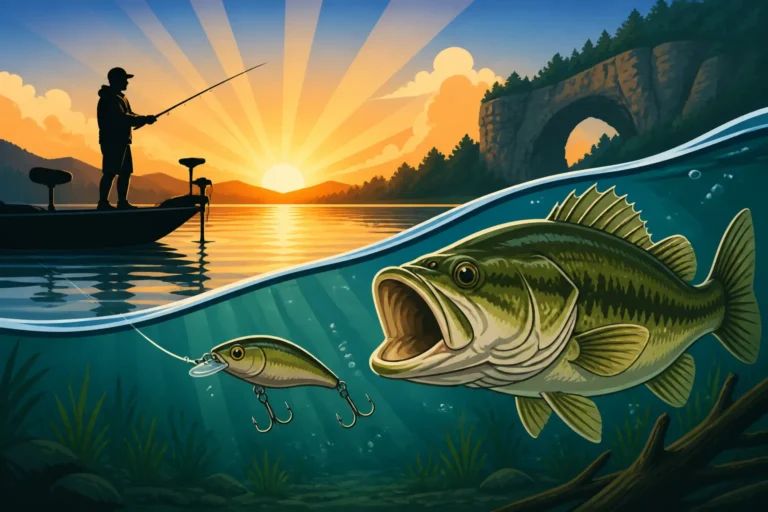
Bass are opportunistic predators, and on cloudy days, they often become even more aggressive, moving out from deeper cover as the light levels drop. This is your cue to present something they can't miss.
- Black/Blue Combinations: These are absolute classics for a reason, especially in jigs or soft plastics like worms and creature baits. Black creates a fantastic silhouette against the lighter sky, making it highly visible to a bass looking up from below. The addition of blue adds a subtle flash or contrast that can mimic crawfish or baitfish in low light. For jig fishing in Arkansas, particularly in timbered areas like on Lake Conway Bass Fishing Near Little Rock, Arkansas, a black and blue jig pitched into submerged logs can be deadly.
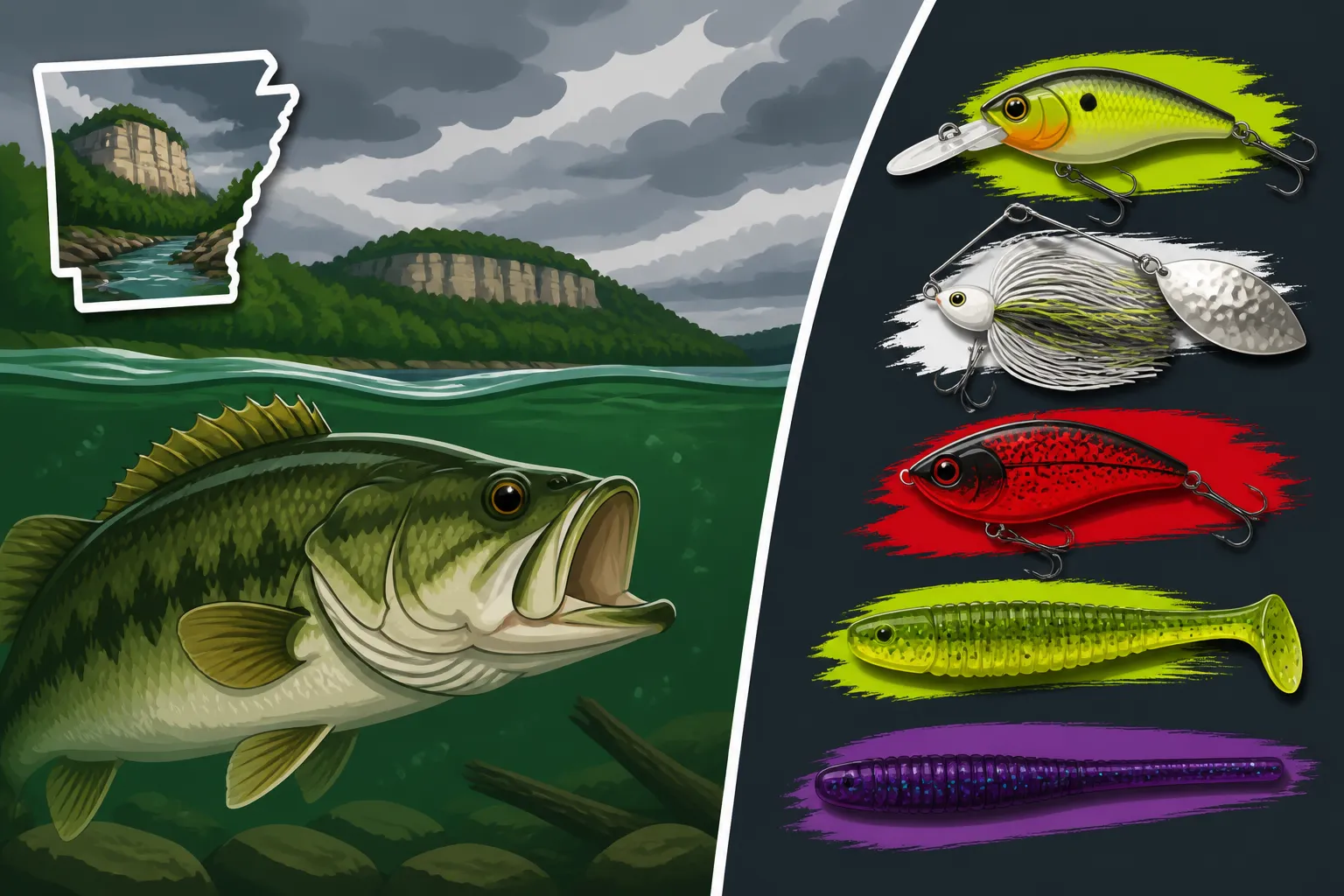
- Chartreuse: This vibrant, fluorescent green is an absolute powerhouse in stained or murky water on cloudy days. Its bright pigment cuts through the murk like a beacon, making it incredibly visible. Spinnerbaits with chartreuse skirts or blades, crankbaits, or even soft plastics in this color can be irresistible. Consider a chartreuse and white combination for a spinnerbait—the white adds a flash while the chartreuse provides the high visibility.
- White/Silver: While it might seem counterintuitive since we're talking about low light, white and silver can be excellent, especially in clearer water or when trying to mimic shad. The flash from a silver blade on a spinnerbait or the bright presence of a white swim jig can really stand out. On a cloudy day, the diffused light can make these colors appear almost luminous underwater, drawing strikes from curious bass. Many successful anglers targeting Largemouth Bass Fishing on Arkansas's White River will often have a white or silver crankbait ready.
- Purple: Often overlooked, purple can be incredibly effective for bass, especially in softer plastic presentations. It offers a dark, contrasting silhouette, much like black, but with a subtle hue that some believe mimics certain insects or small baitfish more naturally in dim conditions. Try a dark purple worm or creature bait on a Texas rig.
When bass fishing on cloudy days, don't be afraid to use lures with more vibration and sound too, as these can help fish locate your offering when visual cues are limited. Lures like crankbaits or chatterbaits can add that extra dimension.
Crappie and Panfish
Crappie and other panfish like bluegill and bream are often more active on cloudy days, moving out from dense cover to feed. They love to ambush baitfish and insects, and low light provides them with more camouflage.
- Chartreuse: Just like for bass, chartreuse is a top-tier choice for crappie. Whether it's a tiny jig head with a chartreuse body, a tube jig, or a small curly tail grub, this color gets noticed. Crappie are visual feeders, and that bright green pops even in low light or stained water. Learning How to Rig a Jig for Crappie Fishing with a chartreuse plastic is a fundamental skill.
- Orange/Pink: These "hot" colors are surprisingly effective for crappie. They stand out well in lower light and are often associated with distress or injured baitfish, triggering a predatory response. Small jigs or minnow imitations in orange or pink can be stellar, especially in conjunction with chartreuse for a contrasting combo.
- Black/Blue Combinations: Similar to bass, dark colors offer excellent silhouettes for crappie. A small black and blue tube jig or a black marabou jig can be incredibly enticing, especially when crappie are suspended under bait schools in slightly clearer, but still cloudy, conditions.
- White: A plain white jig or small spinner can also be a killer for crappie, especially if the water has decent clarity despite the clouds. It mimics a small shad or minnow perfectly, and the subtle glow of white in diffused light can be very appealing.
Remember that crappie are often schooling fish. If you catch one on a particular color, stick with it and try to work that same area. On cloudy days, they might be shallower than usual or suspended in deeper water, so adapting your depth is as important as your color choice. If you're struggling, check out tips on How to Find Crappie in Deep Water.
Trout
Arkansas boasts some of the best trout fishing in the South, particularly on our tailwaters like the White River below Bull Shoals Dam or the Norfork. Trout, especially rainbows and browns, can be quite particular, but cloudy days often make them more active and less wary.
- Orange/Pink (PowerBait, Roostertails, Spoons): These vibrant colors are a staple for trout, and they perform exceptionally well on cloudy days. Whether it's a dollop of Berkley PowerBait in "salmon peach" or a small inline spinner with an orange blade, these colors grab a trout's attention. They often mimic salmon eggs or other natural food sources that stand out in the current.
- Chartreuse: Like other species, trout can't resist chartreuse, especially in slightly stained or discolored water. Small jigs, spinnerbaits, or even fly patterns with chartreuse accents can be very effective. During a cloudy day on the White River, a chartreuse micro jig can often tempt even the most finicky brown trout.
- White/Silver: For imitating baitfish, especially on rivers where threadfin shad or other small forage are present, white and silver are hard to beat. Small spoons, inline spinners like Panther Martins, or even white soft plastics on a jig head can be very productive. The flash of silver in diffused light can look very natural.
- Darker Patterns (Flies): For fly anglers, cloudy days can call for darker nymph patterns or streamers. While not a "bright" color, the strong silhouette of a black Woolly Bugger or a dark stonefly nymph can be incredibly visible to a trout foraging in lower light conditions. This is often the case when pursuing Trout Limits on the Norfork Tailwater in Arkansas.
Trout often become more aggressive and willing to chase on cloudy days, so don't be afraid to experiment with slightly larger or more active presentations. While fly fishing on the White River Fly Fishing Season Guide for Arkansas Anglers, your guide might even suggest a quicker retrieve for streamers.
Catfish (Channel, Blue, Flathead)
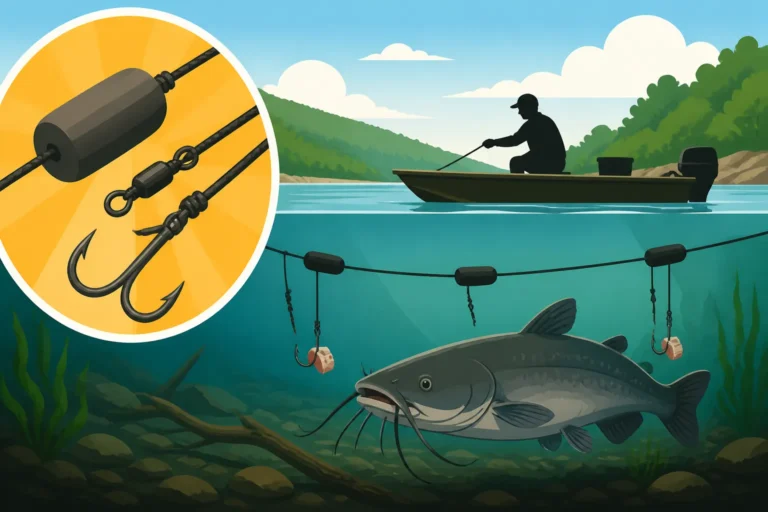
Catfish are primarily scent-driven feeders, but visual cues still play a role, especially for actively hunting blue or channel cats. On cloudy days, they might be more willing to move and forage, making them a great target.
- Dark/Contrasting Colors: While lure color isn't as critical for catfish as it is for other species, the overall visibility of your bait can still matter. If you're using prepared baits or cut bait, the natural color of the bait itself is what you're working with. However, if you're using a jig head or a float for presenting bait, a dark color like black or brown can help it stand out against a lighter bottom, potentially drawing a curious cat closer before the scent takes over.
- Fluorescent Baits (Less Common, but Possible): Some manufactured catfish baits or chicken livers might come in vibrant colors like chartreuse or pink. While primarily relying on scent, the added visual pop in murky water on a cloudy day could theoretically help a catfish locate the bait more quickly. However, this is more of an auxiliary benefit rather than a primary attractor.
For catfish, focus heavily on scent, fresh bait, and finding good structure where they might be lurking. If you're after trophy blue catfish, a freshly caught piece of shad is always going to be your best bet, regardless of the sky. Check out Best Bait for Blue Catfish in Arkansas for more specific bait advice.
Practical Tips for Choosing and Using Lure Colors on Cloudy Days
Knowing which colors generally work is one thing, but translating that into consistent success on the water requires a bit of finesse, observation, and a willingness to adapt. Fishing isn't a precise science, and there's no single magic bullet, especially when Mother Nature throws a curveball with the weather.
Experimentation is Key
Here's the real talk: no matter how many articles you read or how many experts you consult, the fish on your specific lake or river on that particular cloudy day will have the final say. Conditions vary so much—water clarity, depth, wind, temperature, even local forage—that a "best" color is rarely universal. This is where your inner scientist needs to come out!
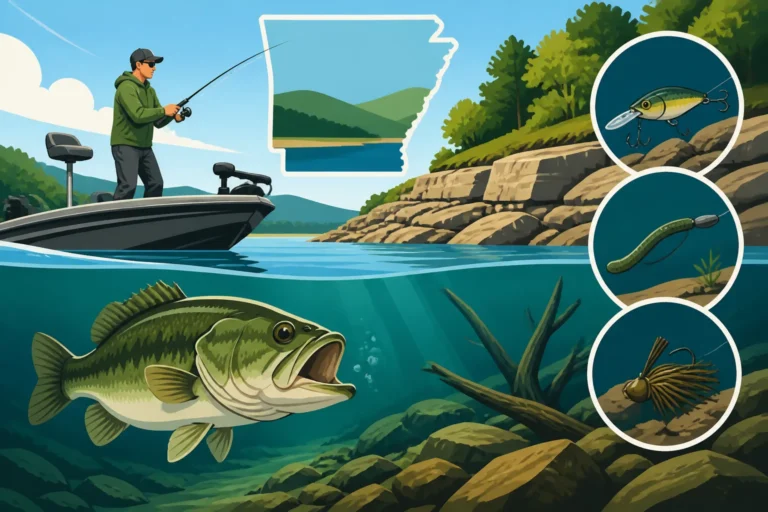
Start with the tried-and-true recommendations: a black and blue jig for bass, a chartreuse jig for crappie, an orange spinner for trout. But if those aren't producing, don't be afraid to switch. Try a slightly different shade, a different size, or a different action. Maybe the fish want a white spinnerbait instead of a chartreuse one today. Perhaps a purple worm is the ticket when black isn't getting bites. Having a selection of these effective cloudy day colors on hand, easily accessible in your tackle box, will allow you to quickly cycle through options. It's not uncommon to hear seasoned anglers say they "found the color" of the day after trying three or four different options. Trust me, it happens to everyone.
Considering Water Depth and Cover
The impact of clouds intensifies with depth. The deeper your lure goes, the less light it receives, and the more critical your color choice becomes.
- Shallow Water (0-5 feet): In very shallow water, especially if the water is relatively clear, even on a cloudy day, fish can still perceive a fair range of colors. However, highly contrasting colors or natural patterns that create a good silhouette (like black, dark green, or blue) can still be very effective here. A white or silver lure might also flash nicely near the surface.
- Mid-Depth (5-15 feet): This is often where bass and crappie love to hang out on cloudy days. Here, you'll want colors that maintain their visibility as light diminishes. Chartreuse, bright orange, and strong black/blue combos will perform well. The goal is for your lure to be a beacon in the reduced light.
- Deep Water (15+ feet): Once you go really deep, natural light penetration is minimal. This is where truly bright, fluorescent colors like chartreuse or hot pink (for trout) can be very effective, as they appear brightest to fish in extremely low light. Alternatively, very dark colors that create an undeniable silhouette against the slightly lighter water above can also work. For example, a black jig worked slowly along the bottom will create a stark profile for any fish looking up. You'll often find anglers trying to get a lure like a deep-diving crankbait down to this depth, using a bold color to make sure it's seen.
Beyond depth, consider the cover. If you're fishing against a dark, rocky bottom or dense submerged timber, a contrasting bright lure might stand out better. If the cover itself is lighter (like sandy bottom or sparse grass), a darker lure might create a more appealing silhouette. This is true whether you're fishing Best Bass Fishing Spots on Lake Ouachita, Arkansas or chasing trout in a rocky riverbed.
Lure Action and Profile Still Matter
It's easy to get caught up in color, but never forget that lure action and profile are equally, if not more, important. A perfectly colored lure with no action won't catch anything.
- Action: On cloudy days, fish often rely more on lateral line vibrations to detect prey. Lures with strong actions—like a wobbling crankbait, a thumping spinnerbait, or a jig with a flapping trailer—can generate those vibrations. When choosing your lure, think about how it moves in the water. A good example is a Z-Man ChatterBait, which combines a blade's flash and vibration with a soft plastic trailer in a color like black and blue. You can find a huge variety of these effective lures on sites like Amazon.
- Profile: The shape and size of your lure, its "profile," are also crucial. Are you trying to mimic a crawfish, a shad, or a worm? On cloudy days, a slightly larger profile might be beneficial to present a more substantial target, especially in low visibility. However, sometimes a smaller, more subtle profile in a vibrant color can be the trick if fish are being finicky. The best way to use a How to Fish a Spinnerbait for Bass on a cloudy day is often to combine a vibrant skirt color with a blade that creates a lot of flash and vibration.
Remember, color is one piece of the puzzle. It works in conjunction with action, profile, and retrieve speed to create an irresistible presentation. Don't fall into the trap of thinking color is everything. It's about finding the right combination that triggers a strike on that particular day. Sometimes a fast retrieve with a dark lure works, other times a slow, methodical presentation of a bright lure is the ticket. Understanding things like How to Read Water Temperature for Bass Fishing can also help you determine the fish's activity level and therefore, the ideal lure action.
Here's a quick summary of general recommendations for cloudy days:
| Species | Water Clarity | Recommended Lure Colors | Best Lure Types for These Colors | Key Reason |
|---|---|---|---|---|
| Bass | Clear | Black, Blue, Dark Green, White, Silver | Jigs, Soft Plastics (Worms, Creatures), Spinnerbaits, Crankbaits | Strong silhouette, natural baitfish imitation in diffused light |
| Stained/Murky | Chartreuse, Black/Blue, Bright Orange, White | Spinnerbaits, Chatterbaits, Jigs, Crankbaits, Soft Plastics | High visibility, strong contrast in low-light, turbid water | |
| Crappie | Clear | Black/Blue, White, Silver, Natural Minnow | Small Jigs, Tube Jigs, Inline Spinners | Subtle contrast, accurate baitfish mimicry |
| Stained/Murky | Chartreuse, Hot Pink, Orange, White, Chartreuse/White | Small Jigs (Marabou, Plastic), Tube Jigs, Tiny Crankbaits | Excellent visibility in low light, attention-grabbing | |
| Trout | Clear | Orange, Pink, Silver, White, Dark Natural (Flies) | PowerBait, Inline Spinners, Spoons, Nymphs, Streamers | Mimics eggs/baitfish, good flash/silhouette |
| Stained/Murky | Chartreuse, Bright Orange, Hot Pink, Glow-in-the-Dark | PowerBait, Inline Spinners, Micro Jigs, Bright Streamers | Maximum visibility in current and low-light conditions | |
| Catfish | All | (Scent is Key), Dark/Contrasting Jig Heads (optional) | Cut Bait, Prepared Baits, Worms (Jig head color less critical, focus on scent/location) | Visual cue for primarily scent-driven feeders |
This table provides a great starting point for stocking your tackle box for those less-than-sunny Arkansas fishing days. When you're shopping for tackle, whether in a local bait shop or on Amazon, having these colors in mind can help you make smart choices.
Conclusion
Cloudy days don't have to mean bad fishing days. In fact, for many species, they can provide some of the most exciting and productive fishing opportunities. The key is understanding how the reduced light changes the underwater environment and, consequently, how fish perceive your lures. By leaning into strong contrasts, vibrant fluorescent colors, and dark silhouettes, you can ensure your presentation stands out, even when the sun hides behind the clouds.
Remember, flexibility and experimentation are your best friends. Pack a variety of colors, observe the water conditions, and don't be afraid to switch things up until you find what the fish are biting. And hey, even on a cloudy day, being out on the water in Arkansas is a fantastic experience, catching fish is just the icing on the cake! You might even find that some of your favorite fish are more active, making it one of the Best Time of Year to Fish in Arkansas for certain patterns. Just make sure you've got your Arkansas Fishing License Rules and Costs sorted before you head out!
Disclaimer
This article is for general informational purposes only and does not constitute professional advice. Laws, prices and regulations vary by location and change over time. Consult a qualified professional for guidance on your specific situation.