How to Fish From a Kayak on a Reservoir
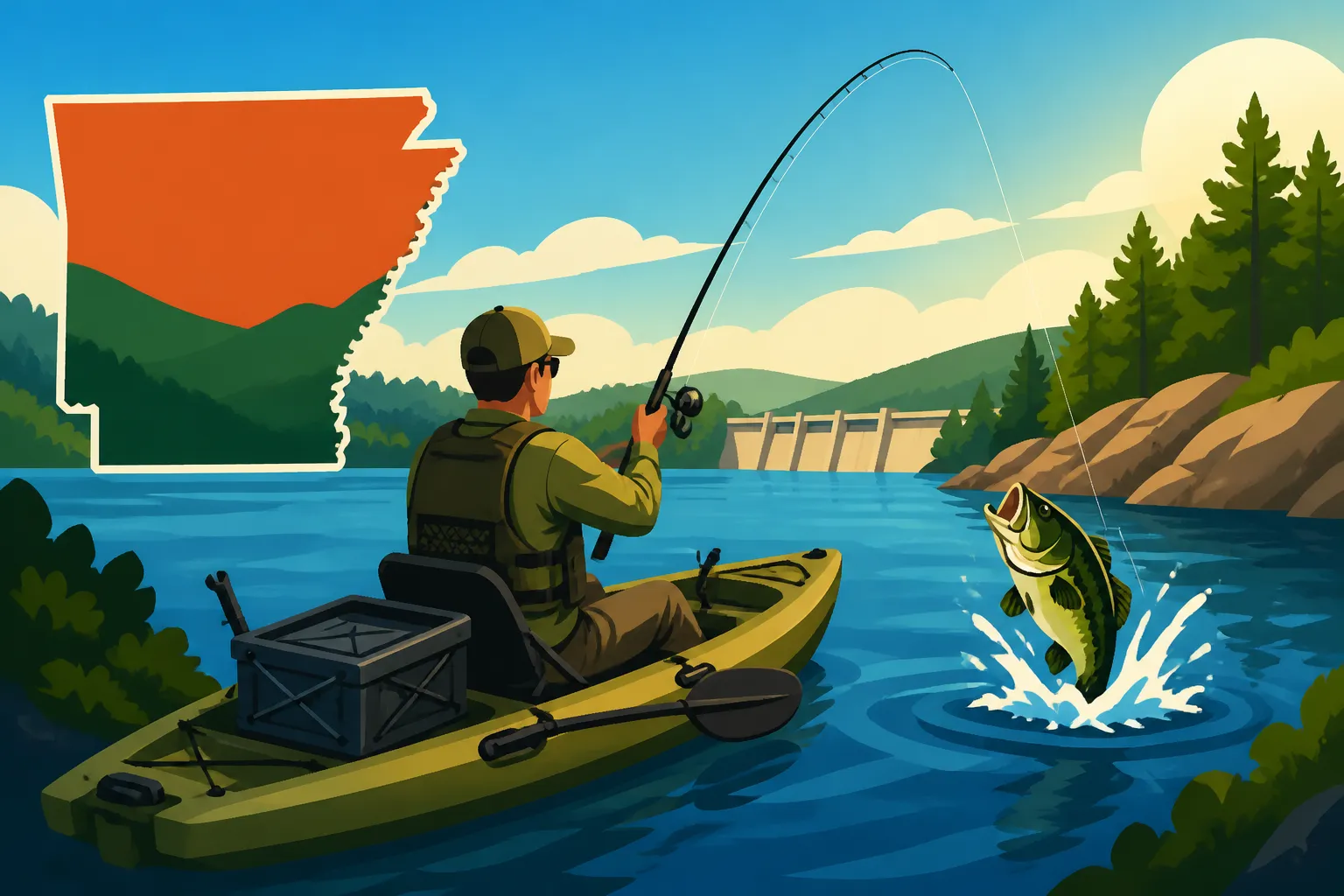
For many of us who love fishing in Arkansas, the idea of getting out on the water is always exciting. But then you look at those big reservoirs—Lake Ouachita, Bull Shoals, Greers Ferry—and think, how on earth am I going to effectively fish those vast expanses from a kayak? The wind, the currents, the sheer distance, and figuring out how to even find the fish can feel overwhelming. This guide is here to break down how you can not only survive but thrive while kayak fishing on Arkansas's beautiful reservoirs, turning those challenges into triumphs.
Why Kayak Fishing on Arkansas Reservoirs is a Game Changer (and a Challenge)
Kayak fishing has exploded in popularity, and for good reason. There’s something uniquely satisfying about propelling yourself across the water, feeling closer to nature, and reaching spots that bigger boats simply can't. But let's be real, a huge reservoir isn't the same as a quiet pond, and it brings its own set of considerations.
The Allure of Kayak Fishing
The appeal of kayak fishing, especially on the diverse waters of Arkansas, is undeniable. First and foremost is the incredible stealth. A kayak glides silently through the water, allowing you to approach wary fish without spooking them. Imagine paddling into a quiet cove on Lake Hamilton, easing up to a fallen tree, and making a perfect cast where a bass has no idea you're there. That's the kayak advantage right there.
Then there's the access. Many of Arkansas's reservoirs have countless shallow pockets, brush-choked creek arms, and rocky shorelines that are inaccessible to larger boats. Your kayak can slip into these skinny waters, opening up entire new fishing grounds. You can explore hidden coves on Lake Ouachita: Arkansas's Largest Lake for Bass and Crappie Fishing or navigate the timber-filled backwaters of Lake Conway that a bass boat would never dare. This intimate access often means less pressure on the fish and a better chance at a truly undisturbed bite.
Beyond the fishing itself, kayak fishing offers a fantastic way to connect with the outdoors. It's a peaceful experience, often accompanied by the sounds of nature rather than roaring engines. It's also a great workout! Paddling or pedaling all day keeps you active and engaged, combining a passion for fishing with a healthy lifestyle. And when you finally reel in that big largemouth after a hard day's paddle, the sense of accomplishment is just amplified because you did it all under your own power.
The Realities of Reservoir Kayak Fishing
While the allure is strong, we also need to be realistic about the challenges that come with taking a kayak onto a large Arkansas reservoir. These aren't small, sheltered ponds. The biggest hurdle for many is the sheer size of these lakes. Covering significant distances can be exhausting, especially if you're only paddling. What looks like a short paddle on a map can turn into a serious workout when you're battling wind and current.
Speaking of wind, it's often the kayak angler's nemesis. Even a moderate breeze can make paddling a strenuous chore, push you off your fishing spot, and make boat control difficult. On an open reservoir like Norfork Lake: One of Arkansas's Best Striped Bass Fisheries, a stiff breeze can whip up chop that makes paddling uncomfortable, if not downright unsafe for smaller kayaks. You’ll find yourself constantly correcting your drift, which takes away from actual fishing time.
Then there's boat traffic. Many popular Arkansas reservoirs are bustling with pleasure craft, ski boats, and larger fishing vessels, especially on weekends. Being a small, low-profile kayak in a sea of bigger boats can be intimidating and even dangerous if others aren't paying attention. You need to be extra vigilant and prioritize visibility.
Finally, managing all your gear in a confined space can be tricky. Rods, tackle boxes, a cooler, safety equipment, a fish finder—it all needs a home, and it needs to be secure so it doesn't end up at the bottom of the lake if you capsize. The balance between having everything you need and not being overcrowded is a constant consideration.
Essential Kayak Gear for Reservoir Anglers in Arkansas
Equipping yourself properly is key to a successful and enjoyable kayak fishing experience on Arkansas's reservoirs. This isn't just about bringing a rod and reel; it's about optimizing your setup for efficiency, safety, and comfort on larger bodies of water.
Choosing the Right Kayak and Propulsion
When it comes to the kayak itself, you're looking for a balance. Stability is usually paramount, especially on open reservoirs where wakes from other boats or unexpected chop can quickly put you in a precarious situation. Wider, flatter-bottomed kayaks generally offer more stability, allowing you to stand and cast or fight a fish more confidently. However, added stability often means less speed.
For covering ground on large reservoirs, a pedal-drive kayak is often a game-changer. Brands like Hobie or Native Watercraft offer excellent pedal systems that free up your hands for fishing while you propel yourself with your legs. This is incredibly efficient for moving between spots, fighting wind, or even "trolling" at a slow pace. If a pedal drive isn't in the budget, or you prefer simplicity, a good quality, lightweight paddle is essential. Look for one that matches your height and kayak width, and consider a spare. For those who want to cover serious water with minimal effort, adding an electric trolling motor is another popular option, turning your kayak into a mini powerboat and extending your range significantly.
Must-Have Accessories for Efficiency and Safety
Beyond the kayak itself, a few critical accessories will make your reservoir fishing trips much smoother and safer.
- Personal Flotation Device (PFD): This isn't optional, it's a lifesaver. Always wear a PFD, even if you're a strong swimmer. There are fishing-specific PFDs available that offer extra pockets and comfortable designs for all-day wear.
- Anchor System: Essential for holding your position against wind or current. A small drag chain or a lightweight folding anchor with plenty of line works wonders. Some anglers even use sophisticated anchor trolleys that allow you to deploy your anchor from the bow or stern without moving. You can find robust anchor systems and lines on Amazon that are perfect for kayak use.
- Rod Holders: Having multiple rod holders allows you to switch between setups quickly or even troll a line while you paddle. Flush-mount or adjustable deck-mounted holders are both great options.
- Crate or Storage System: A milk crate, often customized with PVC pipe rod holders, is a popular and inexpensive way to organize tackle boxes, a small cooler, and other gear directly behind your seat. Many purpose-built kayak fishing crates are available that offer even more features.
- Fish Finder: A compact, portable fish finder can dramatically increase your success on vast reservoirs by helping you locate Deep Water Striper Fishing Techniques, identify submerged structure, and find baitfish schools. Units with GPS are particularly useful for marking hot spots.
- Safety Flag/Visibility: A tall, bright safety flag with reflective tape makes you much more visible to other boaters, which is crucial on busy lakes. Wear bright clothing as well.
- Navigation: A reliable GPS (either standalone or on your phone in a waterproof case) is vital for navigating large reservoirs, especially if you venture into coves or channels where it's easy to get disoriented.
Fishing Tackle Adapted for Kayaks
While your rods and reels might be the same as what you use from shore or a bigger boat, consider the constraints of kayak fishing.
- Compact Rods: Shorter rods (6.5 to 7 feet) can be easier to manage in a confined kayak, reducing the chance of them getting tangled or hitting the water.
- Organized Tackle: Instead of bulky tackle boxes, opt for smaller, waterproof utility boxes that fit neatly into your crate or dry storage. Minimize clutter. You might find a great selection of these on Amazon.
- Landing Net: A short-handled, rubberized landing net is invaluable for safely landing fish, especially larger ones, from a kayak without causing hooks to get tangled in the net or creating a chaotic situation in your small craft. It also helps with catch and release by protecting the fish's slime coat.
Kayak Fishing Techniques for Arkansas Reservoirs
Successfully fishing from a kayak on Arkansas's reservoirs requires adapting your approach. You'll use many of the same core fishing principles, but with a kayak-specific twist.
Targeting Structure and Cover
Just like in any fishing, finding fish means finding structure and cover. On reservoirs, this can be vast, so focus your efforts. Look for obvious features like creek channels, points, and humps using your fish finder. These are natural highways and feeding grounds for species like bass and crappie. On a lake like Bull Shoals, the sheer number of underwater points and ledges can be overwhelming, but a good map and fish finder will help you narrow it down.
Standing timber, especially in the upper arms of reservoirs or areas that were flooded, is a prime target. Bass and crappie love to hold tight to these vertical structures. Approach silently, fan-casting around the timber, and pay attention to your electronics for any signs of fish holding deeper. Similarly, brush piles, either natural or intentionally sunk, are crappie magnets. Drop a jig down vertically into these piles, a technique sometimes called vertical jigging, being mindful of potential snags. Don't overlook rock piles, bluffs, and transition areas where different types of bottom meet. These are often overlooked but can hold quality fish.
Dealing with Wind and Current
Wind and current are constant companions on large reservoirs, and learning to manage them is crucial. A light breeze can actually be your friend, creating a natural drift that allows you to cover water slowly and thoroughly. However, a strong wind can quickly become a nuisance.
- Drifting: On windy days, you can use the wind to your advantage by setting up a controlled drift over promising areas. Use a drift sock or a small sea anchor deployed off the side to slow your drift and keep your kayak oriented correctly. This is particularly effective when targeting schools of baitfish or covering large flats.
- Anchoring: When you find a hot spot or want to thoroughly pick apart a piece of structure, anchoring is essential. An anchor trolley system (a line running the length of your kayak with rings that allow you to attach your anchor rope to the bow, stern, or anywhere in between) is invaluable for positioning your kayak precisely, preventing it from swinging in the wind. This allows you to stay on your target and make accurate casts.
- Rudders and Motors: If your kayak has a rudder, learn to use it effectively to maintain your direction in crosswinds or currents. For kayaks equipped with electric motors, these are fantastic for subtle positioning adjustments or holding your spot using a spot-lock feature.
Effective Lure and Bait Presentation from a Kayak
Presenting your lure effectively from a kayak often comes down to accuracy and managing your limited space.
- Casting Accuracy: Practice casting accurately, especially into tight cover or around structure. Overhanging trees, docks, and submerged logs are prime targets, and a well-placed cast can make all the difference. From a seated position, you might need to adjust your casting motion.
- Vertical Jigging: For fish holding directly under your kayak, especially crappie in brush piles or suspended stripers, vertical jigging is highly effective. You can drop a jig or live bait straight down, monitoring your fish finder for strikes. This minimizes casting and keeps your presentation precise.
- Trolling: If your kayak is pedal-driven or has an electric motor, slow trolling can be a very productive method for covering water and finding active fish, particularly for species like striped bass. Striped Bass Trolling Techniques can be adapted to a kayak by using lighter gear and being mindful of your speed. Keep your rods secure in holders and monitor your lines. Always check Arkansas Fish Size and Daily Limits before you keep any fish you catch while trolling.
Safety and Comfort on the Water
Being prepared for the unexpected and ensuring your comfort will make your kayak fishing trips on Arkansas reservoirs much more enjoyable and safe. The waters can be vast and conditions can change quickly.
Navigating Busy Waters and Weather
Safety should always be your top priority. On large, popular reservoirs, you'll encounter other boaters.
- Visibility: As mentioned, a bright safety flag is a must. Wear bright colors, and if you're out near dawn or dusk, consider adding a 360-degree white light, easily found on Amazon. Assume other boaters don't see you and be proactive in avoiding collisions.
- Emergency Preparedness: Always carry a fully charged phone in a waterproof case, a whistle for signaling, and a small first-aid kit. Consider a small, waterproof VHF radio if you're going to be far from shore or on very busy waters. Let someone know your float plan—where you're going and when you expect to return.
- Checking Forecasts: Weather on large reservoirs can change rapidly. Always check the forecast before you launch, paying close attention to wind speed and direction, as well as the chance of thunderstorms. If conditions look questionable, err on the side of caution. There's always another day to fish.
Packing for a Day on the Reservoir
A well-packed kayak is a happy kayak. Space is limited, so be strategic.
- Hydration: Bring plenty of water, especially during Arkansas's hot summers. A hydration bladder that fits into your PFD or a small cooler can be a lifesaver.
- Snacks: Pack high-energy, non-perishable snacks. Fishing all day burns calories!
- Sun Protection: Sunscreen, a wide-brimmed hat, and polarized sunglasses are essential. Long-sleeved shirts and pants designed for sun protection are also a great idea.
- Dry Bags: Keep anything you want to stay dry—phone, wallet, extra clothes, first-aid kit—in waterproof dry bags. These are inexpensive and offer peace of mind.
Launching and Landing Your Kayak
Getting in and out of the water efficiently can be surprisingly challenging, especially if you're solo.
- Easy Access Points: Look for designated kayak launches, sandy beaches, or shallow, gently sloping boat ramps. Many Arkansas State Parks with the Best Fishing Access have ideal spots. Check out specific ramps like Best Boat Ramps on Lake Ouachita, Arkansas for suitable launching. Avoid steep, rocky banks or crowded motorboat ramps if possible.
- Solo Launching Tips: If you're by yourself, a kayak cart can save your back and make transporting your kayak from your vehicle to the water much easier. Practice getting in and out of your kayak gracefully in shallow water until you're comfortable. A paddle leash is also a good idea to prevent your paddle from floating away during launch or landing.
| Kayak Propulsion Type | Pros | Cons | Ideal for Reservoir Fishing |
|---|---|---|---|
| Paddle | Simple, quiet, good exercise, lower cost | Slower, hands occupied, fatiguing in wind/current | Budget-conscious, short trips, small/sheltered coves, stealth fishing |
| Pedal | Hands-free fishing, efficient, good speed, less fatiguing | Higher cost, can be heavier, more complex | Covering moderate to long distances, fighting wind, subtle boat control, light trolling |
| Motorized | Fast, covers large distances, minimal effort, spot-lock features | Highest cost, battery management, added weight/complexity, requires charging | Long-distance travel, battling strong currents/wind, covering large open water, trolling for stripers |
Remember, kayak fishing on Arkansas's reservoirs offers a unique blend of challenge and reward. With the right gear, a thoughtful approach to technique, and a strong focus on safety, you'll be enjoying the stunning waters and incredible fishing opportunities that our state has to offer, one paddle or pedal stroke at a time.
Disclaimer
This article is for general informational purposes only and does not constitute professional advice. Laws, prices and regulations vary by location and change over time. Consult a qualified professional for guidance on your specific situation.