Best Fish Species for Beginners to Catch
Getting started with fishing in Arkansas can feel like stepping into a vast, beautiful wilderness where you're not quite sure which path to take first. Many aspiring anglers feel overwhelmed by the sheer number of fish species, complex regulations, and the myriad of tackle options. This guide is here to cut through that noise, focusing on the most approachable and rewarding fish species for beginners, ensuring your first experiences on Arkansas's waters are filled with excitement, learning, and success.
Why Starting Simple Makes All the Difference for New Anglers
It's a common story: you get excited about fishing, head to the store, and suddenly you're staring at walls of lures, rods, and gadgets, feeling utterly lost. The world of fishing is incredibly diverse, offering pursuits from fly fishing for elusive trout in cold tailwaters to deep-sea trolling for massive stripers. While all these pursuits are rewarding in their own right, diving headfirst into the most challenging aspects can quickly lead to frustration and burnout for a beginner. The key to long-term enjoyment and skill development is to start with a solid foundation.
The Frustration of Overwhelm: Too Many Choices
Imagine walking into a bait shop for the first time. You see a thousand different plastic worms, spinnerbaits in every color imaginable, and rows of intricate fly patterns. Then you start looking at maps, seeing dozens of lakes and rivers, each with its own reputation for different species. It's enough to make anyone's head spin! This feeling of being overwhelmed by too many choices is a huge barrier for new anglers. It's easy to get caught up in trying to do too much, too soon, and end up catching nothing, which can quickly extinguish that initial spark of enthusiasm.
Instead of trying to master every technique or chase every trophy fish from day one, focusing on accessible species with simpler needs allows you to build confidence. When you know what you're targeting and how to catch it, the experience becomes enjoyable rather than a baffling struggle. Success, even small successes, breeds further interest and encourages you to learn more. That first tug on your line, no matter the size of the fish, is an incredible feeling that keeps you coming back.
Building Foundational Skills with Cooperative Species
The real goal for a beginner isn't to land a state-record fish, but to learn the basics: how to cast accurately, how to identify a bite, how to set the hook effectively, and how to properly fight and land a fish. These are fundamental skills that apply across almost all types of fishing, and they're best learned when you're frequently engaging with fish. That's where cooperative species come in.
Targeting fish that are abundant and generally eager to bite provides constant opportunities to practice these skills. Every time your bobber dips, or you feel a gentle tap on your line, it's a chance to refine your technique. You learn to differentiate between a weed and a bite, how much force to use on a hook set, and the rhythm of reeling in a struggling fish. This hands-on experience is invaluable and far more effective than just reading about it in a book or watching videos. When you pick a species that gives you plenty of action, you're not just catching fish; you're building the muscle memory and instincts that will serve you well for a lifetime of angling.
Top Arkansas Fish Species for Your First Catches
When we talk about beginner-friendly fish in Arkansas, we're looking for a few key traits: they should be abundant, relatively easy to locate, willing to bite simple baits, and provide a fun fight without requiring hyper-specialized gear or techniques. Luckily, the Natural State is absolutely brimming with fantastic options that fit this bill perfectly.
Bluegill and Other Panfish: The Ultimate Beginner's Fish
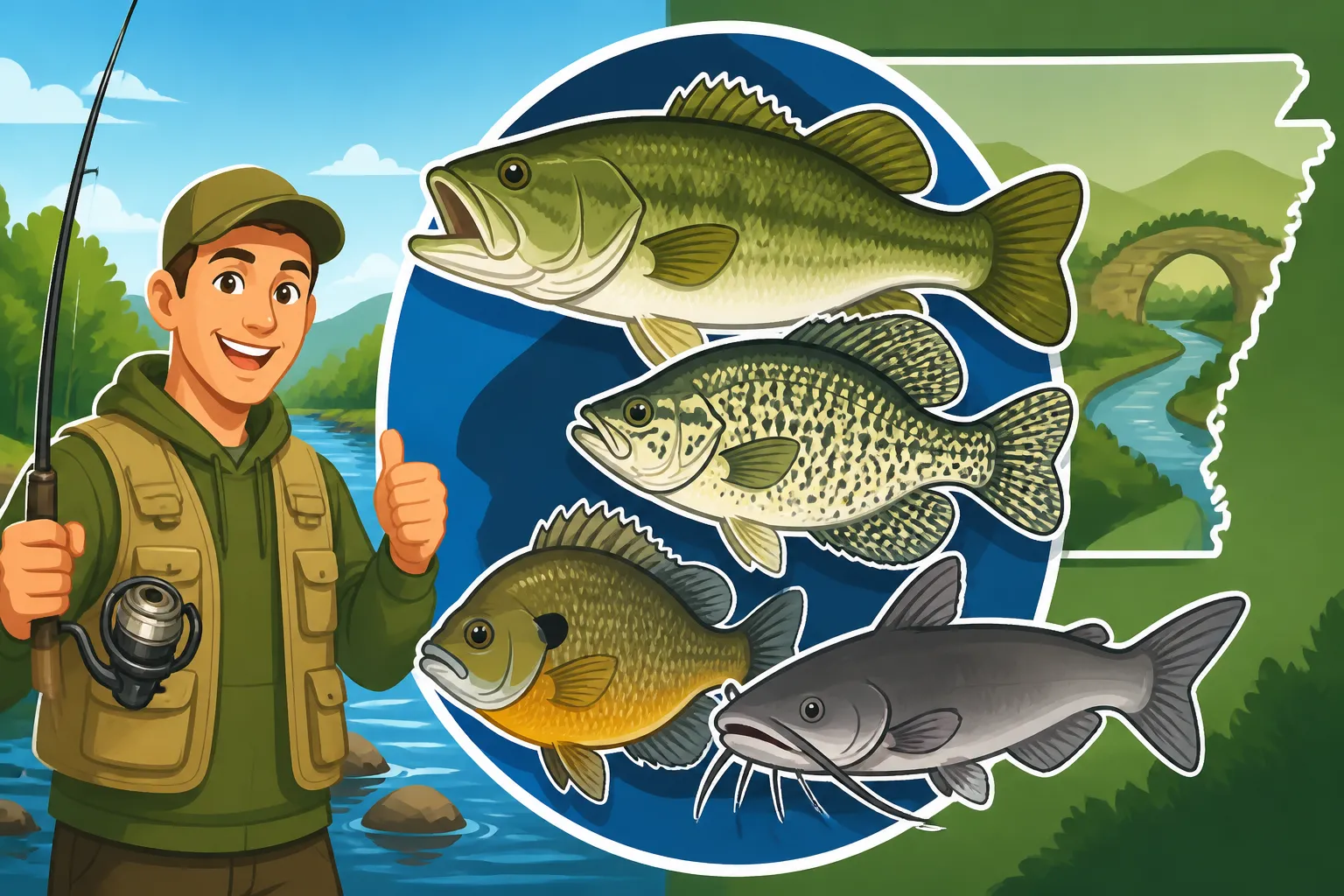
If there's one fish I'd recommend for anyone starting their fishing journey in Arkansas, it's the bluegill. These little sunfish are absolute heroes for beginners! They're incredibly widespread, found in almost every pond, lake, and slow-moving river section across the state. What makes them truly special is their almost constant willingness to bite. They're not picky eaters, and they're not easily spooked, making them the perfect target for learning the ropes.
Bluegill are often found congregated around any kind of shallow cover – think docks, submerged logs, lily pads, or even just patches of weeds along the bank. Their preference for these easily accessible areas means you often don't need a boat to find them; many great spots are within casting distance from shore. A simple hook, a small sinker, and a bobber are all you need. Hook a live worm, a cricket, or even a piece of corn, cast it out, and more often than not, you'll feel that distinctive peck-peck-pull on your line. It's instant gratification and a fantastic way to get kids and new adults hooked on fishing. For more tips on getting started, check out How to Rig a Worm Under a Bobber for Bluegill and Bluegill Fishing Tips for Kids in Arkansas.
Beyond bluegill, Arkansas is home to several other "panfish" species like redear sunfish, green sunfish, and warmouth, all of which share similar characteristics to bluegill. They're generally small, colorful, and aggressive biters, making them collectively an excellent target for new anglers. They thrive in similar habitats and respond to the same basic baits and techniques. Learning to catch these diverse panfish not only provides endless fun but also helps you develop an eye for different fish behaviors and preferences in various shallow water environments. These species are truly the gateway to becoming a lifelong angler, offering consistent action that builds confidence and sharpens your fundamental skills. Many state parks and local ponds are specifically managed to ensure healthy panfish populations for easy family fishing. For a deeper dive into these accessible targets, you might find Panfish Species Good for Kids and Beginners helpful.
Channel Catfish: A Rewarding Fight Without the Fuss
Once you've enjoyed some success with panfish, channel catfish offer a step up in terms of size and fighting power, but still remain wonderfully accessible for beginners. These whiskered bottom-dwellers are abundant in most of Arkansas's larger lakes, reservoirs, and rivers. What makes them great for new anglers is that they're not particularly shy, and they're often willing to hit a variety of readily available baits. You don't need intricate lures or complex presentations; often, just getting your bait to the bottom is enough.
Channel cats are known for their powerful, stubborn fights. Even a modest 2-3 pound channel catfish can feel like a monster on light tackle, providing an exhilarating experience for a beginner. They typically hang out in deeper holes, near submerged channels, or around underwater structure during the day, but they'll often move into shallower areas to feed as evening approaches, making them accessible from the bank. Channel Catfish Fishing Tips for Beginners can help you get started with these fantastic fish.
For bait, you can't go wrong with tried-and-true options like nightcrawlers, chicken liver, or various prepared "stink baits" that you can find at any bait shop or even order online from Amazon. A simple bottom rig, consisting of a sinker to get your bait down and a hook tied a foot or so above it, is all you need. You'll feel a distinctive series of taps or a steady pull as they mouth the bait before taking it. Setting the hook on a catfish and feeling that powerful run is an experience that will solidify your love for fishing. They're also fantastic table fare, adding another layer of reward to your efforts. Many guides even offer specific trips for catching these hard-fighting fish, proving their popularity among all skill levels.
Crappie: When You're Ready for a Little More Challenge
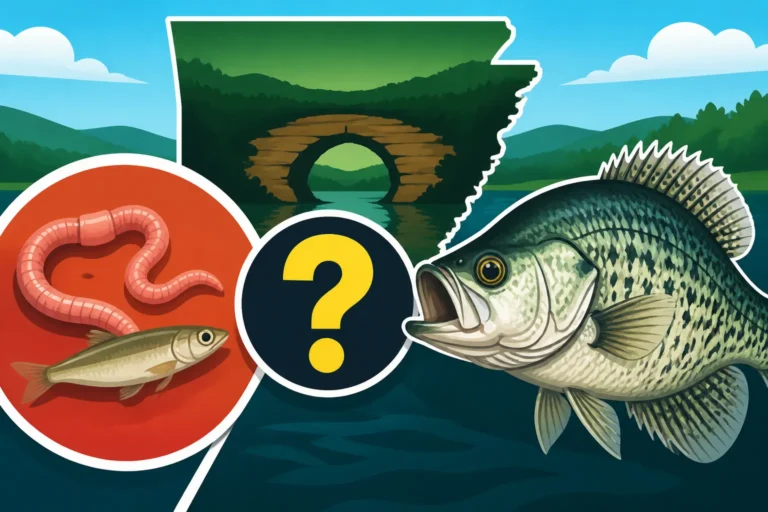
Crappie, both black and white, are another incredibly popular and rewarding species in Arkansas, perfect for when you've mastered the basics of panfish and want to try something a little different. While they might require a touch more finesse than bluegill, their schooling behavior means that once you find them, you can often catch quite a few in short order, leading to exciting, fast-paced action. This can be a real confidence booster for a new angler.
Crappie typically relate to structure, often congregating around submerged brush piles, standing timber, dock pilings, or bridge supports. They prefer deeper water than bluegill, especially during warmer months, but will move into shallower areas to spawn in the spring. This seasonal movement means learning to read the water and understand their habits becomes a bit more important, offering a great learning opportunity. Using a fish finder can really speed up the process of locating these schools, but even without one, knowing common crappie haunts can lead to success.
Small jigs, typically 1/32 to 1/8 ounce, tipped with a small plastic grub or a live minnow, are the go-to baits for crappie. The technique often involves "vertical jigging" around structure or slowly trolling these baits. While it sounds more complex, it's very accessible. Using a sensitive ultralight rod allows you to feel their subtle bites, which are often just a light "tick" on the line. Catching a stringer of crappie is incredibly satisfying, and they are, without a doubt, one of the best-eating fish in Arkansas. For more specific location insights, check out Best Crappie Lakes in Arkansas or for technique specifics, consider Crappie Fishing Tips for Arkansas Timber Lakes.
Essential Gear and Simple Techniques for Beginners
One of the biggest misconceptions for new anglers is that you need a fortune in high-tech gear to catch fish. Nothing could be further from the truth! While specialized equipment certainly has its place for advanced techniques or trophy hunting, starting out simple is not only budget-friendly but also helps you focus on the fundamentals rather than getting bogged down by complicated gadgets.
Keeping Your Tackle Box Lean and Mean
For a beginner, a small, well-organized tackle box stocked with essentials is far more effective than a massive, cluttered one. You truly only need a handful of items to get started and be successful. Your primary investment should be a reliable, easy-to-use rod and reel combo. A medium-light action spinning rod between 6 to 7 feet is versatile enough for panfish, crappie, and even smaller catfish. Many reputable brands offer excellent combos that come pre-spooled with line and are ready to go straight out of the package. You can find fantastic deals on these at local sporting goods stores or even browse options online at Amazon.
Beyond the rod and reel, your tackle box should contain:
- Hooks: A variety of small hooks (sizes 6-10) for panfish and slightly larger ones (sizes 1/0 – 2/0) for catfish.
- Sinkers: Small split shot for bobber rigs and a few egg sinkers or bell sinkers (1/4 oz to 1/2 oz) for bottom fishing.
- Bobbers: Small clip-on bobbers or slip bobbers for controlling your bait depth.
- Extra Fishing Line: A small spool of monofilament line, perhaps 6-8 lb test, for re-spooling your reel or tying new leaders.
- Needle-Nose Pliers or Hemostats: Essential for safely removing hooks from fish.
- Bait Bucket or Container: For live bait like worms or crickets.
- Small Scissors or Line Clippers: For trimming line.
That's really all you need to start catching fish. Resist the urge to buy every shiny lure you see; focus on the basics that consistently catch fish.
Basic Rigs and Baits That Get Results
For our beginner-friendly species, the rigging couldn't be simpler, and the baits are universally appealing.
The Bobber Rig is your bread and butter for panfish.
- Tie a small hook (size 8 or 10) to the end of your line.
- Crimp one or two small split-shot sinkers about 6-12 inches above the hook. This adds enough weight to cast and keeps your bait down.
- Attach a clip-on bobber a foot or two above the sinkers. Adjust the bobber's position to control how deep your bait sits in the water.
- Thread a piece of live worm, a cricket, or even a kernel of corn onto the hook.
This rig is incredibly effective for bluegill and other sunfish. When the bobber dips or moves, you know you've got a bite! For a detailed visual, refer to How to Rig a Worm Under a Bobber for Bluegill.
For catfish, a simple Bottom Rig is highly effective.
- Thread an egg sinker (1/4 to 1/2 oz) onto your main line.
- Tie a swivel to the end of your main line, which will stop the egg sinker.
- Tie a separate length of line (a leader, about 1-2 feet long) to the other side of the swivel.
- Tie a larger hook (1/0 or 2/0) to the end of that leader.
This rig allows the fish to take the bait without immediately feeling the weight of the sinker, leading to more confident bites. For bait, fresh worms, cut bait (pieces of smaller fish like shad), or the aforementioned chicken liver and stink baits are all excellent choices. You can easily find these basic rigging components, from hooks to swivels, at any tackle shop or even on Amazon, making it super convenient to get ready for your first trip.
Patience, Observation, and Local Knowledge
While gear and technique are important, the truly successful anglers cultivate a mindset of patience and observation. Fishing isn't always about constant action; sometimes it's about enjoying the quiet, paying attention to what the water is telling you, and learning from every cast.
- Patience is a Virtue: Don't get discouraged if the fish aren't biting immediately. Try different depths, different spots along the bank, or even different baits.
- Observe Your Surroundings: Look for signs of fish activity – ripples on the surface, insects hatching, or birds diving for food. Notice where other anglers are catching fish. Pay attention to structure like submerged trees or grass beds, as these are often fish magnets.
- Tap into Local Knowledge: The best resource for new anglers is often the local bait and tackle shop. The folks who work there are usually passionate anglers themselves and can offer invaluable, up-to-the-minute advice on what's biting, where to find them, and what baits are working best. Don't be shy; ask questions! This personal touch provides insights that no online guide can replicate and often includes tips specific to the exact body of water you're planning to visit.
Where to Find Your First Catches in Arkansas
Arkansas, the "Natural State," lives up to its name, offering an incredible abundance of waters perfect for fishing. Knowing where to go can make a huge difference for a beginner, and thankfully, many excellent spots are easily accessible, even without a boat.
Accessible Ponds, Lakes, and Rivers
You don't need to venture into the deepest wilderness to find great fishing. Many communities across Arkansas have small public ponds or park lakes that are regularly stocked with fish and designed for easy access. These are fantastic starting points because they often feature fishing piers, paved banks, and clear shorelines free from snags, making casting and landing fish much simpler. They're also usually relatively safe and calm, perfect for families or solo anglers looking for a peaceful experience.
Larger lakes and reservoirs, like those managed by the Corps of Engineers, also offer numerous accessible bank fishing opportunities. Look for designated public access points, boat ramps (where bank fishing is often permitted away from the launch area), and day-use areas. Even certain sections of Arkansas's beautiful rivers, particularly those with slower currents or designated fishing areas, can provide excellent opportunities for beginners. Always keep an eye out for signs indicating public access or fishing spots. Consider researching Best Family Fishing Techniques for Beginners to maximize your outing.
State Parks: Designed for Family-Friendly Fishing
Arkansas State Parks are an absolute goldmine for beginner anglers and families. Many of these parks are situated on or near excellent fishing lakes or rivers, and they often go the extra mile to provide amenities specifically for anglers. You'll frequently find well-maintained fishing piers, accessible docks, and even tackle loaner programs at some park visitor centers. The lakes within state parks are often regularly stocked, ensuring a good chance of success.
The environment in a state park is generally safe, clean, and family-friendly, making it an ideal place to learn. Park staff are often knowledgeable about local fishing conditions and can point you to the best spots. Plus, the surrounding natural beauty provides a wonderful backdrop for your fishing adventure, whether you're casting for bluegill or trying your hand at catfish. It's a fantastic way to combine outdoor recreation with learning a new skill. For a list of great options, refer to Arkansas State Parks with the Best Fishing Access.
Understanding Local Regulations: A Must for Every Angler
Before you even make your first cast, it's crucial to understand the local fishing regulations. This might sound intimidating, but it's really quite straightforward, and it ensures you're fishing legally and responsibly. In Arkansas, almost everyone needs a fishing license, though there are exemptions for very young children and during specific free fishing weekends.
The Arkansas Game and Fish Commission (AGFC) provides clear guidelines on license requirements, creel limits (how many fish of a certain species you can keep per day), and size limits (minimum or maximum lengths for keeping certain fish). These rules are in place to protect fish populations and ensure healthy fisheries for everyone to enjoy for years to come. You can easily purchase a license online, at many sporting goods stores, or at most bait shops. Taking a few minutes to familiarize yourself with these rules is a critical step for any angler, regardless of experience level. For detailed information, check out Arkansas Fishing License Rules and Costs or Arkansas Fishing Regulations Guide, and if you're bringing youngsters, Do Kids Need a Fishing License in Arkansas? is a must-read.
| Fish Species | Beginner-Friendliness | Typical Habitat | Best Bait for Beginners | Common Rig | Fight Level | Notes for Beginners |
|---|---|---|---|---|---|---|
| Bluegill/Panfish | 5/5 (Excellent) | Shallow, weedy areas, docks, submerged timber in lakes & ponds | Worms, crickets, corn | Bobber rig | Light, feisty | Abundant, easy to find, constant action for learning basics. |
| Channel Catfish | 4/5 (Very Good) | Deeper holes, channels, structure in lakes & rivers | Nightcrawlers, chicken liver, stink bait | Bottom rig | Strong, steady | Good size, strong fight, often accessible from bank. |
| Crappie | 3/5 (Good) | Submerged brush piles, standing timber, docks, bridge supports | Small jigs, live minnows | Vertical jigging, bobber rig (with minnow) | Moderate, quick bursts | Schooling fish, can lead to fast action once found, good eating. |
Disclaimer
This article is for general informational purposes only and does not constitute professional advice. Laws, prices and regulations vary by location and change over time. Consult a qualified professional for guidance on your specific situation.