How to Fish a Popper for Bream
There’s something uniquely satisfying about fishing topwater, isn't there? That moment of anticipation, the gentle "pop" on the surface, and then—*BAM!*—a bream suddenly engulfs your lure in a splashy explosion. It's exhilarating! But sometimes, getting those finicky little panfish to commit to a topwater strike can feel like a mystery. This guide is all about unraveling that mystery, showing you exactly how to fish a popper for bream in Arkansas so you can experience that explosive surface action time and time again.
Understanding Bream and Why Poppers Work So Well
Bream, that wonderful catch-all term for various sunfish like bluegill, redear sunfish, and green sunfish, are truly one of Arkansas's most beloved fish. They're abundant, feisty on light tackle, and just plain fun to catch. And when it comes to tempting them to bite, a properly presented popper can be absolutely irresistible.
The Appeal of Bream Fishing
For many of us, bream fishing is where our love affair with angling began. These hardy little fighters inhabit virtually every pond, lake, and slow-moving river section across Arkansas, making them incredibly accessible for anglers of all ages and skill levels. They’re often the first fish a child catches, providing that crucial spark of excitement that turns into a lifelong passion. Beyond their eager willingness to bite, bream also hold a special place on the dinner table, living up to their "panfish" reputation with sweet, flaky meat. There's nothing quite like a mess of freshly fried bream after a successful day on the water.
Whether you're targeting big bluegill, the formidable redear sunfish (often called shellcrackers), or the aggressive green sunfish, they all offer fantastic sport. They might not be trophy bass, but their sheer numbers and fighting spirit on light gear make them a perennial favorite. If you're looking for Bluegill Fishing Tips for Kids in Arkansas, teaching them to use a popper can be one of the most exciting ways to introduce them to the sport.
Why Poppers Are a Bream Angler's Secret Weapon
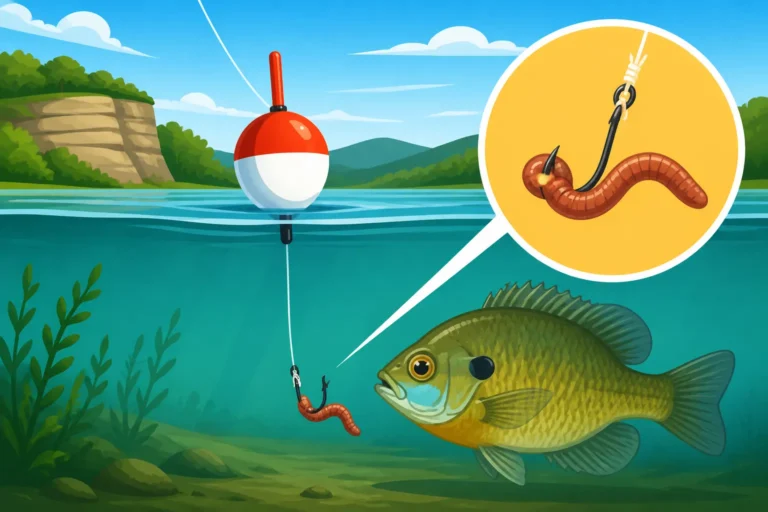
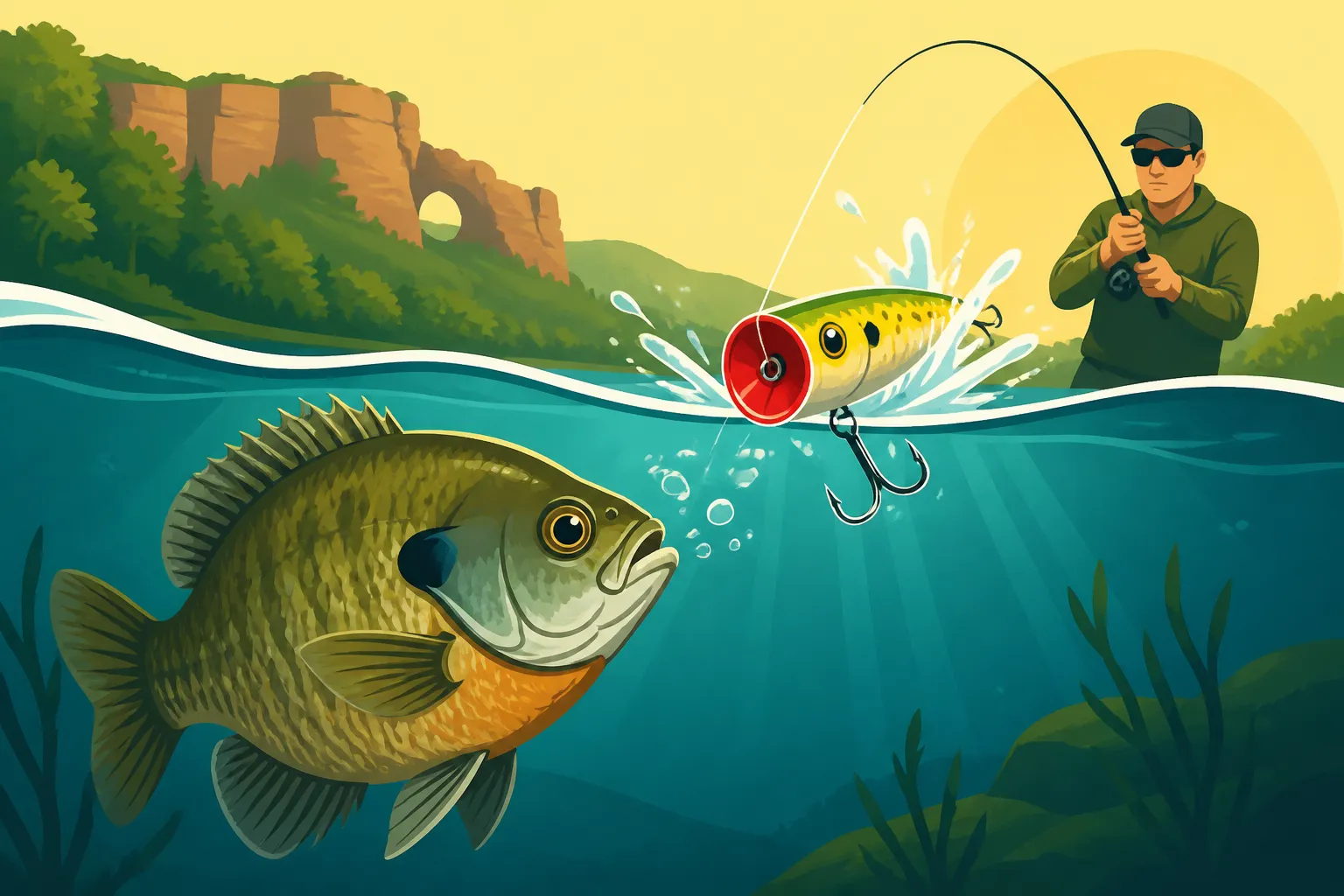
So, what makes a popper so magical for bream? It all comes down to their natural instincts. Bream are opportunistic feeders, constantly on the lookout for small insects, crustaceans, and even tiny baitfish. When a popper lands on the water's surface, it perfectly mimics a struggling bug or a small frog that has accidentally fallen in.
The "pop" sound created by the lure's cupped face displaces water, sending out vibrations and an audible cue that tells hungry bream something is happening on the surface. This noise can attract fish from surprising distances, drawing them out of cover they might otherwise hide in. The visual commotion, combined with the pause that allows the ripples to die down, creates an irresistible temptation. Unlike subsurface lures, the topwater strike is entirely visual and incredibly thrilling. It allows you to watch the entire interaction, from the bream's approach to the explosive take. It's a method that truly engages all your senses and often leads to unforgettable fishing memories.
Essential Gear for Popper Fishing Bream
You don't need a boatload of expensive, specialized equipment to enjoy popper fishing for bream, and that's one of its many charms. A simple, well-matched setup will do the trick, providing maximum fun and efficiency.
Rod and Reel Setup
For bream, subtlety and sensitivity are key. You'll want a rod and reel combination that allows for accurate casts of small, lightweight poppers and offers a thrilling fight with these feisty panfish.
- Spinning Setup: A light to ultralight action spinning rod, typically between 5 and 6 feet in length, is ideal. This lighter action allows the rod to load effectively with the small popper, translating into more accurate and delicate casts. Pair it with a small spinning reel (a 1000 or 2000 series is usually perfect) spooled with 4 to 6 pound test monofilament line. Monofilament is often preferred for topwater for its buoyancy, helping your popper stay on the surface, and its slight stretch, which can act as a shock absorber during aggressive strikes. If you're looking for a variety of rod and reel options, you can often find great deals and a wide selection on platforms like Amazon.
- Fly Fishing Setup: For the fly-fishing enthusiasts, a 3-weight or 4-weight fly rod paired with a matching floating fly line is absolutely fantastic for popper fishing. The fly line's weight helps cast these wind-resistant little bugs with precision. You'll want a leader of about 6-8 feet, tapered down to a 4-6 pound test tippet. For specific techniques, you might want to learn How to Catch Bream on a Fly Rod.
Regardless of your setup, ensure your reel's drag is smooth and properly set. Bream might be small, but they can make surprising runs, especially bigger bluegill, and a sticky drag can lead to broken lines.
Choosing the Right Popper
The world of poppers is surprisingly diverse for such a small lure, but for bream, keeping it simple often works best.
- Size Matters: Bream have relatively small mouths, so you'll want to stick with smaller poppers. Sizes ranging from a #8 to a #12 hook are generally the most effective. Anything larger might be too intimidating or simply too big for them to inhale properly.
- Colors and Patterns: When it comes to color, a good rule of thumb is to start with natural insect-like patterns. Greens, browns, blacks, and even some tan or gray combinations can be excellent choices, mimicking grasshoppers, beetles, or other terrestrial insects. However, bream can also be attracted to brighter, more "noisy" colors like chartreuse, white, or yellow, especially on overcast days or in stained water. Having a variety on hand, easily purchased from online retailers like Amazon, allows you to experiment.
- Shapes and Sounds: Poppers come with various face designs. Some have a deep, cupped face that creates a loud "plop" or "pop" when twitched. Others have a flatter face, producing more of a "gurgle" or a subtle "sip" sound. Both can be effective, and varying between them can help you figure out what the bream prefer on any given day. Some poppers also feature rubber legs or hackle collars, which add extra movement and appeal.
- Hooks: Always make sure your popper has a sharp, small hook. Bream strikes can be quick and subtle, and a dull hook will result in missed fish. You might even consider swapping out factory hooks for sharper, higher-quality ones.
Bream Popper Selection Guide
| Popper Type | Typical Size (Hook) | Ideal Conditions | Sound/Action | Target Bream Species |
|---|---|---|---|---|
| Cupped-Face Popper | #8 – #10 | Clear water, sunny days, targeting active fish | Loud "Pop" or "Plop" | Bluegill, Green Sunfish |
| Flat-Face Gurgler | #10 – #12 | Calm water, low light, subtle presentation | Subtle "Gurgle" | Redear Sunfish, Bluegill, smaller Green |
| Hair Bug Popper | #10 – #14 | Very calm water, targeting wary fish | Soft "Sip" | All Bream, especially larger Bluegill |
| Rubber Leg Popper | #8 – #10 | Any condition, adds extra natural movement | Pop with Leg Wiggle | Bluegill, Green Sunfish |
Mastering the Popper Presentation and Retrieve
The magic of popper fishing isn't just in the lure itself; it's in how you bring it to life on the water. A good presentation and varied retrieve can turn a slow day into a spectacular one.
Casting Accuracy and Placement
Unlike throwing a big crankbait in open water, popper fishing for bream is often a game of precision. Bream love cover—anything that provides shade, protection, and a potential ambush point for food. This means your casting accuracy needs to be on point.
- Target the Cover: Look for lily pads, fallen trees, brush piles, submerged timber, weed lines, and especially any overhanging branches or docks that provide shade. These are prime bream hangouts. The closer you can land your popper to the edge of this cover without getting tangled, the better your chances.
- Soft Landings: Try to make your cast as soft and delicate as possible. A loud "splash" can actually spook the fish, particularly in clear, calm water. Practice feathering your line as the popper approaches the water to minimize its impact.
- Beyond and Bring Back: A common technique is to cast slightly beyond your target area (e.g., past a lily pad or dock edge) and then retrieve the popper into the strike zone. This avoids landing directly on top of the fish and potentially scaring them. It also allows you to start your retrieve immediately as the popper enters the high-percentage area. This method is similar to techniques you'd use for Best Bait for Largemouth Bass on the White River when targeting structure.
The "Pop and Pause" Retrieve
This is the cornerstone of successful popper fishing for bream, but it’s not a rigid rule—it's a starting point for experimentation.
- Cast and Wait: Once your popper lands, resist the immediate urge to twitch it. Let it sit for a few seconds, allowing the ripples from the cast to completely dissipate. This stillness often draws curious fish closer. Sometimes, a bream will even strike a completely still popper.
- The Gentle Pop: Give your rod tip a subtle, short twitch. This should make the popper create a small "pop" or "gurgle" sound and displace a bit of water. You're trying to mimic a struggling insect, not a frightened fish fleeing for its life.
- The Critical Pause: After the pop, let the popper sit again. This pause is absolutely crucial. Often, a bream will follow the commotion of the pop, and then, as the lure becomes still, they commit to the strike. Experiment with pause lengths:
- Short Pauses (2-3 seconds): For very active fish or when you're covering water quickly.
- Medium Pauses (5-10 seconds): A good all-around starting point.
- Long Pauses (15+ seconds): For finicky fish, or when you know fish are in a particular area but aren't actively biting.
- Vary Your Retrieve: Don't get stuck in a rut with the same cadence. Some days, fish want aggressive pops with short pauses. Other days, they prefer soft gurgles with extended rests. Experiment with multiple pops in a row, followed by a long pause. Or try a single, gentle twitch followed by a long drift. Let the fish tell you what they prefer. Observing their reactions is key – if they follow but don't commit, try changing your retrieve. You'll find that these nuances are just as important as the lure itself, similar to how What Colors Work Best for Crappie Jigs in Arkansas can depend on conditions.
Hook Set and Landing
The most exciting part of popper fishing is the visual strike, but it's also where many anglers make a common mistake: setting the hook too early.
- Don't Set on the Splash! When a bream explodes on your popper, your instinct might be to yank the rod back immediately. Don't! Often, the fish just creates a splash or slaps at the lure without actually getting the hook in its mouth. Wait until you feel the fish, or, even better, wait until you see the popper disappear and feel the solid tug of the fish turning away with the lure.
- Gentle, Firm Set: Once you feel that distinct pull, apply a gentle, firm hook set by lifting your rod tip smoothly. A hard, sweeping "bass style" hook set isn't usually necessary and can sometimes pull the small hook out of the bream's soft mouth.
- Enjoy the Fight: On ultralight tackle, even a modest bream can put up a surprisingly strong fight. Keep your rod tip up, let your drag do its job, and enjoy bringing in your catch. These little fish are a blast to fight, and they're usually pretty good at staying on the hook once they're properly set.
When and Where to Find Popper-Hungry Bream in Arkansas
Knowing how to fish a popper is one thing, but knowing when and where to deploy it effectively can make all the difference. Arkansas offers a plethora of opportunities for bream anglers.
Ideal Conditions and Seasons
Bream, like most warm-water species, are most active when the water temperatures are to their liking.
- Warm Weather Window: The prime season for popper fishing for bream in Arkansas typically runs from late spring through early fall. This is when insects are most active, and bream are feeding aggressively on the surface. As summer progresses and water temperatures rise, their metabolism increases, making them more receptive to a lively topwater presentation. This generally aligns with the Arkansas Crappie Spring Spawn Pattern, when many panfish are actively feeding and reproducing.
- Low Light is Key: While bream can be caught on poppers throughout the day, the bite is often best during low-light conditions. Early mornings, just after sunrise, and late evenings, as the sun begins to set, are absolute magic hours. On cloudy or overcast days, the topwater bite can extend throughout the day, as the subdued light makes fish feel more comfortable feeding in open water or shallower areas.
- Calm Water Surface: Poppers are surface lures, and they perform best on relatively calm water. A choppy surface can make it difficult for bream to see your lure and hear its subtle "pop." If the wind picks up significantly, you might want to switch to a subsurface presentation.
Prime Arkansas Locations for Bream
The good news is, if there's water in Arkansas, there's a good chance you can find bream. They are incredibly adaptable and thrive in a wide variety of habitats.
- Ponds and Small Lakes: Virtually every farm pond, neighborhood lake, or small community fishing pond in Arkansas holds a healthy population of bream. These are often the easiest and most accessible places to practice your popper techniques. Look for areas with aquatic vegetation, docks, or overhanging trees.
- Major Reservoirs: Larger lakes like Lake Ouachita: Arkansas's Largest Lake for Bass and Crappie Fishing, DeGray Lake, and Lake Conway are absolute bream factories. While these lakes are famous for their bass and crappie, their shallow coves, timbered areas, and weed beds are teeming with bream. Specifically, you can find excellent bream fishing in the same areas you'd look for bass and crappie, such as Best Bass Fishing Spots on Lake Conway, Arkansas. The numerous Corps of Engineers reservoirs across the state are known for their healthy Fish Species Common in Corps of Engineers Reservoirs.
- Slow-Moving Rivers and Backwaters: The calmer sections of many Arkansas rivers, as well as oxbow lakes and backwater sloughs, can offer fantastic bream fishing. The White River National Wildlife Refuge, for example, is full of such waters. Look for quiet eddies, brushy banks, and areas with slower currents.
- Look for Cover: Regardless of the water body, bream are almost always found near some form of cover. This could be lily pads, submerged logs, brush piles, docks, boat houses, or even just shaded banks. They use this cover for protection from predators and as ambush points for their prey. If you're looking for Best Fishing Spots in Arkansas, remember that bream often share prime real estate with other popular species like bass and crappie.
Finding these spots is easier than you think. Many state parks offer excellent bank access and fishing piers perfect for bream anglers, often leading to areas where Panfish Species Good for Kids and Beginners thrive. A quick search for fishing spots near you, such as Best Fishing Spots Near Little Rock, Arkansas, will yield many productive locations.
Disclaimer
This article is for general informational purposes only and does not constitute professional advice. Laws, prices and regulations vary by location and change over time. Consult a qualified professional for guidance on your specific situation.