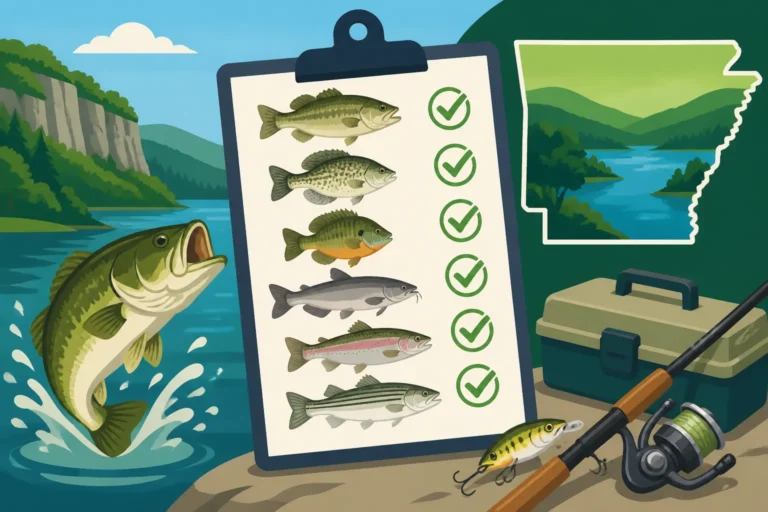
Fish Species Common in Corps of Engineers Reservoirs
It's incredibly frustrating when you arrive at a new fishing spot, especially one as vast and imposing as a Corps of Engineers reservoir, and you have no idea what fish species you're likely to encounter. These massive bodies of water can feel overwhelming, but understanding their unique characteristics is key to a successful outing. This guide is designed to cut through that confusion, giving you a clear picture of the common fish species thriving in Arkansas's Corps of Engineers reservoirs so you can arrive prepared and confident.
Understanding Corps of Engineers Reservoirs
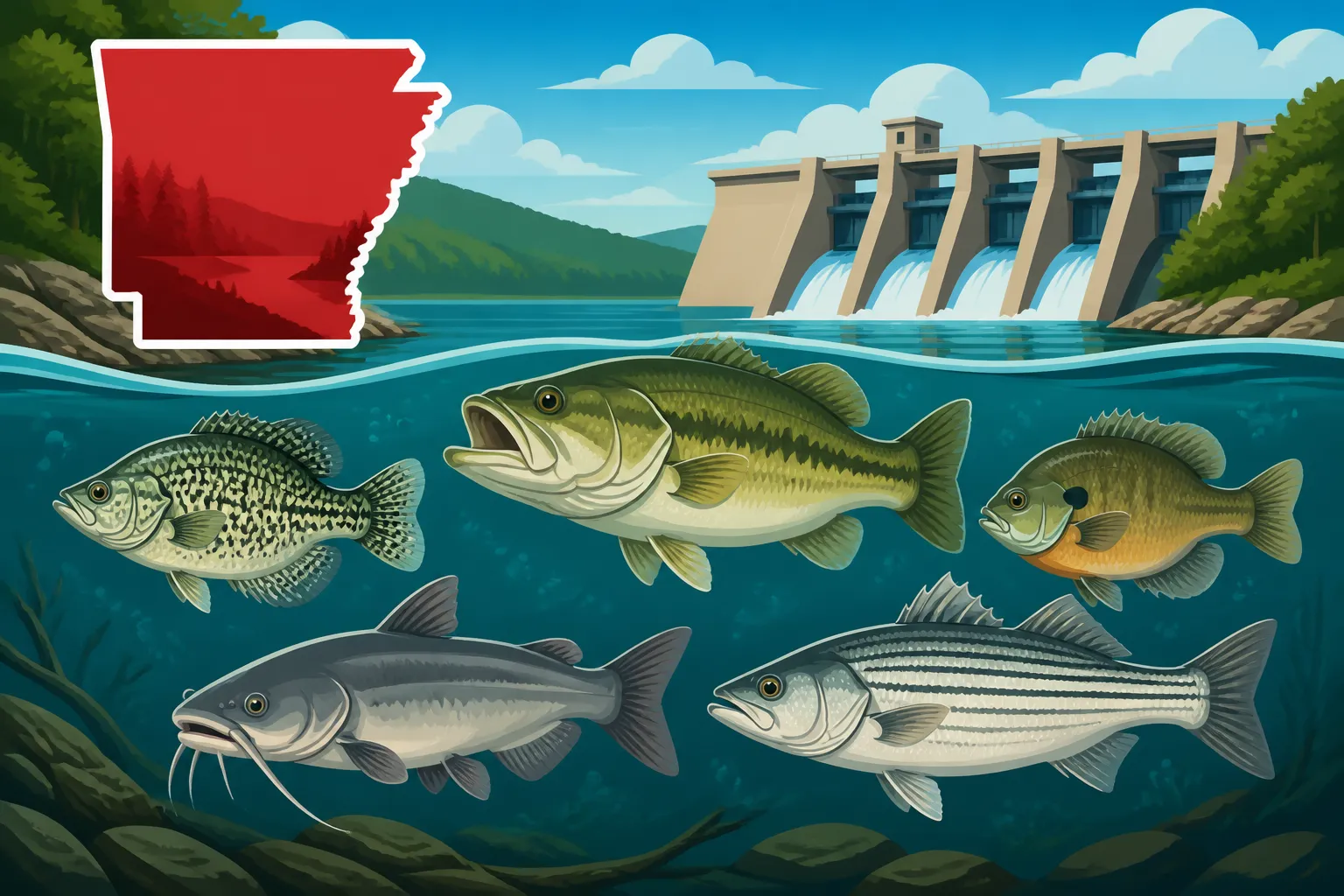
When we talk about Corps of Engineers (COE) reservoirs in Arkansas, we're discussing some of the state's largest and most popular fishing destinations. Lakes like Bull Shoals, Norfork, Greers Ferry, Ouachita, and DeGray are prime examples. These aren't natural lakes; they were created by damming rivers, primarily for flood control, hydropower generation, and recreation. This artificial creation leads to unique aquatic environments that favor certain fish species over others, making them distinct from natural rivers or smaller impoundments. The deep, often clear waters, abundant structure from submerged timber and rock, and diverse forage bases all contribute to thriving fisheries. Understanding the origins and features of these reservoirs, as detailed in How Corps of Engineers Dams Created Arkansas's Best Fishing Lakes, is essential for predicting what you'll find swimming below.
The Habitat They Create
The habitat within Corps of Engineers reservoirs is typically varied and often dramatic. You'll find everything from steep, rocky bluffs that drop into hundreds of feet of water, to shallow, timber-filled coves and wide, open main lake areas. Many of these lakes, especially those in the Ozarks, are known for their exceptional water clarity, which can influence how fish feed and where they prefer to hide. This diverse underwater landscape provides niches for a wide array of species, but some are particularly well-suited to these environments. The sheer size of these impoundments means fish have vast areas to roam, find food, and spawn, often leading to robust populations and impressive trophy potential for many species.
How Water Management Affects Fish
One critical aspect of COE reservoirs is their water management. The Corps of Engineers actively manages water levels for various purposes, which can lead to significant fluctuations throughout the year. While this can sometimes make fishing challenging, it also creates dynamic habitats. Falling water levels can concentrate fish, making them easier to locate, while rising water can flood new areas, providing fresh feeding grounds and cover. Understanding these patterns, and how they relate to the natural cycles of fish, is a skill that experienced anglers develop over time. It's about adapting your approach to the ever-changing conditions these managed waterways present.
Key Game Fish Species You'll Encounter
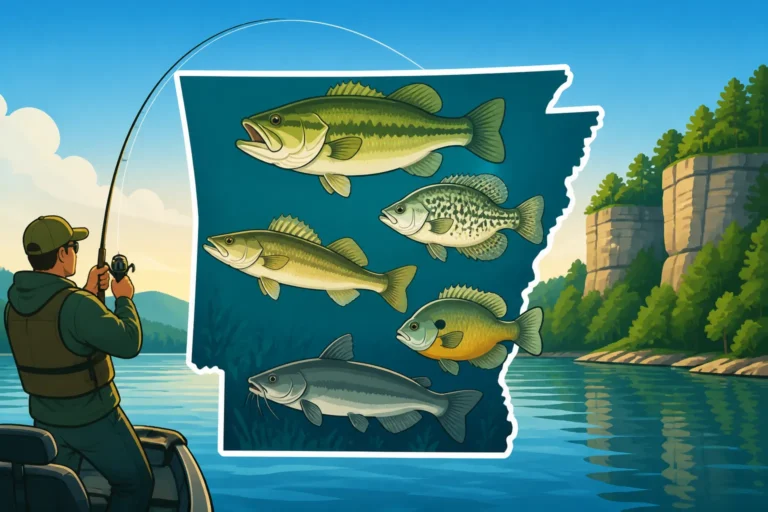
Arkansas's COE reservoirs are renowned for their incredible game fish populations, drawing anglers from all over. Whether you're chasing the thrill of a hard-fighting bass or the consistent action of crappie, these lakes deliver. For a broader overview of what's biting across the state, check out A Complete Guide to Fishing Arkansas's Best Lakes and Rivers.
Largemouth Bass
Ah, the largemouth bass – the king of many a freshwater angler's heart! In COE reservoirs, largemouths thrive in areas with submerged timber, brush piles, rock formations, and docks. They love ambush points, so look for them around any cover that breaks up the current or provides shade. Many of these reservoirs boast healthy populations of largemouth, and it's not uncommon to catch fish in the 3-5 pound range, with much larger trophies always a possibility. Techniques range from flipping jigs into heavy cover to throwing crankbaits and spinnerbaits along points and creek channels. Having a good selection of plastics and crankbaits on hand, perhaps from an online retailer like Amazon, will serve you well. For a deeper dive, read Bass Fishing in Arkansas: Largemouth, Smallmouth, and Kentucky Bass Explained.
When the water is warmer, largemouths often move shallower, especially during the spawn and post-spawn periods. You'll find them cruising shorelines or hiding in newly flooded vegetation. As temperatures drop, they'll seek out deeper structure, often congregating on ledges, humps, and submerged roadbeds. Understanding these seasonal patterns is crucial for consistent success. A quality fish finder can pinpoint these deeper structures, giving you a huge advantage.
Spotted Bass Kentucky Bass
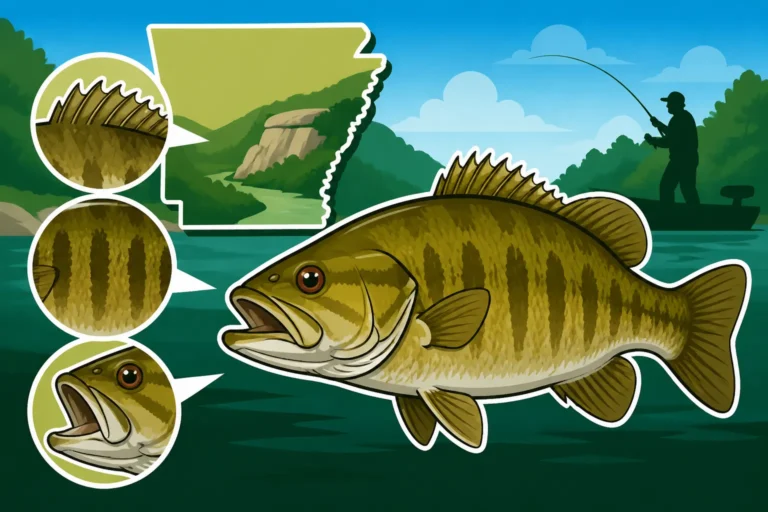
Often overlooked in the shadow of their largemouth cousins, spotted bass (also known as Kentucky bass) are abundant in many COE reservoirs, particularly in the clearer, rockier waters of the Ozarks. These feisty fish tend to prefer deeper, open water than largemouths, often suspending over deep points, humps, and rocky bluffs. They're known for their aggressive strikes and strong fighting ability, pound for pound. While they don't typically grow as large as largemouths, they offer consistent action and are a blast to catch on lighter tackle.
Spotted bass often feed on shad and other baitfish in open water, making them susceptible to spoons, small crankbaits, and soft plastics fished on shaky heads or drop shots. If you're struggling to find largemouths, shifting your focus to these hard-fighting spotted bass can often save your day. They are an excellent target, particularly when the main lake bite is tough.
Crappie Black and White
Crappie – both black and white – are immensely popular targets in Arkansas's COE reservoirs, and for good reason. They are delicious and offer fantastic action, especially during their spring spawn. These fish love structure, whether it's submerged timber, brush piles, bridge pilings, or even marina docks. They tend to school up, so once you find one, you're likely to find many more. Crappie Fishing in Arkansas: Black and White Crappie Basics provides excellent details on these popular panfish.
Black crappie often prefer clearer water and thicker cover, while white crappie are a bit more tolerant of murkier conditions. Both species can be caught by jigging small plastics, using live minnows, or even trolling tiny crankbaits. During the colder months, crappie will often move to deeper brush piles or suspended over creek channels, making a good fish finder indispensable. For those looking for the right setup, Best Rod Setup for Crappie Jigging can help you get geared up for success.
Striped and Hybrid Striped Bass
If you're looking for a tackle-busting fight, the striped bass and their hybrid cousins are the species to target in COE reservoirs like Norfork and Lake Hamilton. These open-water predators are powerful, hard-fighting, and grow to impressive sizes. They chase schools of baitfish, often shad, across vast expanses of the lake. Locating these schools with sonar is often the first step to finding stripers.
Striped bass fishing typically involves trolling large crankbaits, live baiting with gizzard shad, or casting topwater lures during aggressive surface feeds, often called "boils." The sheer power of a striper on the end of your line is an experience every angler should have. They are an incredible challenge and offer the chance at a truly trophy-sized catch. For more detailed techniques, refer to Striped Bass Fishing in Arkansas. Many specialized striper lures and heavy-duty tackle can be found easily online, including on Amazon, to handle these behemoths.
Catfish Channel, Blue, and Flathead
Arkansas's COE reservoirs are also fantastic for catfish, with healthy populations of channel, blue, and flathead species. These bottom-dwellers offer a different kind of angling experience, often sought out for their delicious table fare and brute strength. Catfish Species Found in Arkansas delves into the specifics of each.
- Channel Catfish are the most widespread and can be found almost anywhere, from shallow coves to deeper main lake areas. They readily bite on a variety of baits, including stink baits, worms, and cut bait.
- Blue Catfish are true giants, capable of reaching immense sizes in these large reservoirs. They prefer deeper, open water with current, often congregating in old river channels or near the dam. Cut bait, especially shad, is a top choice for blue cats.
- Flathead Catfish are ambush predators that prefer live bait. You'll find them around heavy cover like log jams, submerged trees, and rocky crevices, especially in the larger, older river channel areas of the reservoirs. They are solitary and powerful, offering a tough fight.
Night fishing is a popular and effective method for all three species, especially during the warmer months when they become more active.
Panfish and Other Common Residents
Beyond the main game fish, COE reservoirs are teeming with other species that provide endless entertainment, especially for families or anglers looking for consistent action. These waters are often listed among Arkansas's Best Lakes for Family Fishing Trips for good reason.
Bluegill and Redear Sunfish
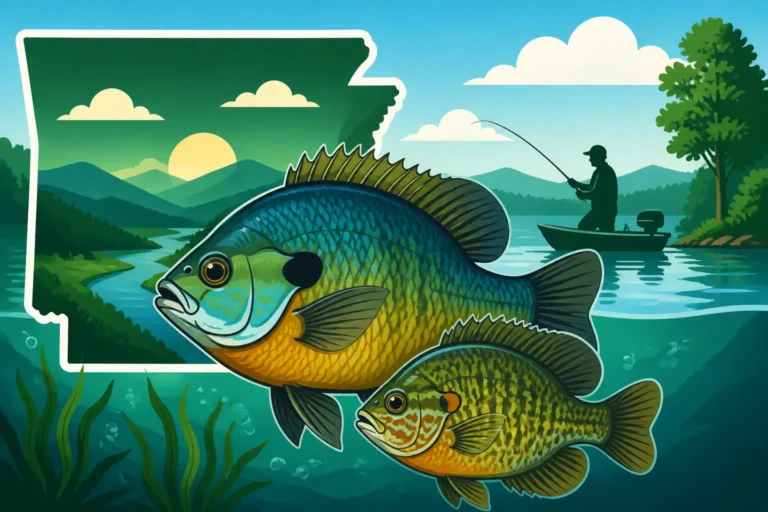
For a fun, relaxing day on the water, you can't beat targeting bluegill and redear sunfish. These panfish are abundant in almost all COE reservoirs, especially in shallower, protected coves with some vegetation or fallen timber. They are eager biters and perfect for introducing kids to fishing. A simple setup with a bobber, a small hook, and a piece of worm is often all you need to catch a cooler full of these tasty fish.
Redear sunfish, also known as shellcrackers, are particularly good at eating snails and clams, so they often grow quite large. Look for them on hard bottom areas. Both species provide excellent light-tackle action and are fantastic table fare. They are the backbone of many family fishing trips. For more tips on targeting these small but mighty fish, see Bluegill and Panfish Guide for Arkansas Anglers.
White Bass
White bass are another excellent species found in many COE reservoirs. These highly aggressive, schooling fish provide fast action, especially during their spring spawning runs up tributary rivers and creeks. Throughout the rest of the year, they'll chase schools of baitfish in open water, often creating exciting surface boils that betray their presence.
When you find a school of white bass, you can often catch them one after another on small spoons, inline spinners, or jigging spoons. They are strong fighters for their size and provide a lot of fun, especially when the main lake bass bite is slow. They also make decent table fare, though some anglers prefer crappie or catfish. Keep an eye out for bird activity, as diving birds often indicate white bass pushing bait to the surface.
Best Practices for Fishing Corps Lakes
Fishing these large, often deep COE reservoirs requires a slightly different approach than smaller ponds or rivers. Their immense size can be intimidating, but with the right mindset and equipment, you can unlock their potential. These lakes are some of the Best Lakes in Arkansas for Bass, Crappie, and Catfish, so preparing properly will pay off.
Gear Considerations
Given the size and depth of many COE reservoirs, having appropriate gear is paramount. You'll often be fishing deeper water, requiring heavier lines and sensitive rods to detect subtle bites. A good quality medium-heavy spinning or casting rod for bass, and a lighter ultra-light setup for crappie and panfish, will cover most situations. Don't forget a sturdy tackle box, which you can load up with essentials purchased from Amazon, to keep all your lures and tools organized.
Terminal tackle should include a variety of weights, hooks, and swivels to adapt to different depths and current conditions. For species like striped bass, you'll need much heavier gear, including stout rods and reels capable of handling powerful runs. Always check your line regularly for abrasions, as fishing around submerged timber and rock can be tough on your equipment.
Locating Fish in Large Waters
Finding fish in a vast COE reservoir can feel like searching for a needle in a haystack, but modern electronics make it much easier. A reliable fish finder with good sonar and GPS capabilities is almost a necessity. Use your electronics to scan for submerged humps, ledges, creek channels, and standing timber – these are natural congregating points for baitfish and predators alike. Pay attention to contour lines on your map and look for sharp breaks or changes in depth.
Understanding the thermocline, the layer in the water where temperature changes rapidly, is also key during warmer months. Many fish, especially bass and crappie, will hold just above or within the thermocline where oxygen levels are optimal. If you see large schools of baitfish on your sonar, chances are game fish won't be far behind. Remember, these reservoirs are immense, so covering water efficiently is crucial. Don't be afraid to move if you're not finding active fish. For specific lure recommendations, Best Bait and Lures for Arkansas Bass can offer great starting points.
| Fish Species | Primary Habitat in COE Reservoirs | Common Lures/Baits |
|---|---|---|
| Largemouth Bass | Submerged timber, rock piles, docks, creek channels | Jigs, crankbaits, spinnerbaits, soft plastics |
| Spotted/Kentucky Bass | Deep points, rocky bluffs, open water (suspended) | Spoons, shaky heads, drop shots, small crankbaits |
| Black & White Crappie | Brush piles, standing timber, bridge pilings | Live minnows, small jigs, tiny crankbaits |
| Striped & Hybrid Bass | Open water, main lake, chasing baitfish | Large crankbaits, live shad, topwater lures |
| Channel Catfish | Varies; coves, channels, flats | Stink baits, worms, cut bait |
| Blue Catfish | Deep channels, dam areas, current breaks | Cut shad, large chunks of prepared bait |
| Flathead Catfish | Heavy cover (log jams, tree lines), river channels | Live bait (sunfish, shad) |
| Bluegill & Redear Sunfish | Shallow coves, vegetation, docks, hard bottoms | Worms, crickets, small artificial baits |
| White Bass | Open water, tributary creeks (spring) | Inline spinners, jigging spoons, small crankbaits |
Disclaimer
This article is for general informational purposes only and does not constitute professional advice. Laws, prices and regulations vary by location and change over time. Consult a qualified professional for guidance on your specific situation.