How to Tightline for Crappie
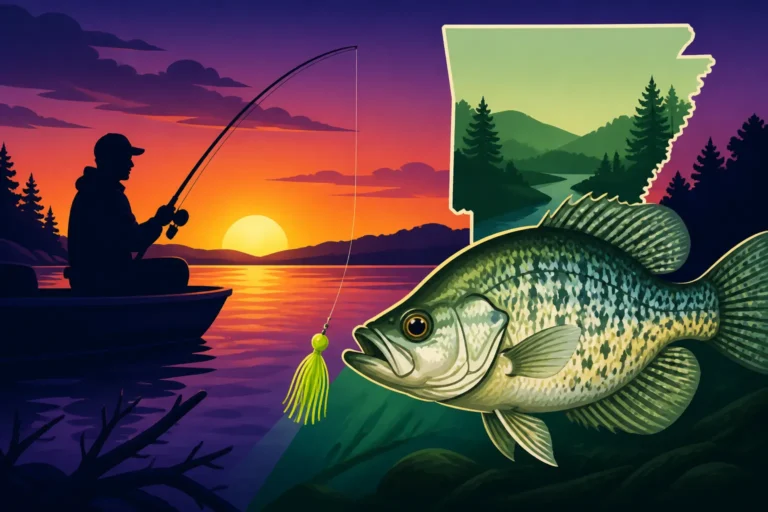
There's nothing quite as frustrating as watching your transducer light up with schools of crappie, only to feel absolutely nothing on your line when you think you're right in the middle of them. It's a common dilemma, and often, the answer lies in refining your presentation. This comprehensive guide is dedicated to breaking down the art of tightlining for crappie, helping you eliminate those missed bites and truly feel every subtle nibble from these elusive papermouths in Arkansas's rich waters.
Understanding the Essence of Tightlining for Crappie
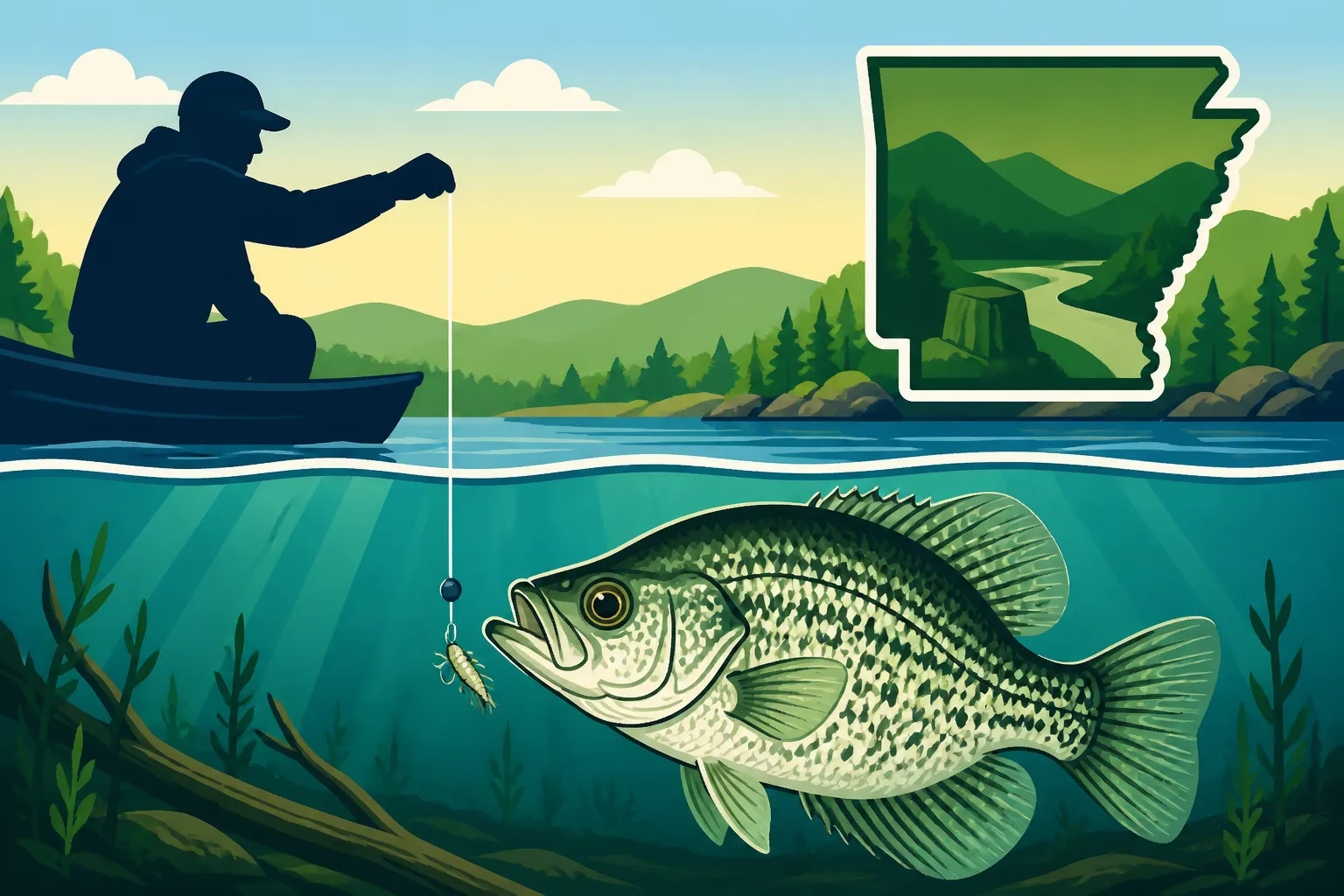
When we talk about tightlining for crappie, we're essentially referring to a method of fishing without a bobber or float, where you're feeling for the bite directly through your line. It's a technique that relies heavily on sensitivity, feel, and a direct connection to your bait or jig, allowing you to detect the most delicate strikes that a bobber might never even twitch for. Many anglers, especially those just starting out, rely on floats, and while they certainly have their place, they can mask those barely-there "thumps" or "ticks" that indicate a crappie has gently inhaled your offering.
Imagine you're fishing a deep brush pile on Lake Ouachita, where crappie are notorious for holding tight to structure. If you're using a bobber, that float needs to be perfectly still, and the crappie needs to pull with enough force to drag it under, often resulting in them spitting the hook before you even react. With tightlining, your rod tip becomes an extension of your senses. You're constantly monitoring the line for any deviation – a slight slackening, a tiny jump, or even just a feeling of "heaviness" that wasn't there a moment ago. This direct feedback is what makes tightlining so incredibly effective, especially in scenarios where crappie are finicky, cold-water sluggish, or simply holding too deep for a practical bobber setup. It's not just about catching more fish; it's about connecting with the subtle language of the water and truly understanding what's happening at the end of your line.
Why Tightlining is So Effective for Finicky Crappie
Crappie, bless their finicky hearts, are often incredibly light biters. They don't always hit a bait like a largemouth bass attacking a frog. Sometimes, it's just a barely perceptible "tick," a feeling that your line went slack for a split second, or a subtle pull that feels more like you've snagged a leaf than hooked a fish. If you're relying on a bobber, especially in windy conditions or with any surface chop, these subtle bites can easily go undetected. The bobber might just jiggle with the waves, or the crappie might simply mouth the bait and spit it before the float has a chance to fully submerge.
Tightlining bypasses this issue entirely. By keeping a direct, relatively taut line to your jig or minnow, you eliminate the buffer of the bobber. Every little vibration, every shift in water current, and most importantly, every single interaction a crappie has with your bait is transmitted directly to your fingertips and through your rod. This sensitivity is a game-changer when crappie are suspended in deep water, hugging structure, or just plain not in an aggressive mood. It means you're more likely to detect those tentative bites, allowing you to set the hook quickly before the crappie realizes its mistake. It's why seasoned crappie anglers swear by this method when the bite gets tough, turning what might have been a frustrating day into a successful one.
Situations Where Tightlining Shines
Tightlining truly comes into its own in several specific fishing scenarios. One of the most common and effective applications is when you're targeting crappie suspended around brush piles, submerged timber, or bridge pilings. Think about fishing a flooded timber lake like Lake Conway, where crappie are holding tight to dense cover. Trying to maneuver a bobber setup through that kind of structure is an absolute nightmare, leading to constant snags and frustrated re-ties. With tightlining, you can delicately drop your jig right into the heart of the cover, maintaining a vertical presentation and feeling for those light bites without the added bulk of a float getting hung up.
Another prime situation is when crappie are holding in deeper water, say 15-30 feet, which is common during colder months or in large reservoirs like Norfork Lake. A bobber set at that depth becomes incredibly cumbersome to cast and manage. Tightlining allows for precise depth control, letting you count down your jig or watch your sonar to place your bait exactly at the fish's depth. It’s also incredibly useful when the fish are concentrated in a specific thermocline or suspended over open water. You can vertically jig or slowly drift, using your electronics to guide your bait directly into the strike zone. Furthermore, when dealing with windy conditions that make bobber watching impossible, tightlining offers a clear advantage, allowing you to feel the bite through the line regardless of surface chop.
Essential Gear for Tightlining Success
Having the right equipment is absolutely crucial for effective tightlining. Since you're relying on feel, every component of your setup needs to contribute to maximum sensitivity. Skimping on quality here will only lead to missed bites and frustration. Think of your rod, reel, and line as a single, interconnected system designed to transmit the most minute information from your jig to your hands. It's not about having the most expensive gear, but rather the most appropriate gear for the job at hand.
Many anglers might already have a basic crappie setup, but tightlining often requires a slight refinement. We're talking about rods with quicker tips, reels that offer smooth drag and immediate feedback, and lines that are virtually invisible and offer minimal stretch. It's about optimizing your entire system to be a super-sensitive antenna, picking up on every underwater whisper. You wouldn't try to hear a pin drop in a noisy factory, and similarly, you shouldn't try to feel a crappie bite with gear that dampens the signals.
Rods and Reels for Maximum Sensitivity
For tightlining crappie, your rod is arguably the most important piece of equipment. You'll want a rod that is specifically designed for lightweight lures and has a fast action with an ultra-light to light power rating. This combination means the rod tip is very flexible and sensitive, allowing it to telegraph even the slightest nudge, while the backbone of the rod still has enough power to set the hook effectively and handle a decent crappie. Many crappie anglers opt for rods in the 6 to 7.5-foot range. A longer rod can provide better line control and allow you to reach out further when vertically jigging around structure from a boat, helping you maneuver around tree limbs without constantly spooking fish or getting snagged. Brands like BnM Poles or Lew's offer excellent crappie-specific rods that fit this bill perfectly.
When it comes to reels, a small, lightweight spinning reel (think 500 to 1000 size) is ideal. The key here is a smooth drag system and minimal weight. A smooth drag is essential when fighting crappie on light line, preventing break-offs when a larger fish makes a sudden run. The lightweight nature of the reel helps balance your sensitive rod, ensuring the entire setup feels natural and comfortable in your hand, reducing fatigue over long fishing sessions. A good reel also provides instant anti-reverse, meaning there's no play in the handle when you go to set the hook, allowing for immediate power transfer.
Line Choices That Improve Your Feel
Choosing the right fishing line for tightlining is just as critical as your rod and reel. The goal is low stretch and high sensitivity. This immediately brings us to fluorocarbon or braid, though monofilament can still be used effectively if chosen carefully.
- Fluorocarbon: This is a fantastic choice for tightlining. It has very low stretch, excellent abrasion resistance (great for fishing around wood and rocks), and is nearly invisible underwater, which is a huge advantage for skittish crappie. A 4 to 6-pound test fluorocarbon line is usually perfect. The sensitivity allows you to feel those light bites, and its resistance to stretching helps with solid hooksets. Popular options include Berkley Vanish or Seaguar InvizX. You can find many great options on Amazon for competitive prices.
- Braided Line: Braided line offers virtually no stretch, providing the ultimate in sensitivity. You will feel everything with braid. However, it's opaque and can be more visible in clear water, which might deter crappie. To combat this, many anglers will tie a 4 to 6-foot leader of fluorocarbon or monofilament to the end of their braided mainline using a small swivel or a uni-to-uni knot. A 10-pound test braid (which has a very thin diameter comparable to 2-pound mono) with a fluorocarbon leader is a powerful, sensitive combination.
- Monofilament: While generally having more stretch than fluorocarbon or braid, high-quality monofilament can still be effective, especially in lower pound tests (4-6 lb). It's more forgiving if you're prone to ripping hooks out of crappie's soft mouths. Look for specific low-stretch monofilament lines. It’s also usually the most budget-friendly option, making it a good starting point if you're new to the technique.
Ultimately, experiment to see what feels best for you, but prioritize sensitivity and low stretch to maximize your ability to detect those subtle crappie bites.
Baits and Jigs Tailored for Tightlining
The beauty of tightlining is its versatility with bait. Most tightline anglers lean heavily on small jigs, but live minnows are also incredibly effective. The key is to present something enticing that crappie can easily inhale.
- Jigs: Small jigs are the workhorses of tightlining. We're talking about sizes ranging from 1/32 ounce up to 1/8 ounce. The specific weight depends on depth, current, and wind, but generally, you want the lightest jig possible that still allows you to feel it and maintain control. Pair these jig heads with soft plastic bodies like small tube jigs, grub tails, or minnow imitators. The color often matters, with What Colors Work Best for Crappie Jigs in Arkansas being a frequent discussion point among local anglers. Chartreuse, white, black, and various greens are always popular. Look for soft plastics with subtle action that flutter and entice even cautious crappie. A great selection of these micro-jigs and soft plastics can be found on Amazon.
- Live Minnows: You absolutely cannot go wrong with a live minnow. Hook them lightly through the lips or just behind the dorsal fin with a small hook (size 4 or 6 light wire Aberdeen or similar). You can present them on a bare hook with a small split shot above it, or as a "jig and minnow" combo where you tip your small jig with a minnow. The natural movement and scent of a live minnow are often irresistible, especially for larger, more sluggish crappie during cooler months. This setup is particularly effective when you're targeting crappie that are suspended in open water or along deep creek channels in lakes like Bull Shoals.
Regardless of your choice, ensure your bait presentation is as natural as possible. Crappie are visual feeders but also very sensitive to unnatural movements.
Mastering the Tightlining Technique
Tightlining isn't just about the gear; it's about the execution. It requires a different mindset than bobber fishing – one of constant attention and a heightened sense of feel. Many anglers struggle initially because they're used to waiting for a visual cue, but with tightlining, the cue often comes through your rod and line long before you'd ever see anything. It's a skill that improves with practice, but understanding the fundamentals will give you a strong head start. This technique truly transforms you from a passive observer into an active participant in your fishing, making every moment on the water more engaging.
One of the biggest hurdles is learning to trust those subtle sensations. It's easy to dismiss a slight tick as bottom contact or current, but often, that's the very moment a crappie is deciding whether to commit. Developing that intuition takes time, but by focusing on proper jig presentation, line management, and the right retrieve, you'll start to unlock the full potential of tightlining. It’s a rewarding learning curve, especially when you start consistently hooking up with those light-biting slabs.
The Art of the Drop and Feel
The initial drop is crucial in tightlining. First, assess your target depth. If you're marking fish at 20 feet on your sonar, you'll want to get your jig or minnow down to that level. Open your bail and let the jig fall freely, keeping a very light thumb on the spool to prevent backlashes and to control the descent. As it drops, keep your rod tip pointed towards where your line enters the water, but slightly elevated. Don't just drop it and forget it. As your jig descends, watch your line for any sudden twitches, pauses, or changes in its fall rate. Sometimes, a crappie will hit it on the way down!
Once your bait reaches the desired depth or hits bottom (you'll feel a distinctive "thump"), engage your reel. Now, slowly lift your rod tip a foot or two, then slowly lower it back, allowing the jig to fall on a semi-slack, but still controllable, line. This lift-and-drop motion mimics a natural swimming bait or a falling insect. As the jig falls, pay close attention. Any deviation from its smooth descent, any sudden heaviness or lightness, could be a bite. This constant feeling and adjusting is the "art" of the tightline drop. It's a dance between letting gravity do its work and actively interpreting the feedback from your line.
Detecting the Subtlest Bites
This is where the rubber meets the road with tightlining. Crappie bites can be incredibly subtle, especially when the water is cold or they are pressured. Forget about dramatic rod bends or screaming drags initially; often, it's far less obvious.
Here’s what to look and feel for:
- The "Tick" or "Tap": This is often the most distinct bite, a sharp, light tap that feels like a tiny pebble hitting your line. It's usually from a more aggressive crappie.
- The "Weight": Sometimes, you won't feel a distinct tap, but rather a sudden feeling of added weight or "heaviness" on your line as you lift or reel. It's as if your jig suddenly got stuck on something, but there's no resistance. This is a very common crappie bite.
- The "Slack Line" Bite: This can be the trickiest. You might be slowly lowering your jig, or letting it sit, and suddenly your line goes slack, or even bows outward slightly. This means a crappie has picked up your bait and is swimming towards you. Set the hook immediately.
- The "Jump": Your rod tip might twitch or "jump" slightly, indicating a fish has inhaled the bait and is moving away.
The key is constant vigilance. Your eyes should be on your line where it enters the water, watching for any unnatural movement, and your hand should be feeling the rod for vibrations. When you detect anything unusual, set the hook! It's better to set on a phantom bite than miss a real one. This is how you really start to consistently catch crappie using this technique.
Setting the Hook and Fighting Crappie
Once you detect that subtle bite, setting the hook quickly and decisively is paramount. Remember, crappie have very soft mouths, often referred to as "papermouths," so you don't need a massive, jarring hookset like you might for a bass. A sharp, upward sweep of the rod, rather than a violent jerk, is usually all it takes to embed the small hook firmly. Think of it as a firm, quick lift rather than a pull.
After the hook is set, keep constant, steady pressure on the fish. Crappie tend to make short, erratic runs and head shakes. Avoid high-sticking (lifting your rod straight up too far), as this can put too much stress on your light line and soft rod tip. Instead, keep your rod at a 45-degree angle, letting the rod's flex absorb the fish's movements. Your reel's drag should be set light enough to allow line to peel off when the fish pulls hard, preventing break-offs, but tight enough to maintain control. When you get the fish close to the boat or bank, consider using a landing net, especially for larger slabs, to avoid losing them at the last second. The thrill of feeling that subtle bite and then successfully landing a big crappie is truly what makes tightlining so rewarding.
Where and When to Tightline for Crappie in Arkansas
Arkansas is a crappie angler's paradise, with countless lakes and rivers teeming with these delicious panfish. Knowing where and when to apply your tightlining skills can significantly increase your success. While crappie can be caught year-round, their behavior and location change with the seasons, requiring different approaches to tightlining.
For example, during the spring spawn, crappie move into shallower waters, often making them easier to target. However, tightlining still offers an advantage when they're holding tight to specific pieces of cover. In contrast, during the heat of summer or the cold of winter, crappie often retreat to deeper, more predictable haunts, where tightlining truly shines as a precision fishing method. Understanding these seasonal patterns and the specific characteristics of Arkansas's diverse waterways will help you pinpoint the best spots to deploy your tightlining technique for consistent success.
Prime Arkansas Lakes and Rivers for Crappie
Arkansas boasts some truly fantastic crappie fisheries, many of which are perfect for tightlining. Here are a few notable spots:
- Lake Ouachita: Known for its clear waters and abundant crappie, Lake Ouachita is fantastic. Look for crappie suspended around timber, brush piles, and points, especially in the larger creek arms. The clear water makes the sensitivity of tightlining even more critical.
- Lake Dardanelle: This Arkansas River impoundment offers excellent crappie fishing, particularly around its many creek channels, standing timber, and submerged brush. The stained water can make visual cues harder, pushing you to rely on feel.
- Lake Conway: A classic timber lake near Little Rock, Lake Conway is a crappie haven. The abundant standing timber and cypress trees are ideal for vertical tightlining, dropping jigs right into the thick cover where crappie ambush baitfish.
- DeGray Lake: Another beautiful Corps of Engineers lake, DeGray Lake has a healthy population of crappie. Target deep brush piles, creek channels, and bridge pilings with your tightline setup.
- White River National Wildlife Refuge: While the name suggests rivers, this refuge features numerous oxbow lakes and sloughs that are phenomenal for crappie. The timbered structure here is perfect for pitching small jigs on a tightline. Learn more about Crappie Fishing at Arkansas's White River National Wildlife Refuge.
Before heading out, always check the current Arkansas Fishing Regulations Guide for specific limits and rules, such as the Crappie must be 9 inches or longer to keep in Arkansas and the Statewide crappie daily limit is 20 fish in most Arkansas waters, though specific lakes like Lake Monticello crappie limit drops to 15 fish per day may have different rules.
Seasonal Crappie Patterns and Tightlining Adjustments
Crappie behavior changes significantly with the seasons, and your tightlining approach should adapt accordingly. Understanding these patterns is key to consistent success. If you're wondering Best Time to Catch Crappie in Arkansas, it largely depends on how you plan to fish.
- Spring (Pre-Spawn & Spawn): This is often the most anticipated time for crappie fishing. As water temperatures rise into the 50s and 60s, crappie move from deeper winter haunts to shallower areas to stage for spawning. You'll find them around submerged grass, brush, stumps, and even docks in 2-10 feet of water. While bobbers are popular here, tightlining still excels around dense cover, allowing you to drop jigs precisely into brush piles without getting hung up. When crappie are on beds, they can be particularly finicky, making those subtle tightline bites even more critical to detect. You might also want to consult When Do Crappie Spawn in Arkansas for more detailed information.
- Summer: As waters warm into the 70s and 80s, crappie often move deeper to find cooler, more oxygenated water. They'll typically relate to deep creek channels, submerged timber, bridge pilings, and brush piles in 15-30 feet of water. This is prime tightlining territory! Vertical jigging directly over these deep structures, using your electronics to guide your presentation, is incredibly effective. Look for them suspended in schools.
- Fall: As water temperatures begin to cool, crappie become more active and start feeding aggressively to prepare for winter. They'll often move back shallower, chasing baitfish into creek arms and coves. This can be a fantastic time for tightlining as crappie are often concentrated and biting eagerly, though still sometimes with that signature light tap.
- Winter: During the coldest months, crappie often suspend in deep water, typically over creek channels or near structure in the deepest parts of the lake. They can be sluggish and very light biters, making tightlining the superior technique. Use very small jigs (1/32 to 1/16 ounce) and a slow, subtle presentation. How to Find Crappie in Deep Water is a crucial skill during these cold months. Focus on vertical presentations and pay extremely close attention to your line for those barely perceptible "heavy" bites.
By tailoring your tightlining strategy to the specific season and the depths crappie prefer, you'll be well on your way to filling your livewell.
Final Thoughts and Tips for Beginners
Tightlining for crappie might seem a bit intimidating at first, especially if you're used to the more visually obvious cues of bobber fishing. But trust me, once you start feeling those subtle bites and putting more crappie in the boat, you'll quickly become a believer. It’s a skill that refines your connection to the water and the fish, making you a more attentive and effective angler. The beauty of it is that it's applicable across so many different fishing conditions and locations in Arkansas, from the deep clear lakes of the Ozarks to the timbered waters of the Delta.
Don't get discouraged if you don't master it on your first outing. Practice makes perfect. Start in areas where you know crappie are present, even if they're in shallower water, to get a feel for the technique without the added challenge of extreme depth. Experiment with different jig weights and presentations. Pay attention to how your line behaves in the water. Most importantly, have fun with it! The pursuit of crappie is a joyful one, and tightlining is just another exciting tool in your angling arsenal. Consider checking out resources like Crappie Jigging Basics for Beginners and How to Rig a Jig for Crappie Fishing for more foundational knowledge to complement your tightlining practice. With a little patience and persistence, you'll be tightlining like a pro in no time, feeling every single tap and bringing in those delicious slabs.
Disclaimer
The information provided in this guide is for general informational purposes only. Fishing regulations, license requirements, and fish limits in Arkansas are subject to change. Always consult the latest official regulations from the Arkansas Game & Fish Commission before heading out on your fishing trip. Stay safe and enjoy the water!