Best Gear for Float Fishing a Tailwater
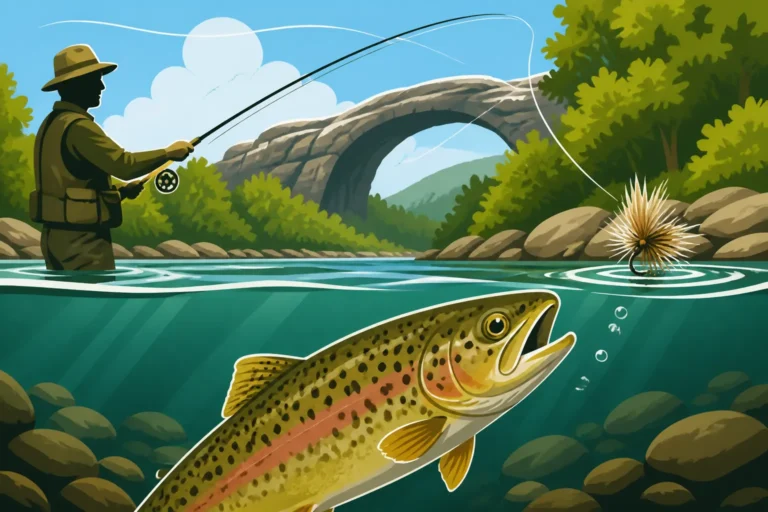
Float fishing the beautiful tailwaters of Arkansas is an experience unlike any other, offering stunning scenery and the thrill of landing feisty trout. But let's be honest, showing up unprepared can quickly turn a dream trip into a frustrating tangle. You need the right gear to drift a bait naturally, detect those subtle strikes, and safely navigate the currents. This comprehensive guide is here to ensure you're perfectly equipped for a successful and enjoyable float fishing adventure on Arkansas's world-class trout streams.
The Foundation: Rods, Reels, and Line for Tailwater Floats
When you're out on an Arkansas tailwater, whether it's the legendary White River below Bull Shoals Dam or the equally productive Norfork River, your rod, reel, and line are more than just tools—they're your direct connection to the fish. Choosing them wisely makes all the difference in your ability to present baits naturally, feel the bite, and fight a strong trout in current.
Choosing the Right Rod for Sensitivity and Control
For float fishing on a tailwater, you're looking for a rod that offers a delicate balance of sensitivity, length, and backbone. Many anglers mistakenly grab their heavy bass rods, only to find themselves constantly missing bites or struggling with presentation. The ideal rod will typically be lighter in power and longer than what you might use for lake fishing.
Think about a light or medium-light power spinning rod, often in the 7 to 9-foot range. This extra length helps immensely with line management. It allows you to mend your line effectively, keeping your float and bait drifting at the same speed as the current, which is absolutely crucial for fooling wary trout. It also provides a bit more cushion for light lines and allows you to keep a fish buttoned up further away from the boat or bank. You'll want a rod with a fast or moderate-fast action, meaning the top third or so of the rod bends easily, giving you that crucial sensitivity to detect even the slightest nudge on your float. A softer tip also helps prevent you from ripping the hook out of a trout's mouth on the hookset, which can be surprisingly common with lighter lines and smaller hooks. Many anglers find great options for these types of rods available on platforms like Amazon, offering a wide range of brands and price points.
Selecting a Reliable Reel and Smooth Drag System
Your reel choice goes hand-in-hand with your rod. For float fishing, a spinning reel in the 1000 to 2500 size range is usually perfect. The most critical feature here is a smooth, consistent drag system. Trout, especially those in fast-moving tailwaters, are powerful fighters. A jerky drag will lead to snapped lines and lost fish every time. You want a drag that gives line smoothly under pressure, without sticking or grabbing.
Beyond the drag, consider the reel's retrieve ratio and line capacity. A faster retrieve ratio can be helpful for quickly taking up slack line, which is important for float fishing where you might be constantly adjusting your drift. While you won't need an enormous amount of line for most tailwater trout, ensuring your chosen reel has enough capacity for 100-150 yards of your preferred line is wise. Some reels are specifically designed for finesse techniques, offering superior bail closure and anti-reverse systems that minimize line twist and provide a more seamless experience. This combination of a sensitive rod and a reliable reel allows you to feel everything, from the current subtly bumping your float to a trout gently mouthing your bait.
The Critical Role of Line Choice: Mono, Fluoro, or Braid?
Line choice is not a place to cut corners for float fishing. Each type of line has its strengths and weaknesses, and the best choice often depends on the specific conditions and your fishing style. For tailwater float fishing, the primary concerns are invisibility, knot strength, and sensitivity.
Monofilament (mono) line is a classic choice, offering excellent knot strength and good stretch, which can act as a shock absorber when a trout makes a sudden run. It's also relatively inexpensive. However, mono is more visible in clear water than fluorocarbon and has more memory, which can lead to frustrating coils, especially on lighter lines. Fluorocarbon (fluoro) main line is gaining popularity for its near invisibility underwater, making it ideal for wary trout. It also has less stretch than mono, providing more sensitivity, and is more abrasion-resistant. The downside is it can be stiffer and more expensive. Braided line offers incredible strength for its diameter and zero stretch, providing maximum sensitivity. However, it's highly visible underwater and can be difficult to manage with light floats. For this reason, many anglers opt for a braided mainline with a fluorocarbon leader, getting the best of both worlds. Regardless of your main line choice, it’s always a good idea to use a fluorocarbon leader of 4-6 lb test for the terminal end of your setup to ensure maximum stealth, especially when fishing for brown trout on the White River or rainbow trout on the Norfork. You can find excellent quality fluorocarbon leaders on Amazon, which can significantly increase your hook-up rates.
Essential Terminal Tackle and Baits for Success
Once you have your rod, reel, and line sorted, it's time to focus on the business end of your setup: the terminal tackle and baits. These small but mighty components are what ultimately present your offering to the fish, and getting them right is paramount for consistent catches on Arkansas's tailwaters.
Hooks, Weights, and Floats: The Trifecta of Presentation
The perfect presentation requires a harmonious trifecta of hook, weight, and float. For trout, you'll generally want small, sharp hooks. Size 10 to 18 treble or single hooks are common, depending on the bait and specific regulations of the water you're fishing. Ensure they are strong enough to hold up to a fighting trout but fine enough to not deter a bite.
Weight is crucial for getting your bait down to the strike zone quickly and keeping it there in the current. Small split shot weights are commonly used, pinched directly onto your line a foot or two above your bait. The key is using just enough weight to get your bait drifting naturally without dragging the bottom too much. For heavily flowing water, or when fishing deeper runs, some anglers prefer slinky weights or small pencil leads, which are less prone to snagging. Your float, or indicator, is your "eyes" on the water. For tailwater float fishing, sensitive slip floats or fixed floats are essential. You want a float that's small enough to be easily pulled under by a subtle bite but buoyant enough to suspend your bait at the desired depth. Clear or brightly colored floats are popular, with many brands offering options that are highly visible against varying water conditions. Remember, selecting a float that casts well with your chosen weight and bait is also a consideration, especially on wider stretches of the White River.
The Best Baits and Lures for Arkansas Tailwater Trout
Arkansas's tailwater trout can be tempted by a variety of offerings, both natural and artificial. When using natural baits, power bait, corn, and live worms are perennial favorites. PowerBait, in various colors and scents, is incredibly effective, especially for stocked rainbow trout. A small blob molded onto a tiny treble hook often does the trick. Canned corn, while simple, is surprisingly potent, often mimicking fish eggs. Small garden worms or red wigglers presented naturally are also irresistible to trout.
For artificials, small jigs, spinners, and soft plastics shine. Small marabou jigs in white, black, or olive, often tipped with a piece of power bait or a mealworm, are deadly when drifted under a float. Rooster Tail or Panther Martin spinners in sizes 0 to 2, retrieved slowly across current, can trigger aggressive strikes. Micro soft plastics, like tiny grubs or trout worms, fished on a small jig head, offer a lifelike presentation. Fly anglers also have a vast array of nymph patterns that can be fished under a strike indicator, mimicking aquatic insects. Always check local regulations, such as the Arkansas Fishing Regulations Guide, to ensure your chosen baits and techniques are permitted on the specific tailwater you're fishing. The Norfork Tailwater in Arkansas is known for its incredible trout fishing, and understanding the nuances of bait presentation there can be a game-changer.
Leaders and Swivels for Stealth and Strength
Building the right leader system is crucial for tailwater trout. These fish are often pressured and highly sensitive to visible lines. This is where fluorocarbon leaders truly shine. A section of 4-6 lb test fluorocarbon tied to your main line (whether it's braid or mono) provides that invisible connection to your hook. The length of your leader can vary, but typically 2 to 6 feet is a good starting point, allowing for a natural drift of your bait away from the more visible main line.
Connecting your leader to your main line can be done with a small barrel swivel or a double uni knot. A small barrel swivel, preferably in a dark, non-reflective finish, helps prevent line twist, especially if you're using spinners or experiencing a lot of current. It also provides a strong, reliable connection point. If you prefer a knot-to-knot connection, the double uni knot is a strong and relatively easy knot to tie. Whichever method you choose, regularly inspect your leader for nicks and abrasions, as the smallest imperfection can lead to a lost fish. It's a good practice to retie your leader throughout the day, especially after catching several fish or fishing around abrasive cover. For serious trout anglers, stocking up on various sizes of fluorocarbon leader material is a must, and you'll find plenty of high-quality options on platforms like Amazon.
Beyond the Tackle Box: Clothing, Safety, and Comfort
Fishing an Arkansas tailwater often means spending a full day outdoors, sometimes in unpredictable weather. Being properly dressed and equipped for safety and comfort is just as important as having the right rod and reel. Neglecting these aspects can quickly dampen the enjoyment of your trip.
Dressing for Success: Layering for Variable Tailwater Conditions
Arkansas weather, particularly in the mountainous regions where many tailwaters flow, can change rapidly. Mornings can be chilly, even in summer, and by midday, the sun can be intense. The key to staying comfortable is layering. Start with a moisture-wicking base layer to pull sweat away from your skin. Add an insulating layer, like a fleece or wool shirt, for warmth. Finish with a waterproof and windproof outer shell, even if the forecast looks clear. You never know when a pop-up shower might roll through.
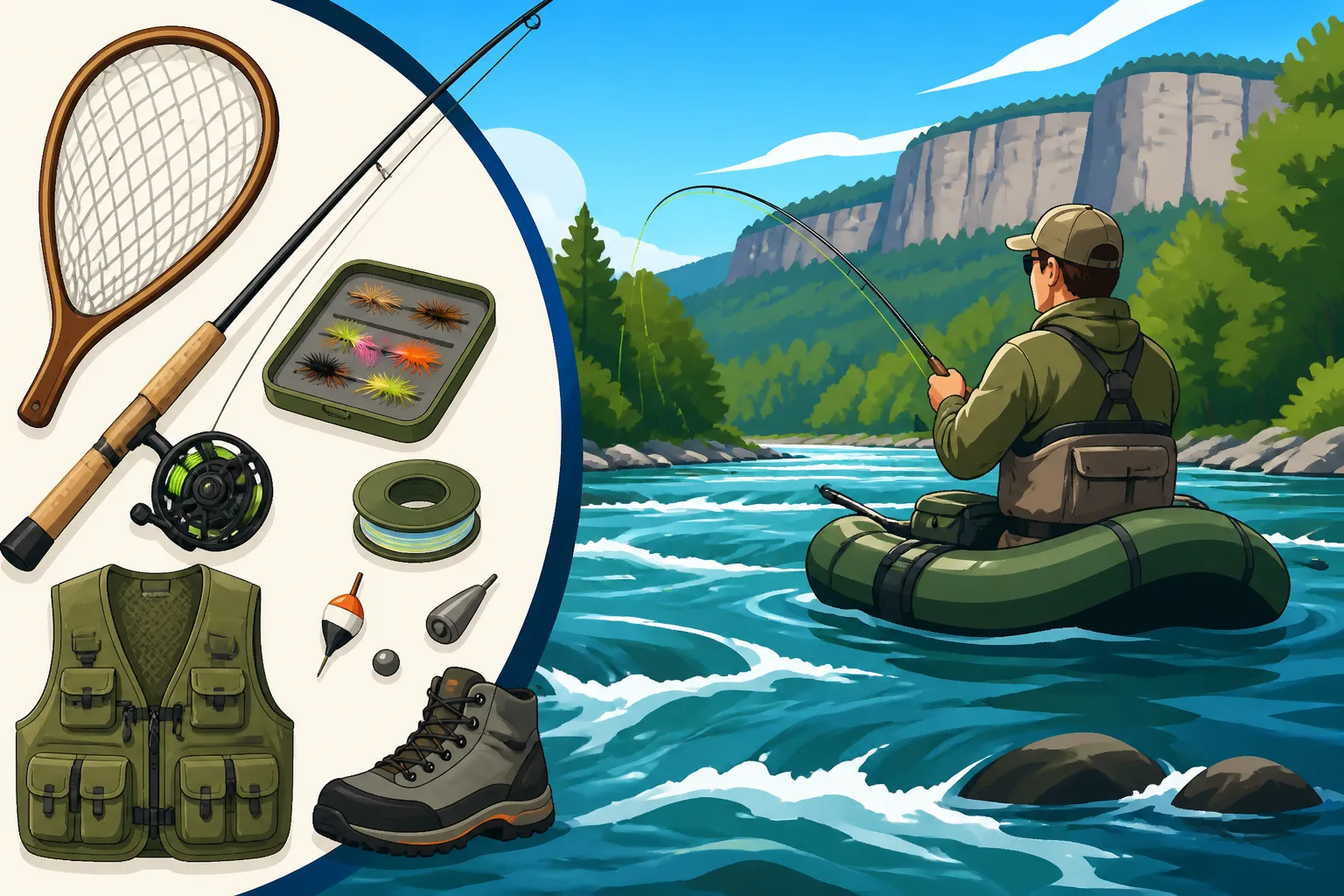
Additionally, consider sun protection. Long-sleeved shirts with UPF protection, a wide-brimmed hat, and polarized sunglasses are indispensable. Polarized sunglasses not only protect your eyes but also help you spot fish and submerged structure, which is invaluable. Waders are also a critical piece of gear if you plan on wading, especially in the cold tailwater flows like the White River. Neoprene waders offer more warmth, while breathable waders are better for warmer weather. Don't forget proper wading boots with good grip to prevent slips on slick rocks. For more advice on dressing for your trip, check out our guide on What to Wear on a White River Guide Trip in Arkansas.
Essential Safety Gear for Any Float Trip
Safety should always be a top priority, especially when floating down a river with currents. Even if you're a strong swimmer, a properly fitted personal flotation device (PFD) is non-negotiable. Wear it. Accidents can happen quickly, and a PFD can be a literal lifesaver.
Beyond your PFD, a basic first-aid kit is essential for treating minor cuts, scrapes, or insect bites. A whistle can be used to signal for help if you get into trouble. If you're floating with others, establish a communication plan, especially if cell service is spotty (which it often is in remote areas). Consider carrying a fully charged power bank for your phone, even if it's just for emergencies. If fishing alone, let someone know your float plan and estimated return time. Cold water immersion is a real risk in tailwaters, so be aware of water temperatures and dress accordingly. If you capsize in cold water, getting to shore quickly and getting dry is paramount. Learn more about general safety by reviewing the Arkansas Fishing Regulations Guide.
Comfort and Convenience Items for a Full Day on the Water
A comfortable angler is a more focused and successful angler. Pack enough food and water to stay hydrated and energized throughout your trip. A cooler with drinks and snacks is a great addition. Sunscreen and insect repellent are also vital for skin protection and comfort.
Other small items that make a big difference include a pair of fishing pliers (for hook removal and crimping weights), a small net for landing fish (especially important for catch-and-release to minimize stress on the fish), and a dry bag for any electronics, spare clothes, or other items you need to keep absolutely dry. A multi-tool can also come in handy for unexpected repairs. Even on a shorter trip, like a half-day float, these items contribute to a much more pleasant experience. For a general checklist, refer to our guide on What to Pack for a Half-Day Trout Trip in Arkansas. Having these small necessities neatly organized, perhaps in a tackle backpack easily accessible from your float craft, can truly make your day more enjoyable.
Optimizing Your Float Trip: Additional Considerations
Beyond the core gear, there are several other elements that can significantly enhance your float fishing experience on Arkansas's tailwaters. Thinking through these details beforehand will help you maximize your time on the water and ensure a smooth, enjoyable outing.
The Right Float Craft and Its Impact on Gear
Your choice of float craft – be it a kayak, canoe, pontoon boat, or drift boat – plays a significant role in determining what additional gear you might bring and how you organize it. A solo kayak, for example, demands a more minimalist approach with fewer bulky items, while a drift boat offers ample space for multiple rod setups, larger coolers, and more creature comforts.
If you're in a smaller craft, you might opt for shorter rods (still within the sensitive, longer-than-lake-fishing range) that are easier to maneuver. Rod holders become essential for keeping your precious gear secure while paddling or battling a fish. Storage solutions like dry bags and tackle boxes that fit snugly into hatches or lash down securely are paramount. For larger boats, dedicated rod lockers, built-in coolers, and anchor systems are common features that free up space and make for a more organized experience. Always ensure your chosen craft is suitable for the specific section of the river you plan to float, considering currents, rapids, and access points. For instance, the lower sections of the White River below Bull Shoals Dam are often fished from larger drift boats, allowing guides to navigate with precision, while upper sections or smaller rivers like the Spring River might be more suitable for kayaks or canoes.
Navigation and Communication Tools
While many popular tailwaters have clear, well-worn paths and access points, it’s always wise to be prepared for navigation, especially on longer or less familiar floats. A physical map of the river section you’re floating can be invaluable, especially if you lose cell service (which, let's face it, is a common occurrence in many of Arkansas's beautiful but remote fishing spots). Mark key landmarks, rapids, and takeout points on your map.
For longer trips or if you're exploring new areas, a handheld GPS device or a robust fishing app on your smartphone (downloaded with offline maps) can provide peace of mind. Remember to keep electronics in a waterproof case or dry bag. For communication, a fully charged cell phone is a must, but understand its limitations. A small two-way radio might be a good idea if you're floating with multiple boats or have a shuttle driver waiting. Always ensure someone on shore knows your float plan, including your put-in and take-out locations, and your estimated time of return. This simple step can be the most critical safety measure you take.
Ethical Angling Practices and Leave No Trace
Being prepared with the right gear also extends to being prepared to be a responsible steward of Arkansas's precious tailwater resources. This means understanding and adhering to all Arkansas Fishing License Rules and Costs, including specific regulations like the Arkansas Trout Permit Rules which are required on designated trout waters. Beyond licenses, familiarizing yourself with catch limits and special regulations, such as the Trout Limits on the Norfork Tailwater in Arkansas or the Bull Shoals Tailwater Trout Rules in Arkansas, is critical.
Many tailwater sections are managed as catch-and-release or have specific slot limits to protect trophy fish, especially for species like brown trout on the White River. If you plan to release fish, have a net ready, handle fish gently with wet hands, and try to keep them in the water as much as possible. A quick photo is fine, but prioritize the fish's health. Finally, embrace "Leave No Trace" principles. Pack out everything you pack in, including all trash, broken line, and discarded baits. Avoid disturbing wildlife or riverbanks. The beauty and productivity of Arkansas's tailwaters depend on all of us doing our part to protect them for future generations of anglers.
Essential Gear Checklist for Arkansas Tailwater Float Fishing
To help you get organized, here’s a quick checklist of essential gear for your next float fishing adventure on an Arkansas tailwater. This is not exhaustive, but covers the core items you won't want to forget!
| Category | Essential Items | Key Considerations |
|---|---|---|
| Rod & Reel | Light/Medium-Light Spinning Rod (7-9 ft) | Sensitivity, length for line mending, moderate-fast action |
| Spinning Reel (1000-2500 size) | Smooth drag, reliable bail, appropriate line capacity | |
| Line | Main Line (Mono, Fluoro, or Braid) | Visibility, stretch, sensitivity (e.g., 4-8 lb test) |
| Fluorocarbon Leader (4-6 lb test) | Invisibility, abrasion resistance | |
| Terminal Tackle | Small, Sharp Hooks (Size 10-18) | Appropriate for bait size, strong but fine wire |
| Split Shot Weights / Slinky Weights | Varying sizes for current, non-toxic options | |
| Sensitive Floats / Indicators | Slip or fixed, high visibility, small for subtle bites | |
| Small Barrel Swivels | Prevent line twist, dark finish | |
| Baits/Lures | PowerBait, Canned Corn, Live Worms | Natural presentations, common trout favorites |
| Small Jigs, Spinners, Micro Soft Plastics | Artificial options, varying colors/sizes | |
| Clothing | Layered Clothing (Wicking, Insulating, Shell) | Adapt to changing weather, quick-drying materials |
| Waterproof Outer Shell / Rain Gear | Essential for unexpected rain or spray | |
| Waders & Wading Boots | If wading, comfort and good grip on slick rocks | |
| Wide-Brimmed Hat & Polarized Sunglasses | Sun protection, glare reduction, fish spotting | |
| Safety & Comfort | Personal Flotation Device (PFD) | Properly fitted and worn at all times |
| First-Aid Kit | For minor injuries | |
| Water & Snacks | Stay hydrated and energized | |
| Sunscreen & Insect Repellent | Protect skin from elements and pests | |
| Fishing Pliers / Multi-Tool | Hook removal, line cutting, general utility | |
| Landing Net (Rubberized, Knotless) | Gentle fish handling for release | |
| Dry Bag / Waterproof Container | For electronics, spare clothes, valuables | |
| Navigation | River Map / GPS (with offline maps) | Know your route, put-in/take-out points |
| Charged Cell Phone / Power Bank | For emergencies, communication |
Disclaimer
This article is for general informational purposes only and does not constitute professional advice. Laws, prices and regulations vary by location and change over time. Consult a qualified professional for guidance on your specific situation.