Best Time to Fish Lake Ouachita Arkansas for Bass
Oh, the quest for bass on Lake Ouachita! It's a journey many of us anglers embark on, often wondering if we've picked the absolute best time to hit the water. It can be frustrating to plan a trip, invest in gear, and then feel like the fish just aren't cooperating. This comprehensive guide will walk you through the seasonal nuances of bass fishing on Lake Ouachita, helping you pinpoint the optimal times to target largemouth, spotted, and even a few smallmouth bass, ensuring your next trip is a successful and memorable one.
Understanding Lake Ouachita's Bass Fishery
Lake Ouachita, nestled in the Ouachita Mountains near Hot Springs, truly is a gem. It’s known as one of the cleanest lakes in the nation, boasting crystal-clear water and an abundance of diverse habitat. For a bass angler, this means a dynamic environment where fish can be found in a multitude of settings, from shallow coves to deep-water humps and ledges. Understanding the lake's unique characteristics is the first step in unlocking its bass-fishing potential, regardless of the season.
Diverse Habitats and Water Clarity
What makes Lake Ouachita so special for bass? Its clarity is a double-edged sword: beautiful to look at, but it can make fish more wary. Unlike muddier lakes, bass here often rely heavily on cover and depth changes to ambush prey. You'll find extensive timber stands, submerged brush piles, rocky points, and creek channels that all hold bass. These features provide countless hiding spots and feeding lanes, making electronics like side imaging and down imaging incredibly useful for locating fish. Knowing the lake's structure, which includes a lot of standing timber and rocky bluffs, is key to success. This varied terrain supports not just largemouth bass, but also healthy populations of spotted bass, and even a few smallmouth, especially in areas with steeper rock. For a deeper dive into the lake's features, check out our guide on Lake Ouachita: Arkansas's Largest Lake for Bass and Crappie Fishing.
Dominant Bass Species
When you're fishing Lake Ouachita, you'll primarily be targeting largemouth and spotted bass. Largemouth tend to prefer the shallower, more vegetated areas, especially during the warmer months and spawn. They love to hide around downed timber, lily pads, and creek mouths. Spotted bass, on the other hand, are often found in deeper, clearer water, frequently schooling on points, humps, and ledges. They are known for their aggressive strikes and strong fights, often surprising anglers with their feistiness. While less common, some smallmouth bass can also be found, typically in rocky, clear-water sections of the lake, particularly around the main lake points and steep bluffs. Understanding these preferences helps tailor your approach and gear selection, especially when trying to pinpoint specific species.
Prime Seasons for Bass Fishing on Lake Ouachita
The "best" time to fish Lake Ouachita for bass really depends on what you're looking for. Are you chasing numbers, or that one trophy-sized lunker? Each season offers its own unique opportunities and challenges. Successful anglers know how to adapt their strategies to the changing weather and water conditions throughout the year.
Spring: The Golden Window
Spring is arguably the most popular and often the most productive time for bass fishing on Lake Ouachita. As the water temperatures begin to rise, bass become increasingly active, moving from their deeper wintering grounds towards shallower areas to feed and eventually spawn. This transitional period offers fantastic opportunities for both quantity and quality catches.
Pre-Spawn Frenzy
The pre-spawn period, typically from late February through April, is when bass are gorging themselves in preparation for the upcoming spawn. Water temperatures usually range from the low 50s to low 60s Fahrenheit. During this time, bass are aggressive and can be found staging on points and secondary pockets leading into spawning coves. Crankbaits, jerkbaits, and spinnerbaits are incredibly effective as bass chase down baitfish. Focus on main lake points, channel swings, and areas with submerged timber. They're looking for easy meals, and if you can present a bait that mimics a fleeing shad or a crawfish, you're in for some exciting bites. This is a critical time to understand Pre-Spawn Bass Fishing Patterns to maximize your success.
The Spawn: Nests and Nurturing
The actual spawn on Lake Ouachita usually occurs from late April into May, when water temperatures hit the mid-60s to low 70s. This is when largemouth bass move into very shallow, protected pockets and coves to build nests and lay eggs. Spotted bass might spawn a bit deeper. Sight fishing for bedding bass can be a thrilling challenge, requiring patience and precise presentations with soft plastics like jigs, Texas-rigged worms, or creature baits. Look for light-colored circular patches on the bottom in shallow water – those are bass beds. However, remember to practice ethical catch-and-release during this sensitive time to protect the future of the fishery. Understanding Arkansas Bass Spawn Timing by Water Temperature is crucial for timing your trip perfectly.
Summer: Early Mornings and Deep Water
As temperatures soar in June, July, and August, Lake Ouachita's bass fishing shifts dramatically. The crystal-clear water means bass will seek refuge from the sun and heat in deeper, cooler zones or dense overhead cover. Don't be fooled into thinking summer fishing is slow; it just requires a different approach.
Dawn Patrol and Topwater Action
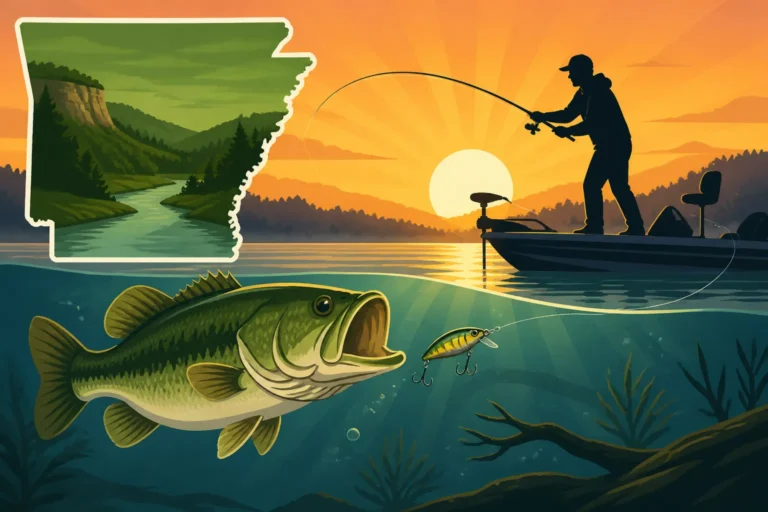
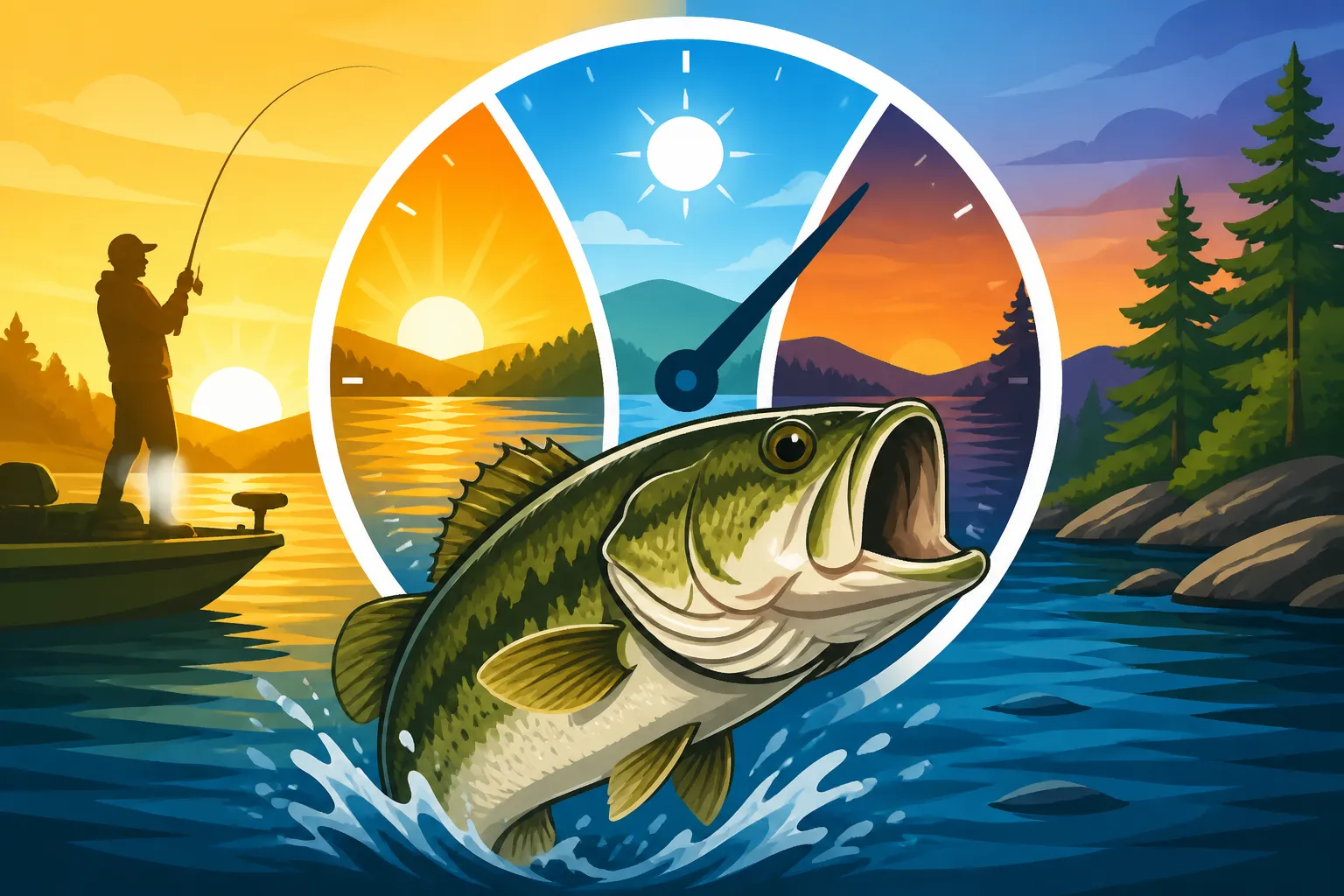
During the summer, the first few hours of daylight are absolutely golden. Before the sun climbs high, bass will often move shallower to feed, making topwater lures incredibly effective. Poppers, walking baits, and buzzbaits can provoke explosive strikes from aggressive bass. Focus on shady banks, dock pilings, and the edges of submerged grass beds. As the sun gets higher, this bite will quickly fade, sending the bass back to deeper haunts. Knowing How to Fish at Dawn for Bass can make all the difference for a productive morning.
Deep-Water Domination
Once the sun is high, most bass will retreat to deeper water, often holding to structure like humps, ledges, and deep timber. Spotted bass, in particular, will school up in open water, chasing shad. This is when your electronics become invaluable. Look for baitfish schools and bass arches on your sonar. Vertical jigging spoons, drop-shot rigs, and deep-diving crankbaits are excellent choices for targeting these suspended or bottom-hugging fish. Sometimes, you'll find them as deep as 30-40 feet, especially if there's a thermocline. For more on summer tactics, explore Summer Bass Fishing Patterns.
Fall: Transition and Feeding Frenzy
Fall, typically September through November, is another fantastic time to fish Lake Ouachita for bass. As air and water temperatures cool, bass become more active and begin feeding heavily in preparation for winter. This period sees a gradual movement of fish from deep to shallow, and often a very aggressive bite.
Following the Bait
In early fall, bass will often follow schools of baitfish, like shad, into creek arms and pockets. Topwater lures, spinnerbaits, and lipless crankbaits can be deadly when bass are actively chasing bait on the surface. Look for schooling fish and birds diving, which often indicates baitfish being driven up by hungry bass. As the water cools further, bass will move to main lake points and steeper banks, feeding on crawfish and larger baitfish. Jigs, crankbaits, and Texas-rigged plastics are great choices here. Our guide on Fall Fishing Patterns for Bass and Crappie provides excellent insights for this productive season.
Cooler Water and Reaction Bites
As late fall approaches and water temperatures drop into the 50s, the bass bite can still be strong, though perhaps a bit slower. Reaction baits like jerkbaits and bladed jigs become very effective as bass are less willing to chase a fast-moving bait but will strike out of instinct. Target areas with remaining green vegetation or deeper docks where bass might be staging for winter. The key is to cover water and find active fish.
Winter: Slow and Steady Wins the Race
Winter fishing on Lake Ouachita, from December through February, can be challenging but incredibly rewarding for those willing to brave the cold. Bass become sluggish in the colder water, often holding tight to deep structure. Patience and a slow, methodical approach are paramount.
Deep Structure and Finesse
During winter, most bass will be found in deeper water, often relating to timber, bluff walls, and creek channel bends in 20-50 feet of water. Their metabolism slows, so they aren't going to chase baits far. Finesse techniques like jigging spoons, football jigs, and drop-shot rigs are the most effective. Work your baits slowly and deliberately, keeping them in the strike zone for extended periods. Sometimes, a subtle twitch is all it takes to entice a strike. This time of year often yields fewer bites but can produce some of the biggest fish of the year. For more on cold-weather tactics, refer to Winter Fishing Patterns on Arkansas Reservoirs.
Sunny Days and Warm Banks
Even in winter, bass will seek out warmer water. On sunny days, look for bass to move shallower on north-facing banks or in protected coves that receive direct sunlight throughout the day. These areas can warm up a few crucial degrees, making bass more active. A jig-and-pig or a slow-rolled spinnerbait might entice a bite in these sun-drenched spots.
Essential Techniques and Baits for Lake Ouachita Bass
Lake Ouachita's clear water and varied terrain demand a versatile approach. Having a diverse tackle box and knowing when to deploy different techniques will significantly increase your success rate. From power fishing to finesse, there's a method for every situation.
Power Fishing
Power fishing techniques are fantastic for covering a lot of water quickly and provoking aggressive strikes. This is especially effective during the pre-spawn, early summer, and fall periods when bass are actively feeding.
Crankbaits and Jerkbaits
Deep-diving crankbaits are excellent for hitting those submerged humps, ledges, and timber lines that hold bass in deeper water, especially from 10-20 feet. Colors mimicking shad or crawfish are generally productive. Brands like Strike King and Rapala offer a wide range of effective crankbaits. Jerkbaits, with their erratic darting action, are superb for enticing suspended bass, particularly in cooler water or when fish are lethargic. A slow twitch-pause-twitch retrieve can be irresistible. You can find a vast selection of these lures on Amazon, ensuring you have the right bait for any condition.
Spinnerbaits and Bladed Jigs
Spinnerbaits are incredibly versatile, working well in and around cover like submerged brush or standing timber. Their flashing blades and thumping vibration attract bass from a distance. Bladed jigs, like a Z-Man ChatterBait, combine the flash of a spinnerbait with the erratic action of a crankbait, making them deadly in stained or slightly murky water, or when bass are particularly aggressive in spring and fall. These are excellent choices for fishing around the numerous boat docks and standing timber found on Lake Ouachita.
Finesse Fishing
When the bite gets tough, or when bass are pressured or in deeper, clearer water, finesse techniques often outshine power fishing. This is particularly true during the summer, late fall, and winter months.
Drop-Shot Rigs and Shaky Heads
A drop-shot rig is a go-to for targeting suspended bass or those holding tightly to deep structure. It allows your bait to hover at a specific depth, enticing even the most finicky fish. Small, soft plastic worms or minnow imitations are ideal. Shaky head jigs, rigged with a finesse worm, are perfect for slowly crawling over rocky bottoms or through sparse cover. The subtle quiver of the worm can often trigger a strike when nothing else will. These setups are excellent for pinpointing bass around submerged timber or bluff walls.
Jigs and Carolina Rigs
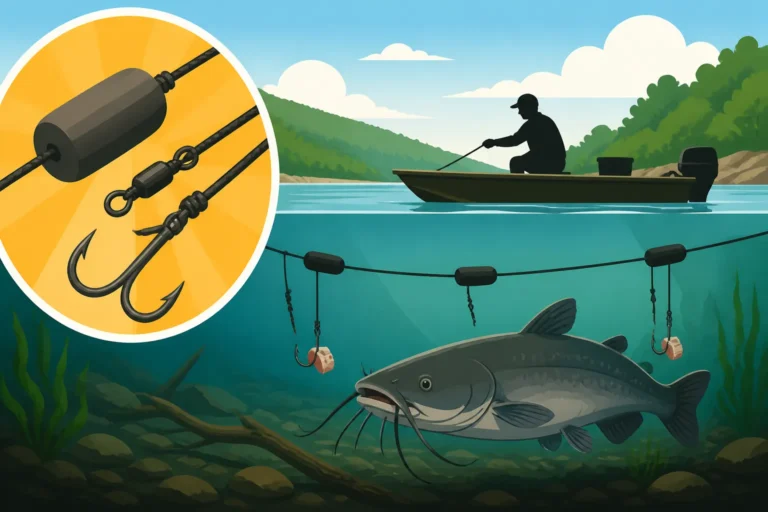
Football jigs are fantastic for fishing deep rock piles, ledges, and humps. They mimic crawfish, a primary forage for Lake Ouachita bass. Pair them with a soft plastic trailer that adds bulk and action. The Carolina rig, with its separated weight and bait, is superb for covering large areas of deep water, dragging the bait over subtle changes in bottom contour. This rig is particularly effective for spotted bass that are often found on offshore structure. Having a good variety of jigs, easily purchased through Amazon, is essential for year-round success.
Here's a quick overview of seasonal approaches for bass on Lake Ouachita:
| Season | Primary Bass Species | Water Temp Range (F) | Key Techniques | Recommended Baits & Lures | Prime Locations |
|---|---|---|---|---|---|
| Spring | Largemouth, Spotted | 50s – 70s | Power fishing, Sight fishing, Finesse | Crankbaits, Jerkbaits, Jigs, Texas Rigs, Spinnerbaits | Spawning coves, Points, Secondary pockets, Shallow timber |
| Summer | Spotted, Largemouth | 70s – 80s+ | Topwater (dawn), Deep Finesse, Jigging | Topwater, Drop Shots, Spoons, Deep Crankbaits, Jigs | Deep humps, Ledges, Main lake points, Shady banks (early) |
| Fall | Largemouth, Spotted | 60s – 70s | Power fishing, Reaction baits | Spinnerbaits, Lipless Crankbaits, Jerkbaits, Jigs | Creek arms, Main lake points, Bluff walls, Baitfish schools |
| Winter | Largemouth, Spotted | 40s – 50s | Finesse, Slow presentations | Jigging Spoons, Football Jigs, Drop Shots, Finesse Worms | Deep timber, Bluff walls, Creek channel bends, Main lake points |
Maximizing Your Lake Ouachita Bass Fishing Trip
Beyond timing and techniques, there are several other factors that can significantly influence your success on Lake Ouachita. From understanding local conditions to having the right equipment, preparation is key.
Local Knowledge and Current Conditions
Even with a general understanding of seasonal patterns, Lake Ouachita can throw you curveballs. Water levels can fluctuate, generation schedules at the dam can impact currents, and unexpected weather fronts can change fish behavior instantly. Always check local fishing reports before your trip. Bait shops in nearby towns like Hot Springs or Mountain Pine are invaluable resources for up-to-the-minute information. Talking to local anglers or even considering a guided trip can provide insights you wouldn't get from a map alone. Many reputable guides who operate on Lake Ouachita can put you on fish when conditions are tough.
Essential Gear and Electronics
Given Lake Ouachita's clarity and depth, good electronics are almost non-negotiable for serious bass anglers. A quality fish finder with side imaging and down imaging capabilities, like those offered by Lowrance or Garmin, will help you locate subtle structure, baitfish schools, and bass holding tight to cover. Rod and reel setups should be versatile: medium-heavy casting rods for power fishing and medium-light spinning rods for finesse techniques are a good starting point. Don't forget a selection of fluorocarbon line for its low visibility in clear water. For specific recommendations, check out our guide on Best Fishing Spots in Arkansas, which often mentions gear relevant to specific locations.
A good GPS mapping system is also crucial, whether it's integrated into your fish finder or a standalone unit. This allows you to mark productive spots, navigate safely through timber, and return to those honey holes again and again. You'll find a great selection of all these essential items, from fishing line to high-end electronics, readily available on Amazon. Having a well-stocked tackle box that's organized for quick access to different lures and baits will also save you precious fishing time on the water.
Safety and Conservation
Lake Ouachita is a large, deep lake, and safety should always be your top priority. Always wear a life jacket, especially when boating at high speeds or in choppy conditions. Inform someone of your float plan and expected return time. Be mindful of changing weather, as storms can blow up quickly.
From a conservation perspective, practicing catch-and-release, especially for larger bass and during the spawn, helps sustain the fishery for future generations. If you do keep fish, be sure to adhere to all Arkansas Fish Size and Daily Limits for bass and other species. The clarity of Lake Ouachita's water means that fish can be more susceptible to stress, so handling them with care and minimizing their time out of the water is essential. Responsible angling ensures that Lake Ouachita remains a premier bass fishing destination for everyone.
Disclaimer
Fishing conditions and regulations in Arkansas can change. Always consult the latest regulations from the Arkansas Game and Fish Commission before heading out on the water. This guide is for informational purposes only and should not replace official guidelines.