Dawn and Dusk Fishing Patterns
Have you ever stood on the bank, rod in hand, feeling like you're missing something? Like the fish are just not biting, no matter what you throw at them? Many anglers in Arkansas experience this frustration, especially when they only have limited time on the water during the bright, busy parts of the day. But what if I told you that the most magical, and often most productive, fishing hours are precisely when most people are heading home or just waking up? This guide is all about diving deep into the dawn and dusk fishing patterns that can transform your angling success here in the Natural State.
Why Dawn and Dusk are Prime Fishing Times
There's a reason seasoned anglers often brave the chill of a pre-dawn morning or linger until the last sliver of sunlight disappears. It's not just about tradition; it's about tapping into the natural rhythms of the fish. These transitional periods offer a unique set of conditions that can turn a slow day into an unforgettable one.
The Psychological Edge for Anglers
Let's be honest, there’s a certain tranquility that comes with fishing in the quiet hours. Before the bustling boat traffic starts or after it fades away, you get to experience the lake or river in a completely different light – literally. This peacefulness isn't just good for the soul; it sharpens your focus. With fewer distractions, you're more attuned to subtle bites, changes in the current, or the tell-tale splash of a feeding fish. Many anglers find that this calm environment allows them to concentrate better on their technique, whether they're patiently jigging for crappie or meticulously working a topwater lure for bass. It's a chance to truly connect with the water and observe its subtle shifts without the constant churn of human activity. Plus, let's not forget the sheer beauty of an Arkansas sunrise or sunset over the water – that alone can be worth the early start or late finish, even if the fish aren't cooperating.
Biological Factors for Fish Activity
Fish, like many creatures, follow a daily routine influenced by their environment. As the sun begins to dip below the horizon or peek over it, a biological switch flips. Many predatory fish, such as bass, walleye, and even crappie, become much more active during these low-light conditions. Why? Because it gives them an advantage. Their eyes are often better adapted to seeing in dimmer light compared to their primary prey, like baitfish or insects. This means they can ambush their meals more effectively, making these hours prime feeding times. Think of it as a natural hunting hour where the odds are stacked in their favor. It’s a survival instinct that pushes them into shallower waters or more aggressive feeding patterns. Understanding this fundamental biological drive is key to unlocking consistent success during dawn and dusk.
Environmental Benefits of Low Light
Beyond the fish's internal clocks, the environment itself conspires to make dawn and dusk excellent fishing opportunities. One of the biggest factors is temperature. During the heat of an Arkansas summer, midday sun can push fish deep, making them lethargic. As the sun rises or sets, the water temperature stabilizes or begins to cool, making the fish more comfortable and willing to move. In colder months, these times can also be productive as the water temperature begins to warm after a chilly night or holds onto its warmth before a cold snap. The decreased light penetration also scatters light in the water column, making it harder for fish to discern lines and lures, which means you can often get away with slightly heavier line or less finesse than you might need in bright daylight. The absence of harsh shadows and direct sunlight also creates a more uniform underwater environment, reducing spooky fish behavior and allowing them to roam more freely without feeling exposed.
Understanding the Science Behind Dawn and Dusk Bites
It's one thing to know that fish bite better during these times, but it's another to understand why. Delving into the scientific principles at play can give you a significant advantage, allowing you to fine-tune your approach and make more informed decisions about lure choice, presentation, and location.
Light Levels and Fish Vision
Fish vision is a fascinating and complex subject, and it plays a huge role in the dawn and dusk bite. While different species have varying visual capabilities, most game fish possess eyes that are highly adapted to low-light conditions. They often have more rod cells in their retinas, which are responsible for detecting movement and light intensity, making them extremely effective hunters when the sun isn't blaring. During the transition periods of dawn and dusk, the rapidly changing light creates a "crepuscular" zone where light is diffuse, and shadows are long and soft. This makes it difficult for small baitfish to detect predators, but it gives the predators just enough light to spot silhouettes and movement. Think about it: a topwater lure ripping across the surface at first light creates a much more defined and intimidating silhouette against a brightening sky than it would in the harsh midday glare. This visual advantage pushes many fish to actively hunt, knowing their prey is at a disadvantage.
Temperature Swings and Metabolic Rates
The gradual cooling or warming of the water during dawn and dusk directly impacts the metabolic rates of fish. In the scorching Arkansas summer, midday water temperatures can reach uncomfortable levels, particularly in shallower areas. As the sun sets, the water begins to cool, bringing fish out of their deeper, cooler retreats and into shallower feeding zones. Conversely, after a cold night, the rising sun warms the surface waters, often drawing fish up from the depths to feed in the slightly warmer, more oxygenated water. These temperature changes aren't just about comfort; they stimulate appetite. When fish are in their optimal temperature range, their metabolism is higher, meaning they need to consume more food. This direct link between temperature, metabolism, and feeding activity is a primary driver of the robust dawn and dusk bite. Knowing the Arkansas Crappie Spring Spawn Pattern can also help, as these fish are incredibly sensitive to temperature fluctuations, and often feed aggressively around dawn and dusk during spawning periods when water temperatures are just right.
Baitfish Movement and Predator Opportunity
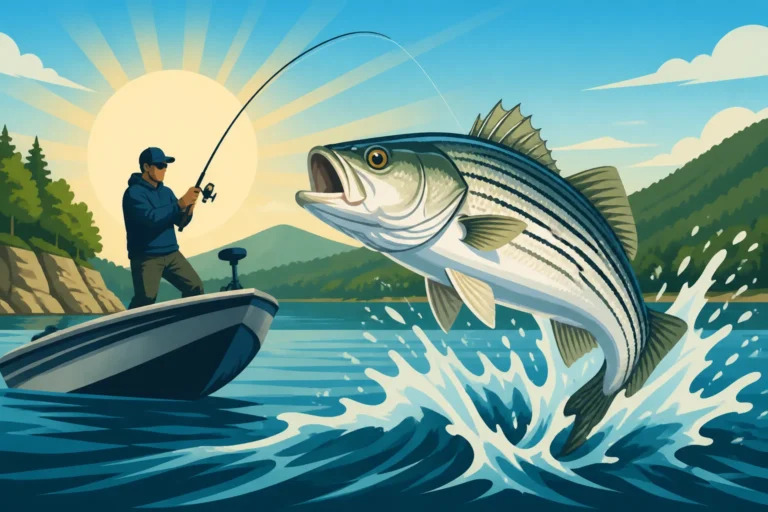
It's a food chain out there, and dawn and dusk are prime times for the links to connect. Baitfish, such as shad, minnows, and small sunfish, also exhibit predictable behaviors during these periods. They often move from deeper, safer waters into shallower feeding areas as the light changes, searching for insects or plankton. This migration provides a golden opportunity for larger predatory fish to ambush them. Imagine a school of shad flickering near the surface as the last light fades – it's an irresistible buffet for a lurking largemouth bass. These periods of concentrated baitfish movement are critical. Understanding where baitfish are likely to be – near cover, along weed lines, or at the mouths of coves – will help you position yourself for success. Utilizing electronics to spot bait balls can be incredibly effective, especially on larger bodies of water like Norfork Lake, which is known for its incredible Norfork Lake's Reputation for Trophy Striped Bass Fishing. Those stripers are constantly hunting schools of baitfish, and twilight hours are their prime time to strike.
Dawn Fishing Strategies for Arkansas Anglers
Greeting the day with a fishing rod in hand is an experience unlike any other. The world is quiet, the air is crisp, and the promise of a great catch hangs heavy in the pre-dawn mist. But simply being there isn't enough; you need a strategy tailored to those first crucial hours.
Pre-Dawn Preparation and Approach
Success at dawn starts long before the first hint of light appears. This means planning your trip the night before. Lay out your gear, tie on your first lure, and make sure your boat (if you're using one) is ready to launch. Being organized minimizes fumbling in the dark, which can be frustrating and even unsafe. Consider packing a headlamp – an essential tool for setting up in the dark – but remember to switch it off or direct it away from the water once you're casting, as bright lights can spook fish. When approaching your chosen spot, do so quietly. Fish are often in shallower, more vulnerable positions at first light, and a loud boat engine or heavy footsteps on the bank can send them scattering. Idling into a cove or carefully wading to your spot makes all the difference. Think about the How to Fish at Dawn for Bass – stealth is paramount. They’re often right up against the bank or in shallow cover, just waiting for that first opportunity.
Early Morning Lure and Bait Choices
As the light begins to break, fish are often aggressively feeding and less discerning. This is prime time for topwater lures. Walking baits like a Heddon Super Spook or poppers can elicit explosive strikes as bass and other predators ambush them from below. The silhouette of a topwater lure against the brightening sky is incredibly effective. As the light increases slightly, consider moving to reaction baits like spinnerbaits, chatterbaits, or shallow crankbaits that mimic fleeing baitfish. These lures cover water quickly, allowing you to locate active fish. For those targeting crappie, a small jig under a bobber with live minnows or soft plastics can be deadly in shallow brush piles or around docks. When it comes to bait, live options like minnows, worms, or even shad can be irresistible. Consider stopping by a local tackle shop to pick up fresh bait, or checking out what's available on Amazon for delivery to make sure you're well-stocked.
Adapting as the Sun Rises
The dawn bite typically lasts for a couple of hours, but it doesn't stay static. As the sun climbs higher and the light intensifies, you'll need to adjust. Fish that were aggressively feeding in shallow water will often start to retreat to deeper cover or shaded areas. This is your cue to switch from topwater and shallow reaction baits to presentations that work deeper in the water column. Think about throwing jigs, Texas rigs, or Carolina rigs for bass, working them slowly along structure, ledges, or submerged timber. For crappie, you might need to move to deeper brush piles or fish drop-offs with jigs or minnows. Pay close attention to changes in fish activity. If the topwater bites slow down, don't keep casting it out of stubbornness! Adapt your strategy to match the conditions. The best anglers are always observing and adjusting their approach.
Dusk Fishing Strategies for Arkansas Anglers
As the day winds down, a similar, yet subtly different, magic happens on the water. The evening bite can be just as, if not more, productive than dawn, offering another fantastic window to catch fish before calling it a day.
The Golden Hour Transition
The hour or so leading up to sunset, often called the "golden hour" for photographers, is also a golden hour for anglers. As the intense midday sun begins to soften and cast long shadows, fish start to emerge from their deep-water haunts or shaded cover. They feel safer and more comfortable venturing into shallower feeding areas. This period is characterized by a gradual increase in activity, often starting with subtle movements and building to aggressive feeding. The colors of the sky, reflecting on the water, can also influence lure choice. Natural, muted colors tend to work well in this fading light, but don't be afraid to experiment with brighter, more contrasting colors, especially if the water is a bit stained. It's a time of increasing energy and anticipation on the water, both for the fish and the angler. This transition period is when you'll often see active baitfish movement, which in turn stimulates predatory species.
Evening Lure and Bait Considerations
Just like at dawn, topwater lures can be incredibly effective at dusk, especially as the light gets lower. Poppers, buzzbaits, and frogs fished over weed beds or around cover can draw impressive strikes. As the sun sets further, try darker-colored topwater baits – a black or junebug colored buzzbait can be deadly as it creates a stronger silhouette against the fading light. Crankbaits that run at various depths are also excellent choices, allowing you to find the fish as they transition. For bass, try spinnerbaits with large single blades that create more thump and vibration in low light, making them easier for fish to detect. If you're targeting crappie, small jigs tipped with scent or a minnow fished close to structure can work wonders. Remember the How to Fish at Dusk for Crappie strategies, especially focusing on brush piles and submerged timber where they'll be staging to feed. Don’t forget to check your tackle box for those old reliable dark-colored jigs. You can find a huge assortment of these and other essentials on Amazon, perfect for bulking up your arsenal.
Post-Sunset Fishing and Nightfall
The bite doesn't necessarily end when the sun disappears below the horizon. For many species, especially catfish and striped bass, the fishing can get even better after dark. This is when the true night hunters come alive. For catfish, this means setting out trotlines or jug lines, or simply bottom fishing with cut bait or stink baits. If you’re wondering, "Is Night Fishing Good for Catfish? in Arkansas?" the answer is a resounding yes! On many lakes, like Lake Hamilton, the action for catfish and even stripers can continue well into the night. When fishing into true nightfall, consider glow-in-the-dark lures or those that rattle to help fish locate them in the complete absence of light. Be extra mindful of safety if you decide to extend your trip into the dark, ensuring you have proper lighting on your boat and are aware of your surroundings.
Species-Specific Dawn and Dusk Tips
Different fish have different habits, and understanding these nuances can significantly boost your success. What works for a bass might not be ideal for a crappie, and vice versa.
Targeting Bass in Low Light
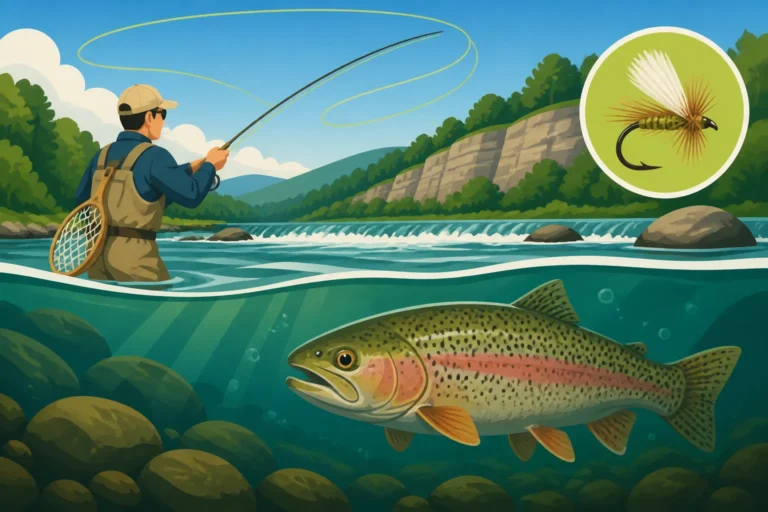
Largemouth and smallmouth bass are quintessential dawn and dusk feeders. At first light, they often move into extremely shallow water to ambush baitfish. This is the absolute best time for topwater action. Cast walking baits, poppers, or buzzbaits near shorelines, docks, and over submerged vegetation. Once the sun starts to climb, they'll retreat to slightly deeper cover like brush piles, submerged timber, or the edges of weed lines. Switch to spinnerbaits, chatterbaits, or even a weightless senko in these areas. As evening approaches, the pattern often reverses. They'll push up shallow again, especially if there's an abundance of baitfish. A good strategy is to focus on points, humps, and coves where baitfish congregate. For river smallmouth, focus on rocky current breaks and eddies, as these fish will use the low light to dart out and grab passing prey. Remember, for the Best Time of Day to Catch Bass, it's almost always these two windows.
Crappie and Panfish at Twilight
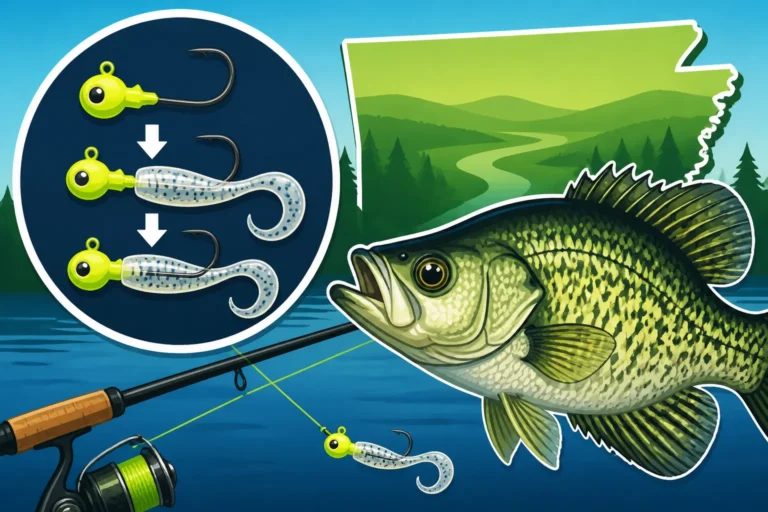
Crappie and other panfish like bluegill also become very active at dawn and dusk. In the early morning or late evening, they often move up into shallower water to feed on small insects, minnows, and larvae. This is a fantastic time for tight-lining with live minnows or vertical jigging with small jigs (1/32 to 1/16 ounce) near submerged brush, timber, or bridge pilings. Look for docks that have lights on them, as these lights will attract baitfish and, in turn, crappie, especially after dark. The low light can make them less spooky, allowing you to get closer to their cover. For bluegill and other bream, a small cricket or worm under a bobber can be irresistible in calm, shallow coves. Consider using the lightest line you can get away with for these species, as they can be finicky. The Best Live Bait for Crappie Fishing is almost always a small minnow, but a variety of soft plastics can be just as effective when presented correctly.
Catfish and Stripers Under the Stars
While many species thrive during dawn and dusk, some, like catfish and striped bass, really hit their stride as night falls. Channel catfish, blue catfish, and flathead catfish are primarily nocturnal feeders. They use their keen sense of smell and barbels to locate food in the dark. For these giants, anchoring in a deep hole, along a channel bend, or near an old river bed and fishing with cut bait, stink bait, or live bait can lead to incredible catches after sunset. Large rivers like the Arkansas River or deep lakes like Norfork are prime spots. As for striped bass, they are notoriously active hunters in low light and at night. They'll often push massive schools of shad to the surface, creating explosive topwater boils. On lakes like Lake Hamilton, night fishing for stripers is a popular and effective method. Using large topwater lures, big swimbaits, or trolling live bait can be incredibly productive. If you're looking for Night Fishing Spots on Lake Hamilton, ask local bait shops or consult online forums, as specific locations can be highly productive.
Gear and Safety for Low-Light Conditions
Fishing in low light, especially transitioning into full darkness, presents unique challenges and requires specific preparations to ensure both success and safety. You can’t just head out with your daytime gear and expect the same results or security.
Essential Equipment for Dawn and Dusk
When venturing out for those prime hours, a few key pieces of gear go from helpful to absolutely essential. First, reliable illumination is critical. A good quality headlamp with adjustable brightness and red light options (red light is less likely to spook fish and preserves your night vision) is a must. You can find excellent, durable models on Amazon that are waterproof and have long battery lives. Beyond that, ensure your tackle box is organized so you can quickly find lures and tools without excessive fumbling. Pre-tying a few different lure setups can save valuable time during those peak bite windows. If you’re fishing from a boat, make sure all your navigation lights are in perfect working order. A thermos with hot coffee for dawn or cold water for dusk, bug spray, and appropriate layers of clothing are also crucial for comfort and focus. For night fishing specifically, bring heavier tackle and stronger lines if you expect bigger, more aggressive fish like trophy catfish or stripers, as the Best Time of Day to Catch Catfish is often after dark.
Navigating and Staying Safe on the Water
Safety should always be your top priority, and even more so in low-light conditions. If you're on a boat, ensure you have all required safety equipment, including life jackets for everyone on board, a sound-producing device, a fire extinguisher, and a first-aid kit. Navigating in the dark can be disorienting, even on familiar waters. Use your GPS or map carefully, and be extra cautious of shallow areas, submerged hazards, or other boats. Slow down significantly when moving in low light. It's often safer to stick to areas you know well rather than exploring new territory. For bank anglers or waders, be aware of uneven terrain, slick rocks, and potential wildlife. Wearing waders or boots with good traction is essential. Always tell someone where you're going and when you expect to return, especially if you're fishing alone. The Arkansas Fishing Regulations Guide has important information on safety and navigation that every angler should review before heading out.
Lighting and Visibility Considerations
Beyond personal safety, how you manage your lighting can impact your fishing success. As mentioned, avoiding bright lights directly on the water is generally a good idea, as it can alarm fish. However, for safety and practical purposes, you'll need light. Consider using a small, diffused light source in your boat, or a clip-on light for your hat brim, rather than a powerful spotlight. If you're fishing from a dock or pier at night, the ambient light from nearby structures can actually attract baitfish and, consequently, game fish. This is often the case at Night Fishing Spots on Lake Hamilton where lights from lakeside homes or businesses can be an advantage. For personal visibility, especially if you're out past dark or getting an early start, wear light-colored clothing or even reflective gear if you’ll be near roads or heavy boat traffic. Being seen is just as important as seeing where you're going.
| Species | Best Dawn Lure/Bait | Best Dusk Lure/Bait | Key Locations at Dawn | Key Locations at Dusk |
|---|---|---|---|---|
| Largemouth Bass | Topwater (Poppers, Buzzbaits), Spinnerbaits | Dark Topwater (Buzzbaits), Bladed Jigs, Jigs | Shallow coves, Docks, Weed lines, Bank edges | Shallow coves, Points, Brush piles, Deep weed edges |
| Smallmouth Bass | Small Crankbaits, Tubes, Spinnerbaits | Small Crankbaits, Grubs, Topwater (small poppers) | Rocky banks, Current breaks, Points, Eddies | Rocky banks, Current breaks, Ledges, Drop-offs |
| Crappie | Live Minnows (under bobber), Small Jigs (soft plastic) | Live Minnows (under bobber), Small Jigs (scented) | Shallow brush piles, Submerged timber, Docks | Deeper brush piles, Bridge pilings, Lighted docks |
| Catfish | Cut Bait, Worms (bottom fished) | Cut Bait, Stink Bait, Live Perch (bottom fished) | River channels, Deep holes, Log jams | River channels, Deep holes, Channel bends, Inflow areas |
| Striped Bass | Large Topwater, Swimbaits, Live Shad | Large Topwater (dark colors), Live Shad (trolled/free-lined) | Open water, Near dams, Main lake points | Open water, Schools of baitfish, Current breaks |
Disclaimer
The information provided in this guide is for general informational purposes only and does not constitute professional fishing or safety advice. Always consult the latest regulations from the Arkansas Game and Fish Commission before fishing. Fishing conditions and fish behavior can vary, and success is never guaranteed. Always prioritize your safety and the safety of others on the water.