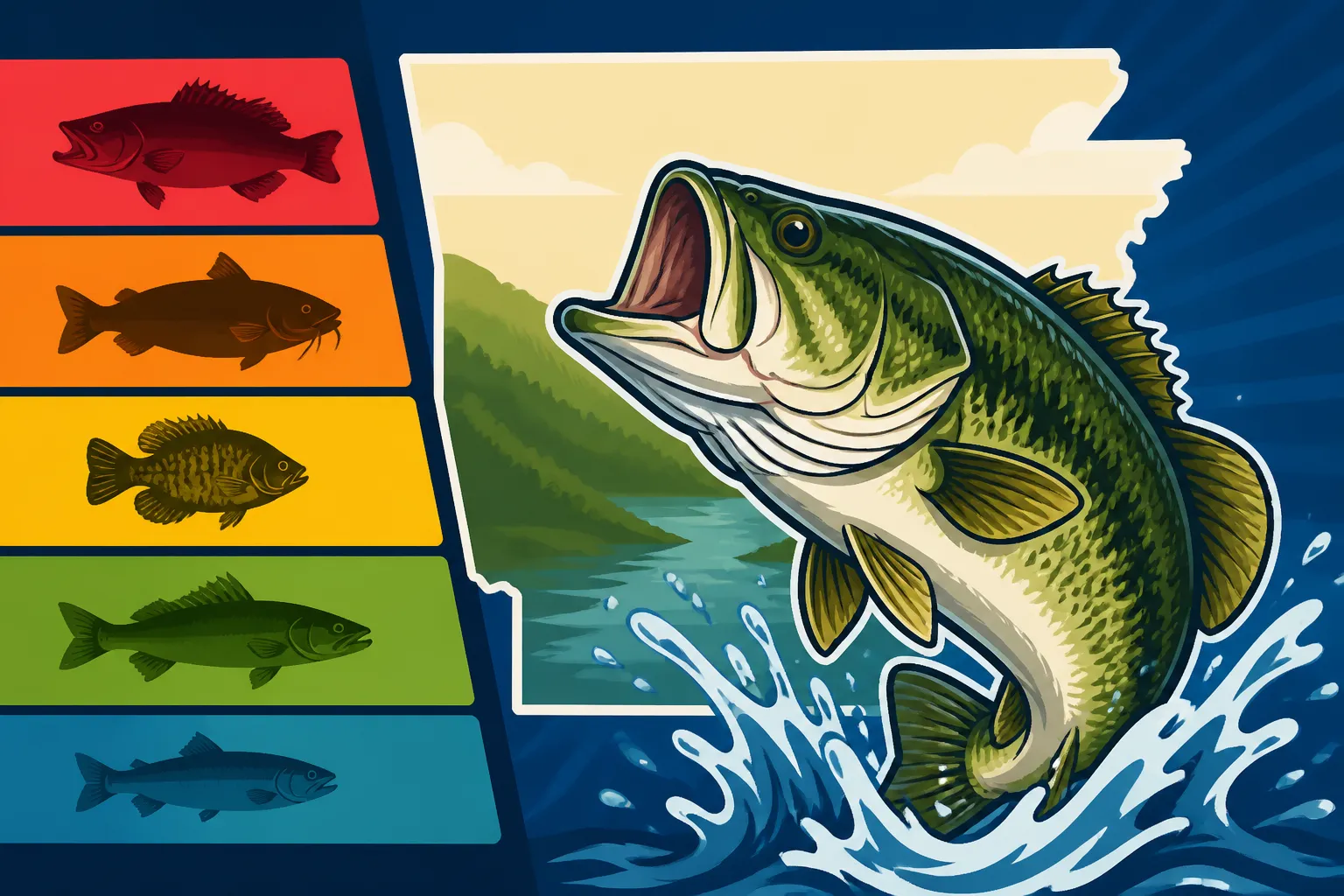
Arkansas Game Fish Ranked by How Hard They Fight
There's nothing quite like the sudden, electric jolt of a fish hitting your line, is there? That moment when your rod bends double, your reel screams, and you know you're in for a fight. But let's be honest, not all fish put up the same kind of struggle, and sometimes you're looking for that real arm-stretcher, that fish that makes your heart pound. If you've ever wondered which of Arkansas's amazing game fish truly test your mettle, you're in the right place. This guide will dive deep into what makes a fish fight hard and rank our local species by their sheer battling prowess, so you can target that next epic encounter.
What Makes a Fish a Fighter? The Science of the Struggle
Before we dive into the rankings, it's helpful to understand what exactly gives a fish that "oomph" when it's on the line. It's not just about size, though that certainly plays a role. A lot goes into how a fish reacts to being hooked, and knowing these factors can help you appreciate the fight even more, and even predict it a little better.
Key Factors Influencing a Fish's Fighting Spirit
Think about it: some fish are built like torpedoes, designed for explosive speed, while others are more like powerful, stubborn bulldozers. Their physiology, habitat, and even their mood on a given day can all dictate the intensity of their fight.
First off, species characteristics are huge. Some fish, like the incredibly streamlined striped bass, are simply evolved to be fast, powerful swimmers. Their muscle structure, tail fin design, and overall body shape contribute to bursts of speed and long, sustained runs. Contrast that with a crappie, which has a flatter, pan-shaped body. While they can put up a respectable struggle, they're not built for the same kind of blistering speed as a striper. Then there's the size and age of the individual fish. A smaller fish, regardless of species, simply doesn't have the mass or muscle to pull as hard as a larger one. A 10-pound largemouth bass will absolutely out-fight a 2-pounder of the same species, no question. Younger, more energetic fish often seem to have more fight in them than older, perhaps more complacent ones.
Water conditions also play a critical role. Fish in colder water tend to be a bit more lethargic, conserving energy, so their fights might not be as explosive. On the flip side, warmer water can sometimes make fish more active, but if it gets too hot and oxygen levels drop, they might tire out quicker. Strong currents in rivers or tailwaters, like those below the big dams on the White River, can make even a moderately sized fish feel like a beast. They use the current to their advantage, leveraging it against your line, creating the sensation of a much stronger pull. This is especially true for trout, which are masters of using current to their benefit. A brown trout in a fast-moving section of the White River Fly Fishing Season Guide for Arkansas Anglers can feel twice its actual size!
Finally, the fish's health and feeding habits matter. A healthy, well-fed fish that's actively hunting will generally have more energy for a fight than one that's stressed or hasn't been feeding well. A fish caught just after it's ambushed a shad or a minnow is often still pumped full of adrenaline, ready to make a break for it. It's truly a combination of biology and environment that creates that memorable struggle.
The Thrill of the Fight: Why it Matters to Anglers
For many of us, the fight is the ultimate payoff. It's the moment of truth after all the planning, casting, and waiting. There's a primal satisfaction in pitting your skill and tackle against the raw power of a wild creature. It's not just about landing the fish; it's about the dance, the give and take, the anticipation of whether your knot will hold or if the fish will throw the hook at the last second.
A hard-fighting fish provides an adrenaline rush that few other outdoor activities can match. It demands your full attention, forcing you to react instinctively, adjust your drag, pump the rod, and read the fish's movements. This engagement makes the experience incredibly immersive. When you finally bring that fish to the net, there's a profound sense of accomplishment, even if it's just a quick photo and release. It validates your effort and technique, making every challenge along the way feel worthwhile. For many, it's not the size of the fish in the cooler, but the intensity of the battle that defines a successful day on the water. It’s what keeps us coming back, morning after morning, to lakes like Lake Ouachita: Arkansas's Largest Lake for Bass and Crappie Fishing or the roaring tailwaters.
The Ultimate Showdown: Ranking Arkansas Game Fish by Their Fight
Alright, the moment of truth! Based on countless hours on the water, talking to guides, and maybe losing a few good ones ourselves, here's our honest take on how Arkansas's most popular game fish stack up when it comes to their fighting prowess. Keep in mind, this is a general ranking; individual fish can always surprise you!
The Heavyweight Champions: Striped Bass and Smallmouth Bass
When you talk about a truly brutal, no-holds-barred fight in Arkansas waters, two species consistently rise to the top: the striped bass and the smallmouth bass. These fish are pound-for-pound powerhouses that will test your gear and your grit.
Striped Bass: The Unyielding Powerhouse
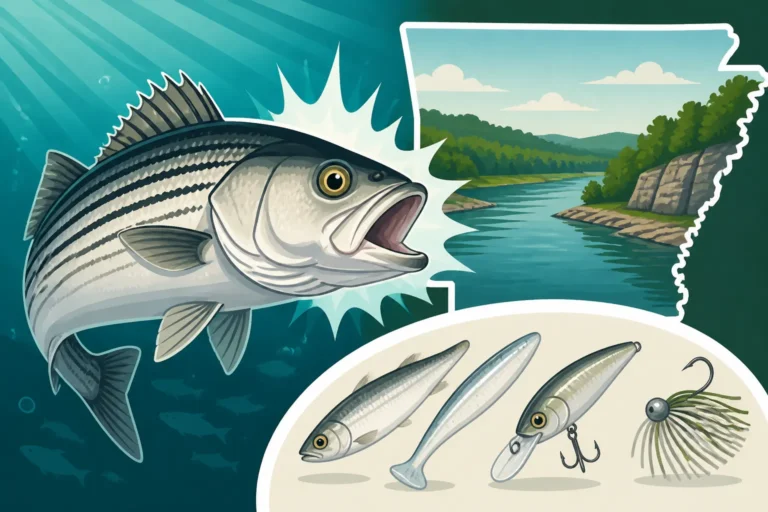
Oh, the striped bass. If you've never hooked into a big striper, you're missing out on one of Arkansas's most electrifying fishing experiences. These aren't just fish; they're freight trains with fins. A typical striper hits hard and then immediately makes a long, powerful run, often peeling line off your reel at an alarming rate. They don't give up easily and will make multiple runs, sometimes diving deep, other times surfacing to thrash wildly. Their sheer brute strength is legendary. You'll find yourself leaning into the rod, trying to turn their head, only for them to dig in and pull even harder.
Imagine being out on Norfork Lake: One of Arkansas's Best Striped Bass Fisheries, your rod bent in a U-shape, your drag singing a high-pitched tune, and your arms starting to ache. That's a striper fight. They rely on their incredible musculature and stamina. In the larger reservoirs, they have the open water to make those long, sustained runs that wear you down. Even a moderately sized striper can feel like a monster because of their refusal to surrender. For more on these incredible fish, check out our guide on Striped Bass Fishing in Arkansas.
Smallmouth Bass: The Acrobat and the Brawler
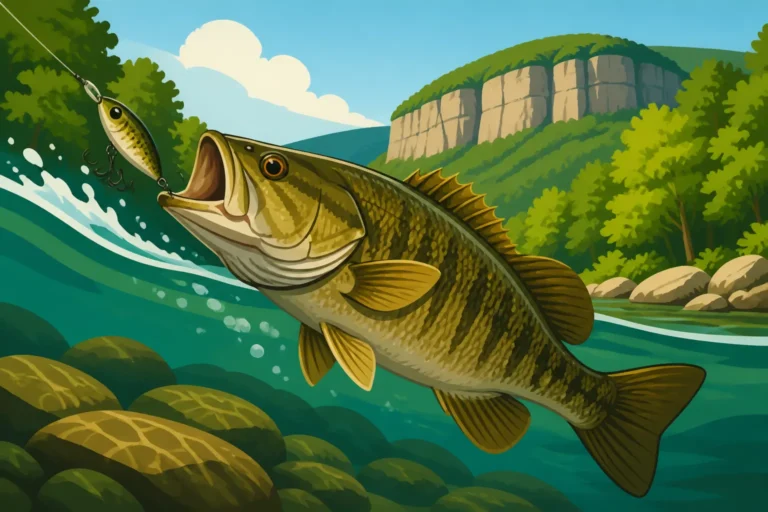
While striped bass bring pure power, the smallmouth bass adds acrobatics to the mix. Often found in clearer, rocky waters and cooler, moving rivers like the Crooked Creek or the Buffalo, these fish are absolute gladiators. They might not make the incredibly long runs of a striper, but their fight is characterized by explosive headshakes, aerial leaps, and sudden, bulldogging dives into structure.
A smallmouth will hit your lure like a ton of bricks and then immediately try to get airborne, shaking its head violently in an attempt to dislodge the hook. They are notorious for finding any rock, log, or current seam to wrap your line around. Their fight is incredibly dynamic and unpredictable, keeping you on your toes from start to finish. You have to be quick to react to their jumps and strong enough to pull them away from snags. Pound for pound, many anglers consider the smallmouth to be one of the hardest fighting freshwater fish out there. If you're looking for where to tangle with these beauties, our article Smallmouth Bass in Arkansas's Ozark Streams has some great tips. They are truly the complete package when it comes to a thrilling fight.
The Middleweights: Largemouth Bass, Trout, and Walleye
These species offer fantastic fights that are often just as memorable, perhaps a little less draining than the heavyweights, but still incredibly exciting.
Largemouth Bass: The Jumper and the Diver
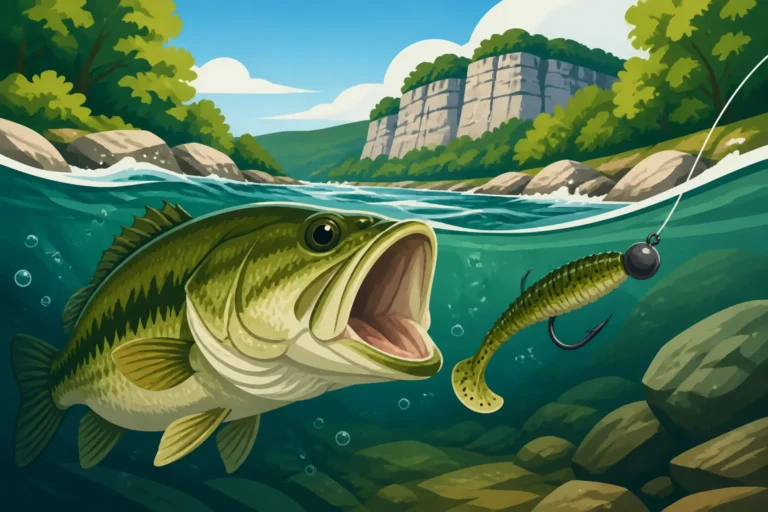
The largemouth bass is arguably the most popular game fish in Arkansas, and for good reason: they're aggressive, widely available, and put up a super fun fight. While they don't typically make the screaming runs of a striper or the relentless bulldogging of a smallmouth, their fight is characterized by powerful, explosive surges, often culminating in spectacular jumps.
When a largemouth hits, it's usually a solid thump, and then they're off. They'll try to dive into thick cover like brush piles, lily pads, or submerged timber, using the structure to try and break your line. Then, without warning, they might rocket out of the water, shaking their head to throw the hook. You need to be ready to quickly apply pressure and turn their head away from snags, and be quick on the retrieve when they go airborne to keep tension. A healthy largemouth in a fertile lake like Lake Conway Bass Fishing Near Little Rock, Arkansas can provide an exhilarating battle, especially on lighter tackle. Our piece on Largemouth Bass Fishing on Arkansas's White River can give you more insights into targeting them.
Trout: The Current-Loving Drifters
Arkansas's tailwaters, particularly the White River, are famous for their trout fishing. Rainbow, brown, cutthroat, and brook trout all call these cold waters home. The fight from a trout, especially a brown or rainbow in strong current, is unique and incredibly rewarding. They might not have the initial explosive power of a bass, but they are masters of using the river's flow against you.
When hooked, a trout will often make strong, deliberate runs, digging deep and using the current like a sail. They'll dart from side to side, constantly looking for ways to break free, sometimes making a surprising leap. It's a fight of finesse and endurance, as you work to keep them out of snags and slowly guide them against the relentless push of the water. On lighter gear, a big rainbow or brown can feel incredibly powerful, stretching your capabilities. Fishing for them requires patience and precise rod handling. For more details on these cold-water warriors, check out Trout Fishing on Arkansas's White River.
Walleye: The Deep-Water Drag
Walleye are a bit of a dark horse in the fighting department. They don't typically jump or make long, blistering runs, but don't let that fool you. They are masters of the deep, and when you hook into a good one, they put up a stubborn, heavy, head-shaking drag that can feel like you've snagged a log.
Walleye tend to stay deep, constantly pulling down, making powerful dives back to the bottom. Their fight is less about speed and more about sustained, heavy resistance. You'll feel their weight, and they'll shake their head aggressively, trying to dislodge the hook. It's a grind, a heavy pull that tests the backbone of your rod and the smoothness of your drag. Landing a walleye often feels like winching up a bucket full of water, especially in the deeper sections of lakes like Greers Ferry.
The Underdogs and Steady Pullers: Crappie, Catfish, and Panfish
While they might not be known for epic battles, these fish still provide plenty of action and fun on the line, especially for new anglers or those looking for consistent bites.
Crappie: The Papermouth Pugilist
Crappie are beloved across Arkansas, and for good reason—they're delicious and plentiful! Their fight, however, is often described as a "papermouth" fight. They'll make quick, darting runs and often turn sideways, creating a surprising amount of resistance for their size. However, their mouths are delicate, making it crucial to use a gentle touch to avoid tearing the hook out.
A crappie's fight is characterized by short, quick bursts and a lot of head-shaking, especially once they get near the surface. They don't have the stamina for prolonged runs, but their sudden movements and penchant for gathering in brush piles mean you need to be quick to pull them away from snags. On light tackle, a slab crappie can still be a blast, and they definitely keep you on your toes! For tips on catching these tasty fish, see our article Crappie Fishing in Arkansas: Black and White Crappie Basics.
Catfish: The Bottom-Dwelling Brutes
Catfish, whether you're talking channel cats, blues, or flatheads, are known more for their stubborn, heavy pull than flashy acrobatics. They are powerful fish that live on the bottom, and when hooked, they dig in deep.
A good-sized channel cat will put a respectable bend in your rod and make strong, slow runs, trying to rub your line against submerged logs or rocks. Blue catfish, especially the really big ones, are pure muscle. They might not jump, but they will pull with immense power, often taking off on long, unstoppable runs. Their fight is a test of your tackle's strength and your ability to maintain pressure against a fish that wants nothing more than to stay on the bottom. Flatheads are similar, but with an added element of brutal, bulldogging power. You can learn more about these whiskered wonders in Catfish Species Found in Arkansas. While perhaps not as flashy as a bass, a big catfish fight is a truly heavy-duty experience.
Panfish (Bluegill, Bream, Sunfish): The Little Fighters
Don't let their small size fool you; panfish like bluegill and other bream species offer some surprisingly spirited fights, especially on ultra-light tackle. They are often the first fish kids catch, and they're excellent for honing basic angling skills.
When hooked, a bluegill will turn its flat body sideways, creating a lot of drag and pulling much harder than you'd expect for its size. They make quick, darting runs and headshakes. While they won't spool your reel or jump out of the water, they provide consistent action and plenty of enthusiastic tugs on the line. For beginners, or for anyone just looking for a relaxing day with lots of bites, panfish are incredibly rewarding fighters that teach you the feel of a fish on the line.
Here's a quick ranking table to visualize the fighting styles of Arkansas's game fish:
| Fish Species | Fight Intensity Rank | Primary Fight Style | Key Characteristics |
|---|---|---|---|
| Striped Bass | 1 (Heavyweight) | Long, powerful runs; brute strength | Unyielding, incredible stamina, line-peeling power |
| Smallmouth Bass | 2 (Heavyweight) | Explosive jumps, headshakes, bulldogging dives | Acrobatic, unpredictable, strong dives into structure |
| Largemouth Bass | 3 (Middleweight) | Explosive surges, jumps, dives into cover | Powerful, often airborne, seeks heavy cover |
| Trout (Brown/Rainbow) | 4 (Middleweight) | Strong runs, uses current, deep dives, occasional jumps | Finesse and endurance fight, leverages water flow |
| Walleye | 5 (Middleweight) | Stubborn, heavy, deep-water drag | Bottom-oriented, sustained heavy resistance, headshakes |
| Catfish (Blue/Flathead) | 6 (Underdog/Steady) | Powerful, heavy pulls; deep runs (especially Blues) | Brute strength, relentless deep pull, less flashy |
| Crappie | 7 (Underdog/Steady) | Quick darting runs, sideways pull, headshakes | Papermouth, quick bursts, delicate fight on light tackle |
| Panfish (Bluegill/Bream) | 8 (Underdog/Steady) | Stubborn sideways pull, quick short runs | Feisty for their size, great for light tackle fun |
Tackling the Tug: Equipping Yourself for Arkansas's Brawlers
Knowing which fish put up the best fight is one thing, but being prepared to handle them is another. Your choice of gear makes a monumental difference in how you experience the battle and ultimately, your success in landing that trophy fish.
Rods, Reels, and Line: Building Your Fighting Arsenal
Matching your gear to the fight you anticipate is crucial. You wouldn't bring a butter knife to a sword fight, and you shouldn't bring ultra-light tackle to chase trophy striped bass!
For those heavyweight champions like striped bass, you'll want a medium-heavy to heavy action rod, typically 7 to 8 feet long, capable of handling powerful fish. Pair this with a robust baitcasting or spinning reel that has a smooth, reliable drag system and good line capacity. You'll need at least 15-20 lb monofilament or fluorocarbon, or often 30-50 lb braided line, because those runs are no joke. Many anglers find great deals on durable reels and braided lines on Amazon, which can really stand up to the abuse.
When targeting smallmouth bass, a medium to medium-heavy spinning or baitcasting rod, around 6'6" to 7 feet, with a fast action tip, is ideal. This gives you the sensitivity to feel subtle bites but enough backbone to turn a fish away from structure. A quality reel with a smooth drag and 8-12 lb fluorocarbon or braided line with a fluorocarbon leader is a popular choice. The sensitivity of the line helps you feel those quick strikes in current.
For largemouth bass, similar tackle to smallmouths works, but you might lean towards slightly heavier setups if you're fishing dense cover. A medium-heavy rod with 12-17 lb fluorocarbon or 30 lb braid is a good all-around choice. You'll want a rod with good leverage to pull fish out of thick weeds or timber.
Trout fishing on the White River often calls for lighter, more sensitive gear. For spin fishing, a light to medium-light rod, 6-7 feet, paired with a small spinning reel spooled with 4-8 lb monofilament or fluorocarbon is perfect. This light setup makes even a 16-inch brown trout feel like a monster. If you're fly fishing, your setup will vary, but typically a 5 or 6-weight fly rod and matching reel with appropriate leader and tippet is standard. You can find excellent quality fly lines and leader material on Amazon to round out your kit.
For crappie and panfish, ultra-light or light action rods, 5-6 feet in length, are the way to go. Spool a small spinning reel with 2-6 lb monofilament. This light line enhances the fight and makes these smaller fish incredibly fun. It allows you to feel every headshake.
And for the catfish brigade, especially if you're chasing blues or flatheads, heavy-duty tackle is essential. A strong, medium-heavy to heavy action rod, often 7-9 feet, paired with a large baitcasting reel or a robust spinning reel, spooled with 20-50 lb monofilament or 50-80 lb braided line, is what you need to handle those deep, powerful pulls.
Lures, Baits, and Techniques: Getting That Hard Strike
Your lure or bait choice, and how you present it, directly influences not only whether a fish bites but also how aggressively it strikes, which sets the tone for the fight.
For striped bass, live bait like shad or large shiners, either slow-trolled or fished on downriggers, is incredibly effective. Big swimbaits, jerkbaits, and topwater lures can also provoke aggressive strikes. Think about the size of the bait; stripers are built to eat substantial meals.
Smallmouth bass are suckers for crayfish imitations, tube jigs, small crankbaits, and soft plastic presentations like grubs or finesse worms. Presentations that mimic fleeing baitfish or crawfish along rocky bottoms or current seams often trigger powerful strikes. Check out Best Bait for Bass by Season for more tailored advice.
Largemouth bass will hit a huge variety of lures. Spinnerbaits, crankbaits, Texas-rigged worms, jigs, and topwater frogs are all excellent choices. Varying your retrieve and understanding where bass ambush prey are key. A sudden, aggressive retrieve with a topwater frog across lily pads can result in an explosion that gets the heart racing immediately.
Trout are often caught on small inline spinners, spoons, stickbaits, or various soft plastic baits fished on light jig heads. Fly anglers use an array of nymphs, dry flies, and streamers, matching the hatch or imitating aquatic insects and baitfish. The right presentation, whether it's a perfectly drifted nymph or a swung streamer, often leads to an immediate, strong reaction from the trout. If you're just getting started with fly fishing, looking for a beginner setup on Amazon can be a great way to explore options.
For crappie, tiny jigs (1/16 to 1/8 oz) tipped with a soft plastic body or a live minnow under a bobber are classic. Vertical jigging around brush piles and timber is a deadly technique. The key is often light line and a subtle presentation.
And catfish? They're less picky but appreciate a good scent trail. Cut bait (especially shad), chicken livers, stink baits, and worms are all proven producers. Bottom fishing is the standard, allowing the scent to disperse and attract hungry cats.
The stronger the initial strike, the more energized the fish usually is, and the more thrilling the ensuing fight. By understanding the fighting characteristics of Arkansas's diverse fish species and matching your gear and techniques accordingly, you're not just fishing; you're actively seeking out and preparing for those unforgettable battles that make every trip to the water a truly epic adventure.
Disclaimer
This article is for general informational purposes only and does not constitute professional advice. Laws, prices and regulations vary by location and change over time. Consult a qualified professional for guidance on your specific situation.