Best Bait for Bluegill Fishing
It's incredibly frustrating when you're out on a beautiful Arkansas lake or pond, the sun is shining, and you just can't get the bluegill to bite. You know they're there, darting around in the shallows, but your bait just isn't cutting it. Finding the best bait for bluegill isn't just about throwing anything in the water; it's about understanding what these feisty little panfish love to eat and how to present it. This guide is here to take the guesswork out of your next bluegill adventure, helping you choose the right offerings to fill your bucket or simply enjoy a day of constant action.
Why Bluegill are Such a Fun Target for Anglers (and Why Bait Matters So Much)
Bluegill are truly a staple of Arkansas fishing, offering a fantastic experience for anglers of all ages and skill levels. They're often the first fish a child ever catches, sparking a lifelong love for the sport. But even seasoned pros find joy in their aggressive strikes and consistent action. Understanding why they're so popular, and what makes them tick when it comes to food, is the first step to becoming a bluegill master.
The Joy of Bluegill Fishing: Accessibility and Action
One of the greatest things about bluegill is their sheer accessibility. You don't need fancy gear or a high-powered bass boat to find them. They're abundant in nearly every pond, lake, and slow-moving river throughout Arkansas, from small farm ponds to the massive Corps of Engineers reservoirs. This means you can often find a great spot close to home, making them perfect for a spontaneous afternoon trip or a planned family outing. For newcomers to the sport, bluegill provide immediate gratification. They're usually quite eager to bite, which builds confidence and keeps the excitement levels high, especially for kids. There’s nothing quite like watching a bobber dance and then plunge under the surface, signaling another bluegill has taken the bait. It's an experience that’s hard to beat for consistent, low-pressure fun. If you're looking for an introduction to the sport, checking out Bluegill Fishing for Arkansas Beginners is a great start. They're truly a Panfish Species Good for Kids and Beginners because they're so cooperative.
Their aggressive nature is another huge draw. Bluegill are opportunistic feeders and, given the right bait, they'll often strike with enthusiasm. This isn't always the case with more finicky species, which can be a real downer on a slow fishing day. With bluegill, you're almost guaranteed some action, provided you're using something they find irresistible. This constant engagement is precisely why bait choice is so critical. While they might bite something, using their favorite snacks will lead to more bites, faster, and often from the bigger, more desirable "hand-sized" bluegill.
Understanding Bluegill Foraging Habits
To pick the best bait, you need to think like a bluegill. What do they naturally eat in their environment? Bluegill are primarily insectivores and omnivores. This means their diet consists largely of aquatic insects, insect larvae, small crustaceans like scuds and amphipods, tiny snails, and even some plant matter or algae. They're also not above nibbling on the eggs of other fish, given the opportunity. Their mouths are small, which is a crucial detail when selecting bait; a bait that's too large will be difficult for them to get their mouths around, leading to missed bites and frustration.
Knowing this, it makes sense that the most effective baits mimic these natural food sources. A wiggling worm looks like a tasty morsel unearthed from the bottom, while a fluttering cricket resembles a clumsy insect that's fallen into the water. The size, movement, and even the scent of your bait play a massive role in whether a bluegill decides to investigate or simply swim on by. This deep understanding of their foraging habits is why certain baits consistently outperform others and why anglers spend so much time perfecting their choices.
The Best Live Baits for Bluegill Fishing in Arkansas
When it comes to bluegill, nothing beats live bait in many situations. The natural movement, scent, and texture are often irresistible to these panfish. Arkansas bluegill see a lot of these natural food sources, so presenting them effectively is key.
Classic Worms: Redworms and Nightcrawlers
Worms are, without a doubt, the king of bluegill baits. They're readily available, easy to use, and bluegill absolutely love them.
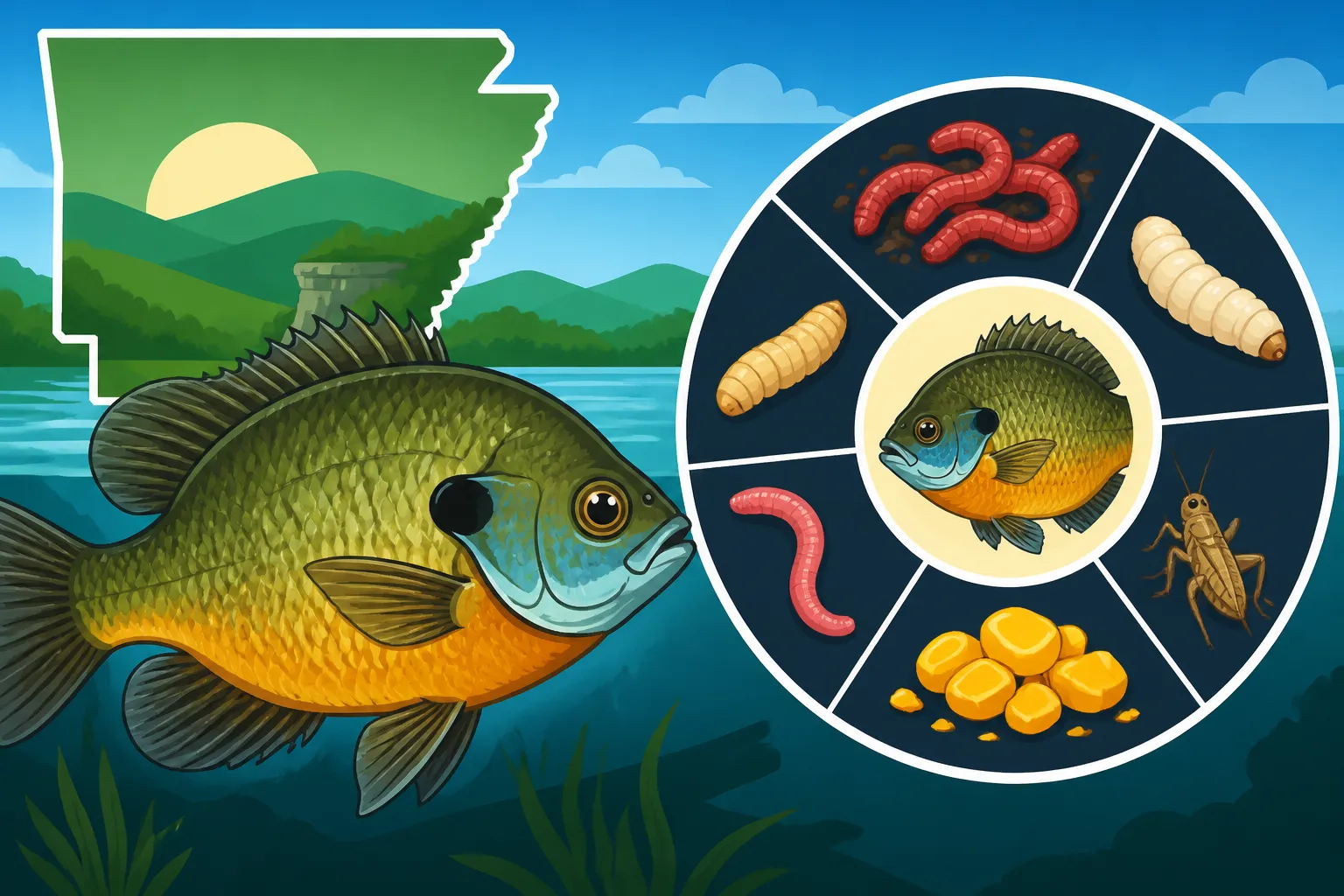
- Redworms: These smaller, thinner worms are often considered the premier choice for bluegill. Their size is perfect for a bluegill's mouth, and they wriggle enticingly on the hook. You don't need a whole worm; often, just a small piece, about an inch long, is enough. This allows for a more natural presentation and means you get more bait per worm. Redworms can be purchased at almost any bait shop in Arkansas, and some anglers even cultivate their own in backyard composting bins. If you're having trouble finding them locally, you can sometimes find them available in bulk on Amazon for direct shipping, which is great if you plan many trips.
- Nightcrawlers: While larger than redworms, nightcrawlers are still incredibly effective, especially if you cut them into smaller, bluegill-manageable pieces. A one-inch section of a nightcrawler still offers plenty of movement and scent. They're hardy and easy to keep fresh in a cooler. Many anglers swear by the "worm on a hook" method, and for good reason—it works! When using worms, remember that a smaller, sharper hook (size #8 to #12) is vital to ensure a good hook set with a bluegill's small mouth. Learning How to Rig a Worm Under a Bobber for Bluegill will vastly improve your catch rate.
| Bait Type | Pros | Cons | Best Uses | Where to Buy/Find |
|---|---|---|---|---|
| Redworms | Perfect size, high activity, great scent | Can be delicate, easily stolen by small fish | Year-round, especially good for smaller bluegill | Bait shops, garden supply, compost bins, Amazon |
| Nightcrawlers | Readily available, hardy, versatile (cut) | Too large whole, can be expensive | Larger bluegill, general panfish, catfish | Bait shops, grocery stores, night-crawling in yard |
| Crickets | Natural prey, lively, float well | Can be fragile, noisy, jumpy, seasonal | Summer, surface fishing | Bait shops, pet stores, Amazon (live cricket suppliers) |
| Wax Worms | Very attractive, easy to handle, durable | Can be expensive, somewhat soft | All seasons, tipping jigs, ice fishing | Bait shops, pet stores, online bait retailers |
| Maggots | Extremely effective, small, lively | Can be messy, less common to find | Finicky fish, slow bites, cold water | Specialty bait shops, online bait retailers |
Crickets and Grasshoppers: An Enticing Option
When it comes to bluegill, especially during the warmer months, nothing beats a natural insect falling onto the water.
- Crickets: These noisy little insects are absolute bluegill magnets. Their erratic kicking and natural scent are irresistible, especially if you're fishing near overhanging vegetation where insects might naturally fall into the water. Crickets are best hooked lightly through the collar or behind the head, allowing them to remain lively. They also float naturally, making them excellent for surface presentations under a small bobber or even fly fishing. You can usually find crickets at bait shops, but many pet stores that cater to reptile owners also carry them. Again, larger quantities for dedicated anglers can sometimes be sourced through Amazon or specialized online live bait dealers.
- Grasshoppers: Similar to crickets, grasshoppers are a fantastic summer bait. They're a bit harder to come by unless you catch them yourself, but their larger size can attract bigger bluegill. Hook them carefully through the tough section of their back. The key with both crickets and grasshoppers is keeping them alive and active. A ventilated container with a bit of food (like a slice of apple or potato) will help them last longer on your trip. The natural movement they provide is a significant advantage over artificials in many situations.
Grubs and Maggots: Small but Mighty
Don't underestimate the power of these smaller, often overlooked live baits. They're packed with protein and appeal directly to a bluegill's instinctual feeding habits.
- Wax Worms and Mealworms: These larvae are incredibly popular for a reason: fish love them. Wax worms, with their soft bodies and sweet scent, are particularly appealing. They are relatively easy to handle and can be hooked either singularly or in small clusters. Mealworms are a bit tougher and can stay on the hook longer. Both are excellent for tipping small jigs or fishing under a bobber. They're widely available at bait shops, often sold in small containers with wood shavings to keep them fresh.
- Maggots (Spikes or Waxies): While perhaps not as common in the mainstream American bait market as worms, maggots are incredibly effective, particularly when fish are finicky or during colder water periods. Their constant, subtle wiggling is a huge attractor. They are small, so using multiple maggots on a tiny hook is a common strategy. They can be a bit messy to handle, but their effectiveness for bluegill, crappie, and other panfish is undeniable. If you're struggling to get bites, maggots can often be the answer. You might need to look for these at more specialized bait shops or order them online.
Effective Artificial Baits and Lures for Bluegill
While live bait often reigns supreme, artificial lures offer their own set of advantages: durability, convenience, and the ability to cover more water. For the active angler, these can be incredibly productive for bluegill in Arkansas waters.
Small Jigs and Spinners: Flash and Action
Artificial lures for bluegill generally need to be small, light, and offer enticing action or flash.
- Micro Jigs: These are truly magic for bluegill. We're talking 1/32 oz, 1/64 oz, or even smaller. They come in a dizzying array of colors, often with marabou, chenille, or small plastic bodies. White, chartreuse, black, and pink are perennial favorites. The key to micro jigs is subtle presentation. You can fish them under a small bobber, slowly retrieved, or vertically jigged around cover. Tipping a micro jig with a tiny piece of worm or a wax worm can make it even more irresistible. Many experienced anglers find that jigging near brush piles or submerged timber is one of the most consistent ways to catch larger bluegill, especially in lakes like those found in Fish Species Common in Corps of Engineers Reservoirs.
- Small Inline Spinners: Think classic designs like a tiny Rooster Tail or Mepps Aglia. Sizes from 00 to 1 are ideal. These lures create flash and vibration as they're retrieved, mimicking a fleeing insect or small baitfish. They're great for covering water, especially along weed lines or shorelines. Cast them out and retrieve steadily, varying your speed until you find what the bluegill prefer. Keep your retrieve relatively slow to allow the fish time to track and strike the small lure. While not as universally effective as a worm under a bobber, a spinner can entice aggressive bluegill and often tempt larger specimens.
Soft Plastics: Tiny Baits, Big Results
The world of soft plastics has expanded to include incredibly effective micro-sized options perfect for bluegill.
- Small Soft Plastic Baits: These come in various forms: tiny grub tails (often 1-2 inches), micro tubes, small creature baits, or even miniature worms. The advantage of soft plastics is their durability—one bait can last through many fish—and the ability to be scented. Rig them on a tiny jig head, often a 1/32 or 1/16 oz head. Colors like chartreuse, white, black, and pumpkinseed are excellent starting points. You can fish these in much the same way as micro jigs: under a float, slow retrieved, or jigged. Their subtle action, especially on a light line, can be incredibly realistic. You can find a huge variety of these tiny soft plastics online, including on Amazon, making it easy to experiment with different shapes and colors.
- Applications and Advantages: Soft plastics are fantastic when you're getting a lot of bites that are "nipping" at live bait, potentially stealing it. With a soft plastic, the bluegill has to commit more to the lure. They're also great for teaching kids about lure fishing since they don't have to worry about re-baiting as often. These baits are particularly effective in areas with dense cover, where a live worm might get snagged more easily.
Flies: For the Discerning Bluegill Angler
For those who enjoy a more active and challenging form of angling, fly fishing for bluegill is an incredibly rewarding pursuit.
- Dry Flies, Wet Flies, and Poppers: Bluegill readily take flies, especially during hatches or when insects are active on the surface. Small dry flies (like ant patterns, tiny grasshoppers, or even a simple Adams) are fantastic for surface action. Wet flies and small nymphs (such as a Pheasant Tail or Hare's Ear) fished just below the surface can imitate emerging insects. And then there are poppers – those tiny, noisy surface lures that create a commotion. There's nothing quite like watching a bluegill explode on a little popper you've gently twitched across the water. If you're interested in surface action, learning How to Fish a Popper for Bream (a close cousin to bluegill) can be very helpful.
- Fly Fishing for Bluegill: While often associated with trout, fly fishing for bluegill is an accessible and fun way to target them. You don't need heavy gear; a light 2-weight or 3-weight fly rod is perfect. It allows for delicate presentations and really lets you feel the fight of even a small bluegill. This method is particularly effective in clear, calm waters where bluegill are actively feeding on insects.
Tips for Maximizing Your Bluegill Catch in Arkansas
Catching bluegill isn't just about bait; it's also about presentation, location, and keeping your bait in top condition. These additional tips will help you turn a good day into a great one on Arkansas's waters.
Presentation is Key: Float Fishing and Light Tackle
Even the best bait won't work if it's not presented properly. Bluegill, while aggressive, can be spooky or particular about how their food looks.
- Bobber Fishing Fundamentals: This classic technique is undeniably effective for bluegill. The key is using the right bobber. A small, sensitive bobber that offers minimal resistance is crucial. A large, brightly colored bobber might be easy to see, but a bluegill will feel the resistance when it takes the bait and might drop it. Set your depth correctly, allowing the bait to suspend just above any weed beds, brush piles, or other structure where bluegill might be hiding. Watching that bobber for even the slightest twitch is part of the fun!
- Ultralight Spinning Gear: Bluegill fishing is best enjoyed with ultralight gear. A sensitive ultralight rod (5-6 feet) paired with a small spinning reel spooled with 2-4 pound test monofilament or fluorocarbon line is ideal. This light setup allows for delicate presentations, makes even small bluegill feel like fighters, and minimizes the visibility of your line, which can be critical in clear water. Light line helps your small baits and lures have more natural action.
- Hook Size Matters: As mentioned earlier, bluegill have small mouths. Using small, sharp hooks is non-negotiable. A size #8 or #10 long-shank hook is often perfect. The long shank makes it easier to remove the hook, and the small gap is ideal for their mouths. Always check your hooks for sharpness; a dull hook will lead to missed fish.
Finding the Right Spots for Bluegill
Even the best bait in the world is useless if there are no fish to eat it! Bluegill, like all fish, have preferred habitats.
- Common Bluegill Habitats: Look for cover and structure. This includes brush piles, fallen trees, docks, lily pad fields, weed lines, and even shaded banks. Bluegill love to hide in these areas, both for protection from predators and to ambush their own prey. During the spring spawn, they'll create circular "beds" in shallow, sandy, or gravelly areas. These are easily identifiable and can offer fast action.
- Seasonal Movements: Bluegill's location can change with the seasons. In spring and early summer, they're often in shallower waters for spawning and feeding. As summer progresses and water temperatures rise, they might move to deeper, cooler water or seek out dense shade and heavy cover. In fall, they'll often return to shallower areas to feed heavily before winter. Arkansas has so many great spots for panfish; places like the White River National Wildlife Refuge offer fantastic opportunities, as detailed in Crappie and Bream Fishing at the White River National Wildlife Refuge in Arkansas, where you'll find plenty of bluegill in the timber-filled lakes.
Keeping Your Bait Fresh and Ready
The effectiveness of live bait heavily depends on its vitality. A dead or sluggish worm is far less appealing than a lively one.
- Bait Storage for Live Baits: Invest in a good bait container that allows for ventilation and keeps your bait cool. For worms, a container with some bedding material (like shredded newspaper or specialized worm dirt) kept in a cooler will ensure they stay active. Crickets and grubs also need ventilation and a small food source. It might seem like a small detail, but keeping your bait lively translates directly to more bites.
- Sharp Hooks Always: This bears repeating. Even with the best bait and presentation, a dull hook won't penetrate a fish's mouth effectively. Carry a small hook sharpener and give your hooks a quick touch-up frequently. This simple habit will dramatically increase your hook-up ratio and reduce frustration. Remember, a successful fishing trip is often a combination of many small, well-executed details. If you're bringing kids along, teaching them to handle bait and hooks carefully is part of the fun, and this knowledge is invaluable for their Kid-Friendly Fish Species for a First Arkansas Fishing Trip.
Disclaimer
This article is for general informational purposes only and does not constitute professional advice. Laws, prices and regulations vary by location and change over time. Consult a qualified professional for guidance on your specific situation.