Panfish Species Good for Kids and Beginners
Finding the right fish to target, especially when you're just starting out or introducing the joys of fishing to little ones, can feel like a daunting task. The good news is, Arkansas is teeming with incredible panfish species—small, feisty, and abundant fish that are absolutely perfect for building confidence, getting consistent bites, and making those first fishing memories truly special. This guide will walk you through the best panfish for kids and beginners in the Natural State, covering what makes them so great, how to catch them, and where to find them.
Understanding Panfish: Your Gateway to Angling Success
When we talk about "panfish," we're generally referring to a collection of smaller freshwater fish that are, as the name suggests, often perfectly sized to fit in a frying pan. These aren't the trophy bass or giant catfish, but what they lack in sheer size, they more than make up for in fight, abundance, and accessibility. They're typically members of the sunfish family, known for their disc-shaped bodies and vibrant colors.
What Makes a Fish a "Panfish"?
Beyond their pan-friendly size, panfish are characterized by a few key traits that make them so appealing to anglers of all skill levels. They're usually quite numerous in most freshwater bodies, meaning you often don't have to wait long for a bite, which is huge when you're trying to keep a child engaged or just want some action yourself. Their smaller mouths mean you're using light tackle and smaller baits, which simplifies the entire setup. They also tend to congregate in schools, so where you catch one, there are often many more to be found. This combination of abundance, consistent biting, and their relatively simple fishing requirements truly solidifies their status as prime targets for beginners.
Why Panfish are Ideal for Kids and Beginners
Imagine taking a child fishing for the first time. If they sit there for hours without a nibble, they're likely to get bored and disheartened. Panfish solve this problem! Their aggressive nature means they're eager to strike a bait, providing frequent action and the excitement of a bending rod. This constant engagement is fantastic for fostering a love of fishing. For adults new to the sport, panfish offer a low-pressure way to practice casting, baiting hooks, and feeling a bite without the intimidation of chasing larger, more elusive species. Plus, many panfish are delicious, offering a tangible reward for your efforts. When you're thinking about Kid-Friendly Fishing Techniques or even just getting into the swing of things yourself, panfish are always the answer.
The Mighty Bluegill: Arkansas's Most Welcoming Panfish
If there's one fish that embodies the spirit of panfishing for beginners and kids, it's the bluegill. These little dynamos are found virtually everywhere in Arkansas, from small farm ponds to massive reservoirs, making them incredibly accessible. Their eagerness to bite and spirited fight on light tackle make them an absolute joy to catch.
Identifying and Locating Bluegill
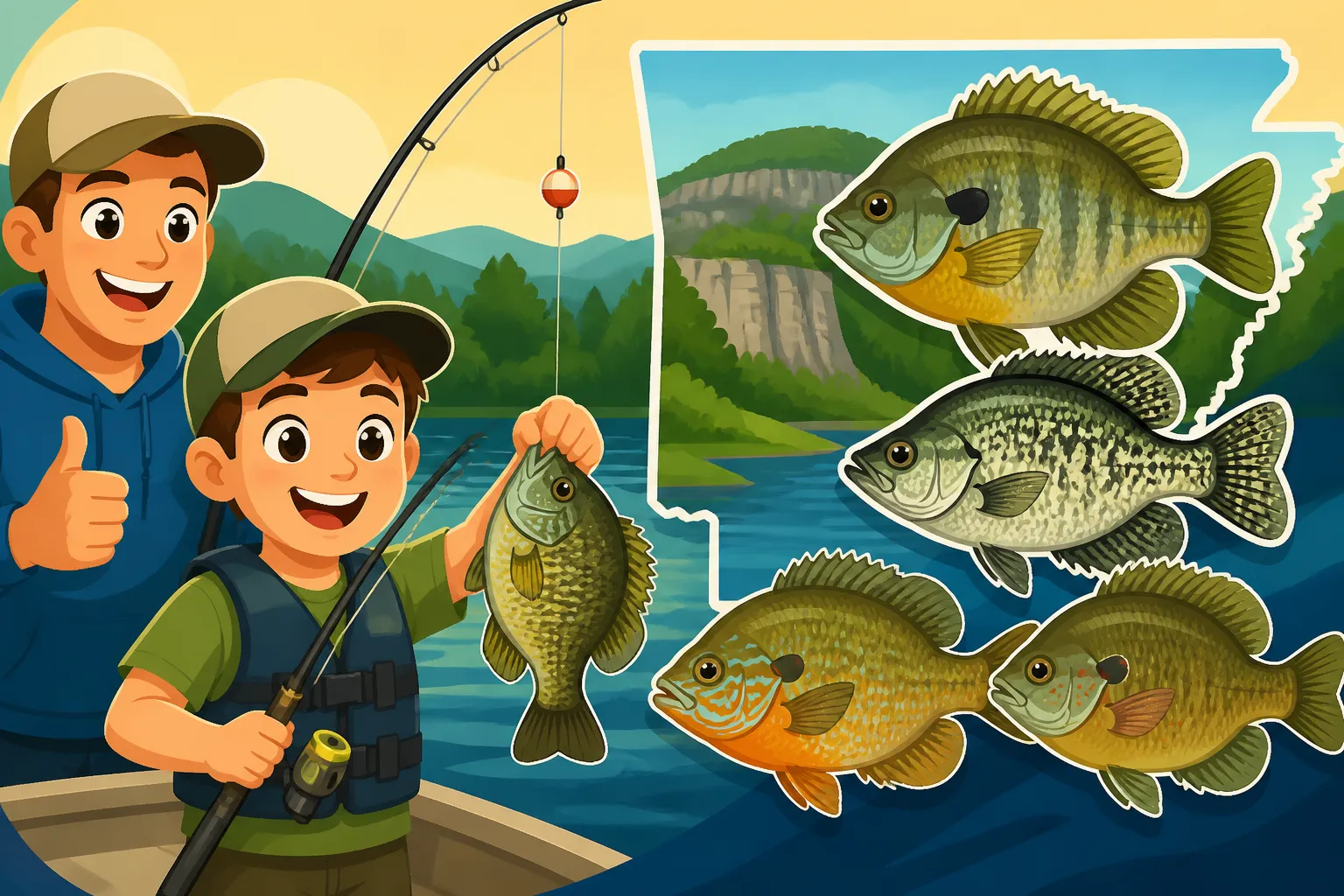
Bluegill are easily recognizable, even for a novice angler. They have a deep, compressed body, usually a beautiful olive-green or bluish-purple color, with a distinctive dark spot at the base of their dorsal fin and a dark, flap-like "ear" on their gill cover. Often, you'll see faint vertical bars on their sides. How to Identify a Bluegill is a skill you'll pick up quickly, as they're one of the most common catches. You'll find bluegill in a wide variety of habitats. They love calm, shallow waters with plenty of submerged vegetation, lily pads, or brush piles, which provide both food and cover. Look for them around docks, fallen trees, and weed lines in lakes, ponds, and slow-moving river backwaters. In clearer waters, you might even spot them schooling in visible beds during spawning season in late spring and early summer.
Best Baits and Simple Techniques for Bluegill
Bluegill are not picky eaters, which is another reason they're so fantastic for beginners. Live bait is almost always a surefire bet. Small worms, crickets, grasshoppers, and even tiny pieces of hot dog will often entice a strike. For artificials, tiny jigs (1/32 to 1/16 ounce) tipped with a small piece of plastic or a micro-spinnerbait can be very effective. The classic setup involves a small hook (size 8 or 10), a split shot weight a few inches above the hook, and a bobber set to suspend your bait just off the bottom or above submerged cover. This is a technique you'll want to master, as it's the foundation for How to Rig a Worm Under a Bobber for Bluegill. Cast near cover, let your bobber settle, and watch for it to dip—that's your cue! You can find a fantastic array of small hooks, bobbers, and even pre-rigged bobber combos on platforms like Amazon, making it easy to stock up for your next trip.
Redear Sunfish (Shellcracker): A Delicious Challenge
While not as universally abundant as bluegill, the redear sunfish, often affectionately called "shellcrackers," offers a slightly different, equally rewarding panfish experience. They tend to grow a bit larger than bluegill on average, and their unique diet makes them a fun target once you know where to look.
Spotting a Shellcracker and Their Preferred Haunts
Redear sunfish get their "redear" name from the distinctive red or orange margin on the opercular flap (the "ear flap") of the male fish, which can be an easy way to distinguish them from bluegill. They have a similar deep body shape, but their coloring is usually more silvery or brassy than the bluegill's darker hues, and they lack the vertical bars. These fish are known as "shellcrackers" because of their specialized pharyngeal teeth, which they use to crush the shells of snails and mussels, a primary component of their diet. Consequently, you'll typically find redears in areas with firm, sandy, or gravelly bottoms, especially near mussel beds or areas where snails are prevalent. They'll also hang around submerged aquatic vegetation and brush piles, much like bluegill, but pay extra attention to those harder bottom areas.
Effective Baits and Tactics for Redear
Given their diet, the best bait for redear sunfish often consists of things that mimic their natural food. Small worms, particularly red wigglers or nightcrawlers (often bought in bulk from a bait shop or found on Amazon), are excellent. Some anglers swear by small pieces of peeled shrimp or even corn kernels. Unlike bluegill who might hit a topwater lure, redears tend to feed closer to the bottom, so a slip bobber or a bottom-rigged setup (a small weight on the bottom with a hook snelled above it) can be very effective. Let your bait rest on the bottom where the shellcrackers are foraging. A gentle jigging motion can also attract their attention. Patience is key with redears, but the reward of a larger, delicious panfish is well worth it.
Green Sunfish: The Feisty & Hardy Little Fighter
The green sunfish might not be the prettiest or the largest panfish, but it's arguably one of the most tenacious and widely distributed. These hardy fish can tolerate a wider range of water conditions than many other sunfish, meaning you can find them in places where other fish struggle, often making them the easiest catch in tougher spots.
How to Identify a Green Sunfish and Where They Live
Green sunfish have a more elongated, bass-like body compared to the rounder bluegill or redear. Their coloring is typically an olive green with iridescent blue spots on their sides, and they often have a yellowish or white belly. They also possess a distinctive black "ear flap" with a pale margin, similar to the bluegill but usually with a more pronounced, rigid feel. One key identifier is their relatively large mouth for a panfish—it extends back to beneath the middle of the eye. You'll find green sunfish in almost any water body in Arkansas, from stagnant ponds and ditches to clear streams and the rocky banks of larger lakes. They are particularly fond of areas with rocks, submerged logs, and undercut banks, preferring a bit more structure than their bluegill cousins. They are survivors, often thriving even in less-than-ideal conditions.
Top Baits and Techniques for Green Sunfish
Like other sunfish, green sunfish are not picky. Live baits like worms, crickets, and grasshoppers are highly effective. Due to their slightly larger mouth, they can also take slightly larger baits and lures. Small spinners, tiny crankbaits, or even a small plastic grub on a jig head can work wonders. The setup can be as simple as a bobber and worm, but don't hesitate to try casting and retrieving small lures, especially around submerged logs or rocky outcrops. They are aggressive and will often hit a lure with surprising force for their size. If you're looking for consistent action, especially in less-fished or smaller bodies of water, the green sunfish is an excellent target. Their aggressive bites make them perfect for learning how to detect a strike and set the hook.
Crappie: The Delicious Slab-Sided Panfish
While sometimes debated among purists, crappie (both black and white varieties) are often considered the royalty of panfish, especially for their incredible table fare and their tendency to grow to impressive "slab" sizes. They offer a slightly different challenge than sunfish but are still very accessible for beginners, especially during certain times of the year.
Distinguishing Black and White Crappie
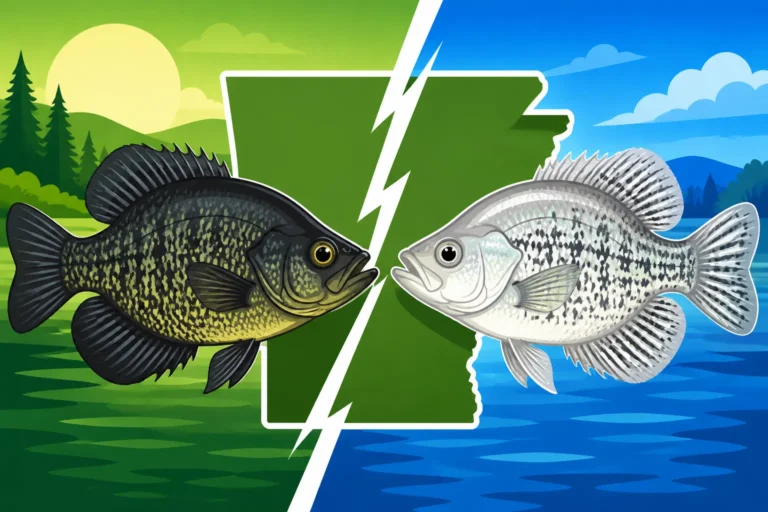
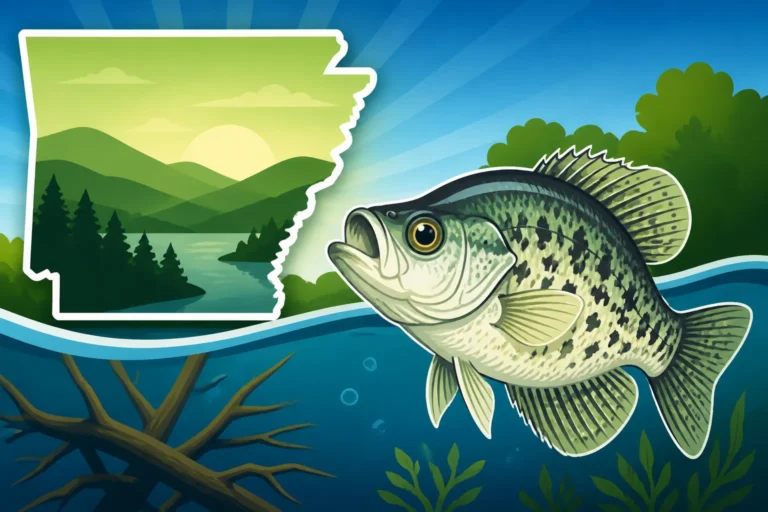
In Arkansas, you'll encounter both black crappie and white crappie, and while similar, they have some key differences. Black crappie tend to be darker, with irregular black spots scattered across their silvery-green bodies. They typically have 7 or 8 dorsal spines. White crappie are usually lighter in color, often with distinct vertical bars on their sides, and typically have 6 dorsal spines. Both are deep-bodied, slab-sided fish with large mouths. They are typically found in larger bodies of water—lakes, reservoirs, and slow-moving rivers. They prefer clear water with plenty of submerged structure like brush piles, standing timber, docks, and bridge pilings. Understanding these differences can help you refine your approach, but generally, techniques that work for one will work for the other.
Prime Crappie Baits and Beginner-Friendly Strategies
Crappie have a distinct preference for live minnows, but small jigs (1/16 to 1/8 ounce) tipped with soft plastic bodies are incredibly effective. Popular colors include chartreuse, white, and pink. The key to crappie fishing, especially for beginners, is finding the structure where they hide. During the spring spawn, crappie move into shallower waters, often around brush and cypress trees, making them easier to locate and catch. This is a fantastic time for beginners to target them. Many anglers use a simple bobber-and-jig setup or a bobber-and-minnow setup, suspending the bait at the depth where the crappie are holding. Vertical jigging directly over submerged structure is also a very productive method. Remember, Crappie must be 9 inches or longer to keep in Arkansas and Statewide crappie daily limit is 20 fish in most Arkansas waters, so be sure to know the local regulations. You'll find that Is Crappie Good to Eat? is met with a resounding "yes" by most anglers!
Essential Gear and Simple Techniques for Panfish Success
One of the beautiful things about panfishing is that you don't need a boatload of expensive gear. Simplicity is often the most effective approach, making it perfect for those just dipping their toes into the fishing world.
Basic Rod, Reel, and Line Setup
For panfish, a lightweight spinning rod and reel combo is ideal. A 5 to 6-foot ultralight or light-action rod paired with a small spinning reel (size 500 to 1000) spooled with 4 to 6-pound test monofilament line is a perfect all-around setup. This light gear makes even a small bluegill feel like a trophy, enhancing the excitement for beginners. You can often find decent beginner combos on Amazon that come pre-spooled and ready to go. Don't worry about fancy braids or fluorocarbons just yet; simple mono works perfectly.
Hooks, Weights, and Bobbers
You'll need a selection of small hooks, typically sizes 6 to 10, to match the small mouths of panfish. A few split shot weights will help get your bait down, and a selection of small bobbers—clip-on or slip bobbers—are crucial for suspending your bait and signaling bites. For crappie, don't forget those small jig heads and soft plastic bodies. Having a small tackle box filled with these essentials, perhaps purchased as a starter kit from Amazon, will set you up for success.
Simple, Effective Techniques
The beauty of panfishing lies in its straightforward approach. The most common and effective technique is simply fishing with a bobber and live bait. Cast your bait near cover, like lily pads, submerged timber, or dock pilings, and wait for the bobber to dip or move. When it does, give a gentle but firm tug to set the hook. Another great technique is slow-retrieving small spinners or jigs. Cast it out, let it sink for a few seconds, and then reel it in slowly and steadily. This mimics small prey and often triggers an aggressive strike. Remember, panfish are often found in groups, so if you catch one, keep fishing that same spot! These methods, which are part of Bream and Bluegill Fishing for Beginners, are easy to grasp quickly.
Where to Find Your Next Panfish Adventure in Arkansas
Arkansas is a treasure trove of fishing opportunities, and panfish are literally everywhere. You don't need to venture far to find them, which is great for family outings or quick trips.
Ponds and Smaller Lakes
For kids and beginners, small local ponds, community fishing lakes, and smaller state park lakes are often the best places to start. These waters are typically easier to access, less intimidating, and frequently stocked. They are often teeming with bluegill, green sunfish, and sometimes even crappie. Arkansas State Parks with the Best Fishing Access often have dedicated ponds or designated bank fishing areas perfect for panfish. These spots are usually calmer, making casting and managing your line much simpler. Always check with the park office for local regulations or specific recommendations.
Larger Reservoirs and Rivers
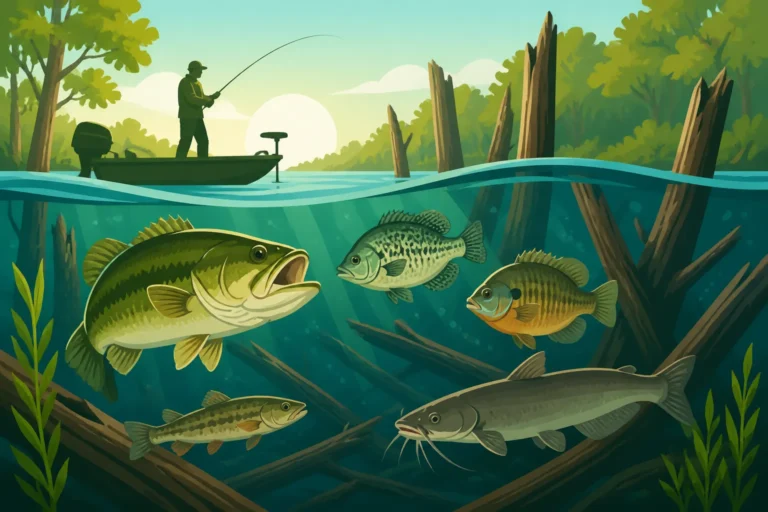
Don't let the size of larger lakes deter you, as they can also hold fantastic panfish populations. Lakes like Lake Ouachita, DeGray Lake, and Bull Shoals Lake are known not only for their trophy bass but also for abundant crappie and sunfish. Look for panfish around marinas, public fishing piers, boat docks, and submerged brush piles or standing timber. The slower backwaters and oxbows of larger rivers like the Arkansas River also offer excellent panfishing, particularly for crappie and sunfish hiding in fallen trees or calm eddies. You'll find that many of these are among the Best Lakes in Arkansas for Bass, Crappie, and Catfish, offering diverse fishing for a range of species.
Panfish Species Comparison
To give you a quick overview of the most common and beginner-friendly panfish in Arkansas, here's a handy comparison table. This isn't exhaustive, but it covers your primary targets.
| Species | Common Size (inches) | Primary Habitat | Preferred Bait/Lures | Fight Level | Culinary Value | Notes |
|---|---|---|---|---|---|---|
| Bluegill | 4-10 | Shallow, vegetated areas; docks, brush piles | Worms, crickets, small jigs, tiny spinners | Energetic | Excellent | Most common, eager to bite. |
| Redear Sunfish | 6-12 | Clean bottoms (sand/gravel), mussel beds, weeds | Worms, small shrimp | Strong | Excellent | Crushes shells, often larger than bluegill. |
| Green Sunfish | 4-8 | Rocky areas, logs, undercut banks; tolerant | Worms, crickets, small jigs, small spinners | Aggressive | Good | Hardy, found in various conditions. |
| Black Crappie | 8-14 | Clearer water, deep structure (timber, brush) | Minnows, small jigs | Moderate | Superb | Irregular spots, 7-8 dorsal spines. |
| White Crappie | 8-15 | Turbid water, standing timber, brush piles | Minnows, small jigs | Moderate | Superb | Vertical bars, 6 dorsal spines. |
When you're packing up for your trip, keep in mind that simplicity and variety are your friends. A small container of worms, some spare hooks and bobbers, and a few different colored jigs (maybe even a small multi-tool for line cutting and hook removal) will go a long way. And remember to check the Minimum age required before kids need their own license if you're bringing young anglers along!
Disclaimer
This article is for general informational purposes only and does not constitute professional advice. Laws, prices and regulations vary by location and change over time. Consult a qualified professional for guidance on your specific situation.