Nonresident Fishing License Rules for Arkansas
Navigating the ins and outs of fishing regulations can feel like trying to untangle a particularly stubborn bird's nest, especially when you're an out-of-state angler dreaming of casting your line in Arkansas's stunning waters. It's frustrating to plan a trip, get all excited, and then realize you're not entirely sure what permits you need or where to even start. This comprehensive guide is designed to demystify the nonresident fishing license rules for Arkansas, ensuring you spend less time worrying about paperwork and more time enjoying the natural beauty and incredible fishing opportunities the Natural State has to offer.
Understanding the Need for a Nonresident License in Arkansas
Picture this: You've driven hours, scouted out the perfect spot on the White River, maybe even bought some new gear, only to realize you've completely overlooked the most fundamental requirement – a valid fishing license. It's a scenario many anglers dread, and for good reason. Arkansas, like every other state, has specific requirements for anyone who wants to fish within its borders, and these requirements differ significantly for residents and nonresidents.
Who Qualifies as a Nonresident Angler
Before we dive into the specifics, let's clarify who exactly falls under the "nonresident" umbrella. Essentially, if you don't maintain a permanent home in Arkansas for at least 60 consecutive days immediately prior to applying for a license, you're considered a nonresident. This means if you're visiting from Texas for a weekend, or even spending a month-long summer vacation from Oklahoma, you'll need a nonresident license. Even owning property in Arkansas doesn't automatically grant you resident status for licensing purposes; your primary domicile is the key factor. It's not about where you pay your property taxes; it's about where you live for the majority of the year. This distinction is crucial because the types of licenses available and their associated costs are tailored specifically to resident versus nonresident status.
The Fundamental Requirement: Why a License is Non-Negotiable
The Arkansas Game and Fish Commission (AGFC) manages all fish and wildlife resources in the state. The revenue generated from fishing licenses, particularly nonresident ones, plays a vital role in funding these conservation efforts. This includes fish stocking programs, habitat restoration projects, research, public access improvements, and enforcement activities performed by game wardens. So, while it might feel like an extra hoop to jump through, your nonresident fishing license directly contributes to maintaining the fantastic fisheries that draw anglers like yourself to Arkansas year after year. Without a license, you're not just risking a fine; you're also not doing your part to support the very resources you're enjoying. The bottom line is simple: if you're fishing in Arkansas and you're not a resident, a license is absolutely required, with very few exceptions like during Arkansas Free Fishing Weekend Guide or if you're under a certain age.
Types of Nonresident Fishing Licenses Available
Arkansas understands that not every out-of-state angler is looking for a year-round commitment. Whether you're planning a quick weekend getaway, a week-long family vacation, or a dedicated annual fishing pilgrimage, there's likely a license option that fits your trip duration and fishing goals. This flexibility is really helpful, saving you money if you're only visiting for a short period.
The Annual Nonresident Fishing License
For those who foresee themselves making multiple trips to Arkansas throughout the year, or perhaps staying for an extended period, the annual nonresident fishing license is often the most cost-effective and convenient choice. This license is valid for a full calendar year from the date of purchase. It covers general fishing for all game fish species statewide, excluding trout in certain designated waters. The beauty of the annual license is the peace of mind it offers; once you have it, you can simply grab your gear and head to any non-trout fishing spot without worrying about specific trip durations. It's a great option if you fall in love with the state's fishing, as many do, after just one visit. For more detailed information, you can always check the specific pricing details for the Nonresident Annual Fishing License Cost in Arkansas.
Shorter Duration Options: 3-Day and 7-Day Trip Licenses
Sometimes, life only allows for a quick escape. Arkansas caters to these shorter adventures with specialized trip licenses.
- The Nonresident 3-Day Trip Fishing License: Perfect for a long weekend, this license allows you to fish for three consecutive days. It's a popular choice for those quick getaways where you're targeting bass on Lake Ouachita or crappie on Lake Hamilton. Many anglers find this option ideal for an exploratory trip to test the waters before committing to a longer stay or an annual pass. You might wonder, Is the 3-day trip license enough for a weekend fishing trip? The answer is usually yes, making it a super convenient choice.
- The Nonresident 7-Day Trip Fishing License: For those planning a full week of fishing, perhaps exploring different bodies of water or targeting multiple species, the 7-day option provides ample coverage. This license is excellent for family vacations or extended solo adventures where you might spend a few days on the White River and then switch to one of Arkansas's many reservoirs. Both the 3-day and 7-day licenses offer flexibility and a lower upfront cost than the annual option, making them incredibly attractive for visitors.
Specific Permits for Trout Fishing
Arkansas is famous, and rightly so, for its world-class trout fishing, particularly on the tailwaters below its large dams like Bull Shoals and Norfork. However, general fishing licenses, whether annual or short-term, typically do not cover trout fishing in these designated trout waters. If your goal is to hook a trophy brown trout or a feisty rainbow, you'll need an additional permit.
- Nonresident Trout Permit: This permit is an add-on to your general fishing license. It's required for anyone, resident or nonresident, who intends to fish for trout in waters designated as "trout streams" or "trout lakes" by the AGFC and wishes to retain their catch. Even if you plan on catch-and-release, it's always best to have the permit if you're fishing in designated trout water to avoid any confusion or potential issues. This permit is often relatively inexpensive compared to the main license but is absolutely essential for trout anglers. For a detailed breakdown, you can review the Arkansas Trout Permit Rules. Remember, if you want to keep those beautiful trout, you definitely need this permit. Do you need a trout permit to keep trout in Arkansas? Yes, you do!
Costs Associated with Nonresident Licenses and Permits
Let's talk money. Nobody likes surprises when it comes to trip expenses, and fishing licenses are a necessary part of the budget. Knowing the costs upfront helps you plan and ensures you're not caught off guard. While prices can change periodically, these figures will give you a solid understanding of what to expect.
Breaking Down the Annual Nonresident License Cost
The annual nonresident fishing license is the most comprehensive option for out-of-state anglers, and its price reflects that. Generally, the Nonresident annual fishing license price in Arkansas is $60. This single fee grants you access to general fishing opportunities across the state for a full year. While it might seem a bit steep compared to some state-resident licenses, it's pretty competitive when you compare it to other states' nonresident fees. This $60 covers all fish species except trout in designated trout waters, for which you’d need an additional permit. This means you can chase largemouth bass, cast for crappie, or set up for catfish without needing to renew your license for 12 months. It's a worthwhile investment if you plan on making Arkansas a regular fishing destination.
Costs for Short-Term Nonresident Fishing Trips
For shorter trips, the AGFC offers more budget-friendly options, recognizing that not everyone needs a full year of access.
| License Type | Duration | Approximate Cost (USD) | Primary Use Case |
|---|---|---|---|
| Nonresident Annual License | 1 Year | $60.00 | Multiple trips or extended stays |
| Nonresident 3-Day Trip License | 3 Consecutive Days | $30.00 | Weekend trips, short exploratory visits |
| Nonresident 7-Day Trip License | 7 Consecutive Days | $45.00 | Week-long vacations, extended single trips |
| Nonresident Trout Permit | 1 Year | $20.00 | Required in addition to a fishing license for trout in designated waters |
Please note: These costs are approximate and subject to change by the Arkansas Game and Fish Commission. Always check the official AGFC website for the most current pricing.
As you can see from the table, the Nonresident 3-Day Trip License is usually around $30, making it an excellent value for a quick weekend getaway. If your trip extends to a full week, the 7-day option typically costs about $45. These tiered pricing structures ensure that you're only paying for the amount of time you truly need to fish, which is a considerate approach. Keep in mind that these prices are just for the basic fishing license; if you're targeting trout, that additional permit will be a separate cost. The Nonresident Trout Permit price is $20 in Arkansas, so make sure to factor that in if those pristine tailwaters are calling your name.
Nonresident Trout Permit Pricing
The specific trout permit is an essential add-on for many anglers visiting Arkansas, especially given the state's reputation for exceptional trout fishing. The Nonresident Trout Permit generally costs $20 and is valid for a full year, just like the annual fishing license. This permit is not a standalone license; it must be purchased in conjunction with a valid general fishing license (either annual, 3-day, or 7-day). So, if you buy a 3-day general license and plan to fish for trout, your total cost would be roughly $30 (3-day license) + $20 (trout permit) = $50. It’s critical to remember this permit applies to all designated trout waters across the state, from the Bull Shoals Tailwater Trout Rules in Arkansas to the Spring River Brown Trout Minimum Length in Arkansas. Don't let a missing $20 permit ruin your trout fishing adventure!
How and Where to Purchase Your Nonresident License
So, you're convinced you need a license (and hopefully a trout permit too!). The next logical step is figuring out how to actually get your hands on one. Thankfully, the Arkansas Game and Fish Commission has made the process incredibly straightforward, offering several convenient purchasing methods. You don't have to jump through hoops or travel out of your way to secure your fishing rights.
Buying Online Through the AGFC Website
For most people, especially those planning their trip in advance, buying your license online is by far the easiest and quickest method. The official Arkansas Game and Fish Commission (AGFC) website (agfc.com) is your go-to resource. The online portal is user-friendly and guides you through each step. You'll simply select your nonresident status, choose the license type you need (annual, 3-day, 7-day, and don't forget the trout permit if applicable), provide some basic personal information, and complete the payment using a credit or debit card. Once purchased, you can often print a temporary copy of your license right away or save it digitally to your phone. This means you can literally purchase your license while sitting on your couch the night before your trip, or even from the bank of the river if you have cell service. It's a lifesaver for busy anglers and truly streamlines the start of your fishing adventure. For a detailed walkthrough, refer to our guide on How to Buy an Arkansas Fishing License Online.
In-Person Purchases at Retailers
If you prefer a more traditional approach, or if you're already in Arkansas and realize you forgot to buy your license, you have plenty of options for in-person purchases. Sporting goods stores across Arkansas sell fishing licenses. Many Walmart locations, bait shops, and even some convenience stores throughout the state are official AGFC license vendors. Just look for signs indicating "Arkansas Game and Fish Commission License Vendor" or ask at the customer service desk. These retailers use a digital system that connects directly to the AGFC, so the process is still quick and efficient. You'll present your identification, specify the license you need, and they'll print it out for you on the spot. This is a fantastic option if you want to chat with local experts about current fishing conditions while you're there, or perhaps pick up some last-minute tackle. You can usually find a vendor just about anywhere you'd reasonably be stopping before a fishing trip, including towns near popular fishing destinations like Bull Shoals or Hot Springs. Many anglers like the convenience of grabbing their license and bait at the same time, perhaps even finding a new lure recommended by a local while they're at it!
What You'll Need for Purchase
Regardless of whether you purchase online or in person, you'll need a few key pieces of information and identification ready.
- Photo Identification: A valid government-issued photo ID is essential. This typically means your state driver's license or a state-issued ID card from your home state. This helps verify your identity and, crucially, your nonresident status.
- Date of Birth: You'll need to provide your exact birthdate.
- Physical Address: Your current residential address from your home state.
- Height, Weight, and Hair/Eye Color: These details are standard requirements for identification purposes on the license.
- Payment Method: A credit card or debit card for online purchases, or cash/card for in-person purchases.
Having these details readily available will make the purchasing process smooth and swift, getting you out on the water even faster. You might also want to have an email address handy if buying online, as your license confirmation might be sent there.
Key Regulations Beyond the License
Possessing a valid nonresident fishing license is certainly the first and most critical step, but it’s just the beginning. Arkansas's diverse fisheries are managed with a comprehensive set of rules designed to ensure sustainability and quality angling experiences for everyone. As an out-of-state angler, it's particularly important to familiarize yourself with these additional regulations to avoid any unintentional violations.
Understanding Statewide Fishing Regulations and Limits
Arkansas has statewide regulations that apply to most bodies of water, covering things like daily limits (creel limits), length limits (minimum or slot limits), and fishing methods. For example, most game fish species have a daily creel limit, meaning the maximum number of fish of a particular species you can keep in a single day. There are also length limits, like a minimum size for keeping crappie, to protect juvenile fish and ensure they have a chance to spawn. It's not uncommon to encounter a rule like "all bass under 15 inches must be immediately released." These rules are put in place by the AGFC to maintain healthy fish populations.
It's crucial to understand that these are daily limits. Unlike some states, Arkansas recently eliminated statewide possession limits for the 2026-27 season, meaning you no longer need to worry about how many fish you have at home in your freezer from multiple trips. However, the daily creel limits still apply even without a possession limit in Arkansas, meaning you can only catch and keep a certain number of fish per day. Always consult the current Arkansas Fishing Regulations Guide, often available as a free pamphlet at license vendors or online, before heading out. Ignorance of the rules is never an excuse, and game wardens are diligent in their enforcement.
Special Regulations for Specific Waters
This is where things can get a little tricky, but it's vital information. While statewide regulations provide a baseline, many specific lakes, rivers, or even sections of rivers, have special regulations that supersede the general rules. These exceptions are often implemented to manage unique fisheries, protect threatened species, or enhance particular fishing opportunities.
For instance, the trout tailwaters, like sections of the White River or Norfork River, have very specific regulations concerning trout size, daily limits, and even tackle restrictions (e.g., barbless hooks only in certain zones). You might find a lake, like Lake Monticello Bass and Crappie Exceptions, that has a stricter crappie limit or a unique bass slot limit compared to the statewide average. Similarly, sections of the Spring River might have different brown trout minimum length rules. It's incredibly important to identify your exact fishing location and then cross-reference it with the AGFC's regulations specific to that body of water. A quick search on your phone or a check of the regulation booklet for your specific spot can save you a lot of headache. Don't assume the rules are the same everywhere; always double-check for your chosen fishing spot!
The Importance of a Valid Photo ID
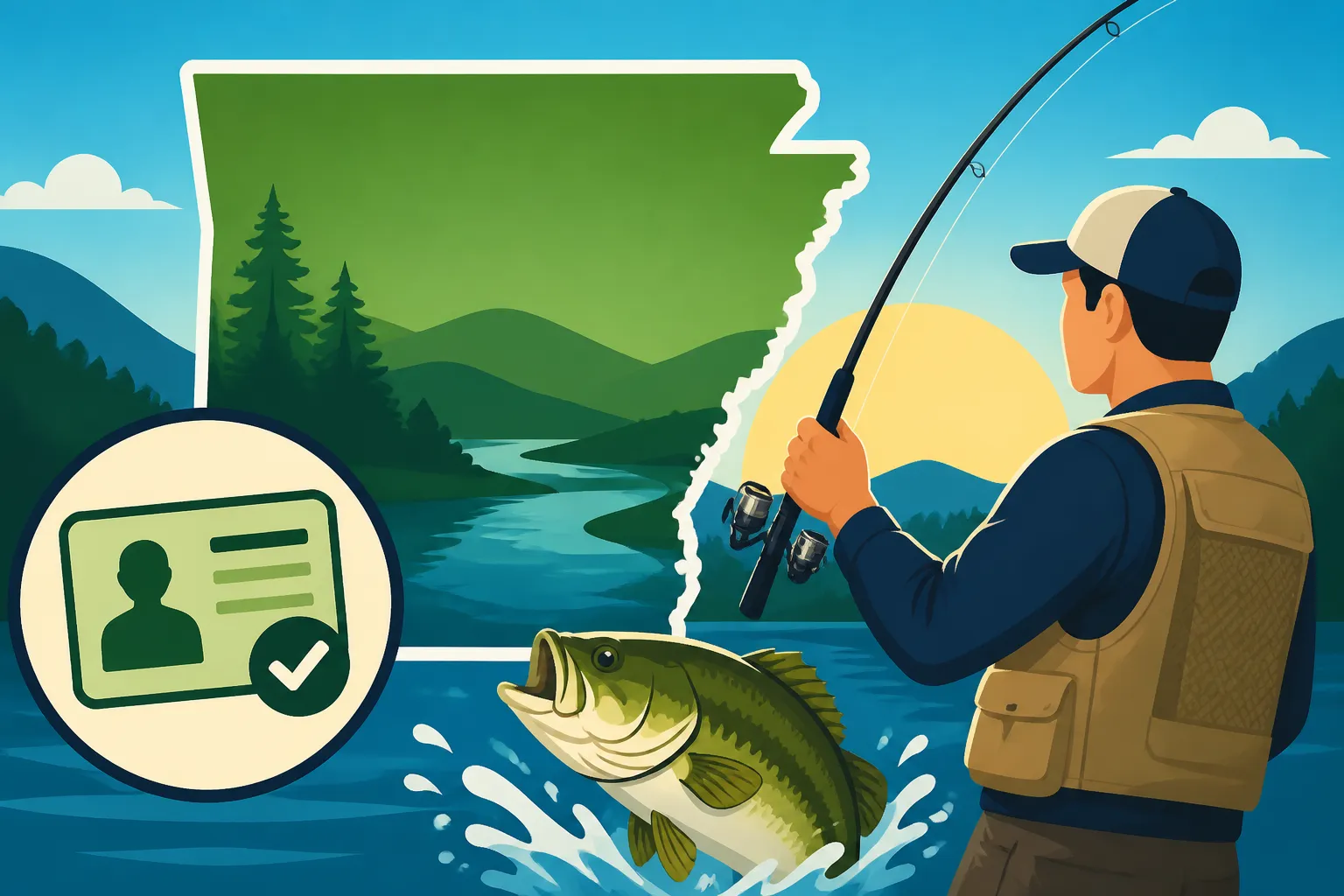
Carrying your valid fishing license is paramount, but alongside it, you must always have a current government-issued photo ID. This is especially true for nonresidents. When a game warden checks your license, they will almost certainly ask for your ID to verify your identity and to confirm your nonresident status (and age, if applicable). Your fishing license is often printed with information taken directly from your ID, so they need to match.
For example, if you've purchased a license and listed your home address, your driver's license will confirm that you are indeed from out of state. Trying to present an old, expired, or non-photo ID will likely cause complications and could lead to fines, even if you have a valid license. It’s part of your responsibility as a licensed angler to be able to prove who you are and that your license is valid for your specific status. Think of it like your car insurance and driver's license; you need both, and they both need to be current and readily available.
Common Mistakes and How to Avoid Them
Even the most seasoned angler can slip up, especially when fishing in a new state with unfamiliar rules. As a nonresident in Arkansas, there are a few common pitfalls that are easy to fall into if you're not careful. Being aware of these can save you a significant amount of frustration and, potentially, fines.
Forgetting Your Trout Permit
This is perhaps the single most frequent mistake made by nonresident anglers in Arkansas. You’ve got your general fishing license, you’re excited about the prospect of catching some beautiful trout on the White River, and you completely forget that separate trout permit. It’s an easy oversight, especially if your home state doesn't have a similar two-tiered licensing system. Remember, the general fishing license (annual, 3-day, or 7-day) only allows you to fish in general waters. If you are specifically targeting trout in designated trout waters, and especially if you intend to keep any, you absolutely need the additional Nonresident Trout Permit Cost in Arkansas. Game wardens on the trout tailwaters are very accustomed to checking for this, and they will issue a citation if you don't have it. The small additional cost of the permit is a pittance compared to the penalty you might face. When you're buying your main license online via the AGFC website or at a vendor, make it a habit to specifically ask for or add the trout permit if you even think you might venture into trout country.
Misunderstanding Reciprocity Rules
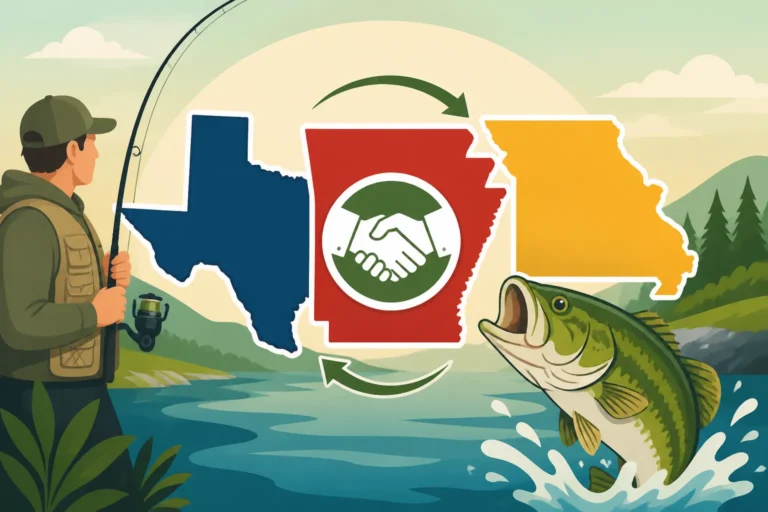
Another common misconception revolves around fishing license reciprocity. Many anglers assume that if they have a valid fishing license from a neighboring state like Missouri or Texas, it might be honored in Arkansas, or at least in border waters. Unfortunately, this is almost never the case for general fishing. While a few states might have very specific, limited reciprocity agreements for particular border lakes or rivers, Arkansas's general rule is clear: you need an Arkansas Fishing License Reciprocity with Neighboring States separate Arkansas license to fish in Arkansas waters, regardless of what licenses you hold from other states.
Do not rely on assumptions. Always purchase an Arkansas nonresident license. The penalty for fishing without a license is a costly one, and it's simply not worth the risk. The only real exception to this strict rule is during Arkansas's Free Fishing Weekend Guide, where no license is required for anyone, including nonresidents, for a specific period. But outside of that special weekend, assume you need an Arkansas license.
Overlooking Special Lake-Specific Regulations
We touched on this earlier, but it bears repeating because it's such a common area for mistakes. It's incredibly easy to grab a statewide regulation booklet, skim the general limits, and assume those apply everywhere. However, many of Arkansas's premier fishing destinations, particularly lakes managed by the Army Corps of Engineers or specific state waters, have their own unique regulations. For example, some lakes might have reduced daily limits for certain species, different length limits for bass or crappie, or even specific gear restrictions. You might find a "slot limit" for bass where you can only keep fish below a certain size and above another size, but not in the middle. Lake Monticello, for instance, has unique bass and crappie limits that differ from statewide rules.
Before you launch your boat or set up your bank fishing spot, take a few minutes to specifically look up the regulations for that particular body of water on the AGFC website. This information is usually clearly laid out and often accompanies maps or descriptions of the lake. A quick search for "Lake Ouachita fishing regulations" or "Bull Shoals Lake trout rules" will usually give you exactly what you need. This diligence prevents you from accidentally keeping an undersized fish or exceeding a localized creel limit, which can result in serious fines and a spoiled trip. It also shows respect for the local ecosystem and the efforts to manage these valuable fisheries.
Planning Your Arkansas Fishing Trip as a Nonresident
You've got your license squared away, you're up to speed on the regulations, and now the exciting part begins: planning the actual trip! Arkansas truly is a fishing paradise, offering everything from serene mountain streams to vast lowland lakes. Making the most of your nonresident fishing adventure means a little strategic planning.
Choosing Your Fishing Destination
Arkansas boasts an incredible diversity of fishing environments. Your choice of destination will largely depend on what kind of fishing you enjoy and what species you're hoping to target.
- Trout Fishing: If trout are your passion, the cold, clear waters of the White River, Little Red River, or Norfork River tailwaters are world-renowned. These rivers offer incredible opportunities for rainbow, brown, cutthroat, and brook trout. For those interested in fly fishing, these tailwaters are a must-visit, offering some of the Best Trout Fishing Spots in Arkansas. You'll find numerous access points and guided services available along these rivers.
- Bass Fishing: For bass anglers, Arkansas is a dream. Lakes like Ouachita, Bull Shoals, Norfork, Beaver Lake, and Greers Ferry Lake are legendary for their largemouth, smallmouth, and spotted bass. Each lake has its own character and hot spots, from timber-filled coves to rocky points. You can explore the depths of Lake Ouachita: Arkansas's Largest Lake for Bass and Crappie Fishing for an unforgettable experience.
- Crappie and Panfish: If you're looking for abundant panfish action, lakes like Lake Conway, DeGray Lake, and numerous smaller impoundments and river backwaters are fantastic. Crappie, bream (bluegill and redear sunfish), and catfish are plentiful, offering fun for the whole family, especially for younger anglers.
- Striped Bass: For a truly powerful fight, the state's large reservoirs like Norfork Lake and Lake Hamilton are famous for their trophy striped bass. These hard-fighting fish provide an adrenaline rush that few other freshwater species can match.
Consider the time of year you're visiting, as different species are more active during certain seasons. A quick search for "Best Fishing Spots in Arkansas" will give you a wealth of information to narrow down your choices.
Gear and Preparation Considerations
Once you've picked your destination and target species, it's time to think about your gear. While many guides provide equipment, if you're going it alone, you'll need to pack appropriately.
- Rods and Reels: Bring rods suitable for your target species. Lighter tackle for panfish, medium-heavy for bass and catfish, and specific fly rods for trout if that's your game.
- Tackle: Pack a variety of lures, baits, hooks, weights, and lines appropriate for the conditions. If you're heading to a new area, a quick online search for "best lures for [specific lake/river]" can give you a head start. You can often find a good selection of tackle boxes and fishing gear on Amazon to stock up before your trip.
- Weather-Appropriate Clothing: Arkansas weather can be unpredictable. Pack layers, rain gear, and appropriate footwear. Sun protection (hat, sunglasses, sunscreen) is always a good idea.
- Safety Equipment: Always have a first-aid kit, whistle, life jackets (especially if boating), and enough water. If you're exploring remote areas, a fully charged phone or satellite communication device is wise.
- Cooler and Storage: Plan for how you'll store your catch. A well-insulated cooler with ice is essential if you plan to keep fish. Remember, what counts as a fish's final point of storage in Arkansas is important to consider.
Considering a Guided Trip for First-Timers
If you're new to fishing in Arkansas, or even new to a particular type of fishing (like fly fishing for trout), considering a guided trip is an excellent investment. A local fishing guide provides invaluable expertise:
- Local Knowledge: Guides know the water, the fish patterns, and the best techniques for the current conditions. They can save you hours (or days) of trial and error.
- Gear Provision: Most guides provide all the necessary rods, reels, and tackle, which is a huge convenience for nonresidents who don't want to transport a full arsenal of gear.
- Instruction: If you want to learn specific techniques, a guide offers personalized instruction.
- Safety: Guides are experienced on the water and prioritize your safety.
- Efficiency: They know exactly where to go and how to maximize your fishing time.
While there's an Arkansas Fishing Charter Costs What to Expect associated with guides, the experience and knowledge gained can be priceless. For specific trout waters, many guides offer specialized services, like those found on White River Fishing Guides: Arkansas's Trout Fishing Capital. It’s a fantastic way to quickly get acquainted with Arkansas's fishing scene and ensure a successful outing. You can even find reputable guides listed on various online outdoor sports marketplaces, which might be found with a search on platforms like Amazon.
Penalties for Noncompliance and Enforcement
Let's be clear: fishing in Arkansas is a privilege, not a right, and it comes with responsibilities. While the vast majority of anglers are respectful and follow the rules, it's important for nonresidents to understand the serious implications of failing to comply with Arkansas's fishing regulations. Game wardens are highly trained professionals, and their job is to protect the state's natural resources and ensure fair play for all.
Consequences of Fishing Without a Proper License
The most basic and easily avoidable violation is fishing without a valid license. This isn't just a minor slap on the wrist; it's a misdemeanor offense in Arkansas. If you're caught fishing without the appropriate license (or a trout permit, if applicable, in designated waters), you can expect several consequences:
- Fines: The most immediate consequence will be a hefty fine. While the exact amount can vary based on the specific circumstances and the discretion of the court, these fines are typically in the hundreds of dollars. For details, see Penalties for Fishing Without a License in Arkansas. This can easily be more than double the cost of an annual nonresident license, making it a very expensive oversight.
- Court Appearance: Depending on the severity and specific charge, you may be required to appear in an Arkansas court. This means taking time off work, traveling back to Arkansas, and incurring additional legal expenses.
- Confiscation of Gear: In some cases, game wardens have the authority to confiscate fishing equipment, including rods, reels, and even boats, if used in a serious violation.
- Loss of Future Privileges: Repeated or serious offenses could lead to the suspension of your fishing privileges in Arkansas, and potentially in other states through interstate compacts.
It's simply not worth the risk. The cost of a nonresident license is a small investment for the peace of mind and the legality of your fishing trip.
Game Warden Authority and Checks
Arkansas Game and Fish Commission (AGFC) game wardens are fully commissioned law enforcement officers with broad authority to enforce all state laws, not just those pertaining to hunting and fishing. They are highly visible on popular fishing waters, especially the famous trout streams and major lakes.
- Stopping and Inspection: A game warden can stop any person engaged in fishing activities and request to see their fishing license and photo identification. They can also inspect any fish you have caught to ensure compliance with creel and length limits. This includes inspecting coolers, livewells, and stringers.
- Boat Stops: If you are fishing from a boat, wardens can pull alongside or hail your vessel to conduct a license and safety check. They'll verify your license and ensure you have all required safety equipment on board (life jackets, fire extinguisher, etc.).
- Investigative Powers: Wardens have the power to investigate suspected violations, gather evidence, and make arrests. They often patrol in uniform and marked vehicles or boats, but they also conduct plainclothes operations, so you might not always know when one is observing.
Do game wardens check for fishing licenses in Arkansas? Absolutely. They are diligent and present, and their job is crucial for conservation. Assume you will be checked, and always be prepared to show your documentation. A polite and cooperative attitude goes a long way if you are approached.
How to Rectify a Violation
If you find yourself in the unfortunate position of receiving a citation, the best course of action is to remain calm, respectful, and cooperative with the game warden.
- Understand the Charge: Ask the warden to clearly explain the violation you are being cited for.
- Follow Instructions: You will be given instructions on how to pay your fine, or if a court appearance is required. Make sure to follow these instructions precisely to avoid further legal complications.
- Do Not Argue: Arguing with a game warden in the field is unproductive and can potentially escalate the situation. If you believe there has been a mistake or you wish to contest the citation, that should be done through the proper legal channels (e.g., in court).
- Seek Legal Advice (if needed): For serious violations, or if you are unsure about the legal process, it may be prudent to consult with an attorney specializing in wildlife law in Arkansas.
The AGFC takes its role in managing Arkansas's natural resources very seriously, and the enforcement of fishing regulations is a key part of that mission. By understanding and adhering to these rules, you contribute to a sustainable future for fishing in Arkansas and ensure your trip is enjoyable and hassle-free.
Disclaimer
Please remember that fishing regulations, license costs, and laws can change. This guide is intended to provide general information based on current public knowledge and is not a substitute for checking the official Arkansas Game and Fish Commission (AGFC) website or current AGFC regulation guide for the most up-to-date and accurate information. Always verify all rules and requirements directly with the AGFC before planning and embarking on your fishing trip.