Does Lake Monticello have its own bass size rule?
Oh, the joys of navigating fishing regulations! It can feel like you need a law degree just to figure out what you can and can't keep, especially when you're looking at specific bodies of water. Many anglers assume a "one-size-fits-all" rule for bass across Arkansas, but that's just not the case, and Lake Monticello is a prime example of why you need to dig a little deeper. If you've been wondering about special size rules for bass on Lake Monticello, you've come to the right place. This guide will clear up all the confusion and ensure you're compliant and successful on your next trip.
Unpacking Lake Monticello's Distinct Bass Management Strategy
When you hit the waters of Lake Monticello, you're not just fishing any lake; you're fishing a unique fishery that the Arkansas Game and Fish Commission (AGFC) manages with a specific goal in mind: to foster a healthy population of quality largemouth bass. This isn't just arbitrary rule-making; it's a carefully considered strategy based on years of fisheries biology and angler feedback. The AGFC aims to balance harvest opportunities with the potential for trophy fish, and sometimes, that means implementing special regulations that differ from statewide norms.
For instance, while the general rule for Largemouth bass daily limit statewide is 5 fish, Lake Monticello operates under a more restrictive, but ultimately beneficial, regulation. This particular lake has demonstrated characteristics that benefit from a protected slot limit or a modified creel limit, meaning what you can keep is tailored to its specific ecological needs. The overall intent is to ensure there are always plenty of bass in different size classes, promoting better growth rates and a more robust ecosystem.
Think of it like tending a garden; sometimes you prune certain plants differently to encourage others to flourish. In Lake Monticello's case, the AGFC has observed that by tweaking the harvest rules, they can help sustain a vibrant largemouth bass population that offers both consistent action and the chance for a truly memorable catch. This proactive management prevents overharvesting of critical size classes and allows more fish to reach larger sizes, which every bass angler dreams of! So, when you're out there, remember these rules are designed to protect the very fishing experience you're enjoying.
The Specifics of Lake Monticello's Bass Size Rule
Alright, let's get down to brass tacks: Does Lake Monticello have its own bass size rule? Yes, it absolutely does, and it's crucial to understand it before you even cast your first line. For largemouth bass on Lake Monticello, the rule is quite specific: anglers are allowed to keep a daily limit of five bass, but only one of those five fish can be 16 inches or longer. This is a significant deviation from the standard statewide regulations and is designed to create a specific kind of fishery.
This regulation isn't about limiting your total catch too severely, but rather about managing the size composition of the harvest. Imagine you're catching a bunch of bass in the 12-15 inch range – these are often prime growth-stage fish that, if released, have the potential to become much larger. By allowing only one fish over 16 inches, the AGFC encourages anglers to release those mid-range bass, giving them a chance to grow into genuine lunkers. This means you might catch several impressive bass, but you'll have to make a careful choice about which one goes into the livewell (or onto the stringer) if it's over that 16-inch mark.
It’s a regulation built on the principle of "selective harvest," which is increasingly common in fisheries management across the country. This method helps maintain a strong genetic pool and ensures that smaller, faster-growing fish aren't excessively removed, allowing them to contribute to the future of the fishery. It's a testament to the AGFC's commitment to long-term sustainability, making Lake Monticello a standout destination for quality bass fishing.
How Monticello's Rule Differs from Statewide Regulations
To truly grasp the importance of Lake Monticello's bass rule, it helps to see it in contrast to the more general Arkansas Fishing Regulations Guide. Statewide, for largemouth bass, the daily limit is five fish, with no minimum length limit in many waters, or a general 13-inch minimum in others. This offers a lot of flexibility for anglers on most lakes and rivers throughout Arkansas.
Now, compare that to Monticello's "one over 16 inches" rule. If you're fishing a typical Arkansas lake, you could theoretically keep five bass, all over 16 inches, assuming they meet any local minimum length if one exists. But on Lake Monticello, that's simply not an option. This stark difference highlights the specialized management approach applied to this particular body of water. It's not about being punitive; it's about being strategic.
This means if you're planning a trip that involves fishing multiple lakes in Arkansas, you absolutely cannot assume that what applies on Lake Ouachita or Bull Shoals will apply to Lake Monticello. Each body of water can have its own nuanced rules, often outlined as "exceptions" to the statewide regulations. Always, and I mean always, check the specific regulations for the water you intend to fish. A quick visit to the AGFC website or a chat with a local bait shop owner can save you a lot of headache and potential fines. Being prepared means being informed, and knowing these specific rules is part of being a responsible angler in the Natural State.
Navigating the Lake Monticello Bass Rule as an Angler
Understanding the rule is one thing, but actually putting it into practice on the water is another. This specific regulation for Lake Monticello impacts everything from how you measure your fish to your decision-making when you've had a particularly good day on the water. It requires a bit more thought and diligence than simply catching and keeping. But trust me, once you get the hang of it, you'll appreciate how it contributes to the overall quality of the fishery.
One common scenario involves anglers catching several nice bass that are all right around the 16-inch mark. Maybe you land a beautiful 17-inch largemouth early in the day, put it in the livewell, and then later catch an even bigger 19-inch fish. What do you do? Well, with Lake Monticello's rule, you can only keep one bass over 16 inches. This means you'll have to make a choice, carefully releasing the fish you don't intend to keep. This "culling" process, where you replace a smaller kept fish with a larger one, is common in tournament fishing but becomes a crucial part of recreational fishing under this specific regulation.
It’s not just about the legalities, but also about the ethics of fishing. Proper handling of fish you intend to release, especially larger ones, becomes paramount. Using a good measuring board, like those available on Amazon, and a pair of lip grippers can help minimize stress on the fish during measurement and release. These small investments in gear pay dividends in fish health and contribute to the continued success of the fishery.
Impact on Your Fishing Strategy and Gear
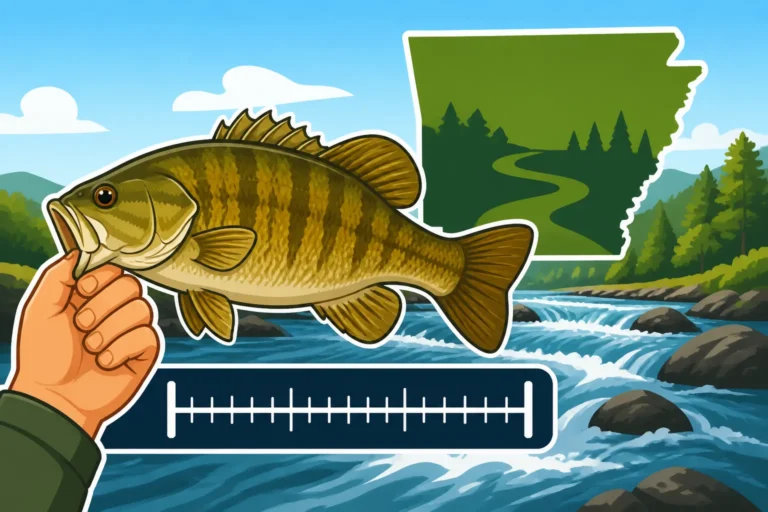
Lake Monticello's bass size rule definitely impacts how you approach your day. For starters, a reliable measuring device isn't just a suggestion; it's a necessity. You'll want a sturdy, easy-to-read bump board to quickly and accurately measure your catches. Trying to eyeball a 16-inch bass is a recipe for trouble. Keep it handy on your boat or in your tackle box, ready for action.
Beyond measuring, this rule might subtly influence your lure selection or fishing techniques. If you're primarily targeting those smaller, slot-sized fish for dinner, you might lean towards baits and techniques that typically attract them. However, if your goal is to catch that one trophy fish over 16 inches, you might focus on larger baits or deeper structure where bigger bass tend to reside. It adds an interesting layer to the challenge of bass fishing.
Consider your livewell setup, too. If you're planning to keep fish, especially if you anticipate culling, a well-aerated livewell is essential to keep your bass healthy. This is especially true on warmer days. Investing in a good livewell system or portable aerator (also easily found on Amazon) ensures that if you do need to release a fish after culling, it swims away strong. The last thing you want is to release a stressed or injured fish, negating the conservation effort behind the rule.
Maintaining Compliance and Avoiding Penalties
The Arkansas Game and Fish Commission takes its regulations seriously, and ignorance of the rules is never an excuse. Getting caught with two bass over 16 inches from Lake Monticello, for example, could lead to a citation. The penalties for fishing violations, even for something that seems minor, can range from fines to loss of fishing privileges, so it's always best to be absolutely clear on the rules. You can learn more about Arkansas Fishing License Penalties and Requirements to understand the broader implications of non-compliance.
Here’s a practical tip: before you head out, download the AGFC's current fishing regulations guide to your phone, or print out the section specific to Lake Monticello. Double-check any updates, as regulations can change between seasons. A quick refresh on the rules can be the difference between a relaxing day on the water and an unfortunate encounter with a game warden. Many local bait shops around Monticello, like Monticello Hardware & Sporting Goods, are excellent resources for the latest information and can often provide paper copies of the regulations. They're usually happy to clarify any confusing points!
Remember, the goal isn't just to avoid penalties, but to be a responsible and ethical angler. By adhering to these specific rules, you're directly contributing to the health and abundance of Lake Monticello's bass population, ensuring that future generations of anglers can enjoy the same fantastic fishing opportunities. It's about being part of the solution, not the problem.
Preparing for a Successful Lake Monticello Bass Expedition
A great fishing trip starts long before you even launch your boat or walk to the bank. When it comes to a lake with specific regulations like Monticello, preparation is even more critical. Think of it as a treasure hunt where knowing the map (the regulations) is just as important as having the right tools. From the right gear to staying informed, a little proactive planning goes a long way in making your day enjoyable and compliant.
One of the first things you need to ensure is that your Arkansas Fishing License Rules and Costs are all in order. There’s nothing quite like the sinking feeling of realizing your license is expired when you’re already out on the water. You can usually pick one up online or at any licensed vendor, including most Walmart stores or tackle shops like Hometown Sports. Having your license in hand, along with any required trout permits if you decide to try trout fishing in other areas, is your fundamental pass to legal fishing in Arkansas.
Beyond the legalities, a successful trip means having the right equipment for the specific challenges of Lake Monticello. While a good rod and reel are obvious, consider other items that will help you navigate the unique bass size rule. This includes high-quality measuring tools, as mentioned earlier. Also, think about your tackle. Lake Monticello is known for its structure, so jigs, crankbaits, and soft plastics that can be worked around submerged timber and hydrilla beds are often highly effective for enticing bass of all sizes.
Essential Gear for Compliance and Catching
As we've discussed, a reliable measuring board is non-negotiable. Look for one that's clearly marked, durable, and floats if dropped. Brands like Rapala or Berkley offer excellent options you can find at most sporting goods stores or on Amazon. Having one easily accessible means you can quickly measure every bass you catch, preventing any guesswork that could lead to a violation.
Beyond the measurement tool, consider a quality set of fish grippers. These help you handle larger bass securely without damaging their jaws or the protective slime coat on their bodies, which is vital if you're practicing catch-and-release or culling fish. Many anglers also find a portable scale useful, not just for bragging rights, but to get a better understanding of the fish's health and growth patterns.
Finally, think about your tackle itself. For Lake Monticello, popular bass lures include spinnerbaits, chatterbaits, Texas-rigged worms, and various crankbaits. The lake's clear to stained water often dictates color choices, with natural patterns working well in clearer water and brighter colors in stained conditions. Don't forget a pair of polarized sunglasses to cut through the glare and spot submerged structure or cruising fish, giving you an edge on the water.
Staying Up-to-Date on Regulations
Fisheries management is dynamic, and regulations can evolve based on scientific research, environmental changes, and population assessments. This is why continuously checking the official sources is so important. The Arkansas Game and Fish Commission website (agfc.com) is your ultimate, most authoritative source for the most current regulations. They typically publish a new regulations guide annually, and it's always worth a quick review before each fishing season or trip to a new body of water.
Local resources are also invaluable. Bait and tackle shops around Monticello, such as Lake Monticello Bait & Tackle, are often hubs of local knowledge. The folks working there live and breathe local fishing, and they hear about regulation changes, local bite patterns, and hidden gems long before they make it into broader publications. Don't be shy about asking questions – most are thrilled to share their expertise. Engaging with the local angling community, whether through forums or face-to-face, can also provide real-time updates and tips. This communal knowledge is a fantastic resource for any angler, especially when dealing with specific lake rules.
Broader Arkansas Bass Rules and Lake Monticello's Context
It’s easy to get tunnel vision when focusing on a specific lake's rules, but understanding how Lake Monticello fits into the broader scheme of Arkansas Fishing Regulations Guide can enhance your overall angling knowledge. The AGFC manages hundreds of bodies of water, each with its own unique characteristics. While statewide regulations provide a baseline, these specific lake-by-lake rules are what truly optimize fishing experiences across the state.
Many factors contribute to these localized regulations. For instance, a lake might have a protected slot limit to protect a certain size class of fish that are crucial for spawning. Other lakes might have more liberal limits if a species is overpopulated. Lake Monticello's rule for bass is a prime example of a tailored approach aimed at nurturing a quality fishery with a good balance of fish sizes, making it a standout for bass enthusiasts.
The important takeaway here is consistency in your research. Just as you wouldn't use the same bait for every fish species, you shouldn't assume the same rules apply to every lake. Checking the regulations for each specific waterbody you plan to fish is a habit that will serve you well for any angling adventure in Arkansas.
Statewide Versus Lake-Specific Largemouth Bass Rules
The general Largemouth bass daily limit statewide is 5 fish often serves as the default, but savvy anglers know to look for the exceptions. These exceptions aren't random; they're almost always science-backed decisions to manage fish populations more effectively. For example, some lakes might have a 13-inch minimum length limit, meaning no bass under that size can be kept, even if the statewide rule doesn't specify one. This helps protect juvenile fish and allow them to grow.
Lake Monticello's rule – keeping only one bass 16 inches or longer – is another form of "exception." It's designed to encourage the release of medium-sized fish (those between, say, 12 and 15.9 inches) to allow them to grow into larger, more desirable sizes. This means that while you can keep five bass, you're strongly encouraged to release most of the larger ones you catch, provided you already have your "one over 16 inches" in the livewell. This strategy helps create a fishery where anglers frequently catch bass that are strong fighters and can also occasionally land a true trophy.
This detailed management shows the AGFC's dedication to creating diverse fishing opportunities throughout Arkansas. Some lakes might be geared towards high numbers of smaller fish, while others, like Monticello, are managed for quality and the chance at a truly significant catch. Understanding these nuances is key to appreciating the depth of Arkansas's fishing landscape.
Penalties for Ignoring Specific Lake Regulations
Let's be direct: ignoring specific lake regulations, even if you mistakenly thought statewide rules applied, can have real consequences. Game wardens in Arkansas are highly trained and diligent in enforcing these rules. They are out on the water, checking licenses, creel limits, and size restrictions regularly. A simple mistake could lead to a fine, confiscation of your catch, or even more severe penalties, depending on the nature and severity of the violation. For example, carrying two bass over 16 inches from Lake Monticello could easily result in a citation.
The best way to avoid these unpleasant situations is through proactive diligence. Always verify the regulations for your specific fishing location before you go. If you're buying your Arkansas Fishing License Online, take a moment to also download the latest regulations guide. Many anglers also find it helpful to keep a small copy of the rules in their boat or tackle box for quick reference throughout the day.
Remember, these regulations exist not to frustrate anglers but to preserve and enhance the very fishing opportunities we all cherish. By doing your part and understanding the rules, you contribute to the sustainability of Arkansas's incredible fisheries, ensuring that Lake Monticello continues to be a fantastic spot for bass fishing for years to come.
Disclaimer
Please note that fishing regulations, license requirements, and fees are subject to change. While every effort has been made to provide accurate and up-to-date information in this guide, it is ultimately the angler's responsibility to consult the official Arkansas Game and Fish Commission (AGFC) website (agfc.com) or their current printed regulations guide before engaging in any fishing activities. This article is intended for informational purposes only and should not be considered a substitute for official AGFC publications.