Arkansas Fishing License Reciprocity with Neighboring States
It's a common story: you're planning a fantastic fishing trip, maybe even venturing near one of Arkansas's beautiful border lakes or rivers, and suddenly, a wave of confusion hits you. Do you need another fishing license if you already have one from a neighboring state? Or can your trusty Arkansas license cover you if you drift a little too close to the Oklahoma or Missouri side? This question vexes countless anglers, leading to stress, uncertainty, and sometimes, even unexpected fines. This comprehensive guide is here to clear the waters, explaining the nuances of Arkansas fishing license reciprocity with its neighboring states, helping you navigate state lines with confidence and keep your fishing legal and enjoyable.
The Reciprocity Riddle: Understanding the Basics
The idea of "fishing license reciprocity" can be incredibly confusing, especially when you're just trying to enjoy a peaceful day on the water. Many anglers assume that if they have a valid fishing license from one state, it should automatically be honored in a neighboring state, particularly if they're fishing a shared body of water. Unfortunately, the reality is often far more complex, and misunderstanding these rules can turn a relaxing trip into a stressful encounter with a game warden.
What "Reciprocity" Truly Means for Anglers
In the simplest terms, reciprocity in the context of fishing licenses means that one state recognizes and honors the fishing license issued by another state. If full reciprocity existed, your Arkansas fishing license would be valid for fishing in all waters of, say, Missouri, and vice-versa. However, this level of blanket reciprocity is exceptionally rare. More commonly, reciprocity agreements are highly specific, often applying only to particular bodies of water that form the border between two states, or sometimes even just certain sections of those waters.
The core of the frustration here comes from the assumption that state lines magically disappear on the water. While politically, a river might divide two states, ecologically and for recreational purposes, it's often viewed as one continuous system. Anglers simply want to cast their line wherever the fish are biting, without needing to carry a binder full of licenses or a GPS tracking device to ensure they don't cross an invisible boundary. But state wildlife agencies have their own regulations, funding structures, and conservation goals, which lead to these often-frustrating jurisdictional differences. It's not a unified system, and understanding this fundamental truth is the first step to avoiding potential issues.
Why State-by-State Rules Exist
Every state's wildlife and fisheries commission operates independently, tasked with managing its natural resources for its residents. The funds generated from fishing license sales directly support conservation efforts, fish stocking programs, habitat restoration, and law enforcement within that specific state. When a state sells a fishing license, it's essentially an investment by the angler into that state's resources. If states offered blanket reciprocity, it would mean that one state's resources could be used extensively by anglers who haven't contributed to that state's conservation efforts, which from a financial and resource management perspective, just isn't sustainable for the states.
Think of it like this: your driver's license from Arkansas is valid in every other state when you're driving on their roads. But that's a different kind of reciprocity—it's about honoring an identification and privilege. Fishing licenses are more akin to park entry fees or hunting permits; they're specific to the resources and management of the issuing authority. So, while it feels logical that a river flowing between two states should have unified rules, the administrative and financial realities make it a far more intricate puzzle. This is why you'll often hear veteran anglers advise to always err on the side of caution and assume you need a license for the state whose waters you're in, unless you have explicit, written proof of a specific reciprocity agreement.
Arkansas's General Rule: Expect to Buy Another License
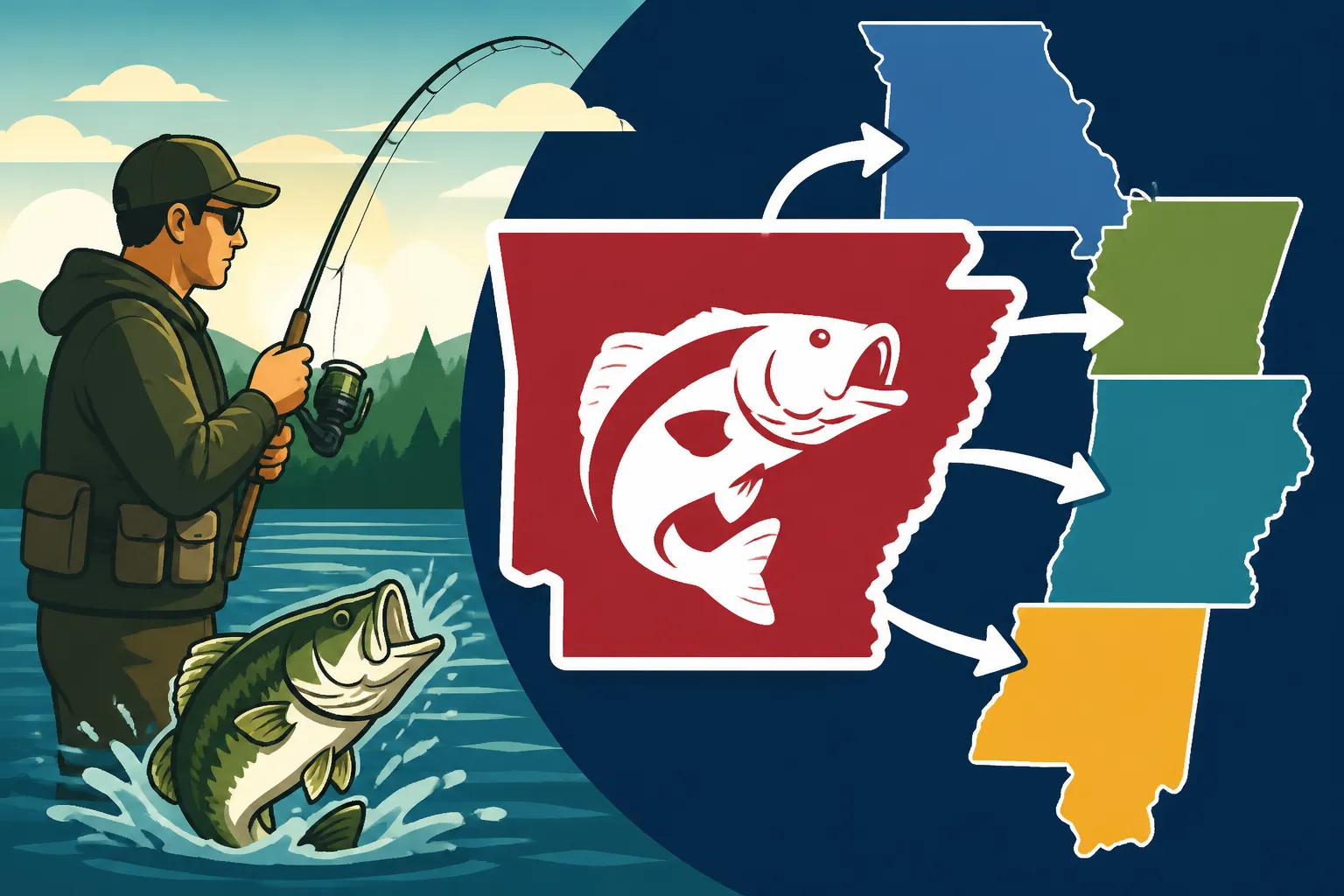
Let's cut right to the chase because this is where many people get tripped up: Arkansas generally does not have blanket reciprocity for fishing licenses with its neighboring states. This means that if you possess a valid fishing license from Missouri, Oklahoma, Texas, Louisiana, Mississippi, or Tennessee, it is not automatically valid for fishing in Arkansas waters, even if you are just a few feet away from the state line.
No Blanket Reciprocity Across All Borders
This might sound like a hassle, and frankly, it often is. Imagine you're standing on the Arkansas side of a small stream that flows into Missouri, and you spot a prime fishing hole on the Missouri side. Without a Missouri fishing license, you cannot legally cast your line into those Missouri waters. The same applies in reverse. An angler from Texas fishing the Red River cannot legally fish on the Arkansas side with just their Texas license. This is a crucial point that trips up countless out-of-state visitors, leading to unexpected encounters with game wardens and hefty fines.
The Arkansas Game and Fish Commission (AGFC) manages the state's fish and wildlife resources, and like other state agencies, relies on revenue from license sales to do so. Therefore, if you're fishing in waters under AGFC jurisdiction, you're expected to have an Arkansas fishing license. This rule holds true for most lakes, rivers, and streams entirely within Arkansas's borders, regardless of how close they are to a neighboring state. Visitors to the Natural State should be prepared to purchase a Nonresident Fishing License Rules for Arkansas if they plan to fish, even if they have a valid license from their home state. It's simply the cost of enjoying Arkansas's abundant fishing opportunities.
The Importance of a Valid Arkansas Fishing License Rules and Costs
So, what does this mean for you? If you're planning to fish anywhere within Arkansas, whether you're a resident or a visitor, you need a valid Arkansas fishing license. Period. There are various types of licenses available, from annual options to shorter 3-day trip licenses for non-residents. The cost can vary significantly, with a Nonresident annual fishing license price in Arkansas is $60, while a resident annual license is much less.
Beyond the general fishing license, some specific types of fishing, like trout fishing in certain designated waters (especially the tailwaters of large dams like Bull Shoals and Norfork), will also require an additional trout permit. It's not just about having a license, but having the correct license for the specific type of fishing and the specific waters you're targeting. For example, if you're fishing the world-renowned White River for trout, having just a general fishing license won't cut it; you'll also need that trout permit. Failing to secure the appropriate permits means you're technically fishing illegally. The easiest way to ensure you're covered is to review the Arkansas Fishing License Rules and Costs on the AGFC website or purchase your license directly from them or an authorized vendor. Don't rely on assumptions—a few minutes of research can save you a lot of trouble and expense.
Navigating Shared Waters: Specific Border Agreements
While Arkansas doesn't have blanket reciprocity, there are specific agreements in place for certain shared bodies of water that form a border with neighboring states. These agreements are crucial because they offer the rare exception to the "buy a license for each state" rule, but they are often highly specific and require careful attention to detail.
The Mighty Mississippi River: A Unique Case
The Mississippi River is a colossal waterway, forming a significant portion of Arkansas's eastern border with both Mississippi and Tennessee. Given its size and importance, it's one of the primary areas where limited reciprocity agreements often come into play. For much of the Mississippi River that borders Arkansas:
- With Mississippi: Generally, anglers with a valid Arkansas fishing license can fish the main channel of the Mississippi River bordering Mississippi, and vice versa. However, this agreement typically does not extend to tributary streams, oxbow lakes, or other waters that lie entirely within one state's boundary, even if they're close to the main river. If you plan to venture into any of these adjacent waters, you would need the appropriate license for that state.
- With Tennessee: Similar to Mississippi, anglers with a valid Arkansas fishing license can typically fish the main channel of the Mississippi River bordering Tennessee, and vice versa. Again, this usually does not apply to lakes, bayous, or streams that are entirely within the state of Arkansas or Tennessee. For instance, if you're fishing near Memphis, you can fish the main channel, but if you enter a backwater lake wholly within Arkansas, your Tennessee license won't suffice.
These agreements are usually designed to facilitate fishing in the large, dynamic main channel where the exact state line can be difficult to discern and where fish populations are migratory. However, it's absolutely vital to confirm the current specifics of these agreements with the AGFC or the respective wildlife agencies in Mississippi and Tennessee. Regulations can change, and what was true last year might not be true this year. A quick call or check on their official websites before your trip is always recommended. This is where an angler could easily find themselves in a bind if they assume too much.
Red River Agreements with Texas and Oklahoma
The Red River forms a significant portion of Arkansas's border with both Texas and Oklahoma. These are also areas where specific reciprocal agreements may exist for the shared portions of the river.
- With Texas: For the portion of the Red River that forms the boundary between Arkansas and Texas, there often is a reciprocal agreement. This means that a valid fishing license from either Arkansas or Texas might be honored for fishing within the main channel of that specific border section of the Red River. However, just like with the Mississippi, this usually does not extend to any tributary streams, oxbow lakes, or waters that are entirely within one state. For example, if you're fishing near Texarkana on the Red River, a Texas license might be valid on the Arkansas side of the river, but not in Millwood Lake, which is entirely within Arkansas.
- With Oklahoma: Similarly, for the stretch of the Red River bordering Arkansas and Oklahoma, there may be reciprocal agreements for fishing in the main channel. This often means a license from either state is accepted for fishing those specific shared waters. Again, venturing into any waters that are not the defined border water, such as an Oklahoma lake connected to the Red River, would require an Oklahoma license.
It's imperative to consult the AGFC regulations and the regulations of the Texas Parks and Wildlife Department or the Oklahoma Department of Wildlife Conservation to get the precise details. These agreements are often clearly outlined in their annual fishing regulations handbooks or on their websites. An angler might find it useful to carry a screenshot or printed copy of the relevant regulations from both states if they're planning to fish these border waters. This kind of due diligence prevents accidental violations.
Other Potential Border Water Considerations
Beyond the major rivers like the Mississippi and Red, Arkansas shares smaller streams and occasionally lakes with its neighbors. While formal reciprocal agreements for these smaller bodies of water are less common, they do exist in isolated cases. For example, some small lakes that literally sit on the state line might have specific arrangements. However, these are the exception, not the rule.
In most scenarios involving smaller border streams or even lakes where only a portion touches a neighboring state, the default assumption should always be that you need a license for the state whose waters you are in. It's often difficult to tell exactly where the line is without GPS, and game wardens are unlikely to accept "I didn't know where the line was" as an excuse. This is particularly true in areas like the Ozarks, where numerous small creeks and rivers crisscross the Arkansas-Missouri border. Unless explicitly stated in official regulations from both state agencies, assume separate licenses are required. When in doubt, it’s always safest to purchase a license from both states or stick to fishing waters that are clearly and entirely within the state for which you have a license. This eliminates guesswork and potential legal issues.
| Border Water | Neighboring State(s) | General Reciprocity Status (Main Channel) | Important Caveats |
|---|---|---|---|
| Mississippi River | Mississippi, Tennessee | Yes, generally for main channel | Does not include tributary streams, oxbow lakes, or waters entirely within one state. Confirm specific boundaries with AGFC and respective state agencies. |
| Red River | Texas, Oklahoma | Yes, generally for main channel | Does not include tributary streams, oxbow lakes, or waters entirely within one state. Confirm specific boundaries with AGFC and respective state agencies. |
| Smaller Border Rivers/Lakes | Missouri, Louisiana, etc. | Very Rare or None | Assume no reciprocity unless explicitly stated by both state wildlife agencies. Always requires a license for the state whose waters you are fishing. |
Disclaimer: This table provides a general overview based on common agreements. Always verify current regulations with the Arkansas Game and Fish Commission (AGFC) and the respective state wildlife agencies before fishing. Regulations can change.
Before You Cast: Verifying and Complying
Given the complexities of fishing license reciprocity, especially along state borders, taking proactive steps before you even wet a line is absolutely critical. Don't let a moment of excitement or an assumption lead to a costly mistake. A few minutes of research and preparation can ensure your fishing trip is memorable for all the right reasons.
How to Confirm Current Reciprocity Details
The single most reliable source for information on Arkansas fishing regulations, including any reciprocity agreements, is the Arkansas Game and Fish Commission (AGFC). Their official website (agfc.com) is a treasure trove of information, typically updated annually with the latest regulations. They also publish a physical regulations handbook, often available at local sporting goods stores like those found in larger chains or even independent shops.
Here's how to ensure you're compliant:
- Check the AGFC Website: Navigate to the "Regulations" or "Fishing" section. Look specifically for information on "border waters," "reciprocal agreements," or "non-resident licenses." The AGFC often provides detailed maps or lists of specific waters where agreements are in place.
- Consult Neighboring State Agencies: Don't stop at Arkansas's rules. If you plan to fish a border water, also check the official websites of the neighboring state's wildlife agency (e.g., Missouri Department of Conservation, Texas Parks and Wildlife Department, etc.). Their regulations might offer additional clarity or slightly different interpretations that are crucial to understand.
- Call Them Up: If the websites are unclear, or if you have a very specific question about a particular location, don't hesitate to call the AGFC directly. Their customer service or fisheries division can provide the most up-to-date and accurate information. Write down the name of the person you spoke with and the date, just in case.
- Download and Print: Once you find the relevant information, whether it's on reciprocity or just general regulations, download or print it. Having a physical copy or a digital screenshot on your phone (especially for specific sections about border water agreements) can be incredibly helpful if you ever have an encounter with a game warden.
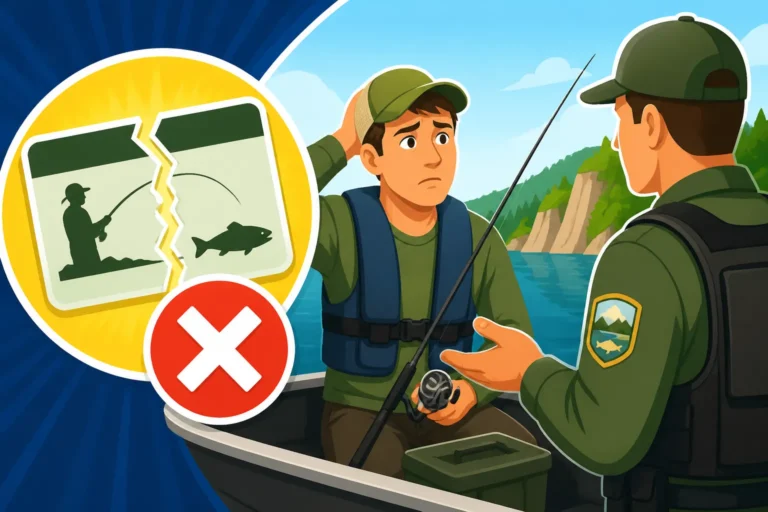
Remember, ignorance of the law is not an excuse. Game wardens are enforcement officers, and while many are friendly, their job is to uphold the regulations. They can't make exceptions because you "didn't know." Being prepared is your best defense.
Purchasing the Correct License
Once you've confirmed the regulations for your chosen fishing spot, the next step is to acquire the necessary licenses. This often means being prepared to buy licenses from multiple states if you plan to fish across state lines in non-reciprocal waters, or even if you just want the flexibility.
- Online Purchases: Both the AGFC and most other state wildlife agencies offer convenient online license purchasing. This is often the quickest and easiest way to get your license, even on the day of your trip. Many anglers purchase licenses on their smartphones right at the boat ramp. You can usually print a temporary license immediately and receive a physical card in the mail.
- Authorized Vendors: You can also purchase licenses at authorized vendors, which typically include sporting goods stores (like your local tackle shop), bait shops, Walmart, and other retail outlets. These locations usually have staff who are familiar with the various license types and can help you ensure you're getting the right one.
- Planning Ahead for Multiple States: If you're fishing a border area without reciprocity, such as the upper White River where it flows close to Missouri, you might need both an Arkansas and a Missouri fishing license to cover all your bases if you plan to fish both sides of the arbitrary line. This might seem like an extra expense, but it's significantly less costly than a citation. Think of it as an investment in peace of mind. Many anglers find it easier to simply purchase both if they frequently fish these areas. While checking for gear or bait on a site like Amazon, you might even find handy license holders to keep all your permits organized and easily accessible. Just make sure the permits themselves are validly purchased from the state agencies!
Making sure you have the right license is part of being a responsible angler. It supports conservation efforts and keeps you on the right side of the law.
The High Cost of Non-Compliance: Don't Risk It
It's tempting to think you might get away with it, or that a game warden won't bother with a small infraction. But that's a dangerous gamble, especially when it comes to fishing without a proper license. The consequences can range from inconvenient to financially crippling, and they're definitely not worth the risk.
Penalties for Fishing Without Proper Licensure
Fishing without a valid license, or without the correct permits (like a trout permit when required), is not a minor offense in Arkansas. It's generally classified as a misdemeanor, and the penalties can be surprisingly severe.
- Fines: This is the most common consequence. Fines for fishing without a license in Arkansas can easily run into the hundreds of dollars, sometimes over $500, especially if additional violations are present (e.g., exceeding creel limits, using illegal gear). These fines often come with court costs and administrative fees, quickly escalating the total amount you owe. A simple mistake can turn into a significant financial burden. Remember, the Penalties for Fishing Without a License in Arkansas are designed to deter illegal fishing and ensure everyone contributes to conservation.
- Seizure of Gear: In addition to fines, a game warden has the authority to seize your fishing gear. This could mean losing your expensive rod and reel, tackle box, or even your boat if it's deemed to have been used in the commission of the offense. Imagine losing your favorite fishing setup that you painstakingly assembled, all because you neglected to buy a $10 license.
- Loss of Fishing Privileges: One of the most severe consequences, especially for passionate anglers, is the potential suspension or revocation of your fishing privileges. Depending on the severity of the offense and any prior violations, you could lose the right to fish in Arkansas for a period, or even permanently. In some cases, states may share information, meaning a violation in Arkansas could impact your fishing privileges in your home state as well.
- Criminal Record: Since it's often a misdemeanor, fishing without a license can result in a criminal record. While perhaps not as serious as a felony, a misdemeanor can still show up on background checks and impact future opportunities for employment, housing, or even professional licenses. This is particularly true if you have multiple infractions.
These aren't just theoretical possibilities; they are real consequences faced by anglers every year. Game wardens in Arkansas are diligent, patrol frequently, and have a good eye for spotting suspicious activity.
Avoiding Unnecessary Fines and Headaches
The solution to avoiding these costly and frustrating scenarios is straightforward: plan, research, and comply. It truly is that simple.
- Prioritize License Purchase: Make buying your fishing license (and any necessary permits) one of the very first steps in planning your trip. Don't wait until you're already on the water. Many people find it useful to set a reminder or even purchase their annual license at the same time every year.
- Understand Arkansas Fishing Regulations Guide: Take the time to read through the current fishing regulations. These guides cover everything from license requirements to creel limits, size restrictions, and approved fishing methods. Knowing these rules ensures you're compliant in all aspects of your fishing.
- Use Official Sources: As mentioned, rely solely on official sources like the AGFC website or their printed regulations handbook. Don't trust hearsay from fellow anglers or outdated information online. Regulations can change annually, and what was true last year might be different this year.
- Carry Your License: Always have your valid fishing license and any required permits with you while fishing. A physical copy is ideal, but a digital copy on your phone is usually accepted. Also, carry a valid photo ID. Game wardens will ask for these. An item like a waterproof wallet you might find on Amazon could be helpful for keeping your licenses safe and dry.
- When in Doubt, Buy Both: If you're fishing a border water and there's any ambiguity about reciprocity, or if you simply want the freedom to fish anywhere along that border, purchase a license for both states. It's a small upfront cost compared to the potential fines and legal trouble of an infraction. This is often the Cheapest way to fish legally as a visitor to Arkansas in border areas, especially if you plan multiple trips. It's also critical to remember that Do out-of-state anglers need a separate Arkansas license? for most waters within the state, even if they're near a border.
By following these steps, you can focus on the joy of fishing, the beauty of Arkansas's waters, and the thrill of the catch, rather than worrying about an unexpected visit from a game warden.
Smart Angling Practices for Border-Hoppers
For those adventurous anglers who love to explore the waters along Arkansas's borders, a few smart practices can make all the difference between a smooth trip and a frustrating one. These tips go beyond simply buying a license; they're about being prepared, being knowledgeable, and demonstrating responsible angling.
Always Carry Your Licenses and ID
This might seem like a no-brainer, but it’s surprising how many anglers forget their license or assume a game warden won't ask for it. When you're fishing, particularly in areas where jurisdictions might be tricky, it's paramount to have all your necessary documentation readily available.
- Physical License is Best: While most states now accept digital copies on your phone, a physical license is often preferred by game wardens, especially in areas with spotty cell service. Keep it in a waterproof holder or laminated, along with any special permits like a trout permit. Many fishing vests even have dedicated clear pockets for licenses.
- Photo Identification: Always carry a valid form of photo identification, such as your driver's license. Game wardens will often request this to verify your identity and match it with your fishing license. This is particularly important for seniors who might be exempt from certain license requirements but need to prove their age.
- Proof of Reciprocity (if applicable): If you are fishing a specific border water under a reciprocal agreement, it's a good practice to carry a copy or screenshot of the official regulations from both state agencies that outlines this agreement. This can quickly clarify any misunderstandings on the spot, especially if a game warden might not be immediately familiar with a lesser-known agreement. Think of it as your personal legal brief for fishing the Fishing license reciprocity with Texas and Missouri neighbors or similar agreements on the Mississippi River.
- Accessibility Matters: Don't bury your license at the bottom of a tackle box or backpack. Keep it somewhere easily accessible, like a front pocket of your fishing vest or a waterproof pouch around your neck. This shows respect for the game warden's time and makes the interaction smoother. You might even find a suitable, rugged case for your phone and licenses on Amazon that attaches to your belt or bag, keeping everything at hand.
Being prepared with your documents not only keeps you legal but also demonstrates that you are a responsible and informed angler, which can contribute to a positive interaction with law enforcement.
Staying Informed with AGFC and Neighboring Agencies
Regulations are not static. They can and do change. New species limits, different seasons, new reciprocal agreements, or the removal of old ones can occur annually, or even sometimes mid-year. Relying on outdated information is almost as bad as having no information at all.
- Annual Review: Make it a habit to review the Arkansas Fishing Regulations Guide every single year, ideally before your first fishing trip of the season. Pay close attention to any highlighted changes or updates. The AGFC typically releases its new regulations handbook around July 1st, coinciding with the start of the new license year.
- Sign Up for Updates: Many state wildlife agencies offer email newsletters or alerts. Signing up for these can be an excellent way to stay informed about regulatory changes, fish stockings, and other important news relevant to anglers.
- Check Before Border Trips: Before any trip to a border water, even if it's a spot you've fished for years, do a quick check of both Arkansas's regulations and those of the neighboring state. Confirm the current status of any reciprocity agreements. For example, if you're fishing the Arkansas Fishing Rules for Lakes, Rivers and Tailwaters near Missouri, make sure you know the latest rules for both states.
- Understand the "Why": While the rules can be frustrating, understanding that they're often in place for conservation, species management, or public safety can help. This fosters a sense of stewardship rather than resentment.
By actively staying informed, you not only protect yourself from legal issues but also become a better steward of the natural resources we all cherish. This proactive approach ensures that your time on Arkansas's beautiful waters remains enjoyable and free from unforeseen complications. The simple truth is, fishing in Arkansas is an incredible experience, but it comes with the responsibility of understanding and respecting its rules, especially when those rules interact with those of our neighboring states.
Disclaimer
Please be aware that fishing regulations, including those concerning license reciprocity, can change. While every effort has been made to provide accurate and up-to-date information, it is the angler's responsibility to verify current regulations directly with the Arkansas Game and Fish Commission (AGFC) and the relevant wildlife agencies of neighboring states before engaging in any fishing activities. This guide is for informational purposes only and should not be considered legal advice.