Only 7 of your 15 Lake Cargile crappie can be 12 inches or longer
It can be incredibly confusing to keep up with all the specific fishing regulations across Arkansas, especially when different lakes have their own unique rules. One minute you're fishing a popular reservoir with a straightforward daily limit, and the next you're at a different lake, suddenly scratching your head over specific length restrictions. Today, we're diving deep into the particular crappie regulations for Lake Cargile, a great little spot that has a nuanced rule concerning the size of crappie you can keep.
Understanding Arkansas's Crappie Regulations
Fishing in Arkansas offers a fantastic experience, but staying on top of the rules can feel like navigating a maze. The Arkansas Game and Fish Commission (AGFC) works tirelessly to manage fish populations, ensuring healthy fisheries for generations to come. This means that while some rules are statewide, many lakes and rivers have specific regulations tailored to their unique ecosystems and angler pressure.
Statewide Crappie Limits in Arkansas
For most waters across the Natural State, the general crappie regulation is pretty standard and easy to remember. Typically, anglers are allowed to keep a daily limit of 20 crappie. On top of that, there's a minimum length requirement: any crappie you decide to keep must be at least 9 inches long. This rule is in place to allow crappie enough time to mature and spawn, contributing to a sustainable population.
This straightforward approach works well for a lot of lakes, and it's what most anglers are familiar with. You can often find this general guidance highlighted in the annual Arkansas Fishing Regulations Guide, which is your go-to source for all things legal on the water. However, it's crucial to understand that "most waters" doesn't mean "all waters," and that's where lakes like Cargile come into play. Always double-check specific lake regulations before you cast your first line, because ignorance of the law is no excuse, especially when a game warden asks to see your catch!
Why Lake-Specific Rules Exist
You might wonder why some lakes, like Lake Cargile or even Lake Monticello, have entirely different sets of rules compared to the statewide Crappie Size and Daily Limit in Arkansas. It's not just to keep you on your toes, I promise! These localized regulations are a cornerstone of effective fisheries management. Factors such as unique water quality, specific forage bases, varying levels of angler pressure, and even the genetics of the fish populations themselves can necessitate these tailored rules.
Think about it: a small, heavily fished lake near a metropolitan area might require stricter limits to prevent overharvesting, whereas a large, remote reservoir might sustain a higher limit. In the case of crappie, managers often use length limits and creel limits (the number of fish you can keep) to manage the age structure of the population, ensuring there are enough larger, older fish to spawn and enough smaller, younger fish coming up behind them. These rules help prevent "stunting," where a crappie population becomes overpopulated with small, unhealthy fish, or conversely, protect larger, trophy-sized fish in specific waters. The AGFC continually monitors these fish populations, using scientific data to make informed decisions that benefit both the fish and the anglers.
The Specifics of Lake Cargile's Crappie Limit
Lake Cargile, a beautiful body of water managed by the AGFC, is one of those places that requires a little extra attention to its crappie rules. It’s not simply a matter of sticking to the statewide 20-fish, 9-inch minimum. Cargile has a very specific, and somewhat unique, set of regulations designed to maintain a healthy and productive crappie fishery.
The 15-Fish Daily Creel Limit
First and foremost, when you're targeting crappie on Lake Cargile, you need to be aware that your total daily creel limit is 15 fish. This is a noticeable reduction from the Statewide crappie daily limit is 20 fish in most Arkansas waters, meaning you need to adjust your expectations and your cooler space accordingly. This lower limit is a direct management tool, implemented to distribute the harvest more widely among anglers and to reduce overall pressure on the crappie population in Lake Cargile.
For anglers used to the more generous statewide limit, this adjustment can be a bit of a surprise. It really highlights the importance of checking local regulations for every water body you plan to fish. Imagine getting back to the boat ramp with 20 beautiful crappie, only to realize you're five over the limit and facing a potential Penalties for Fishing Without a License in Arkansas situation, or worse, a citation for exceeding the limit. Always assume local rules might differ, and always confirm before you start filling your livewell.
The "7 Over 12 Inches" Rule Explained
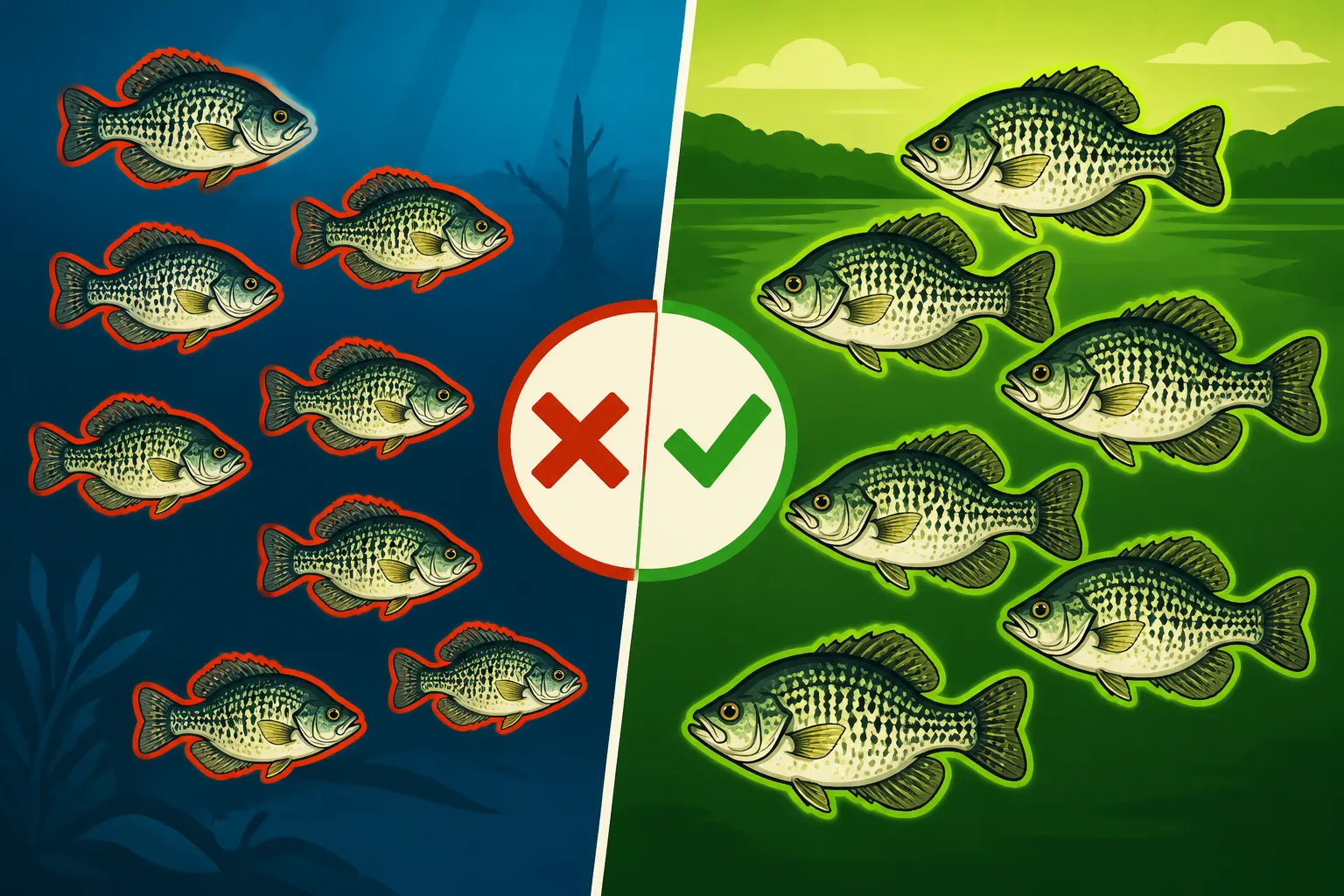
Now, here's where Lake Cargile's crappie regulations truly stand out and often cause the most confusion: out of your 15-fish daily limit, only 7 of those crappie can be 12 inches or longer. This isn't just a minimum length; it's a slot limit or a protected slot rule with an allowance for larger fish, designed to manage the population's size structure.
What this means in practice is that you can keep 15 crappie in total, but if you catch a crappie that measures 12 inches or more, it counts towards that specific 7-fish sub-limit. So, you might have 7 crappie that are 12 inches or longer, and the remaining 8 crappie in your limit must be under 12 inches but still adhere to the Crappie must be 9 inches or longer to keep in Arkansas statewide minimum. It's a bit of a balancing act, and it requires careful measurement and selection of your catch throughout the day. This rule encourages anglers to harvest some of the smaller, legal-sized crappie (9 to 11.99 inches) while still allowing them to take a reasonable number of larger, more desirable fish. The goal is to prevent the overharvest of those larger, reproductively successful crappie, which are crucial for the long-term health of the fishery.
To help visualize this, let’s look at how Lake Cargile's rules stack up against the general statewide regulations:
| Regulation Aspect | Statewide Crappie Limit (Most Waters) | Lake Cargile Crappie Limit |
|---|---|---|
| Daily Creel Limit | 20 fish | 15 fish |
| Minimum Length | 9 inches | 9 inches |
| Maximum Length | None | None |
| Special Length Rule | None | Only 7 fish can be 12 inches or longer |
| Example Legal Catch | 20 crappie, all 9-20 inches | 7 crappie >= 12 inches, 8 crappie 9-11.99 inches |
| Example Illegal Catch | 21 crappie | 16 crappie; or 8 crappie >= 12 inches |
This table clearly illustrates the key difference and should serve as a quick reference when you're out on the water. It’s similar in spirit to How the Lake Monticello crappie rule differs from statewide limits, showcasing how localized management fine-tunes regulations for optimal outcomes.
Practical Tips for Fishing Crappie on Lake Cargile
Navigating these specific regulations at Lake Cargile, while a bit more involved, is entirely manageable with a little preparation and awareness. It’s all about being responsible and ensuring you’re contributing to the sustainability of this fantastic crappie fishery.
Measuring Your Catch Accurately
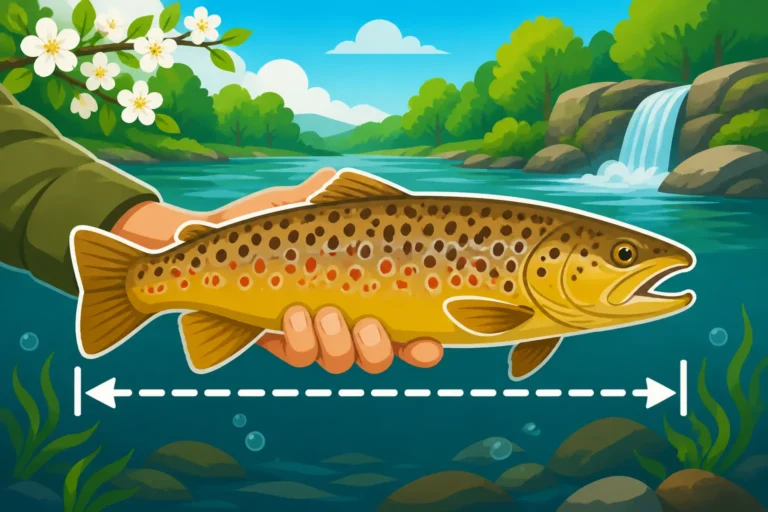
When you have a specific length limit like the 12-inch threshold at Lake Cargile, accurate measurement isn't just a good idea, it's absolutely essential. A slight miscalculation could mean the difference between a legal catch and a citation. The AGFC measures fish from the tip of the snout to the end of the caudal (tail) fin, with the fish laid flat. It's not about guessing or estimating.
Investing in a reliable, flat measuring board is perhaps the single best piece of advice I can give you. Many seasoned anglers use bump boards, which have a fixed end to push the fish's snout against, ensuring a consistent starting point. You can find excellent, durable measuring boards and even digital scales for weight checks on Amazon that are perfect for verifying your catch on the spot. Always measure your fish carefully and quickly, especially if you plan to release it. Make sure the fish is flat, its mouth is closed, and its tail is pinched to get the maximum length. Having a clear, easy-to-read measuring device will save you a lot of headaches and keep you within the rules, ensuring your fishing trip remains enjoyable.
Adapting Your Fishing Strategy
The 7-fish-over-12-inches rule on Lake Cargile might require you to adapt your usual crappie fishing strategy. For example, if you quickly catch your 7 crappie over 12 inches early in the day, you'll then need to shift your focus to finding and keeping crappie that are between 9 and 11.99 inches for the remainder of your 15-fish limit. This might mean moving to different depths, using smaller baits, or targeting different types of cover where smaller crappie tend to congregate.
It’s a great opportunity to practice your selective harvest skills. If you're consistently catching larger crappie after you've reached your 7-fish quota for bigger fish, be prepared to practice good catch-and-release techniques. Keep the fish in the water as much as possible, handle them gently with wet hands, and use barbless hooks or circle hooks to minimize harm, especially if you intend to release them. This thoughtful approach helps maintain the trophy potential of Lake Cargile for future outings.
Essential Gear for Lake Cargile Crappie
Having the right gear always enhances your fishing experience, and for crappie fishing on Lake Cargile, a few specific items will be particularly helpful. Beyond your standard crappie rods, reels, and tackle, consider these essentials:
- Measuring Device: As mentioned, a dedicated fish measuring board is a must. Whether it's a simple plastic one or a more robust, boat-mounted version, ensure it's accurate and easy to use. Many anglers opt for a portable plastic one they can easily get on
Amazonor at local sporting goods stores. - Livewell or Cooler with Aerator: Keeping your legal catch fresh and healthy is important. A good livewell, or a cooler with an aerator, is crucial, especially on warmer days.
- Crappie Jigs and Baits: While live minnows are always a classic for crappie, a variety of small crappie jigs (1/32 to 1/8 oz) in different colors will serve you well. Popular colors like chartreuse, white, and black/chartreuse are often effective. You can stock up on a wide array of options, often at competitive prices, through online retailers like
Amazon. - Line Cutter and Pliers: For quick unhooking and line management, these are indispensable. Pliers are especially useful for quickly removing hooks from deeply hooked fish, which is important when you're selectively releasing certain sizes.
- Fishing License: Don't forget your valid Arkansas fishing license and, if applicable, a trout permit for other waters. You can learn more about Arkansas Fishing License Rules and Costs and ensure you’re always fishing legally.
By being prepared with the correct knowledge and gear, your trip to Lake Cargile can be incredibly rewarding. The crappie fishing there can be fantastic, and by respecting the regulations, you're helping keep it that way for everyone.
Disclaimer
Please remember that fishing regulations, including those for Lake Cargile, can change. Always consult the most current Arkansas Game and Fish Commission regulations guide before heading out on your fishing trip to ensure you are fully compliant with all rules and laws.