Lake Cargile’s crappie rules compared to the rest of Arkansas
It's incredibly frustrating when you're geared up for a fantastic day of crappie fishing in Arkansas, only to realize that the rules you know for one lake might not apply to another. Many anglers get caught off guard by specific lake regulations that differ from the statewide standards, leading to confusion and potential legal trouble. This comprehensive guide will meticulously break down the unique crappie rules for Lake Cargile, clearly comparing them to the general Arkansas regulations, so you can fish with confidence and stay on the right side of the law.
Understanding Arkansas's Statewide Crappie Regulations
Before we dive into the specifics of Lake Cargile, it’s crucial to have a solid grasp of what the Arkansas Game and Fish Commission (AGFC) considers the standard for crappie fishing across most of the state's waters. These general rules serve as your baseline, and understanding them makes any exceptions, like those at Lake Cargile, much clearer.
The Baseline: Daily Limits and Minimum Length
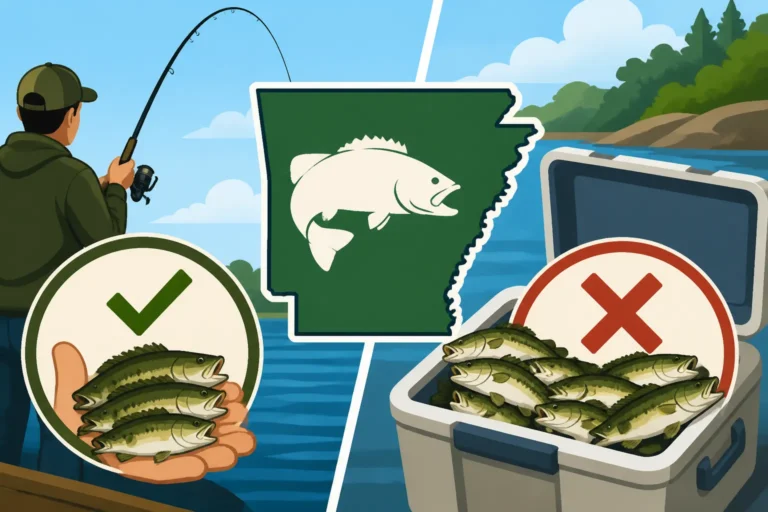
For the vast majority of lakes, rivers, and impoundments in Arkansas, the crappie regulations are fairly straightforward. You’re typically allowed a daily limit of 20 crappie. This means that from the moment you start fishing until you're done for the day, you can only possess 20 crappie that you've caught and intend to keep. This number resets each day, allowing you to catch another 20 the next day, assuming you haven't exceeded any new statewide New Possession Limit Rule for Arkansas Anglers or "final point of storage" rules that might apply.
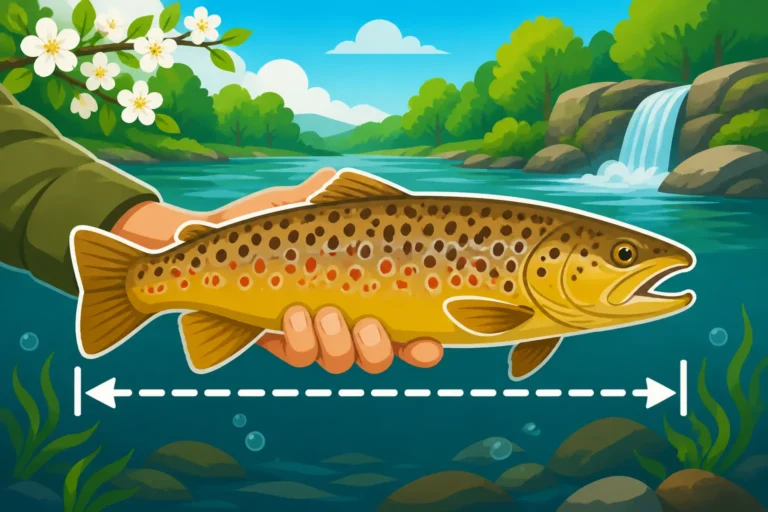
Beyond the daily creel limit, there's also a minimum length requirement. To be considered a legal keeper, any crappie you catch must be at least 9 inches long. This rule is in place statewide to ensure that crappie have a chance to grow and reproduce before being harvested, contributing to a healthier and more sustainable fishery. If you catch a crappie shorter than 9 inches, it must be immediately released back into the water where it was caught, unharmed. Many anglers carry a small, portable measuring board, which you can easily find on sites like Amazon, to quickly check their catch. For a full rundown on these general rules, you can consult the official Arkansas Fishing Regulations Guide.
Why Standard Rules Exist
These statewide rules aren't arbitrary; they are the result of extensive biological research and population management strategies. The AGFC continually monitors fish populations, habitat health, and angler harvest data across numerous bodies of water. The 20-fish daily limit and 9-inch minimum length are designed to strike a balance: allowing anglers to enjoy a productive fishing experience while ensuring the crappie populations remain robust for future generations.
In most large, diverse water bodies, crappie populations are generally stable and self-sustaining under these regulations. The 9-inch minimum helps protect juvenile fish, allowing them to reach sexual maturity and contribute to spawning, which is vital for recruitment into the fishery. The 20-fish limit prevents over-harvesting on a broad scale, distributing the catch among many anglers throughout the year. These regulations are periodically reviewed and updated, so it’s always a good idea to check the latest rules before hitting the water, especially if you haven’t fished in a while.
The Unique Crappie Rules of Lake Cargile
Now that we understand the statewide standard, let's turn our attention to Lake Cargile. This particular lake, like a handful of others in Arkansas, has specific regulations that deviate from the norm, put in place for very good reasons unique to its ecosystem and crappie population dynamics. Ignoring these specific rules can lead to fines and other penalties, which no one wants on a fishing trip!
Breaking Down the 15-Fish Limit and 12-Inch Rule
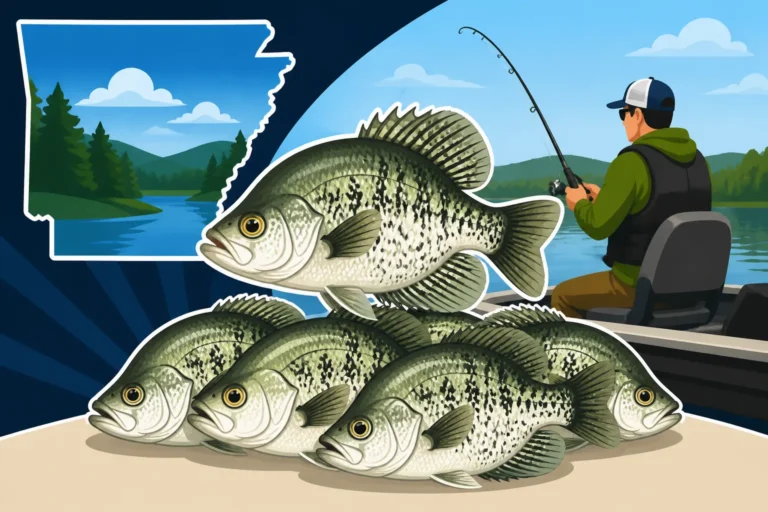
Lake Cargile, located near Star City in Lincoln County, is a prime example of a water body managed with tailored regulations. For crappie anglers at Lake Cargile, the statewide rule of 20 fish daily and a 9-inch minimum length is altered significantly. Here, you're restricted to a daily limit of 15 crappie, a noticeable drop from the standard 20. But the biggest difference comes with a slot limit: out of those 15 crappie, only 7 can be 12 inches or longer. The remaining 8 crappie you keep must be between the 9-inch minimum and just under 12 inches.
This particular regulation is what often trips up even seasoned anglers. It's not just about the total number, but the size composition of your catch. Imagine you're having a banner day, pulling in slab after slab of crappie. You've got 7 fish over 12 inches already in your livewell, and you're still catching them. From that point on, any crappie you catch that measures 12 inches or longer must be released, regardless of how many you've kept under that size. You can continue to keep crappie between 9 and 12 inches until you reach your total limit of 15. This specific rule, Only 7 of your 15 Lake Cargile crappie can be 12 inches or longer, makes Lake Cargile's crappie fishing a bit more complex than most.
The Biological Rationale Behind Lake Cargile's Regulations
So, why such a specific and seemingly complex rule for Lake Cargile? These regulations are typically implemented to address specific issues within a lake's crappie population. Lake Cargile is a smaller, AGFC-owned lake, often managed more intensively than larger federal reservoirs. The 15-fish daily limit and the 7-fish limit on crappie 12 inches or longer are often designed to protect larger, older spawning fish while still allowing for a reasonable harvest of smaller crappie.
In many lakes, larger crappie are highly sought after by anglers, leading to a situation where the biggest, most productive spawners are removed too quickly. This can "stunt" a population, resulting in many smaller fish but very few "slabs." By limiting the number of larger fish an angler can keep, the AGFC aims to increase the number of bigger crappie in the lake, improving the overall quality of the fishery and ensuring plenty of breeding stock. This strategy encourages anglers to harvest smaller, more numerous crappie, which can also help reduce competition for food and space, allowing the remaining fish to grow faster. It's a delicate balance, and these rules are tailored specifically to the conditions and goals for Lake Cargile's crappie management.
Navigating Different Crappie Limits Across Arkansas Lakes
The regulations at Lake Cargile aren't an isolated incident. Arkansas has a diverse range of water bodies, and many have unique rules tailored to their specific needs. Understanding this patchwork of regulations is key to being a responsible and successful angler.
Comparing Cargile to Other Exceptions
Lake Cargile's specific crappie rule is one of several lake-specific regulations you'll find throughout Arkansas. For example, Lake Monticello crappie limit drops to 15 fish per day – similar to Lake Cargile's total count, but Lake Monticello often has different size restrictions, which can be seen in How the Lake Monticello crappie rule differs from statewide limits. While both lakes aim to manage their crappie populations effectively, the methods of doing so through specific size and creel limits can vary greatly.
Other lakes might have slot limits that require you to release fish within a certain size range, or they might have different minimum length requirements entirely. These variations are not meant to confuse anglers but rather to fine-tune the management of fish populations in distinct environments. A river system, for instance, might have different ecological pressures than a landlocked lake, thus requiring different regulations. The key takeaway here is that while statewide rules provide a general framework, always be prepared for specific lake exceptions. Before heading out, a quick check of the AGFC regulations for your specific destination is paramount.
Practical Tips for Anglers Fishing Varied Waters
Fishing in a state like Arkansas, with its rich and varied fisheries, means you'll likely encounter different rules as you explore. Here are some practical tips to ensure you're always compliant:
-
Always Check the Latest Regulations: This cannot be stressed enough. The AGFC updates its regulations annually, and sometimes mid-season adjustments are made if biological data warrants it. Always grab the latest regulations guide or check the AGFC website or app before each trip. It's like checking the weather; it's a non-negotiable part of preparation. This is especially true if you are visiting for Arkansas Free Fishing Weekend Dates and Rules, as even then some rules may apply.
-
Understand Your Destination: Is it a large reservoir, a small community pond, or a tailwater? Each type of water body might have different management objectives, leading to different rules. For instance, you might find trout limits on the Norfork Tailwater Trout Limits on the Norfork Tailwater in Arkansas are very different from crappie limits in a warm water lake.
-
Invest in Good Measuring Tools: A sturdy, clearly marked measuring board is your best friend. Many tackle boxes come with one, or you can pick one up at any sporting goods store or even from Amazon. Make sure it's easy to read and accurate. Some anglers even mark their boat or cooler with crappie lengths for quick reference.
-
Keep a Copy of the Rules Handy: Whether it's a physical copy of the regulation guide or the AGFC app on your smartphone, having the rules accessible while you're on the water can prevent disputes and clarify doubts instantly. There’s no shame in double-checking, even experienced anglers do it.
Staying Compliant and Maximizing Your Crappie Success
Compliance with fishing regulations isn't just about avoiding penalties; it's about being a responsible steward of Arkansas's natural resources. When anglers adhere to specific rules like those at Lake Cargile, it directly contributes to healthier fish populations and better fishing experiences for everyone in the long run.
Tools and Habits for Rule Adherence
To make adhering to Lake Cargile's unique crappie rules (and any other special regulations) easier, adopt these habits and use the right gear:
- Dedicated Livewell Management: If you're on a boat, use your livewell strategically. As you catch crappie, quickly measure them. If they're under 9 inches, release them immediately. For keepers, keep track of how many are under 12 inches and how many are 12 inches or longer. Some anglers use different compartments or color-coded clips to keep counts separated.
- Fish Measuring Devices: A reliable fish ruler is non-negotiable. Look for one that floats or has a lanyard so it doesn't sink if dropped. There are many options available, from simple plastic rulers to more advanced measuring boards with stop-points, perfect for ensuring your fish meet the Crappie must be 9 inches or longer to keep in Arkansas statewide minimum or specific slot limits.
- Mental (or Physical) Checklists: Before heading out, especially to a lake with special rules like Lake Cargile, mentally review the specific crappie limits. You might even jot them down on a small laminated card to keep with your fishing license.
- Digital Resources: The AGFC's website and mobile app are fantastic resources. They provide up-to-date regulations, interactive maps, and even license purchasing options. Having this information at your fingertips can save you a lot of guesswork and potential headaches. For instance, if you're ever unsure about Arkansas Fishing License Requirements for Out-of-State Anglers, the app can clarify quickly.
The Importance of Checking Regulations Before Each Trip
It might seem tedious to check the regulations before every single fishing trip, but it's genuinely the most crucial step you can take. Regulations can change, and what was true last year or even last month might not be true today. This is especially pertinent for species like crappie, where local populations can fluctuate, prompting managers to adjust limits to protect or enhance the fishery.
Imagine spending money on gas, bait, and perhaps a new lure from Amazon, driving all the way to Lake Cargile, having a fantastic day of catching, only to realize you've unknowingly violated the length or creel limits. The fines and embarrassment aren't worth the shortcut of skipping a quick regulations check. Game wardens in Arkansas are diligent, and they are simply doing their job to protect the state's resources. Familiarizing yourself with rules like the Arkansas Fishing License Penalties and Requirements can give you a clear picture of why adherence is so important. By being proactive and informed, you not only protect yourself but also contribute to the long-term health and enjoyment of Arkansas's exceptional crappie fishing.
Here's a quick comparison of Arkansas crappie regulations:
| Regulation Type | Statewide Crappie Rule | Lake Cargile Specific Crappie Rule |
|---|---|---|
| Daily Creel Limit | 20 crappie per angler per day | 15 crappie per angler per day |
| Minimum Length | 9 inches | 9 inches |
| Size Restrictions | None beyond minimum length | Only 7 of the 15 crappie can be 12 inches or longer. |
| Purpose | General population management; prevent over-harvest | Enhance population quality; protect larger spawners; reduce stunting |
| Common Traps | Not knowing the 9-inch minimum | Exceeding the 7-fish limit on crappie 12 inches or longer |
Conclusion
Arkansas offers some truly incredible crappie fishing opportunities, and Lake Cargile is no exception. However, navigating the specific crappie regulations for lakes like Cargile requires diligence and an understanding that not all waters are managed identically. By remembering that Lake Cargile has a unique daily limit of 15 crappie, with only 7 of those allowed to be 12 inches or longer, you can avoid common pitfalls and contribute to the health of this fantastic fishery. Always check the latest regulations, pack your measuring tools, and enjoy the peace of mind that comes with being a well-informed and responsible angler on Arkansas's waters.
Disclaimer
Please note that fishing regulations are subject to change. While every effort has been made to provide accurate and up-to-date information, it is always the angler's responsibility to consult the most current Arkansas Game and Fish Commission regulations before engaging in any fishing activity.