How to Teach a Beginner to Cast a Rod
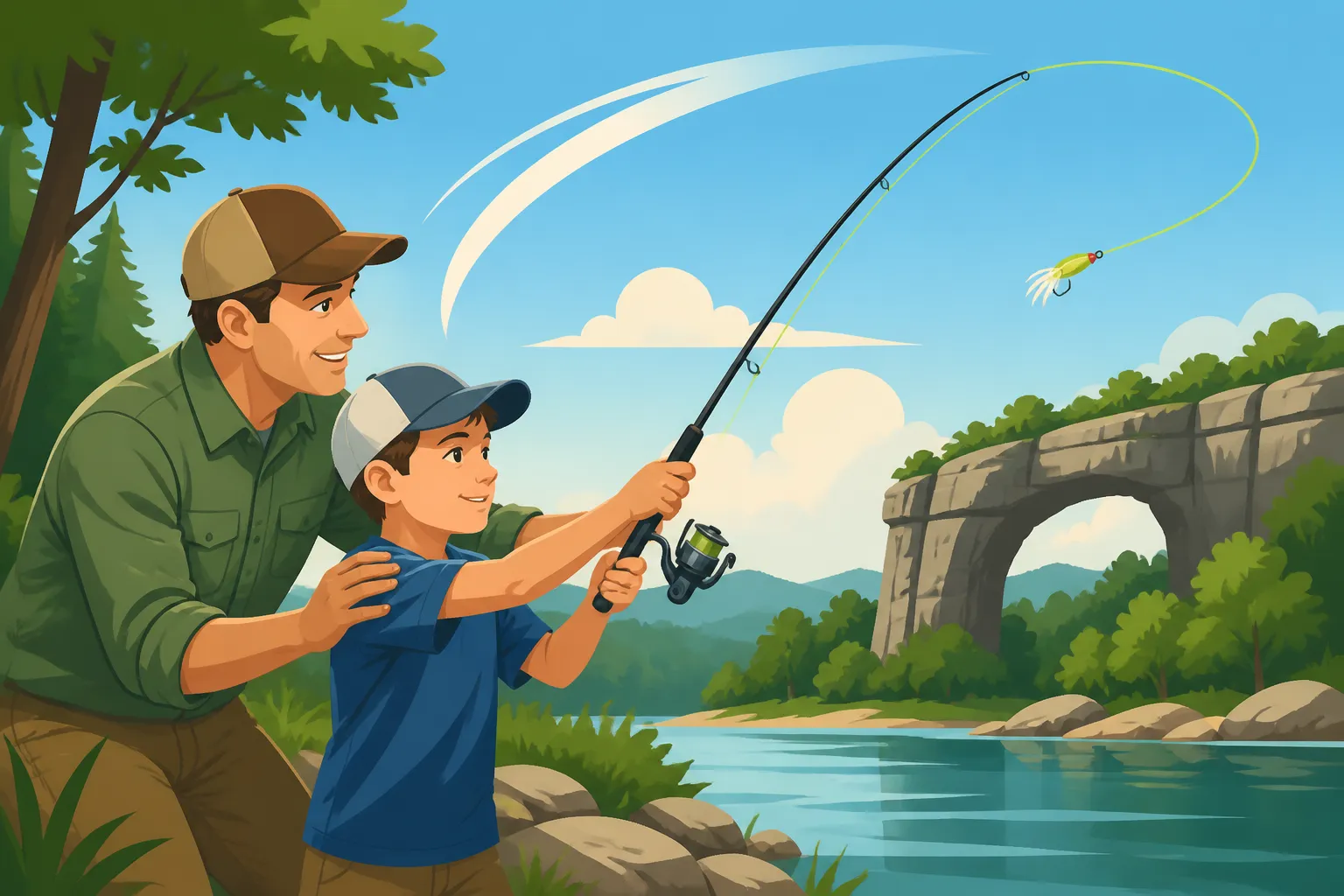
Teaching someone new to fish, especially the fundamental skill of casting a rod, can feel a bit like trying to herd cats while explaining quantum physics. It’s often a frustrating experience for both the teacher and the student, filled with tangled lines, embarrassing flubs, and the distinct feeling that the hook is destined for a tree, not the water. This guide is here to walk you through a patient, step-by-step approach to teaching a beginner how to cast a fishing rod effectively, turning potential frustration into a joyful introduction to the wonderful world of Arkansas fishing.
Getting Started: The Right Gear and Mindset
Before you even think about showing someone how to flick a lure, you need to set them up for success. This isn't just about having a rod; it's about having the right rod and, just as importantly, the right attitude.
Choosing Beginner-Friendly Rods and Reels
When you’re teaching a novice, especially a child or someone completely new to the sport, simplicity is your best friend. Resist the urge to hand them your fancy, high-tech baitcaster or a delicate fly rod right off the bat. That’s a recipe for immediate discouragement.
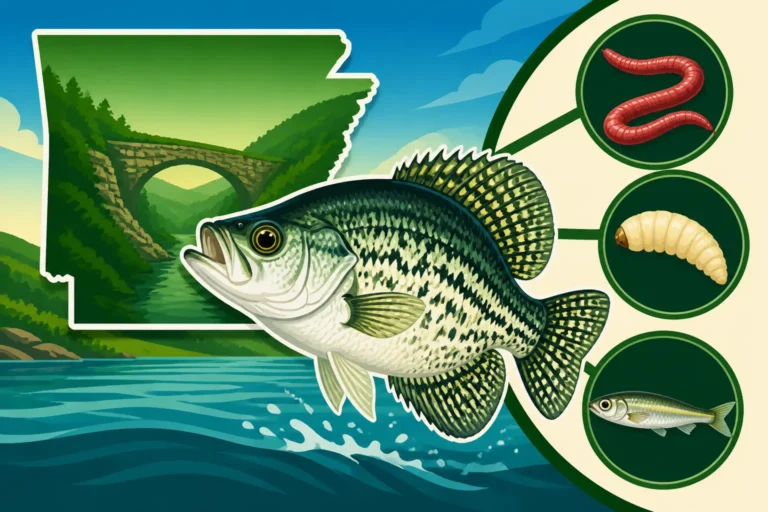
For most beginners, particularly those learning how to fish for panfish or smaller bass in Arkansas’s many lakes and ponds, a spin-casting (or "push-button") reel is often the easiest entry point. These reels are incredibly forgiving. They have a button you press to disengage the line, and then you just release it at the right moment during the cast. There's minimal tangling, and the motion is straightforward. You can find excellent, affordable spin-casting combos on platforms like Amazon that are perfectly suited for a first-timer. Another great option, slightly more advanced but still very user-friendly, is a spinning reel. These reels sit under the rod, and you manually open and close a bail to control the line. They offer a bit more control and distance once mastered, making them a good next step. When considering Best Rod Setup for Crappie Jigging, for example, a lightweight spinning combo is often ideal, and many of these are easy for beginners to adapt to for general fishing.
Embracing Patience and Positive Reinforcement
Let’s be honest, teaching can test anyone’s patience, especially when the student is struggling with something that feels second nature to you. But remember your own early days! Every angler has flung a worm into a tree or created a magnificent "bird's nest" of line. Your role here is less about critique and more about encouragement.
Approach the lesson with an abundance of patience. Expect tangles. Expect missed targets. Expect awkward movements. Instead of sighing or taking over the rod, calmly guide them. Celebrate small victories – even a cast that goes forward is a win! Positive reinforcement builds confidence, which is absolutely crucial for a beginner. If they feel like they're failing, they'll quickly lose interest. Remind them that everyone starts somewhere and that even experienced anglers have their off days. This is especially true when teaching kids how to fish, where the experience should be fun above all else. Learning How to Teach a Kid to Fish for Bluegill often starts with mastering basic casting in a low-pressure environment.
Breaking Down the Cast: Step-by-Step for Success
The act of casting can seem complex, but it’s really a series of simple movements. Breaking it down into manageable steps is key to helping a beginner grasp the rhythm and timing. We'll focus on the basic overhead cast, which is the foundation for most other casting techniques.
The Basic Overhead Cast (Spin-Casting Reel)
This is the quintessential cast, effective for most situations and fairly easy to learn with a spin-casting reel.
Step 1: Getting a Good Grip and Setup
First things first, make sure they hold the rod correctly. For a spin-casting reel, the reel sits on top of the rod, and the student should hold the rod with their dominant hand, thumb resting on the push-button. Their fingers should be wrapped around the rod handle, providing a secure, comfortable grip. Make sure their thumb is firmly on that button! Next, reel in the line so that about 6-12 inches of line (and your practice weight or lure) is dangling from the rod tip. Too much line makes it unwieldy, too little gives no momentum. This is a good time to demonstrate proper Bream and Bluegill Fishing for Beginners setup, as those are often the first fish beginners target in Arkansas.
Once they have the grip and line length, have them face the direction they want to cast. Their feet should be shoulder-width apart, perhaps with their non-dominant foot slightly forward. It's about balance and comfort, not a rigid stance. The rod should be pointing straight out in front of them, roughly parallel to the ground, aimed towards the intended target. It might feel a bit stiff at first, but emphasize a relaxed, natural posture.
Step 2: The Backward Swing and Pause
Now for the motion! Instruct them to press and hold the button with their thumb. This disengages the line, allowing it to spool out freely during the cast. With the button pressed, they should smoothly bring the rod straight back over their shoulder. Think of it like throwing a dart or a baseball, but with a stiff arm. The rod should travel from in front of them, past their ear, and stop when the rod tip points roughly at 10 or 11 o'clock (if 12 o'clock is directly overhead).
The crucial part here is the pause. When the rod reaches that backward position, there's a split second where the rod bends (or "loads") from the weight of the lure or practice weight. This bend is what generates the power for the forward cast. If they don't pause, they won't get that "load" and the cast will be weak and sloppy. Have them practice this backward motion and pause a few times without releasing the button, just getting the feel for the rod loading. This muscle memory is vital for smooth casting, whether they're practicing Bass Fishing Techniques for Beginners or just trying to hit a lily pad.
Step 3: The Forward Snap and Release
After that brief pause, it’s time for the forward motion. They should bring the rod forward with a quick, smooth motion, almost like they're cracking a whip. As the rod comes forward, and the tip is pointing towards their target (usually around 2 or 3 o'clock), they need to release their thumb from the button. This is the moment of truth! Releasing too early sends the lure flying high, often into trees or the sky. Releasing too late sends it straight down, landing just in front of them with a splash.
Encourage them to watch the lure or weight as it flies through the air. This helps them connect the timing of their release to the trajectory of the cast. It takes practice, and it won't be perfect the first few times. Emphasize a smooth, controlled motion rather than a forceful, jerky one. The power comes from the rod's flex, not brute strength. If they are learning on a lake like Lake Conway, hitting those targets near structure will become second nature with practice.
The Basic Overhead Cast (Spinning Reel)
For a spinning reel, the principle is similar, but the line release mechanism is different.
Step 1: Holding the Rod and Opening the Bail
With a spinning reel, the reel hangs under the rod. Have the student hold the rod with their dominant hand, with the reel stem between their middle and ring fingers. Their index finger should be extended, lightly touching the line coming off the reel spool. Reel in any excess line, leaving that same 6-12 inches of dangle.
Now, with their index finger holding the line against the rod, they use their other hand (or a quick flick of the thumb on their dominant hand) to open the bail arm. This mechanism releases the line from the spool. Their index finger is now the only thing holding the line back. It's a slightly more coordinated movement than the push-button, which is why it's a good progression for beginners.
Step 2: The Backward Swing and Pause
Just like with the spin-caster, they’ll bring the rod smoothly back over their shoulder, creating that arc and pause. The key difference is that their index finger is still holding the line against the rod handle, preventing it from flying off the spool. The rod tip should again reach that 10 or 11 o'clock position, allowing the rod to load with the weight of the lure.
Stress the importance of feeling that rod load. It’s a subtle flex, but it’s what gives the cast its energy. If they don't feel it, they might be swinging too fast or not pausing long enough. This step is where rhythm is born, and it’s critical for consistent casting.
Step 3: The Forward Snap and Release
As the rod swings forward, pointing towards their target (around 2 or 3 o'clock), they'll remove their index finger from the line. This releases the line, allowing the lure to fly towards the target. The timing of this release is identical to the spin-caster – too early, it goes high; too late, it goes short.
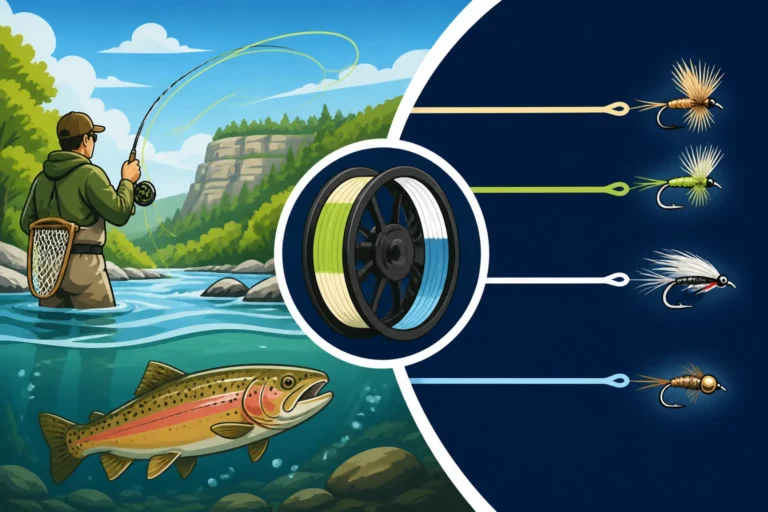
Many beginners find the spinning reel feels more natural once they get the hang of opening the bail and coordinating the finger release. The advantage is often greater distance and precision once mastered. Practicing the How to Nymph Fish for Trout technique, for instance, requires very specific and accurate casts, skills that build upon this foundation.
Common Beginner Challenges and How to Overcome Them
Learning to cast is rarely a flawless process. Beginners will inevitably face hurdles, and your ability to anticipate and help them through these common frustrations will make all the difference.
The Dreaded "Bird's Nest" or Backlash
Ah, the "bird's nest." This is when the line on the reel suddenly erupts into a tangled mess, often looking like a squirrel decided to build a home inside the spool. It's incredibly common with baitcasting reels (which we're largely avoiding for true beginners for this very reason) but can happen with spinning reels if the line isn't spooled correctly or if there's an issue with the bail closing during the cast. With spin-casting reels, it's less common but can still occur if the button is released too late or held down too long after the cast, allowing line to pile up.
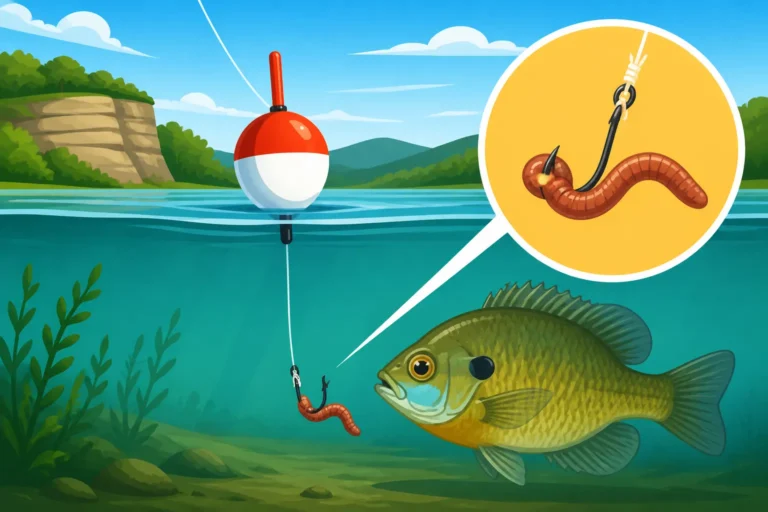
When a bird's nest happens, the first instinct is often frustration. Validate that feeling! "Yep, that happens to everyone, even me sometimes!" Then, calmly address it. For spin-casting and spinning reels, it's usually a matter of pulling out the tangled line, cutting off any damaged sections, and carefully re-spooling. If it's a recurring issue, check the reel itself – sometimes the bail on a spinning reel isn't fully closing, or the line is simply too old and has too much memory. Consider pre-spooled combos or asking a tackle shop to spool fresh line. For a beginner, the solution is often simply to start with a slower, more controlled cast. Emphasize smooth motions over power. A tangled line is the number one reason beginners quit, so mastering How to Rig a Worm Under a Bobber for Bluegill is simple enough that it takes the focus off complicated rigging and allows more attention on casting technique.
Inconsistent Distance and Accuracy
One moment the lure goes 5 feet, the next it's sailing out of sight (and usually into a tree). Inconsistent distance and accuracy are hallmarks of a beginner's casting journey. This almost always boils down to inconsistent timing of the line release.
To tackle this, go back to basics. Have them practice without a hook or lure, just a practice weight or even a simple washer. Focus solely on the mechanics: the smooth backward swing, the pause for the rod to load, and the precise moment of release as the rod points towards the target. Have them pick a specific target, like a bucket or a patch of grass. Sometimes, having them look at the rod tip as it points to the target, rather than looking at the target itself, helps with timing. Try repeating the motion 10 times, focusing on just one aspect, like the pause, then the release. It's about drilling down the individual components until they become one fluid motion. Encourage them to try different amounts of line dangling from the rod tip to see how it affects their cast. This patience will serve them well when they're later trying to hit specific structures when How to Find Bass in Summer Heat.
| Casting Challenge | Common Cause | Solution Strategy |
|---|---|---|
| Bird's Nest/Backlash | Incorrect line release timing; old/bad line; jerky motion | Practice slow, deliberate motions; use fresh, appropriate line; emphasize smooth release |
| Short Casts | Not enough power; releasing too early; not loading the rod | Focus on the "pause" to load the rod; ensure smooth, quick forward snap |
| High/Skyward Casts | Releasing too early in the forward swing | Delay release until rod tip points towards target; practice aiming at a spot on the horizon |
| Low/Splashing Casts | Releasing too late in the forward swing | Release earlier as rod tip comes forward; focus on the visual arc of the rod |
| Hitting Trees/Obstacles | Poor aim; lack of controlled swing | Practice in an open area; pick specific, close targets; slow down the entire motion |
| Fatigue/Soreness | Gripping too tight; using too much arm strength | Relax grip; use body rotation, not just arm; take breaks |
Dealing with Snags and Tangled Lines
Beyond the "bird's nest" on the reel, beginners are prone to getting their lines snagged on submerged branches, rocks, or shoreline vegetation. It’s part of learning, but it can be disheartening.
When a snag happens, gently coach them on how to try and free it. Don't yank! A gentle pull, changing the angle of the rod, or even walking around the snag if possible, can sometimes free a lure. If it's truly stuck, explain that sometimes, you just have to break the line. Show them how to do it safely (wrapping the line around a sturdy stick or gloved hand, pulling firmly and steadily). Then, patiently guide them through re-tying their lure or weight. This is an excellent opportunity to teach them a simple knot, like the improved clinch knot. This practical skill, while initially frustrating, is invaluable and empowers them to handle minor tackle issues on their own. Learning to manage snags and tangles early on makes the whole experience much more enjoyable, especially in timber-filled areas often found when Crappie Fishing Tips for Arkansas Timber Lakes.
Practice Makes Perfect: Tips for Ongoing Improvement
Casting is a skill that improves with repetition. Like learning to ride a bike, once the basic motion clicks, it just needs refinement and consistency.
Dry-Land Practice Drills
You don't need a boat or even a pond to practice casting. Dry-land practice is incredibly effective for building muscle memory and refining technique.
Start with a grassy area, a park, or even a large backyard. Remove the hook from any lure or use a practice weight (a small lead sinker or even a bolt works well). Set up a few targets at varying distances – empty buckets, hula hoops, or chalk circles. Have the beginner practice casting to these targets. Focus on consistency: how many casts can they get within the target area? How many casts can they make without a bird's nest? This controlled environment removes the pressure of catching a fish and allows them to focus purely on the mechanics. You can even find specific practice casting plugs on Amazon that are weighted to mimic real lures without the hazards of hooks. Encourage short, frequent practice sessions rather than one long, tiring one. Just 10-15 minutes a day can make a huge difference. These drills are great for learning how to control the trajectory and accuracy, which is essential for How to Dry Fly Fish for Trout later on.
Understanding Casting for Different Species
Once a beginner has the basic overhead cast down, you can introduce them to how casting techniques adapt for different situations and species. For instance, when Catfish Bottom Fishing Techniques, long, accurate casts might be less important than simply getting the bait out to a good depth and letting it sink.
Conversely, for Bass Fishing at DeGray Lake in West-Central Arkansas, anglers might need to learn more precise casting to hit specific cover. This can involve teaching a sidearm cast (where the rod swings horizontally) for getting under low-hanging branches or skipping lures under docks. These advanced techniques build directly on the foundation of the overhead cast. Explain that different fish behave differently and require different presentations. For instance, trout in a tailwater like the Norfork often require very delicate and accurate casts, making a simple, straightforward cast even more important.
The Importance of Continued Learning and Adaptation
Fishing is a lifelong learning journey, and casting is no exception. Encourage the beginner to experiment with different lures, weights, and even rod lengths to see how they affect the cast. Watch videos (many excellent ones are available on YouTube or streaming services) that demonstrate casting techniques. Reading articles like Arkansas Fishing License Rules and Costs or Arkansas Fishing Regulations Guide will help them understand the wider context of fishing, but the hands-on practice of casting is invaluable.
The best teacher for casting is ultimately experience on the water. Point out how factors like wind, current, and nearby obstacles force experienced anglers to adapt their casts. A stiff breeze can turn a perfect overhead cast into a tangled mess if not compensated for. A tight spot under an overhanging tree might demand a roll cast or a sidearm flick. Emphasize that every day on the water, whether they're catching fish or just practicing, is an opportunity to refine their skills and become a more proficient angler. The joy of a perfectly executed cast, watching the lure sail exactly where you intended, is one of the most satisfying parts of fishing.
Disclaimer
This article is for general informational purposes only and does not constitute professional advice. Laws, prices and regulations vary by location and change over time. Consult a qualified professional for guidance on your specific situation.