Best Time of Year to Book a White River Trout Guide
Deciding when to book a White River trout guide in Arkansas can feel like trying to hit a moving target. You want to snag the prime conditions, avoid the crowds, and make sure your chosen guide is actually available when you're ready to fish. It's a common dilemma, and trust me, I've heard countless stories of folks missing out on their ideal trip because they waited too long or picked the wrong time of year for their specific goals. This guide is here to unravel the mysteries of the White River's seasons, helping you pinpoint the absolute best time to book your guide for an unforgettable trout fishing adventure.
Understanding the White River's Seasons and Trout Behavior
The White River in Arkansas is a year-round fishery, which is fantastic, but it also means there's a huge variety in conditions and trout behavior depending on the season. What makes one season perfect for a certain type of fishing might make it challenging for another. Knowing these nuances is key to timing your guide trip perfectly.
Spring: Rising Waters and Active Trout
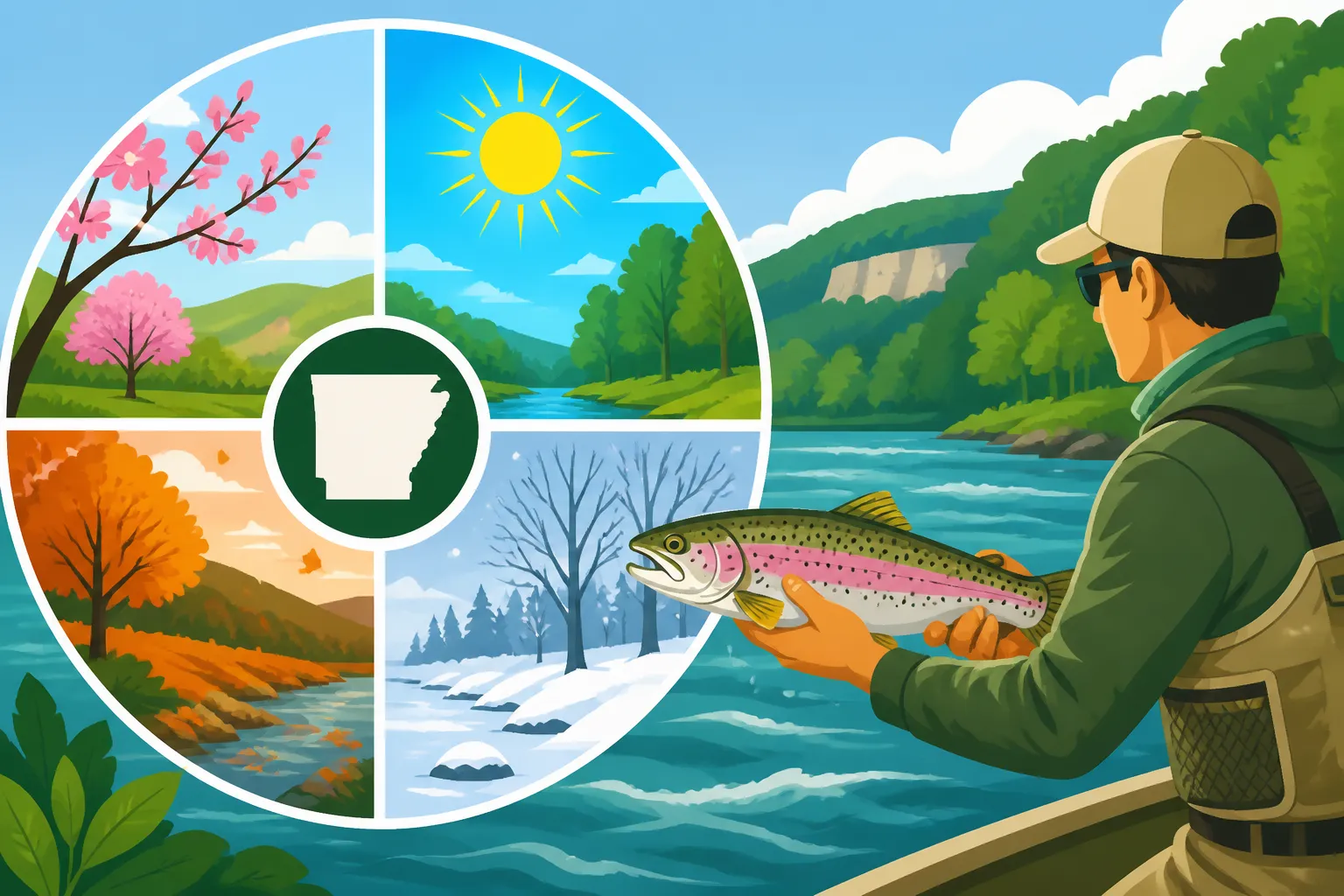
Ah, spring! The air starts to warm, the trees begin to bud, and for many anglers, this feels like the natural time to get out on the water. On the White River, spring can be a truly magical time, but it's also a period of significant change and often unpredictable water conditions. As snow melts and spring rains fall, the Army Corps of Engineers may increase generation from the dams, leading to higher water levels. This influx of fresh, oxygenated water often triggers increased activity among the trout.
You'll find the trout really starting to shake off their winter sluggishness, becoming more aggressive and actively feeding. Hatches of various insects become more consistent, offering excellent opportunities for fly anglers, especially as nymphs and emergers become prevalent. The fish are often spread out, not just hunkered down in deep holes, which can open up more areas for a guide to explore with you. However, higher water can also mean trickier wading, and navigating certain stretches might require a boat with more power. A good guide, intimately familiar with the river's flows and how trout react to them, is invaluable during this period. They know exactly where the fish will be holding in the stronger currents and how to present your flies or lures effectively. If you're looking for a detailed overview, check out Arkansas Fishing Seasons Guide.
Summer: Stable Flows and Deep-Water Tactics
Summer on the White River, particularly from June through August, often brings more consistent and predictable water generation schedules. With warmer ambient temperatures, many visitors flock to the river for all sorts of recreational activities, not just fishing. This means you might encounter more boat traffic, especially on weekends. However, the fishing itself can be fantastic, albeit with a slight shift in tactics.
Trout, particularly the larger ones, tend to move to deeper, cooler sections of the river during the heat of the day. This is when deep-water nymphing, drifting egg patterns, or even slow-trolling lures can really shine. Early mornings and late evenings are often the most productive times, as the air cools and trout venture into shallower feeding lanes. A skilled guide will know the prime deep pockets and cooler stretches where trophy fish hold, and they'll have the gear and expertise to get your offering down to them. While the midday sun can be intense, many guides offer half-day trips that focus on those cooler, more productive parts of the day. If you're specifically targeting trout during this time, consider exploring Arkansas Tailwater Trout Fishing Guide for more insights.
Fall: Cooling Waters and Aggressive Feeding
For many seasoned White River anglers, fall is the undeniable sweet spot, particularly from late September through November. As air temperatures drop, the water cools, and trout become incredibly active, aggressively feeding in preparation for winter and, notably, the brown trout spawn. This is arguably the best time to pursue those elusive, giant brown trout that the White River is famous for. Their colors become vibrant, and they become highly territorial and aggressive, making them more susceptible to streamer patterns and larger, more enticing lures.
The foliage along the river banks turns into a breathtaking display of golds, reds, and oranges, adding an incredible aesthetic to your fishing trip. Crowds tend to thin out slightly compared to the summer peak, making for a more serene experience. Guide availability can become extremely tight during this window, especially for prime weekend dates. If landing a trophy brown trout is your dream, or if you simply want to experience the White River at its most beautiful and productive, booking a fall guide trip well in advance is absolutely essential. This is a time when the White River truly lives up to its reputation. For tips on how to maximize this season, look into Fall Fishing Patterns for Bass and Crappie, which can offer transferable insights for active fish.
Winter: Low Pressure and Trophy Opportunities
Winter on the White River, from December through February, is often overlooked by casual anglers, but it can present some of the most rewarding fishing opportunities, especially for those seeking solitude and trophy fish. While the air is cold and conditions can be challenging, the river itself is typically less crowded, offering a peaceful, unhurried experience.
Trout activity might slow down a bit due to colder water, but they still need to feed. The biggest advantage of winter is that the larger, more experienced fish are often easier to entice, as they're not under as much pressure from other anglers. Drifting natural baits, small nymphs, and midges can be highly effective. Patience is key, and a seasoned guide will know the deep wintering holes and the subtle presentation techniques required to trigger a bite. While you'll need to bundle up, the chance to battle a brute of a trout in near solitude is an experience many dedicated anglers cherish. Plus, some guides might offer slightly more flexible scheduling or even special rates during the slower winter months. For specific details on where these giants lurk, check out Where to Catch Brown Trout on Arkansas's White River.
Factors Influencing the "Best" Time to Book Your Guide
While each season offers unique charms, your personal definition of the "best" time to book a White River trout guide will depend on several critical factors. It's not just about when the fish are biting; it's about what you want out of your trip.
Your Target Species: Rainbows vs. Browns
The White River is home to both rainbow trout and brown trout, and their peak activity periods and preferred conditions can differ. Rainbow trout are generally more abundant and tend to be active year-round, biting on a wider variety of flies and lures. They offer consistent action, making them a great target for beginners or those who just want to catch a lot of fish.
Brown trout, on the other hand, are the river's elusive giants. While present year-round, they become particularly aggressive and vulnerable during the fall spawning season. If your dream is to land a trophy brown, the fall, specifically October and November, is hands down your best bet. A guide specializing in brown trout will often focus their efforts on targeting these specific fish during this window, using techniques tailored to their behavior. Make sure to communicate your target species clearly when discussing your trip with a guide, as their strategy and even preferred fishing locations might change accordingly. You can learn more about these different species in How to Tell Rainbow Trout from Brown Trout.
Water Levels and Generation Schedules
The White River is a tailwater fishery, meaning its conditions are heavily influenced by the upstream dam operations, specifically the generation of electricity at Bull Shoals Dam. This can lead to significant fluctuations in water levels, from low, wadeable flows to high, swift currents. These changes directly impact where trout hold, what they're eating, and what fishing techniques are most effective.
High water can disperse fish, making them harder to locate for inexperienced anglers, but a guide knows where they'll seek refuge and ambush prey. Low water can concentrate fish in certain holes, making them easier to spot but also potentially spookier. The Army Corps of Engineers typically releases a daily generation schedule, but it can change. A local guide lives and breathes these patterns, often having an intuitive sense of how the river will fish based on the water levels and current generation. They can adapt on the fly, moving to different stretches of the river or switching tactics to match the conditions. Being flexible with your dates, if possible, can allow your guide to pick a day with optimal water conditions once you're closer to your trip. Arkansas Fishing Rules for Lakes, Rivers and Tailwaters provides further context on navigating these dynamic conditions.
Crowd Avoidance and Serenity
For many, a fishing trip is as much about escaping the hustle and bustle as it is about catching fish. If avoiding crowds and enjoying the serene beauty of the White River is a high priority for you, then timing your trip becomes crucial.
| Season | Crowd Level | Serenity Factor | Best for Avoiding Crowds |
|---|---|---|---|
| Spring | Moderate to High (especially March/April) | Varies with weather | Weekdays, early or late in the season |
| Summer | High (peak vacation season) | Lower (more recreational traffic) | Early mornings, late evenings, weekdays |
| Fall | Moderate to High (especially October/November) | High (beautiful scenery) | Weekdays, immediately after major holidays |
| Winter | Low | Very High (peaceful, quiet) | Almost any time |
Summer weekends and the peak fall brown trout spawn can see quite a bit of boat traffic, particularly in the most popular stretches of the river near towns like Cotter. If you're seeking solitude, consider booking your trip during the colder winter months or on weekdays during the shoulder seasons (early spring or late fall). Guides often have secret spots or stretches of river they prefer to fish when the main channels are busy, offering you a more private experience. When searching for a guide on platforms like FishingBooker, you can sometimes filter by availability and read reviews that might mention how guides handle busy periods.
Budget and Guide Availability
Let's be realistic, cost is always a factor, and so is actually getting on a guide's calendar. Just like any popular service, demand can influence both price and availability. Prime seasons like the fall brown trout run or the consistent summer months tend to be when guides are booked solid, sometimes months, or even a year, in advance. This high demand means you're less likely to find discounts, and you'll need to be decisive when booking.
If you have a tighter budget or prefer more flexibility, consider booking during the "shoulder" seasons (early spring, late fall) or the winter months. While the fishing might require different tactics, it can still be excellent, and you might find more open dates or even slightly reduced rates. Always confirm the guide's rates, what's included, and their cancellation policy upfront. Popular guides, especially those renowned for trophy trout, will have their calendars filled quickly, so don't delay if you have a specific guide in mind. Platforms like FishingBooker allow you to compare guide availability and pricing, making it easier to see your options across different times of the year and plan accordingly. Looking for ways to save? Check out Half-Day vs Full-Day White River Trout Trips: Which to Book in Arkansas.
Booking Strategies for Each Season
Once you have a better understanding of the White River's ebb and flow through the year, you can develop a booking strategy that aligns with your fishing goals and schedule.
When to Book for Spring and Fall Trips
If your heart is set on experiencing the vibrant bug hatches of spring or the trophy brown trout opportunities of fall, you absolutely need to plan ahead. These are generally considered the prime times to fish the White River, and as such, guides' calendars fill up rapidly.
- Spring (March – May): Aim to book your guide at least 3-6 months in advance, especially if you're targeting specific weekends or holiday periods like Easter or Memorial Day. The early spring (March) can sometimes offer a slightly longer booking window than the peak of April/May.
- Fall (October – November): This is the busiest time for many guides. For the best chances, book 6-12 months in advance, particularly if you have specific dates in mind. Waiting until late summer or early fall will likely leave you with very limited options or less experienced guides. Flexibility with weekdays might open up a few more slots if you can't commit that far out.
Don't be afraid to reach out to guides even if it feels too early; they can often pencil you in or advise on their typical booking lead times. This proactive approach significantly increases your chances of securing your preferred guide and dates.
Summer and Winter Booking Flexibility
While spring and fall demand early commitments, summer and winter offer a bit more wiggle room for booking your White River trout guide. This doesn't mean you should wait until the last minute, but you won't typically need to plan a year in advance.
- Summer (June – September): While summer can be busy with general tourism, serious anglers often shift their focus away from the trout rivers due to warmer temperatures and more recreational boat traffic. You can often book a guide 2-4 months in advance, with good options still available. If you're okay with fishing early mornings or late evenings, or even targeting weekdays, you might find availability with even shorter notice.
- Winter (December – February): This is generally the slowest season, offering the most flexibility. You can often book a guide 1-2 months in advance, and sometimes even score a last-minute trip a few weeks out, especially on weekdays. The key here is to keep an eye on the weather forecast and be prepared for colder conditions. If you're local or can be spontaneous, winter is a great time to call up a guide and see what's open. For more on cold weather fishing, check out Winter Fishing Patterns on Arkansas Reservoirs.
No matter the season, when you're ready to commit, platforms like FishingBooker are excellent resources for checking real-time availability and comparing options across different guides.
Leveraging Online Platforms for Booking
In today's digital age, finding and booking a White River trout guide is easier than ever, and online platforms have revolutionized the process. Instead of calling multiple guides one by one, you can use services that aggregate guide listings, reviews, and availability in one place.
- Ease of Comparison: Platforms allow you to quickly compare different guides based on their specializations (e.g., fly fishing, spin fishing, trophy browns), trip offerings (half-day, full-day, multi-day), pricing, and what's included (gear, lunch). This streamlines your research immensely.
- Real-time Availability: Many platforms, like FishingBooker, integrate directly with guides' calendars, showing you their actual availability. This means you can see open dates at a glance and book instantly, reducing the back-and-forth communication.
- Reviews and Reputations: One of the biggest advantages is access to angler reviews. You can read firsthand accounts of other people's experiences with a guide, getting a sense of their personality, teaching style, and success rates. This helps you choose a guide who aligns with your expectations, whether you're a seasoned angler or looking for Guided Fishing Trips for Beginners in Arkansas.
- Secure Booking: These platforms offer secure payment processing and clear booking policies, giving you peace of mind. They often have customer support teams to assist with questions or issues that might arise.
Using an online platform means you can research and book your White River trout guide from the comfort of your home, at any time of day, making the entire planning process much smoother, regardless of whether you're planning a last-minute winter escape or a prime fall trophy hunt a year in advance.
Disclaimer
This article is for general informational purposes only and does not constitute professional advice. Laws, prices and regulations vary by location and change over time. Consult a qualified professional for guidance on your specific situation.