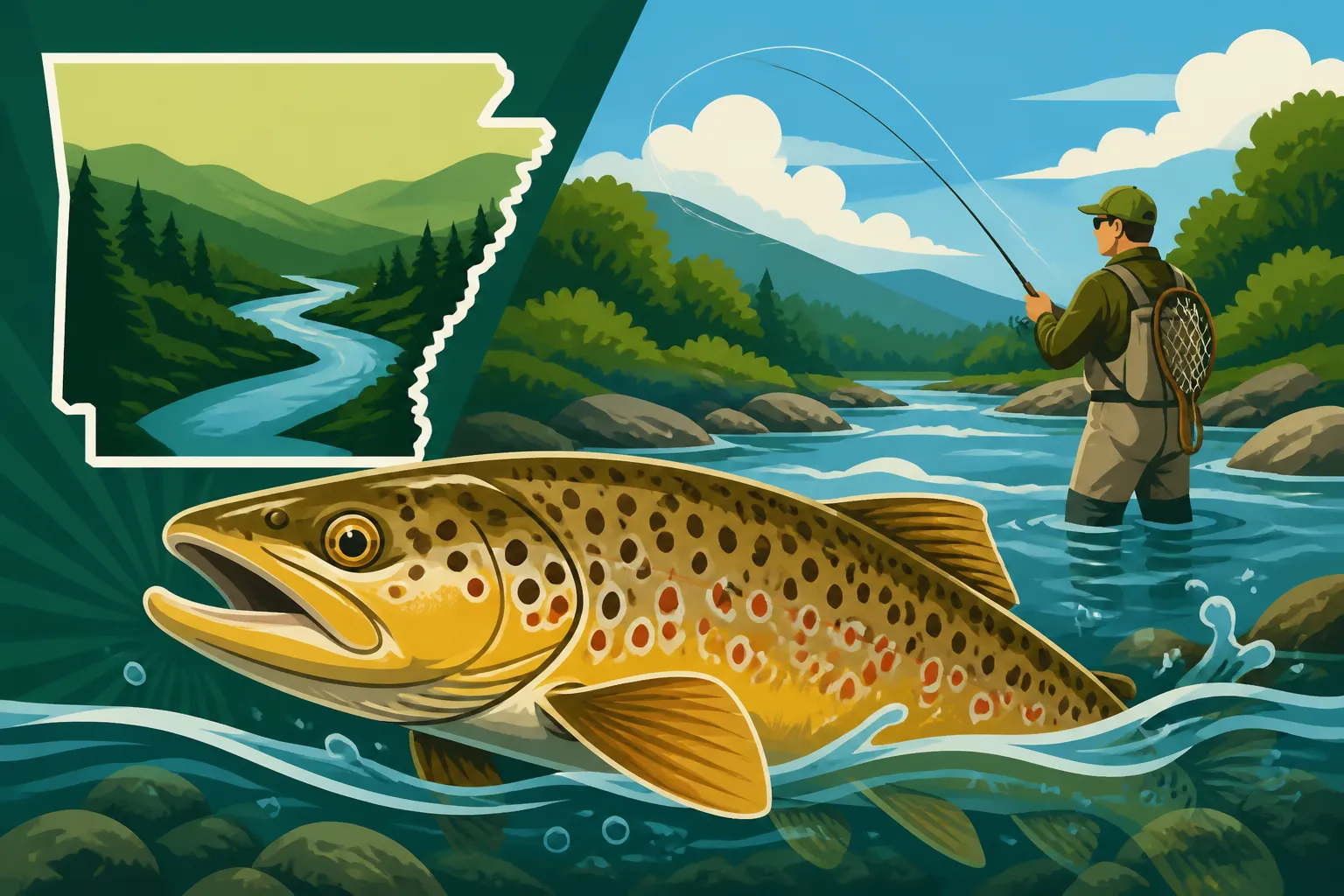
Where to Catch Brown Trout on Arkansas’s White River
The legendary brown trout of Arkansas's White River isn't just a fish; it's an obsession for many anglers, but knowing precisely where to find these elusive, hard-fighting beauties can feel like deciphering an ancient map. Many seasoned anglers and eager newcomers alike often struggle with pinpointing the prime stretches and understanding the nuances of this incredible fishery. This comprehensive guide is here to demystify the White River, revealing the hotspots and strategies to help you land that trophy brown.
Understanding the White River Brown Trout Habitat
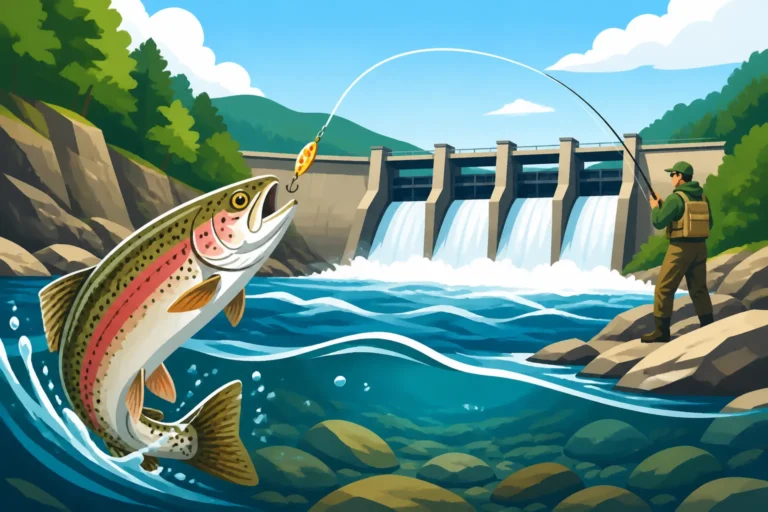
The White River in Arkansas is renowned as a premier trout fishery, largely due to the series of dams that create a cold, oxygen-rich tailwater environment perfect for trout. Brown trout, in particular, thrive in these conditions, growing to impressive sizes. It’s not just about cold water, though; it’s about the unique combination of forage, structure, and current that makes certain stretches of the river absolute magnets for big browns. Understanding these elements is key to knowing where to cast your line.
The Influence of Tailwaters and Dam Releases
The entire character of the White River, from the majestic Bull Shoals Lake downriver, is shaped by the dam releases. These releases control water flow, temperature, and oxygen levels, which in turn dictate trout behavior. When the generators at Bull Shoals Dam are running, the river swells, currents become strong, and trout often move to areas with less turbulent water or hold tight to structure to conserve energy. Conversely, low water periods reveal more of the riverbed, concentrating fish in deeper pools and runs. Keeping an eye on the water generation schedule is paramount for planning your day.
Brown trout, being opportunistic predators, will adjust their feeding habits and locations based on these changes. High water often disperses their food, making them harder to target, while lower flows can concentrate aquatic insects and baitfish, leading to more aggressive feeding in predictable spots. The challenge, and the reward, lies in anticipating these movements and being in the right place at the right time. For anglers new to the area, consulting local resources or a guide can be immensely helpful in understanding these patterns.
Prime Forage and Structure for Brown Trout
What do these big brown trout eat that allows them to grow so large? The White River offers a smorgasbord, from abundant aquatic insects like caddis, midges, and sowbugs, to sculpins, shad, and even smaller trout. These larger food sources are what truly pack on the pounds for those monster browns. They're often found lurking near structure—submerged logs, rock piles, ledges, and deep holes—ambushing unsuspecting prey that drifts by. This cover provides them with both concealment and a strategic vantage point for feeding.
The riverbed itself, composed of gravel and small rocks in many areas, also plays a crucial role, providing spawning grounds and habitat for insects. Look for areas where the current creates seams and eddies around these features. These are classic holding spots where brown trout can rest out of the main current while waiting for food. Mastering the art of reading the water to identify such structures, even when submerged, is a skill that will greatly improve your success rate.
Key Sections of the White River for Brown Trout
While the entire trout section of the White River holds brown trout, certain stretches are particularly famous for consistently producing larger fish and higher concentrations. These areas often boast the ideal combination of deep pools, abundant forage, and complex structure that browns prefer. Knowing these specific areas can save you valuable time and put you on the path to a memorable catch.
Below Bull Shoals Dam to Cotter
The stretch of the White River immediately below the Bull Shoals Dam, often referred to as the "first eleven miles," is widely considered the holy grail for trophy brown trout fishing. This section, particularly from the dam down to the Cotter area, offers everything a big brown trout could want. The water here is consistently cold, even during the peak of summer, and highly oxygenated from the dam releases. You'll find a mix of deep pools, strong runs, and gravel bars, interspersed with significant submerged timber and rock formations.
Access points like the Wildcat Shoals and Rim Shoals areas are famous. Anglers here often target the seams where fast water meets slower water, or drift through deep holes. It’s a section that demands precise lure presentation and often a bit of patience, but the rewards can be truly exceptional. Many guides specialize in this upper section, knowing every rock and log that might hold a monster. If you’re planning a trip, consider booking a White River 8-Hour Guided Trout Trip Cost in Arkansas to truly maximize your chances.
Gaston's to Norfork Junction
Further downstream, from Gaston's Resort area towards the confluence with the Norfork River, the White River maintains its excellent brown trout habitat, though the river typically widens and deepens in many spots. This area is characterized by sweeping bends, long, deep runs, and often more significant cover along the banks, including overhanging trees and undercut banks. The fishing pressure might be slightly less intense than right below the dam, but the quality of fish remains high.
This section can be particularly productive for anglers targeting brown trout with larger streamers or baitfish imitations, as the deeper water provides ample ambush points for bigger fish. It’s also a fantastic area for float trips, allowing anglers to cover more water and explore less accessible stretches. The junction with the Norfork River, known for its own excellent trout fishing, can also be a prime spot, as fish from both rivers might congregate here, particularly during migratory periods.
The Middle and Lower White River Beyond Norfork
As the White River continues downstream past the Norfork River junction and further towards Calico Rock and eventually Sylamore, its character gradually changes. While still a vibrant trout fishery, the water temperature can fluctuate more, especially during warmer months, and the influence of other tributaries becomes more pronounced. However, this doesn't mean the brown trout disappear; they simply adapt, often seeking out cooler thermal refuges, deeper holes, or springs.
Anglers targeting the middle and lower White River for brown trout often focus on these specific cold-water inflows or the deepest parts of the river. This can be a great area for those who enjoy exploring and finding less-pressured waters. While not as famous for sheer trophy numbers as the upper sections, consistent fishing can still be found, and the river scenery becomes increasingly rugged and beautiful. Always remember to check Arkansas Fishing Regulations Guide for any specific rules that might apply to different sections of the river.
Best Techniques and Baits for White River Browns
Catching a White River brown trout often requires a blend of skill, patience, and the right approach. These fish are smart and can be particular about what they eat and how it's presented. Whether you're a fly angler or prefer spin fishing, there are proven methods that consistently entice these wary predators.
Fly Fishing Strategies for Brown Trout
Fly fishing on the White River for brown trout is an art form, demanding careful technique and an understanding of insect hatches and baitfish patterns. For targeting trophy browns, streamer fishing is often the most effective method. Large, articulated streamers that imitate shad, sculpins, or even small rainbow trout can trigger aggressive strikes from territorial brown trout. Casting these heavy flies near submerged structure, undercut banks, and current seams, then stripping them back with an erratic motion, mimics an injured baitfish – an irresistible meal.
Beyond streamers, nymphing is highly effective, especially when browns are focused on subsurface insects. Patterns like sowbugs, caddis larvae, and midges presented on a drift rig or under an indicator can fool even the most selective fish. During certain times of year, like during the White River Fly Fishing Season Guide for Arkansas Anglers, a strong hatch might call for dry fly fishing, which, though less common for trophy browns, can be incredibly exciting. For beginners, getting insights from a local guide who knows the White River's specific hatches and patterns is invaluable.
Spin Fishing Tactics for Aggressive Browns
Spin fishing offers a different but equally effective approach to White River brown trout, often allowing for easier casting of heavier lures and broader coverage of water. Small crankbaits, jerkbaits, and swimbaits that imitate shad or sculpins are phenomenal choices. Brands like Rapala, Rebel, or even locally tied custom baits designed for the White River are popular. Focus on retrieving these lures near structure or along current breaks where browns are likely to ambush. Vary your retrieve speed and add pauses to mimic injured prey.
Soft plastic swimbaits, grubs, or even scented baits like those from Berkley's PowerBait or Gulp! lines can also be highly productive, especially when jigged near the bottom in deeper holes or retrieved slowly. Spoons, particularly silver or gold, can be effective in faster currents, mimicking a struggling baitfish. Always ensure your gear is up to the task – brown trout can put up an incredible fight, and you'll want a reliable rod, reel, and strong line to handle them. Consider using fluorocarbon leaders for increased stealth and abrasion resistance in the clear water.
Planning Your Brown Trout Expedition
Embarking on a brown trout fishing trip to the White River involves more than just knowing where the fish are; it requires careful planning to ensure a safe, enjoyable, and successful experience. From understanding regulations to choosing accommodation and even considering a guide, preparation is key.
Essential Gear and Licensing
Before you even think about casting a line, ensure you have the proper Arkansas fishing licenses and any necessary trout permits. These are crucial, and game wardens do regularly check. You can find detailed information on Arkansas Fishing License Rules and Costs and whether Do you need a trout permit to keep trout in Arkansas?. Beyond the legal requirements, having the right gear is paramount. For fly anglers, a 5 or 6-weight rod with a matching reel and sinking or sink-tip line is a good starting point for streamers, while lighter outfits are fine for nymphing or dry flies. Spin fishers should opt for medium-light to medium action rods with quality spinning reels spooled with 6-10 lb test line, often with a fluorocarbon leader.
Don't forget essentials like waders (chest waders are often necessary due to varying water levels), a wading staff for safety in currents, polarized sunglasses to spot fish and structure, and a good pair of pliers for hook removal. A net is also highly recommended, especially for landing those larger browns. And always carry plenty of water, snacks, and appropriate clothing for changing weather conditions – the Ozarks can be unpredictable!
| Gear Type | Fly Fishing Recommendation | Spin Fishing Recommendation | General Essentials |
|---|---|---|---|
| Rod & Reel | 5-6 wt rod, matching reel (streamers/nymphs) | Medium-light to medium action rod, spinning reel | Arkansas Fishing License, Trout Permit |
| Line | Floating, sink-tip, or full sinking fly line | 6-10 lb fluorocarbon or monofilament main line | Extra line, leaders, tippet |
| Lures/Bait | Streamers, nymphs, dry flies | Crankbaits, jerkbaits, swimbaits, soft plastics | Variety of terminal tackle (hooks, weights, swivels) |
| Apparel | Chest waders, wading boots, layered clothing | Chest waders, wading boots, layered clothing | Polarized sunglasses, hat, rain gear |
| Safety/Comfort | Wading staff, net, pliers | Net, pliers, fishing multi-tool | Water, snacks, sunscreen, insect repellent, first-aid |
Choosing a Fishing Guide or Going Solo
The White River is vast, and its brown trout can be incredibly challenging to locate and catch, especially for first-time visitors or those without specific local knowledge. This is where a professional fishing guide truly shines. Guides spend countless hours on the water, tracking fish movements, understanding current conditions, and knowing exactly what flies or lures are producing. They can save you days of trial and error, put you directly on fish, and teach you invaluable techniques tailored to the White River's unique challenges. Platforms like FishingBooker are excellent resources for finding reputable White River guides, allowing you to read reviews and compare offerings.
However, going solo can be incredibly rewarding for experienced anglers who enjoy the challenge of exploration. If you choose this path, be sure to study maps, research current river conditions, and understand public access points. Many state parks and public access areas offer bank fishing or boat ramps. Consider starting your solo adventure in more accessible areas or during times when fish are generally more predictable, and gradually venture into more remote spots as your confidence grows. Don't be afraid to chat with locals at tackle shops like Dally's Ozark Fly Fisher or Norfork Adventure Outfitters; they often provide invaluable, up-to-the-minute advice.
Best Time of Year to Target Trophy Browns
While brown trout can be caught year-round on the White River, certain seasons offer distinct advantages for targeting trophy-sized fish. Fall and winter are often considered prime time. As water temperatures drop, brown trout become more active and aggressive, often feeding heavily in preparation for the winter or their own spawning season (late fall/early winter). This is when those large streamer patterns can really shine, as browns are looking for substantial meals. The scenery during these months is also breathtaking, with fewer crowds.
Spring and early summer can also be productive, particularly during periods of stable water generation. While summer heat can make the fish more lethargic, the constantly cold tailwater ensures browns remain active, often holding in deeper, colder pockets. Morning and evening hours become especially important during the warmer months. Ultimately, understanding Best Time of Year to Fish in Arkansas and specifically Best Time to Fish the White River in Arkansas for Trout will help you align your trip with the highest potential for success.
Final Thoughts on Your White River Brown Trout Quest
Targeting brown trout on the White River is more than just fishing; it's an immersive experience in one of the country's most beautiful and productive trout fisheries. It's a journey that challenges your skills, tests your patience, and ultimately rewards you with the chance to tangle with some truly magnificent fish. The river's dynamic nature, influenced by dam releases, ensures that no two trips are exactly alike, always offering new puzzles to solve and new lessons to learn.
Remember, success often comes down to preparation, persistence, and a willingness to adapt. Whether you decide to explore the legendary waters below Bull Shoals Dam with a seasoned guide found on FishingBooker, or venture out on your own with a map and a fly rod, the White River stands ready to offer an unforgettable brown trout adventure. Tight lines, and may your next cast connect you with the brown trout of your dreams!
Disclaimer
Fishing involves inherent risks, including but not limited to drowning, injuries from hooks or sharp objects, and exposure to the elements. Always exercise caution, wear appropriate safety gear, and be aware of your surroundings. Fishing regulations can change; always consult the latest Arkansas Game and Fish Commission guidelines before fishing. The information provided is for general guidance and entertainment purposes only.