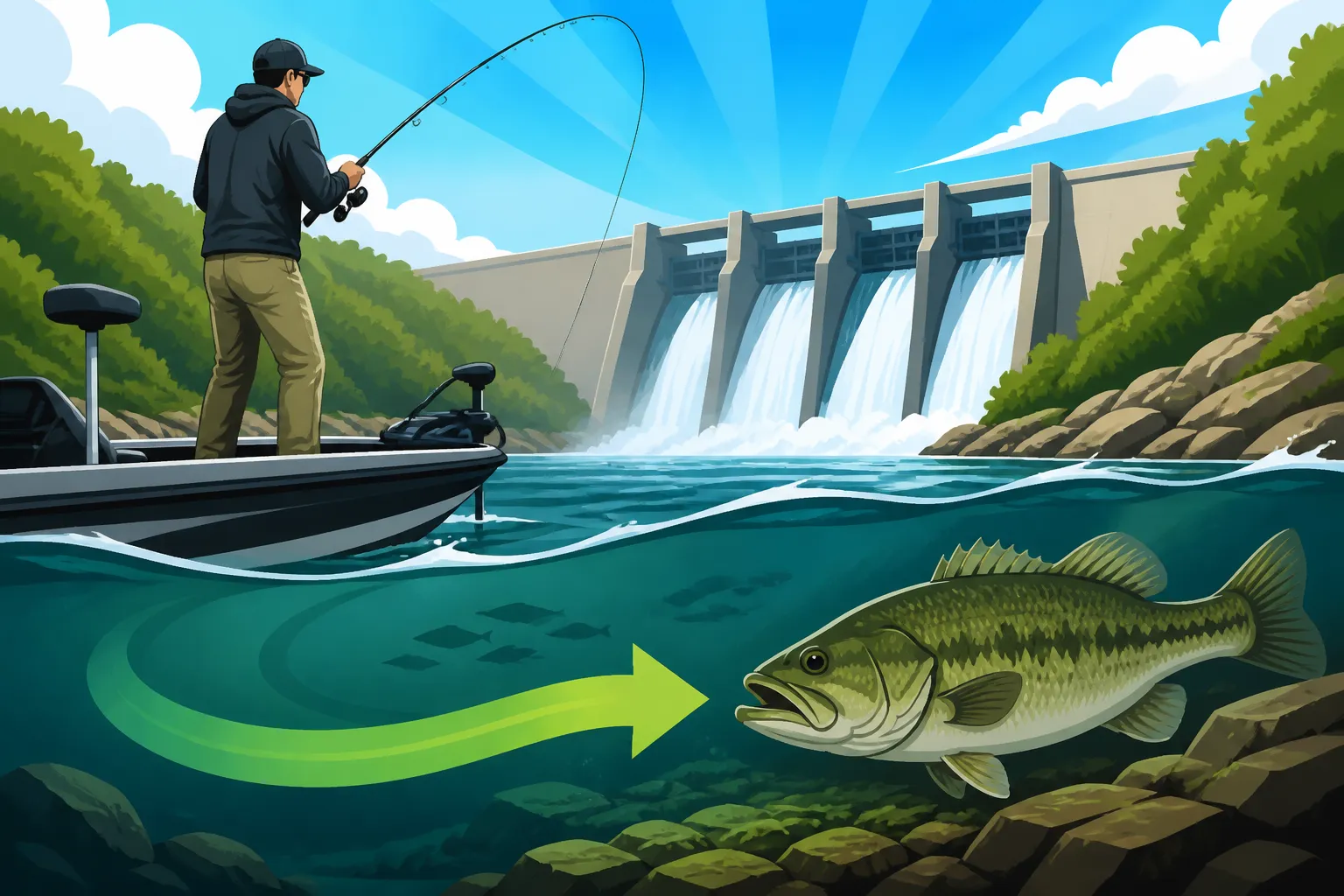
Why Guides Fish the First 11 Miles Below Bull Shoals Dam
If you've ever planned a trout fishing trip to Arkansas, particularly the famed White River, you've probably heard experienced anglers or guides talk about focusing on "the first 11 miles below Bull Shoals Dam." It can be a little confusing, making you wonder if the rest of the river isn't worth your time, or what makes that particular stretch so special. The truth is, that initial segment of the river is a unique and incredibly productive fishery, drawing both local and out-of-state anglers, and for very good reasons we'll explore in this comprehensive guide.
The Dam's Influence: Creating a Trout Paradise
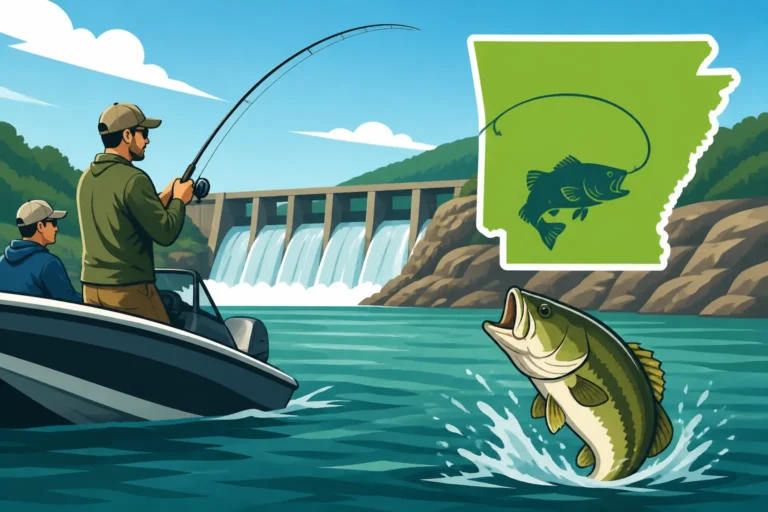
The primary reason for the incredible productivity of the first 11 miles below Bull Shoals Dam lies squarely with the dam itself. This massive structure doesn't just hold back water; it fundamentally alters the river's ecosystem immediately downstream, creating ideal conditions for cold-water species like trout. This isn't just about a good fishing spot; it's about a man-made marvel creating a unique, thriving habitat.
Cold, Oxygenated Water Releases
When water is released from the bottom of Bull Shoals Lake, it comes out consistently cold. We're talking about temperatures that are just perfect for trout, which simply cannot survive in warmer waters. This constant influx of cold water transforms the upper White River from what would naturally be a warm-water river into a vibrant, year-round cold-water fishery. Beyond temperature, the water released from the deeper sections of the lake is also rich in dissolved oxygen. Trout are incredibly sensitive to oxygen levels, and this cold, highly oxygenated water is like a luxurious spa for them, keeping them healthy and active. These consistent, cold, oxygen-rich conditions are the bedrock upon which the entire upstream trout fishery is built, making this particular stretch unparalleled.
Consistent Flow and Nutrient Delivery
The dam's releases also regulate the river's flow. While generation schedules can vary, the overall management ensures a relatively stable environment compared to a free-flowing river subject to more natural fluctuations. This consistent flow helps to scour the riverbed, keep gravel clean for spawning, and move nutrients downstream. These nutrients support a rich aquatic insect population—think caddisflies, midges, and mayflies—which form the base of the trout's diet. When the river is running, these insects are dislodged, becoming easy meals for hungry trout. Guides know these flow patterns intimately, allowing them to predict where fish will hold and feed. Understanding these subtle shifts in current and how they influence feeding behavior is a cornerstone of success on these waters, and it’s a big reason why anglers often seek out professional guidance. You can even find guides specializing in understanding these nuances on platforms like FishingBooker.
Regular Stocking Programs
While the habitat is perfect, the sheer number of trout in this section isn't solely natural. The Arkansas Game and Fish Commission (AGFC) maintains robust stocking programs, regularly releasing rainbow trout and brown trout into the White River. Many of these stocking points are located within the first several miles below the dam, ensuring a constant supply of fish. This means there's a higher density of catchable fish in this stretch compared to areas much further downstream where fish might disperse or be harvested. This makes it an incredibly reliable area for anglers, especially those seeking consistent action. For more information on the specific fish species, you can check out resources like Rainbow Trout Fishing on Arkansas's White River or Brown Trout on the White River.
Ideal Habitat and Structure for Trout
Beyond the water quality, the physical structure of the riverbed and banks in the first 11 miles provides a buffet of perfect trout habitat. It’s not just a big ditch; it's a dynamic environment with diverse features that trout love.
Diverse Depths and Current Speeds
This section of the White River isn't uniform. You'll find a fantastic mix of deep holes, shallow riffles, long runs, and swirling eddies. These varied features cater to different trout behaviors. Deep holes offer refuge from strong currents and predators, especially when water levels are high. Riffles are oxygen-rich feeding grounds where insects are dislodged. Runs provide a conveyor belt of food with moderate current, and eddies offer resting spots where trout can ambush prey with less effort. Guides specifically target these distinct features, knowing that different techniques and baits will be effective in each. This variety means that no matter the water conditions or time of day, there’s always a productive spot to be found, which makes the area a favorite for guided trips.
Abundant Rock and Gravel Beds
The riverbed here is dominated by rock and gravel, which are crucial for trout. These stable substrates provide excellent hiding spots for aquatic insects and also serve as vital spawning grounds for wild brown trout. Rainbow trout, while primarily stocked, also benefit from the insect life harbored by these bottoms. The rocks break up the current, creating seams and pockets where fish can hold without expending too much energy. This structure isn't just aesthetic; it's a functional, food-producing, and fish-holding environment that makes fishing consistently productive. Trout Fishing Below Bull Shoals Dam on the White River covers this in more detail.
Overhanging Vegetation and Submerged Cover
While the main channel is often open, the banks in many areas still provide critical cover in the form of overhanging trees, fallen logs, and submerged brush. Trout are ambush predators and also seek protection from eagles and other airborne threats. This natural cover provides perfect ambush points for feeding trout and safe havens when they feel threatened. A skilled guide will know exactly where these subtle pieces of cover are, even when submerged, and can help you present your lure or fly in just the right way to draw a strike from a wary fish hiding beneath them.
Accessibility and Reputation: Why Anglers Flock Here
It's not just the biology that makes this section popular; it's also the ease of access and the well-deserved reputation it has built over decades.
Convenient Boat Ramps and Access Points
The first 11 miles of the White River below Bull Shoals Dam boast several easily accessible public boat ramps and private access points. Areas like the Bull Shoals White River State Park launch and other spots downriver mean that guides and anglers can quickly get on the water and into prime fishing territory without long drives or complicated logistics. This accessibility is a huge draw, especially for visitors who might be on a tighter schedule. Knowing you can launch, fish productively, and be back at your lodging without losing too much travel time is a major perk. This makes booking a Half-Day White River Trout Trips in Arkansas a practical option.
Renowned for Trophy Brown Trout
This specific stretch of the White River is internationally renowned for producing enormous brown trout. The combination of cold, nutrient-rich water, abundant forage, and protective regulations has allowed brown trout to grow to truly legendary sizes. Anglers travel from all over the world with the specific goal of landing a trophy brown from this section. This reputation alone draws in a huge number of guided trips, as clients specifically seek out guides with the expertise to target these elusive giants. Stories of landing a 20-pound-plus brown trout are not uncommon here, fueling the dreams of many anglers. Learning about Trophy Brown Trout Records on the White River can give you an idea of the potential here.
| Feature | Description | Impact on Fishing |
|---|---|---|
| Cold Water | Released from deep lake bottom, consistently low temperatures. | Ideal for trout survival and activity year-round. |
| Oxygen Rich | High dissolved oxygen levels from dam release. | Keeps trout healthy, active, and eager to feed. |
| Varied Flow | Regulated by dam generation, creating different current speeds. | Allows for diverse fishing techniques and targets different holding areas. |
| Gravel/Rock Beds | Abundant, clean substrate for insects and spawning brown trout. | Rich food source, vital spawning areas, fish-holding structure. |
| Deep Pools | Provides refuge and ambush points. | Excellent for holding large trout, especially during high water. |
| Regular Stocking | Frequent releases of rainbow and brown trout by AGFC. | High density of catchable fish, consistent action. |
| Reputation | World-class fishery known for trophy brown trout. | Attracts serious anglers and fosters a strong guide industry. |
| Accessibility | Multiple boat ramps and access points. | Easy entry and exit for guided trips and independent anglers. |
Strong Guide Community and Local Knowledge
Because of its prestige, the first 11 miles of the White River support a robust community of highly experienced fishing guides. These guides spend countless hours on the water, meticulously learning every seam, every rock, and every subtle change in current. They understand the feeding patterns, the seasonal movements of the fish, and how different dam generation schedules impact fishing success. When you book a trip with an Arkansas fishing guide, particularly through services like FishingBooker, you're not just getting a boat ride; you're tapping into decades of accumulated local knowledge. This expertise is invaluable, especially for anglers who are new to the river or targeting specific trophy fish. Many guides will explain What an Arkansas Guided White River Trip Includes before you even set foot in their boat.
Beyond Trout: Other Species and Techniques
While trout are the undeniable stars of the show in the upper White River, this section offers more than just rainbow and brown trout fishing. The diversity of the habitat supports other species, and the techniques employed here can be varied, making it an exciting destination for all types of anglers.
White Bass and Other Panfish Opportunities
When the dam is generating and the current is flowing, it's not uncommon to find schools of white bass moving upriver from the main lake to feed on baitfish. These feisty fighters provide excellent action, particularly for anglers using light tackle. Additionally, bluegill and other panfish can be found in slower water sections and back eddies, offering a fun and accessible target, especially for families or beginners. While not the primary draw, these opportunities add to the overall appeal of fishing this stretch of the river.
Fly Fishing Versus Spin Fishing
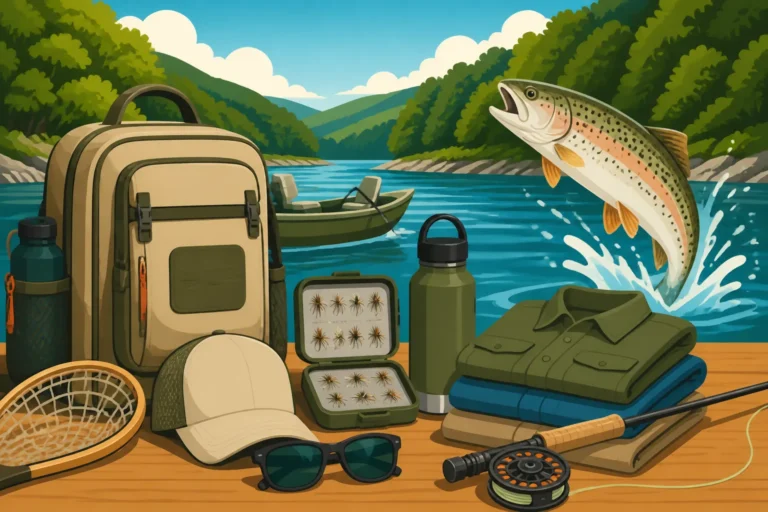
The first 11 miles are equally productive for both fly fishermen and spin fishermen, which is a major advantage. Fly anglers can cast tiny midges, nymphs, or streamers to imitate the abundant insect life, finding success through precise presentations in the varied currents. Spin fishermen, on the other hand, can effectively use small inline spinners, spoons, stick baits, and soft plastics to entice strikes from both stocked and wild trout. Many guides are proficient in both disciplines and can cater to your preferred method, or even teach you new techniques. If you're wondering which style to choose, guides can often help you decide between a Fly-Fishing vs Spin-Fishing: Which Guide Trip to Book based on your experience and goals.
The Guide's Advantage in These Productive Waters
For all the reasons above, fishing guides absolutely gravitate towards this initial stretch of the White River. They understand its intricacies better than anyone, and their presence ensures that visitors get the most out of their trip.
Maximizing Success and Experience
A great guide's job is to put you on fish, and the first 11 miles offer the highest probability of success on the White River. Guides know the best spots to fish during different water levels and generation schedules. They provide the right gear, bait, and flies, and offer invaluable instruction. For someone traveling a long distance, or for a family with limited fishing time, hiring a guide in this prime section significantly maximizes their chances of catching fish and having a memorable experience. This is especially true for those hoping to land trophy trout, which often requires specific knowledge of their habitat and feeding patterns. Don't forget to ask about What to Bring on a Guided Arkansas Fishing Trip when you book.
Navigating Regulations and Safety
The White River, especially below a major dam, can have changing conditions and specific regulations regarding trout size and daily limits. Bull Shoals Tailwater Trout Rules in Arkansas are a good example. Guides are intimately familiar with these rules, ensuring you stay compliant. Furthermore, fluctuating water levels from dam releases can create strong currents and submerged hazards. A professional guide navigates these waters safely, allowing you to focus purely on the fishing. They are equipped with all necessary safety gear and have the experience to handle unexpected situations, providing peace of mind. Remember, even with a guide, you'll still need to be aware of Arkansas Fishing License Requirements for Guided Trips. You can often find and book these experienced professionals on fishing platforms like FishingBooker.
The Best Time to Visit
While the first 11 miles are productive year-round, certain seasons offer unique advantages. Spring brings insect hatches and active fish, while fall sees larger brown trout becoming more aggressive as they prepare for the spawn. Even winter can offer excellent fishing opportunities on mild days. Guides are busy throughout the year, but understanding Best Time to Fish the White River in Arkansas for Trout can help you plan your trip for specific targets. No matter when you choose to go, this premier section of the White River will likely be a guide's primary recommendation. And when your trip is over, it's customary to consider Tipping Your Fishing Guide in Arkansas for their hard work and expertise.
Disclaimer
This article is for general informational purposes only and does not constitute professional advice. Laws, prices and regulations vary by location and change over time. Consult a qualified professional for guidance on your specific situation.