How to Fish From a Dock for Crappie
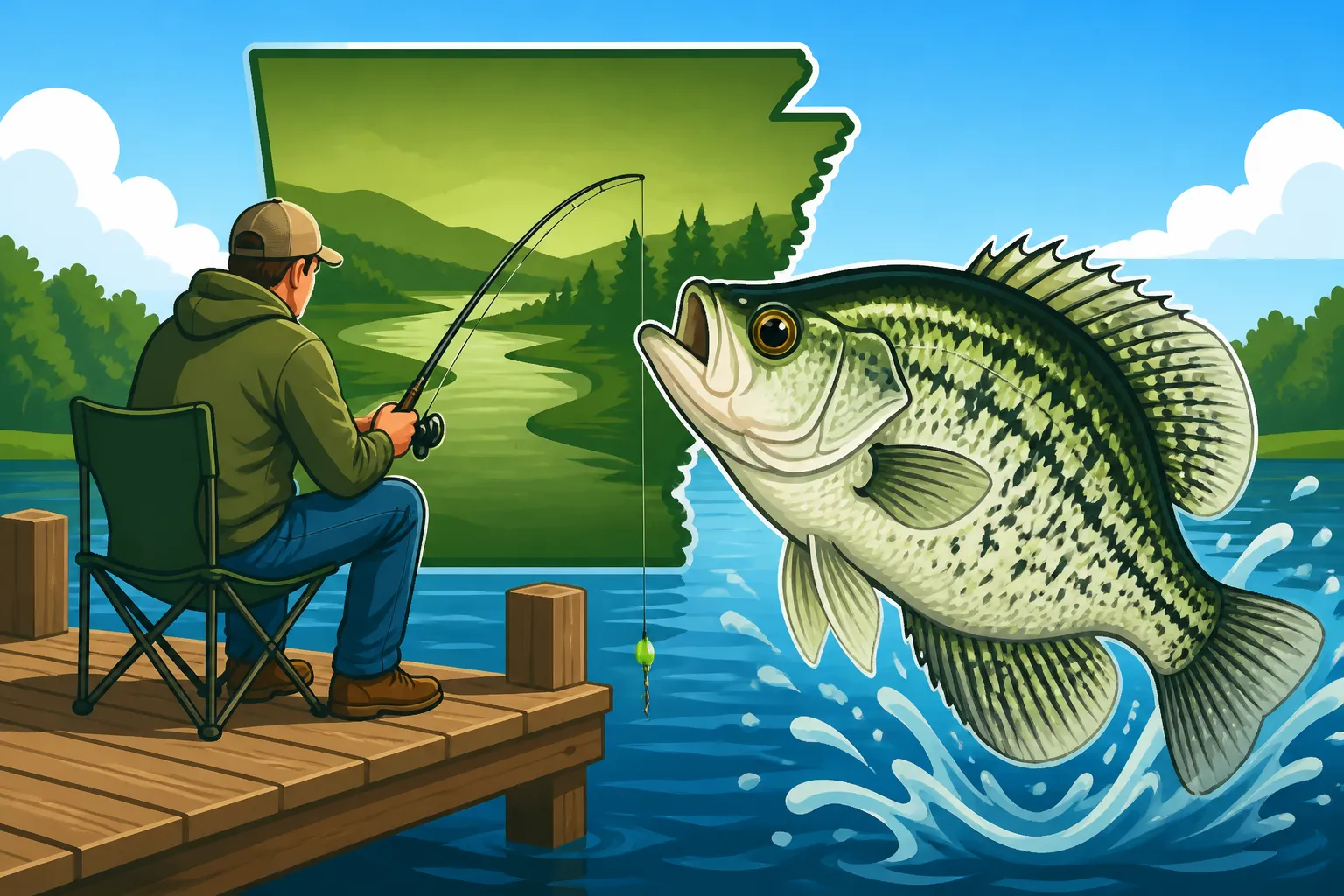
There’s nothing quite like the charm of fishing from a dock in Arkansas. It feels peaceful, accessible, and less daunting than navigating a huge lake in a boat. But let's be real, a lot of folks head out to a dock hoping to reel in some crappie, only to find themselves twiddling their thumbs. It can be incredibly frustrating to see all that inviting structure and get absolutely no bites! This guide is here to turn those silent moments into successful catches, breaking down exactly how to fish from a dock for crappie so you can enjoy consistent action and bring home a delicious meal.
Understanding Crappie Behavior Around Docks
Crappie are masters of using their environment to their advantage, and docks are often prime real estate for these speckled beauties. If you want to consistently catch them, you first need to think like a crappie.
Why Docks Attract Crappie
Docks are more than just a place for boats to tie up; they're bustling aquatic ecosystems that provide everything a crappie could want. Think of it from a crappie's perspective: where would you rather hang out – in open, exposed water, or in a cozy, shaded, food-rich apartment complex? Docks offer superb cover from aerial predators like ospreys and herons, and more importantly, they offer refuge from larger predatory fish lurking in deeper waters. The pilings, crossbeams, and associated brush piles or submerged structure underneath create fantastic ambush points. Baitfish, insects, and other small organisms love to gather around these structures, offering a consistent buffet for hungry crappie.
Beyond mere cover, docks provide critical temperature regulation. On scorching Arkansas summer days, the shade cast by a dock can be a few degrees cooler than the surrounding sun-baked water, making it a comfortable thermal refuge for crappie. Conversely, during colder months, docks, especially those extending into deeper water, can hold slightly warmer water near the bottom, drawing crappie in. Many anglers overlook the importance of shade, but it's often the number one factor drawing crappie to a dock, especially during bright daylight hours.
Seasonal Movements and Dock Fishing
Crappie don't just hang around docks year-round in the same way; their patterns shift with the seasons. Understanding these movements is key to knowing when and where to focus your dock fishing efforts.
-
Spring (Pre-Spawn and Spawn): Ah, spring! This is arguably the best time to target crappie from a dock. As water temperatures begin to rise in late winter and early spring, crappie move into shallower waters to feed aggressively in preparation for spawning. Docks, particularly those in coves or protected pockets that warm up quickly, become magnets. During the actual spawn, which can occur when water temps hit the mid-50s to low-60s, female crappie will move onto beds, often shallow areas protected by dock pilings, submerged brush, or even the dock's shadows. You might find them in just a few feet of water. This is when the fishing can be truly fantastic, as they're congregated and actively guarding nests. Remember that When Do Crappie Spawn in Arkansas is a critical piece of local knowledge for timing your trips.
-
Summer: Once the spawn is over and the heat really starts to set in, crappie generally move to deeper, cooler water. However, docks still play a role. Look for docks that extend into deeper water or those that have significant brush piles directly underneath them. The crappie will retreat to the cool, dark recesses beneath the dock or suspended over the deeper adjacent water. Night fishing around lighted docks in summer can be incredibly productive, as the lights attract baitfish, which in turn attract crappie.
-
Fall: As water temperatures begin to cool in autumn, crappie become more active again, much like in spring. They'll start to feed heavily, fattening up for winter. You'll find them moving in and out of the deeper dock areas, often suspending at various depths. They might chase baitfish more actively around the dock edges during this time.
-
Winter: Don't write off dock fishing in winter, especially during milder periods. Crappie are cold-blooded and become less active, but they still need to eat. They'll seek out the warmest available water, often the deepest parts of coves near docks, or areas where the dock provides some protection from cold winds. They'll typically hold tight to structure, requiring a slower, more subtle presentation.
Knowing these seasonal shifts helps you predict not only which docks to target but also how deep you should be presenting your bait.
Essential Gear for Dock Crappie Fishing
You don't need a boatload of fancy equipment to catch crappie from a dock, but having the right tools for the job certainly makes a difference. Let's break down the tackle that will serve you best.
Rods, Reels, and Line
When you're dock fishing for crappie, precision and sensitivity are your best friends. These aren't huge, hard-fighting fish, so ultralight gear is generally the way to go.
-
Rods: An ultralight spinning rod, anywhere from 5 to 7 feet long, is perfect. The lighter action allows you to cast those tiny jigs and baits effectively and feel even the most subtle crappie bite. Some anglers prefer short telescopic poles, often called "dock shooting" rods, which are great for getting into really tight spots under pontoons or between pilings. The shorter length gives you fantastic control in close quarters. Look for rods with a fast tip, meaning the very end of the rod bends easily, which enhances sensitivity.
-
Reels: Pair your ultralight rod with a small, lightweight spinning reel (think 500 or 1000 series). You don't need a massive line capacity or heavy drag. Smoothness is more important for effortless casting and retrieving. A good quality reel will make those light bites feel even more pronounced.
-
Line: For crappie, lighter line is generally better.
- Monofilament (Mono): A classic choice. 4 to 6-pound test monofilament offers a good balance of castability, knot strength, and a little stretch, which can act as a shock absorber during a fight. It's affordable and floats, which can be a benefit with bobber rigs.
- Fluorocarbon (Fluoro): This line is nearly invisible underwater, making it great for skittish crappie in clear water. It has less stretch than mono, giving you more sensitivity, but it's also a bit stiffer and can be more expensive. You might use a fluoro leader with braid.
- Braided Line: While 6-10 pound braid offers incredible sensitivity and no stretch, it can be highly visible. Many anglers use braid as their main line and then tie on a 4-6 pound fluorocarbon leader (around 2-4 feet long) to get the best of both worlds – sensitivity and invisibility. You can find all these line types easily on Amazon if your local tackle shop is out. The key is to use a line that allows you to feel those light crappie pecks.
Baits and Lures That Crappie Can't Resist
Crappie are opportunists, but they often prefer smaller, more subtle presentations. Having a variety of baits and lures will help you adapt to their mood.
-
Live Minnows: These are often considered the gold standard for crappie, especially when they're finicky. A small live minnow hooked lightly through the back (above the lateral line, careful not to hit the spine) or through the lips, suspended under a bobber or slowly retrieved, is incredibly effective. The natural action is hard for crappie to resist. Make sure your minnows are lively!
-
Small Jigs: Jigs are incredibly versatile and can mimic small baitfish, insects, or crustaceans.
- Hair Jigs: These classic jigs, often made with bucktail or marabou feathers, offer a subtle, pulsating action in the water. White, black, chartreuse, and pink are popular colors.
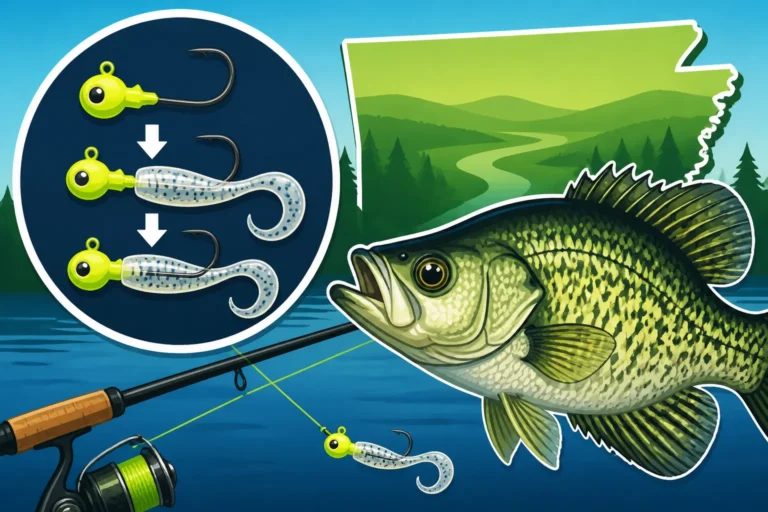
- Soft Plastics: Tiny plastic grubs, tubes, and minnow imitations are excellent. Sizes typically range from 1 to 2.5 inches. Popular colors include chartreuse, white, pink, black, and various glitter patterns. Rig them on a small jig head (1/32 to 1/16 ounce is common for dock fishing). The beauty of soft plastics is you can work them slowly, hop them, or simply let them sit. When you're learning How to Rig a Jig for Crappie Fishing, you'll find there are many ways to make these irresistible.
- Jig Heads: Match your jig head weight to the depth you're fishing and the sensitivity you need. Lighter heads (1/32 or 1/64 oz) are great for shallow water or very slow falls, while slightly heavier heads (1/16 or 1/8 oz) help you get down faster in deeper water or with more current.
-
Tiny Crankbaits: For more active crappie, especially in fall, tiny crankbaits or jerkbaits can be deadly. Look for models that dive to appropriate depths for the area you're fishing, generally 2-6 feet. Subtle actions and natural baitfish patterns often work best.
Terminal Tackle and Accessories
These small items make a big difference in your dock fishing success.
-
Hooks: When using live minnows, small Aberdeen or sickle hooks (sizes #6 to #2) are ideal. Aberdeen hooks are thin-wired, making them less likely to harm the minnow and also more likely to bend out of a snag than break your line. Sickle hooks have a unique bend that makes them great for hooking crappie in the top of the mouth, reducing swallowed hooks.
-
Weights: Split shot weights are essential for adding just enough weight to your line to get your bait down or to keep a bobber upright. Have a variety of sizes. For slip bobber rigs, a small bullet or egg sinker might be used above the swivel.
-
Bobbers:
- Fixed Bobbers: These are great for shallow water (usually 2-4 feet) where you don't need to adjust depth frequently. The red and white clip-on kind is iconic.
- Slip Bobbers: A must-have for dock fishing, especially if crappie are suspended deeper or you're fishing in varying depths. A slip bobber slides freely on your line, stopping at a bobber stop that you can adjust to any depth. This allows you to cast easily even if you're fishing 10-15 feet deep. Mastering How to Slip Bobber Fish for Crappie will open up many more dock fishing opportunities.
-
Pliers and Clippers: Small needle-nose pliers are invaluable for removing hooks, especially if a crappie swallows the bait. Line clippers (or a small pair of scissors) are a necessity for tying knots and re-tying rigs.
-
Small Net: A small, long-handled landing net can save you from losing a crappie at the dock's edge. It's often difficult to lift a lively crappie straight up out of the water, especially if it's a Crappie must be 9 inches or longer to keep in Arkansas.
-
Tackle Box/Bag: A small, organized tackle box or shoulder bag (like those often found on Amazon for anglers) keeps all your small items easily accessible. You don't want to be fumbling around when the bite is hot.
Proven Techniques for Dock Crappie Fishing
Now that you've got your gear sorted, let's talk about how to actually get those crappie to bite from a dock. It's all about presentation and getting your bait into their strike zone.
Precision Casting and Presentation
Crappie under docks can be skittish, and loud splashes or clumsy casting can send them scattering. The name of the game is stealth and accuracy.
-
Skipping Jigs: This is a fantastic technique for getting jigs far back under docks, pontoons, or boat lifts where crappie love to hide. It involves casting with a sidearm motion, almost like skipping a rock across the water. The jig bounces across the surface and glides underneath the structure. This takes practice but is incredibly effective. The key is to keep your rod tip low and create a flat trajectory.
-
Pendulum Casts (Dock Shooting): With shorter rods, you can "shoot" a jig. Hold the jig head between your thumb and forefinger, pull it back to load the rod, aim, and release both the jig and your line simultaneously. This technique is for close-quarters accuracy and getting into those tiny openings under docks that a regular cast can't reach. It's a bit like shooting an arrow, but with a jig.
-
Vertical Jigging: Often, crappie are holding tight to a specific piling or piece of brush. Instead of casting, simply drop your bait straight down beside the structure. Let it fall slowly, paying close attention to your line for any twitch or hesitation – that's often a bite. Once it hits bottom (or your desired depth), slowly lift and drop, or gently shake your rod tip to impart subtle action. This is particularly effective for How to Find Crappie in Deep Water when they are less active.
-
Stealth and Soft Landings: Regardless of the casting method, aim for a soft, quiet entry of your bait into the water. A big splash can spook fish. Think like a falling leaf, not a cannonball.
Vertical Jigging and Dropping
When crappie are holding tight to cover, sometimes the most effective method is to get right on top of them. This is especially true for docks with submerged brush piles or Christmas trees sunk beneath them.
Imagine a situation where you've spotted a dense brush pile on your sonar (if you have one, or from local knowledge) or simply suspect fish are holding close to the pilings. This is where vertical jigging shines. Instead of casting, you position yourself directly over or alongside the target structure. Drop your jig or live minnow straight down. Allow it to fall slowly, keeping a close eye on your line for any subtle movement that indicates a bite. Crappie bites can be incredibly light—sometimes it's just a slight "tick" or your line suddenly going slack when it should still be falling.
Once your bait reaches the desired depth (or the top of the brush pile), begin a subtle jigging motion. This isn't about wild, erratic movements. Think small, gentle lifts and drops, perhaps a slight quiver of the rod tip. The goal is to make your bait look like an easy, injured meal. If you're using a sensitive rod, like the Best Rod Setup for Crappie Jigging might suggest, you'll be able to feel these light bites much more easily. Don't be afraid to pause your jig for several seconds; sometimes, a suspended crappie will only commit to a bait that's holding perfectly still.
Slip Bobber Rigs for Depth Control
When crappie are suspended at a specific depth, but not necessarily glued to the bottom, a slip bobber rig is your secret weapon. It offers unparalleled depth control and allows for easy casting.
Here's how to set one up:
- Bobber Stop: Start by sliding a small bobber stop onto your main line. This little piece of string or rubber is adjustable and will determine how deep your bait goes.
- Bead: Next, slide a small bead onto the line. This prevents the bobber stop from pulling through the bobber.
- Slip Bobber: Thread your main line through the eye of the slip bobber. Unlike fixed bobbers, a slip bobber has a hole or eye that your line runs through freely.
- Weight (Optional): If you need extra weight to cast or get your bait down faster, add a small split shot or tiny bullet sinker above your swivel or directly above your hook.
- Swivel & Leader: Tie your main line (or leader if you're using braided main line) to one eye of a small barrel swivel. To the other eye, tie a 12-18 inch fluorocarbon leader.
- Hook/Jig: Finally, tie your hook (for minnows) or jig head to the end of the leader.
The beauty of this setup is that when you cast, the weight of your bait and any added sinker pulls the line through the bobber until it hits the bobber stop. This means you can fish 10, 15, or even 20 feet deep without having to cast a bulky, awkward fixed bobber rig of that length. Experiment with your bobber stop to find the precise depth where the crappie are biting. If you catch one at 8 feet, set your bobber stop for 8 feet, and you're in the zone. This is key when crappie are suspended mid-water column, which they often are under docks. This technique, when employed correctly, is incredibly effective for How to Slip Bobber Fish for Crappie.
Reading the Water and Maximizing Your Catch
Catching crappie from a dock isn't just about the right gear and techniques; it's also about understanding the environment and adapting to it.
Identifying Prime Docks and Structures
Not all docks are created equal. Some docks are crappie magnets, while others are barren. Learning to identify the "prime real estate" will drastically improve your success.
- Shade is King: Always prioritize docks that offer significant shade, especially on sunny days. The deeper and darker the shade, the better. This is why docks with solid roofs or those that extend far over the water are often more productive.
- Submerged Structure: The very best docks usually have something under them. Anglers often sink brush piles, old Christmas trees, or other natural or artificial habitat directly beneath their docks. These provide incredible cover for both crappie and their baitfish. If you can visually confirm or know a dock has such structure, it’s a high-probability spot.
- Depth and Access to Deep Water: Look for docks that extend into or are adjacent to deeper water. Crappie will use the shallow cover of the dock but will retreat to deeper water when spooked or during harsh weather. Docks near channel swings, points, or sudden drops are often more productive because they offer easy access to different depths.
- Less Traffic: Docks with constant boat traffic, swimmers, or noisy activity tend to spook crappie. Seek out quieter docks, especially during peak fishing times.
- Lights for Night Fishing: Docks with underwater lights that attract baitfish at night are phenomenal. The baitfish gather, and the crappie follow for an easy meal. This can be one of the Best Time to Catch Crappie in Arkansas.
Before you even make a cast, take a few minutes to observe the dock and its surroundings. Look for signs of baitfish, watch the water for any surface activity, and scan for obvious cover.
Timing and Conditions
Crappie, like most fish, are creatures of habit influenced by light, weather, and water conditions.
- Low Light Conditions: Dawn and dusk are often the most productive times for dock fishing. The lower light levels make crappie feel safer to roam and feed. On cloudy days, this feeding window can extend throughout the day.
- Cloudy Days: Overcast skies are a crappie angler's friend. Without direct sunlight penetrating the water, crappie are less likely to be buried deep in cover and are more willing to suspend and feed.
- Stable Weather: While sudden cold fronts can shut down the bite, stable weather patterns, even if it's hot or cold, are generally better than rapidly changing conditions.
- Water Temperature: As discussed earlier, water temperature dictates crappie's seasonal movements. Pay attention to how warm or cold the water is; this will inform where you expect them to be holding around the dock and at what depth.
- Night Fishing: As mentioned, night fishing under lighted docks can be incredibly effective. The lights attract zooplankton, which attracts baitfish, which then attract crappie. Use small, dark-colored jigs or live minnows under a slip bobber, presenting them just outside the brightest halo of light.
Don't be afraid to fish in the rain, either! A gentle, steady rain can often trigger a crappie bite, as it breaks up the surface tension and washes insects and other food into the water.
Patience and Experimentation
This might sound like a cliché, but it's absolutely crucial for dock fishing success. Crappie can be incredibly finicky, and what worked yesterday might not work today.
- Vary Your Depth: If you're not getting bites, the first thing to change is your depth. Crappie often suspend at very specific levels. Start shallow and gradually work deeper, or vice-versa, until you find their strike zone. A slip bobber makes this infinitely easier.
- Change Baits/Lures: If depth isn't the issue, try switching up your bait or lure. Go from a live minnow to a small jig, or change the color of your jig. Sometimes, a subtle change from a chartreuse jig to a white one is all it takes. Best Live Bait for Crappie Fishing and What Colors Work Best for Crappie Jigs in Arkansas are great resources to consult.
- Alter Your Retrieve: Are you jigging too fast or too slow? Are you pausing enough? Experiment with different speeds and actions. Sometimes a dead-sticked minnow is all they want, other times a slow, rhythmic lift-and-drop is key.
- Move Around: Don't get stuck on one dock if it's not producing. There are many Best Fishing Spots in Arkansas, and if the crappie aren't at one dock, they might be at another just down the shore. Try different docks, different sides of the same dock, or even different sections under the same dock.
Remember, fishing is often a puzzle, and crappie are particularly good at hiding the pieces. Be patient, observe, experiment, and eventually, you'll crack the code. And when you do, it feels incredibly rewarding.
Here's a quick comparison of popular dock crappie fishing techniques:
| Technique | Best For | Advantages | Disadvantages | Recommended Gear |
|---|---|---|---|---|
| Vertical Jigging | Crappie holding tight to structure (pilings, brush piles) or suspended at specific depths. | Precision; excellent for feeling subtle bites; stealthy. | Limited coverage; requires fish to be directly under or very close to you. | Ultralight rod, small spinning reel, 4-6 lb line, 1/32-1/16 oz jig heads, small soft plastic grubs/tubes. |
| Slip Bobber Rig | Crappie suspended at various depths, especially when wind or current makes vertical jigging difficult. | Excellent depth control; easy to cast; visual bite detection. | Can be slower to adjust depths quickly; requires bobber stop and bead. | Ultralight rod, small spinning reel, 4-6 lb line, slip bobber, bobber stop, small split shot, small hooks for minnows or light jigs. |
| Dock Skipping | Getting jigs far under low-lying docks, pontoons, and boat lifts. | Reaches otherwise inaccessible areas; covers more horizontal distance under docks. | Requires practice to master; not ideal for heavy baits. | Short, fast-action ultralight rod, small spinning reel, 6-10 lb braid with fluoro leader, 1/32-1/16 oz jig heads, small soft plastics. |
| Live Minnow | Finicky crappie, periods of low activity, or when mimicking natural prey. | Highly effective; natural movement is irresistible. | Requires live bait well/bucket; minnows can be delicate to rig. | Any of the above setups, small Aberdeen or sickle hooks (#6-#2). |
With a little practice and attention to these details, you'll be well on your way to becoming a dock crappie fishing pro in Arkansas. Don't forget to check Statewide crappie daily limit is 20 fish in most Arkansas waters before you go! Tight lines!
Disclaimer
This article is for general informational purposes only and does not constitute professional advice. Laws, prices and regulations vary by location and change over time. Consult a qualified professional for guidance on your specific situation.