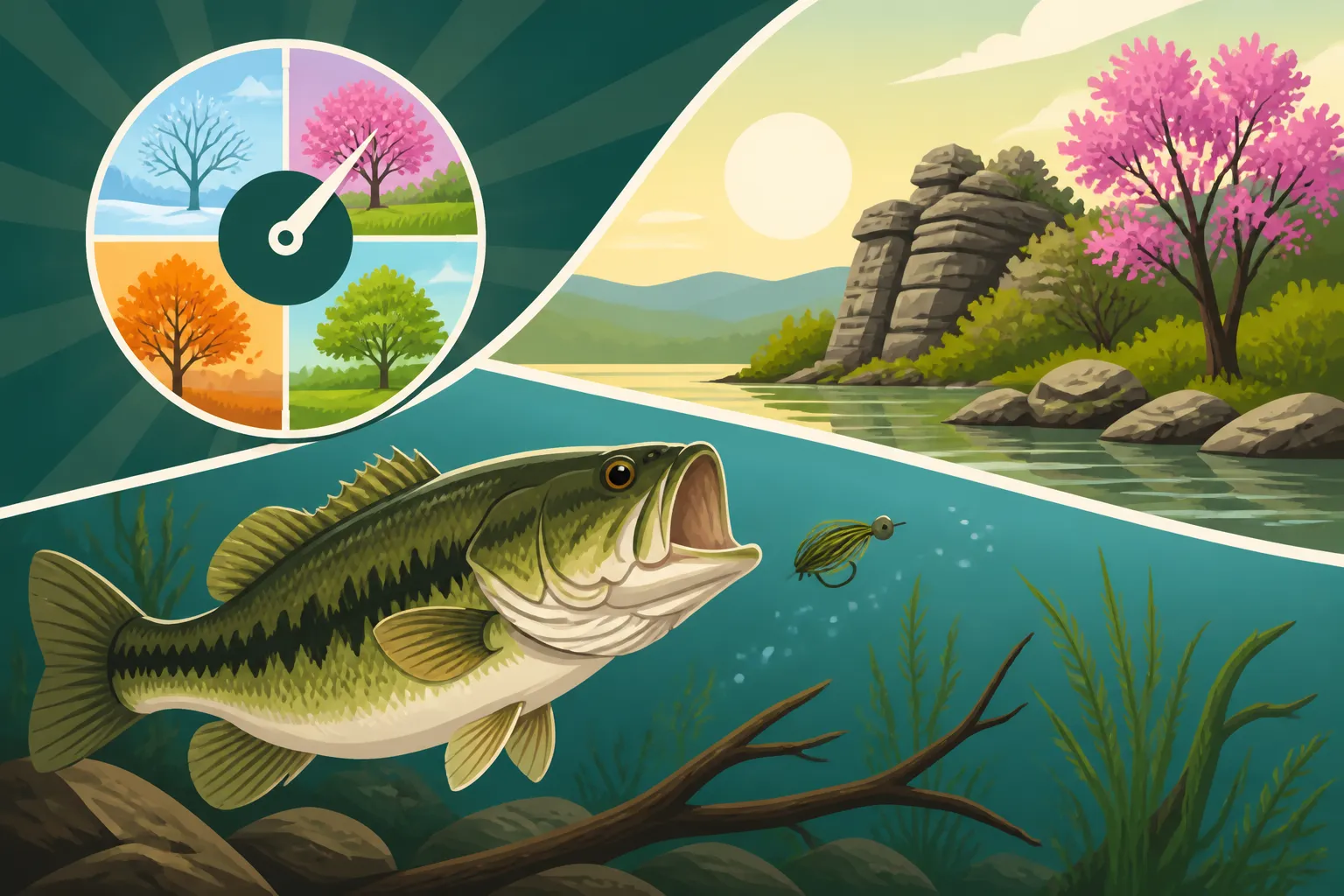
Best Time for Pre-Spawn Bass Fishing in Arkansas
There's nothing quite as frustrating as hitting the lake for some bass fishing, only to realize you've completely missed the prime feeding window. Anglers often struggle to time their trips perfectly, especially during those crucial periods leading up to the bass spawn when fish behavior can change rapidly. This comprehensive guide is designed to cut through the guesswork, helping you pinpoint the absolute best time for pre-spawn bass fishing in Arkansas, giving you the best chance at a successful and memorable day on the water.
Understanding the Pre-Spawn Period in Arkansas
The pre-spawn period is arguably one of the most exciting times to target bass in Arkansas. This is when the fish are actively feeding, bulking up, and moving towards shallower waters in preparation for their annual spawning ritual. However, it's a dynamic phase, heavily influenced by environmental factors that can vary from one lake to another, and even from one end of a lake to the other.
The Biological Imperative of Pre-Spawn Bass
Think of pre-spawn bass as athletes preparing for a marathon. Spawning is an incredibly energy-intensive process for both male and female bass. Females need to develop and carry thousands of eggs, and males need to clear and guard nests. All this requires a tremendous amount of fuel. This biological drive means that before they commit to the actual act of spawning, bass go on a feeding frenzy. They're trying to pack on as much weight and energy as possible, making them highly aggressive and often less picky about what they eat.
This intense feeding behavior is why many anglers consider the pre-spawn to be the best time to catch large, heavy bass. The fish are often at their peak weight for the year. They're driven by instinct to consume, and if you can present the right bait in the right place, you're in for some serious action. This is the window when many trophy fish are caught, as they throw caution to the wind in their quest for sustenance.
Key Environmental Triggers
The most critical environmental trigger for pre-spawn bass activity in Arkansas is undoubtedly water temperature. As the long, cold winter begins to recede and spring approaches, the sun's angle changes, and daylight hours increase, slowly warming the shallow areas of our lakes and rivers. This gradual warming acts as a signal to the bass that it's time to start thinking about reproduction.
Beyond temperature, factors like rainfall, lake levels, and even atmospheric pressure play a role. A stable period of warmer weather, with consistent water temperatures, usually kicks off strong pre-spawn activity. Conversely, a sudden cold front can halt bass movement and feeding, pushing them back to deeper cover until conditions stabilize again. Understanding these nuances is key to timing your fishing trips effectively.
Regional Variations Across Arkansas
Arkansas is a state with diverse aquatic environments, from the deep, clear reservoirs of the Ozarks like Beaver Lake and Norfork Lake, to the fertile, timber-filled lakes of the Delta region like Lake Conway. The timing of the pre-spawn period can differ significantly depending on where you're fishing. Generally, the shallower, warmer lakes in the southern and eastern parts of the state will see bass enter the pre-spawn phase earlier than the deeper, cooler waters of the northern highlands.
For example, anglers fishing Lake Monticello or Lake Conway might see strong pre-spawn activity as early as late February or early March, while those on Bull Shoals Lake or Greers Ferry Lake might not experience it until mid to late March, or even early April. Always check local conditions and recent fishing reports for the specific body of water you plan to fish. Local bait shops are goldmines of information for current water temperatures and bass activity.
Pinpointing the Best Time to Fish Pre-Spawn
To truly hit the sweet spot for pre-spawn bass, you need to become a bit of a detective, observing and reacting to the subtle cues that nature provides. It's not just about a calendar date; it's about understanding the progression of conditions that leads to peak activity.
Ideal Water Temperatures
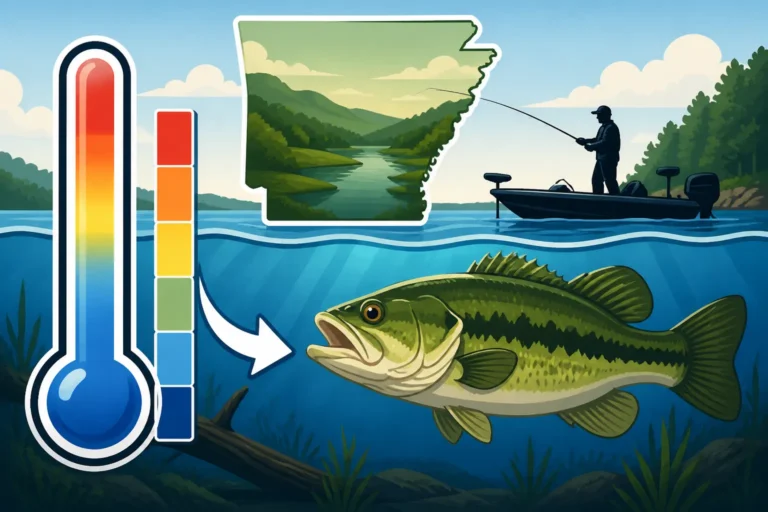
The absolute sweet spot for pre-spawn bass in Arkansas typically falls when water temperatures range from about 48 to 58 degrees Fahrenheit. At the lower end of this range, bass are just starting to emerge from their deeper winter haunts, moving towards points, humps, and channel swings. They're still a bit sluggish, but they're starting to feed more aggressively. As the water creeps up towards the mid-50s, this is when the feeding really ramps up.
When the water hits the 55-58 degree mark, you'll find bass actively "staging" – gathering in significant numbers in areas adjacent to their eventual spawning grounds. These staging areas are often hard-bottomed flats, secondary points, or even standing timber in depths of 5 to 15 feet. This is a critical window because the fish are concentrated and hungry. Once the water consistently reaches the low 60s, many bass will begin to move onto their beds, signaling the start of the spawn, and a shift in their behavior and preferred baits. For more on this transition, you might want to read our guide on when Do Bass Spawn in Arkansas Reservoirs.
Weather Patterns and Their Influence
Stable weather is your best friend during the pre-spawn. A few consecutive days of warm, sunny weather, especially with overnight lows that don't plummet, will steadily raise water temperatures and encourage bass to move shallower and feed. Conversely, a strong cold front can be a real buzzkill. A sudden drop in air temperature, especially after a warm spell, can send bass scattering back to deeper, more stable water, and they might become much more lethargic.
Fishing immediately after a cold front can be tough, but not impossible. You'll often need to slow down your presentation considerably and target deeper cover. Conversely, a warming trend following a cold snap can be fantastic, as bass will often return to their staging areas with renewed vigor. Pay close attention to the forecast leading up to your trip, and be prepared to adjust your tactics based on the weather. Overcast days, in particular, can be excellent, as they often keep bass shallower for longer throughout the day.
Scouting and Observation
The most effective way to determine the best time for pre-spawn fishing isn't just checking a weather app; it's active scouting. Before your main fishing trip, consider making a shorter excursion just to observe. Look for signs of activity. Are baitfish schooling in shallower coves? Are there any visible signs of bass, like splashes or boils? Use your electronics to scan for fish on points and humps. A good fish finder can show you congregations of fish that indicate staging.
Pay attention to water clarity. Clearer water often means bass are more wary, requiring subtle presentations, while stained water can allow for more aggressive tactics. Look for areas with a mix of shallow and deep water access, as bass will use these transition zones to move up and down with fluctuating temperatures and light conditions. Spots with stumps, rock piles, or submerged brush are often magnets for staging bass. Even a quick reconnaissance trip can give you invaluable intel.
Essential Techniques and Baits for Pre-Spawn Success
Once you've identified the optimal timing and locations, the next step is to present the bass with irresistible offerings. Pre-spawn bass are often looking for a substantial meal, but they can still be particular about the presentation, especially in cooler water.
Lures That Mimic Forage
When bass are in full-on feeding mode during the pre-spawn, they are often keying in on larger baitfish. This is where lures that realistically mimic shad, shiners, or other forage excel. Jerkbaits are absolute killers during this period, especially when the water is still on the cooler side (48-55 degrees). A long pause after a series of twitches can often trigger a strike from a hesitant bass. Brands like the Rapala X-Rap or Megabass Vision 110 are popular choices among Arkansas anglers.
Crankbaits, particularly medium-diving models that can reach those 8-15 foot staging depths, are also incredibly effective. Choose colors that match the local forage or stand out in stained water, like chartreuse or fire tiger. A good selection of crankbaits from a reputable brand like Strike King, available on Amazon, can make a huge difference. Don't forget swimbaits, both hard-bodied and soft-plastic versions. These larger profiles offer a substantial meal and can entice bigger bass that are looking for an easy, high-calorie snack. Remember, these fish are trying to load up on calories.
Slow-Moving Baits for Cooler Waters
While aggressive reaction baits are great, sometimes bass in cooler pre-spawn water need a slower, more deliberate presentation. This is where jigs shine. A football jig or a stand-up jig in black and blue, green pumpkin, or brown, tipped with a craw trailer, is a classic big-bass bait. Work it slowly along points, humps, and ledges where bass are staging. The subtle presentation often coaxes strikes from finicky fish. Learning how to fish a jig for bass is a fundamental skill for any serious angler.
Spinnerbaits and chatterbaits are also excellent choices, especially when bass are a bit more active or the water has some stain to it. The flash and vibration can draw strikes from a distance. Vary your retrieve speed – sometimes a slow-roll is all it takes, other times a quicker, more erratic retrieve can trigger a reaction. Don't be afraid to experiment with blade combinations and skirt colors to see what the bass prefer on a given day. These baits cover water efficiently, helping you locate those active pre-spawn fish.
| Water Temperature Range | Bass Activity Level | Recommended Bait Types |
|---|---|---|
| 40-47°F | Winter Holds, Sparse | Jigs, Deep Suspending Jerkbaits, Small Plastics (slow) |
| 48-54°F | Early Pre-Spawn, Hungry | Jerkbaits, Lipless Crankbaits, Jig & Trailer, Spinnerbaits |
| 55-58°F | Peak Pre-Spawn, Aggressive | Medium Diving Crankbaits, Swimbaits, Chatterbaits, Jigs |
| 59-62°F | Late Pre-Spawn / Early Spawn | Wacky Worms, Soft Stickbaits, Topwaters (if warm) |
Targeting Staging Areas and Transition Zones
The key to consistently catching pre-spawn bass is understanding where they'll be. They aren't on their beds yet, and they've left their deep winter haunts. They're in between, in what we call "staging areas." These are typically deeper flats, channel swings, and points adjacent to known spawning coves and creeks. Look for structure – rock piles, stumps, submerged brush, or even old roadbeds – in these areas. Bass will often position themselves on these structures.
They also use "transition zones," which are areas where shallow water quickly drops off into deeper water. These allow bass to move up to feed when conditions are favorable and quickly retreat to deeper, more stable water if a cold front pushes through. Targeting these migration routes with your chosen baits is crucial. For instance, on a lake like Lake Ouachita, you might find bass staging on the main lake points that lead into a creek arm, ready to move in when the time is right. Similarly, understanding the dynamics of Bull Shoals Lake Fishing Guide for Bass and Crappie often involves finding these transitional pathways.
Maximizing Your Pre-Spawn Bass Fishing Trip
Beyond just knowing when and where to go, there are other critical elements to ensure your pre-spawn trip in Arkansas is as successful as possible. It's about preparedness, strategy, and responsible angling.
Equipment Considerations
Having the right gear for pre-spawn bass fishing is non-negotiable. Because you'll be throwing a variety of baits, from heavy jigs to treble-hooked jerkbaits and crankbaits, a versatile rod and reel setup is important. A medium-heavy casting rod, around 7 feet long, with a fast action tip, is a great all-around choice. Pair this with a baitcasting reel with a decent gear ratio (around 7.1:1) for quick retrieves and taking up slack.
Line choice is also crucial. For crankbaits and jerkbaits, many anglers prefer fluorocarbon lines for their low stretch and sensitivity, which helps with feeling subtle bites and getting good hook sets. Fluorocarbon also sinks, which can help your crankbaits dive deeper. For jigs and spinnerbaits in heavier cover, a braided line might be preferred for its strength and abrasion resistance. Make sure your tackle box is well-stocked with a variety of the baits discussed, and consider having a few extra spools of line on hand, which you can easily find on Amazon, just in case. Don't forget a good pair of pliers and line cutters.
Planning Your Day on the Water
Pre-spawn bass can often be more active during certain times of the day, particularly as the water warms up. Mid-morning to late afternoon, after the sun has had a chance to warm the shallower waters and staging areas, can be incredibly productive. However, stable conditions can also lead to good bites throughout the day. If you're planning a multi-day trip, understanding How Arkansas's New Possession Limit Rules Affect Multi-Day Trips is also important for compliance.
Always check the weather forecast carefully for wind direction and speed. Wind can often position baitfish, and consequently bass, on certain banks or points. A moderate chop on the water can also make bass less wary. Be prepared for changing conditions – bring layers of clothing, rain gear, and plenty of hydration. Consider a fishing map or GPS unit for efficient navigation and marking productive spots. For detailed regional advice, checking out something like the Best Bass Fishing Spots on Lake Ouachita, Arkansas can help focus your planning.
Respecting the Fish and Their Habitat
While pre-spawn bass are often robust and healthy, it's still vital to practice responsible angling. These fish are preparing for the crucial act of reproduction, which ensures future generations of bass. If you're catching a lot of fish, consider practicing catch and release, especially for the larger females that carry the most eggs. Handle fish gently, minimizing their time out of the water, and ensure they are revived before release.
Familiarize yourself with Arkansas Fish Size and Daily Limits for bass, as specific regulations might apply depending on the body of water. For instance, some lakes might have slot limits that require you to release fish within a certain size range. By being a responsible angler, you're contributing to the health and sustainability of Arkansas's incredible bass fisheries, ensuring great fishing for years to come.
Disclaimer
Fishing conditions and regulations in Arkansas can change. Always consult the latest official Arkansas Game and Fish Commission (AGFC) regulations before heading out. This guide is for informational purposes only and should not replace official sources.