Crappie and Bream Fishing at Arkansas’s Corps of Engineers Lakes
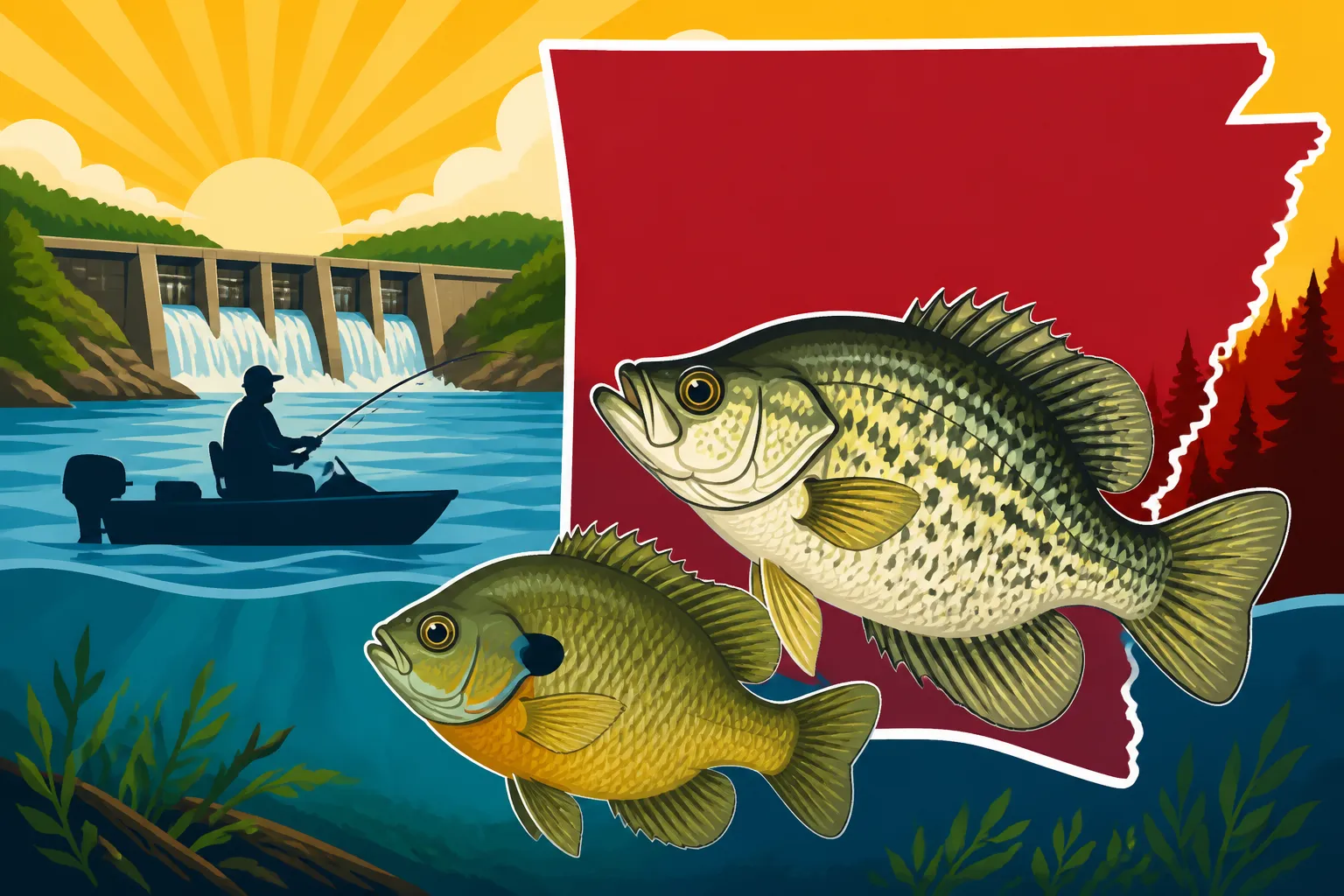
There’s nothing quite like the feeling of a feisty crappie tugging on your line or the steady thrum of a chunky bream putting up a surprisingly good fight. For many anglers in Arkansas, chasing these prolific panfish is a beloved pastime, offering a rewarding experience that’s often more accessible and consistently productive than hunting for elusive trophy bass. However, fishing Arkansas's abundant Corps of Engineers (COE) lakes for crappie and bream can present its own unique set of challenges, from fluctuating water levels to vast timber fields. This guide is here to walk you through everything you need to know to successfully target these delicious fish in the state's magnificent COE reservoirs, making your next trip a truly memorable one.
Understanding Corps of Engineers Lakes in Arkansas
Arkansas is blessed with a multitude of stunning lakes, many of which were created and are managed by the U.S. Army Corps of Engineers. These aren't just pretty places; they're vital ecosystems and incredible fishing destinations. But what exactly sets a COE lake apart, and why are they such a hotbed for crappie and bream?
What are COE Lakes and Their Characteristics?
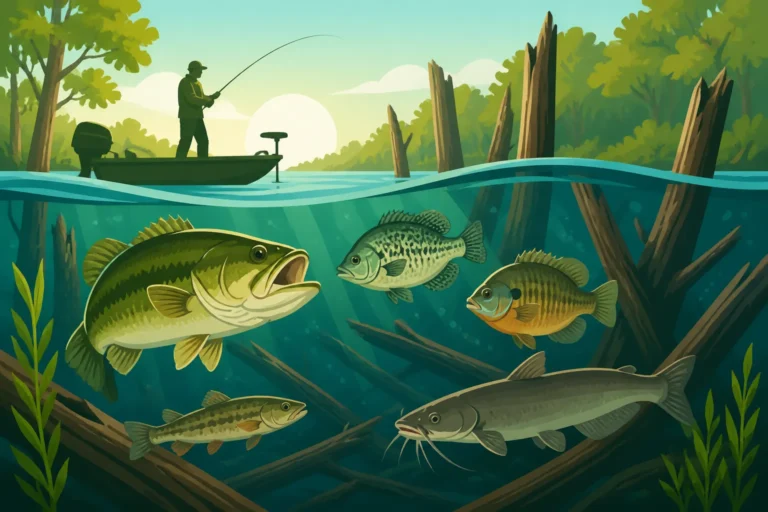
Corps of Engineers lakes, like the sprawling Lake Ouachita or the clear waters of Greers Ferry Lake, are typically massive impoundments built primarily for flood control, hydropower generation, and recreation. This means they often have dramatic fluctuations in water levels, which can profoundly impact fishing. They are generally deeper and clearer than many natural river-fed lakes, boasting expansive open water areas alongside complex, submerged timber structures. When these reservoirs were first created, vast tracts of timber were left standing, and over decades, these submerged forests have become incredible artificial reefs, providing shelter and feeding grounds for panfish. Think of them as underwater cities, each snag and sunken tree offering a home.
These lakes often have very defined channels, long arms, and numerous coves, bays, and points that offer diverse habitats. The shoreline can range from steep, rocky bluffs to gently sloping, timber-laden flats. Understanding these characteristics is the first step in successful panfishing. The clearer water, for instance, means fish might be spookier and more prone to seeking deeper cover during bright days.
Why COE Lakes are Prime for Panfish
The very features that define COE lakes—their immense size, deep structure, and especially their abundant submerged timber—make them absolutely phenomenal for crappie and bream. Crappie, whether it's the black crappie or white crappie, are notorious structure-lovers. They thrive in the labyrinthine underwater forests, using the vertical cover of standing timber and the horizontal protection of fallen logs to ambush baitfish and escape predators. The sheer volume of such habitat in these lakes means crappie populations can be incredibly healthy.
Bream, which includes species like bluegill, redear sunfish, and green sunfish, also gravitate towards structure but often prefer shallower, softer bottom areas for spawning and feeding. The numerous coves and shallow flats found throughout COE lakes, especially those with some weed growth or submerged brush, create ideal bedding areas for these panfish. The food chain is rich, with abundant insect larvae, small crustaceans, and forage fish sustaining robust populations of both crappie and bream.
Common Challenges and How to Overcome Them
While COE lakes offer fantastic fishing, they come with their own set of challenges. One of the biggest is the unpredictable water level. A sudden drop or rise can scatter fish, pushing them off their usual haunts or pulling them into new, unfamiliar cover. Anglers often express frustration trying to locate fish after a significant water fluctuation. The key here is adaptability: be prepared to adjust your depths and target new areas. If water drops, fish might pull out to deeper edges of cover. If it rises, they might move into freshly flooded vegetation.
Another challenge is the sheer size and often clear water. These lakes can feel overwhelming, especially for those accustomed to smaller, shallower impoundments. Finding productive spots often requires good electronics and patience. Boat traffic, particularly on weekends, can also be a factor, especially in popular areas. This means early mornings or weekdays can offer a more peaceful and productive experience. Finally, the extensive submerged timber, while a blessing for fish, can be a curse for anglers, leading to many snagged lines and lost lures. Carrying a good lure retriever or stocking up on affordable jigs can ease this frustration.
Crappie Fishing Strategies for COE Lakes
Crappie are arguably one of the most sought-after panfish in Arkansas, and for good reason—they're plentiful, fun to catch, and delicious. Successfully targeting them in COE lakes means understanding their seasonal movements and adapting your techniques accordingly.
Seasonal Patterns for Crappie
Crappie in COE lakes follow distinct patterns throughout the year, largely dictated by water temperature and their spawning cycle. In spring, as water temperatures rise into the low 60s, crappie move from their deep winter haunts to shallow spawning grounds. This is when they become most accessible, congregating around submerged brush, timber, and even visible structure like docks in coves and pockets. This pre-spawn and spawn period is often considered the peak time for crappie fishing. Many anglers hit the water, especially in lakes like Lake Ouachita: Arkansas's Largest Lake for Bass and Crappie Fishing.
During summer, crappie retreat to deeper, cooler water, often suspending over deep timber or congregating around structure in the main lake or larger creek arms. They might be found near thermoclines, which are layers of water where the temperature changes rapidly. This can be a more challenging time, requiring good electronics to locate schools of fish. As fall arrives and water temperatures begin to cool, crappie become more active again, moving shallower to feed aggressively on baitfish before winter sets in. They'll often be found transitioning between deep and shallow cover. In winter, crappie will school up tightly in deep channels, often relating to the deepest standing timber or creek channel bends, where they can be caught by vertical jigging.
Effective Baits and Lures for Crappie
When it comes to enticing crappie in COE lakes, a few tried-and-true options consistently deliver. Live minnows are a perennial favorite, often fished under a slip bobber or tight-lined directly into submerged timber. The natural movement of a minnow is hard for a crappie to resist. You can find robust minnow buckets and aerators on platforms like Amazon to keep your bait lively throughout the day.
Small jigs are also incredibly effective. Soft plastic grubs, tubes, and tiny swimbaits in colors like chartreuse, white, or various shades of green and blue are excellent choices. Sizes typically range from 1/32 to 1/8 ounce, depending on depth and current. When fishing stained water, brighter colors tend to stand out more. For clearer waters, more natural hues might be better. Some anglers swear by hair jigs, especially for their subtle action. Pairing these jigs with a sensitive ultralight rod is key to feeling those light crappie bites. Consider checking out "How to Rig a Jig for Crappie Fishing" for some great setup tips.
Techniques for Targeting Crappie
There are several highly effective techniques for catching crappie in COE lakes, each suited to different conditions and seasonal patterns.
- Vertical Jigging: This is perhaps the most popular method, especially when crappie are holding tight to vertical structure like standing timber or brush piles. You simply drop your jig or minnow straight down into the cover, watching your fish finder to see the depth where the fish are holding. Gently lift and drop the rod tip, imparting a subtle action to the bait. This method is incredibly precise and allows you to target individual fish or tight schools.
- Trolling: When crappie are scattered or suspended in open water, slow trolling with multiple rods can be very productive. Anglers often use multiple jigs or jig-and-minnow combinations at different depths, covering a wide area until they find a school. This is particularly effective during the warmer months when crappie are less concentrated on structure.
- Casting: During the spring spawn, casting small jigs or spinnerbaits into shallow coves, around docks, or near visible brush is a fantastic way to catch active crappie. A gentle retrieve with pauses can often trigger a strike. For those exploring Crappie Fishing at Arkansas's White River National Wildlife Refuge, casting into flooded timber can also be highly productive.
- Spider Rigging: This involves using multiple long rods extended out from the boat, often with two jigs or baits on each line, creating a "spider web" of lines. It allows an angler to present baits at various depths and distances simultaneously, covering a wide area, especially when drifting slowly or using a trolling motor. This technique is popular for finding scattered crappie in deeper water.
Bream Fishing Strategies for COE Lakes
While crappie often get the spotlight, bream (a collective term for various sunfish like bluegill, redear, and green sunfish) offer incredible sport and are often even more accessible, making them perfect for family outings or beginners. COE lakes are absolutely teeming with them.
Seasonal Patterns for Bream
Bream also exhibit predictable seasonal movements, although they tend to stay shallower than crappie for much of the year. Spring is prime time for bream fishing, particularly when they move to shallow, hard-bottomed areas to build their characteristic "beds" for spawning. These beds are often depressions in the bottom, clustered together, and can be found in coves, along gentle sloping banks, and around submerged vegetation. The water temperature for peak bream spawning is typically in the upper 60s to low 70s.
Throughout summer, bream remain active and can be found in a variety of cover types, from shaded areas under docks and trees to submerged brush piles and weed beds. They will retreat to slightly deeper water during the hottest parts of the day but often remain accessible to bank anglers. In fall, as water cools, bream feed aggressively, preparing for winter. They'll often be found near the edges of weed beds or around transition areas between shallow and deeper water. Winter fishing for bream is generally slower, as they become less active and move to deeper holes or channels, but they can still be caught with patience and the right bait.
Top Baits and Rigs for Bream
Bream are not picky eaters, which is one of their charms! Live bait reigns supreme for these hungry panfish. Earthworms (especially red wigglers), crickets, and even small grasshoppers are irresistible to them. You can often find worms and crickets at local bait shops or even through online retailers like Amazon.
For artificials, tiny jigs (1/64 to 1/8 ounce) tipped with a small plastic grub or tube work wonders, particularly for bluegill and green sunfish. Fly fishing enthusiasts also have a blast catching bream on small poppers, sponge spiders, or wet flies.
The most common rig for bream fishing is a simple slip bobber setup. This allows you to easily adjust your bait depth and provides clear strike indication. A small hook (size 8 or 10), a split shot or two for weight, and a bobber are all you really need. For fishing closer to structure or on the bottom, a simple bottom rig with a small weight and a hook can also be effective. Don't forget to explore how to set up How to Rig a Worm Under a Bobber for Bluegill for optimal presentation.
Locating Bream in COE Lake Environments
Finding bream in the vastness of COE lakes boils down to identifying key types of structure and habitat.
- Shallow Cover: This is ground zero for bream. Look for areas with lily pads, submerged aquatic vegetation, fallen trees, brush piles, and docks, especially in shallower coves and protected bays. Bream love to hide in these areas, feeding on insects and small crustaceans.
- Bream Beds: During the spring and early summer, locating bream beds is the holy grail. These will often be found on hard-bottomed flats or points, in water ranging from 2-6 feet deep. You can sometimes spot them by looking for lighter-colored circular depressions on the bottom, often in clusters. You might even smell a cucumber-like odor in the air near active beds.
- Transition Zones: As seasons change or during midday heat, bream might move to the edges of deeper water, where shallow cover transitions to a drop-off. These areas provide quick access to both food and security.
- Man-Made Structure: Like crappie, bream will often congregate around man-made structures such as boat docks, piers, and even bridge pilings, especially if there's some submerged brush around them. The shade provided by these structures is also a major draw.
Top Arkansas COE Lakes for Crappie and Bream
Arkansas boasts several fantastic COE lakes that are renowned for their panfish populations. While most COE lakes will have crappie and bream, some stand out for their consistent productivity and trophy potential.
Lake Ouachita
Located in west-central Arkansas near Hot Springs, Lake Ouachita is often heralded as one of the cleanest lakes in the nation. This 40,000-acre reservoir is a crappie and bream paradise. Its incredibly clear water and abundant submerged timber, especially standing cedar trees, provide ideal habitat. Crappie here can grow quite large, and it's not uncommon to find schools around the numerous deep timber flats and creek channels. For bream, the lake’s many coves and protected pockets, particularly those with gravel bottoms, create excellent bedding areas for bluegill and redear sunfish. Anglers often find success targeting the brush piles installed by the Arkansas Game and Fish Commission. Planning a trip? Check out Where to Catch Crappie on Lake Ouachita or Where to Catch Bream on Lake Ouachita.
Greers Ferry Lake
Tucked away in the Ozark Mountains, Greers Ferry Lake is another jewel, known for its deep, clear waters and excellent fishing. This 31,000-acre lake is a fantastic destination for both crappie and bream. The crappie here tend to be found deeper due to the clarity, often relating to submerged timber and brush piles along bluff walls or creek channels. Bream, including large bluegill and redear, are plentiful in the lake's many coves and tributaries. Look for them in shallow cover, particularly during the spawn. The various state parks around the lake, such as Dam Site Recreation Area, offer excellent bank fishing opportunities.
DeGray Lake
Just south of Hot Springs, DeGray Lake is a slightly smaller (13,800 acres) COE lake, but it punches above its weight for panfish. Its waters are typically a bit more stained than Ouachita or Greers Ferry, which can make crappie more accessible in shallower depths. DeGray is particularly known for its consistent crappie fishing, with many anglers finding success around submerged timber and brush piles. The lake also has a healthy population of bluegill and redear sunfish, which can be found in the numerous shallow coves and around the lake’s many points. For families, the lake's state park offers great amenities and easy access to good fishing spots. If you're looking for more info, consider Crappie Fishing Guides on Arkansas's DeGray Lake.
Bull Shoals Lake
Straddling the Arkansas-Missouri border, Bull Shoals Lake is a massive, clear-water reservoir (45,000 acres in Arkansas). While perhaps best known for its bass fishing, it offers fantastic crappie and bream opportunities too. Crappie fishing here often involves targeting deep timber and bluff ends, especially during cooler months. The lake's clear water means crappie can be found quite deep, suspending over structure. Bream, particularly bluegill, are abundant in the countless coves and shallower flats, where they form large spawning beds in the spring. Anglers exploring Bull Shoals Lake Fishing Guide for Bass and Crappie will find plenty of helpful advice for panfish too.
Essential Gear and Tackle for COE Lake Anglers
Having the right gear doesn't just make fishing easier; it makes it more enjoyable and productive. For crappie and bream in COE lakes, light tackle is often the name of the game.
Rods, Reels, and Line Selection
For crappie and bream, sensitivity is key. You'll want to opt for ultralight or light-action spinning rods, typically 5 to 7 feet in length. A longer rod can provide better casting distance and leverage when playing a fish, especially from the bank or a small boat. Pairing these rods with small spinning reels (sizes 1000 to 2500) spooled with light line is ideal.
For line, 4 to 6-pound monofilament is a classic choice, offering a good balance of strength, castability, and invisibility. Many anglers, however, are now turning to lighter braided line (6-10 lb test) with a fluorocarbon leader (4-6 lb test) for increased sensitivity and strength. The braid's lack of stretch allows you to feel the lightest bites, which is crucial for finicky crappie. The fluorocarbon leader then provides stealth in the clear waters often found in COE lakes.
| Fish Species | Rod Action | Reel Size | Line Type & Weight (Main) | Leader (Optional) |
|---|---|---|---|---|
| Crappie | Ultralight/Light | 1000-2000 | 4-6 lb Mono or 6-10 lb Braid | 4-6 lb Fluoro |
| Bream | Ultralight | 500-1000 | 2-4 lb Mono or 4-6 lb Braid | 2-4 lb Fluoro |
Terminal Tackle and Accessories
Beyond rods and reels, a few essential items will make your COE lake panfishing trip much smoother:
- Hooks: Small, sharp hooks are crucial. For minnows, a #2 or #4 Aberdeen hook is great. For worms and crickets, a #6 or #8 baitholder hook or a small circle hook works well.
- Bobbers: Both fixed and slip bobbers are indispensable. Slip bobbers are fantastic for adjusting depth in deep water or when casting a long distance. You can find quality bobber stops and beads on Amazon to perfect your setup.
- Weights: An assortment of split shot weights (from BB to 7-shot) will allow you to adjust your bait's sink rate and presentation.
- Pliers/Forceps: Essential for removing hooks, especially from smaller fish, and cutting line.
- Landing Net: A small, fine-mesh landing net can help you safely land bigger crappie or multiple bream without losing them at the boat or bank.
- Tackle Box: A well-organized tackle box or bag with multiple compartments will keep your small lures, hooks, and weights from becoming a tangled mess.
- Sun Protection: Don't forget sunscreen, a wide-brimmed hat, and polarized sunglasses, especially on clear COE lakes where the sun's glare can be intense.
Electronics and Watercraft
While you can certainly catch crappie and bream from the bank, having the right electronics and watercraft can dramatically improve your success on COE lakes.
- Fish Finder/Depth Finder: This is perhaps the most valuable tool. A good fish finder will help you identify submerged timber, brush piles, creek channels, and even schools of baitfish and crappie. Side imaging or down imaging can give you a clear picture of the structure below and around your boat. Learning to interpret these screens is a game-changer.
- Boat or Kayak: A boat allows you to access more water and reach those prime offshore structures. Jon boats, bass boats, or even pontoon boats can be adapted for panfishing. Kayaks are becoming increasingly popular for their stealth and ability to get into tight coves and shallow areas that larger boats can't reach. If you're exploring Do You Need a Boat to Fish Norfork Lake?, similar considerations apply to other COE lakes.
- Trolling Motor: A quiet electric trolling motor is invaluable for slowly navigating timber fields, holding your position over brush piles, or slowly drifting across flats while spider rigging. A GPS-enabled trolling motor with spot-lock capabilities is a true luxury.
- Anchor: For bank anglers or those in small boats, a good anchor or two can help you hold your position in wind or current, allowing you to focus on fishing rather than drifting.
Navigating Regulations and Conservation
Fishing in Arkansas, especially on popular COE lakes, means understanding and respecting the rules. These regulations are in place to ensure healthy fish populations for everyone to enjoy for years to come.
Understanding Daily Limits and Size Restrictions
Before you even wet a line, familiarize yourself with the current fishing regulations. The Arkansas Game and Fish Commission (AGFC) sets statewide daily limits and often has specific regulations for individual lakes or waterways. For example, while the statewide crappie daily limit is often quite generous, certain lakes might have exceptions, such as a reduced limit or a minimum length requirement. It's not uncommon to see specific rules like those found at Lake Monticello Crappie Limit Rules or Lake Cargile Crappie Limit Rules.
Bream usually have very generous daily limits, but it's always wise to double-check, especially if you're targeting a specific species like redear sunfish in a particular body of water. Keep in mind that a "daily limit" refers to the number of fish you can possess per day, and there are often rules about how those fish must be stored, especially if you're on a multi-day trip. Always check the AGFC's current fishing guide for the most up-to-date information.
Practicing Responsible Angling
Conservation is everyone's responsibility. As anglers, we have a duty to protect the resources we enjoy.
- Catch and Release: While crappie and bream are delicious, consider practicing catch and release, especially for larger breeding-size fish. If you plan to keep fish, only take what you need for a meal or two, not a freezer full. Handling fish gently, minimizing their time out of water, and using de-hooking tools can significantly increase their survival rate.
- Protecting Habitat: Avoid damaging submerged timber, brush piles, or aquatic vegetation. These are vital fish habitats. If you use artificial brush piles, ensure they are constructed and deployed legally and safely.
- Litter Control: Pack out everything you pack in. Fishing line, bait containers, and food wrappers have no place in our beautiful lakes. Leaving trash behind not only pollutes the environment but can also harm wildlife.
- Reporting Violations: If you witness someone violating fishing regulations or harming the environment, report it to the AGFC. This helps protect the resource for everyone.
Licenses and Permits
No matter how experienced you are, you absolutely need an appropriate fishing license to fish in Arkansas, unless you meet specific exemption criteria or are participating in a free fishing weekend.
- Resident vs. Nonresident: The cost and types of licenses vary significantly for Arkansas residents versus nonresidents. Make sure you purchase the correct one. Information on Arkansas Fishing License Rules and Costs or Nonresident Fishing License Rules for Arkansas can guide you.
- Annual vs. Short-Term: If you're an Arkansas resident, an annual license is usually the most economical choice. Nonresidents might opt for a 3-day or 7-day trip license if they're only visiting for a short period. Check out Is the 3-day trip license enough for a weekend fishing trip? for more insights.
- Trout Permit: While primarily a guide for crappie and bream, if you ever plan to target trout in designated trout waters (like tailwaters below some COE dams), you'll need an additional trout permit, even if you already have a fishing license. You can find more details at Arkansas Trout Permit Rules.
- Where to Buy: Licenses are easy to obtain online through the AGFC website, at most sporting goods stores, or at some bait shops around the state. It's often possible to buy your license on your phone right before you head out. Don't forget to review How to Buy an Arkansas Fishing License Online for a smooth purchasing experience.
- Exemptions: Certain groups, such as children under a specific age or senior residents, may be exempt from needing a general fishing license, but typically still need to adhere to other regulations. Always check the specifics for Do Kids Need a Fishing License in Arkansas? or Arkansas Senior Fishing License Rules (65+).
Remember, fishing is a privilege, and respecting the rules ensures that Arkansas's incredible COE lakes continue to provide outstanding crappie and bream fishing for generations to come.
Disclaimer
This article is for general informational purposes only and does not constitute professional advice. Laws, prices and regulations vary by location and change over time. Consult a qualified professional for guidance on your specific situation.