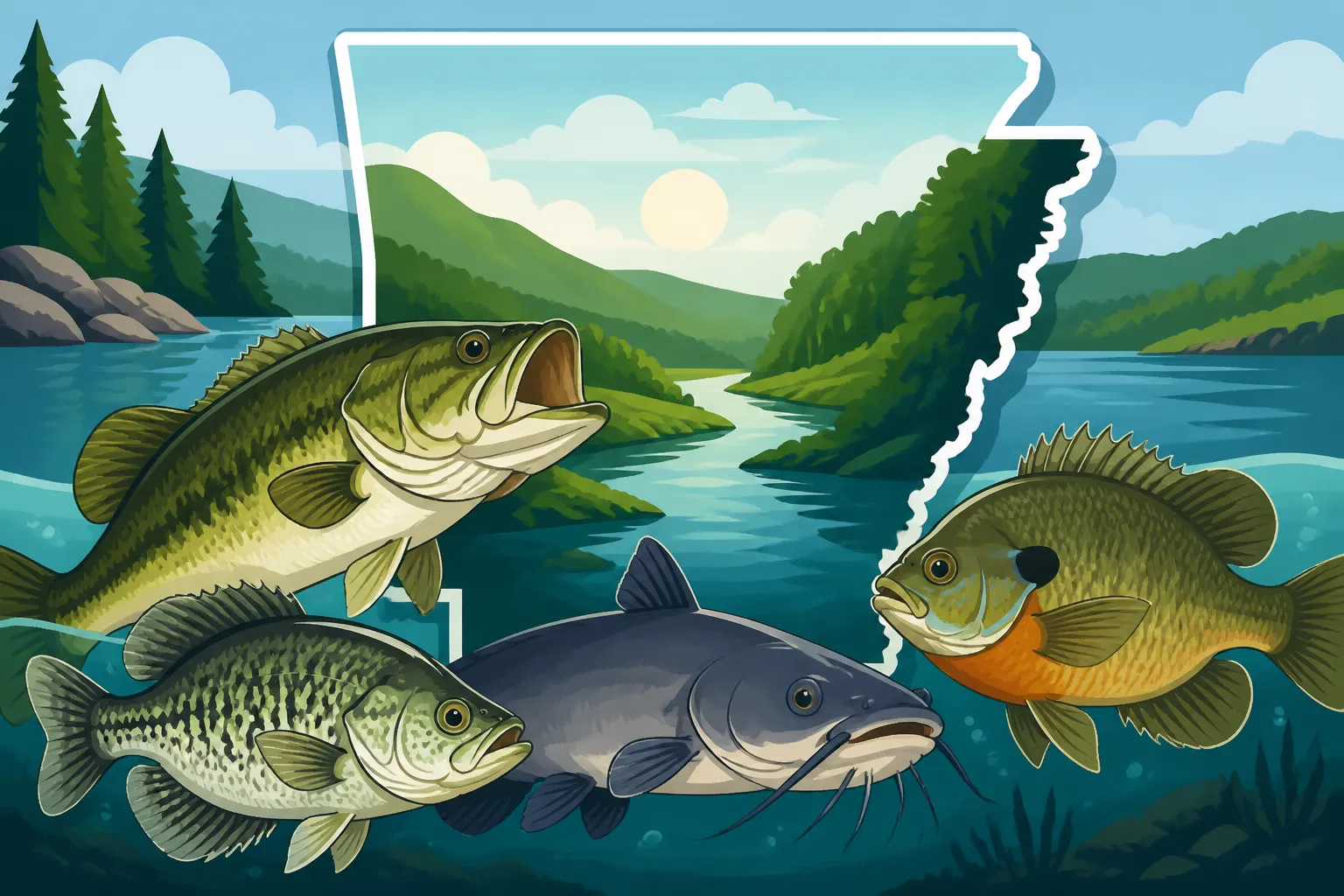
A Beginner’s Guide to Freshwater Game Fish Species
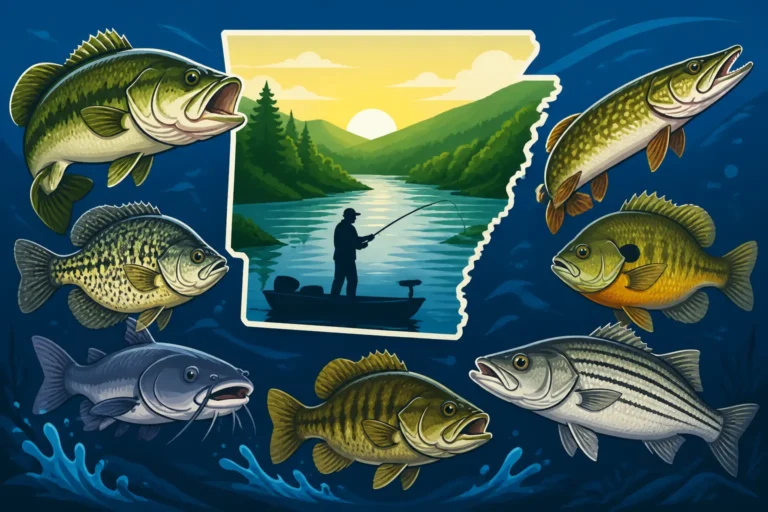
Stepping into the world of Arkansas fishing can feel like trying to navigate a bustling fish market blindfolded – so many amazing species, but where do you even begin? For new anglers, or those just looking to broaden their horizons, the sheer diversity of freshwater game fish swimming in our beautiful state can be truly overwhelming. This comprehensive guide is here to untangle that confusion, offering a friendly, realistic breakdown of the most common and exciting game fish you'll encounter, helping you identify them, understand where they live, and give you a head start on how to catch them.
Understanding Arkansas's Diverse Waters and Fish Habitat
Arkansas is a treasure trove for anglers, and it's all thanks to the incredible variety of its aquatic environments. From the clear, cold mountain streams of the Ozarks to the vast, warm reservoirs carved out by the Corps of Engineers, and the slow, fertile bayous of the Delta, our state offers a different kind of fishing experience almost everywhere you look. This geographical diversity means we have a spectacular array of fish species, each perfectly adapted to its preferred niche.
Arkansas's Unique Aquatic Ecosystems
Imagine standing by a bubbling trout stream in the Ozarks, the water so clear you can see every pebble on the bottom. Now, picture yourself casting into the murky, timber-filled waters of a Delta lake, where the sun barely penetrates the cypress trees. These vastly different scenes represent just a fraction of Arkansas's fishing landscape. Our state is blessed with everything from pristine, cold tailwaters below massive dams, creating perfect conditions for trout, to sprawling impoundments like Lake Ouachita and Greers Ferry, which are teeming with bass and crappie. Then you have the mighty Arkansas River, a highway for catfish and stripers, and countless smaller rivers and streams that hold unique populations of smallmouth bass and panfish. This incredible mix of habitats is precisely why Arkansas consistently ranks as a top fishing destination. Each body of water, whether a tiny creek or a massive reservoir, offers a unique set of conditions – water temperature, current, clarity, and available cover – that dictate which fish species will thrive there.
It can be a bit much to take in at first, especially when you're just starting out or visiting from another state. You might hear people talk about "white water fishing" or "timber fishing" and wonder if they're speaking a different language. The key is to remember that these terms usually relate to the type of water and the habitat the fish prefer. A smallmouth bass, for example, loves cool, rocky streams with plenty of current, while a largemouth bass is more at home lurking in submerged brush or lily pads in a warmer lake. Understanding these preferences is your first step to becoming a successful angler, and it all starts with recognizing the fish themselves.
Why Knowing Your Target Species Matters
Have you ever spent hours on the water, casting diligently, only to come up empty-handed or catch a fish that wasn't what you were hoping for? It's a common frustration, and often, the reason boils down to not truly understanding your target species. Just thinking, "I want to catch a fish today" is a recipe for a hit-or-miss outing. To consistently catch fish, and specifically the fish you want to catch, you need a plan, and that plan starts with knowing your quarry.
Knowing your target species means understanding its typical behavior, preferred diet, and favorite hiding spots. If you're after crappie, you'll be looking for brush piles and submerged timber with small jigs and minnows. If it's a big flathead catfish you're after, you'll be setting up with heavy tackle and live bait in deep, slow-moving holes, likely after dark. Without this knowledge, you might be throwing bass lures into a trout stream or using tiny panfish hooks for blue catfish – and that's just a waste of time and bait. When you know what you're fishing for, you can select the right location, the right bait, the right rod and reel, and the right technique, dramatically increasing your chances of success and, more importantly, your enjoyment on the water. It’s like having a secret roadmap to your fishing goals.
The Mighty Bass Family: Largemouth, Smallmouth, and Kentucky Bass
When most people think of freshwater game fish, the image of a bass leaping from the water often comes to mind. And for good reason! Arkansas is a phenomenal state for bass fishing, boasting healthy populations of largemouth, smallmouth, and Kentucky (spotted) bass. While they share the "bass" moniker, each offers a unique challenge and experience, making them a fantastic target for beginners and seasoned pros alike.
Largemouth Bass: The Classic American Game Fish
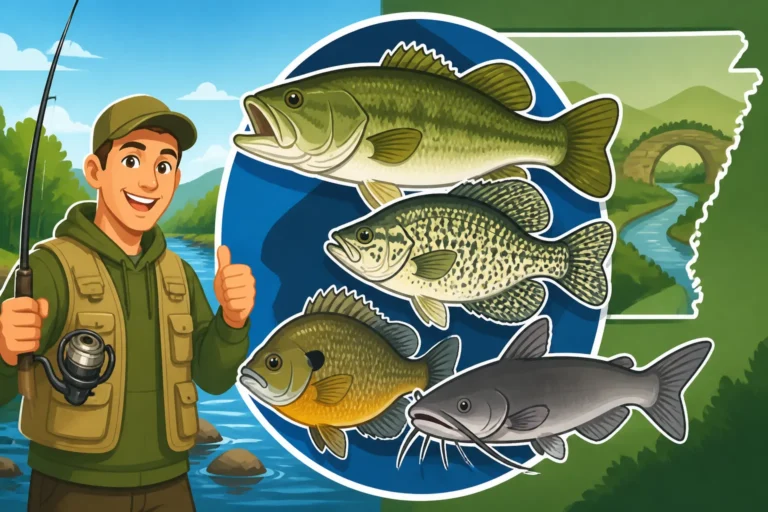
The largemouth bass is arguably the most recognizable freshwater game fish in North America, and it's an absolute icon in Arkansas. When you see one, you'll notice its distinct dark, irregular horizontal stripe running along its side, often broken or spotty. Its most defining feature, of course, is that massive mouth – when closed, the jaw extends well past the back of its eye. They're typically a dark green on their back, fading to lighter green or white on their belly. These fish are aggressive, opportunistic predators, and their powerful strikes are what make them such a thrill to catch.
Largemouth bass are habitat generalists, meaning they can thrive in a wide variety of waters, but they absolutely love cover. Think submerged logs, dense lily pads, thick grass beds, standing timber, boat docks, and brush piles. You'll find them in the warmer, often murkier waters of our large reservoirs like Lake Ouachita, Lake Conway, and even the slower sections of the White River. They are ambush predators, content to wait patiently in cover for an unsuspecting baitfish or crawfish to swim by before exploding with a strike. Their preference for structure means that even from the bank, you can often find good largemouth fishing by targeting shaded areas or visible cover. If you're new to fishing, learning to identify and target these spots is crucial for success. For more specific guidance on where to find them, check out Best Bass Fishing Spots on Lake Ouachita, Arkansas.
When it comes to baits, largemouth bass are incredibly cooperative. Soft plastic worms, creature baits, spinnerbaits, crankbaits, and topwater lures are all fantastic choices. For beginners, a simple Texas-rigged worm or a wacky-rigged Senko is incredibly effective. These fish aren't usually picky, especially when they're actively feeding, and their aggressive nature makes them a great species to learn on. Just remember, while they put up a good fight, they typically won't jump as much as their smallmouth cousins. Statewide, the daily limit for largemouth bass is generally 5 fish. However, it's really important to always check the specific regulations for the lake or river you're fishing, as places like Lake Monticello have special length limits where only one bass 16 inches or longer is allowed within your daily limit. You can always find the current rules on the Arkansas Game and Fish Commission (AGFC) website or in their annual fishing guide.
Smallmouth Bass: The River Fighters
If the largemouth is the bruiser, the smallmouth bass is the acrobat. Often called "bronzebacks" or "brown bass," these fish are just as popular, especially among anglers who love to fish rivers and streams. You can tell a smallmouth apart from a largemouth by a few key features: their mouth doesn't extend past the back of their eye, they usually have vertical bars or splotches on their sides instead of a distinct horizontal stripe, and their overall color is more brown or bronze, sometimes with a reddish eye. While they may not grow as large as some of the biggest largemouth, what they lack in sheer size, they more than make up for in fighting spirit. A smallmouth on the line is known for its powerful runs and thrilling, aerial jumps, making every catch an exhilarating experience.
Smallmouth bass are quintessential residents of Arkansas's clearer, cooler, and faster-moving waters. They absolutely thrive in the rocky rivers and streams of the Ozarks, such as the Buffalo, Crooked Creek, or the White River above the impoundments. They prefer areas with clean gravel, boulders, and moderate current. You won't typically find them in dense vegetation like largemouth; instead, they relate to rock formations, current breaks, and drop-offs. If you're looking for a challenging and rewarding experience in some of Arkansas's most scenic settings, targeting smallmouth in these pristine waters is an incredible adventure. For a deep dive into specific locations, consider exploring Smallmouth Bass Fishing in Arkansas's Ozark Rivers.
When it comes to bait, smallmouth often have a taste for crawfish and small baitfish. Soft plastic tubes, grubs, small crankbaits that mimic crawfish, and spinnerbaits are all very effective. Fly anglers also have incredible success with crawfish patterns and streamers. The key is often to present your bait naturally with the current, targeting seams and eddies where smallmouth lie in wait. Because these fish are often found in moving water, understanding how to read the current and identify ambush points is a critical skill to develop. In Arkansas's moving waters, the statewide daily limit for smallmouth bass is typically 2 fish, and they must be a minimum of 12 inches long to keep. These regulations are designed to protect their populations and ensure sustained excellent fishing in our precious river systems.
Kentucky Bass (Spotted Bass): The Overlooked Gem
The Kentucky bass, also commonly known as the spotted bass, often gets overlooked or confused with its more famous cousins. This is a shame because they are feisty, abundant, and incredibly fun to catch! Visually, the Kentucky bass is a bit of a hybrid between a largemouth and a smallmouth. It has a horizontal stripe like a largemouth, but it's usually more spotted and broken. Its mouth doesn't extend past the eye like a smallmouth, but its most distinct identifying feature is often a patch of small teeth on its tongue, which you can feel with your finger (carefully!). They also tend to have a rougher patch of scales on their belly, below the lateral line, compared to the smooth belly of a largemouth. If you're ever unsure what you've caught, especially in lakes where multiple bass species coexist, these subtle differences can help you identify them. Want to learn more about this distinct species? Check out What Is a Kentucky Bass?.
Kentucky bass are particularly prevalent in many of Arkansas's large impoundments, often coexisting with largemouth. However, they tend to prefer slightly deeper, clearer water than largemouth, and they don't rely as heavily on dense cover. You'll often find them around submerged points, rocky ledges, bluff walls, and deep brush piles in reservoirs like Bull Shoals, Norfork, and Greers Ferry. They are also known to tolerate some current, making them present in parts of the Arkansas River system. While they don't get as large as trophy largemouth, Kentucky bass are known for their consistent aggression and strong fights, making them an excellent target for anglers seeking plenty of action. They tend to school up more than largemouth, so if you catch one, there are often more nearby.
Fishing for Kentucky bass is quite similar to fishing for largemouth, but they often respond well to smaller baits and presentations, especially when they're suspended over deeper water. Small crankbaits, shaky head jigs, drop shots, and swimbaits can be incredibly effective. They're not as finicky as smallmouth can sometimes be, and their willingness to strike makes them a fantastic target for anglers who want to catch a lot of fish. The daily limits for Kentucky bass are typically grouped with largemouth bass in Arkansas, often allowing for 5 fish total in combination. Again, always consult the current AGFC regulations for the specific body of water you plan to fish, as rules can vary. Catching a "grand slam" of all three bass species in one day is a challenging but achievable goal for many Arkansas anglers!
Trout Treasures: Rainbows and Browns in Cold Waters
Arkansas might be landlocked, but don't let that fool you – we boast some of the finest coldwater trout fisheries in the entire country, particularly along the White River system. Thanks to the cold, clear discharges from our massive hydroelectric dams, specific sections of rivers like the White, Norfork, and Little Red become prime habitat for these beautiful and hard-fighting fish. For many anglers, the pursuit of trout offers a unique challenge and a peaceful connection to nature.
Rainbow Trout: The Colorful and Feisty Stocker
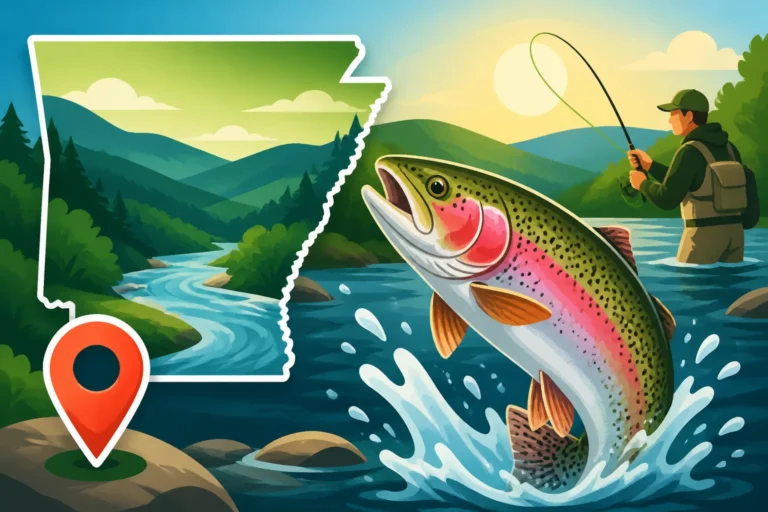
The rainbow trout is perhaps the most familiar trout species to many anglers, and it's certainly the most abundant in Arkansas's trout waters. You can easily identify them by their iridescent silver-pink stripe running along their side, often accompanied by numerous small black spots on their body, fins, and tail. Their backs are usually olive-green, fading to a white belly. Rainbow trout are incredibly popular because they are regularly stocked by the Arkansas Game and Fish Commission, ensuring healthy populations and plenty of angling opportunities, especially for those new to trout fishing. They are known for their strong, energetic fights, often leaping clear out of the water when hooked, which makes them an absolute blast to catch.
These vibrant fish thrive in the cold, oxygen-rich tailwaters below our large dams. The most famous examples are the White River below Bull Shoals Dam and the Norfork Tailwater below Norfork Dam. These rivers maintain consistent cold temperatures year-round, which is essential for trout survival. While wild populations exist, many of the rainbow trout you'll encounter are hatchery-reared, which means they are often less wary and more willing to bite, making them a fantastic target for beginners or those introducing kids to fishing. The beauty of these tailwaters is not just the fishing, but the stunning natural scenery that surrounds them, making every trip a memorable one. If you are interested in trying your hand at fly fishing, the White River is an exceptional place to start, as detailed in White River Fly Fishing Season Guide for Arkansas Anglers.
When it comes to bait, rainbow trout aren't usually too picky. Traditional baits like PowerBait, corn, and salmon eggs are incredibly effective. Small inline spinners, spoons, and jigs also work wonders, especially in moving water. Fly anglers will find success with a variety of nymph, wet fly, and occasionally dry fly patterns, depending on the current insect hatch. The key to success with rainbow trout is often finding where they are holding in the current and presenting your bait naturally. Just be aware that specific regulations for trout, including daily limits and sometimes slot limits (where fish within a certain size range must be released), are very common on these tailwaters. For example, the Norfork Tailwater often has special rules; you can read more about them here: Norfork Tailwater Trout Limit Rules in Arkansas. Always consult the AGFC regulations for the specific section of river you plan to fish to ensure you're compliant.
Brown Trout: The Elusive Trophy
While rainbow trout provide abundant action, the brown trout is often considered the ultimate trophy for many Arkansas trout anglers. These fish are known for their stunning beauty, impressive size, and notoriously cunning nature. Brown trout typically have a golden-brown or olive-brown back, fading to yellowish sides and a creamy belly. They are covered in distinct dark spots, often ringed with a lighter halo, and some red or orange spots may also be present. Unlike rainbows, their tails are usually unspotted. What truly sets them apart, however, is their elusive behavior and incredible fighting prowess, especially the larger specimens. They can be incredibly wary, making them a formidable challenge.
Like rainbow trout, brown trout thrive in Arkansas's cold tailwaters, sharing the same prime real estate on the White River and Norfork Tailwater. However, brown trout are generally more sensitive to environmental changes and often prefer slightly different habitat within these rivers. You'll typically find them holding in deeper pockets, undercuts, log jams, and areas with slower, more deliberate current. They are also highly predatory, growing to immense sizes by feeding on smaller fish. Big brown trout are often nocturnal feeders, which means targeting them can sometimes require early morning or late evening excursions. The pursuit of a trophy brown can become a lifelong obsession for many anglers, drawing them back to the White River year after year. To learn more about where these beauties lurk, check out Brown Trout Fishing on Arkansas's White River.
Catching a truly large brown trout often requires a combination of patience, skill, and appropriate gear. While smaller brown trout will sometimes hit the same baits as rainbows, bigger browns are primarily piscivorous (fish-eaters). This means large minnow imitations, big streamers for fly anglers, and hefty spoons or plugs are often the baits of choice. Live bait, particularly minnows, can also be very effective. Anglers targeting trophy browns often use heavier tackle than typical trout setups. Due to their slower growth rates and the desire to maintain trophy fisheries, brown trout often have more restrictive regulations, including higher minimum length limits and lower daily creel limits, or even catch-and-release-only sections. These rules are in place to ensure these magnificent fish continue to thrive. Always review the current regulations before heading out, as they can change based on conservation efforts.
Crappie and Panfish: Accessible Fun for Everyone
If you're looking for consistent action, delicious table fare, or just a relaxing day on the water with the family, crappie and other panfish are probably your best bet in Arkansas. These species are abundant, relatively easy to catch, and provide endless entertainment for anglers of all ages and skill levels. They're truly the unsung heroes of many a fishing trip, especially when the bass are being finicky.
Crappie: Black and White Varieties
Crappie are among Arkansas's most beloved panfish, known for their flaky, white meat and tendency to school up, leading to fast and furious action when you find them. We have two main species in Arkansas: black crappie and white crappie. While very similar, you can tell them apart with a bit of practice. Black crappie tend to have an irregular pattern of dark spots all over their body, and generally have 7-8 dorsal spines. White crappie, on the other hand, usually have distinct vertical bars on their sides and typically only 6 dorsal spines. Both are fantastic to catch and equally delicious. They are relatively thin-bodied, with large dorsal and anal fins that nearly mirror each other in shape.
Crappie are masters of relating to structure. You'll find them in large schools around submerged timber, brush piles, fallen trees, boat docks, bridge pilings, and even standing timber in our reservoirs and slow-moving rivers. They particularly love areas with a mix of shallow and deeper water, allowing them to move vertically based on light conditions and baitfish presence. During the spring spawn, they move into very shallow water, making them highly accessible to bank anglers. As the water warms, they often retreat to deeper brush piles. Excellent crappie fishing can be found in lakes like Ouachita, DeGray, Conway, and the timber-filled waters of the White River National Wildlife Refuge. For those interested in exploring these unique ecosystems, check out Crappie Fishing at Arkansas's White River National Wildlife Refuge.
Catching crappie is often all about finesse. Small jigs (1/32 to 1/8 ounce) tipped with soft plastic bodies in various colors, or live minnows fished under a bobber, are classic and incredibly effective methods. Ultra-light spinning gear makes every crappie feel like a monster! For a deep dive into successful crappie techniques, explore Crappie Jigging Basics for Beginners. When you locate a school, you can often catch them one after another, creating an unforgettable day on the water. Statewide, the daily limit for crappie is generally 20 fish, with a minimum length of 9 inches. However, some lakes have special regulations, such as Lake Monticello and Lake Cargile, which might have lower daily limits (e.g., 15 fish) or even slot limits on certain sizes, so always check the local rules.
Bluegill and Other Panfish: Small but Mighty
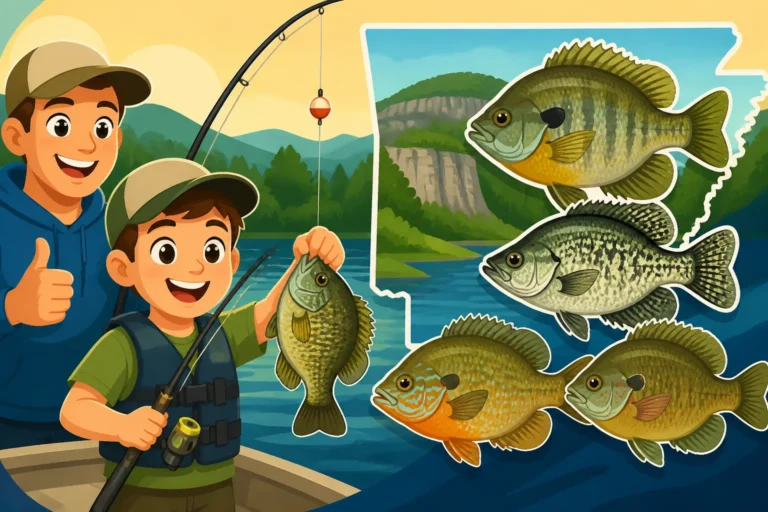
Beyond crappie, Arkansas is home to a delightful array of other panfish, often generically referred to as "bream" or "sunfish." The most popular among these is the bluegill, a truly perfect fish for beginners and seasoned anglers looking for consistent action. Bluegill are easily identifiable by their round, plate-like bodies, deep blue or purple coloration on their head, vibrant orange or yellow bellies, and a distinct black "ear flap" on their gill cover. They are smaller than crappie but make up for it with their aggressive bites and spirited fights, especially on ultra-light tackle.
These ubiquitous little fighters can be found almost everywhere there's freshwater in Arkansas – lakes, ponds, slow-moving rivers, and even larger creeks. They love to hang out around vegetation, fallen trees, docks, and any other cover in relatively shallow water. You'll often find them schooled up in large numbers, particularly during their spawning season when they create "beds" (circular depressions in the bottom) that are easy to spot in clear water. Their widespread distribution and willingness to bite make them an ideal target for kids or anyone who simply wants to enjoy the pure, simple joy of catching fish, without needing specialized gear or advanced techniques. They're also fantastic table fare, though you'll need a good number of them for a meal!
Fishing for bluegill and other panfish is incredibly straightforward and forgiving. A simple rod and reel, a bobber, a small hook (size 8 or 10), and some natural bait like a redworm, cricket, or piece of corn is all you need. They also respond well to tiny jigs and even small fly-fishing poppers. The sheer abundance of bluegill means that even on tough days for other species, you can usually find some willing biters. This consistent action is what makes them so great for introducing new anglers to the sport. If you're planning a trip with younger anglers, focusing on these species can guarantee smiles and create lasting memories. For some excellent tips on getting started, explore Bluegill Fishing Tips for Kids in Arkansas. There are typically very generous daily limits for bluegill and other sunfish, often with no size restrictions, meaning you can keep a good mess for a fry!
Catfish Kings: Channel, Blue, and Flathead
For anglers who appreciate a powerful fight, delicious fillets, and the thrill of the unknown, Arkansas's catfish populations are a true gem. Our state is renowned for its incredible catfishing opportunities, from cozy bank fishing on local ponds to serious trophy hunting on massive rivers and reservoirs. We are home to three main species of catfish, each with its own characteristics and preferred habitats: the channel catfish, the blue catfish, and the flathead catfish.
Channel Catfish: The Widespread Dinner Plate
The channel catfish is, without a doubt, the most common and widely distributed catfish species in Arkansas. It's often the first catfish many anglers encounter, and for good reason – they're abundant, relatively easy to catch, and provide excellent eating. You can identify a channel cat by its distinctively forked tail, smooth, scaleless skin, and typically dark, olive-green to gray coloration on its back, often fading to a silvery-white belly. Smaller channel cats often have dark spots along their sides, which tend to fade as they grow larger. They possess prominent barbels (whiskers) around their mouth, which they use to taste and feel in murky waters.
Channel catfish are incredibly adaptable and can be found in nearly every type of freshwater environment in Arkansas – lakes, rivers, ponds, and large creeks. They tolerate a wide range of water quality and conditions, making them a reliable target almost anywhere you cast a line. While they can be found in open water, they often prefer areas with some structure, like submerged logs, rock piles, ledges, and drop-offs. They are scavengers and opportunistic feeders, with an incredibly keen sense of smell, which is a major advantage when hunting for them. This widespread presence and willingness to bite make them an ideal species for casual fishing trips, especially from the bank.
When it comes to bait, channel catfish are not picky! They are famous for hitting "stink baits" (prepared baits with strong odors), chicken livers, cut bait (like shad or hot dogs), and even simple nightcrawlers or shrimp. Because of their excellent sense of smell, targeting them is often a matter of getting a smelly bait on the bottom and waiting. A simple bottom-fishing rig with a heavy sinker to hold your bait in place, a sturdy hook, and a medium-heavy rod is usually all you need. Many anglers enjoy setting up multiple rods with different baits, patiently waiting for a tell-tale tug. If you're new to the world of bottom fishing, learning these techniques is incredibly rewarding; for a thorough guide, check out Catfish Bottom Fishing Techniques. Arkansas offers generous daily limits for channel catfish, and they are highly regarded for their mild, delicious flavor, making them a fantastic fish to bring home for the dinner table.
Blue Catfish: The Lake Monsters
If you're dreaming of a truly giant freshwater fish, the blue catfish is your ultimate target in Arkansas. These incredible fish are the largest catfish species in North America, and Arkansas holds some truly monstrous specimens. Our state-record blue catfish was an astounding 116 pounds! Visually, blue cats resemble channel cats with their forked tail, but they generally lack the spots. They have a more sloped head, a longer anal fin (with 30-35 rays compared to a channel cat's 24-29), and a steely blue-gray coloration on their back and sides, fading to a white belly. Their sheer size potential is what truly sets them apart, making them a serious challenge for even experienced anglers. If you want to dive into the world of truly massive fish, Arkansas's State-Record Blue Catfish Weighed 116 Pounds tells a fascinating story.
Blue catfish primarily inhabit large rivers and sprawling reservoirs, particularly those with deep channels and strong currents. You'll find them in the Arkansas River, the Mississippi River, and in massive impoundments like Lake Dardanelle and Lake Ouachita. They prefer deeper, open water areas, especially around river bends, ledges, and submerged humps, where they can ambush schools of baitfish. Unlike flatheads, blue cats are more communal and often school up, especially larger ones, making it possible to catch multiple trophy-sized fish once you locate a productive area. Targeting these behemoths requires robust gear and a commitment to understanding their movements and feeding patterns in vast bodies of water.
To catch a trophy blue catfish, you'll need heavy-duty rods and reels, strong line (braid is a popular choice for its strength and sensitivity), and large, stout hooks. Their preferred diet consists almost entirely of other fish, so large pieces of fresh cut bait (like shad, carp, or skipjack herring) are the go-to. Live bait can also be effective. Anglers often employ sophisticated techniques like drifting cut bait along deep channels or anchoring on ledges and fan-casting multiple baits. The fight from a large blue cat is legendary – long, powerful runs that will test your tackle and your stamina. While there aren't statewide possession limits on blue catfish, daily creel limits often apply, so it's always critical to check the specific regulations for the water you're fishing. These fish are also excellent table fare, with large fillets that can feed a crowd.
Flathead Catfish: The Ambush Predator
The flathead catfish is a true river monster and a favorite target for anglers who appreciate a solitary, predatory challenge. Easily distinguished from channel and blue cats, the flathead lives up to its name with a noticeably broad, flattened head. Its lower jaw protrudes beyond the upper, and its eyes are relatively small. Their tail is rounded, not forked, and their body color is usually a mottled yellow, brown, or olive, allowing them to blend seamlessly with woody cover. Flatheads are solitary ambush predators, preferring to hide in dense cover and wait for live prey to come to them. This makes them a unique and highly sought-after catch.
Flathead catfish are primarily found in large rivers and the backs of major reservoirs, always associating with heavy cover. Their preferred habitat includes log jams, deep holes with fallen timber, submerged brush piles, and undercut banks. They are creatures of structure and darkness, often moving out of their daytime lairs to hunt at night. The Arkansas River, the White River, and various other large river systems in the state are prime flathead territory. They are not as widely distributed as channel cats, and finding their specific hiding spots requires dedication and often specialized techniques. If you're curious about the maximum size these incredible fish can reach, How Big Do Flathead Catfish Get in Arkansas? offers some insight.
Unlike channel and blue catfish, flatheads have a strong preference for live bait. Live sunfish (like bluegill), goldfish, or shad are the most effective offerings. Anglers often fish these baits on heavy tackle, right in the heart of heavy cover where flatheads lurk. This often means fishing snags and risking lost tackle, but the reward of hooking into a powerful flathead is well worth it. Patience is key, as they may not strike as frequently as other catfish species, but when they do, be ready for a brutal battle. Because of their slow growth rate and predatory nature, flathead catfish often have more restrictive daily limits than channel or blue catfish, and some waters may have minimum length limits. Always check the AGFC regulations for the specific body of water you're fishing to ensure you're practicing responsible angling. Landing a big flathead is a significant accomplishment and a testament to an angler's skill and perseverance.
Striped Bass: The Freshwater Powerhouses
For sheer brute strength and an unmatched fight in freshwater, look no further than the striped bass. These incredible fish bring the thrill of ocean fishing to Arkansas's large reservoirs. While they are often considered a "bonus" catch by anglers targeting other species, many dedicate their entire fishing trips to chasing these formidable powerhouses.
Norfolk and Hamilton's Giants
The striped bass, or "striper," is a magnificent fish that closely resembles its saltwater cousin. They are easily identified by their sleek, silvery bodies with seven or eight distinct dark horizontal stripes running from behind their gill plate to their tail. Unlike white bass, which are similar but smaller, a striper's stripes are usually unbroken and continuous. These fish are built for speed and power, growing to immense sizes in Arkansas's rich waters. While many catches are in the 10-30 pound range, trophy stripers exceeding 40 or even 50 pounds are regularly pulled from our lakes, making them a true freshwater giant.
Arkansas is famous for its trophy striped bass fisheries, particularly Norfork Lake and Lake Ouachita, with Lake Hamilton also producing some impressive fish. These large, clear impoundments provide the ideal habitat for stripers: vast expanses of open water where they can cruise in massive schools, constantly chasing and ambushing baitfish like gizzard shad and threadfin shad. Stripers are pelagic, meaning they live in the open water column, constantly on the move, following their food source. This nomadic behavior means that locating them can be a challenge, but when you do, the action can be explosive. Striped Bass Fishing at Arkansas's Norfork Lake is a great resource if you're thinking of tackling these monsters.
Catching these freshwater powerhouses often requires specialized gear and techniques. Live bait, especially large gizzard shad, is exceptionally effective, often fished on downriggers to get them to the right depth. Trolling with large, deep-diving crankbaits or bucktail jigs is another popular method. When stripers are actively schooling and pushing bait to the surface, casting large topwater plugs or heavy spoons into the feeding frenzy can be absolutely exhilarating. You'll want a heavy-action rod, a robust reel with a strong drag, and plenty of heavy monofilament or braided line to handle their incredible runs. For more information on landing these titans, Trophy Striped Bass Fishing in Arkansas is a must-read. The daily limit for striped bass in Arkansas is typically 3 to 5 fish, but specific length limits may apply, so always consult the AGFC regulations for the lake you are fishing. For serious striper anglers, having a quality fish finder is almost as important as the bait itself, and you can find excellent options for heavy-duty tackle on Amazon to get you started.
Targeting Stripers: Techniques for Success
Chasing striped bass in Arkansas is less about subtle finesse and more about power, precision, and understanding their schooling behavior. These fish are constantly on the move, driven by their insatiable appetite for baitfish. This means successful striper fishing often involves a combination of high-tech electronics and tried-and-true methods.
One of the most effective ways to locate stripers is by watching for active baitfish schools, often indicated by diving birds or disturbances on the water's surface. When stripers push bait to the surface, it creates a "boil" or "bust," and casting into this chaos with a large topwater plug or a heavy spoon can result in instant hook-ups. However, this surface action is often sporadic. More consistently, stripers will be found suspended in the water column, sometimes near points, humps, or channels, but often over open water. This is where your electronics become vital. A good fish finder helps you mark schools of baitfish and the larger arcs of stripers below them.
Once located, trolling is a highly productive method. Anglers use specialized gear like downriggers or lead core line to present large crankbaits, spoons, or umbrella rigs at precise depths where the stripers are holding. This allows you to cover a lot of water and present your lure directly to the fish. Another popular technique, especially for trophy fish, involves using large live bait (shad being paramount) suspended under a balloon or free-lined, often drifting over deep structure. Jigging heavy spoons or large swimbaits vertically when you mark fish on your sonar can also trigger strikes. Whatever method you choose, be prepared for a fight; a big striper can strip line from your reel faster than almost any other freshwater fish, making them one of the most exciting species to target in Arkansas. Having a reliable leader material and strong, sharp hooks is crucial, and you can easily find all these heavy-duty fishing essentials on Amazon.
Essential Gear for Targeting Common Freshwater Species
Alright, so you know what you're looking for, but how do you actually catch them? The world of fishing gear can be just as daunting as the number of fish species! But don't worry, you don't need to break the bank or have a garage full of specialized equipment to get started. Understanding some basic principles about rods, reels, line, and essential tackle will set you up for success.
Rods, Reels, and Line for Beginners
For someone just starting out in Arkansas fishing, or even for seasoned anglers looking for a versatile setup, a medium-action spinning combo is your best friend. This usually consists of a 6 to 7-foot rod with a medium power rating (meaning it can handle a good range of lure weights and fish sizes) and a spinning reel in the 2500 to 3000 size range. This setup is incredibly versatile; it's capable of casting a wide variety of lures and baits, and it has enough backbone to handle everything from panfish and crappie to most largemouth bass and even smaller catfish. It's forgiving to cast and easy to use, which is ideal for building confidence. Many reputable brands offer excellent beginner combos that provide great value.
As you get more specific in your targets, you might want to adjust. If you decide to chase those acrobatic trout in the tailwaters, a lighter-action rod (light or ultra-light power) with a smaller reel (1000-2000 size) and lighter line (4-6 lb test monofilament or fluorocarbon) will make the fight much more enjoyable and help you cast smaller baits. Conversely, if you're setting your sights on big blue catfish or trophy striped bass, you'll need to step up to a heavy-action rod, a larger, more powerful reel (4000-6000 size or even a baitcasting setup), and much heavier line (20-50 lb test braided line is common for these species). Braided line offers superior strength and sensitivity, while fluorocarbon is nearly invisible underwater and good for finesse presentations. Monofilament is a great all-around choice for its stretch and ease of use. You can find a huge variety of starter kits tailored to specific fish species on Amazon, which often bundle a suitable rod, reel, and even some basic line and tackle.
Basic Tackle Box Essentials
You don't need a massive, overflowing tackle box to start. In fact, keeping it simple is often best, especially when you're just learning. Here are some absolute must-haves for any freshwater angler in Arkansas:
- Hooks: A variety of sizes (from small size 10 for panfish up to larger 2/0 or 3/0 for bass and catfish) in styles like Aberdeen (for live bait), circle hooks (great for catfish and reducing gut-hooking), and offset worm hooks (for plastic worms).
- Sinkers/Weights: A selection of split shot (small, pinch-on weights for light presentations), bullet weights (for Texas rigging soft plastics), and egg sinkers (for bottom fishing catfish).
- Bobbers/Floats: Clip-on bobbers are easy for beginners, while slip bobbers allow you to fish deeper water more effectively.
- Baits: A container of live redworms or nightcrawlers is universal. A pack of soft plastic worms (like a Senko or paddle tail swimbait) in natural colors (green pumpkin, black, white) is excellent for bass. Small crappie jigs (1/16 to 1/8 oz) in chartreuse, white, or black are also wise additions.
- Tools: A pair of needle-nose pliers or a multi-tool is essential for removing hooks and cutting line. A small pair of line clippers (or even nail clippers) works great. Don't forget a measuring tape or ruler to check fish against size limits.
- Storage: A small, organized tackle box or a few utility trays can keep everything neat and accessible. A basic tackle storage solution from Amazon is a great starting point for keeping your essentials organized and ready to go.
Safety and Comfort on the Water
Fishing should always be an enjoyable and safe experience. Beyond your fishing gear, a few crucial items will ensure your comfort and safety on any Arkansas waterway:
- Personal Flotation Device (PFD): If you're fishing from any kind of boat, kayak, or canoe, a properly fitting life jacket is absolutely non-negotiable and often legally required. Even if you're a strong swimmer, unexpected situations can arise.
- Sun Protection: The Arkansas sun can be intense. A wide-brimmed hat, polarized sunglasses (which also help you see into the water better!), and sunscreen are critical for protecting your skin and eyes.
- Hydration: Always bring plenty of water, especially during the warmer months. Staying hydrated is vital for avoiding heat exhaustion.
- First-Aid Kit: A small kit with bandages, antiseptic wipes, pain relievers, and any personal medications is always a good idea for minor scrapes or cuts.
- Appropriate Clothing: Dress in layers, especially when fishing tailwaters where temperatures can be cooler. Rain gear is also a smart addition, as weather in Arkansas can change quickly.
- Communication: A fully charged cell phone (in a waterproof case) or other communication device is important, especially if you're fishing in remote areas.
- Bug Spray: Depending on the season and location, mosquitoes and other biting insects can be a nuisance.
Prioritizing these comfort and safety items means you can focus on the fishing and fully enjoy your time on Arkansas's beautiful waters.
Conservation and Responsible Angling in Arkansas
As anglers, we're privileged to enjoy the incredible natural resources that Arkansas offers. With that privilege comes a responsibility to protect these resources and ensure they remain healthy and vibrant for future generations. Practicing conservation and responsible angling isn't just about following rules; it's about being a steward of our waters and the fish that call them home.
Understanding Regulations and Limits
This is probably the most important aspect of responsible angling. Before you even cast your first line, you absolutely must familiarize yourself with the current Arkansas Fishing License Rules and Costs and the specific regulations for the body of water you'll be fishing. Every lake, river, and stream can have different rules regarding length limits, daily creel limits, and even tackle restrictions. For example, some trout waters might be artificial lures only or catch-and-release, while a nearby lake might have a slot limit for bass. The Arkansas Game and Fish Commission (AGFC) website and their annual fishing guide are your go-to sources for this crucial information. Ignoring these rules isn't just irresponsible; it can lead to fines and penalties, and it harms the fishery.
Regulations are put in place for a reason: to protect fish populations from overfishing, allow them to reach reproductive age, and maintain a healthy balance in the ecosystem. When you understand and respect these limits, you're contributing directly to the sustainability of our fisheries. For instance, knowing the Arkansas Fish Size and Daily Limits for crappie means you're helping ensure there are enough fish left to spawn and grow, providing great fishing for everyone in the years to come. It’s also important to understand the difference between daily creel limits (how many fish you can keep in a 24-hour period) and possession limits (how many fish you can have in your possession at any given time). While Arkansas has recently changed its statewide possession limit rules to largely align with daily creel limits for most species, it's still vital to be aware of the specific rules. For more on this, check out New Possession Limit Rule for Arkansas Anglers. Always double-check, because rules can sometimes change from year to year.
| Species | Typical Statewide Daily Creel Limit | Typical Statewide Minimum Length | Primary Habitat | Common Baits |
|---|---|---|---|---|
| Largemouth Bass | 5 | None (some lake exceptions apply) | Lakes, slow rivers, heavy cover | Soft plastics, crankbaits, topwater |
| Smallmouth Bass | 2 (on moving waters) | 12 inches (on moving waters) | Clear, rocky rivers, streams | Tubes, grubs, crawfish imitations |
| Kentucky (Spotted) Bass | 5 (often combined with Largemouth) | None (some lake exceptions apply) | Reservoirs, rocky points, deep water | Jigs, small crankbaits, soft plastics |
| Rainbow Trout | 5 (special regulations often apply on tailwaters) | None (special regulations often apply on tailwaters) | Cold tailwaters below dams | PowerBait, corn, small spinners, flies |
| Brown Trout | 1-2 (special regulations often apply on tailwaters) | 16 inches (special regulations often apply on tailwaters) | Cold tailwaters, deeper structure | Minnows, large streamers, spoons |
| Crappie (Black/White) | 20 (some lake exceptions apply) | 9 inches (some lake exceptions apply) | Lakes, rivers, timber, brush piles | Small jigs, live minnows |
| Bluegill/Sunfish | 50 | None | Ponds, lakes, rivers, vegetation | Worms, crickets, small jigs |
| Channel Catfish | 10 | None | Lakes, rivers, ponds, varied habitat | Stink baits, cut bait, worms |
| Blue Catfish | 10 (on most water bodies) | None | Large rivers, reservoirs, deep channels | Large cut bait, live bait |
| Flathead Catfish | 5 | None | Rivers, large lakes, heavy woody cover | Live bait |
| Striped Bass | 3-5 (specific lake exceptions apply) | None (specific lake exceptions apply) | Large reservoirs, open water | Large live bait, trolling lures, spoons |
Note: This table provides general guidance. Always check the current Arkansas Game and Fish Commission regulations for the specific body of water you plan to fish before heading out. Regulations can vary by lake, river section, and change annually.
Catch and Release Practices
While harvesting fish for a meal is a cherished part of fishing, sometimes releasing your catch is the more responsible choice, especially when targeting trophy-sized fish or species with vulnerable populations. Proper catch-and-release practices are crucial for minimizing stress and ensuring the fish's survival. Here are some key tips:
- Handle Fish as Little as Possible: The less you touch a fish, the better. Try to keep it in the water if you can.
- Wet Your Hands: Always wet your hands thoroughly before touching a fish. Dry hands can remove the fish's protective slime coat, making it susceptible to disease.
- Support the Fish Properly: If you must remove a fish from the water, support its entire body weight, especially for larger fish. Avoid holding it horizontally by the jaw if it's a heavy fish, as this can damage its spine and internal organs. Use two hands, one supporting the belly and the other gently gripping the lower jaw.
- Unhook Quickly: Use needle-nose pliers or a de-hooking tool to remove the hook as quickly and gently as possible. If a hook is deeply embedded, it's often better to cut the line and leave the hook in place rather than causing further damage by trying to forcefully remove it. Barbless hooks can make release much easier.
- Revive If Necessary: If a fish seems sluggish after the fight, hold it gently upright in the water, facing into the current (if present), and move it back and forth slightly to help water flow over its gills. Release it only when it's strong enough to swim away on its own power.
- Consider the Conditions: On very hot days, fish released from deep water can suffer from barotrauma (due to pressure changes) and might have a lower survival rate. Be mindful of these conditions and consider keeping fish that you catch under stressful circumstances, if within legal limits.
By understanding what you're fishing for, respecting the rules, and practicing responsible catch-and-release, you become an integral part of preserving Arkansas's incredible fishing heritage.
Disclaimer
This article is for general informational purposes only and does not constitute professional advice. Laws, prices and regulations vary by location and change over time. Consult a qualified professional for guidance on your specific situation.