How to Fish Points for Bass in Fall
Oh, the fall! It's that wonderful time of year when the air gets crisp, the leaves turn vibrant, and many anglers start scratching their heads wondering where the bass have gone. If you've ever felt like your summer hotspots dried up the moment temperatures dipped, you're not alone. But don't despair! This guide is all about unraveling the mystery of fall bass fishing, specifically focusing on how to effectively target those elusive lunkers holding tight to points in Arkansas's incredible lakes and rivers.
Understanding Fall Bass Behavior on Points
Fall fishing for bass can be absolutely phenomenal, but it requires a bit of a mental shift from your summer strategies. The fish aren't gone; they've just moved, and understanding why they move is key to finding them consistently.
Why Bass Move to Points in the Fall
As the long, hot days of summer give way to cooler autumn weather, the entire aquatic ecosystem begins to change. The water temperature starts to drop, and this cues a significant migration for baitfish. Shad, herring, and other forage species, which spent the summer scattered in deeper, cooler water, start to move towards shallower bays and coves where the water cools faster and plankton blooms can still be active. And where the baitfish go, the bass follow.
Points become absolute magnets during this period because they act like natural highways or funnels for these migrating baitfish. Imagine a point as a finger extending out from the bank into deeper water. Baitfish moving along the main lake or from deeper areas into shallower coves will often bump into these points. This creates a prime ambush opportunity for hungry bass. They're not just moving for fun; they're actively feeding, trying to pack on weight for the leaner winter months ahead. This aggressive feeding behavior makes them incredibly susceptible to the right presentation, but you have to be there to meet them. It's a fantastic time for both numbers of fish and the chance at a true trophy, especially in lakes known for big bass like Lake Ouachita or Bull Shoals. Fall Fishing Patterns for Bass and Crappie delves deeper into these seasonal shifts.
Types of Points to Target
Not all points are created equal, and understanding the nuances of different point structures can dramatically improve your success rate. From subtle gravel banks to prominent rocky bluffs, each type offers unique advantages.
- Main Lake Points: These are the big, obvious points that extend directly from the main body of the lake. They often have deep water access on at least one side and are prime intercept points for migrating baitfish moving along the main lake corridor. Bass on main lake points tend to be more transient, following schools of bait, so these are great for covering water with faster moving baits.
- Secondary Points: These points are found inside larger coves or arms of the lake. They might not extend as far out as main lake points, but they are crucial staging areas for bass moving further into shallower water to feed. Baitfish often pause and congregate around secondary points before moving into the very backs of the coves. Bass here can be a bit more predictable, often holding to specific depth contours or pieces of cover.
- Submerged Points: These are points that don't break the surface but extend as underwater ridges. They can be incredibly productive but are harder to find without good electronics. Once located, they offer a hidden ambush spot for bass away from heavy boat traffic. Often, a subtle depth change on your sonar is the first clue.
- Rocky Points: These points, common in Ozark lakes like Beaver Lake, offer abundant cover in the form of rocks, boulders, and ledges. Bass love rocks for their warmth retention and the various nooks and crannies they provide for ambush. They're also great for crawfish, an important forage.
- Gravel and Clay Points: While less dramatic than rocky points, gravel and clay points can be equally effective, especially if they have some scattered brush or timber. These bottom compositions often attract baitfish seeking out subtle food sources, and bass will cruise these areas looking for easy meals.
- Hard vs. Soft Points: A "hard" point might refer to one with a steep drop-off or solid rock, while a "soft" point might have a more gradual slope or a muddier, softer bottom. Bass will use both, but your lure choice and presentation might need to adapt. A hard point might be better for jigging, while a soft point might be ideal for a Carolina rig dragging slowly. Best Fishing Spots in Arkansas gives you an idea of where to find these types of structures.
Essential Lures and Techniques for Fall Point Fishing
Once you've identified the kind of point you want to fish, the next step is choosing the right tools and knowing how to present them. Fall bass are often aggressive, but they can also be picky.
Crankbaits and Jerkbaits for Aggressive Bass
When bass are actively chasing bait on points, nothing beats a well-placed crankbait or jerkbait. These lures imitate fleeing baitfish and can trigger vicious reaction strikes.
- Crankbaits: These are your workhorses for covering water and finding active fish. For fall points, you'll want a variety of dive depths. Shallow-diving crankbaits are great for points that top out in 2-5 feet of water, especially in the mornings or on cloudy days. Medium-diving crankbaits (6-12 feet) are perfect for working the shoulders and breaks of many points. And don't forget deep-diving crankbaits for points that drop quickly into 15-25 feet or more. The key is to make contact with the bottom or any cover on the point. A deflection off a rock or stump can often be the trigger for a strike. Experiment with colors that mimic local forage, like shad patterns (silver, white, blueback) or crawfish patterns (red, brown, orange) on rocky points. You can find a huge variety of these on platforms like Amazon.
- Jerkbaits: Jerkbaits are fantastic for imitating dying or wounded baitfish, and fall is prime time for them. They excel in clear to slightly stained water. The magic of a jerkbait is in its pause. Cast it out, reel it down to its running depth, then twitch your rod tip a few times, letting the lure dart erratically. Then, pause it. Sometimes the pause needs to be just a second, other times 5-10 seconds, especially as the water gets colder. Most strikes happen on the pause. Try different cadence combinations until you find what the fish want. Again, shad patterns are usually winners, but don't shy away from bright colors if the water is murky or the bass are being particularly aggressive. For effective retrieval patterns, you might want to look into Best Lures for Fall Bass and Crappie Fishing.
Jigs and Soft Plastics for Finesse Situations
Even when bass are aggressive, there are times when a slower, more deliberate approach is necessary. This is where jigs and soft plastics shine, especially if the fish are hunkered down in cover or are less willing to chase.
- Jigs (Football and Casting): Football jigs are excellent for points with hard bottoms (rock, gravel) because their head shape helps them crawl and "feel" over irregularities without getting hung up too much. Casting jigs, often with brush guards, are better for points with heavy cover like brush piles or submerged timber. The key with jigs is the feel. You're dragging them, hopping them, or swimming them slowly along the bottom. The bite often feels like a subtle "tick" or just added weight. Pair them with a crawfish or creature bait trailer for added bulk and action. Again, matching your jig color to crawfish (greens, browns, black/blue) or baitfish is a good starting point.
- Soft Plastics (Texas Rigs, Carolina Rigs, Drop Shots): For points with sparse cover or when the bass are particularly finicky, soft plastics offer a subtle presentation.
- Texas Rig: A Texas-rigged worm, creature bait, or crawfish can be fished through almost any cover on a point. The weedless setup makes it perfect for probing brush piles, rock crevices, or even skipping under overhanging branches. Slow and methodical is often the key.
- Carolina Rig: This setup allows you to present a bait subtly away from a heavy weight, making it excellent for covering longer stretches of a point, especially those with scattered cover or a gradual slope. The weight stirs up the bottom, attracting attention, while the bait trails naturally. Great for finding fish spread out on a point.
- Drop Shot: If bass are suspended just off a point or holding tight to specific pieces of vertical cover, a drop shot can be deadly. It allows you to present a small worm or minnow imitation at a precise depth and hold it there, subtly shaking the bait to entice a strike. This is a finesse technique best for clear water and pressured fish. Searching Amazon for "bass fishing soft plastics" will show you the sheer variety available.
Topwater and Spinnerbaits for Active Feeding Times
Don't rule out topwater in the fall, especially in early autumn mornings or on cloudy days when bass are pushing bait to the surface. Spinnerbaits are also fantastic for covering water quickly and drawing reaction strikes.
- Topwater Lures: Think walking baits (like a Zara Spook) or poppers. When conditions are right – low light, calm water, and active baitfish – a topwater strike is one of the most exciting bites in fishing. Bass will often corral baitfish against a point's edge, creating a feeding frenzy, and a topwater lure can perfectly mimic a struggling baitfish on the surface. Try throwing topwater on the shallower sections of points or where points merge with flats. Best Time of Day to Catch Bass often correlates with these topwater opportunities.
- Spinnerbaits: These lures are incredibly versatile for fall point fishing. They offer flash and vibration, which can attract bass from a distance, even in stained water. They excel at covering water quickly, allowing you to probe different sections of a point until you find active fish. Experiment with different blade combinations (e.g., Colorado for more vibration in murky water, willow leaf for flash and speed in clearer water). The "thump" of a spinnerbait can be irresistible to actively feeding fall bass. Cast past your target area on the point and retrieve, allowing the blades to work as it comes over structure.
Reading the Water and Positioning for Success
Finding the fish on a point isn't just about throwing lures; it's about understanding what the water is telling you and how to position your boat to maximize your chances.
Using Electronics to Locate Fish and Structure
Modern fishing electronics are game-changers, especially when dissecting complex structures like points. Learning to read your graphs effectively can save you hours of fruitless casting.
- 2D Sonar: This classic view is still crucial for identifying baitfish schools, individual fish arches, and general depth changes. Pay attention to how quickly the depth changes around a point; a steeper drop-off often concentrates bass. Look for "bait balls" – dense schools of shad – around points; where there's bait, there are usually bass.
- Down Imaging: Down imaging gives you a photo-like view directly beneath your boat. This is invaluable for identifying submerged brush piles, rock formations, stumps, and even individual fish holding tight to the bottom on a point. It helps you distinguish between a smooth bottom and one full of fish-holding cover.
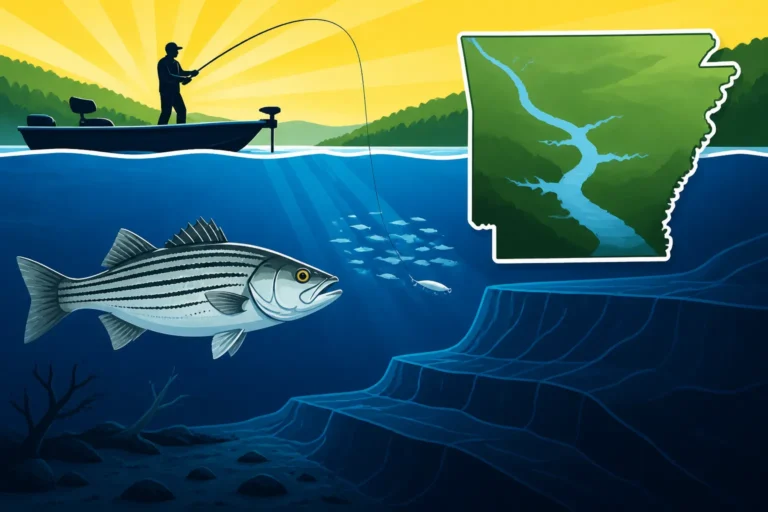
- Side Imaging: This technology allows you to see out to the sides of your boat, scanning a wide swath of water for structure and fish. When approaching a point, use side imaging to scan both sides for hidden brush piles, rock veins, or contours you might otherwise miss. You can often spot baitfish schools or bass positioned just off the main point. This is especially helpful for finding those subtle submerged points mentioned earlier.
- Boat Positioning: How you approach and fish a point is critical. Often, you'll want to stay off the very tip of the point, casting past it and working your lure back through the strike zone. If the wind is blowing onto a point, consider drifting along it, keeping your boat positioned so you can cast effectively into the wind-blown side where baitfish might be pushed. Always try to keep your boat in deeper water than where you expect the fish to be, to avoid spooking them. For more details on using electronics, check out Boat Fishing Techniques for Reservoirs.
Adapting to Water Temperature and Clarity
Water temperature and clarity are two of the most critical factors influencing bass behavior in the fall. Ignoring them means you're leaving bites on the table.
- Water Temperature: As fall progresses, the water temperature steadily drops. In early fall, when temperatures are still in the 60s, bass might be shallower and more aggressive. As it dips into the 50s and even high 40s, bass might pull back to deeper sections of points or become more lethargic, requiring slower presentations. Always have a temperature gauge on your boat or use a handheld one. Knowing the exact temperature can help you predict how active the bass will be and what depth they might prefer. Best Water Temperature for Bass Spawn in Arkansas highlights how temperature dictates fish behavior, even outside of spawning season.
- Water Clarity: Clear water often means bass are more reliant on sight, so natural colors (shad, green pumpkin) and subtle presentations (finesse jigs, drop shots) are often best. In stained or murky water, bass rely more on vibration and profile, making brighter colors (chartreuse, black/blue) and louder lures (spinnerbaits, rattling crankbaits) more effective. The less visibility, the bigger the profile or the more vibration your lure needs to create to get noticed.
Understanding Current and Wind Effects
Mother Nature plays a huge role in bass behavior, and current and wind are two forces you can use to your advantage on points.
- Current: On lakes with dam releases or river systems (like the Arkansas River), current can be a major factor. Bass will often position themselves on the upstream side of a point, facing into the current, waiting for baitfish to be swept past them. Fishing these current seams and eddies can be incredibly productive. Current also helps oxygenate the water and often concentrates bait.
- Wind-Blown Points: Never underestimate the power of wind. Wind blowing directly onto a point can push baitfish against it, creating a "feeding lane." The chop on the water surface also breaks up light penetration, making bass feel more comfortable feeding in shallower water. These wind-blown points are often hotspots. Position your boat so you can cast into the wind, letting the wind carry your lure into the target area, or work parallel to the point against the wind, using your trolling motor to maintain control. It can be a bumpy ride, but the rewards are often worth it! For more on weather effects, consider Do Fish Bite Better on Cloudy Days?.
Advanced Strategies and Common Pitfalls
To truly master fall point fishing, you need to refine your approach and learn from common mistakes. It's about precision and adaptation.
Targeting Specific Features on a Point
A point isn't just a generic piece of land extending into the water; it's often a mosaic of smaller, more defined features that can hold bass. Learning to identify and target these specific spots within a point is a game-changer.
- Brush Piles and Submerged Timber: These are goldmines. Bass absolutely love to ambush prey from the safety of brush or timber. Use your electronics to pinpoint these structures on points. Once you find them, fish them thoroughly with jigs, Texas-rigged plastics, or even a tight-lipped crankbait that can deflect off the wood. Remember, the fish aren't always in the middle of the brush; they might be holding on the edges or slightly upstream from it.
- Rock Piles and Ledges: Rocky points often have larger isolated rock piles or distinct ledges that create depth changes. These irregularities provide perfect ambush points. Football jigs, shaky heads, or even drop shots fished precisely around these features can trigger bites. The transition from one rock size to another, or from rock to gravel, can also be a key holding spot.
- Sudden Depth Changes/Breaks: Points are essentially underwater hills, and the steeper the slope or the more dramatic the depth change, the better. Bass will often position themselves along these breaks, moving up or down the point face as baitfish or conditions change. Look for areas where the depth drops quickly from, say, 10 feet to 20 feet. These "break lines" are critical.
The Importance of a Controlled Drift or Troll
Methodically working a point is crucial. You can't just cast randomly and expect consistent success. A controlled drift or slow troll allows you to present your bait effectively through the entire strike zone.
- Using Your Trolling Motor: Your trolling motor is your best friend here. Use it to slowly move along the contour of the point, either casting ahead of you or parallel to the point. This allows you to dissect the entire area without rushing. If you get a bite, hit the Spot-Lock (if you have one) or hold your position with the trolling motor to thoroughly fish that specific spot, as bass often school up on points.
- Drifting with the Wind/Current: Sometimes, letting the wind or current do the work for you is the most effective method. Position your boat at the top of a point and let the natural forces gently carry you down one side, casting as you go. This can provide a very natural presentation of your lure. Just make sure you can still control your boat's speed and direction to stay on the desired contour.
Avoiding Common Mistakes
Even experienced anglers fall into common traps. Being aware of these can help you avoid a frustrating day on the water.
- Fishing Too Fast or Too Slow: One of the biggest mistakes is not matching your retrieve speed to the bass's activity level. If the water is warm and bass are aggressive, a fast retrieve with a crankbait or spinnerbait is good. As it cools, a slower, more methodical presentation with a jig or soft plastic might be necessary. Always experiment until you find what they want.
- Using the Wrong Lure Size or Color: If your lake has smaller shad, don't throw a huge crankbait. If the water is crystal clear, avoid loud, gaudy colors. Matching the hatch in terms of size and color is vital. Keep a variety of options on your boat, easily accessible from an Amazon Tackle bag, so you can quickly adapt.
- Not Adapting to Conditions: Weather changes, water clarity shifts, and fishing pressure all impact how bass behave. If your first spot isn't producing, don't stubbornly keep throwing the same lure. Change your lure, your depth, your retrieve, or even move to a different type of point altogether. Flexibility is key in fall fishing.
- Overlooking Subtle Changes: Sometimes the most productive spots on a point are not the obvious ones. A tiny clump of brush, a subtle gravel patch amidst rocks, or a slight indentation in the contour can be the difference-maker. Pay attention to your electronics and what your lure is telling you as it moves across the bottom. Even a change in bottom composition as small as a boat length can hold a key.
- Ignoring Local Regulations: Before you head out, always double-check the Arkansas Fishing Regulations Guide for the specific body of water you're targeting. Size limits and daily creel limits, like the Largemouth Bass Daily Limit in Arkansas or Crappie Size and Daily Limit in Arkansas, can vary by lake and season. It's better to be safe than sorry!
By understanding bass behavior, mastering your lure presentations, and keenly reading the water, you'll be well on your way to enjoying some of the best fishing Arkansas has to offer on its abundant fall points. Good luck out there, and tight lines!
Fall Point Fishing Lure Comparison
| Lure Type | Best Use Case | Ideal Water Conditions | Retrieval Style | Key Advantages |
|---|---|---|---|---|
| Crankbaits | Covering water, active bass, varying depths | Stained to clear water | Steady retrieve, occasional stop-and-go, bottom contact | Mimics baitfish, covers ground quickly, triggers reaction |
| Jerkbaits | Suspended bass, clear water, cooler temps | Clear to slightly stained | Twitch-twitch-pause, long pauses key | Suspends in strike zone, imitates dying baitfish |
| Football Jigs | Slow presentations, rocky/gravel points, bottom cover | Stained to clear water | Dragging, hopping along bottom, feeling structure | Excellent feel for bottom, imitates crawfish/forage |
| Texas Rigs | Heavy cover (brush, timber), slower bites | Any clarity, great for weeds/wood | Dragging, subtle lifts and drops, weedless | Versatile, weedless, penetrates cover |
| Carolina Rigs | Spreading out bait, covering gradual slopes | Clear to stained water | Long drag, slow retrieve, allows bait to float | Presents bait naturally away from weight, covers ground |
| Spinnerbaits | Covering water, active bass, windy conditions | Stained to murky water | Steady retrieve, slow roll, bumping cover | Flash & vibration, covers ground quickly, versatile |
| Topwater | Early fall, low light, active feeding, calm water | Clear to slightly stained | Walk-the-dog, pop-and-pause | Exciting strikes, draws fish from below |
Disclaimer
This article is for general informational purposes only and does not constitute professional advice. Laws, prices and regulations vary by location and change over time. Consult a qualified professional for guidance on your specific situation.