How to Fish Clear Water in a Tailwater
Fishing clear, cold tailwaters in Arkansas can be one of the most rewarding, yet frustrating, experiences for an angler. Those crystal-clear currents might look pristine, but they also offer a wide-open window for wary fish to spot you, your line, and your less-than-perfect presentation from a mile away. If you’ve ever found yourself casting at seemingly empty water only to realize a big brown trout was staring you down from 20 feet away, this guide is for you. We’re going to dive deep into the specific strategies and subtle shifts you need to make to consistently fool fish in clear tailwater conditions.
Understanding the Dynamics of Clear Tailwaters
Before we can even talk about what lure to tie on, we need to understand the unique environment of a tailwater and why it presents such a challenge. It’s not just "clear water," it’s tailwater clear water, and there’s a distinct difference.
Why Tailwaters Are Often So Clear
Tailwaters, like the famed White River or Norfork Tailwater in Arkansas, are rivers that flow directly out of the bottom of large dams. This unique origin is the primary reason for their distinct clarity. The water released from the bottom of these massive reservoirs has often settled for a long time in the deep, cold depths of the lake above the dam. During this settling period, most of the suspended sediment and particulate matter has a chance to sink to the bottom of the reservoir. Essentially, the dam acts like a giant filtration system.
What you get on the other side is water that is exceptionally clean and often startlingly clear. Unlike a free-flowing river that might pick up sediment during rain events or from erosion, tailwaters often maintain a consistent flow and clarity, unless there are unusual circumstances like a massive upstream flood or maintenance on the dam itself. This stable, clear environment is a double-edged sword: beautiful to behold, but demanding to fish. It also means the water temperature is often very consistent, staying cold year-round, which makes them prime habitats for cold-water species like trout.
How Clear Water Affects Fish Behavior
Imagine living in a house with glass walls. You'd be pretty aware of everything happening outside, wouldn't you? That's essentially what fish in clear tailwaters experience. Their world is one of high visibility, and this has profound implications for their behavior. They become incredibly wary, constantly scanning for predators – and that includes you.
Fish in clear water rely heavily on their eyesight, not just for spotting food but also for detecting danger. This means they can see your boat, your silhouette, your bright clothing, and even your fishing line from a much greater distance than they would in murky or stained water. They develop a "spooky" nature, quickly darting away at the slightest disturbance. A heavy splash from a lure, a shadow cast across the water, or even a sudden movement on the bank can send them scattering. This heightened awareness means that your approach, your tackle, and your presentation need to be exceptionally subtle and refined. They become visual feeders, scrutinizing every potential meal that drifts by, making it critical that your offerings look as natural and unassuming as possible.
Adapting Your Approach: Tackle and Presentation
Fishing clear tailwaters isn't about overpowering the fish; it's about outsmarting them with finesse. This requires a serious look at your gear and how you present it.
The Importance of Light Line and Fluorocarbon Leaders
When fish can see everything, the visibility of your fishing line becomes a huge factor. Heavy, opaque monofilament line stands out like a neon sign in clear water, especially on bright days. This is where light line and, more specifically, fluorocarbon leaders become your best friends. Fluorocarbon has a refractive index very close to that of water, which means it practically disappears underwater. It's truly a game-changer for clear-water fishing, making your presentation much less noticeable to wary fish.
While fluorocarbon is more expensive than monofilament, its benefits in clear water are undeniable. You'll want to use the lightest line you can get away with, usually in the 2- to 6-pound test range for trout, and always tie on a fluorocarbon leader, even if your main line is fluorocarbon. The leader allows you to change out lengths and sizes without respooling your reel. The thinner the line, the less visible it is, and the more natural your bait or lure will move in the current. It also helps your fly or lure sink more naturally. Experiment with different weights, but generally, lighter is better for presentation. You can find a fantastic selection of fluorocarbon leaders and spools on platforms like Amazon, making it easy to stock up before your next trip. To learn more about selecting the right line, check out Best Line Weight for Trout Fly Fishing.
Choosing the Right Lures and Baits for Clear Water
Just as your line needs to be subtle, so do your offerings. Big, brightly colored, or overly flashy lures that might work wonders in stained water can often scare fish away in clear tailwaters. Instead, think "natural" and "subtle." This often means opting for smaller lures, natural color patterns, and baits that mimic what fish are naturally eating.
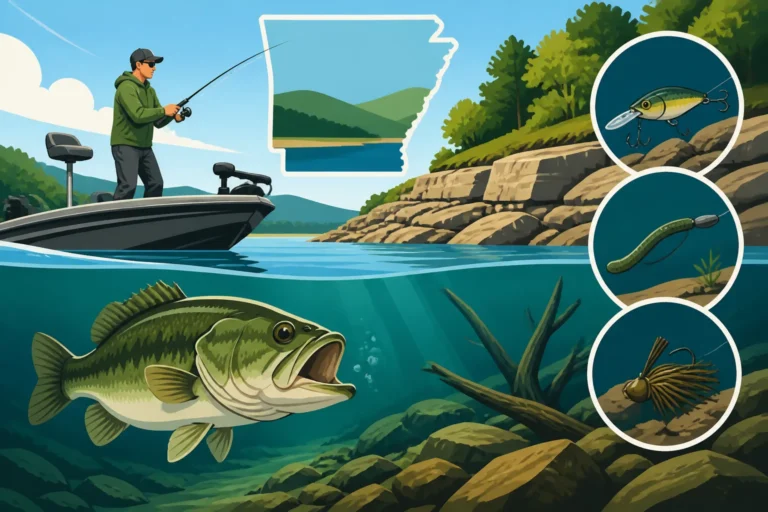
For artificial lures, consider small inline spinners in muted colors like silver, gold, or black. Tiny spoons, small crankbaits that imitate baitfish, or micro jigs in natural hues like olive, brown, or white can be incredibly effective. The key is a subtle action and a profile that doesn't scream "artificial." For bait anglers, natural offerings like scuds, midge larvae, or very small pieces of worm on a light hook can be irresistible. Many anglers swear by PowerBait or similar scented dough baits in natural colors, especially when fished near the bottom. The goal is to present something that looks, moves, and smells like a natural food source, not something out of place. Amazon is also a great place to explore a wide array of specialized clear-water lures and flies that might not be readily available in smaller local shops. For more specific lure recommendations, refer to Best Lures for Spin Fishing Trout.
Mastering the Art of Stealth and Long Casts
In clear water, fish have the home-field advantage because they can see you. Your goal is to reverse that by minimizing your presence. Stealth isn't just a suggestion; it's a requirement. This means avoiding bright clothing, especially if you're bank fishing. Wear muted colors that blend into the natural surroundings. Move slowly and deliberately, avoiding sudden movements or loud noises that can transmit through the water. If you're wading, shuffle your feet to avoid kicking up sediment or creating vibrations.
Perhaps most critically, learn to make long, accurate casts. The further you can cast, the less likely you are to spook the fish. Approaching a likely holding spot from downstream, if possible, is often the best strategy, as fish usually face upstream into the current. Keep a low profile, even crouching or kneeling if necessary, to prevent your silhouette from being cast over the water. A good pair of polarized sunglasses will also help you spot fish or structure before they spot you, giving you a tactical advantage. Practicing your casting accuracy and distance in an open field can pay huge dividends when you're on the water facing wary fish.
Techniques for Successfully Fishing Clear Tailwaters
Now that we've covered the why and the how of gear, let's talk about the specific techniques that consistently produce bites in Arkansas's clear tailwaters.
Nymphing and Drift Fishing for Trout
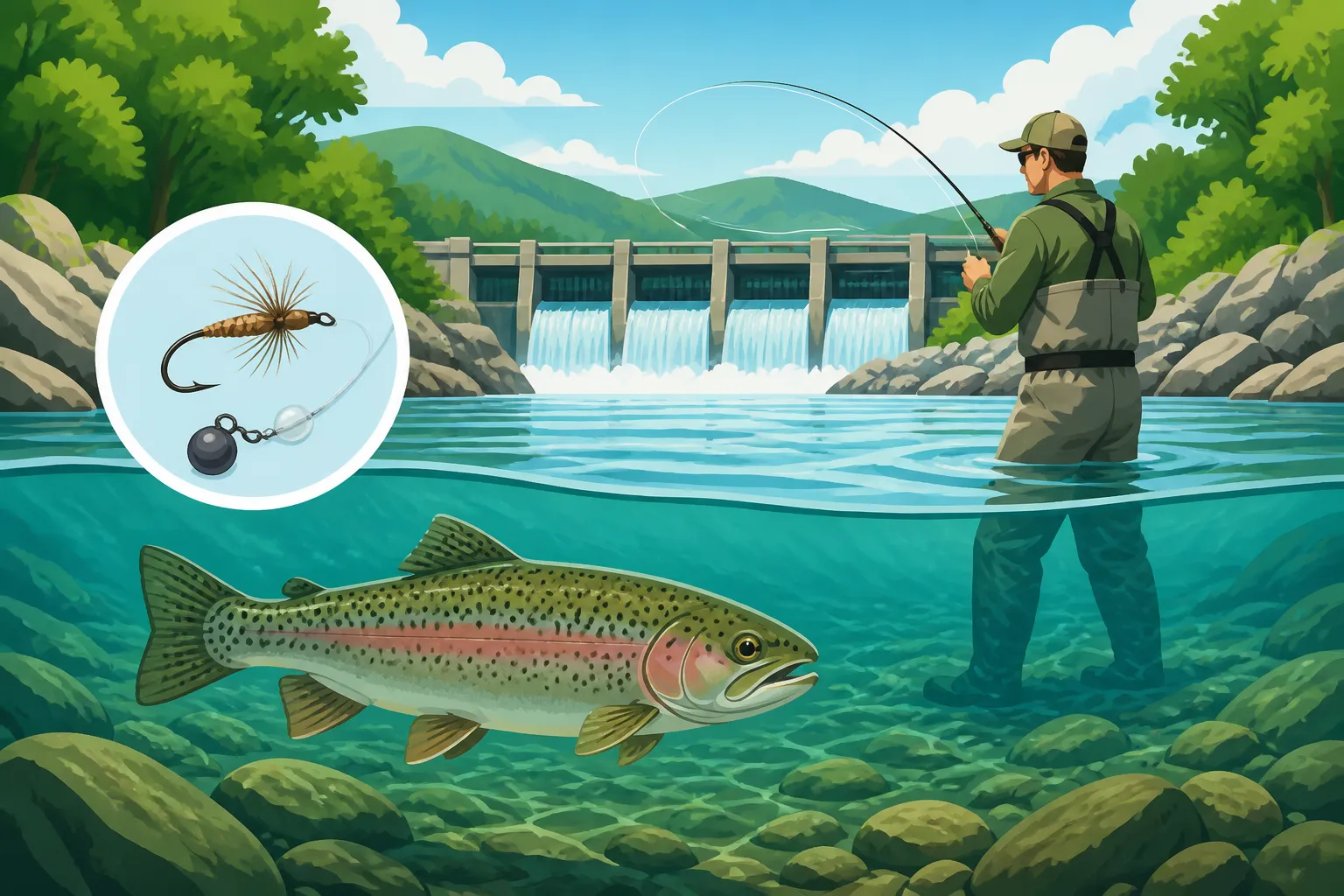
One of the most effective methods for trout in clear tailwaters, especially where insect life is abundant, is nymphing or drift fishing. This technique involves presenting a fly (a nymph, which imitates an aquatic insect larva) or a small natural bait in a way that perfectly mimics a natural insect or food item drifting freely with the current, without any drag from your line. Trout are constantly feeding on these subsurface morsels, and a perfect, drag-free drift is often the only way to fool them in clear conditions.
This often involves using a strike indicator (a small bobber-like device) to suspend your nymph at the correct depth, allowing it to tumble naturally along the bottom. Proper weighting with split shot or weighted flies is crucial to get your offering down to where the fish are holding without snagging. Mending your line – throwing upstream loops of line to correct for current differences – is an advanced but vital skill for maintaining that perfect drift. It can be challenging to learn, but the rewards are well worth it. Many anglers find the White River and Norfork Tailwater to be prime locations for this technique. You can delve deeper into this method with How to Nymph Fish for Trout and learn more about related tactics in How to Drift Fish a Tailwater.
Targeting Structure and Seams
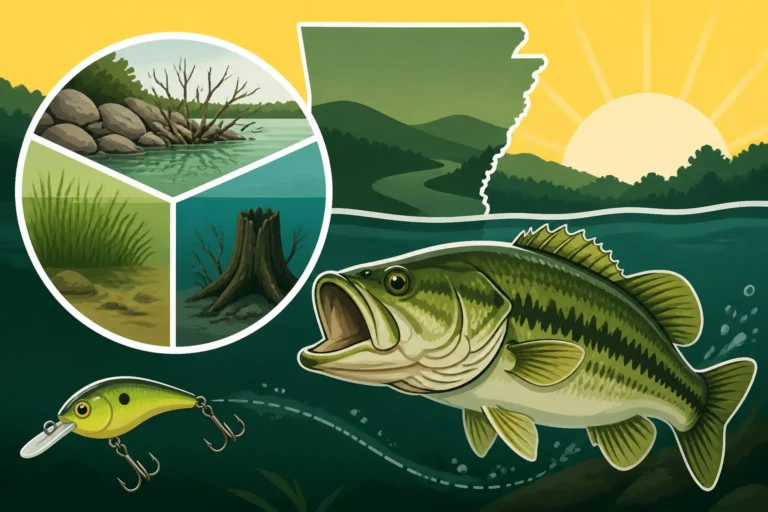
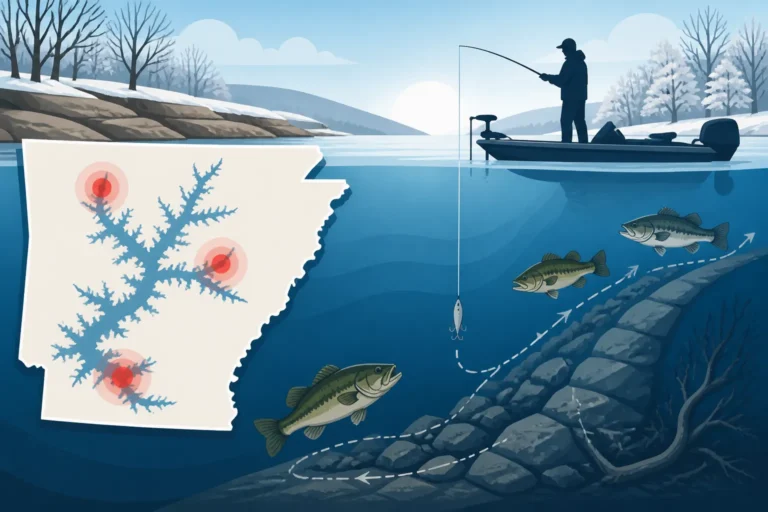
Even in clear water, fish still seek refuge and ambush points. Understanding where these are and how to fish them effectively is key. Structure refers to any physical feature that breaks the current or provides cover, such as large rocks, submerged logs, undercut banks, or even significant changes in bottom contour. Seams are the lines where fast water meets slow water, creating a prime feeding lane. Fish will often hold in the slower water, expending less energy, while waiting for food to wash by in the faster current.
Look for areas downstream of large boulders, eddies behind fallen trees, or the edges of current breaks. These are often prime lies where fish feel safe and have an easy time picking off drifting food. When fishing these spots, make your cast well upstream of the target, allowing your lure or bait to drift naturally into the strike zone. Sometimes, a subtle twitch or slight retrieve as it passes the structure is all it takes to trigger a bite. Don't be afraid to cast to the same spot multiple times from different angles, as fish can be particular about their strike zone in clear conditions.
The Role of Presentation and Repetition
It might sound obvious, but "presentation" is everything in clear water. It's not just about what you throw, but how you throw it and how it moves in the water. A perfect cast, a drag-free drift, or a lure retrieved with natural action can make all the difference. When your offering looks completely natural, it overcomes the fish's wariness.
Sometimes, fish just aren't actively feeding, or they're highly scrutinizing. This is where repetition comes in. Don't give up on a good spot after just one or two casts. Often, it takes multiple, precise drifts or retrieves to entice a strike. Fish might need to see the same delicious-looking nymph or a perfectly swimming crankbait several times before they commit. Vary your retrieve speed, try a slight pause, or add a subtle twitch. Sometimes a minor adjustment is all it takes to trigger a reaction strike. Patience and persistence are crucial companions when you're dealing with finicky clear-water fish.
Timing Your Attack: Light Conditions and Weather
The amount of light penetrating the water has a direct impact on how well fish can see you and your offerings. Using this to your advantage can significantly increase your success in clear tailwaters.
Low Light Conditions Are Your Friend
When the sun is blazing down, and the water is crystal clear, fish have superior vision. This makes them incredibly difficult to approach and fool. This is precisely why low light conditions become your best friend. Dawn, dusk, and heavily overcast or rainy days dramatically reduce the visibility advantage for the fish, making them less spooky and often more willing to venture out from cover to feed.
During these times, your silhouette is less pronounced, and your line becomes even harder for the fish to see. They might be less inclined to scrutinize every detail of your presentation. This doesn't mean you can throw caution to the wind, but it does mean you might have a slightly larger margin for error. On a cloudy day, trout that were holding tight to the bottom might become more active in the middle of the water column. Always try to schedule your clear-water outings for these prime low-light periods if possible. If you want to dive deeper into this topic, take a look at Do Fish Bite Better on Cloudy Days?.
Adapting to Bright Sun and Bluebird Skies
Let's be real: sometimes you can only get out on the water when the sun is high and the sky is a brilliant, cloudless blue. These are the toughest conditions for clear-water fishing, but not impossible. When faced with bright sun, you need to double down on all your clear-water tactics. Go even lighter on your leader (think 4x, 5x, or even 6x fluorocarbon), downsize your lures or baits to the absolute minimum, and focus on the most natural colors.
Fish will often move to deeper runs, faster water, or seek out the shadows of overhanging trees or undercut banks when the sun is bright. Concentrate your efforts on these areas. Cast into shaded pockets or the dark, deep pools where fish feel most secure. Make your casts exceptionally long and accurate, landing your lure or fly softly and well upstream of where you expect the fish to be. Your approach should be even more cautious, staying as far back from the water's edge as possible. While it’s challenging, a carefully presented, small nymph or tiny spinner in a deep, shaded eddy on a bright afternoon can still trick a trophy trout. For insights into the best times to hit the water, especially for specific species, consider Best Time to Fish the White River in Arkansas for Trout.
Comparing Clear vs. Murky Water Tactics
To really bring home the differences, here's a quick comparison of how your approach changes depending on water clarity.
| Feature / Tactic | Clear Water (Tailwaters) | Murky/Stained Water |
|---|---|---|
| Line Visibility | Extremely High; Requires light fluorocarbon leaders. | Low; Heavier mono or braid often acceptable. |
| Lure/Bait Color | Natural, subtle, muted colors (olive, brown, silver). | Bright, contrasting colors (chartreuse, orange, firetiger). |
| Lure/Bait Size | Small, delicate profiles. | Larger, more aggressive profiles for visibility. |
| Presentation | Finesse, subtle, drag-free drifts, natural action. | More aggressive retrieves, splashy topwaters, vibration. |
| Stealth | Absolutely Critical; Low profile, long casts, quiet movements. | Less critical; Fish rely less on sight. |
| Casting Distance | Longer casts to avoid spooking fish. | Shorter, more targeted casts if needed. |
| Time of Day | Low light (dawn/dusk, overcast) often best. | Often good all day, fish feel more secure. |
| Fish Location | Deeper holes, strong current seams, heavy cover. | More willing to hold in open water, shallower areas. |
Mastering clear water fishing in Arkansas tailwaters like the White River or the Norfork Tailwater takes patience and a willingness to adapt. It's about being a silent observer, a subtle presenter, and a diligent angler. But when you finally trick that beautiful trout that had been scrutinizing your every move, the reward is so much sweeter. Don't forget to review Arkansas Tailwater Trout Fishing Guide for a broader understanding of these unique fisheries. For additional guidance on gearing up for your trip, check out Best Gear for Float Fishing a Tailwater or explore Fly Fishing Techniques for Beginners and Spin Fishing Techniques for Trout. Understanding these waters is key to becoming a more successful angler, so remember to check out What Makes the White River Different from Other Trout Rivers to appreciate their unique charm.
Disclaimer
This article is for general informational purposes only and does not constitute professional advice. Laws, prices and regulations vary by location and change over time. Consult a qualified professional for guidance on your specific situation.