How to Catch Bass in Cold Water
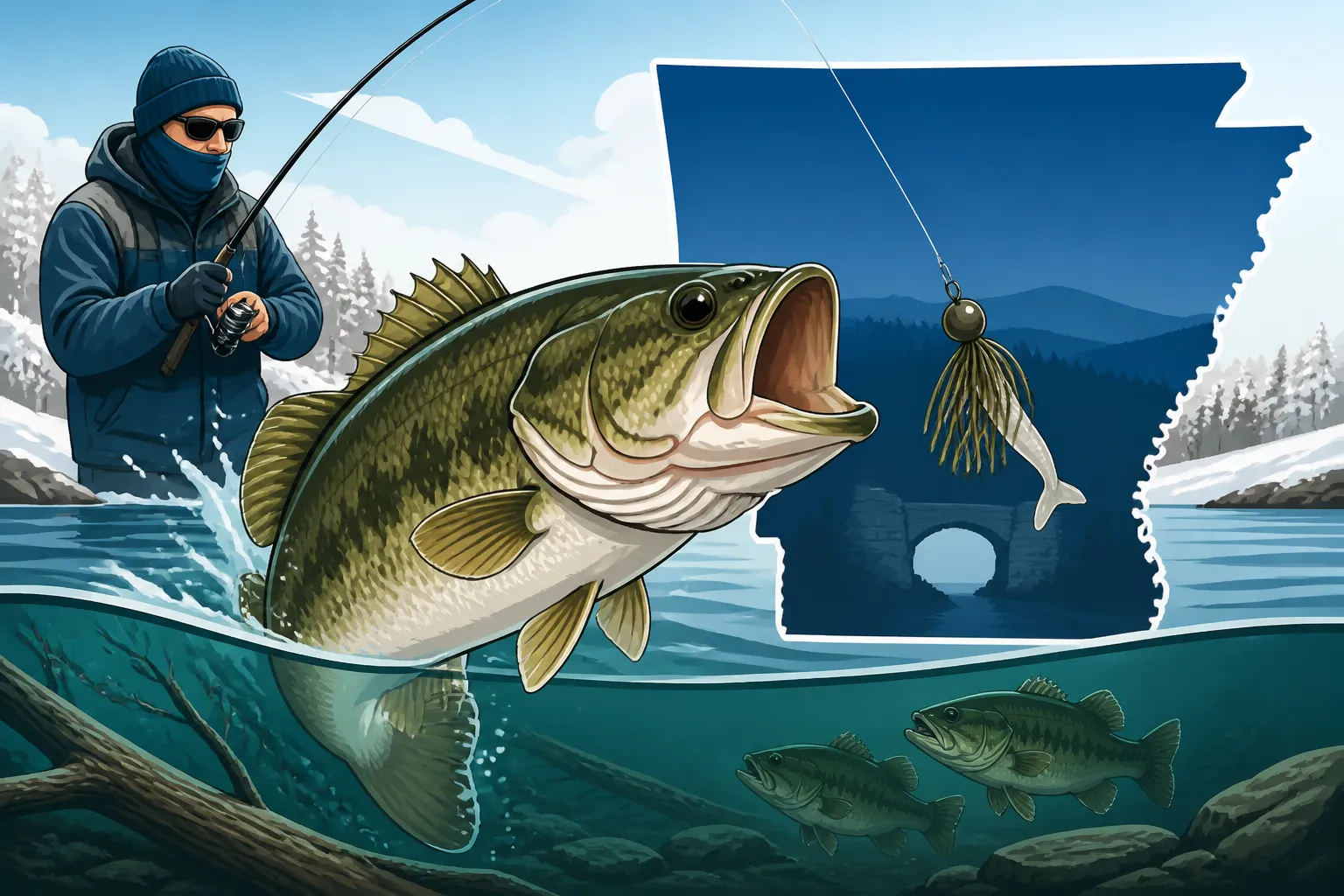
When the chill sets into Arkansas lakes and rivers, many anglers pack up their gear, assuming the bass bite has completely shut down. It's a common misconception, and frankly, a frustrating one for those of us who love chasing these feisty fish year-round. But bass are still there, they just change their habits dramatically. This guide is here to demystify cold water bass fishing, giving you the insights and techniques to keep landing them even when the air bites and the water freezes your fingers.
Understanding Bass Behavior in Cold Water
Fishing for bass in cold water isn't just about throwing a different lure; it's about fundamentally understanding how these fish react to plummeting temperatures. Their world slows down, and so must our approach. You can't just run and gun like you might in warmer months; patience and precision become your best friends.
The Metabolism Slowdown
Imagine trying to run a marathon after eating a huge holiday meal – it's tough, right? That's kind of how bass feel in cold water. As the water temperature drops, typically below 50-55 degrees Fahrenheit, a bass's metabolism slows down significantly. They become sluggish, their digestion takes longer, and they don't need to eat as frequently or exert as much energy chasing down prey. This isn't because they're being lazy; it's a physiological response to conserve energy.
This metabolic slowdown means their feeding windows are shorter, and their willingness to chase a fast-moving bait diminishes drastically. They're looking for an easy meal, something that presents itself without requiring much effort. Think of it like a cold-blooded animal trying to minimize energy expenditure. They'll hold tight to cover, waiting for something to swim right into their strike zone rather than actively patrolling and ambushing. This is a critical piece of knowledge, as it directly influences your lure choice and presentation.
Where Do Bass Go When It's Cold?
So, if they're not chasing, where exactly are they? Bass in cold water are thermal opportunists. They seek out the warmest water available, which is often surprisingly deep. When the surface water cools rapidly due to cold fronts and icy winds, the deeper water, being more insulated, actually holds a more stable and often slightly warmer temperature. This is where you'll find them congregating.
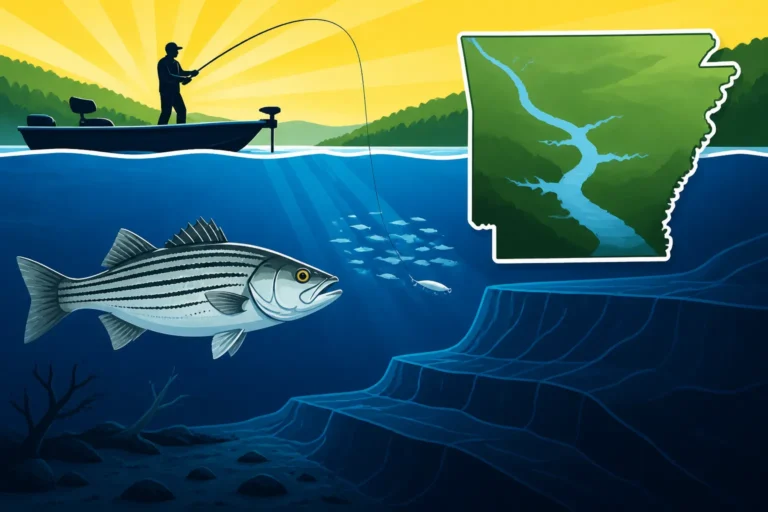
Look for deep structures like submerged humps, channel swings, bluff ends, and deep points. Timber, rock piles, and brush piles in 15-30 feet of water (or even deeper, depending on the lake's depth and clarity) become prime real estate. On massive reservoirs like Lake Ouachita or Bull Shoals Lake, these deep structures can be vast and tricky to pinpoint. Bass will often position themselves on the sunny side of these structures, where any slight warmth might accumulate, or buried deep within the cover, using it as an ambush point. Understanding these Winter Fishing Patterns on Arkansas Reservoirs is key to locating concentrations of fish.
The Importance of Water Temperature
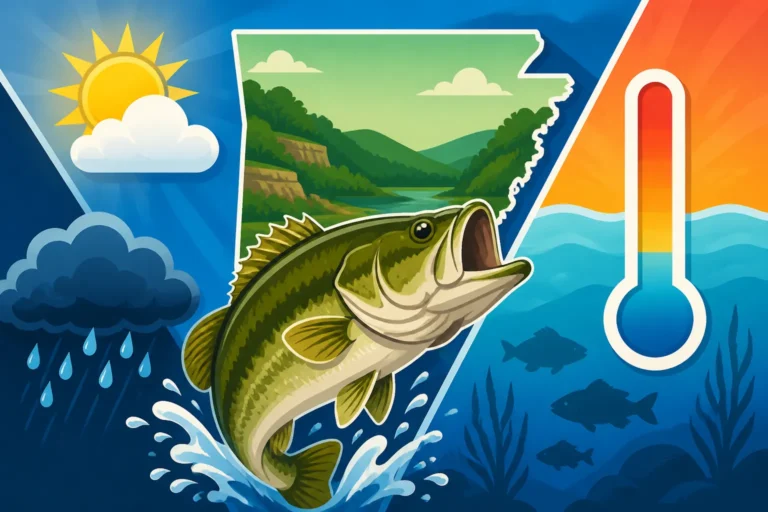
Water temperature isn't just a number; it's the ultimate determining factor for bass activity in winter. Even a one or two-degree difference can dictate whether bass are willing to bite or if they're completely shut down. Bass are cold-blooded, so their body temperature matches the water around them. A sudden cold front, even if it doesn't drastically lower the average water temperature, can shock the fish and send them deeper or make them completely lethargic. You can learn more about how to navigate these changes by understanding How to Fish After a Cold Front.
Conversely, a few consecutive sunny days, even in winter, can warm shallow, dark bottom areas by a degree or two, sometimes pulling bass up for a brief feeding spree. This is why knowing How to Read Water Temperature for Bass Fishing is so vital. Keep an eye on your boat's temperature gauge, but also pay attention to how long the sun has been hitting certain banks or how recently a cold rain has fallen. These subtle changes are what successful cold-water anglers key into. Shallow pockets that get sun all day can be surprisingly productive, even if the main lake is frigid.
Essential Gear and Tackle for Cold Water Bass
Success in cold water fishing often comes down to finessing bites from reluctant fish, and that requires a specific setup. You can't just use your heavy-duty summer flipping stick for this delicate game. The right gear helps you detect the subtlest takes and present your lures in the most appealing way.
Rods, Reels, and Line Choices
When bass are lethargic, their bites are often incredibly light – sometimes it feels like just a little tick or added weight on your line. To detect these ghost-like strikes, sensitivity is paramount.
- Rods: Opt for longer, medium-light to medium-heavy spinning rods, typically 6'10" to 7'6". Graphite rods offer superior sensitivity compared to fiberglass, allowing you to feel every pebble, twig, and subtle "thump" of a bass mouthing your bait. A good quality, sensitive spinning rod can make all the difference. Many anglers find great deals on these specialized rods on Amazon, often picking up brands known for their excellent blank sensitivity.
- Reels: Pair your spinning rod with a smaller, smooth spinning reel (2000-3000 series is usually ideal) that has an excellent drag system. A smooth drag is crucial when fighting a surprisingly strong bass on lighter line.
- Line: This is perhaps the most critical component. Fluorocarbon line is the go-to for cold water. Its low stretch provides excellent sensitivity, and its near-invisibility underwater is a huge advantage in often clearer winter waters. Use 6-10 lb test for finesse techniques like drop-shotting or shaky head fishing. For slightly heavier presentations or around denser cover, you might go up to 12-15 lb fluorocarbon. Avoid monofilament as its stretch reduces sensitivity, and braided line, while sensitive, is highly visible and can freeze up easily on your spool and guides in extremely cold temperatures.
Lure Selection: Slow and Subtle
Cold water bass aren't looking for a race. They want an easy meal that either slowly glides past them or sits temptingly in their strike zone. Your lure choices need to reflect this. Forget the fast-moving crankbaits and buzzing topwaters of summer. Think small, subtle, and slow.
Here are some go-to cold water lures:
- Jigs: A tried-and-true winter weapon. Football jigs (1/2 to 3/4 oz) or casting jigs (3/8 to 1/2 oz) with a compact profile work wonders. Tip them with small plastic craws or chunks that provide subtle action. Colors like black and blue, brown, or green pumpkin are staples. The key is to drag or hop them slowly along the bottom.
- Jerkbaits: Especially suspending jerkbaits. These lures dive to a certain depth and then, when paused, hover tantalizingly in the water column. A long pause (5-15 seconds, or even more!) after a few twitches is often when the strike occurs. Try natural baitfish colors or chrome.
- Blade Baits: These vibrating metal baits are fantastic for vertical presentations, especially over deeper structure. Drop them down, lift, and let them fall on a tight line. The flash and vibration can trigger strikes from suspended bass.
- Finesse Worms/Shaky Heads/Drop Shots: When all else fails, finesse presentations often prevail. Small worms (4-6 inches) on a shaky head jig or presented on a drop shot rig can be deadly. These baits offer minimal action but look incredibly natural and are presented right in the fish's face. You can find a huge variety of these specialized finesse baits on Amazon, including different colors and brands.
Here's a quick comparison of popular cold water lures:
| Lure Type | Presentation Style | Ideal Depth | Retrieve Speed | Key Action |
|---|---|---|---|---|
| Jig (Football/Casting) | Bottom dragging, hopping, pitching | Deep (15-40+ ft) | Very Slow | Crawls, subtle skirt movement, bottom contact |
| Suspending Jerkbait | Twitch-pause-twitch-long pause | Mid-depth (5-15 ft) | Slow | Suspends motionlessly, subtle darting |
| Blade Bait | Vertical jigging, lift-fall | Deep (15-50+ ft) | Slow | Flash, vibration on lift, fluttering fall |
| Shaky Head Worm | Dragging, slight shaking | Deep (10-30 ft) | Very Slow | Stand-up worm, subtle tail quivering |
| Drop Shot | Vertical presentation, subtle shake | Deep (15-50+ ft) | Very Slow | Bait hovers off bottom, natural movement |
Electronics and Boat Positioning
In cold water, where bass are often concentrated in deeper, less obvious locations, your boat electronics become indispensable. You're not just looking for fish; you're looking for structure, depth changes, and bait balls.
- Sonar/Down Imaging/Side Imaging: Use your sonar to locate submerged brush piles, rock formations, and abrupt depth changes (drop-offs, humps). Down imaging gives you a clearer, photographic view directly beneath your boat, while side imaging allows you to scan wide areas to either side, revealing hidden structure you might otherwise miss. Many anglers will spend hours idling over prime areas, meticulously scanning for these subtle contours and pieces of cover.
- GPS and Mapping: Once you find a productive spot, mark it immediately on your GPS. Bass will often return to these same types of areas year after year. Detailed lake maps are crucial for identifying potential deep water structure before you even get on the water.
- Boat Positioning: Precision is key. Once you've identified fish or promising structure on your electronics, you need to hold your boat in exactly the right position to make repeated, accurate casts. A reliable trolling motor with GPS Spot-Lock technology is a game-changer, allowing you to stay put even in wind or current, ensuring your lure lands where it needs to be. For anglers on a budget, simple anchors from a reputable brand like Amazon Basics can still do the trick for holding your position manually.
Proven Techniques for Cold Water Bass Fishing
Knowing where bass are and what gear to use is only half the battle. The other half is mastering the presentation. This is where patience, subtlety, and a willingness to break from your warm-weather habits truly pay off. These techniques are often effective whether you're targeting largemouth on Lake Conway or smallmouth on the Little Missouri River.
Slow Presentation is Key
This cannot be stressed enough: slow down! In cold water, a retrieve that feels painfully slow to you might still be too fast for a lethargic bass.
- Long Pauses: With jerkbaits, this means pausing for 5, 10, or even 20 seconds between twitches. Let the lure just hang there, mimicking a dying baitfish. Often, the strike comes on the pause or as you just begin your next twitch.
- Bottom Dragging: For jigs and soft plastics, instead of hopping them quickly, simply drag them along the bottom, feeling for every rock, stump, or shell bed. This stirs up a little puff of sediment, attracting curious bass, and presents the bait as an easy, non-threatening meal.
- Minimal Movement: Think of a snail's pace. Every movement of your lure should be deliberate and unhurried. Overworking a bait is a common mistake that will send cold-water bass scurrying. This kind of nuanced presentation is a skill honed over time and can really make a difference, especially when you're exploring Bass Fishing Techniques by Season.
Vertical Jigging and Finesse Tactics
When bass are suspended over deep water or hugging tight to structure, vertical presentations are incredibly effective because they keep your bait in the strike zone longer.
- Vertical Jigging with Blade Baits or Spoons: Find a school of baitfish or bass on your sonar, then drop a blade bait or a heavy spoon directly down to them. Lift your rod tip sharply a foot or two, then let the lure flutter back down on a semi-slack line. Watch your line closely for any "jump" or slackening – that's often a bite. This is particularly effective in spots like Norfork Lake where bass might suspend over deep channels.
- Drop Shotting: This finesse rig positions a small worm or creature bait above a weight, allowing it to hover naturally off the bottom. Drop it directly to a brush pile or rock formation, let the weight hit the bottom, and then just slightly shake your rod tip, imparting subtle action to the bait. The weight stays put, but the bait dances tantalizingly. This is an excellent tactic when bass are picky or when facing clear, cold waters.
- Shaky Heads: A jig head with a light wire hook and a small, straight-tail worm threaded onto it. Cast it out, let it sink to the bottom, and then slowly drag it, occasionally giving your rod tip a subtle shake to make the worm quiver. It mimics a small bottom-feeding creature or an injured baitfish. This is a very popular technique for targeting Largemouth Bass Fishing Tips for Beginners on Bull Shoals Lake.
Targeting Specific Structures
Bass don't just randomly roam in cold water; they cling to specific types of structure that offer warmth, cover, and ambush points.
- Deep Ledges and Channel Swings: These are classic winter holding spots. Find a prominent depth change where the main river or creek channel swings close to a bluff or a shallow flat. Bass will sit on the edge of the ledge, ready to move up or down depending on light conditions and bait presence. Focus your casts parallel to these ledges.
- Submerged Timber and Brush Piles: Dead trees, stumps, and artificial brush piles provide crucial cover and often hold schools of baitfish, which in turn attract bass. Pitch jigs or drop shots into the densest parts of these piles. Be prepared to get snagged, but the rewards can be big. This is especially true in lakes with abundant timber like Lake Ouachita or Greers Ferry Lake.
- Rock Piles and Boulders: Rocks absorb and retain heat better than mud, so rocky areas, especially those on points or humps, can be slightly warmer. Bass will wedge themselves into crevices or sit on the sunny side of large boulders. Work your jigs and shaky heads slowly over and through these rocky areas. Remember that on Smallmouth Bass Rules on Arkansas's Moving Waters Statewide, certain lengths must be released, so always check the latest regulations.
Safety and Comfort in Winter Fishing
While the allure of catching big cold-water bass is strong, it's crucial to prioritize your safety and comfort. Winter fishing can be harsh, and being unprepared can quickly turn a fun day into a miserable, or even dangerous, situation.
Dressing for Success
Staying warm and dry is paramount. Layering is your best friend when fishing in cold Arkansas weather.
- Base Layers: Start with a good moisture-wicking base layer against your skin. Wool or synthetic materials are far superior to cotton, which retains moisture and will make you cold. Look for brands that specialize in outdoor thermals; you can find many great options on Amazon.
- Mid-Layers: Add insulating layers like fleece jackets or down vests. These trap warm air close to your body.
- Outer Layer: Your outermost layer should be waterproof and windproof to protect you from rain, sleet, and biting winds. A good quality fishing bib and jacket set is an investment but will make your time on the water infinitely more enjoyable.
- Extremities: Don't forget your head, hands, and feet. A warm hat, insulated gloves (some anglers prefer fingerless gloves for better feel, with hand warmers in their pockets), and waterproof, insulated boots are essential. Bring extra socks, just in case. Keeping warm helps you focus on fishing rather than shivering, improving your chances of success and enjoyment during the Best Time of Year for Bass Fishing in Arkansas.
Cold Weather Boat Safety
A day on the water in winter presents unique challenges for boaters. Always prioritize safety.
- Check Your Gear: Before heading out, ensure your boat's battery is fully charged, your motor is in good working order, and all safety equipment (life jackets, throwable cushions, first-aid kit) is easily accessible. Cold weather can be tough on engines and electronics.
- Tell Someone Your Plan: Always let a friend or family member know where you're going, your planned route, and when you expect to return. Cellular service can be spotty on some remote Arkansas lakes.
- Stay Hydrated and Fueled: Bring plenty of water and warm beverages (like hot coffee or cocoa in a thermos) to stay hydrated. Snacks high in protein and healthy fats will help keep your energy levels up.
- Watch the Weather: Winter weather can change rapidly. Pay close attention to forecasts for wind, temperature, and precipitation. High winds on large reservoirs like Beaver Lake can create dangerous conditions, even without freezing temperatures. Don't be afraid to reschedule if conditions look dicey; the fish will still be there another day.
Disclaimer
This article is for general informational purposes only and does not constitute professional advice. Laws, prices and regulations vary by location and change over time. Consult a qualified professional for guidance on your specific situation.