Best Water Temperature for Bass Spawn in Arkansas
One of the biggest mysteries for any bass angler in Arkansas is figuring out exactly when those big ol' bucketmouths decide it's time to get busy. You’re out there on the water, you've tried all your favorite lures, but nothing's biting, and you just know it's because you've missed the window. Well, friend, that "missed window" often comes down to one crucial factor: water temperature. This guide is here to unravel that mystery, helping you pinpoint the best water temperature for bass spawn in Arkansas so you can spend less time guessing and more time reeling in those lunker bass.
The Ideal Water Temperature Range for Arkansas Bass Spawn
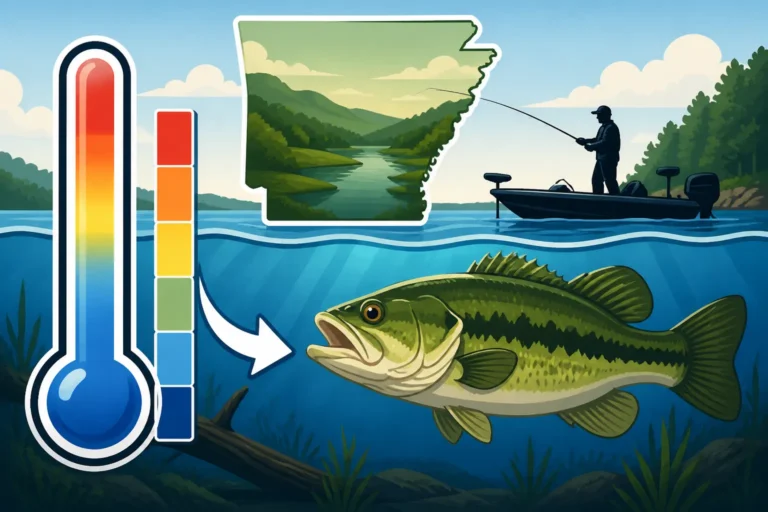
Anglers often dream of catching bass during the spawn, and for good reason—it’s a time when many of the biggest fish move into shallower, more accessible water. But it's not a single, fixed temperature. Think of it more as a range, a "sweet spot" that triggers these fish to begin their annual reproductive ritual. Understanding this range is paramount to your success, whether you're targeting largemouth, smallmouth, or Kentucky bass.
Largemouth Bass The Sweet Spot
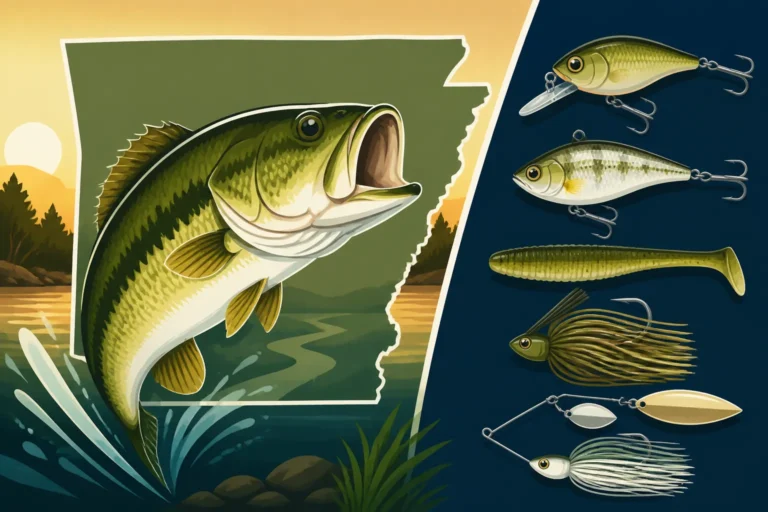
For most of us chasing largemouth bass in Arkansas, the magic truly begins when the water temperatures consistently hit the mid-50s Fahrenheit. This isn't the spawn itself, but rather the crucial pre-spawn period, when bass are feeding heavily, bulking up for the energy-intensive process ahead. They'll start cruising the shallows, looking for warmer pockets, especially on the north-facing banks or in protected coves where the sun has a chance to really warm things up.
As the water continues to climb into the 60s, typically between 62-68 degrees Fahrenheit, that’s when the largemouth really commit to spawning. You’ll start seeing them on beds, especially in lakes known for their fantastic bass fisheries like Lake Ouachita: Arkansas's Largest Lake for Bass and Crappie Fishing. They'll fan out circular depressions on the bottom, usually in sandy or gravelly areas, protected by some form of cover like a stump, dock, or grass bed. It’s a sight to behold, watching those big females move onto a bed, often accompanied by a smaller male. This is the prime time, the window that every serious bass angler lives for.
Smallmouth and Kentucky Bass Slight Variations
While largemouth bass tend to be the stars of the show, let's not forget their equally feisty cousins: the smallmouth and Kentucky (spotted) bass. These species often prefer slightly different conditions, though their spawn temperatures largely overlap with largemouth, albeit typically on the cooler end of the spectrum or in different environments.
Smallmouth bass, for instance, are generally found in the clearer, rockier waters of Arkansas's Ozark streams and big reservoirs like Bull Shoals Lake. They tend to spawn a little earlier, or at least begin their pre-spawn movements, when water temperatures are in the high 50s to low 60s. Their preferred spawning habitat often involves gravelly bottoms near rocky points or submerged timber, reflecting their preference for a harder, more structured environment. If you're chasing them in moving waters, like some of the beautiful rivers we have, they might hold in current breaks, waiting for those prime temperatures. You can learn more about Smallmouth Bass Rules on Arkansas's Moving Waters Statewide to ensure you're compliant while pursuing these fantastic fighters.
Kentucky bass, also known as spotted bass, are a fantastic sport fish found in many of our reservoirs. They tend to overlap a lot with largemouth in terms of preferred water temperatures for spawning, generally in the mid-60s. However, they're often found in slightly deeper water than largemouth, even when spawning. They might be on beds a bit deeper off rocky points or humps, making them a little trickier to spot. The key is to remember that while the exact temperatures might vary by a few degrees or the specific body of water, the overarching principle is that consistent warming trends are what ignite the spawn across all bass species.
Understanding the Pre-Spawn, Spawn, and Post-Spawn Phases
Fishing isn't just about throwing a lure out there; it's about understanding the fish's life cycle and how their behavior changes with the seasons. The bass spawn isn't a single event but a dynamic process with distinct phases, each offering unique opportunities (and challenges) for anglers. Knowing these phases, and the water temperatures that define them, is crucial for success.
Pre-Spawn The Feeding Frenzy
Ah, pre-spawn! This is arguably one of the most exciting times to be on the water. As water temperatures begin to climb from the mid-40s into the low to mid-50s Fahrenheit, bass shake off their winter lethargy and start moving towards their spawning grounds. They're still somewhat deep, maybe on secondary points or channel swings leading into coves, but they're actively migrating. This is the time when they need to pack on calories, so they become aggressive feeders.
You'll find these fish gorging themselves, trying to build up energy reserves for the upcoming spawn. This period can offer some of the best opportunities to catch truly giant bass, as they are often at their heaviest weight of the year. Lures that mimic large baitfish or crawfish are highly effective now. Think lipless crankbaits, jig-and-trailer combos, or even slow-rolled spinnerbaits. It's a time of anticipation, where every cast feels like it could connect with a monster. If you want to dive deeper into this exciting period, our guide on Pre-Spawn Bass Fishing Patterns offers a wealth of strategies.
The Critical Spawning Period
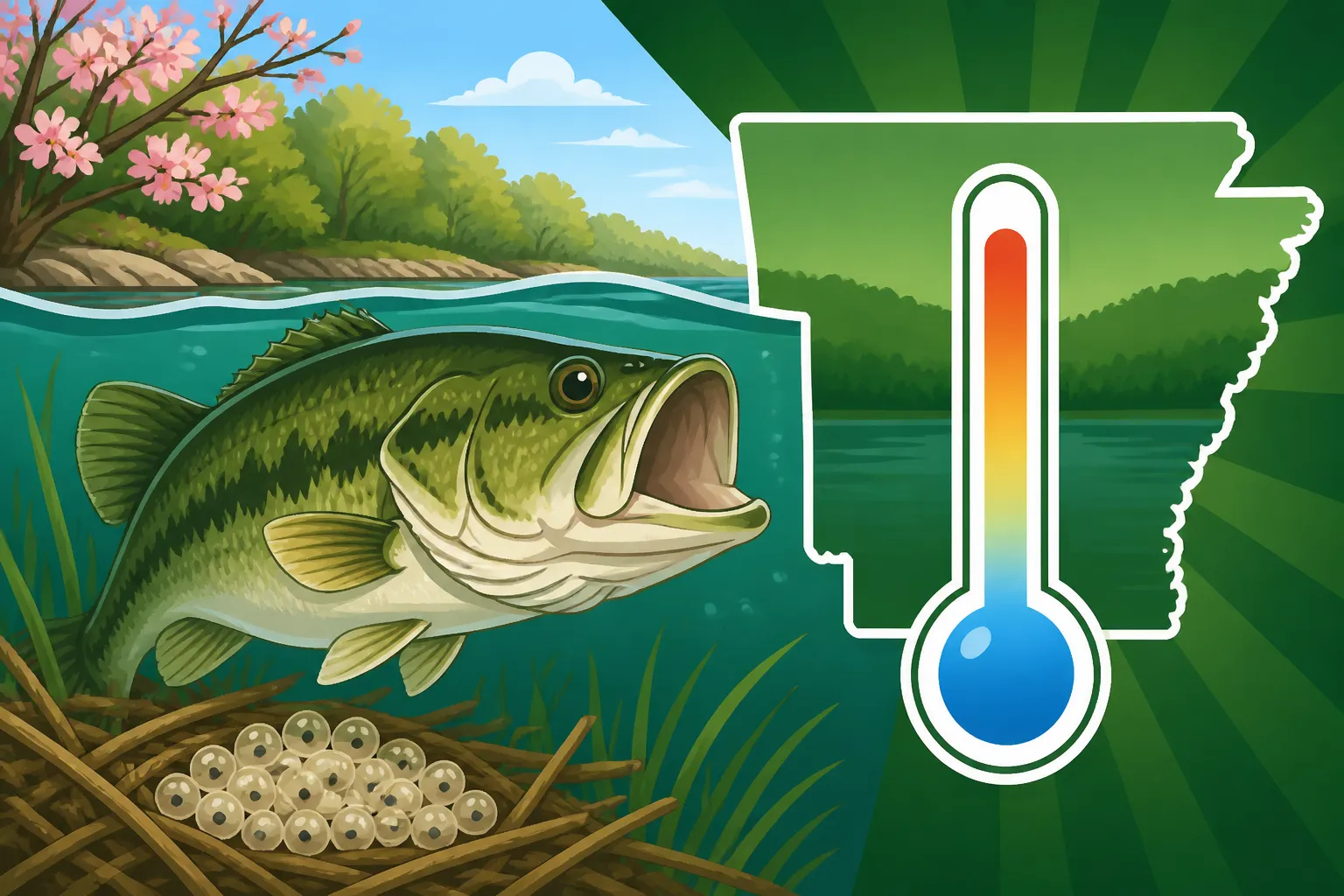
Once water temperatures consistently settle into that 62-68 degree range for largemouth (and similar for smallmouth and Kentucky bass), the actual spawning begins. The males move into the shallowest, warmest pockets, often in less than five feet of water, and fan out those characteristic circular nests. They'll meticulously clear away debris, creating a clean spot for the females to lay their eggs. These males are intensely protective of their territory, which makes them vulnerable to lures that intrude on their space.
When the females move in, they typically deposit their eggs, and the males then fertilize and guard them. This process can be incredibly sensitive to environmental changes. A sudden cold front, for instance, can cause water temperatures to plummet, sending the fish scrambling back to deeper water. They might suspend their spawning activities until the temperatures rebound. This is where patience, observation, and a reliable thermometer come into play. Fishing directly on beds can be controversial for some anglers, as it can disrupt the spawn and leave eggs vulnerable. Many prefer to target pre-spawn or post-spawn fish to minimize impact. However, understanding How to Fish a Bass Spawn Bed can still be valuable for identifying prime spawning areas.
Post-Spawn Recovery and Re-energizing
After the arduous process of spawning, both male and female bass need a break. The females, particularly, are exhausted and often a bit beat up from the spawning ritual. Water temperatures will be rising, typically into the high 60s and 70s. During the immediate post-spawn, both sexes will often linger near the spawning areas for a short period, still somewhat protective of any remaining fry, or simply recovering in nearby cover.
As they recover, their feeding habits change. They might not be as aggressively feeding as during the pre-spawn, but they will still eat. They tend to move to slightly deeper cover – submerged timber, weed lines, or even out to secondary points. They're still vulnerable, but they're not as concentrated as during the pre-spawn. Targeting these fish requires a slightly different approach, often using finesse techniques or lures that can be worked slowly through cover. Eventually, as summer progresses and temperatures really soar, they'll transition to their full summer patterns, moving to deeper, cooler water.
Factors Influencing Water Temperature and Bass Behavior
It would be too easy if water temperature was just a static number on a thermostat. Unfortunately for us anglers, it's a dynamic variable, constantly changing based on a multitude of environmental factors. Understanding these influences is key to predicting where bass will be and what they'll be doing. You can’t control the weather, but you can certainly anticipate how it affects the water!
Sun, Wind, and Rain Nature's Thermostat
Mother Nature plays a significant role in dictating water temperatures. On sunny days, especially in the spring, the sun's rays penetrate the water, warming the shallower areas much faster than the deep. North-facing banks, which receive more direct sunlight for longer periods, often warm up first, making them prime targets for early pre-spawn activity. Darker lake bottoms, like muddy flats, also absorb more solar radiation and can hold heat better than sandy or rocky areas. This is why you often find bass moving into these warmer pockets first.
Wind is another powerful force. A strong, sustained wind can do a couple of things: it can push warmer surface water to one side of the lake, creating a "wind-blown bank" that holds slightly higher temperatures. Conversely, if it's a cold wind, it can quickly cool down shallow water, potentially pushing fish off beds or delaying the spawn. Rain, particularly heavy, cold spring rains, can dramatically drop water temperatures in a short amount of time. This is a common frustration for anglers; you're on a hot bite, a storm rolls through, and suddenly the fish are gone! Being able to monitor real-time weather and forecast changes can give you a significant advantage. Remember, Arkansas weather can be unpredictable, so always be ready for shifts.
Depth, Cover, and Lake Type
The physical characteristics of a lake or river also heavily influence water temperature and, consequently, bass behavior. Shallow coves and flats, especially those with dark bottoms, are typically the first areas to warm up in the spring, making them natural magnets for pre-spawn and spawning bass. Conversely, deep main lake basins or areas near river channels will remain cooler for longer. Bass will often stage in these deeper areas before moving shallow and retreat to them during cold snaps.
Cover, whether it's submerged timber, brush piles, or dense aquatic vegetation, acts as both shelter and thermal regulation. These areas can either hold slightly warmer water, particularly if they’re shallow and absorb sunlight, or provide a thermal buffer against sudden temperature drops. Different types of lakes also behave distinctly. For example, the clear, deep reservoirs carved out by the Corps of Engineers, like Beaver Lake or Lake Greers Ferry Lake, tend to warm up more slowly than shallower, murkier lowland lakes. The Arkansas Fishing Regulations Guide often details specific rules for these diverse water bodies, which sometimes reflect these environmental differences. Understanding the unique characteristics of the lake you're fishing is just as important as knowing the general temperature ranges.
How to Accurately Monitor Water Temperature
Okay, so we know what temperatures bass prefer for spawning, and what factors influence those temperatures. Now, the million-dollar question: how do you actually measure it? You can't just guess or stick your hand in the water (though many of us have tried!). Accurate temperature readings are crucial for making informed decisions on the water.
Essential Tools for Anglers
There are several ways to get precise water temperature readings, ranging from simple to high-tech. The most basic and reliable tool is a good old-fashioned water thermometer. These are often inexpensive, easy to read, and you can simply drop them into the water for a quick, localized reading. Keep one handy, especially if you're fishing from the bank or wading. You can find a wide variety of reliable options on sites like Amazon. Just search for "fishing water thermometer," and you'll be set.
For those with boats, a fishfinder with a built-in temperature sensor is an absolute game-changer. Most modern depth finders, whether from brands like Humminbird or Lowrance, come equipped with this feature. Not only will it tell you the depth, structure, and presence of fish, but it constantly displays the water temperature at your transducer. This allows you to motor around, checking different coves, points, and depths until you find that perfect temperature range. Having this real-time feedback can dramatically reduce your search time and help you pattern the fish faster. Some anglers even prefer portable fishfinders, which you can easily attach to a kayak or small boat and many also feature temperature readings, which you can also find readily on Amazon.
Leveraging Online Resources and Local Intel
Beyond your personal gear, there's a wealth of information available online and from fellow anglers. Many state wildlife agencies, including the Arkansas Game and Fish Commission, provide lake reports that often include water temperature data. Websites dedicated to specific lakes or fishing forums are also great places to check. These reports might not give you an exact, real-time reading for every single cove, but they can provide a good general overview of current conditions and trends.
Don't underestimate the power of local intel. Stopping by a bait shop or marina near your chosen fishing spot can yield invaluable information. The folks working there talk to anglers all day long, and they often have the most up-to-date reports on what's biting, where, and at what temperature. Fellow anglers, whether you meet them at the boat ramp or on online communities, can also be a fantastic resource. Swapping stories and information is part of the fun of fishing! Just be a good sport and share your own findings too. Remember, if you're looking for Arkansas Fishing License Requirements for Out-of-State Anglers or even renewing your own, many of these local bait shops can handle that for you as well. This collective wisdom, combined with your own careful temperature monitoring, will put you in the best position to capitalize on the Arkansas bass spawn.
| Bass Species | Ideal Spawning Water Temperature Range (Fahrenheit) | Primary Habitat in Arkansas | Typical Spawning Depth |
|---|---|---|---|
| Largemouth Bass | 62-68 degrees | Most major lakes & rivers (e.g., Lake Ouachita, Lake Conway) | 1-5 feet (shallow flats, coves) |
| Smallmouth Bass | 58-65 degrees | Clear, rocky Ozark streams & reservoirs (e.g., Bull Shoals Lake) | 2-8 feet (rocky points, gravel bars) |
| Kentucky (Spotted) Bass | 60-68 degrees | Many reservoirs (e.g., Greers Ferry Lake, Lake Nimrod) | 3-10 feet (rocky banks, humps) |
Knowing the best water temperature for bass spawn in Arkansas is more than just a piece of trivia; it’s a fundamental tool for successful bass fishing. By paying close attention to these temperature cues, understanding the different spawning phases, and utilizing the right tools and information, you’ll be much better equipped to intercept those impressive Arkansas bass when they are most active and concentrated. It takes a little practice, sure, but with each trip, you'll become more attuned to nature's rhythms and the exciting dance of the bass spawn. Happy fishing!
Disclaimer
Please remember that fishing regulations, including size and daily limits, can change. Always consult the latest official Arkansas Game and Fish Commission regulations before heading out. This guide provides general information and best practices, but it is your responsibility to ensure compliance with all current laws.