Kid-Friendly Fishing Techniques
One of the biggest hurdles many parents face when trying to introduce their kids to fishing is the sheer overwhelm of it all. You want to share your passion, but you're probably picturing tangled lines, endless questions, short attention spans, and the dread of a child declaring "I'm bored!" before you've even wet a hook. This guide is here to cut through that anxiety, offering proven, kid-friendly fishing techniques and tips to ensure your first (and subsequent) family fishing trips in Arkansas are filled with joy, learning, and maybe even a few fish.
Setting the Stage for Success: More Than Just Catching Fish
Getting kids into fishing isn't just about hauling in a trophy — it's about making memories, connecting with nature, and instilling patience and respect for the outdoors. If you go into it expecting to catch a limit every time, you might just set yourself, and your kids, up for disappointment. The real catch is the experience itself.
Creating a Positive First Experience
The very first fishing trip can make or break a child's interest in the sport for years to come. Think of it as an adventure, not just a fishing expedition. Start with excitement! Talk about the cool things you might see, the sounds of nature, and the joy of being together. Make sure the location is easily accessible, safe, and ideally, has a high probability of yielding any kind of fish, even small ones. A calm, quiet pond or a slow-moving creek is often far better than a bustling, challenging river for a beginner. The goal isn't necessarily a huge catch, but a positive interaction with the water and the simple act of casting and reeling. Pack plenty of snacks, drinks, and be prepared for spontaneous rock-skipping competitions or bug-spotting excursions. The fishing itself should be just one part of a larger, fun outdoor experience.
Managing Expectations (Yours and Theirs!)
This is perhaps the most crucial aspect. As adults, we often have certain ideas of what a successful fishing trip looks like. For a kid, success can be anything from seeing a fish jump, successfully casting their line, or even just eating a sandwich by the water. Don't push them to sit still for hours if they're squirming after twenty minutes. Their attention spans are shorter, and that's okay. Bring other activities like a magnifying glass for examining leaves, a small bucket for collecting interesting rocks, or even a book. If the fish aren't biting, pivot! Explore the shoreline, watch some ducks, or simply enjoy the fresh air. Celebrate small victories, like a perfect cast or correctly baiting a hook, even if no fish are involved. This helps build confidence and keeps them engaged without the pressure of needing a catch. Remember, you're building a foundation for a lifelong hobby, not winning a tournament.
Choosing the Right Time and Location
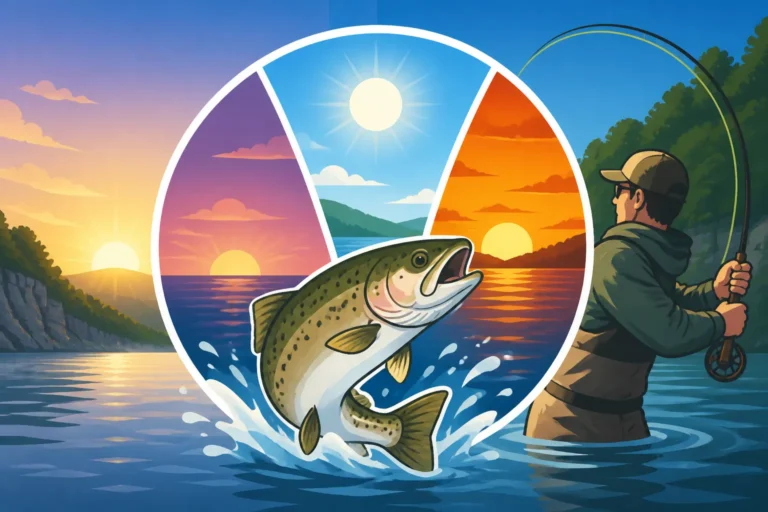
Timing and location are everything when fishing with kids. You want to pick a time of day when fish are likely to be active and when your child is well-rested and energetic, typically morning or late afternoon. Avoid the scorching midday sun unless you have excellent shade and hydration. For location, look for places known for easy access and panfish. Many Arkansas State Parks offer designated fishing piers or calm ponds that are perfect for beginners. For instance, you might find a great spot at the Lake Ouachita State Park or a local community pond. These spots are often stocked and designed for family enjoyment. Avoid heavily vegetated areas where snags are frequent, or places with strong currents that might be intimidating. The less frustration with tangles and lost tackle, the happier everyone will be. Consider places where you can easily walk around, take breaks, and have amenities like restrooms nearby. Choosing a spot known for Panfish Species Good for Kids and Beginners will almost always guarantee more action.
Basic & Easiest Techniques for Little Anglers
When it comes to fishing techniques for kids, simplicity is your best friend. Complicated rigs and advanced strategies will only lead to frustration. We're talking about getting a hook in the water, bait on the hook, and something that signals a bite.
The Unbeatable Bobber Rig
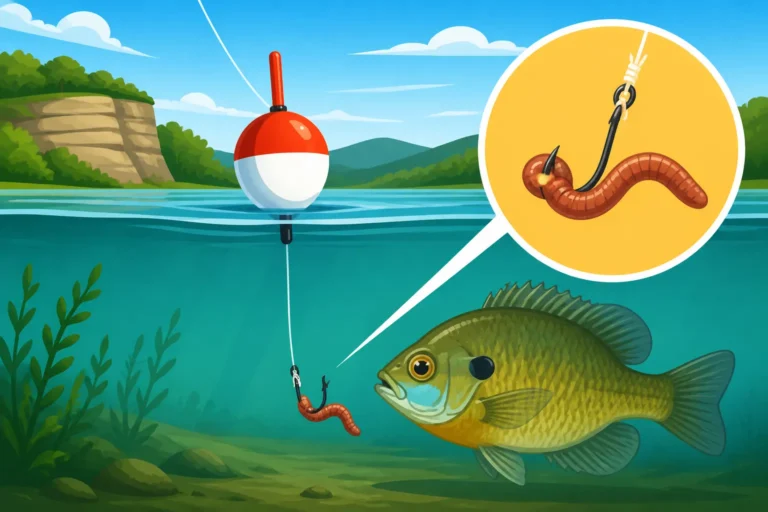
If there's one technique every child should start with, it's the classic bobber rig. It’s visual, exciting, and incredibly effective for catching numerous small fish. All you need is a small hook (size 8 or 10 is usually great), a split shot weight a few inches above the hook, and a bobber set to a depth that puts your bait just off the bottom or around submerged structure. The magic of the bobber is its movement – when it dips, bobs, or disappears, it’s a clear signal that something is happening! This visual cue is far more engaging for kids than feeling a subtle bite through the line.
For bait, simple is best. Earthworms, crickets, or even small pieces of bread or corn can be incredibly effective for panfish. You can easily find these at local bait shops or even dig them up in your backyard. Just teach them how to gently thread the bait onto the hook, ensuring the point is covered. Encourage them to watch the bobber intently, anticipating that splash and pull. This method is fantastic in still water like ponds, small lakes, or slow-moving stretches of rivers where bluegill, sunfish, and small crappie often congregate. The joy of seeing that bobber go under and feeling the tug of a fish, no matter how small, is an absolute thrill for a young angler.
Simple Spincasting for Beginners
Once they've mastered the bobber rig, teaching them to cast independently with a simple spincast reel is the next logical step. Spincast reels, like those often found on Amazon for kids' combos, are incredibly user-friendly. They have a button that, when pressed, allows the line to feed out freely, and when released, it stops. It’s far less prone to tangles than a spinning reel and much easier to learn than a baitcaster. Start without a hook, using a casting plug or a heavy washer. Practice in an open yard, aiming for targets. This takes the pressure off and makes it a fun game.
Teach them the "10 o'clock, 2 o'clock" motion: bring the rod tip up behind them to about the 10 o'clock position (pressing the button), then smoothly bring it forward, releasing the button around 2 o'clock. Emphasize a smooth motion rather than a jerky one. Once they get the hang of it, move to the water. The ability to cast their own line gives them a sense of independence and accomplishment. For more detailed instructions, check out resources on How to Teach a Kid to Fish for Bluegill.
Bottom Fishing for Bountiful Bites
Sometimes, fish aren't feeding near the surface or suspended in the water column. This is where a simple bottom fishing rig shines, especially for species like catfish or larger panfish that often hang out closer to the lakebed. This technique involves a hook, a swivel, and a weight (like an egg sinker or pyramid sinker) that rests directly on the bottom. The bait sits on the bottom, too, often appealing to fish scavenging for food.
A simple setup involves tying a hook to your main line, then a foot or so above that, tying on a swivel. Above the swivel, slide an egg sinker onto the main line. The swivel prevents the weight from sliding down to the hook, allowing the fish to pick up the bait without feeling the resistance of the sinker. This is particularly effective when targeting catfish, which are often found on the bottom. For bait, cut-bait, chicken livers, or nightcrawlers work wonders. While it might lack the visual excitement of a bobber, the solid pull of a fish on a bottom rig can be incredibly satisfying for kids, especially if they manage to land a bigger fish.
Targeting Fish Species Perfect for Kids
The right fish species can make all the difference in a child's fishing experience. We want fish that are relatively easy to catch, plentiful, and put up a decent fight without being overwhelming.
Bluegill and Bream: The Ultimate Kid Fish
When you're taking kids fishing, bluegill and other bream (sunfish) are your absolute best friends. Seriously, these little fighters are prolific, aggressive, and almost always willing to bite, making them ideal for keeping young anglers engaged. They inhabit nearly every pond, lake, and slow-moving river section in Arkansas, often schooling in large numbers around docks, submerged timber, or weed beds. Their abundance means kids aren't left waiting for hours for a bite, which is crucial for maintaining their interest.
Bluegill are typically small enough for kids to handle independently, fostering a sense of achievement. They hit bait hard and put up a surprisingly feisty struggle for their size, which provides a fantastic thrill. You don't need fancy gear either; a simple worm under a bobber is practically irresistible to them. For specific tips on catching these, you might find Bluegill Fishing Tips for Kids in Arkansas incredibly helpful. These fish are not only fun to catch but also make for excellent table fare, offering a complete and rewarding fishing experience.
Crappie: A Step Up in Excitement
Once your child has successfully reeled in a few bluegill, crappie can be a fantastic next step. Both black and white crappie are common in Arkansas waters and grow a bit larger than bluegill, offering a more substantial fight. They're often found in similar habitats, such as brush piles, standing timber, or around submerged structures, especially during their spring spawn. The challenge with crappie is that they can be a bit more finicky than bluegill, often preferring small jigs or minnows.
This introduces kids to new types of bait and lures, adding another layer to their learning. A small jig tipped with a minnow or a soft plastic grub under a tiny bobber can be deadly for crappie. The bite can be subtle, teaching children to pay closer attention to their line and bobber. Many of Arkansas's larger reservoirs, like Lake Ouachita or DeGray Lake, are renowned for their crappie populations. Catching a slab crappie can be a huge confidence booster for a young angler, proving they can tackle bigger, more challenging fish.
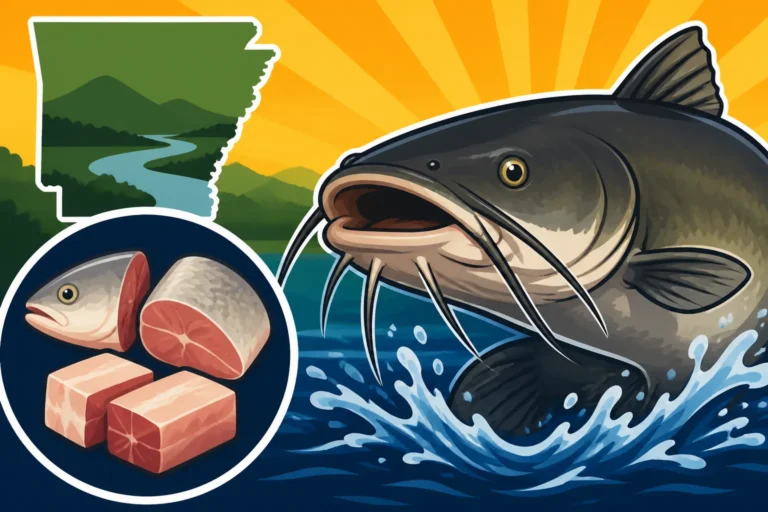
Channel Catfish: For the Patient Young Angler
For kids with a bit more patience and a desire for a bigger tug, channel catfish are an excellent target. These bottom-dwellers are widespread in Arkansas rivers and lakes and can grow to impressive sizes, offering a truly memorable fight. While they might not provide constant action like bluegill, the anticipation and the powerful pull of a channel cat can be incredibly exciting. This species is an excellent choice for a dedicated fishing session focused on a single, larger target.
Channel catfish are often caught using heavier tackle than panfish, introducing children to different rod and reel setups. They respond well to strong-smelling baits like chicken livers, nightcrawlers, stink baits, or cut bait, which are easy for kids to handle (though maybe not to smell!). Fishing for channel catfish is often best in the late afternoon or evening, which can add another dimension to the family fishing trip. You can find these fish in places like the Arkansas River or many of our larger impoundments. If you're looking for Best Catfish Spots in Arkansas, there are plenty of options where a patient child can be greatly rewarded.
| Fish Species | Typical Habitat | Best Kid-Friendly Bait | Average Size (Kid-Caught) | Fight Level |
|---|---|---|---|---|
| Bluegill (Bream) | Docks, weed beds, submerged timber, shallow areas | Worms, crickets, small pieces of bread | 4-8 inches | Lively |
| Crappie (Black/White) | Brush piles, standing timber, deeper structure | Small minnows, tiny jigs, soft plastic grubs | 8-12 inches | Moderate |
| Channel Catfish | Bottom of rivers/lakes, deeper holes, near structure | Chicken liver, nightcrawlers, cut bait, stink baits | 1-5 pounds | Strong |
Essential Gear and Safety for Young Fishermen
Getting the right gear isn't about spending a fortune; it's about choosing equipment that's easy for small hands to manage and, most importantly, ensuring everyone stays safe.
Rods, Reels, and Line Made for Kids
Forget your high-end casting rod or ultralight spinning gear for the little ones. Kids need equipment that is durable, forgiving, and designed for their smaller stature. Spincast combos are truly the gold standard for beginners. Brands like Zebco (with their famous 33 series) or Daiwa often make excellent closed-face reels that prevent frustrating tangles. Look for rods that are 4 to 5 feet long, with a light to medium-light action. This length is manageable for casting without being too flimsy or too heavy. A shorter rod also makes it easier for them to handle fish once caught.
Pre-spooled combos with 6-8 pound monofilament line are usually perfect. The line should be strong enough to handle snags and the occasional larger fish, but not so heavy that it hinders casting distance. Remember to keep it simple. A cartoon character on the rod or a bright color might seem trivial to you, but it can make a world of difference in a child's enthusiasm. You can often find fantastic, affordable options for these beginner setups on Amazon, making it easy to get started without breaking the bank.
Safety First: PFDs, Sunscreen, and First Aid
Safety should always be the top priority on any fishing trip, especially when children are involved. Even if your child is a strong swimmer, a properly fitting Personal Flotation Device (PFD or life vest) is non-negotiable, especially when fishing near open water, from a boat, or on docks. Make sure it's snug, comfortable, and worn correctly.
Sun protection is equally important. Kids' skin is more sensitive to the sun, so slather on broad-spectrum sunscreen with at least SPF 30, even on cloudy days. Wide-brimmed hats and sunglasses are also highly recommended. Dehydration can quickly turn a fun day sour, so always pack plenty of water and encourage frequent sips. Finally, a small, well-stocked first-aid kit is essential for dealing with minor cuts, scrapes, insect bites, or the inevitable hook mishap. Include antiseptic wipes, bandages, pain relievers, and any necessary personal medications. Being prepared means you can handle small issues quickly and get back to enjoying your time on the water.
Simple Tackle Box Essentials
You don't need a massive, overflowing tackle box for a kid's fishing trip. In fact, a small, organized box with just the essentials is far better. Overwhelm them with too many choices, and they'll get lost in the gear instead of focusing on the fishing. Here’s a basic list of what to pack:
- Bobbers: Assorted sizes, stick with clip-on plastic bobbers that are easy for small fingers to attach.
- Hooks: A selection of small Aberdeen or bait holder hooks (sizes 6, 8, 10).
- Weights: Split shot weights in various small sizes.
- Swivels: Small barrel swivels to prevent line twist.
- Bait: Live bait like worms or crickets. Pack them in a breathable container.
- Pliers/Forceps: Essential for removing hooks safely from fish and untangling lines.
- Line Cutter: Small scissors or nail clippers work well.
- Extra Line: A small spool of spare monofilament, just in case of major tangles.
- Bucket: A small plastic bucket for holding bait, water, or even a few keeper fish.
Keeping it simple ensures quick rigging and less time spent fumbling with gear, which means more time with a line in the water, which is what it's all about!
Keeping the Fun Alive: Beyond the First Cast
Fishing with kids is rarely a continuous, silent pursuit. You've got to be dynamic, keep things interesting, and understand that their attention will wax and wane. The key is to embrace it.
Making Breaks and Snacks a Priority
A child's energy levels and attention span are finite, especially when exposed to the elements. Don't expect them to fish for hours straight. Schedule regular breaks, even if the fish are biting. Use these times to rehydrate, eat snacks, and simply stretch. This is a perfect opportunity for them to run around, explore the shoreline, or engage in other non-fishing activities you might have brought along. Pack plenty of kid-friendly snacks – fruit, crackers, juice boxes, whatever will keep their energy up and their spirits high.
These breaks aren't just about refueling; they're about preventing boredom and burnout. A child who is fed, watered, and has had a chance to move will be much more enthusiastic when it's time to pick up the rod again. Remember, the goal is to make the entire day enjoyable, not just the moments a fish is on the line. If you're planning a trip around the Arkansas Free Fishing Weekend Guide, this approach is especially good since many families are out, and the atmosphere is generally more relaxed and focused on participation.
Interactive Learning and Storytelling
Turn the fishing trip into an educational adventure! Instead of just handing them a rod, explain why you're using certain bait, where fish like to hide, or how to identify the different species you might catch. Point out birds, insects, and other wildlife. Talk about the ecosystem and the importance of clean water. For instance, if you're fishing for panfish, explain why Best Bait for Bluegill Fishing is so effective.
Encourage them to ask questions and answer them enthusiastically, even the silly ones. Share your own fishing stories from when you were a kid, or make up fantastical tales about the "one that got away." Let them help measure fish (if keeping them), bait hooks, or even untangle a simple knot (under supervision, of course!). Apps or small field guides can also be great for identifying fish, plants, and birds. These interactive moments transform a passive activity into an engaging, hands-on learning experience that deepens their connection to the outdoors.
Celebrating Every Moment, Not Just the Catch
It's tempting to focus solely on catching fish, but for kids, every part of the experience can be a victory. Did they cast their line further than before? High five! Did they patiently wait for five minutes without asking "Are we there yet?" (even if they were already fishing)? Give them praise! Did they successfully bait their hook, even if it took a few tries? That's a huge win!
Take photos of them holding their rod, even if there's no fish. Document the beautiful scenery, the funny faces, and the moments of quiet contemplation. The excitement of a fish on the line is incredible, but a child's resilience after a missed bite, their focus on the bobber, or their joy in just being outdoors are equally important. Make sure they know that their effort, enthusiasm, and good behavior are what truly make the trip a success. This positive reinforcement builds confidence and ensures they'll want to come back for more, fish or no fish. If you happen to be on a guided trip, like one of the Kid-Friendly Fishing Charters in Arkansas, the guide will often have a great way of celebrating these small successes too!
Troubleshooting Common Kid Fishing Challenges
Let's be realistic: fishing with kids isn't always smooth sailing. There will be tangles, moments of boredom, and days when the fish just aren't biting. How you handle these moments can make all the difference.
Dealing with Tangles and Snags
Oh, the dreaded tangle! Every angler, regardless of age, has battled a bird's nest of fishing line. For kids, a major tangle can be incredibly frustrating and quickly lead to tears or a desire to quit. The key is to approach it with patience and a calm demeanor. First, acknowledge their frustration – "Oh, that's a tough one, isn't it?" Then, explain that it happens to everyone.
Instead of just fixing it for them, turn it into a learning opportunity. Show them how to gently pull loops apart. If it's too far gone, don't hesitate to cut the line and re-tie. It's often quicker and less stressful than trying to salvage a hopeless mess. Teach them some basic preventative measures, like not casting too hard or checking their line before each cast. If you encounter snags on the bottom or in underwater brush, reassure them that it's part of fishing. Explain that sometimes lures or hooks get stuck, and it’s okay to lose a little tackle. Having spare hooks and weights in your simple tackle box means you can quickly re-rig and get them back in the action with minimal downtime.
Battling Boredom on Slow Days
What do you do when the fish simply aren't biting, and your little angler starts to fidget, sigh, and ask, "How much longer?" This is where your backup plan comes in handy. Remember those non-fishing activities we talked about? Now's the time to deploy them! Bring a small football to toss, a frisbee, a nature scavenger hunt list, or even just some paper and crayons for drawing. Explore the shoreline for interesting rocks, feathers, or unique plants.
Another great strategy is to change locations if possible. Sometimes moving just a few yards down the bank or to a different part of a pond can make all the difference and renew interest. If a different technique might work, try switching from a bobber to a bottom rig, or vice-versa, just to introduce novelty. The most important thing is to be flexible. If fishing isn't holding their attention, don't force it. The goal is positive outdoor experiences, and that doesn't always have to mean a fish on the line. Sometimes, the best solution is simply to pack up a little early and come back another day.
Turning "No Fish" into a Learning Opportunity
It's inevitable: some days, you just won't catch anything. For an adult, it's a "bad fishing day." For a child, it can feel like a personal failure. It’s crucial to reframe this experience positively. Emphasize that fishing isn't always about catching fish; it's about the adventure, the beauty of nature, and the time spent together. Remind them of all the fun things you did do – the snacks, the bird watching, the perfect cast they made, the story you told.
Talk about why you might not have caught fish: maybe the water was too hot, or the fish were too deep, or they simply weren't hungry. Explain that fishing requires patience and persistence, and that's a valuable lesson in itself. You can even plan the next trip, talking about what you might do differently or where you might go. "Next time, maybe we'll try that spot near the old tree stump, because that's where the big bluegill like to hide!" This anticipation keeps their interest alive and teaches them that every outing, even a fish-less one, offers valuable insights and lessons for the next adventure. It's all part of becoming a real angler, after all.
Disclaimer
The information provided in this guide is for general informational purposes only and does not constitute professional advice. Fishing regulations, license requirements, and fish limits in Arkansas can change. Always consult the latest official regulations from the Arkansas Game and Fish Commission before planning your trip. Safety should be your utmost priority; always wear appropriate safety gear and supervise children closely while fishing.