Jug Fishing Basics for Catfish
Have you ever spent hours by the riverbank or anchored in a quiet cove, patiently waiting for a bite, only to find yourself going home empty-handed while the big Arkansas catfish seem to evade your every attempt? It’s a common frustration, especially when you know those whiskered giants are out there. Jug fishing offers a fantastic, often more productive, and certainly unique way to target these powerful fish, letting you cover more ground and really increase your chances of a successful outing.
The Allure of Jug Fishing for Arkansas Catfish
There’s something distinctly old-school and wonderfully effective about jug fishing. It’s a technique that has been passed down through generations in places like Arkansas, combining a bit of ingenuity with a whole lot of patience. For many, it's not just about catching fish; it's about the relaxed pace, the camaraderie, and the thrill of watching a jug suddenly dart across the water, signaling a powerful catfish has taken the bait.
Why Jug Fishing Stands Out Among Catfish Techniques
Unlike actively casting and retrieving, or even traditional still-fishing with a single rod, jug fishing utilizes multiple baited lines spread across a larger area. This passive approach significantly increases your odds because you’re presenting bait to more fish, simultaneously, over a wider range. Imagine trying to cover a large flat on Lake Conway or a deep bend on the Arkansas River with just one pole – it’s almost impossible. Jugs, however, can be deployed to blanket these prime catfish habitats. Plus, it’s incredibly adaptable. You can target different depths, experiment with various baits, and even fish different parts of a lake or river all at once. It's a method that truly maximizes your time on the water.
The Thrill of the Chase: How Jugs Signal a Catch
One of the most exciting aspects of jug fishing is the visual spectacle when a fish takes the bait. Picture this: you've set out your string of brightly colored jugs, perhaps a dozen or so, spread out with the current, bobbing gently in the water. You're relaxing in your boat, maybe chatting with friends or enjoying the quiet hum of nature. Suddenly, one of those jugs, which was just lazily drifting, starts moving with purpose, maybe even dipping beneath the surface before reappearing. That’s your cue! The chase is on. You fire up the motor, or grab the oars, and race to retrieve your jug, heart pounding with anticipation. You never quite know what’s on the other end until you get there, and that element of surprise is a huge part of the fun. It’s a completely different kind of fight than reeling one in from a rod and reel, and it adds an extra layer of excitement to the entire experience.
Assembling Your Ideal Jug Fishing Setup
Before you hit the water, you need to make sure your gear is up to snuff. The beauty of jug fishing is its simplicity, but a well-prepared setup will make all the difference in success and safety. You don't need a massive investment, but quality matters where it counts.
Choosing and Customizing Your Jugs
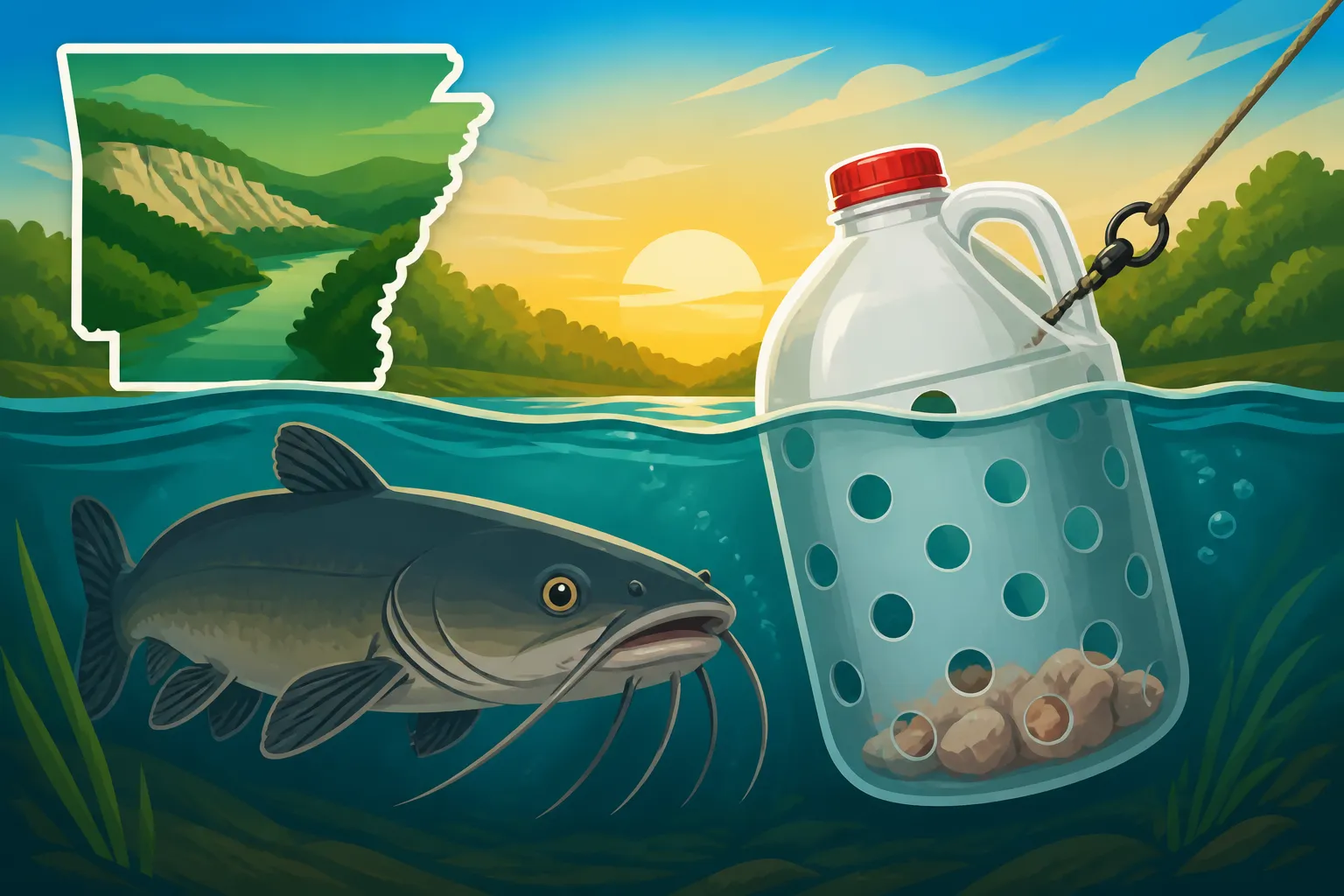
The "jug" itself is the heart of this technique. While you can certainly use repurposed plastic milk jugs, many anglers prefer more durable and visible options. PVC pipe sections, cut to about 18-24 inches and capped on both ends, are a popular choice. They’re virtually indestructible, easy to see, and can be weighted to stand upright or lay flat. Another excellent option is pool noodles; simply cut them into 6-12 inch sections, thread a sturdy line through the center, and you’ve got a buoyant, highly visible jug. Bright colors like orange, yellow, or fluorescent green are best for visibility, especially if you're out at dusk or dawn. You can even find pre-made, weighted jugs with reflective tape and lights for night fishing on platforms like Amazon. Just remember, whatever you choose, each jug needs to be clearly marked with your name and address or your AGFC customer identification number. This isn't just a suggestion; it's a legal requirement in Arkansas, and it helps identify lost gear.
Selecting the Right Line, Weights, and Hooks
The line connecting your hook to the jug needs to be robust. Monofilament line in the 50-80 pound test range is a common choice, but braided line offers even greater strength and abrasion resistance, which is handy when dealing with powerful catfish that might wrap your line around submerged timber. The length of your line depends on the water depth you’re targeting, but generally, you want enough line to reach near the bottom of the deepest area you plan to fish, plus a little extra. Many anglers use a simple barrel swivel to attach a leader (often a slightly lighter test line) to the main line, and then attach their hook to the leader. This setup allows for easier replacement of hooks and leaders, and the swivel helps prevent line twist. For weights, an ounce or two of lead will typically suffice to keep your bait down in the current. As for hooks, circle hooks are highly recommended for jug fishing, both for their effectiveness and their ability to minimize gut-hooking, which makes catch-and-release easier and safer for the fish. Sizes ranging from 5/0 to 8/0 are excellent for the variety of Catfish Species Found in Arkansas, from channel cats to blues and flatheads. You can easily stock up on these essentials, along with swivels and sinkers, through reputable online retailers like Amazon.
The Power of Bait: Luring in Arkansas Catfish
Choosing the right bait can be the make-or-break factor in your jug fishing success. Catfish are primarily scavengers with an incredible sense of smell, so pungent baits often work best. For channel catfish and smaller blue catfish, classic choices like chicken livers, nightcrawlers, and shrimp are consistently effective. These are readily available and simple to use. For bigger blues and flathead catfish, however, you'll want to think about cut bait. Fresh-caught shad, carp, or even small panfish cut into chunks release a powerful scent trail that these larger predators can't resist. Some anglers swear by stink baits or prepared dough baits, often enhanced with strong flavors. It really comes down to what the fish in your specific body of water are biting on that day. Experimentation is key! You might find that on Lake Ouachita, chicken livers are king, while on the Arkansas River, fresh cut bait gets the job done. Don't be afraid to try different options on different jugs to see what's working. If you're looking for more ideas, check out our guide on What Bait Catches the Biggest Catfish in Arkansas?.
Strategic Deployment and Monitoring of Your Jug Lines
Setting your jugs out isn't just about tossing them in the water. There's a method to the madness, a strategic approach that can drastically improve your catch rates. It's about understanding the water, the fish, and how to effectively present your bait.
Prepping Your Jugs for Deployment
Before you even leave the dock, take the time to prepare each jug carefully. This means tying all your lines, adding weights, and securing your hooks. Double-check all knots – a big catfish can easily snap a poorly tied connection. If you're using multiple jugs, it's a good idea to organize them in a bucket or cooler so they don't tangle before deployment. Some anglers even pre-bait their hooks right before putting the jugs in the water, ensuring maximum freshness. Make sure your identification is clearly marked on each and every jug, as per Arkansas Game and Fish Commission (AGFC) regulations. This is crucial for avoiding any legal issues and helping you reclaim lost gear. Remember, if you’re fishing at night, consider adding reflective tape or small, battery-operated lights to your jugs for easier visibility – a simple, inexpensive safety measure that you can find readily on Amazon.
Deploying Your Jugs for Optimal Coverage
Once you’re on the water, the real strategy begins. Think about where catfish like to hang out: deep holes, creek channels, submerged timber, around bridge pilings, or along sharp drop-offs. If you’re fishing a river, deploy your jugs upstream and let them drift naturally with the current over these promising areas. On lakes or reservoirs, you might choose to anchor your jugs in a line along a contour line or spread them across a large flat. The number of jugs you can deploy is regulated in Arkansas (generally up to 20 per licensed angler, but always double-check the latest AGFC guide to be sure), so use them wisely. Spread them out enough to cover a good area, but not so far that you can't easily monitor them. Pay attention to wind and current; these forces can push your jugs into undesirable locations or tangle them if they’re too close together. A good starting point is to space them about 20-30 yards apart, adjusting as needed based on conditions. For tips on where to find these fish, check out our guide on Best Catfish Spots in Arkansas.
The Art of Monitoring and Retrieving Your Catch
Constant vigilance is the name of the game in jug fishing. While it's a passive technique, it's not a "set it and forget it" operation. You need to keep a close eye on your jugs. Any unusual movement – a sudden splash, a prolonged dip, or a jug rapidly moving in a direction contrary to the current – signals a potential bite. When you see activity, motor or paddle quickly and quietly to the jug. Approach it slowly to avoid spooking the fish. Once you reach it, grab the jug and carefully pull in the line. Big catfish can put up a serious fight, even on a jug line, so be prepared to handle a strong, thrashing fish. A sturdy pair of gloves can be a lifesaver, protecting your hands from sharp fins and hooks. Have a net or a large landing grabber ready to secure your catch. After unhooking, you can either release the fish, being mindful of size and creel limits, or place it in a cooler with ice to ensure freshness if you plan to keep it. The cooler also prevents any spirited flopping from messing up your boat!
Maximizing Your Catfish Haul with Smart Tactics
Catching a few catfish is good, but really bringing in a haul takes more than just luck. It's about understanding catfish behavior and employing smart strategies that stack the odds in your favor.
Locating Catfish Hotspots and Structures
Catfish, like most fish, are creatures of habit and prefer certain types of environments. For channel and blue catfish, look for deeper holes, river channels, and the mouths of creeks, especially where there's some current. They also love areas with structure like submerged timber, rock piles, or old bridge abutments, which offer cover and ambush points for baitfish. Flathead catfish are often found in similar areas, but tend to prefer even heavier cover and slower currents, frequently holding near large logs or rootwads. Electronic fish finders can be invaluable here, helping you pinpoint these underwater structures and depth changes that might not be visible from the surface. Pay attention to changes in bottom composition too – a transition from soft mud to rocky bottom can be a prime area. For lakes, identifying old creek beds or submerged roadbeds can lead to excellent fishing. Consider exploring various sections of Lake Ouachita: Arkansas's Largest Lake for Bass and Crappie Fishing or the lower stretches of the White River for productive catfish spots.
Timing Your Jug Fishing Trips for Peak Activity
Just like any other type of fishing, timing is everything. Catfish are generally more active during certain periods. While you can catch them during the day, they are notoriously nocturnal. Many serious jug fishermen prefer to deploy their lines in the late afternoon or early evening and check them regularly throughout the night, often continuing until dawn. This is when catfish are most actively feeding, especially in warmer months. After a good rain, when creeks and rivers are running higher and muddier, can also be a fantastic time to jug fish, as the increased flow and reduced visibility make catfish bolder in their foraging. During cooler months, catfish may move to deeper, more stable waters, and their feeding activity can slow down, so adjusting your depth and strategy is crucial. Knowing when to go out can greatly influence your success rate and turn a mediocre trip into a memorable one.
Handling Your Catch and Practicing Responsible Angling
Once you’ve successfully landed a catfish, proper handling is important, both for your safety and the fish's well-being. Catfish have sharp fins that can inflict painful pokes, so a good pair of gloves is a must. If you plan to release the fish, handle it as little as possible, supporting its belly, and quickly return it to the water. Circle hooks, as mentioned earlier, greatly assist in easy and safe release. If you plan to keep your catch, place it immediately on ice in a cooler. This not only keeps the meat fresh but also humanely dispatches the fish. For those new to cleaning fish, watch some videos or ask an experienced angler for guidance; it makes a huge difference in the quality of your dinner. Responsible angling also means respecting the environment. Don't leave any trash, discarded lines, or lost jugs behind. Pick up after yourself and ensure that Arkansas's beautiful waterways remain pristine for future generations.
Here's a quick look at some popular catfish baits and what they're generally best for:
| Bait Type | Best For | Scent Appeal | Ease of Use | Notes |
|---|---|---|---|---|
| Chicken Liver | Channel, Small Blue Catfish | High, Pungent | Easy | Tends to fall off hook, can be messy. |
| Cut Bait (Shad, Carp) | Large Blue, Flathead Catfish | Very High, Bloody | Medium | Requires fresh fish, stays on hook better. |
| Nightcrawlers | Channel Catfish, Smaller Blues | Medium, Earthy | Easy | Readily available, attracts other species. |
| Shrimp (Raw) | Channel, Small Blue Catfish | Medium, Salty | Easy | Good all-around bait, lasts well on hook. |
| Stink Baits | Channel, Small Blue Catfish | Extremely High | Medium | Messy, but highly effective for attracting. |
| Minnows/Small Live | Flathead Catfish | Low, Visual/Movement | Harder to rig | Flatheads prefer live bait. |
Navigating Arkansas Jug Fishing Regulations and Ethics
Jug fishing is a blast, but it's vital to stay on the right side of the law. Arkansas has specific regulations designed to manage its fisheries sustainably and ensure fair play for all anglers. Ignorance of these rules is not an excuse, and game wardens do check for compliance.
Essential Arkansas Fishing License Requirements
Before you even think about setting out a single jug, you need to ensure you have the proper fishing license. All residents 16 years of age and older, and all non-residents, are required to possess a valid Arkansas fishing license. There are various types, from annual licenses to short-term options like the Arkansas Resident 3-Day Fishing License or the Arkansas Nonresident 3-Day Trip License for visitors. If you're targeting trout with your jugs (though it's highly uncommon for trout), you'd also need a separate trout permit. It’s always best to carry your license with you, either a physical copy or an electronic version on your phone, as game wardens regularly patrol Arkansas waters. You can easily purchase or renew your license online or at many sporting goods stores across the state. For a complete overview of what you need, check out our guide on Arkansas Fishing License Rules and Costs.
Legal Jug Fishing Specs and Limitations
Arkansas has very clear rules about jug fishing equipment. As of the latest regulations, you're generally allowed a maximum of 20 jugs per licensed angler. Each jug must be marked with the angler's name, address, or current AGFC customer identification number. The line attached to the jug cannot exceed 20 feet in length, and it can only have one single hook. This means no multi-hook rigs or gang hooks on your jug lines. These regulations are in place to prevent overfishing and minimize entanglement issues. It's also important to note that jug lines must be attended regularly. While the exact definition of "attended" can sometimes be debated, it generally means you should be within a reasonable distance to monitor your jugs and be able to retrieve them promptly. Leaving jugs unattended for extended periods can lead to fines and confiscation of your gear. Always consult the current Arkansas Fishing Regulations Guide for the most up-to-date and specific rules regarding jug fishing, as regulations can change.
Understanding Daily Limits and Ethical Considerations
Beyond the gear, you also need to be aware of the daily creel limits for catfish. While Arkansas recently eliminated statewide possession limits for the 2026-27 season (meaning you don't have to worry about how many fish are in your freezer at home), the daily creel limits still apply when you're actively fishing. For catfish, the statewide daily limit is 10 fish per angler, with a combined limit of 10 for channel, blue, and flathead catfish. Some specific waters might have special regulations, so it's always wise to check local rules if you're fishing a unique spot. Ethical angling extends beyond just following the law. It includes respecting other anglers, avoiding fishing in crowded areas with jug lines, and being mindful of navigation. Jugs, especially when free-floating, can be a hazard to boaters, so choosing open water away from common boat lanes is a good practice. Always pick up all your jugs, even if you lose a fish or a hook; leaving gear behind is detrimental to the environment and other wildlife. Being a responsible angler ensures everyone can enjoy the fantastic fishing opportunities Arkansas offers.
Disclaimer
The information provided in this guide is for general informational purposes only and is subject to change. Always consult the official Arkansas Game and Fish Commission (AGFC) regulations for the most current and accurate rules and laws before engaging in any fishing activities. Fishing regulations can change frequently, and it is the angler's responsibility to stay informed and compliant.