White River Fly Fishing Season Guide for Arkansas Anglers
Oh, the White River! If you've ever dreamt of casting a line in some of the most pristine trout waters in the country, you've probably heard tales of its legendary fly fishing. But here's the kicker: showing up without understanding the nuances of its seasons can feel like trying to solve a puzzle with half the pieces missing. From fluctuating water levels to the ever-changing diet of its wary trout, knowing when to go and what to expect is absolutely crucial for a successful trip. This guide is going to walk you through the White River's fly fishing seasons, breaking down everything you need to know to maximize your chances of a memorable day on the water, no matter what time of year you visit.
Understanding the White River's Unique Rhythms for Fly Fishing
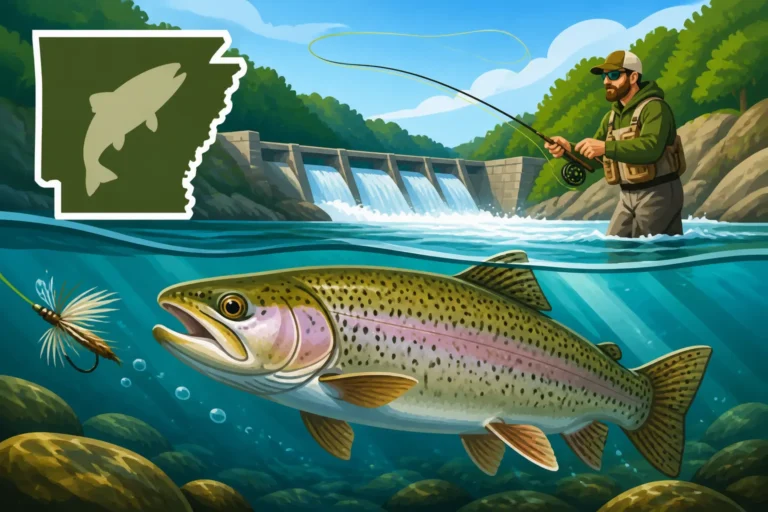
Fishing the White River is a beautiful dance with nature, but it's a dance where the lead dancer, the river itself, calls the shots based largely on human intervention. Unlike a free-flowing mountain stream, the White River below Bull Shoals Dam is a tailwater, meaning its conditions are heavily influenced by the hydropower generation schedule. This single factor often dictates trout behavior, feeding patterns, and even your wading safety. You simply can't ignore it if you want to be successful here.
The Impact of Hydroelectric Generation on Fishing Conditions
Imagine planning a perfect day of wading, only to arrive and find the river roaring, bank-full, and utterly unwadable. This is a common frustration on the White River, and it's almost always due to the hydroelectric generation at Bull Shoals Dam. When the dam generates power, water levels rise dramatically, increasing current speeds and often clouding the water. This can make fly fishing incredibly challenging, if not downright dangerous, for wading anglers. Conversely, during periods of low generation or no generation, the river drops to its base flow, revealing gravel bars and allowing for excellent wade fishing opportunities.
The key to navigating this is checking the Southwestern Power Administration (SWPA) generation schedule, which is usually updated daily. While it's not always 100% accurate, it gives you a crucial heads-up on what to expect. High water can be fantastic for drift boat anglers, as it spreads the fish out and brings food sources into play that are normally out of reach. However, for those of us on foot, low water is king. Understanding this ebb and flow is your first step to unlocking the White River's secrets, ensuring you're there at the right time for your preferred fishing style. It's a game of patience and planning, but one that truly pays off.
Decoding Water Temperatures and Fish Behavior
Beyond water levels, temperature is another critical factor in predicting how trout will behave on the White River. As a tailwater, the water released from the bottom of Bull Shoals Lake is consistently cold, providing the ideal habitat for trout year-round. However, even these cold waters experience subtle temperature shifts throughout the seasons, which can trigger different insect hatches and affect the trout's metabolism and activity levels. For instance, in the heat of summer, slightly warmer surface temperatures might encourage some terrestrials, but the deeper, colder water remains the trout's sanctuary.
In spring and fall, as the ambient air temperatures fluctuate, the river's temperature remains relatively stable due to its deep-water release. This consistent coolness makes it a year-round fishery, but knowing the precise temperature can help you select the right flies. Colder temperatures generally mean slower fish, which might prefer a more subdued nymph presentation, while slightly warmer, but still cold, water can spark aggressive feeding during a hatch. Paying attention to water temperature, often available through online resources or local guide reports, provides invaluable insight into what the trout are thinking and, more importantly, what they're eating. It’s a subtle art, but one that separates the consistently successful angler from those who just hope for the best. You'll find the Best Time of Year to Fish in Arkansas often correlates directly to these temperature and water flow patterns, especially for cold-water species like trout.
Spring: A Season of Emergence and Abundant Hatches
Spring on the White River is nothing short of magical for fly anglers. As the days lengthen and the surrounding hillsides burst into vibrant green, the river awakens with a flurry of insect activity. This is the season when trout, having conserved energy through the colder months, become incredibly active and often less wary. It's a time of transition, offering diverse opportunities from subtle nymphing to exciting dry fly action, making it a favorite for many local anglers and those traveling to experience some of the Best Trout Fishing Spots in Arkansas.
Early Spring Strategies and Trout Activity
In early spring, typically March, the water temperatures are still quite chilly, but the increasing daylight hours kickstart the ecosystem. Trout, especially larger ones, will often be found in deeper runs and slow-moving pockets, conserving energy but ready to feed. This is prime time for subsurface presentations. Think heavy nymph rigs with split shot to get your flies down to where the fish are holding. Patterns like sowbugs, scuds, and various midge pupa imitations are absolute staples. Colors like olive, gray, and cream tend to be particularly effective.
Many anglers find success by indicator nymphing, allowing their flies to drift naturally along the bottom. It's a patient game, but when that indicator dips, be ready for a solid hookset! The key here is presenting your flies slowly and thoroughly, covering every inch of promising water. This period can also see the first significant hatches of blue-winged olives (BWO), especially on cloudy days, offering brief windows of dry fly action. Keeping an eye on the surface for rising fish is always a good idea, as missing a BWO hatch can mean missing some fantastic opportunities. You'll want to read up on How to Nymph Fish for Trout to master this technique for early spring.
Mid-to-Late Spring Hatches and Fly Selection
As spring progresses into April and May, the White River truly comes alive with prolific insect hatches. Caddisflies become a dominant force, with their fluttering adults often seen dancing above the water and their larvae clinging to rocks. Mayflies, including larger patterns like Sulphurs and March Browns, also make significant appearances. This is when dry fly fishing can really take off, offering exhilarating visual strikes that every fly angler dreams about. Matching the hatch becomes paramount during these periods.
Carrying a well-stocked fly box with various sizes and stages of caddis (larvae, pupae, adults), mayflies (nymphs, emergers, duns), and midges is crucial. For caddis, popular patterns include Elk Hair Caddis, LaFontaine's Sparkle Pupa, and Caddis Larva. For mayflies, Sulphur Dun, Parachute Adams, and Pheasant Tail Nymphs are usually excellent choices. When the dry fly bite is on, focus on presentation – a drag-free drift is often the difference between a refusal and a hook-up. Don't forget emerger patterns; trout often feed just below the surface on insects struggling to hatch. It's a dynamic time on the river, demanding adaptability and keen observation, but the rewards can be truly spectacular, offering some of the best dry fly fishing experiences, especially if you know How to Dry Fly Fish for Trout.
Summer: Navigating Low Water and Warm Temps
Summer on the White River can be a tale of two different fisheries, primarily dictated by those dam generation schedules we talked about earlier. While the dog days of summer might have you thinking trout fishing slows down, the White River, with its cold, consistent tailwater flow, still offers plenty of action. The challenge shifts from battling high flows to effectively navigating lower, clearer water, and often, higher ambient temperatures. This is where strategy and a good dose of local knowledge really come into play.
Targeting Deep Runs and Oxygenated Waters
During the summer months, especially when generation is minimal and water levels are consistently low, the White River can become incredibly clear. While this allows for excellent sight fishing, it also makes trout warier. Fish will often retreat to deeper runs, shaded areas, or pockets where oxygen levels are higher and the water remains consistently cold. These are their sanctuaries from the bright sun and potential predators. Your tactics need to adapt accordingly.
Focus on nymphing deep. Heavily weighted nymphs like tungsten beadhead patterns (e.g., Copper Johns, Prince Nymphs, or heavier Pheasant Tails) can be essential to get your flies down quickly. Often, a two-nymph rig with a heavier anchor fly and a smaller "dropper" fly is a deadly combination. Look for areas with structure – submerged logs, undercut banks, or large boulders – as these provide both cover and current breaks where trout hold. Early mornings and late evenings, when the sun is lower, are often the most productive times, as trout venture out from their deep hides to feed more aggressively. Patience and persistence are key, along with a keen eye for subtle takes in the clear water. The guides often point out these specific areas on White River 8-Hour Guided Trout Trip Cost in Arkansas as they know the best hiding spots.
Morning and Evening Fishing for Summer Success
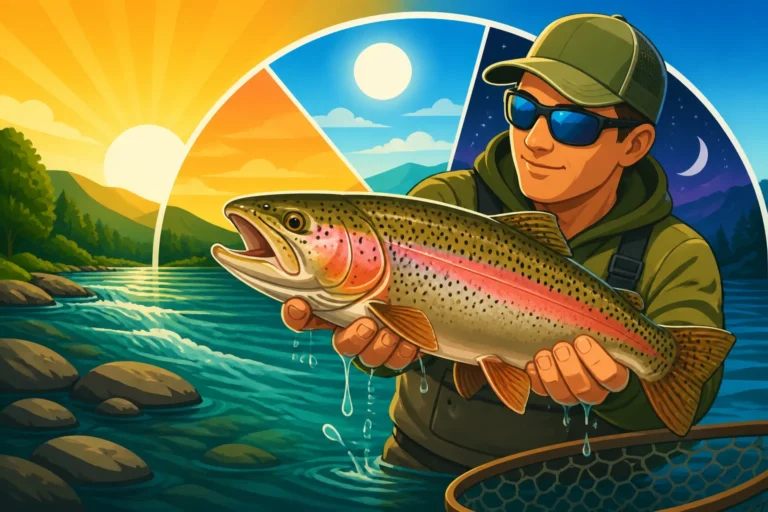
The summer heat can be intense in Arkansas, making midday fishing less comfortable for anglers and sometimes less productive for trout. This is why embracing the "dawn patrol" or the "evening rise" becomes paramount for summer fly fishing on the White River. As the sun dips below the horizon in the evening, or before it fully crests in the morning, the ambient air temperature drops, and the light softens. These conditions often coax trout into more active feeding periods.
During these cooler windows, you might find opportunistic trout rising to sporadic hatches of midges or caddis, or even aggressively hitting terrestrial patterns like hoppers, ants, or beetles that have fallen into the water. If you're wading, the clear, low water allows for stealthy approaches. Focus on presenting your flies with precision and a natural drift. For those fishing from a drift boat, these times offer prime opportunities to cast streamers into shaded banks or along current seams where active fish might be lurking. Remember to bring plenty of water, wear sun protection, and consider bug repellent for those peaceful summer evenings. It's a beautiful time to be on the water, watching the mist rise in the morning or the sunset paint the sky, and often, the fishing can be just as breathtaking if you time it right. Don't forget to check the Best Time of Day to Fish the Bull Shoals Arkansas Tailwater to dial in your summer strategy.
Fall: The Golden Season for Trophy Trout
Ask any seasoned White River fly angler what their favorite season is, and many will tell you it's fall. As the Ozark landscape transforms into a breathtaking tapestry of reds, oranges, and golds, the trout fishing often reaches its peak. Cooler air temperatures, stable water flows (often), and the impending spawn for brown trout all contribute to an electrifying fishing experience. This is the time when anglers have a legitimate shot at landing that true trophy fish that the White River is famous for, especially the elusive Brown Trout on the White River.
The Spawning Run and Aggressive Trout Behavior
Fall is undeniably the season of the brown trout spawn on the White River. Starting typically in October and extending through November and even into early December, mature brown trout, sometimes traveling long distances, begin their migration upstream to find suitable spawning gravel. This activity makes them incredibly aggressive and territorial, offering fly anglers a unique opportunity to encounter some of the river's largest residents. During this period, browns are less shy and more likely to strike at larger, more provocative flies.
While ethical anglers never target actively spawning fish on redds (spawning beds), the pre-spawn and post-spawn periods can be incredibly productive. These fish are either bulking up before the arduous spawning process or recovering afterwards, making them ravenous. Streamer fishing truly shines during the fall. Large, articulated streamers in natural baitfish colors like olive, black, brown, or white, stripped aggressively, can elicit violent strikes from big browns. Don't be afraid to experiment with different retrieve speeds and depths. It's an exciting time, demanding powerful casts and heavy tackle, but the chance to hook into a genuinely massive brown trout is unparalleled. Many guides focus on these periods for "trophy trips," so it's worth considering a guided experience to navigate this specialized fishing.
Terrestrial and Streamer Fishing Opportunities
While streamers take center stage during the brown trout spawn, fall on the White River still offers diverse fly fishing opportunities. Early fall can still see some excellent terrestrial action, especially on warmer days. Hoppers, ants, and beetles are often abundant along the banks, and a well-placed foam pattern can draw surprising strikes from opportunistic trout. As temperatures drop further, these surface opportunities diminish, but the focus on subsurface patterns remains strong.
Beyond the spawning brown trout, rainbow trout remain active throughout the fall, eagerly feeding on the smorgasbord of insects and dislodged eggs. Nymphing with egg patterns (orange, pink, chartreuse), Caddis Larvae, or Sowbugs can be highly effective for rainbows. For those looking for more active fishing, swinging streamers for both browns and rainbows can be incredibly rewarding. Consider adding a small split shot or an intermediate sink tip to get your streamer down in faster runs. Fall's cooler, crisp air, combined with the stunning scenery and aggressive fish, creates an unforgettable fly fishing experience. It's a season that truly showcases the diversity and richness of the White River's fishery, attracting anglers from all over for some of the best Trout Fishing Below Bull Shoals Dam on the White River.
Winter: Embracing the Cold for Solitude and Big Fish
Winter on the White River isn't for the faint of heart, but for those willing to brave the chill, it offers a truly unique and often incredibly rewarding fly fishing experience. The crowds thin out, leaving you with a sense of solitude on the water, and the fishing can be surprisingly good, especially for larger, more educated trout. This is a season of subtle presentations, keen observation, and the quiet satisfaction of outsmarting a cold-water fish.
Nymphing in Deep Pools and Slow Currents
When winter's grip tightens, trout behavior changes. Their metabolism slows, and they become less inclined to chase food aggressively. This means your tactics need to shift towards precision nymphing in the deepest, slowest parts of the river. Trout will congregate in these areas, seeking refuge from swift currents and conserving energy. Look for deep holes, eddies, and the slower seams along current breaks. These are the winter holding zones.
Your nymph rig will need to be well-weighted to get down to the fish quickly and stay in the strike zone for as long as possible. Tungsten beadhead nymphs are invaluable. Focus on smaller, more subtle patterns that mimic the predominant winter food sources: midges and sowbugs. Midge larva and pupa patterns (e.g., Zebra Midges, Mercury Midges) in black, red, or olive, along with various sowbug and scud imitations, are winter staples. A two-nymph rig with a heavier lead fly and a smaller dropper is a classic setup. Detecting strikes can be incredibly challenging in winter; they are often nothing more than a slight pause or a subtle twitch of your indicator. Pay close attention, set the hook at anything suspicious, and you might be surprised by the size of the fish you connect with.
Finding Winter Comfort and Productive Days
While the fishing can be excellent, staying comfortable is key to enjoying a winter day on the White River. Layering is essential: thermal underwear, fleece, a waterproof and windproof outer shell, warm socks, and waterproof gloves are non-negotiable. Chemical hand warmers can be a lifesaver. A hot thermos of coffee or soup also goes a long way in keeping spirits high. Don't let the cold deter you; many anglers find the quiet beauty of the winter river, devoid of summer's bustle, to be an experience unto itself.
Productive winter days often align with periods of stable weather, especially after a few days of consistent cold. Avoid fishing immediately after a significant cold front, as fish tend to be sluggish. Look for days with clear skies and minimal wind, which make spotting subtle takes easier. While dry fly fishing is rare, don't rule out the occasional midge hatch on a warmer, sunny afternoon. Keep a small dry fly or emerger pattern handy, just in case. Winter fly fishing on the White River demands dedication, but the reward of a powerful Rainbow Trout Fishing Below Bull Shoals Dam or a substantial brown trout in the serene, snow-dusted landscape is truly special. It’s a testament to the river's year-round productivity and the angler's perseverance.
Essential Gear and Licensing for Your White River Fly Fishing Adventure
Before you even think about hitting the White River with your fly rod, you need to ensure you're properly equipped and, more importantly, legally ready. Rushing into a trip without the right gear can lead to frustration, and fishing without the correct licenses and permits can lead to fines. Let's make sure you're set up for success on both fronts, because a well-prepared angler is a happy angler.
Must-Have Rods, Reels, and Lines for Each Season
The White River is a diverse fishery, and while a good all-around setup will get you by, having specific gear for different seasons or techniques can significantly enhance your experience.
- Rods: For general White River fly fishing, a 9-foot, 5-weight fly rod is an excellent all-around choice. It’s versatile enough for nymphing, small streamers, and dry flies. However, if you plan to throw larger streamers for aggressive brown trout in the fall, a 6-weight or even a 7-weight rod will handle bigger flies and heavier fish with more authority. For delicate dry fly presentations on low, clear water, a 3-weight or 4-weight can be a joy, though less capable in wind or with heavy rigs. You can find quality rods from brands like Orvis, Redington, or Fenwick easily on Amazon.
- Reels: A good quality, lightweight reel with a smooth drag system is crucial. It doesn't need to be expensive, but reliability is key, especially when a powerful trout decides to run. Make sure it's properly balanced with your rod.
- Lines: A weight-forward floating line is your bread and butter for most White River situations. However, consider an integrated sink-tip line or a separate sinking leader for streamer fishing, especially during higher flows or when targeting deeper runs. For nymphing, an indicator-specific line with a brightly colored tip can help detect subtle strikes. Having a couple of spools with different line types can make you incredibly adaptable.
- Leaders and Tippet: You'll need a variety of leader lengths and tippet sizes. Start with a 9-foot, 4X or 5X leader for general use. For delicate dry fly work, you might go down to 6X or 7X tippet, while streamer fishing might call for heavier 2X or 3X. Fluorocarbon tippet is often preferred for nymphing due to its invisibility and fast sink rate.
Having a good selection of these basics will prepare you for almost anything the White River throws your way. You'll find many specialized tools and accessories on Amazon that can make your time on the water even better.
Navigating Arkansas Fishing Licenses and Trout Permits
This is perhaps the most critical piece of preparation: ensuring you have the legal right to fish. You absolutely cannot skip this step. Fishing without the proper licenses and permits in Arkansas can result in hefty fines and a ruined trip.
- Arkansas Fishing License: Every angler aged 16 and older needs a valid Arkansas fishing license. This applies to both residents and non-residents. You can purchase these online through the Arkansas Game and Fish Commission (AGFC) website, at most sporting goods stores like Bass Pro Shops or Academy Sports + Outdoors, or from many local bait and tackle shops along the river. Be sure to check the specific requirements and costs for Arkansas Fishing License Rules and Costs, as they vary for residents and non-residents, and for different durations (annual, 3-day, etc.).
- Arkansas Trout Permit: In addition to your general fishing license, if you plan to fish for trout (and that's almost certainly why you're on the White River!), you will also need a valid Arkansas Trout Permit. This is an additional stamp or endorsement on your license. This permit is required for anyone wishing to retain trout, but it's also highly recommended even for catch-and-release anglers, as rules can sometimes be ambiguous regarding possession limits if you could have kept a fish without a permit. Don't risk it; get the trout permit. For detailed information, consult the Arkansas Trout Permit Rules.
It's vital to have your license and permit readily accessible, either as a physical copy or electronically on your phone, as game wardens regularly patrol the White River. They are there to protect the resource and ensure everyone is following the rules, including those pertaining to Arkansas Fishing Regulations Guide such as size and daily limits. Taking a few minutes to secure your paperwork ensures a worry-free and legal fly fishing adventure.
Disclaimer
The information provided in this guide is for general informational purposes only and is subject to change. Always consult the official Arkansas Game and Fish Commission (AGFC) regulations for the most current rules, licensing requirements, and water generation schedules before planning your fishing trip. Fishing conditions can change rapidly, and safety should always be your top priority.