How to Troll for Trout
For many Arkansas anglers, the dream of consistently landing those elusive, hard-fighting trout can feel like a game of chance. You might hit a hot streak one day and feel completely lost the next, especially on our vast, deep lakes. But what if I told you there's a technique that not only covers a lot of water but also systematically puts your bait right in front of where those trout are hiding? This comprehensive guide will walk you through everything you need to know about how to troll for trout effectively in the Natural State's beautiful waters, turning frustration into consistent success.
Understanding Why Trolling Works for Arkansas Trout
Trolling isn't just about dragging a lure behind a boat; it's a strategic method of presenting your bait to a wide range of fish, especially when they're scattered or suspended in deeper water. For the cooler waters that trout prefer in Arkansas, this technique is often incredibly effective, making it a favorite among seasoned anglers.
The Behavior of Coldwater Trout in Larger Lakes
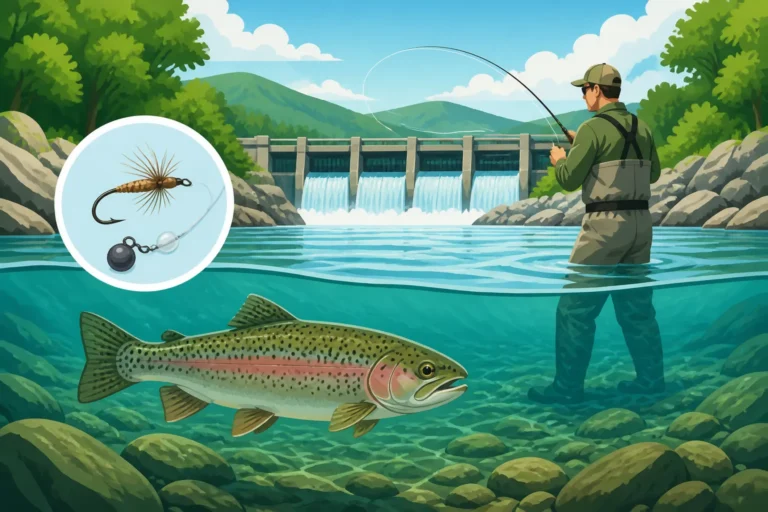
Arkansas is blessed with incredible coldwater fisheries, particularly our large, clear impoundments like Greers Ferry Lake, Bull Shoals Lake, and Norfork Lake. While the famed White River and its tailwaters are known for their trout, these lakes hold thriving populations of rainbow and brown trout, often stocked for sport. However, these fish don't always hang out in easily identifiable structures like fallen trees or weed beds, as bass might. Instead, they often suspend in the water column, following baitfish like shad or searching for comfortable temperature zones.
Imagine a massive lake, hundreds or even thousands of acres wide, with depths reaching well over a hundred feet. Trout can be anywhere within this vast expanse, sometimes cruising near the surface in early mornings or late evenings, and other times hunkering down in the thermocline during the heat of the day. Their movements are often dictated by subtle changes in water temperature, oxygen levels, and the presence of their food source. This nomadic behavior makes them incredibly challenging to target with traditional casting methods, which only cover a small, localized area. Trolling helps you efficiently search these vast underwater landscapes.
Covering Water Efficiently
The sheer size of Arkansas's premier trout lakes means that casting to individual spots is often a futile endeavor. You could spend all day meticulously working a single cove or point and never encounter a fish, simply because the trout are somewhere else entirely. This is where the efficiency of trolling truly shines. By moving your boat at a steady, controlled pace, you're constantly presenting your lure to new water and new potential fish.
Think of it like this: instead of waiting for the fish to come to you, you're actively seeking them out. Trolling allows you to cover miles of water in a single outing, drastically increasing your chances of crossing paths with a hungry trout. This is especially vital when trout are widely dispersed, perhaps after a major weather event or during periods of low feeding activity. You can experiment with different depths, different speeds, and different lures simultaneously, quickly identifying what the fish are responding to on any given day. It’s a methodical approach that greatly reduces the guesswork and maximizes your time on the water.
Essential Gear for Trolling Trout in Arkansas
Trolling effectively for trout requires a specific setup that allows you to control lure depth, speed, and presentation. While you don't need to break the bank, having the right tools makes a huge difference in your success and enjoyment on the water.
Rods, Reels, and Line Selection
Choosing the right rod, reel, and line for trout trolling is paramount. You're not casting for distance; you're often setting lines and letting the boat do the work, so sensitivity and durability are key.
- Rods: Look for rods in the 7 to 9-foot range with a medium-light to medium action. The longer length helps spread your lines out and absorbs the shock of a strike without tearing the hook out of the fish's mouth. The moderate action allows the rod to flex nicely, providing a smooth bend that helps detect subtle bites and keeps fish pinned during a fight. Some anglers prefer specific trolling rods that have a softer tip but a strong backbone.
- Reels: For lighter trolling, especially with planer boards or snap weights, a good quality spinning reel in the 2500-4000 series is perfectly adequate. However, many dedicated trollers opt for baitcasting or small conventional reels, particularly those equipped with a line counter. A line counter reel is a game-changer, allowing you to precisely replicate the amount of line you've let out, which is critical for hitting specific depths once you find where the fish are holding. You can find excellent line counter reels on Amazon that won't break the bank.
- Line: Your main line choice depends on your preference and technique. Monofilament line (8-12 lb test) is often favored for its stretch, which acts as a shock absorber. Fluorocarbon (8-10 lb test) offers less stretch and is virtually invisible underwater, making it a great leader material. Braided line (10-20 lb test) has no stretch, offering maximum sensitivity, but it can be more visible and requires a fluorocarbon or monofilament leader (6-8 feet) to trick wary trout. Lead core line is another option; it's designed to sink at a consistent rate per color section, allowing you to achieve specific depths without additional weights.
Trolling Motors, Downriggers, and Planer Boards
These tools are what truly elevate your trolling game, allowing for precision and versatility that would otherwise be impossible.
- Trolling Motors: An electric trolling motor, whether bow-mounted or transom-mounted, is indispensable. It allows for silent, controlled movement at the slow speeds necessary for trout trolling. Many modern trolling motors feature GPS anchoring (spot-lock) and autopilot functions, which are incredible for maintaining a precise course and speed, even in windy conditions. This frees you up to focus on your lines and electronics.
- Downriggers: If you're serious about targeting deep-dwelling trout, especially in warmer months when they retreat to cooler depths, downriggers are a must. A downrigger uses a heavy cannonball weight to carry your lure down to a precise depth, far below where standard weights or diving lips would take it. Your fishing line is attached to a release clip on the downrigger wire, and when a fish strikes, the line pops free, allowing you to fight the fish directly without the weight. They are fantastic for precisely targeting the thermocline where trout often congregate.
- Planer Boards: These devices are used to take your lines out to the side of the boat, away from the boat's wake and allowing you to present multiple lures over a wider swath of water. This is particularly effective for covering expansive flats or when fish are spooked by boat noise. Planer boards are great for spreading out your spread and preventing tangles, especially when running multiple lines.
Lure Choices for Trolling Arkansas Trout
The market is flooded with lures, but for trolling trout, a few categories consistently outperform the rest. Matching your lure to the size of the baitfish in the lake and the current mood of the trout is key.
- Spoons: Classic trolling spoons like Kastmasters, Little Cleos, or Doctor Spoons are perennial favorites. Their wobbling, fluttering action perfectly imitates wounded baitfish. Sizes ranging from 1/8 oz to 1/2 oz are usually ideal. Experiment with colors, but silver, gold, blue/silver, and chartreuse are often top producers.
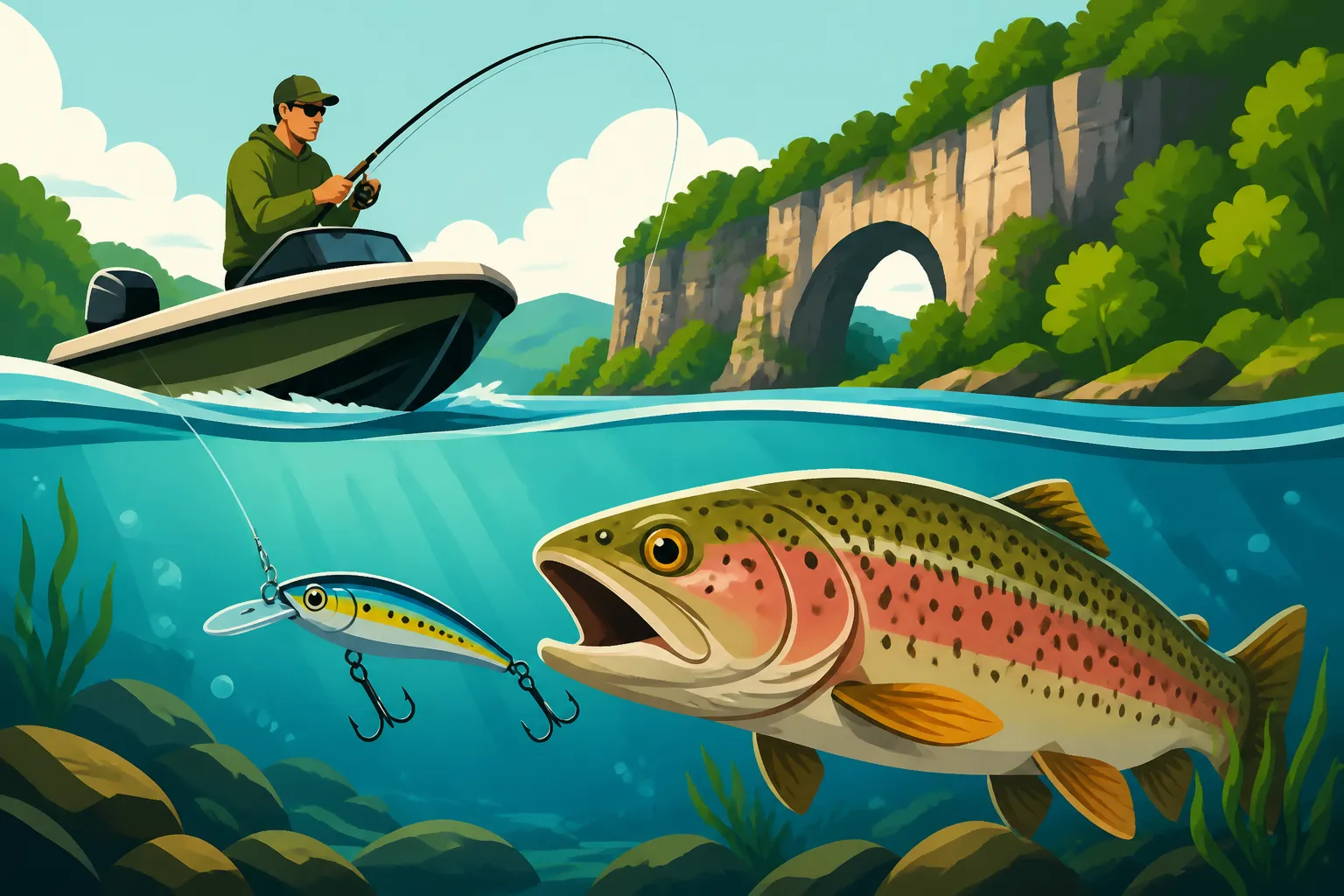
- Small Crankbaits/Stickbaits: Jointed or solid body crankbaits, especially those designed to dive, are excellent. Brands like Rapala (original floating or shallow shads) or various stickbaits mimic minnows and dart with enticing action. Again, size and color matter; natural baitfish patterns are a safe bet, but bright colors can trigger aggressive strikes.
- Dodgers/Flashers with Trailing Baits: These are not lures themselves but attractors. Dodgers create a wobbling action that simulates a confused baitfish, while flashers rotate to create visual appeal. Both are designed to draw trout in from a distance. They are typically rigged a foot or two in front of a short leader (12-24 inches) with a small, trailing hook baited with a piece of nightcrawler, a plastic grub, or a small minnow. This combination can be irresistible to trout that are feeding on smaller prey. When looking for these, many anglers find a great selection of brands and styles easily accessible on Amazon.
| Lure Type | Action Imitated | Typical Depth Range (without added weight) | Best Applications |
|---|---|---|---|
| Spoons | Wounded Baitfish | Shallow to Mid-depth | Scattered fish, covering water, varying speeds |
| Small Crankbaits/Stickbaits | Swimming Minnow | Shallow to Mid-depth (depending on lip) | Targeting specific depths, active fish, natural presentation |
| Dodgers/Flashers | Attractor + Trailing Bait | All depths (with lead core/downrigger) | Drawing fish from a distance, slower speeds, scent trail |
| Live Bait (Minnows/Worms) | Natural Prey | All depths (with appropriate rigging) | Finicky fish, slower trolling, natural scent |
Mastering the Art of Trolling for Trout: Techniques and Strategies
Trolling isn't just about dropping a line in the water; it's a dynamic process that requires constant attention to detail and a willingness to adapt. Understanding how to manage your boat, your lures, and your environment will significantly increase your success rate.
Speed, Depth, and Boat Control
These three factors are intrinsically linked and are often the most critical elements of successful trout trolling. Get them right, and you're well on your way to a banner day.
- Speed: Trout are incredibly sensitive to lure speed. Generally, slower speeds (1.5 to 2.5 mph) are effective, especially for spoons and dodgers, which need time to develop their action. However, fish activity can dictate changes. If fish are aggressive, you might speed up to 3 mph, making your lure appear like fleeing prey. Conversely, if they're sluggish due to a cold front or other factors, slowing down to a crawl (under 1 mph) might be necessary, particularly with live bait or very subtle presentations. Watch your electronics for baitfish and trout activity—if the bait is moving fast, try to match it. A quality GPS-enabled trolling motor will help you maintain precise speed, regardless of wind or current.
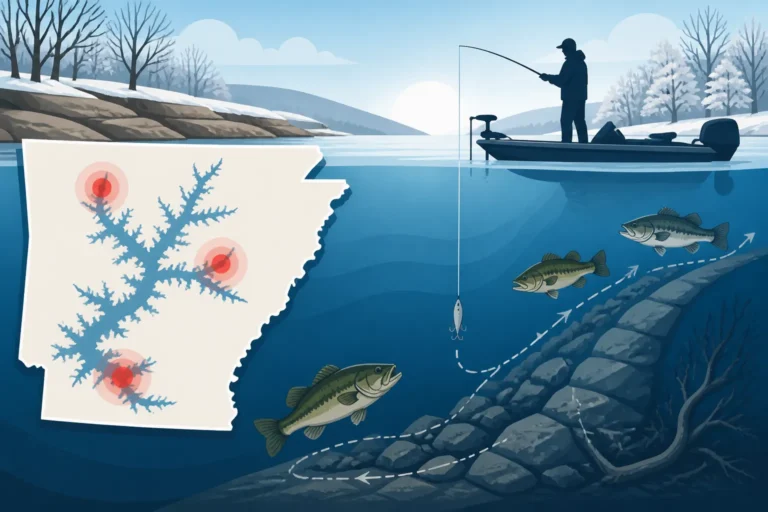
- Depth: This is arguably the most crucial factor. Trout are coldwater fish, and they will seek out specific temperature zones, especially in large reservoirs during the warmer months. These zones are often found at the thermocline—the depth where warm surface water meets cooler, deeper water. A good fish finder will show you the thermocline as a distinct line on the screen. Start by targeting this depth, or a little above or below it. In spring and fall, trout might be shallower, even near the surface at dawn or dusk. Use line counters, lead core line, or downriggers to hit precise depths. Don't be afraid to run multiple lines at varying depths until you find the sweet spot.
- Boat Control: Maintaining a consistent course and speed is vital. Wind and current can be your biggest enemies, constantly pushing your boat off course or speeding you up/slowing you down. A trolling motor with GPS capabilities is invaluable here. If you don't have one, learn to use your main motor in conjunction with your trolling motor, or even drift with the wind, using your motor only for subtle adjustments. Zigzagging is a classic trolling technique that varies the speed and depth of your lures as the boat turns, often triggering strikes from following fish. When your boat turns, the lures on the inside of the turn slow down and drop, while those on the outside speed up and rise. This change in action can be just enough to entice a hesitant trout.
Setting Up Your Spread and Varying Presentations
One of the biggest advantages of trolling is the ability to present multiple lures simultaneously, covering various depths and imitating different forage.
- Multi-line Spreads: Most states, including Arkansas, have regulations on how many lines an individual angler can fish. Check the Arkansas Fishing Regulations Guide to ensure you're compliant. Once you know your limit, maximize it. A typical spread might involve two lines off the back of the boat, one set shallow with a diving crankbait and another deeper with a spoon and a snap weight. You might also add planer boards to take lines out to the sides, presenting another two lures in undisturbed water. For example, you could run one deep line with a downrigger, another with lead core line, and two surface lines with different crankbaits or spoons.
- Varying Lure Types and Colors: Don't put all your eggs in one basket. If you're running four lines, try four different lure types or colors until you discover what the trout prefer on that particular day. One day they might hit a chartreuse spoon, the next it could be a silver stickbait behind a dodger. Keep notes on what works and what doesn't. If you start getting bites on a specific lure or color, switch more of your lines to that pattern. This iterative process is how you dial in success.
- Utilizing Diving Devices: Beyond downriggers, there are other tools to get your lures deeper. Diving planes or Dipsy Divers use water pressure to pull your line down to a set depth and out to the side. They have adjustable trip mechanisms that release the line when a fish strikes. Snap weights are another simple yet effective method; you can clip them onto your main line at various distances from your lure to achieve different depths without needing specialized line or equipment.
Reading the Water and Adjusting Your Approach
Successful trolling isn't static; it's a constant dialogue with the water. You need to be observant and willing to make changes.
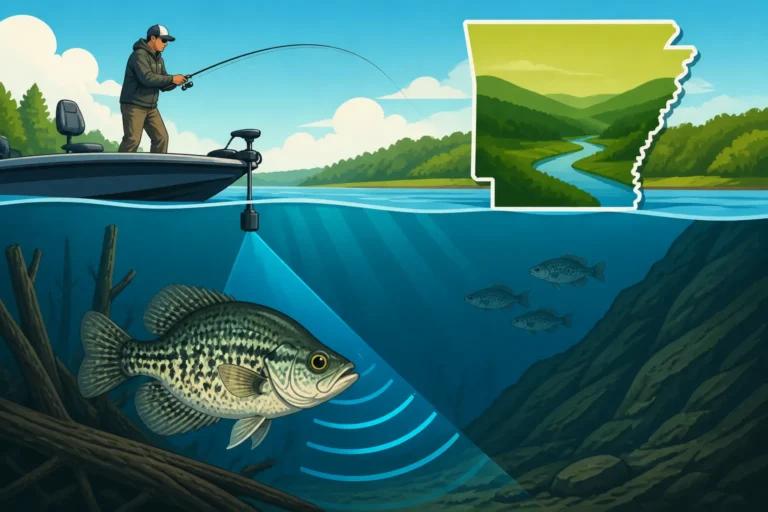
- Electronics are Your Eyes Underwater: A reliable fish finder with good down-imaging and side-imaging capabilities is your best friend. Use it to locate baitfish schools (which often look like clouds or dense blobs on the screen), individual trout, and underwater structure like humps, points, or old river channels. Pay attention to suspended fish; these are often the ones you can target with trolling. Many reputable brands offer excellent fish finders, and you can browse a wide selection of models and features on Amazon.
- Look for Natural Signs: Keep an eye on the surface. Are there birds diving? That often means baitfish are near the surface, and trout might be feeding on them. Are there any visible temperature breaks or current lines? These can be fish highways. Even the wind can tell you something; a steady breeze can create a "walleye chop" that can activate fish.
- Adapt or Go Home: The most important strategy is to be flexible. If you're not getting bites within 30-45 minutes, change something.
- Change Speed: Speed up or slow down incrementally.
- Change Depth: Adjust your weights or line length to fish shallower or deeper.
- Change Lure: Swap out colors, types, or even sizes of your lures.
- Change Location: If a specific area isn't producing, move to a different part of the lake. Try a main lake point, a deep channel edge, or an area where you've marked baitfish.
- Consider the Weather: Cloudy days might bring trout shallower, while bright sun might push them deeper. After a cold front, fish can become lethargic and require slower presentations.
Best Times and Locations for Trolling Trout in Arkansas
Knowing when and where to troll for trout in Arkansas can make a huge difference in your success. While trout can be caught year-round, certain seasons and specific bodies of water stand out.
Seasonal Considerations for Trolling
Trout behavior changes with the seasons, largely driven by water temperature and food availability. Understanding these patterns will help you tailor your trolling approach. For a general overview of when various fish species are active, check out our Arkansas Fishing Seasons Guide.
- Spring: As water temperatures begin to rise but remain cool, trout often become more active and can be found shallower than at other times of the year. They might be cruising near shorelines, points, and coves, following baitfish that are also moving into warmer waters. Trolling with small spoons or crankbaits in the upper 10-20 feet of the water column can be incredibly effective. Look for areas where spring creeks or rivers feed into the main lake, bringing in cooler, oxygenated water and nutrients.
- Summer: This is when Arkansas's deep lakes really shine for trout trolling. As surface temperatures climb, trout retreat to the cooler, oxygenated waters of the thermocline. This is typically where you'll need downriggers, lead core line, or heavy snap weights to get your lures down to 30, 40, or even 60+ feet. Focus on main lake basins, deep channel edges, and areas near the dam where deep water is consistently present. Early mornings and late evenings might see some trout briefly coming shallower to feed.
- Fall: Fall is often considered one of the best times for trout fishing, and trolling is no exception. As lake temperatures cool and begin to destratify, trout become more comfortable in a wider range of depths. They're often very active, feeding heavily in preparation for winter. You might find them suspended in mid-depths, or even shallower again during overcast days. Spoons and crankbaits remain highly effective, and the fish can be quite aggressive. This is a fantastic time for trophy brown trout, in particular, to put on the feedbag.
- Winter: Don't put your trolling gear away just because it's cold! While many anglers opt for other species, winter trolling for trout can be surprisingly good, especially on mild days. Trout metabolism slows down, so you'll want to troll slower and present subtle lures. They may be more scattered, but they can often be found in shallower areas during the warmest parts of the day or relating to deep structure where baitfish congregate. The key is patience and persistent, slow presentations.
Top Arkansas Lakes for Trolling Trout
While many lakes have some trout, a few truly stand out as premier trolling destinations in Arkansas. For a more complete list of prime locations, read our guide on The Best Trout Fishing Spots in Arkansas.
- Greers Ferry Lake: This beautiful U.S. Army Corps of Engineers lake is famous for its hybrid stripers and walleye, but it also holds a fantastic population of rainbow and brown trout, especially in its deep, clear waters. The trout are regularly stocked, providing excellent opportunities for trollers. The main lake basin, particularly from the dam upstream, offers prime deepwater habitat.
- Bull Shoals Lake: Known for its diverse fishery, including fantastic bass and crappie fishing (check out our Bull Shoals Lake Fishing Guide for Bass and Crappie), Bull Shoals also has a thriving trout population. While the White River tailwater below the dam is world-renowned for trout, the lake itself supports a year-round population. Trolling the deeper sections and main lake channels can yield impressive rainbow and even some brown trout.
- Norfork Lake: Another gem in the Arkansas Ozarks, Norfork Lake is celebrated for its striped bass (see Norfork Lake: One of Arkansas's Best Striped Bass Fisheries), but its deep, cold waters are also home to a significant number of trout. Similar to Bull Shoals, the lake offers excellent trolling potential for both stocked rainbows and naturally reproducing browns in its deeper sections.
- Ouachita River: While the major lakes are primary trolling grounds, some stretches of the Ouachita River below Lake Ouachita also have good trout populations, especially in the tailwater areas. However, these areas might be more suited for drift fishing or smaller boat trolling due to current and river characteristics.
Troubleshooting Common Trolling Challenges
Even seasoned anglers face challenges. Knowing how to diagnose and fix common trolling problems can save your day.
- No Bites? Time to Change It Up! The most common frustration is not getting any action. Don't fall into the trap of doing the same thing over and over.
- Vary Your Speed: Increase or decrease your trolling speed by half a mile per hour increments.
- Adjust Depth: Experiment with shallower or deeper presentations. If you're marking fish at 30 feet, try lures at 25, 30, and 35 feet.
- Change Lures/Colors: If a certain lure isn't producing, swap it out. Try a different color, size, or action. If you're using a dodger/flasher, try a different trailing bait.
- Move On: If an area isn't producing after a thorough pass and adjustments, it might be time to relocate. Head to a different part of the lake, try a different depth contour, or look for signs of baitfish elsewhere.
- Check Your Leader: Wary trout can be put off by heavy leader lines. Make sure your leader is fluorocarbon and relatively light (6-8 lb test is often sufficient).
- Dealing with Snags and Tangled Lines: Snags are an inevitable part of fishing, especially when trying to get lures deep.
- Map Your Course: Use your electronics and GPS to avoid known underwater hazards, old timber, or rocky bottoms.
- Lift and Drop: If you're fishing near bottom structure, occasionally lift your rod tip or briefly accelerate to make your lure rise, preventing snags.
- Check Your Drag: Proper drag settings are crucial for both preventing line breaks on snags and fighting fish effectively. A too-tight drag can lead to break-offs, while a too-loose one can make hooksets difficult.
- Line Management: When running multiple lines, pay close attention to your speed and direction to minimize tangles. Use planer boards to spread lines out. If you're getting consistent tangles, reduce the number of lines you're running or simplify your lure presentations.
- Weather Changes: Be prepared to adapt to changing weather conditions. A sudden cold front can make fish lethargic and push them deeper, requiring slower speeds and more subtle presentations. Overcast skies might bring them shallower and make brighter lures more visible. Always dress in layers and check the forecast!
Trolling for trout in Arkansas's big lakes is a rewarding experience that demands both patience and precision. With the right gear, a good understanding of trout behavior, and a willingness to adapt, you'll be well-equipped to consistently put those beautiful fish in the net.
Disclaimer
This article is for general informational purposes only and does not constitute professional advice. Laws, prices and regulations vary by location and change over time. Consult a qualified professional for guidance on your specific situation.