Bream Fishing Spots in the White River National Wildlife Refuge, Arkansas
For many anglers, the thought of fishing the vast, intricate network of the White River National Wildlife Refuge can feel overwhelming. It’s not just a river; it's a sprawling tapestry of bayous, oxbow lakes, and backwater sloughs that can seem impenetrable if you don't know where to start, especially when you're specifically targeting bream. This comprehensive guide is here to untangle that complexity, steering you toward the best bream fishing spots within the refuge, helping you understand the unique environment, and equipping you with the knowledge to make your next trip a success.
Understanding the White River National Wildlife Refuge for Bream
The White River National Wildlife Refuge, nestled in eastern Arkansas, is an ecological marvel. It's one of the largest remaining contiguous bottomland hardwood forests in the lower Mississippi River Valley, stretching over 160,000 acres. This incredible landscape, shaped by the ebb and flow of the White River, creates a truly unique and fertile ground for a myriad of fish species, with bream thriving in its sheltered waters.
Why the Refuge is a Bream Paradise
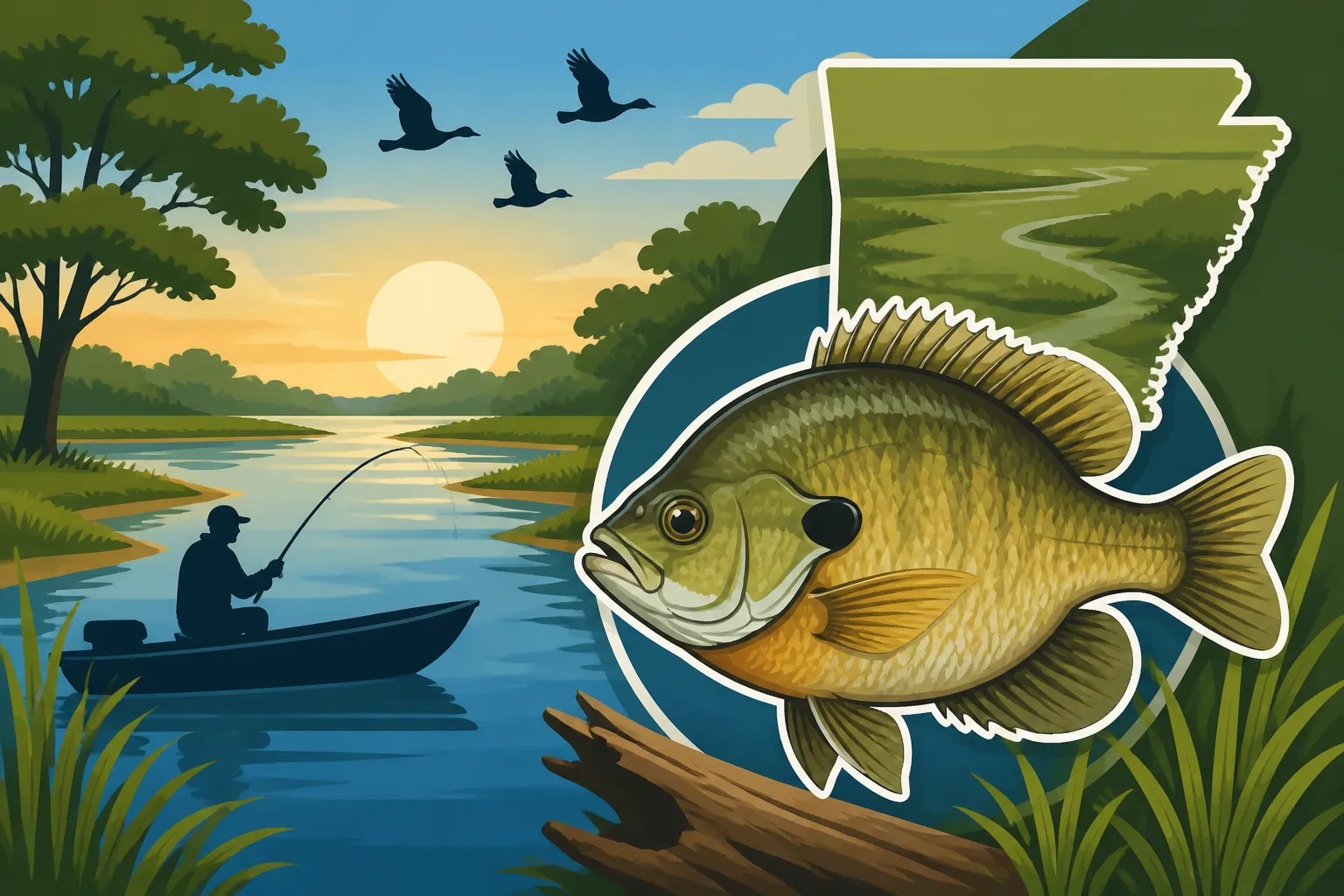
What makes this refuge such a phenomenal spot for bream (which collectively refers to various sunfish like bluegill, redear sunfish, and green sunfish) is its incredible diversity of aquatic habitats. Unlike a straightforward lake or river, the refuge is a dynamic system. You have the main river channel, but then there are countless oxbow lakes – ancient river bends that have been cut off from the main flow – along with sloughs, bayous, and timber-filled backwater areas.
These calmer, often shallower waters are precisely what bream love. They offer protection from strong currents, abundant food sources, and plenty of places to hide from predators. When the White River rises, these areas get replenished with nutrients and new fish, creating a vibrant ecosystem. This constant renewal ensures a healthy and robust population of bream throughout the refuge, making it a reliable destination for anglers seeking these feisty panfish.
Key Characteristics of Bream Habitat in the Refuge
Bream are creatures of habit, and their habits are dictated by their need for food, cover, and safe spawning grounds. In the White River National Wildlife Refuge, these needs are met in spades by specific types of habitat:
- Submerged and Standing Timber: This is perhaps the most iconic feature of the refuge's bream spots. Old cypress trees, fallen logs, and submerged brush piles create dense cover that bream use for shelter and to ambush insects and smaller prey. Fishing around these structures is often highly productive.
- Lily Pads and Aquatic Vegetation: Shallow, sun-warmed areas with extensive lily pads, duckweed, and other aquatic plants are prime real estate for bream, especially during warmer months. These areas not only provide shade and cover but also host a rich insect population that bream feast on.
- Shallow Spawning Beds: During the spring and early summer, bream move into shallower waters to spawn. Look for saucer-shaped depressions on the bottom in protected coves or flats. These beds can hold numerous fish, often visible if the water is clear enough.
- Transition Zones: The edges where shallow water meets deeper channels, or where dense cover transitions to open water, are also hot spots. Bream will often stage in slightly deeper water and move into the shallows to feed.
Understanding these characteristics helps you not just find a spot, but to identify good spots, even in areas you've never fished before within the sprawling refuge.
Top Bream Fishing Spots Within the White River NWR
Navigating the White River National Wildlife Refuge for the first time can feel like exploring a maze, but certain types of areas consistently produce excellent bream fishing. Let's dive into where you should focus your efforts.
Targeting Oxbow Lakes and Sloughs
The refuge is famously dotted with numerous oxbow lakes and sloughs, which are essentially old river channels cut off by the main White River's shifting course. These often tranquil, nutrient-rich bodies of water are absolute havens for bream.
Some of the most well-known oxbows include Lagrue Lake, Goose Lake, and Peckerwood Lake. While these larger lakes are popular, don't overlook the myriad of smaller, unnamed sloughs and bayous connected to them or the main river system. These smaller water bodies can sometimes offer even better fishing pressure and provide a more intimate experience. Many of these waters are seasonally connected to the White River itself, allowing fish to migrate in and out, ensuring a healthy population. During lower water periods, these isolated oxbows become concentrated fish factories. Access to many of these lakes often requires a boat, but some of the more accessible ones may have small launch points or areas for bank fishing, especially along refuge roads. When looking for the best spots within these oxbows, seek out areas with extensive cypress tree stands, submerged timber, or thick patches of aquatic vegetation. These are the cover-rich environments where bream feel safe and feed actively.
The Timbered Lakes and Backwater Areas
Beyond the named oxbows, the White River National Wildlife Refuge is characterized by its incredible bottomland hardwood forests. When the river overflows its banks or specific areas retain water, these timbered sections become "lakes" in their own right, offering prime bream habitat. Timber Lake is a prime example of such an area, specifically managed for fishing and wildlife.
These areas are often choked with standing cypress trees, their knees protruding from the water, and an abundance of submerged logs and brush. This dense structure is exactly what bream, particularly larger bluegill and redear sunfish, seek out. They'll hover around the bases of trees, hide beneath fallen branches, and feed on insects that drop from the canopy. Fishing here often involves pitching baits or small jigs into tight pockets of open water, or carefully probing around the edges of thick cover. Be prepared for snags, but the reward of pulling a fat bream from the timber is well worth it. These spots are fantastic for those seeking a more secluded and challenging fishing experience, often requiring a smaller boat, kayak, or canoe to navigate the tight passages. For more on the unique species found in these environments, check out our guide on Fish Species Found in Timber-Filled Refuge Lakes.
Access Points and Bank Fishing Opportunities
While a boat offers the most flexibility within the refuge, not everyone has one. Thankfully, there are still options for bank anglers, though they often require a bit more legwork and local knowledge. The Mollie A. Beattie Welcome Center is an excellent first stop, as their staff can provide current information on water levels and accessible areas.
Various boat ramps are scattered throughout the refuge, providing access to different sections of the White River and its associated oxbows. These might be gravel ramps or more developed concrete launches. Some of the refuge roads, particularly those off Highway 1, can lead to points where you can access certain sloughs, canals, or oxbow lakes from the bank. Always look for public access points marked by the Arkansas Game and Fish Commission (AGFC) or the U.S. Fish and Wildlife Service. While bank fishing might limit your reach, focusing on areas near boat launches, bridge crossings, or visible clearings along the shore can still yield good results. For those considering booking a trip and wondering about local insights, services like FishingBooker can help you find guides who specialize in navigating the refuge and know the best bank-accessible spots or prime boat-only locations.
Here's a quick overview of some types of spots and typical access:
| Spot Type | Primary Bream Species | Typical Access Method | Key Features for Bream |
|---|---|---|---|
| Oxbow Lakes (Lagrue, Goose) | Bluegill, Redear, Green Sunfish | Boat, Kayak, Some Bank Access | Submerged timber, lily pads, coves |
| Timbered Backwaters (Timber Lake) | Bluegill, Green Sunfish | Smaller Boat, Kayak, Canoe | Standing cypress, logs, dense brush |
| Sloughs & Bayous | Bluegill, Green Sunfish | Boat, Kayak, Limited Bank Access | Weedy edges, shallow flats, woody debris |
| Main River Tributaries | Bluegill, Green Sunfish | Boat, Bank Access | Slower currents, eddy lines, rock structure |
Essential Techniques and Tackle for Bream in the Refuge
Catching bream, while often considered simple, can be elevated to an art form, especially in a dynamic environment like the White River National Wildlife Refuge. Having the right approach and gear makes all the difference between a few nibbles and a full stringer.
Best Baits and Lures for Bream
When it comes to bream fishing, simplicity and natural appeal often win the day.
- Live Bait is King: There's a reason why crickets and worms are classic bream baits – they work incredibly well! A live cricket suspended under a small bobber is practically irresistible to a hungry bluegill. Red worms, nightcrawlers (cut into smaller pieces), and even grub worms are also highly effective. These natural offerings mimic the insects and invertebrates that bream naturally forage on in the refuge's waters. Just hook them lightly, ensuring they can still wiggle, and present them near cover.
- Small Artificial Lures: Don't discount artificials, especially if you enjoy a more active fishing style. Tiny jigs (1/32 to 1/16 oz) in colors like black, white, chartreuse, or pink, often tipped with a small plastic grub or tube, can be deadly. Small inline spinners, such as those made by Panther Martin or Mepps, with a single hook, are also fantastic. These lures imitate small minnows or insects and can cover water quickly, helping you locate schools of fish. For an exciting topwater bite, especially early morning or late evening, try a How to Fish a Popper for Bream.
- Other Baits: Bread balls, corn, or even small pieces of hot dog can sometimes entice bream, particularly if they are pressured or if you're fishing in a more open, less natural setting. However, in the rich environment of the White River NWR, live bait and small artificials tend to be more productive. For more specific bait recommendations, check out our guide on the Best Bait for Bluegill Fishing.
Recommended Tackle and Rigging
Bream are not tackle-busters, so light and sensitive gear is the way to go. This approach maximizes the fun and allows you to feel even the most subtle bites.
- Ultralight Spinning Combo: A 4 to 6-foot ultralight spinning rod paired with a small spinning reel spooled with 4 to 6-pound test monofilament or fluorocarbon line is ideal. This setup provides excellent sensitivity and makes even a modest 8-inch bream feel like a trophy.
- Bobbers: A small, sensitive bobber (slip bobber or clip-on) is essential when fishing with live bait. It allows you to present your bait at a specific depth and acts as a visual strike indicator. Choose one that offers minimal resistance when a fish bites.
- Hooks and Weights: Small, sharp hooks in sizes #8 to #12 are perfect for bream. Aberdeens or small Kahle hooks work well. Use only enough weight (small split shot) to get your bait down to the desired depth, ensuring a natural presentation. The less weight, the better, as bream can be finicky.
- No Leader Needed: For bream, a separate leader is usually unnecessary. Tying your hook directly to your main line is perfectly fine.
- Tackle Box Essentials: Beyond the basics, consider a small pair of pliers for hook removal, a stringer or cooler for your catch (if keeping), and a small net, especially if you're targeting larger redear sunfish.
Seasonal Considerations for Bream Fishing
The White River National Wildlife Refuge offers bream fishing opportunities almost year-round, but understanding the seasons can dramatically improve your success. For a general overview of fishing opportunities throughout the year, our Arkansas Fishing Seasons Guide is a great resource.
- Spring (March-May): This is prime time for bream. As water temperatures rise into the 60s Fahrenheit, bream move into the shallow spawning beds. Look for them in protected coves, along shorelines with woody cover, and in areas with aquatic vegetation in the oxbows and backwaters. The bite can be aggressive, and fish are often concentrated, making it easy to catch a limit. This is arguably the Best Time of Year to Fish in Arkansas for bream.
- Summer (June-August): Bream remain active, but as waters get warmer, they might seek slightly deeper water during the hottest parts of the day. Early mornings and late evenings are often most productive. Focus on shaded areas, dense cover, and the edges of deeper channels. Night fishing with lights can also be surprisingly effective for bream in some areas.
- Fall (September-November): As temperatures cool, bream feed actively to fatten up for winter. They can often be found in similar locations to summer, moving between shallow feeding areas and slightly deeper retreats. The cooler weather also makes for a more comfortable fishing experience.
- Winter (December-February): While not as productive as other seasons, bream can still be caught. They tend to school up in deeper holes and channels. A slower presentation with live bait, fished vertically, is usually the most effective approach during these colder months. The good news is that these waters rarely freeze over completely, offering opportunities even in the coldest parts of the year.
Always remember that water levels in the refuge, especially those connected to the White River, can significantly impact fishing. High water might spread fish out, while receding waters can concentrate them. Checking the White River stage before your trip is a wise move.
Navigating the Refuge and Important Regulations
Fishing in a National Wildlife Refuge comes with specific rules and ethical considerations. Being prepared and respectful of the environment and regulations ensures a positive experience for everyone and helps conserve this special place.
Permitting and Access Rules
Before you even wet a line, it's crucial to understand the rules. For starters, everyone 16 years and older needs an Arkansas Fishing License Rules and Costs. This is non-negotiable and applies statewide. Additionally, while the White River National Wildlife Refuge is managed by the U.S. Fish and Wildlife Service, they often defer to state fishing regulations. However, the refuge itself may have specific regulations unique to its boundaries, especially concerning access during certain seasons (like hunting seasons) or limitations on specific areas.
It's paramount to check the current refuge-specific fishing regulations, usually available at the Mollie A. Beattie Welcome Center or on the official U.S. Fish and Wildlife Service website for the White River NWR. These regulations can change, so never assume. For example, some areas might be closed to public entry at certain times, or there could be specific limits on boat motor size in certain backwater areas. Always pay attention to signage at access points. If you're wondering, Do Kids Need a Fishing License in Arkansas? – generally, no if they are under 16, but always double-check the latest state and refuge rules.
Safety and Environmental Stewardship
Fishing in the White River National Wildlife Refuge means venturing into wild and beautiful territory, and it comes with responsibilities.
- Be Prepared: The refuge is largely undeveloped. Cell service can be spotty. Always inform someone of your float plan, wear a life vest, and carry essential safety gear like a first-aid kit, whistle, and sufficient water. Insect repellent is a must, especially during warmer months, as mosquitoes and ticks are prevalent. Sun protection (hat, sunglasses, sunscreen) is also critical.
- Navigation Challenges: Many of the backwaters and sloughs are shallow and filled with submerged timber. Navigate slowly and cautiously, especially if you're in an unfamiliar area. A GPS unit with detailed maps of the refuge can be invaluable.
- Leave No Trace: This is a wildlife refuge, and protecting its pristine nature is everyone's responsibility. Pack out everything you pack in. Do not litter. Dispose of fishing line responsibly, as it can be deadly to wildlife. Avoid disturbing nesting birds or other animals.
- Respect Wildlife: You're sharing this space with all sorts of creatures, from alligators to various bird species. Observe them from a respectful distance and never feed wildlife.
Following these principles ensures that this incredible fishing destination remains healthy and enjoyable for generations to come.
Local Resources and Guides
For those who are new to the White River National Wildlife Refuge or simply want to maximize their time on the water, leveraging local resources can be a game-changer.
- Refuge Staff: As mentioned, the Mollie A. Beattie Welcome Center staff are a fantastic source of up-to-date information on fishing conditions, water levels, and any specific temporary closures. They can often provide maps and point you toward current hot spots.
- Arkansas Game and Fish Commission (AGFC): The AGFC website and publications are excellent resources for general Arkansas Fishing Regulations Guide and specific information on Arkansas Fish Size and Daily Limits relevant to bream and other species in the region.
- Local Bait Shops: These are often treasure troves of local knowledge. Anglers and shop owners who frequent the refuge can give you real-time reports on what's biting, what baits are working, and current water conditions.
- Fishing Guides: While not as numerous as guides on the main White River trout sections, there are local fishing guides who specialize in the White River NWR's unique environment. They can provide boats, tackle, and invaluable expertise in navigating the complex waters and finding the most productive bream spots. Using a platform like FishingBooker can help you connect with experienced local guides who know the refuge like the back of their hand, ensuring a productive and safe trip. These professionals can teach you specific techniques for Crappie and Bream Fishing at the White River National Wildlife Refuge in Arkansas and guide you through areas that might be difficult to access on your own. Booking a guide, especially for your first visit, can significantly shorten the learning curve and greatly enhance your fishing experience. The White River NWR is truly one of the Best Fishing Spots in Arkansas, and with the right guidance, you're set for an incredible day.
Disclaimer
The information provided in this guide is for general informational purposes only and is subject to change. Always consult the official regulations of the Arkansas Game and Fish Commission and the U.S. Fish and Wildlife Service for the White River National Wildlife Refuge before planning your fishing trip. Fishing conditions, access, and regulations can vary based on season, water levels, and management decisions.