Arkansas’s Best Fishing Spots Near Little Rock, Fayetteville, and Hot Springs
It can feel overwhelming, can't it? You're in Arkansas, maybe visiting Little Rock, Fayetteville, or Hot Springs, and you hear whispers of incredible fishing, but figuring out where to go without driving for hours can be a real headache. No one wants to waste precious fishing time aimlessly searching for a productive spot. This comprehensive guide is here to cut through the confusion, revealing the best, most accessible fishing spots right near Arkansas's major metropolitan areas, making your next angling adventure a breeze.
Finding Your Fishing Paradise Near Arkansas's Big Cities
There's a common misconception that all the best fishing spots are tucked away in remote wilderness, requiring an all-day drive and a four-wheel drive vehicle. While Arkansas certainly has its share of wild, untamed waters, the truth is, some of the most productive and enjoyable fishing experiences are surprisingly close to our bustling cities. This convenience means less time traveling and more time with a line in the water, which, let's be honest, is what we all really want.
Why Urban-Adjacent Fishing is a Game-Changer
Think about it: after a busy week, or if you're just passing through town, the last thing you want is to spend half your day in the car. Urban-adjacent fishing offers a fantastic solution, allowing you to quickly get to a spot, drop a line, and immerse yourself in nature without a significant time commitment. These spots often benefit from easier access, well-maintained facilities, and a variety of fish species, making them perfect for everyone from seasoned anglers to families introducing kids to the joys of fishing.
Not only is it convenient, but these locations also frequently boast diverse ecosystems. While they might be close to human development, many are managed state or federal parks or reservoirs, ensuring healthy fish populations and beautiful surroundings. You'll find everything from tranquil coves perfect for panfish to deeper channels holding trophy bass and catfish, often within a short drive of your hotel or home base. It’s a fantastic blend of accessibility and quality angling.
The Challenges of City Fishing and How to Overcome Them
Of course, fishing near cities isn't without its quirks. You might encounter more boat traffic, especially on weekends, or see more bank anglers than you would in a truly remote area. The key is to understand these challenges and adapt your approach. Early mornings or late evenings often provide quieter conditions and some of the best bites, especially during warmer months. During peak hours, consider seeking out less accessible shorelines or exploring different arms of a lake that might be less crowded.
Another consideration is pressure. Fish in heavily trafficked areas can be warier, meaning you might need to refine your techniques, use lighter line, or opt for more subtle presentations. Don't be afraid to experiment with different baits and lures, or even switch to smaller, natural presentations if artificials aren't getting a reaction. Remember, persistence pays off, and understanding local patterns can give you a significant edge, even in well-fished waters.
Little Rock: Casting Lines in the Capital City's Backyard
Little Rock, the heart of Arkansas, isn't just a hub for business and culture; it's also a surprisingly great base for fishing adventures. You don't have to drive far from the state capital to find productive waters teeming with bass, crappie, catfish, and more. From sprawling reservoirs to the winding Arkansas River, opportunities abound for anglers looking to wet a line without a major road trip.
Lake Conway: A Legendary Bass and Crappie Haven
Just a short drive north of Little Rock, you'll discover Lake Conway, a massive, shallow, timber-filled lake renowned for its exceptional bass and crappie fishing. This lake is a true gem, especially for those who love fishing structure, as its submerged trees and brush piles provide endless cover for predatory fish. It’s an ideal spot to spend a full day or even just a few hours. Many anglers consider Lake Conway Bass Fishing Near Little Rock, Arkansas to be some of the best in the state.
The lake's average depth is only about 5 feet, which means it warms up quickly in the spring, triggering an early and aggressive bite. For crappie anglers, finding a submerged brush pile and vertical jigging with small minnows or jigs is a proven tactic. Bass anglers will find success pitching soft plastics or flipping jigs into the dense cover. Just be prepared for snags – it's the price you pay for fishing such rich, fish-holding structure! The sheer volume of cover means fish are almost always present, you just need to coax them out.
The Mighty Arkansas River: Diverse Angling Opportunities
Flowing right through downtown Little Rock, the Arkansas River offers a completely different, yet equally exciting, fishing experience. This large, navigable river is a fantastic fishery for catfish, bass (both largemouth and spotted), and even some panfish. Its locks and dams create diverse habitats, from slack-water pools to swift currents, providing opportunities for a wide range of species and techniques.
If you're targeting catfish, the deep holes and current breaks below the dams are prime locations. Jug fishing or trotlining with cut bait or stink bait can be incredibly effective here, especially for trophy-sized blue catfish. For bass, focus on eddies, submerged rock piles, and points along the bank, using crankbaits, spinnerbaits, or Texas-rigged worms. The river offers plentiful bank fishing access points, but also plenty of boat ramps if you prefer to get out on the water. Don't forget to check the Arkansas Fishing Regulations Guide for specific rules on the river.
Smaller Lakes and Ponds Around the Capital
Beyond the major waterways, the Little Rock area is dotted with numerous smaller lakes and community ponds that offer excellent, low-key fishing, often without the crowds of larger impoundments. Places like Two Rivers Park on the western edge of the city offer access to the Arkansas River and some smaller ponds that are great for an easy afternoon with the kids.
These smaller waters are frequently stocked with catfish and various panfish, making them perfect for beginners or anyone looking for consistent action. Simple setups like a bobber and worm, or a small jig, can yield plenty of catches. They often have paved access, fishing piers, and restrooms, adding to the convenience. While you might not land a state record, the joy of a bending rod and a peaceful setting is often what these spots are all about.
Fayetteville: Ozark Mountains Meet Premier Fishing
Nestled in the beautiful Ozark Mountains, Fayetteville offers anglers access to some of Arkansas's most pristine and productive waters. The rugged landscape means clear, cold-water lakes and winding rivers, providing diverse fishing experiences from challenging fly-fishing for trout to explosive bass action. If you're based in Northwest Arkansas, you're truly spoiled for choice.
Beaver Lake: Northwest Arkansas's Crown Jewel
Just east of Fayetteville, Beaver Lake is a magnificent Corps of Engineers impoundment known for its crystal-clear waters, stunning bluffs, and incredible fishing. This deep, clear lake is a multi-species powerhouse, holding strong populations of largemouth, smallmouth, and Kentucky bass, as well as crappie, bluegill, and even some striped bass. It’s a truly iconic fishery in the state, and a popular destination for those seeking Beaver Lake Fishing Spots Near Fayetteville, Arkansas.
Bass anglers will find success targeting rocky points, submerged timber, and deep ledges, especially with clear-water techniques like drop-shotting, shaky heads, or finesse jigs. The smallmouth bass population is particularly robust in the rocky, northern sections of the lake. Crappie congregate around brush piles and standing timber, often suspended at various depths, making vertical jigging or slow-trolling effective. The scenery alone is worth the trip, but the fishing makes it an absolute must-visit.
Rivers and Streams: Fly Fishing and Smallmouth Adventures
The Ozark region around Fayetteville is crisscrossed with numerous rivers and streams that offer incredible opportunities, especially for those who love wade fishing or fly fishing. The West Fork of the White River, for instance, offers some fantastic opportunities for smallmouth bass and various panfish. These smaller, flowing waters provide a unique challenge and a chance to experience the wild beauty of Arkansas.
For true fly-fishing enthusiasts, the White River Fly Fishing Season Guide for Arkansas Anglers is a must-read, though the prime trout sections are a bit further east. Closer to Fayetteville, you can find excellent smallmouth bass in sections of the White River and its tributaries like War Eagle Creek. Look for rocky riffles, current breaks, and logjams, presenting small crankbaits, spinnerbaits, or various soft plastics. The focus here is often on the fight and the pristine environment, making for a truly memorable outdoor experience.
Hidden Gems: Smaller Lakes for Secluded Angling
While Beaver Lake rightfully gets a lot of attention, there are several smaller lakes and city parks around Fayetteville that offer quieter, more intimate fishing experiences. Lake Fayetteville, right within the city limits, is a popular spot for bank fishing and small boats, with good populations of bass, crappie, and catfish. It's incredibly convenient for a quick trip.
These smaller impoundments often feature amenities like paved trails, picnic areas, and accessible fishing piers, making them perfect for families or those seeking a relaxed outing. While they may not produce as many trophy fish as the larger reservoirs, they offer consistent action and a peaceful escape from the hustle and bustle. Check local park and recreation websites for specific details on these hidden gems, as many are actively managed for recreational fishing.
Hot Springs: Thermal Waters and Trophy Fish
Hot Springs is famous for its historic bathhouses and natural thermal springs, but this vibrant city in west-central Arkansas is also a premier destination for anglers. Surrounded by several large, productive lakes, Hot Springs offers an incredible variety of fishing opportunities, from clear-water giants to bustling recreational lakes, all within a short drive of the city.
Lake Ouachita: Arkansas's Largest and Clearest
Southwest of Hot Springs lies Lake Ouachita, often called the "Diamond Lake" for its exceptionally clear waters and pristine environment. As one of Arkansas's largest lakes, it offers endless coves, islands, and deep structures, making it a favorite for bass, crappie, striped bass, and even walleye. If you're looking for a sprawling body of water with incredible diversity, Lake Ouachita is hard to beat. It truly lives up to its reputation as Lake Ouachita: Arkansas's Largest Lake for Bass and Crappie Fishing.
Largemouth and spotted bass thrive in its clear waters, often holding to deep timber, rocky points, and submerged brush. Many anglers utilize live bait or deep-diving crankbaits to target these fish. Lake Ouachita is also renowned for its trophy striped bass, which can be found chasing schools of baitfish in open water. Hiring a local guide, especially through services like FishingBooker, can be a fantastic way to locate these elusive giants, as they often use specialized techniques like downrigging with live bait. Crappie fishing is strong around submerged trees and brush piles, especially in the spring and fall.
Lake Hamilton: Hot Springs' Bustling Fishery
Right on the edge of Hot Springs, Lake Hamilton is a highly developed, yet incredibly productive, recreational lake. Its easy access, numerous resorts, and diverse fish populations make it a popular choice for both locals and tourists. While it sees a lot of boat traffic, especially during summer, the fishing remains consistently good for largemouth bass, crappie, catfish, and a very strong population of striped bass.
Lake Hamilton is particularly famous for its striped bass fishing. Anglers often target stripers during low-light hours or at night, when these powerful fish come to the surface or move into shallower water to feed. Live bait, like threadfin shad or gizzard shad, drifted or slow-trolled, is a top producer. For bass, focus on docks, seawalls, and channels, especially during the spawn and post-spawn periods. Crappie can be found around brush piles and bridge pilings. Don't let the busy atmosphere deter you; with the right approach, Lake Hamilton can offer some truly exciting fishing.
DeGray Lake: A Peaceful Retreat with Excellent Fishing
A little further south of Hot Springs, you'll find DeGray Lake, another beautiful Corps of Engineers lake known for its clear waters, picturesque islands, and serene environment. DeGray Lake offers fantastic fishing for bass (largemouth, smallmouth, and spotted), crappie, catfish, and even some hybrid stripers. It’s a slightly less crowded alternative to Ouachita or Hamilton, perfect for those seeking a more tranquil experience. Detailed information can be found in a Bass Fishing at DeGray Lake in West-Central Arkansas guide.
Bass fishing on DeGray Lake is excellent, with fish holding to rocky banks, submerged timber, and creek channels. Similar to Lake Ouachita, clear-water techniques often produce, such as finesse worms, jigs, and small swimbaits. Crappie are abundant and can be found around the lake's numerous brush piles and standing timber, especially in the spring when they move shallow. DeGray Lake also has a good population of catish, with flatheads and channel cats providing excellent evening and night fishing action along creek channels and deeper bends.
Key Species to Target in These City-Adjacent Waters
When you're fishing near Arkansas's major cities, you're not just limited to one or two species. The diverse habitats created by these large reservoirs and rivers support a wide array of game fish, ensuring there's something for every angler's preference and skill level. Understanding what's biting and where to find them is half the battle.
Battling Bass: Largemouth, Smallmouth, and Kentucky
Bass are undoubtedly the most sought-after game fish in Arkansas, and these city-adjacent lakes and rivers are no exception. You'll primarily encounter three species:
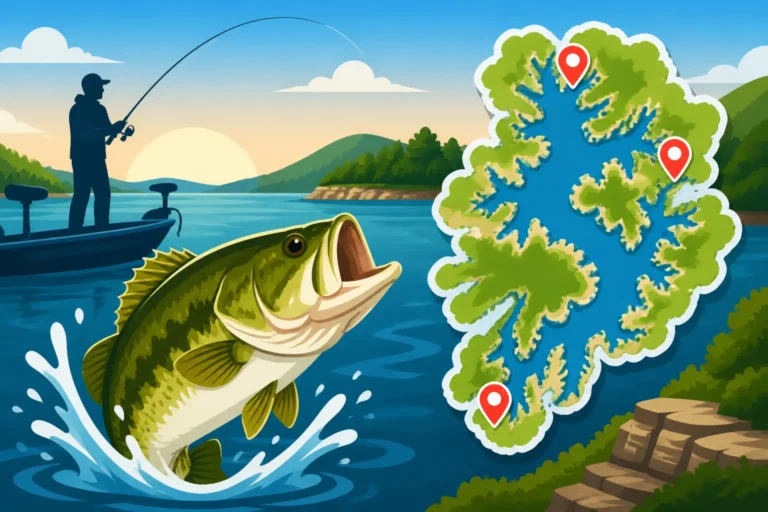
- Largemouth Bass: These are the most common and widely distributed bass, found in virtually all the lakes mentioned. They prefer cover like submerged timber, aquatic vegetation, and docks. They're aggressive eaters and will strike a variety of lures, from topwaters and crankbaits to soft plastics and jigs. The Largemouth Bass Daily Limit in Arkansas is typically five fish, though specific lakes might have slot limits.
- Smallmouth Bass: Known for their incredible fighting ability, smallmouth thrive in the clearer, rockier waters of Beaver Lake and parts of Lake Ouachita, as well as the flowing Ozark streams near Fayetteville. They love rocky points, ledges, and current breaks. Jerkbaits, tube jigs, and small crankbaits are highly effective for these hard-fighting fish.
- Kentucky (Spotted) Bass: Often found alongside largemouth and smallmouth, Kentucky bass are prevalent in many of the state's reservoirs, including Beaver Lake, Lake Ouachita, and the Arkansas River. They often inhabit deeper, clearer areas than largemouth but shallower than smallmouth, frequently suspending over open water or around rocky structure. They'll readily hit a wide range of lures, especially finesse presentations.
No matter which bass species you target, the spring and fall are generally considered the most productive times, as bass are actively feeding and can be found in more predictable patterns. The Arkansas Bass Spawn Fishing Guide offers excellent insights into their spring behavior.
Panfish Perfection: Crappie, Bream, and Bluegill
For consistent action, family-friendly fun, and delicious table fare, panfish are king. These smaller species are abundant in almost all Arkansas waters and offer a fantastic experience, especially for beginners.
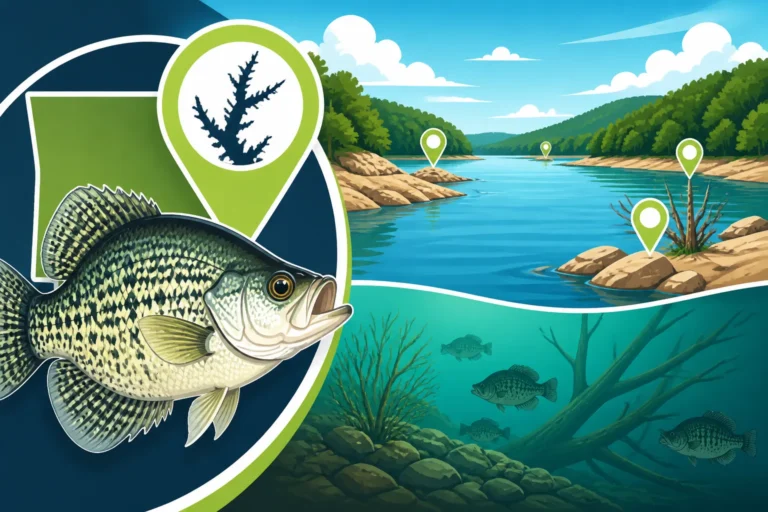
- Crappie (Black and White): Found in massive numbers in lakes like Conway, Ouachita, Hamilton, and DeGray, crappie are a favorite target for many anglers. They love schooling around brush piles, standing timber, and bridge pilings. Vertical jigging with small jigs or minnows is a classic and highly effective method. Check out the Crappie Size and Daily Limit in Arkansas for detailed regulations. The Crappie Fishing in Arkansas: Black and White Crappie Basics article can teach you how to tell the two apart.
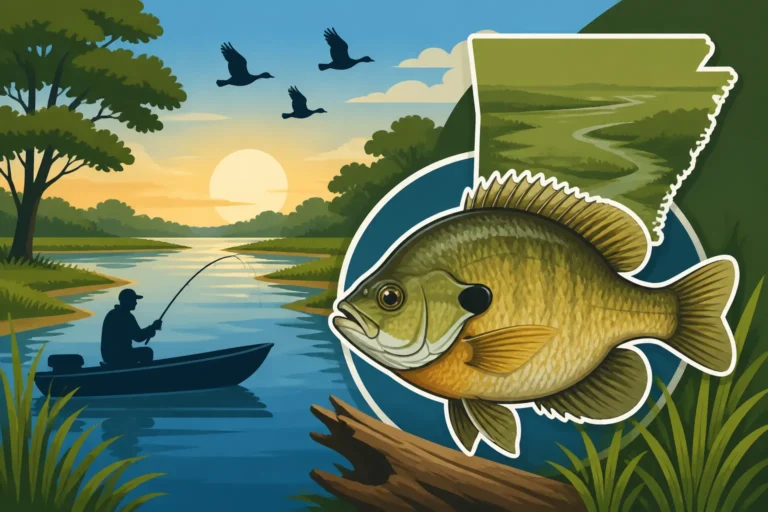
- Bream (Redear Sunfish) and Bluegill: These tenacious fighters, pound-for-pound, are perfect for introducing kids to fishing. They are found in virtually all waters and are eager biters. A simple setup with a bobber, small hook, and a worm or cricket is all you need. Look for them around shallow cover like lily pads, docks, and submerged vegetation.
Panfish offer excellent year-round fishing, but the spring spawn is a particularly hot time when they move into shallow water to nest, making them easy to locate and catch.
Heavy Hitters: Catfish and Striped Bass
For anglers seeking a bigger challenge and a powerful fight, Arkansas's city-adjacent waters also hold some true heavy hitters.
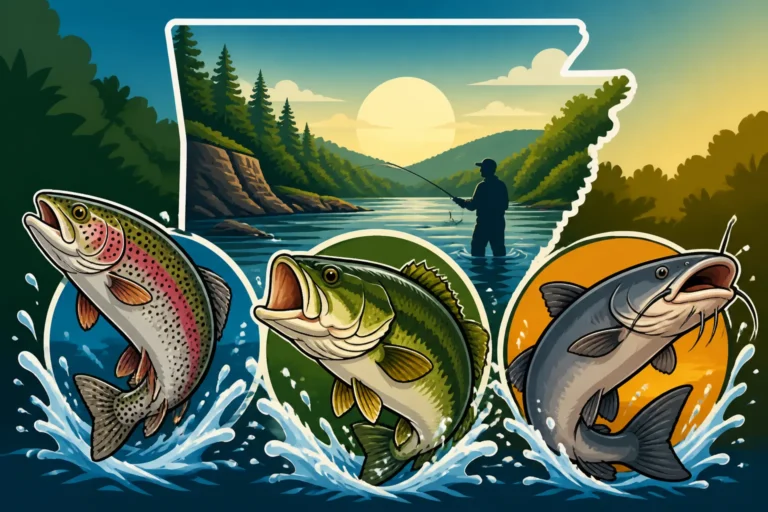
- Catfish (Channel, Blue, and Flathead): The Arkansas River is a legendary catfish fishery, but all the major lakes also hold strong populations. Channel cats are the most common and will hit a variety of baits, from prepared stink baits to cut bait. Blue cats grow to immense sizes, often found in deep channels and current, and prefer fresh cut bait. Flatheads are solitary predators that prefer live bait and ambush tactics around heavy cover. Learn more about them in Catfish Species Found in Arkansas.
- Striped Bass: These landlocked ocean fighters provide an exhilarating experience with their powerful runs. Lake Ouachita, Lake Hamilton, and Norfork Lake (though a bit further from Fayetteville) are renowned for their trophy striped bass populations. They are often found chasing schools of baitfish in open water, requiring specialized techniques like trolling with live bait or large artificials, or casting topwater lures during feeding frenzies. Services like FishingBooker often list guides specializing in these larger species.
Fishing for these heavy hitters often requires heavier tackle and a bit more patience, but the reward of landing a big striper or a massive catfish is truly unforgettable.
Essential Gear and Techniques for Urban Angling
Having the right gear and understanding the most effective techniques can significantly boost your success when fishing near Arkansas's big cities. While basic setups will catch fish, tailoring your approach to the specific species and water conditions will make your experience much more productive and enjoyable.
Rods, Reels, and Lines: Matching Your Gear to the Fish
Choosing the right rod and reel combination is crucial for enjoying your time on the water.
- Versatile Spinning Combo: For all-around utility, a medium-light to medium power spinning rod (6'6" to 7' long) paired with a 2500-3000 size spinning reel spooled with 8-12 lb monofilament or braided line is a fantastic starting point. This setup is perfect for throwing small crankbaits, jigs, soft plastics, and live bait, covering everything from crappie to smaller bass. It's user-friendly for beginners and effective for experienced anglers.
- Bass-Specific Baitcaster: If you're serious about bass fishing, especially in heavy cover like Lake Conway's timber, a medium-heavy baitcasting rod (7' to 7'6") with a corresponding baitcasting reel spooled with 15-20 lb fluorocarbon or 30-50 lb braid is invaluable. This allows for more precise casting, handling heavier lures, and muscling fish out of thick structure. Brands like Bass Pro Shops and Cabela's offer excellent entry-level combos that are durable and effective.
- Catfish/Striper Heavy Duty: For the really big fish like trophy catfish on the Arkansas River or monster stripers on Lake Ouachita, you'll want a heavier setup. A medium-heavy to heavy power conventional or spinning rod (7' to 8') with a large capacity reel (4000-6000 spinning or 20-30 size conventional) spooled with 20-30 lb monofilament or 50-80 lb braided line is a must. This gives you the backbone to handle powerful runs and heavier weights needed for bottom fishing.
Always match your line strength to your target species and the cover you're fishing. Lighter line means more bites, but heavier line prevents break-offs in snags or from strong fish.
Bait and Lure Choices for Local Success
The array of baits and lures can be dizzying, but a few go-to options will serve you well in Arkansas.
- Live Bait is King (Sometimes): For panfish and crappie, small minnows, worms, and crickets are consistently effective. Catfish often prefer cut bait (shad, skipjack herring), chicken livers, or nightcrawlers. For trophy stripers, live threadfin or gizzard shad are often unbeatable. You can usually find these at local bait shops near the lakes.
- Soft Plastics: These are incredibly versatile for bass. Texas-rigged worms, Senkos, creature baits, and finesse worms on a shaky head jig are all deadly. Choose natural colors (green pumpkin, black, brown) for clear waters and brighter colors (chartreuse, white) for stained water.
- Crankbaits and Spinnerbaits: These are excellent search baits for covering water and finding active bass and stripers. Deep-diving crankbaits work well in clear, deeper lakes like Beaver and Ouachita, while shallower models are good for Lake Conway. Spinnerbaits are great in stained water and around cover.
- Jigs: Small jigs (1/16 to 1/8 oz) tipped with minnows or soft plastic bodies are unbeatable for crappie. For bass, weedless jigs in various weights are perfect for flipping into heavy cover.
- Topwater Lures: When fish are active near the surface, especially during low light, topwater poppers, walk-the-dog lures, and buzzbaits can provide explosive strikes from bass and stripers.
Don't be afraid to try different things! Fish preferences can change daily based on weather, water temperature, and pressure.
Access and Presentation: Bank, Boat, and Kayak Strategies
How you approach the water makes a big difference in these urban-adjacent settings.
- Bank Fishing: Many lakes and rivers near the cities offer excellent bank access and fishing piers. This is a great option for families or those without a boat. Focus on areas with cover, points, or sudden depth changes. A simple bobber rig or bottom rig can be very effective from the bank. Parks like Two Rivers Park or those around Lake Fayetteville are great examples.
- Boat Fishing: Having a boat opens up endless possibilities, allowing you to reach prime offshore structure, cover more water, and escape the crowds. All the major lakes (Ouachita, Hamilton, DeGray, Beaver, Conway) have numerous public boat ramps. Utilizing your electronics (fish finders, GPS) becomes paramount for locating fish and structure. Consider Boat Ramps on Lake Ouachita for Easy Bass Access if you're planning a trip there.
- Kayak/Canoe Fishing: For a quieter, more stealthy approach, a kayak or canoe is fantastic, especially in smaller coves, river sections, or heavily timbered areas where larger boats can't go. You can access secluded spots on Lake Conway or explore river bends on the Arkansas River that others miss. It's a great blend of exercise and fishing, providing a unique perspective. Just be sure to wear your personal flotation device (PFD)!
Planning Your Trip: Licenses, Guides, and Respecting the Waters
A successful and enjoyable fishing trip isn't just about catching fish; it's also about being prepared, understanding local rules, and doing your part to preserve the natural beauty and resources. For anglers visiting or living near Little Rock, Fayetteville, or Hot Springs, these considerations are paramount.
Navigating Arkansas Fishing License Requirements
Before you even think about casting a line, you need to make sure you're legally equipped. Arkansas has clear and concise regulations regarding fishing licenses, and ignorance is rarely an excuse when a game warden checks.
- Who Needs a License: Generally, anyone 16 years of age or older needs a valid Arkansas fishing license. There are various types, including annual resident licenses, non-resident annual licenses, and shorter-term options like the Arkansas Resident 3-Day Fishing License or the Arkansas Nonresident 3-Day Trip License. These short-term licenses are perfect if you're just visiting for a weekend or a few days.
- Trout Permit: If you plan on fishing for trout, especially in designated trout waters like the White River (though the best sections are further from Fayetteville), you'll need an additional trout permit on top of your general fishing license. This applies to both residents and non-residents.
- Exemptions: There are specific exemptions, such as Arkansas residents 65 and older, who may not need a general fishing license but still require a trout permit if they plan to keep trout. Children under 16 are also exempt. It's always best to review the full Arkansas Fishing License Rules and Costs before your trip.
- Where to Buy: Licenses are readily available online through the Arkansas Game and Fish Commission (AGFC) website, or in person at most sporting goods stores like Walmart, Academy Sports + Outdoors, or local bait and tackle shops throughout the state. Buying online is incredibly convenient and ensures you have your license before you even leave home.
Always carry your license with you when fishing, either a physical copy or a digital version on your phone.
The Value of a Local Guide
While this guide provides a great starting point, nothing beats the local knowledge of an experienced fishing guide, especially when you're targeting specific species or unfamiliar waters. If you're visiting Hot Springs, for example, and want to specifically target trophy striped bass on Lake Ouachita or Lake Hamilton, a guide can save you hours of searching and significantly increase your chances of success.
- Expertise: Guides spend countless hours on the water, understanding seasonal patterns, fish behavior, and specific hotspots that might take years for an individual angler to discover. They know what baits and techniques are working right now. Many guides specialize in particular species or methods, like fly-fishing for smallmouth in Ozark streams near Fayetteville, or deep-water trolling for stripers.
- Equipment: Most guides provide all the necessary fishing gear, including rods, reels, tackle, and even bait. This is a huge advantage if you're flying in and don't want to transport your own equipment. They often use high-quality, specialized equipment that might be out of reach for the casual angler.
- Safety and Navigation: Guides are experts at safely navigating the waters, especially in complex environments like the timber-filled Lake Conway or the large, open waters of Lake Ouachita. They also understand weather patterns and can make informed decisions to ensure your safety.
- Booking a Guide: Platforms like FishingBooker make it incredibly easy to find and book reputable local guides for a variety of species and locations across Arkansas. You can read reviews, compare prices, and see what's included in the trip. It's an investment that often pays off in memorable catches and a deeper understanding of the fishery.
Conservation and Angler Etiquette
Being a responsible angler is just as important as being a successful one. The beauty and productivity of Arkansas's waters depend on everyone doing their part.
- Know the Regulations: Always be aware of and abide by all daily limits, length limits, and seasonal closures for the species you're targeting. The AGFC website is your best resource for the most up-to-date Arkansas Fishing Regulations Guide. These rules are in place to protect fish populations and ensure healthy fisheries for future generations.
- Practice Catch-and-Release: While keeping some fish for a fresh meal is part of the experience, consider practicing catch-and-release, especially for larger breeding fish or species with strict slot limits. Handle fish gently, minimize their time out of water, and use proper release techniques to ensure their survival.
- Leave No Trace: Pack out everything you pack in, and perhaps even a little more. Dispose of all trash, including old fishing line, hooks, and bait containers, properly. Keep our shorelines, lakes, and rivers clean for everyone to enjoy.
- Respect Other Anglers: Whether you're on a busy lake or a quiet stream, be mindful of other anglers. Give them space, avoid casting over their lines, and keep noise levels down. We all share these precious resources.
By following these guidelines, you contribute to a positive angling experience for yourself and others, and help ensure that Arkansas's fishing spots remain premier destinations for years to come.
Comparison of Major Fishing Spots Near Arkansas Cities
To help you quickly decide where to cast your line, here's a brief comparison of some of the top fishing destinations near Little Rock, Fayetteville, and Hot Springs. This table summarizes key features to help you pick the perfect spot for your next adventure.
| Lake/River | Nearest City | Primary Species Targeted | Key Features | Best For | Access/Crowds |
|---|---|---|---|---|---|
| Lake Conway | Little Rock | Largemouth Bass, Crappie | Shallow, heavily timbered, excellent structure, fertile waters | Anglers who love fishing heavy cover, targeting big bass and crappie | Easy boat ramp access, popular, can be crowded on weekends |
| Arkansas River | Little Rock | Catfish, Largemouth Bass, Spotted Bass | Large, navigable river with diverse habitats (pools, currents, dams) | Catfish enthusiasts, those seeking riverine bass, convenient bank fishing | Good bank and boat ramp access, variable boat traffic depending on section |
| Beaver Lake | Fayetteville | Largemouth Bass, Smallmouth Bass, Crappie, Striped Bass | Clear, deep Ozark lake, rocky bluffs, numerous coves | Bass anglers (esp. smallmouth), crappie, scenic beauty, clearer water techniques | Many boat ramps, popular but vast, generally less crowded than smaller lakes |
| Lake Fayetteville | Fayetteville | Largemouth Bass, Crappie, Catfish | Smaller, convenient city lake, good bank access, managed fishery | Quick trips, family fishing, bank anglers, beginners, good consistent action | Very easy bank access, small boat ramps, can be busy in popular spots |
| Lake Ouachita | Hot Springs | Largemouth Bass, Spotted Bass, Striped Bass, Walleye, Crappie | Arkansas's largest and clearest lake, deep, pristine, many islands | Trophy striped bass, clear water bass fishing, diverse species, wilderness feel | Numerous boat ramps, large lake means spread out crowds |
| Lake Hamilton | Hot Springs | Largemouth Bass, Striped Bass, Crappie, Catfish | Developed recreational lake, many docks, warm water from power plant | Convenient fishing, trophy striped bass, night fishing, consistent action | Very accessible, high boat traffic, busy during summer |
| DeGray Lake | Hot Springs | Largemouth Bass, Spotted Bass, Crappie, Hybrid Stripers | Clear, pristine, often quieter than Hamilton/Ouachita, excellent state park | Peaceful fishing, quality bass and crappie, strong hybrid striper population | Good boat ramp access, generally moderate crowds |
Remember, each of these spots offers a unique experience. Whether you're looking for a quick morning trip or a full day on the water, there's a fantastic fishing spot just around the corner from Arkansas's vibrant cities.
Disclaimer
The information provided in this guide is for general informational purposes only and does not constitute legal advice. Fishing regulations in Arkansas are subject to change by the Arkansas Game and Fish Commission (AGFC). It is the angler's responsibility to verify current regulations, license requirements, and any emergency proclamations before engaging in fishing activities. Always prioritize safety and consult official AGFC resources for the most up-to-date information.