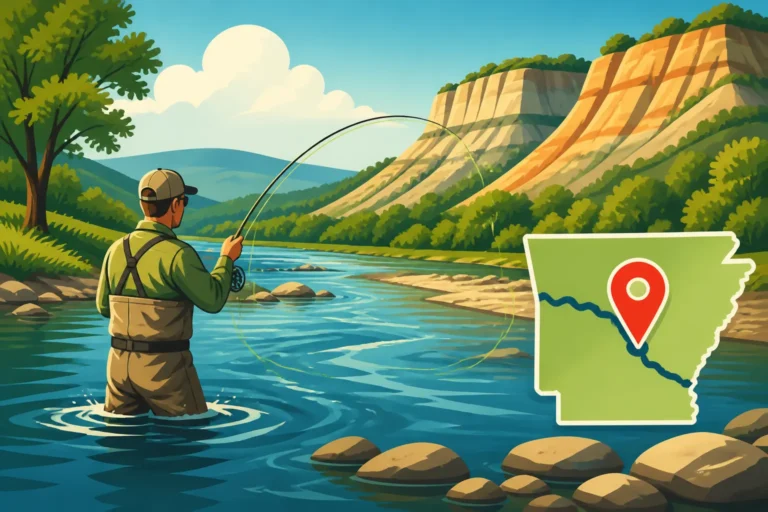
The Best Remote and Less-Crowded Fishing Spots in Arkansas
For many anglers, the true magic of fishing lies in the tranquility of having a stretch of water all to yourself. But let's be honest, finding those truly remote and less-crowded fishing spots in Arkansas can feel like searching for a needle in a haystack. The frustration of packed boat ramps and elbow-to-elbow casting is real. This guide is your secret weapon, designed to help you uncover serene, untouched havens across the Natural State where solitude and fantastic fishing go hand-in-hand.
Why Seek Out Solitude on Arkansas Waters?
In today's fast-paced world, finding a quiet corner to unwind is more important than ever. For anglers, this often means seeking out places where the only sounds are the splash of your lure and the symphony of nature. Arkansas, with its vast wilderness and countless waterways, offers incredible opportunities for this kind of escape, but you have to know where to look.
The Frustration of Crowded Waters
Picture this: you've planned your fishing trip for weeks, packed your gear, and woken up before dawn, eager for a peaceful day on the lake. You arrive at the public boat ramp, full of anticipation, only to find a line of trailers already waiting, music blaring from nearby camps, and boats crisscrossing the water in every direction. It's enough to deflate even the most enthusiastic angler. That feeling of battling for space, constantly worrying about tangling lines, or having your favorite hole taken over can really diminish the joy of the sport. We've all been there, and it's a genuine bummer.
This isn't just about personal preference; it genuinely impacts the fishing experience. When waters are heavily pressured, fish become warier, making them harder to catch. The constant noise and boat traffic can scatter schools, push fish deeper, and generally make for a less productive day. It turns a relaxing hobby into a competitive chore, which is exactly the opposite of what most of us are looking for when we head out onto the water.
Beyond the practical fishing challenges, the mental toll of crowds is significant. Many of us fish to de-stress, to clear our heads, and to immerse ourselves in the natural world. When that immersion is broken by loud conversations, speeding boats, or simply too many other people, the therapeutic benefits of fishing evaporate. It's hard to find your zen when you're constantly aware of others.
The Benefits of a Tranquil Fishing Experience
On the flip side, imagine a day where you're the only boat on a glassy lake at sunrise, or perhaps the only wader in a gentle stream, with nothing but the birds and the breeze for company. This is where the magic truly happens. A tranquil fishing experience allows you to fully engage with the environment, to observe wildlife, and to simply be present in the moment. It's not just about catching fish; it's about the entire sensory experience of being outdoors.
From a purely angling perspective, less-pressured waters often mean less-wary fish. These fish are more likely to strike, giving you a better chance at a successful and rewarding day. You can take your time, experiment with different lures and techniques, and truly learn the nuances of the water without the pressure of other anglers watching or competing for the same spots. This kind of unhurried exploration can lead to some of the most memorable catches and deepest insights into fishing.
Furthermore, these remote spots often boast pristine natural beauty that hasn't been disturbed by heavy human traffic. Think untouched shorelines, crystal-clear water, and abundant wildlife thriving in their natural habitat. It's an opportunity to witness Arkansas's stunning landscapes in their purest form, making every cast feel like a privilege. This connection to unspoiled nature is a powerful draw for those of us who value more than just the size of our catch.
Identifying "Remote" in the Natural State
Defining "remote" isn't always straightforward, especially in a state like Arkansas, which prides itself on its accessibility to nature. What one person considers a peaceful hideaway, another might find too close to civilization. However, by understanding key indicators and leveraging available resources, you can significantly increase your chances of finding that perfect, secluded spot.
Understanding Different Levels of Seclusion
When we talk about "remote," it's important to realize there's a spectrum. On one end, you have easily accessible public lakes and rivers that might have quiet coves or less-used sections during off-peak times or weekdays. These spots offer a taste of solitude without requiring extensive travel or specialized gear. For instance, even a large, popular body of water like Lake Ouachita: Arkansas's Largest Lake for Bass and Crappie Fishing has countless arms and coves where you can find privacy if you're willing to explore beyond the main recreation areas.
Further down the spectrum are the truly isolated areas: small, unpaved-road-access lakes, wilderness river stretches, or backcountry ponds within vast wildlife management areas. These spots typically require more effort to reach, perhaps a longer drive on gravel roads, a paddle, or even a hike. The reward, however, is often complete solitude and a genuine sense of wildness. These are the places where you might not see another soul all day, offering a profound sense of escape.
Then there are the "working" rivers and lakes, often tied to agricultural lands or smaller communities, that don't attract recreational crowds simply because they aren't marketed as tourist destinations. Think about some of the lesser-known bayous and oxbows in the Delta region. While they might not be pristine wilderness, their lack of popularity often translates to fewer anglers and a more relaxed atmosphere. The key is to think beyond the brochures and consider waters that aren't on every "top fishing spots" list.
Tools and Resources for Spotting Untouched Areas
Finding these elusive spots requires a bit of detective work, but thankfully, there are excellent tools available. Satellite imagery from Google Maps or other mapping applications is an angler's best friend. Look for areas with minimal roads, dense tree cover, or stretches of water far from boat ramps and developed shorelines. Irregular shorelines with numerous coves and fingers are often good indicators of places where you can tuck away.
Topographic maps, whether physical or digital, also provide invaluable insights. They reveal elevation changes, which can indicate rapids, waterfalls, or steep banks that naturally deter crowds. Contour lines on lake maps can show deep channels or hidden structure in less-frequented areas. Additionally, apps like Navionics or i-Boating provide detailed nautical charts that can help you identify remote pockets of water that are difficult for larger boats to access, giving you an edge.
Beyond maps, local knowledge is gold. Sometimes, the best way to find a truly remote spot is to talk to tackle shop owners, retired locals, or even search online forums for obscure mentions. Game and Fish Commission publications, especially those detailing smaller lakes or less-traveled Arkansas Fishing Rules for Lakes, Rivers and Tailwaters, can also point you toward opportunities. Just remember that once you find your secret spot, it’s often best to keep it a secret to preserve its tranquility! If you're really stumped, a local guide booked through a platform like FishingBooker might be able to show you some rarely visited honey holes.
Hidden Gems: Remote Lakes and Reservoirs
Arkansas is famous for its massive, clear reservoirs and historic natural lakes, but many of the most popular ones can feel like crowded theme parks on a sunny Saturday. The good news is, for those willing to venture a little further off the beaten path, there are plenty of stunning lakes and reservoirs that offer incredible fishing without the crowds. These are the places where peace and quiet reign supreme.
Lake Greeson's Secluded Coves and Arms
Lake Greeson, nestled in Southwest Arkansas near Murfreesboro, is a stunning 7,000-acre lake known for its clear waters, rocky bluffs, and extensive shoreline. While it has popular recreation areas, its irregular shape, numerous timber-filled coves, and long, winding arms make it a perfect candidate for finding solitude. The key here is to head away from the main boat launches and established campgrounds.
Focus your efforts on the upper reaches of the lake or the very end of its many arms. For instance, the areas up the Little Missouri River arm, particularly past the main confluence with the lake, can become incredibly quiet. Here, you'll find submerged timber, rock ledges, and deep pockets that hold bass, crappie, and catfish, often with minimal boat traffic. Access might involve a longer boat ride, but the reward of uninterrupted fishing makes it worthwhile.
Another strategy is to launch from less-used ramps or even utilize paddle craft. Smaller coves and backwaters are often too shallow or tricky for larger boats, leaving them open for kayaks, canoes, or small jon boats. Areas near Daisy State Park offer some great fishing, but if you venture even further into the maze of smaller inlets and creeks, you’ll discover pockets of tranquility where largemouth bass tend to hide among the standing timber and brush piles. The sheer size of Lake Greeson means that even on busier days, a peaceful spot is usually just around the next bend.
The Serenity of Lake Chicot's Backwaters
Lake Chicot, near Lake Village in Southeast Arkansas, is Arkansas’s largest natural lake and North America’s largest oxbow lake. Its unique geography, formed from an old bend of the Mississippi River, means it's long and narrow, filled with cypress trees, and features extensive backwaters and bayous that are prime for secluded fishing. Unlike many impoundments, Chicot feels ancient and wild.
While the main lake sees its fair share of anglers, especially for crappie and bass, the true solitude lies in its network of cypress-laden backwaters and connected bayous. These areas are often shallower, densely vegetated, and sometimes require careful navigation, which naturally deters larger, faster boats. Fish such as largemouth bass, crappie, and various panfish thrive in these protected, nutrient-rich environments.
To access these tranquil spots, consider launching a smaller boat, kayak, or canoe. Exploring the feeder creeks and bayous that branch off the main lake, particularly those with limited public access points, will lead you to undisturbed waters. You'll find yourself casting among ancient cypress knees, watching waterfowl, and hearing only the sounds of the swamp. It's an experience that truly connects you to the deep history of Arkansas's Delta region, and the fishing, particularly for panfish and bass, can be outstanding in these quiet havens.
Smaller, Lesser-Known Lakes
Beyond the large, well-known reservoirs, Arkansas is dotted with dozens of smaller, often overlooked lakes that provide excellent fishing and unparalleled solitude. These lakes might not make the national headlines, but they are cherished by local anglers who value peace and quiet over notoriety. Many of these are managed by the Arkansas Game and Fish Commission (AGFC) and are designed for local recreation.
Take Lake Overcup, for instance, located near Morrilton. This 820-acre lake is known for its excellent crappie and bass fishing, but due to its slightly off-the-beaten-path location and no-wake restrictions in many areas, it rarely feels crowded. Its cypress trees and shallow timber provide fantastic cover for fish and offer a beautiful backdrop for a serene day on the water. Similarly, Lake Dunn near Wynne is another small, calm lake that’s often overlooked, providing great opportunities for quiet fishing.
Then there’s Lake Wilhelmina in Southwest Arkansas, a 1,500-acre lake managed specifically for fishing, particularly for bass and crappie. Its timbered shoreline and hydrilla beds offer prime habitat, and while it's a popular local spot, it seldom experiences the high traffic of the state’s larger reservoirs. These smaller lakes often have simpler facilities, perhaps just a boat ramp and a few picnic tables, which means fewer casual visitors and more dedicated anglers looking for a peaceful experience. Checking the AGFC website for specific lake details and stocking reports can often lead you to these fantastic, quiet destinations.
Untouched Rivers and Streams: Finding Flowing Solitude
While Arkansas's larger rivers like the White and Buffalo are legendary, they can also be teeming with recreationalists, especially during peak seasons. For those craving the meditative flow of a river without the bustle, the Natural State offers numerous smaller rivers and tucked-away sections of larger systems where you can truly find undisturbed waters. These spots require a bit more exploration, but the reward is immense.
The Upper Saline River's Wild Stretch
The Saline River in Central Arkansas is a beautiful, free-flowing stream that winds through diverse landscapes. While its lower sections can be popular for float trips, the upper reaches, particularly upstream of Benton, offer a much wilder and more secluded experience. This part of the river flows through a mix of private land and less developed public access points, keeping crowds at bay.
Anglers here can expect to target spotted bass (Kentucky bass), largemouth bass, and various panfish. The river is characterized by its clear to stained water, gravel bars, rock ledges, and submerged timber, providing ample structure for fish. Access often involves finding small, unmarked pull-offs, or arranging for a shuttle if you're planning a float trip. This isn't a river for large powerboats; it's best explored by canoe, kayak, or by wading.
The feeling of paddling or wading through this wild stretch is one of true immersion. You're surrounded by dense forest, and the sounds of civilization quickly fade away. It's a place where you can spend hours casting to undisturbed fish, enjoying the rhythm of the current, and truly feeling like you've stepped back in time. For anyone looking for a genuine wilderness river experience that's still relatively accessible, the upper Saline River is a phenomenal choice.
Exploring Lesser-Known Tributaries of the Buffalo River
The Buffalo National River is undeniably one of Arkansas's crown jewels, famous for its stunning bluffs and pristine waters. However, its main stem can see significant traffic, especially during warmer months. The secret to finding solitude in this system lies in exploring its many tributaries. While the main Buffalo River is beautiful, these smaller feeder creeks and streams offer a completely different, more intimate experience.
Many of these tributaries, such as Big Creek, Richland Creek, or numerous unnamed smaller flows, tumble down from the Ozark Mountains before joining the main river. They often require a hike to access, meaning only those truly committed to solitude will reach them. Here, you'll find smallmouth bass, rock bass, and sunfish, eager to strike a well-placed lure or fly. The water is typically crystal clear, flowing over bedrock and gravel, creating beautiful pools and riffles.
These smaller streams are ideal for wade fishing or short, adventurous float trips in very small kayaks or packrafts. The fishing pressure is significantly lower, and the natural beauty is just as breathtaking, if not more so, in its untamed intimacy. Remember that some of these areas are within the national park system, so always check for specific regulations and Arkansas Fish Size and Daily Limits that might apply. But for a profound connection with the Ozark wilderness, these hidden tributaries are unmatched.
The Cossatot River's Wilderness Sections
If you're truly seeking a rugged, untouched river experience, the Cossatot River in Southwest Arkansas is a prime candidate. Known as the "River of the Falls" and designated as a State Park-Natural Area, it boasts some of the most challenging whitewater in the state. However, beyond its thrilling rapids, there are less-traveled sections that offer exceptional fishing and unparalleled solitude for the adventurous angler.
The Cossatot River's more remote upper and lower sections, away from the intensely popular whitewater areas (like Cossatot Falls), often flow through dense forest and are far more accessible for fishing. While accessing these spots can involve some hiking through rugged terrain, the reward is a pristine, clear-water stream teeming with smallmouth bass, spotted bass, and various sunfish. The river's character changes dramatically from roaring rapids to peaceful pools, providing diverse fishing opportunities.
Wade fishing is the most common approach here, carefully navigating the slippery rocks and currents. The fish in these remote stretches are often less pressured and incredibly aggressive, making for an exciting fight. It’s important to respect the wilderness nature of the Cossatot – go prepared with appropriate gear, inform someone of your plans, and always practice "Leave No Trace" principles. For anglers who love a challenge and the thrill of truly wild waters, the Cossatot offers an unforgettable journey into Arkansas's untamed heart.
State Parks and Wildlife Management Areas with Secluded Access
Arkansas's extensive network of state parks and wildlife management areas (WMAs) are incredible resources for outdoor enthusiasts. While some areas are bustling hubs, many offer vast expanses and lesser-known corners where you can find profound solitude, often with excellent fishing. These managed lands are intentionally preserved for both recreation and conservation, providing prime opportunities for quiet angling.
DeGray Lake Resort State Park's Quiet Nooks
DeGray Lake, located near Arkadelphia, is one of Arkansas's cleanest and most beautiful lakes, renowned for its clear water and excellent fishing for bass, crappie, and walleye. As Arkansas’s only resort state park, it offers many amenities, but don't let the "resort" part fool you into thinking solitude is impossible. Its enormous size and intricate shoreline, boasting over 200 miles, mean there are countless quiet coves and arms waiting to be discovered.
The key to finding seclusion on DeGray Lake is similar to other large reservoirs: venture beyond the main swimming beaches, marinas, and popular camping areas. Focus on the extensive network of smaller bays, creek channels, and timbered areas that dot the lake's perimeter. These spots are often overlooked by casual boaters and can provide fantastic fishing for largemouth bass hiding in the submerged brush or crappie schooling around standing timber.
Consider using a kayak, canoe, or a small boat to explore the shallow, winding creeks and pockets that larger ski boats or pontoon boats can't access. The clear waters of DeGray mean you can often spot fish, making sight fishing a real possibility in these quiet zones. Even on a busy summer day, if you're willing to paddle or motor a little further, you'll be surprised at how quickly you can leave the crowds behind and enjoy the peaceful beauty of this central Arkansas gem.
Wedington Lake's Peaceful Shores
Tucked away in Northwest Arkansas, just west of Fayetteville, lies Lake Wedington, a smaller, quieter lake managed by the National Forest Service. At around 102 acres, it’s a stark contrast to the massive Beaver Lake nearby, and that’s precisely its charm. Wedington Lake offers a tranquil, non-motorized fishing experience, making it perfect for those seeking true peace and quiet.
The entire lake has a 10 horsepower limit on outboard motors, with many preferring to paddle or use electric trolling motors. This restriction alone keeps the crowds and noise levels significantly lower than on larger reservoirs. Anglers can target bass, crappie, catfish, and various sunfish from its well-maintained fishing pier, along its wooded shoreline, or from a canoe or kayak. The lake's clear waters and scenic forested surroundings make it a genuinely pleasant place to spend a day.
Lake Wedington is an ideal spot for families or beginners looking for a low-stress fishing outing, but it’s equally appealing to seasoned anglers who prioritize solitude. The surrounding Lake Wedington Recreation Area also offers hiking trails and camping, allowing for a complete outdoor escape. It's a prime example of how a smaller, regulated body of water can offer a richer, more peaceful fishing experience than its larger, more famous counterparts.
Wildlife Management Area (WMA) Ponds and Oxbows
Arkansas is blessed with numerous Wildlife Management Areas (WMAs) managed by the AGFC, spanning hundreds of thousands of acres across the state. These WMAs are primarily managed for wildlife habitat, but many also contain small lakes, ponds, oxbows, and sloughs that offer fantastic, often overlooked, fishing opportunities. The very nature of WMAs, focused on conservation and managed hunting seasons, means that many fishing spots within them remain remote and uncrowded.
Consider WMAs in the Delta region, such as Bayou Meto WMA or Dagmar WMA. These areas are rich with oxbow lakes and timbered sloughs, remnants of old river channels. Access might require driving on primitive gravel roads, paddling through flooded timber, or even some hiking. The fishing here, particularly for crappie, bass, and catfish, can be exceptional, and you're almost guaranteed to have the water to yourself outside of specific hunting seasons. Just be sure to check WMA regulations, as some areas may have specific rules or closures during certain times of the year.
Another excellent example is the White River National Wildlife Refuge, which contains countless secluded lakes, ponds, and bayous within its vast timberlands. These waters are perfect for those who enjoy challenging, wilderness-style fishing for crappie, bass, and bream. Anglers often access these areas via small boats, kayaks, or even by carefully navigating flooded timber during higher water. The AGFC website is an invaluable resource for exploring the myriad fishing opportunities within these WMAs, providing maps, regulations, and even specific fish population data for some of the smaller, managed ponds. This comprehensive guide to Arkansas Fishing Regulations Guide is a great resource to ensure you're compliant before you head out.
Planning Your Secluded Fishing Adventure
Embarking on a trip to a remote fishing spot requires a bit more forethought than a quick visit to your local park pond. The very elements that make these places so appealing – their isolation and wildness – also mean you need to be prepared. From the gear you pack to your mindset, a well-planned trip ensures both safety and enjoyment.
Essential Gear for Remote Trips
When heading into less-traveled areas, your gear choices become even more critical. First and foremost, a reliable form of watercraft is key. While some remote spots are accessible for bank fishing or wading, many of the best secluded areas require a canoe, kayak, or a small, easily maneuverable boat. Think about portability and stealth; a silent paddle can get you into places larger boats can only dream of. Don't forget your personal flotation device (PFD)!
Beyond your fishing tackle, which should be robust enough to handle potentially larger, less-pressured fish and possible snags, consider navigation tools. A GPS device or a reliable smartphone app with downloaded offline maps is crucial, as cell service can be spotty or nonexistent in remote parts of Arkansas. A compass and paper map are excellent backups. Pack plenty of water, snacks, a first-aid kit, insect repellent, sunscreen, and appropriate clothing for changing weather conditions. A headlamp or flashlight is also a non-negotiable, even if you plan to be back before dark, because unexpected delays can happen.
Finally, think about self-sufficiency. Unlike popular spots, there won't be convenience stores or bait shops nearby. Bring extra bait, lures, line, and any repair tools you might need for your rod, reel, or boat. A small toolkit can save a trip. A good cooler to preserve your catch (if you plan to keep any, be sure to check Arkansas Fish Size and Daily Limits for the specific water body), and trash bags to pack out everything you pack in, are also essential. Remember, you're responsible for your own safety and for leaving the area as pristine as you found it.
Safety Considerations and "Leave No Trace" Principles
Safety should always be your top priority when venturing into remote fishing spots. One of the most important rules is to always tell someone where you're going and when you expect to return. Share your exact route, especially if you're hiking or paddling into a wilderness area. This "float plan" or "hike plan" could be life-saving if something unexpected occurs. Consider carrying a personal locator beacon (PLB) or satellite messenger for true emergencies in areas without cell service.
Be acutely aware of your surroundings. Understand potential wildlife encounters, especially with snakes, bears, or hogs, and know how to react appropriately. Check weather forecasts religiously, as conditions can change rapidly in Arkansas, particularly in mountainous or riverine environments. Flash floods are a real danger on many of our smaller rivers and streams. Dress in layers, and know your physical limits, especially if you're tackling challenging terrain or long paddles.
Equally important are the "Leave No Trace" principles. The beauty of these remote spots depends entirely on us protecting them. This means packing out everything you pack in, including all trash, food scraps, and fishing line. Minimize your impact on vegetation and wildlife, avoid building fires unless absolutely necessary and permitted, and respect the privacy of others (though you likely won't see many!). The goal is to leave no evidence of your visit, ensuring these pristine areas remain wild and beautiful for generations to come.
When to Visit for Maximum Solitude
Timing your trip can drastically increase your chances of finding solitude, even in areas that might see moderate traffic during peak times. Generally, weekdays are always quieter than weekends, regardless of the spot. If you can swing a mid-week trip, you'll likely find far fewer people on the water.
Seasonal timing also plays a huge role. Spring and fall, while offering some of the best fishing conditions, can sometimes see increased recreational use due to pleasant weather. However, early mornings and late evenings, even on weekends, often provide windows of relative quiet before the main crowds arrive or after they've departed. If you're targeting specific species, aligning your trip with their peak bite times might also coincide with less traffic. For instance, early morning crappie anglers are often out before pleasure boaters.
Winter can be a fantastic time for solitude in Arkansas. While temperatures drop, many days are mild enough for comfortable fishing, and the crowds are virtually nonexistent. The bare trees open up new views, and the quiet stillness of winter on the water is truly magical. Just be sure to dress warmly, prepare for colder water conditions, and choose your spots carefully, as some smaller waters might be very slow. If you're looking for guidance on choosing the right time or need help navigating remote spots, don't hesitate to consult a local expert. Websites like FishingBooker can help you connect with experienced guides who know the seasonal patterns and can lead you to quiet, productive waters.
Navigating Access and Permits for Remote Areas
While the lure of untouched waters is strong, accessing these remote fishing spots in Arkansas isn't always as simple as pulling off the highway. Understanding land ownership, specific regulations for managed areas, and how to sometimes enlist expert help are crucial steps for a successful and legal trip.
Understanding Public and Private Land Access
Arkansas has a complex mosaic of public and private lands, and knowing the difference is paramount for respectful and legal access. Many of the most remote fishing opportunities exist on public lands, such as national forests (Ouachita National Forest, Ozark-St. Francis National Forests), state parks, or Wildlife Management Areas. These areas generally allow public access for recreation, but even within these, specific rules can apply regarding vehicle access, camping, or designated fishing zones. Always look for signage or consult official maps.
Private land, on the other hand, is off-limits without explicit permission from the landowner. Trespassing, even accidentally, can lead to fines and strained relationships with local communities. When researching a new spot, use property line maps (often available through county assessor websites or specialized mapping apps) to determine land ownership. If a prime remote spot is bordered by private land, a polite request to the landowner for access, perhaps with a clear explanation of your "leave no trace" intentions, can sometimes open up new opportunities. Never assume access where it isn't clearly public.
Navigating river access can be particularly tricky. While many rivers are considered "navigable" and thus public below the ordinary high-water mark, accessing those rivers often requires crossing private land. Look for designated public access points, such as boat ramps, bridge crossings with public easements, or state park access points. Avoid parking on private property or blocking gates, even if you only plan to be there for a few hours. A little diligence upfront can prevent a lot of headaches later.
Special Permits and Regulations for WMAs and Wilderness Areas
Fishing in some of Arkansas's most remote areas, especially within Wildlife Management Areas (WMAs), National Forests, or State Parks, often comes with specific rules and sometimes even requires special permits beyond your standard Arkansas Fishing License Rules and Costs. These regulations are in place to protect sensitive ecosystems, manage wildlife populations, and ensure sustainable recreational use. It's not just about compliance; it's about being a responsible steward of these precious resources.
For instance, many WMAs have seasonal closures for vehicle access during certain hunting seasons, or require a WMA permit in addition to your fishing license. Some wilderness areas within national forests might have specific rules regarding campfires, group sizes, or even what type of bait you can use. Before you head out, always check the Arkansas Game and Fish Commission's annual fishing guide and specific WMA regulations on their website. It’s better to spend a few minutes reading online than to face a fine or, worse, inadvertently damage a delicate habitat.
Additionally, certain rare species or protected areas might have catch-and-release only rules or special tackle restrictions. For example, some trout waters have very specific rules about single barbless hooks or artificial lures only. Always consult the official AGFC regulations for the specific body of water you intend to fish. These detailed Arkansas Fishing Regulations Guide are regularly updated and available online, ensuring you have the most current information at your fingertips.
Finding Guides Who Know the Untouched Spots
Sometimes, the quickest and most effective way to unlock truly remote and productive fishing spots is to hire a local fishing guide. These professionals spend countless hours on the water, know the intricacies of local ecosystems, and often have access to private land or secret honey holes that would be impossible for an outsider to find on their own. They understand the seasonal movements of fish in these less-pressured areas and can navigate tricky terrain safely.
Hiring a guide, especially for a specific species or type of water you're less familiar with, can save you years of trial and error. They provide the boat, gear, bait, and most importantly, the knowledge to make your remote fishing adventure a success. Platforms like FishingBooker are excellent resources for finding guides who specialize in these kinds of trips. You can filter by location, species, and even request guides who focus on remote or less-pressured waters. Many guides genuinely enjoy introducing anglers to these secluded gems and are passionate about preserving their tranquility.
Before booking, make sure to communicate your desire for a remote, less-crowded experience. Ask about their favorite secluded spots, what kind of access is involved (e.g., how much hiking or paddling), and what species they target in those areas. A good guide will be transparent about the challenges and rewards of such a trip, ensuring your expectations align with the reality of venturing into Arkansas's wilder fishing grounds. It's an investment not just in catching fish, but in experiencing a truly unique side of the Natural State.
| Remote Fishing Spot | General Location | Primary Fish Species | Typical Access Methods | Notes for Seclusion |
|---|---|---|---|---|
| Lake Greeson (Upper Arms) | SW Arkansas (Murfreesboro) | Largemouth Bass, Crappie, Catfish | Small boat, Kayak, Canoe | Extensive timber, winding arms, less developed upper reaches |
| Lake Chicot (Backwaters) | SE Arkansas (Lake Village) | Largemouth Bass, Crappie, Panfish | Kayak, Canoe, Small jon boat | Cypress trees, shallow bayous, dense vegetation |
| Lake Overcup | Central Arkansas (Morrilton) | Crappie, Largemouth Bass, Catfish | Small boat, Kayak, Canoe | 10 HP motor limit, cypress-filled, less traffic |
| Upper Saline River | Central Arkansas (Benton) | Spotted Bass, Largemouth Bass | Canoe, Kayak, Wade | Free-flowing, primitive access, rugged beauty |
| Buffalo River Tributaries | NW Arkansas (Ozarks) | Smallmouth Bass, Rock Bass | Hike-in, Wade, Packraft | Requires effort, pristine clear water, true wilderness |
| Cossatot River (Upper/Lower) | SW Arkansas (Wickes) | Smallmouth Bass, Spotted Bass | Wade, Kayak, Canoe | Challenging terrain, dramatic scenery, less pressured pools |
| Wedington Lake | NW Arkansas (Fayetteville) | Bass, Crappie, Catfish, Panfish | Kayak, Canoe, Electric boat | 10 HP motor limit, no-wake, peaceful atmosphere |
| WMA Oxbows (e.g., Bayou Meto) | Delta Region (Various) | Crappie, Bass, Catfish | Small boat, Kayak, Canoe | Often require WMA permit, flooded timber, seasonal access |
Disclaimer
The information provided in this guide is for general informational purposes only and does not constitute legal advice. Fishing regulations, license requirements, and access rules in Arkansas can change, and specific rules may vary by location and season. Always consult the official Arkansas Game and Fish Commission (AGFC) website or contact them directly for the most current and accurate information before planning any fishing trip. Adherence to all local, state, and federal laws is the responsibility of the angler. Please fish responsibly and practice Leave No Trace principles.