Do Bull Shoals Guides Fish Year-Round?
It's a common misconception among anglers, especially those new to the region or just visiting, that fishing in a place like Bull Shoals Lake might slow down or even stop completely once the prime summer months fade. You might think guides pack it in for the off-season, leaving you wondering if you can still hit the water in the cooler months. Well, I'm here to tell you that experienced Bull Shoals fishing guides are very much a year-round operation, adapting their strategies to keep you on the fish no matter what the calendar says. This guide will dive deep into why these dedicated professionals stay busy throughout all four seasons and how their expertise can make your trip a success any time of year.
Bull Shoals Lake: A Year-Round Fishery for Guides
The beauty of a massive, diverse reservoir like Bull Shoals Lake isn't just its stunning scenery, but its incredible ability to sustain vibrant fishing opportunities every single day of the year. Unlike smaller, shallower bodies of water that might freeze over or become stagnant, Bull Shoals' sheer size, depth, and rich ecosystem mean that the fish are always there, just behaving differently. What changes isn't the presence of fish, but their patterns, depths, and preferred forage, which is exactly where a seasoned guide shines.
For many anglers, the idea of fishing beyond spring and summer seems daunting. The weather gets colder, the days shorten, and the fish seem to vanish from their usual haunts. This is where the local knowledge of a Bull Shoals guide becomes invaluable. They spend their lives on these waters, understanding the subtle shifts that dictate where the fish will be and what they'll bite on. They're not just fishing; they're reading the lake, the weather, and the fish's habits. So, while you might be scratching your head, a good guide already knows the playbook for that particular day and season. Many guides list their year-round availability on platforms like FishingBooker, making it easy for you to see their seasonal offerings.
Seasonal Fish Behavior on Bull Shoals
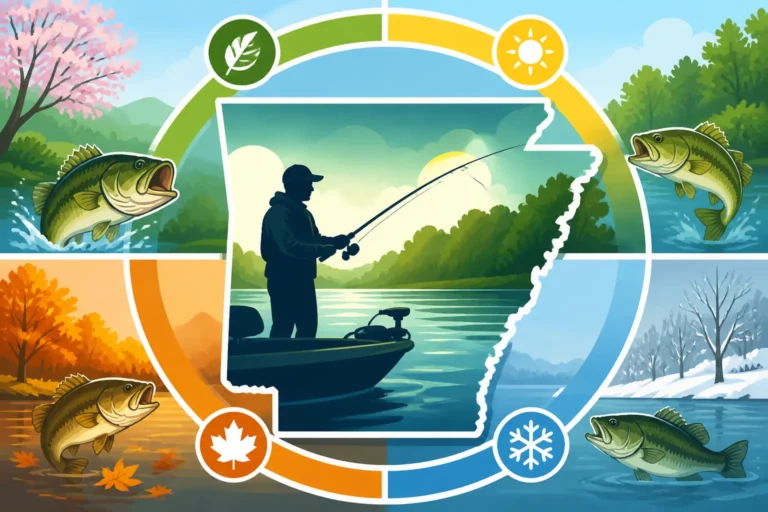
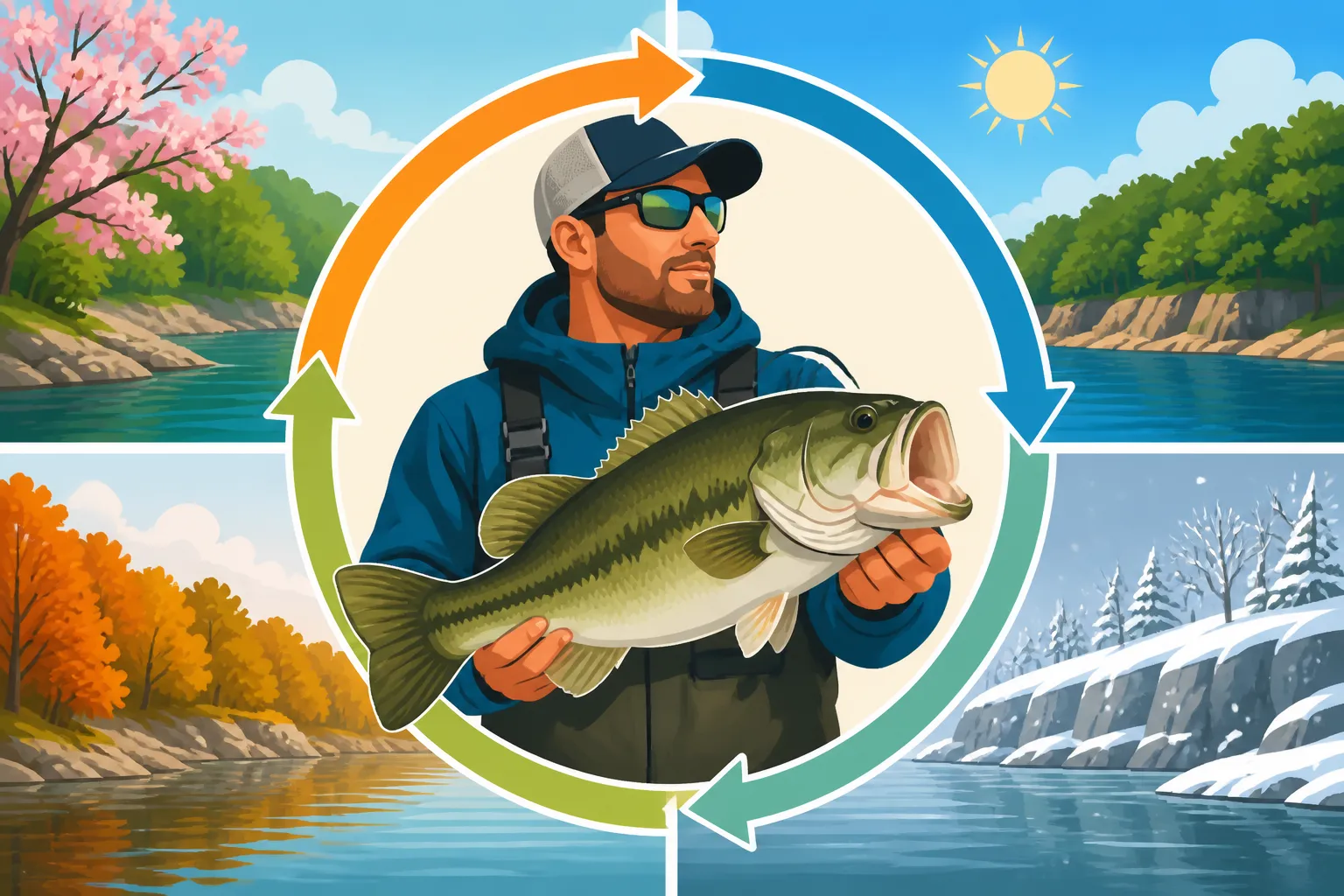
Fish, much like us, respond to their environment. Temperature, oxygen levels, available food, and spawning cycles all influence where they hang out and what they're willing to eat. A guide's job is to interpret these natural cues. In the spring, fish move shallow to spawn, becoming more aggressive. Summer sees them retreat to deeper, cooler waters, often congregating around structures. Fall is a feeding frenzy as they bulk up for winter, and even winter, with its seemingly dormant appearance, offers opportunities for big catches for those who know where to look. Guides master these transitions, making them essential companions for any serious angler wanting to consistently catch fish.
Think of it this way: the fish don't disappear in winter; they simply change their address and their dining preferences. A guide has the keys to their winter home and knows their favorite cold-weather menu. They understand that a sunny winter day might pull fish up onto certain ledges, while a cloudy summer day pushes them deeper into brush piles. This intimate understanding is the foundation of a year-round guiding business on Bull Shoals.
The Guide's Advantage: Knowledge, Gear, and Safety
Beyond just knowing where the fish are, a year-round Bull Shoals guide comes equipped with the specialized gear, techniques, and safety protocols necessary for each season. Winter fishing often requires different tackle, heavier clothing, and a keen eye on ever-changing weather conditions. Summer demands strategies for staying cool, sun protection, and understanding thermoclines. Guides invest in top-tier electronics that pinpoint fish in deep water, and they have a range of baits and lures perfected for specific seasonal patterns.
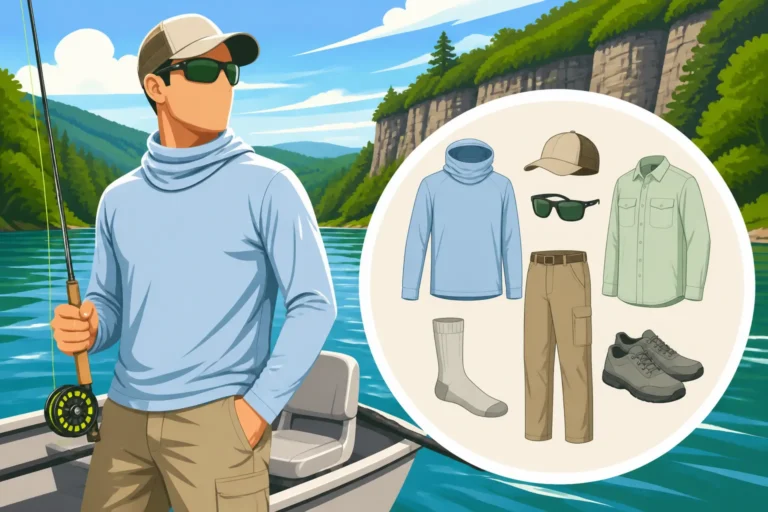
Moreover, safety is paramount. Fishing in colder months, especially, can be hazardous without the right equipment and experience. Guides are trained in boat handling in various conditions, emergency procedures, and navigating unfamiliar waters in low light or fog. They ensure you have a safe, comfortable, and productive trip, regardless of the season. They'll advise you on what to bring, from extra layers in winter to plenty of hydration in summer, ensuring your focus remains on reeling in that next big catch.
Fishing Opportunities Across the Seasons
Each season on Bull Shoals Lake presents unique challenges and rewards. An experienced guide doesn't just endure these changes; they embrace them, tailoring your trip to target the most active species with the most effective techniques for that specific time of year.
Spring: Spawn and Frenzy
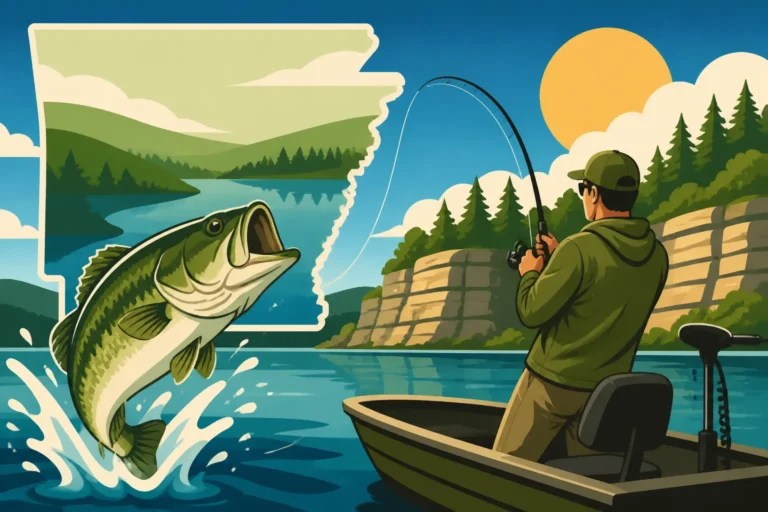
Ah, spring! This is often the most anticipated season for many anglers, and for good reason. As water temperatures rise, fish begin their annual migration to shallower waters for the spawn. Largemouth bass, smallmouth bass, and crappie become particularly active and aggressive during this period. Guides focus on areas with submerged timber, rock piles, and shallow coves where fish are building nests or guarding their fry.
You can expect guides to employ a variety of techniques, from pitching jigs and soft plastics to slow-rolling spinnerbaits and crankbaits. The fish are often visible, making for exciting sight fishing opportunities. It's a fantastic time for both numbers and quality fish, as they are focused on reproduction and feeding heavily. When Do Bass Spawn in Arkansas Reservoirs is a great read if you want to understand the timing of these crucial cycles. For those targeting crappie, the shallow brush piles are teeming with activity, offering fast-paced action that's perfect for anglers of all skill levels.
Summer: Deep Water and Early Mornings
When the heat of summer sets in, many casual anglers find themselves struggling. The fish seem to vanish from the shallows, making success more elusive. This is precisely when Bull Shoals guides excel. They know that fish haven't disappeared; they've simply moved to deeper, cooler, more oxygenated waters, often congregating around main lake points, ledges, and deep brush piles.
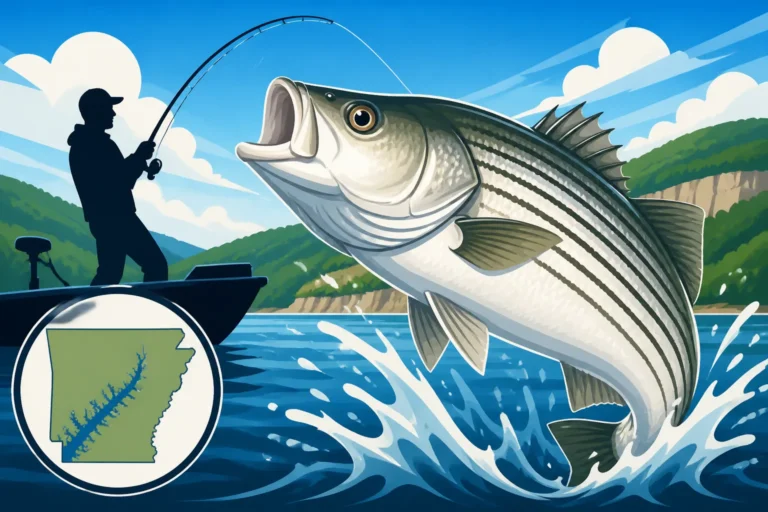
Guides will often start early, capitalising on the cooler morning bite, and focus on vertical jigging, deep-diving crankbaits, and drop-shotting techniques. Species like striped bass, often found in large schools, become prime targets in deeper open water, sometimes suspending over vast depths. Catfish also thrive in the warmer months, providing excellent opportunities for bottom fishing with live bait or cut bait. It's a game of electronics and precision, and a good guide uses their sonar to pinpoint schools of fish and bait. You might find a guide suggesting Best Time of Day to Catch Bass for those summer trips.
Fall: The Feeding Blitz
As the days shorten and water temperatures begin to cool in the fall, Bull Shoals Lake comes alive with what many call the "fall turnover" and an intense feeding blitz. Fish sense the coming winter and aggressively feed to pack on weight. They can be found chasing baitfish in open water or moving back to shallower structures as conditions become more comfortable.
Guides will leverage this aggressive feeding pattern, often using topwater lures in the mornings and evenings, reaction baits like crankbaits and jerkbaits, and even casting swimbaits for larger predatory fish. Bass and crappie are particularly active during this time, and it can be one of the most productive seasons for catching a wide variety of species. The cooler temperatures also make for a more comfortable day on the water, without the intense heat of summer. For a deeper dive, check out Fall Fishing Patterns for Bass and Crappie.
Winter: The "Unsung Hero" Season
Many anglers assume winter fishing is a no-go, but for the hardy and informed, it can be an incredibly rewarding time on Bull Shoals. While the bite might be slower, the fish you do catch are often larger, and the lack of boat traffic creates a peaceful, serene experience. Bull Shoals guides are well-versed in winter tactics, understanding that fish metabolism slows down, requiring slower presentations and precise bait placement.
Guides will typically focus on deep structure, often employing vertical jigging with spoons or small jigs for crappie, bass, and even some walleye. Suspended fish can also be targeted with live bait or slow-trolled umbrella rigs for striped bass. The key is patience and meticulous attention to detail. Plus, the crisp air and stark beauty of the lake in winter offer a unique charm. Don't be surprised if a guide recommends you dress in layers for a Winter Fishing Patterns on Arkansas Reservoirs trip. While Bull Shoals itself isn't known for trout, just downstream, the White River offers phenomenal Winter Trout Fishing on the Norfork Tailwater in Arkansas.
Choosing Your Bull Shoals Fishing Guide
Since guides do fish year-round, how do you pick the right one for your trip? It's not just about availability; it's about matching their expertise to your goals, and ensuring you have a great experience.
Researching Guide Specialties and Availability
Not all guides are created equal, and many have specialties. Some might be renowned for their bass fishing prowess, while others are known for putting clients on trophy stripers or crappie. Before you book, consider what species you're most interested in catching. Platforms like FishingBooker often allow guides to detail their specialties, preferred techniques, and, crucially, their seasonal availability. You can filter by species, trip type, and even the time of year you plan to visit.
When looking for a guide, don't hesitate to ask about their experience during the specific season you're planning your trip. A guide who excels in the spring spawn might have a different approach than one who consistently catches big fish in the dead of winter. It's also wise to check out reviews from previous clients, paying attention to comments about their flexibility and success across different times of the year. This helps ensure you're getting someone who truly knows the lake year-round, not just during peak seasons.
What to Ask Your Prospective Guide
Once you've narrowed down your choices, having a few key questions ready can make all the difference. Beyond the obvious "Are you available?" here are some things to consider:
- What species will be most active during my trip dates? A good guide will give you realistic expectations based on the current conditions and historical patterns.
- What kind of gear do you provide, and what should I bring? This is especially important for winter trips where specialized cold-weather clothing is a must.
- What's your plan B for bad weather? While guides fish year-round, severe weather can still impact a trip. Understanding their cancellation or rescheduling policy is crucial.
- Do you offer full-day or half-day trips in that season? Sometimes, shorter trips are more effective in extreme weather, while longer trips allow more flexibility. You might also want to read up on Half-Day vs Full-Day White River Trout Trips: Which to Book in Arkansas for comparison, even though it focuses on trout.
- What's included in the price? (e.g., bait, tackle, drinks, snacks, fish cleaning).
You can also ask about their experience with specific techniques you might be interested in trying, like fly fishing for bass or crappie, if that's your preference. This dialogue helps set expectations and ensures you and your guide are on the same page for a successful outing.
The Benefits of a Guided Trip Any Time of Year
Hiring a guide, whether it's for a mid-summer striper hunt or a crisp winter bass excursion, offers unparalleled benefits. You tap into years of accumulated knowledge and experience instantly. Instead of spending valuable vacation time searching for fish, you're put directly on them. This maximizes your fishing time and increases your chances of success exponentially.
Furthermore, a guided trip is an incredible learning opportunity. You can pick up new techniques, learn how to read your electronics, understand seasonal fish patterns, and discover new baits or presentations. Many guides are excellent teachers, happy to share their knowledge and passion for the sport. For beginners, it's an ideal way to get introduced to fishing without the upfront investment in expensive gear or the frustration of learning a vast lake on your own. Even experienced anglers benefit from a local's perspective on a new body of water. For those new to the sport, consider checking out First-Time Guided Fishing Trip Tips for Arkansas to prepare.
Ultimately, choosing a professional Bull Shoals guide means you're investing in a productive, safe, and enjoyable day on the water, no matter what the Arkansas weather decides to throw your way.
Bull Shoals Beyond the Summer Sun
It’s clear that Bull Shoals Lake isn't just a warm-weather destination for anglers; it's a dynamic, year-round fishery, and its dedicated guides are a testament to that fact. From the frenetic pace of the spring spawn to the serene stillness of a winter morning bite, there's always an opportunity to put fish in the boat or simply enjoy the peace of the outdoors.
Think about it: if these guides only fished for a few months out of the year, they wouldn't be able to sustain their businesses or gain the encyclopedic knowledge that makes them so effective. Their livelihood depends on understanding and adapting to the lake's rhythms throughout all four seasons. So, next time you're planning an Arkansas fishing adventure, don't limit yourself to the obvious. Consider the unique advantages and peaceful solitude of a fall or winter trip. The guides are there, ready to take you out, and often, you'll find less boat traffic and a more intimate experience with the lake itself.
Whether you're looking for a trophy bass in the cooler months or a stringer full of crappie in the spring, a quick search on a reputable booking platform like FishingBooker will show you that plenty of knowledgeable Bull Shoals guides are indeed available to help you make your fishing dreams a reality, twelve months a year. So go ahead, cast off those seasonal inhibitions, and explore the full potential of Bull Shoals Lake!
| Season | Primary Target Species | Common Techniques | Guide's Focus |
|---|---|---|---|
| Spring | Largemouth Bass, Smallmouth Bass, Crappie | Shallow cranking, jigs, soft plastics, spinnerbaits | Spawning areas, rising water temps, aggressive bite |
| Summer | Striped Bass, Largemouth Bass, Catfish | Deep jigging, drop-shotting, trolling, bottom fishing | Deep structure, thermoclines, early morning bite |
| Fall | Largemouth Bass, Crappie, Walleye | Topwater, jerkbaits, crankbaits, swimbaits | Baitfish migration, feeding frenzy, main lake points |
| Winter | Largemouth Bass, Crappie, Walleye | Vertical jigging, spoons, slow presentations, live bait | Deep structure, subtle bites, less boat traffic |
Remember that while Bull Shoals itself is not a trout lake, the magnificent White River immediately below Bull Shoals Dam offers unparalleled trout fishing year-round. Many guides who work the Bull Shoals area also run trips on the White River tailwater, so if trout are your passion, don't hesitate to ask them about their Trout Fishing Below Bull Shoals Dam on the White River services. For more details on what other species call these waters home, explore Arkansas Fish Species: A Complete Guide to What's Swimming in Your Waters. If you're wondering about specific limits, you can always check Bull Shoals Tailwater Trout Rules in Arkansas for the downstream fishery or New Possession Limit Rule for Arkansas Anglers for general statewide changes. And if you're ever concerned about the legalities, a good reference is Arkansas Fishing License Penalties and Requirements.
Disclaimer
This article is for general informational purposes only and does not constitute professional advice. Laws, prices and regulations vary by location and change over time. Consult a qualified professional for guidance on your specific situation.