Trophy Trout Guide Trips on Arkansas’s White River
Many anglers dream of landing that once-in-a-lifetime fish, a true trophy that tests their skill and strength, but the White River's elusive big trout can feel like a myth if you don't know where to start. This comprehensive guide is designed to walk you through everything you need to know about booking a specialized trophy trout guide trip on Arkansas's legendary White River, helping you turn that dream into a thrilling reality.
What Defines a Trophy Trout on the White River?
When we talk about "trophy trout" on the White River, we're not just talking about any old keeper. We're referring to fish that stand out, specimens that have grown large, wise, and incredibly powerful. These are the fish that require different tactics, more patience, and often, a little bit of luck combined with a whole lot of expertise to bring to hand. It's a different ball game entirely from catching a daily limit of pan-sized rainbows.
Size Expectations for Rainbow and Brown Trout
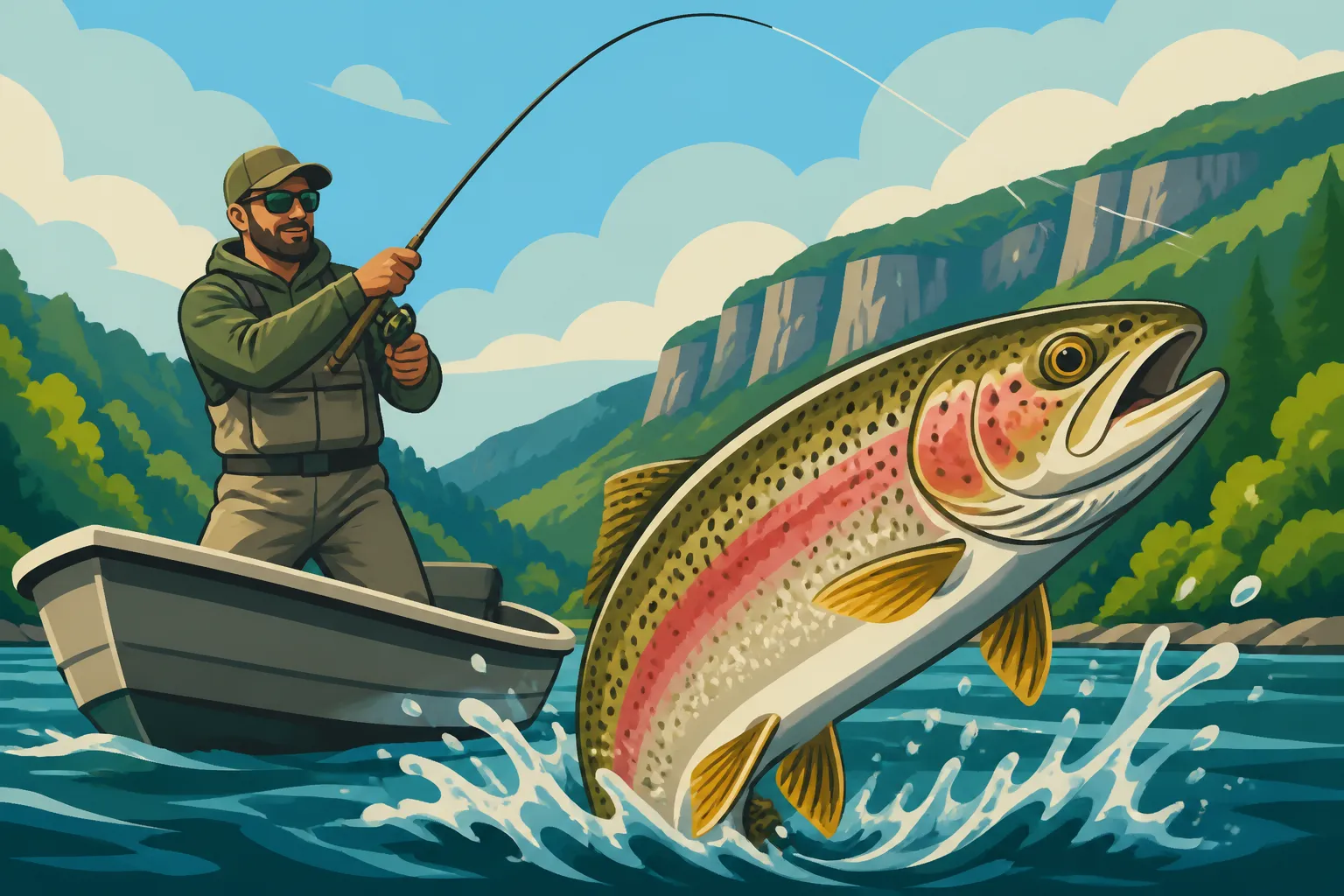
The White River is famous for both its robust rainbow trout and its colossal brown trout. For many anglers, a "trophy" rainbow might start around the 20-inch mark, a fish with broad shoulders and vibrant colors that has seen a few seasons. However, the true bragging rights often come with the brown trout. Browns over 24 inches are certainly considered trophies, but many serious anglers are chasing those mythical 30-inch-plus monsters that lurk in the deep pools and undercut banks. These are truly impressive fish, often weighing in at double-digit figures, capable of peeling line from your reel with unbelievable power.
The average size of a trout you'll catch on the White River is certainly respectable, but the trophy hunters are looking for something exceptional. These fish aren't caught every day, and they often require specialized techniques, specific water conditions, and a deep understanding of their habits. It's not uncommon for a trophy trip to yield fewer fish overall, but the fish you do encounter are of significantly higher quality. Think of it as quality over quantity.
The Elusive White River Brown Trout
While rainbow trout provide consistent action, it's the brown trout that really draws the trophy hunters to the White River. These fish are notorious for their cunning, their strength, and their incredible ability to camouflage themselves in their surroundings. The White River's nutrient-rich waters and abundant forage, including sculpins, shad, and smaller trout, allow brown trout to grow to truly enormous sizes. However, they don't get big by being easy to catch. They are often solitary predators, holding in deep structure or under heavy cover, only moving out to feed when conditions are just right.
Targeting these massive brown trout requires a different approach than chasing rainbows. Guides often focus on specific stretches of river known for holding larger fish, employing larger baits, heavier lines, and more patient strategies. You might spend hours casting to a single promising spot, knowing that if a big brown is there, it's worth the wait. The thrill of hooking into a 25-pound brown trout on a relatively light line is an experience that stays with you forever. It's a battle of wits, and the brown trout often wins, which only makes success even sweeter. Learning about the Trophy Brown Trout Records on the White River can give you an idea of the true potential of these waters.
Understanding Trophy Waters
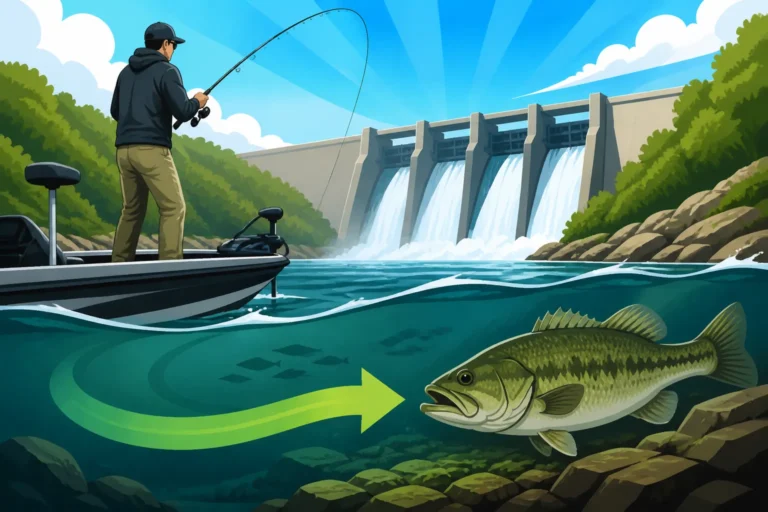
Not all stretches of the White River are created equal when it comes to trophy trout. Certain sections, particularly those below the major dams like Bull Shoals Dam, are tailwaters known for their consistent cold water and abundant food sources, creating ideal conditions for trout growth. These specific areas are carefully managed, often with special regulations like catch-and-release zones or slot limits, to help protect and foster large fish populations.
A good trophy guide understands these nuances intimately. They know where the deepest holes are, where the biggest boulders lie, and which undercut banks provide sanctuary for massive browns. They've spent countless hours studying the river flow, the hatches, and the feeding patterns of these oversized fish. It's not just about finding water with trout; it's about finding water with big trout. They might take you to spots that look unassuming to the untrained eye but are known hotbeds for genuine leviathans. Understanding the specific regulations for different stretches is crucial, so be sure to check out guides like Arkansas Fishing Regulations Guide before your trip.
Why Hire a Guide for a Trophy Trout Trip?
You might be an experienced angler on your home waters, but the White River is a unique beast, especially when you're targeting truly exceptional fish. Trying to go it alone for a trophy trout can be incredibly frustrating. This isn't just about renting a boat and throwing a line in; it's about specialized knowledge, equipment, and an understanding of a complex ecosystem. A professional guide dramatically increases your chances of success and enhances the overall experience.
Unmatched Local Expertise and River Knowledge
The White River is vast and its conditions can change dramatically with dam generation schedules, weather, and seasons. A local White River fishing guide possesses an encyclopedic knowledge of the river. They know which pools hold fish during high water, which riffles are productive during low water, and where the trophy fish feed during different times of the day or year. They've spent years, sometimes decades, on these waters, learning its secrets. They understand the nuances of the currents, the specific hatches, and the subtle signs that indicate where a big fish might be lurking. This isn't knowledge you can glean from a quick online search or a map. It's earned through thousands of hours on the water.
They also know the specific habits of the trophy fish in their section of the river. For example, some browns might prefer a certain type of cover or feed on particular baitfish unique to that stretch. Without this insider knowledge, you could spend days casting fruitlessly in unproductive water. Their guidance helps you focus your efforts where they're most likely to pay off, ensuring you're fishing smarter, not just harder. For a deeper dive into guide services, explore White River Fishing Guides: Arkansas's Trout Fishing Capital.
Specialized Gear and Techniques for Big Fish
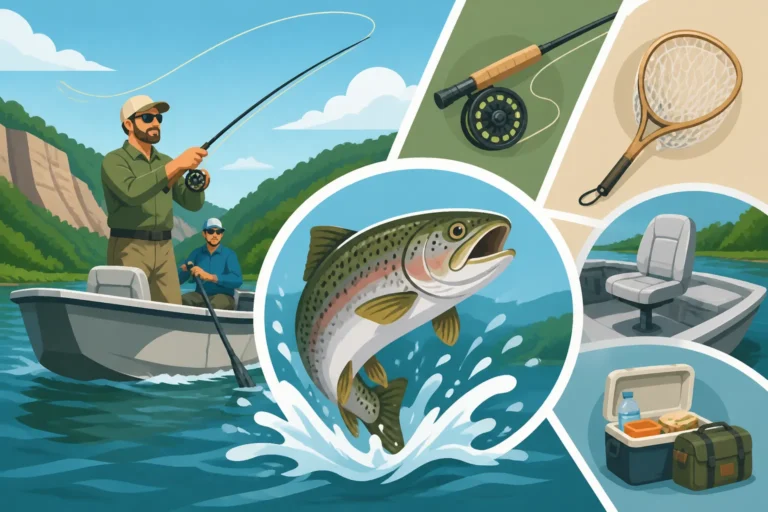
Catching trophy trout often requires specialized gear that many recreational anglers might not own or even know how to use effectively. Guides typically provide all the necessary high-quality rods, reels, lines, and an extensive array of flies, lures, and bait specifically chosen for the conditions and the target species. This includes heavier fly rods for casting large streamers, robust spinning gear for pulling big fish out of heavy current, and a tackle box filled with hundreds of patterns and presentations that have proven successful.
Beyond the gear, guides are masters of the specific techniques needed to entice these wary giants. This might involve intricate deep nymphing rigs, precise streamer presentations that mimic fleeing baitfish, or controlled drifting with live bait to target lethargic browns. They'll teach you how to properly cast in challenging currents, how to detect subtle bites from large fish, and most importantly, how to fight and land a powerful trophy without breaking your line or injuring the fish. It's a hands-on education that transforms your angling skills. Looking into Best Lures for Brown Trout Fishing can give you a peek into the kind of specialized tackle they might use.
Maximizing Your Chances: Efficiency and Strategy
A guided trip is designed for efficiency. Your guide handles all the logistics – navigating the river, positioning the boat, untangling lines, baiting hooks, and even providing snacks and drinks. This frees you up to focus entirely on fishing. They continuously analyze the conditions, making real-time adjustments to your setup and technique based on what they're observing, whether it's water level, clarity, or fish activity. This constant strategic adjustment is vital for success.
Moreover, guides understand the optimal times and locations for targeting big fish. They'll know when the best bite windows are, whether it's early morning, late evening, or a specific period during dam generation. They also ensure you're using the most effective presentation for that precise moment, whether it's a perfectly weighted nymph rig or a carefully stripped streamer. This level of strategic thinking and execution is incredibly difficult for an unfamiliar angler to replicate, making a guided trip an invaluable investment for your trophy hunt. If you're wondering what a trip typically includes, check out What an Arkansas Guided White River Trip Includes.
Planning Your Trophy Trout Guided Adventure
Embarking on a trophy trout trip requires a bit more foresight than a casual fishing outing. You're not just going out to catch fish; you're on a specific mission, and a well-planned trip can make all the difference. From choosing the right guide to packing correctly, every detail contributes to your success.
Choosing the Right Guide and Outfitter
Selecting the right guide is paramount for a trophy trout trip. Not all guides specialize in targeting the biggest fish. Some excel at family trips or teaching beginners, which is fantastic, but for a trophy hunt, you need someone whose passion and expertise specifically lie in chasing giants. Look for guides with a reputation for putting clients on big fish, who understand the nuances of the White River's trophy sections. Don't be afraid to ask about their experience with large brown trout or what their typical trophy trip involves. You want a guide who is patient, a good teacher, and committed to helping you achieve your goal, even if it means longer waits between bites.
Many outfitters and guides have online presences, and platforms like FishingBooker can be excellent resources for finding reputable guides. You can often see reviews, check their specialties, and get a feel for their approach before you even pick up the phone. A good conversation with a prospective guide can also tell you a lot about their personality and whether they're the right fit for your angling style and expectations. For general guidance on selection, refer to How to Choose a Fishing Guide in Arkansas.
Trip Length and What to Expect on the Water
Trophy trout fishing isn't usually a quick affair. While half-day trips are available, full-day trips (typically 8-10 hours) are highly recommended for trophy hunts. This allows ample time to cover prime water, adapt to changing conditions, and patiently work spots where big fish are known to hold. Chasing trophy fish often means periods of quiet punctuated by intense, heart-stopping action, so having sufficient time on the water is crucial.
On the water, expect a mix of drifting, wading (if conditions allow and the guide is set up for it), and strategically anchored positions. Your guide will often be focused on keeping you in the best possible position to present your lure or fly. They'll instruct you on casting, retrieving, and when to set the hook. Be prepared for varying water levels due to dam generation; the White River can transform from a gentle flow to a roaring torrent in a matter of hours, influencing fishing tactics significantly. The focus will be on specific techniques for big fish, which might mean less continuous casting than a conventional trip, but every cast will be highly targeted. Consider the Half-Day vs Full-Day White River Trout Trips: Which to Book in Arkansas when making your decision.
Essential Preparations: What to Bring and What's Provided
While your guide will provide the specialized fishing gear, you'll still need to bring some personal items to ensure a comfortable and productive day. Layers of clothing are essential, as White River weather can be unpredictable, even on a summer day. Waterproof outerwear is a must, regardless of the forecast, as sudden showers or boat spray can leave you soaked. Sun protection (hat, sunglasses, sunscreen) is also critical. Don't forget your Arkansas fishing license and a trout permit, which are legally required for all anglers.
Most guides will provide a cooler with bottled water and soft drinks, and some even include lunch on full-day trips. However, it's always a good idea to confirm this beforehand and bring any additional snacks or beverages you prefer. A camera to capture that trophy shot is a definite must-have! Remember, this is a day on the water, so come prepared for whatever Mother Nature throws at you. For a complete list, check out What to Bring on a Guided Arkansas Fishing Trip.
Techniques Guides Use for Trophy Trout
Successfully landing a trophy trout on the White River isn't just about being in the right place; it's about employing the right techniques and presentations. Guides are masters of various methods, constantly adapting to entice these wary giants.
Deep Nymphing and Streamer Fishing
Two of the most effective techniques for trophy trout on the White River are deep nymphing and streamer fishing, especially for the larger brown trout. Deep nymphing involves using weighted fly patterns that imitate aquatic insects, larvae, or small crustaceans, presented on or near the bottom where large trout often feed. Guides use specialized rigs, sometimes with multiple flies and indicator systems, to ensure the flies drift naturally at the correct depth. This often involves careful boat positioning and precise casting to get the flies into productive currents and seams.
Streamer fishing, on the other hand, mimics baitfish like sculpins, shad, or even smaller trout. These larger, often articulated flies are cast and retrieved with varied stripping speeds to create the illusion of a struggling or fleeing prey fish. This technique can be incredibly exciting, as big browns often strike streamers with aggressive, unmistakable takes. Your guide will teach you how to properly cast these larger flies and how to impart the right action to maximize their effectiveness. It’s a game of patience and presentation, where a single perfect cast can lead to the fish of a lifetime. Many expert anglers rely on these methods, as detailed in guides like Fly-Fishing Techniques for Beginners and Trout Fly Fishing Basics for Tailwaters.
Live Bait and Controlled Drifting Strategies
While fly fishing is incredibly popular, many trophy guides, particularly those specializing in larger brown trout, also utilize live bait and controlled drifting strategies. Large shiners, minnows, or even crawfish can be incredibly effective for enticing the biggest, most reluctant browns. The key is in the presentation: the bait needs to look as natural as possible, drifting with the current as if it were uninjured and unaware.
Guides often use specialized rigs with minimal weight, allowing the live bait to swim freely and naturally. The boat is positioned to allow long, controlled drifts over known holding water, such as deep pools, eddy lines, or around large submerged structures. This method requires a keen eye to detect subtle bites, as large trout can sometimes mouth the bait without a hard strike. When a trophy hits, the fight is often explosive. This technique taps into the predatory instinct of the biggest trout, offering a high-reward approach for those seeking truly massive fish. Learning about Best Bait for Rainbow Trout Below Bull Shoals Dam can provide insight into bait choices.
Reading the Water: Identifying Prime Lies
Perhaps the most crucial skill a trophy guide possesses is the ability to "read the water" and identify prime lies where large trout are likely to hold. This goes far beyond simply looking for deep water. It involves understanding how current flows around structure, how water temperature affects fish behavior, and where the most advantageous feeding positions are for a large, ambush predator. Guides look for subtle seams where fast water meets slow, behind large rocks or logs, under cut banks, or at the confluence of smaller streams and the main river.
They're also constantly observing the river for signs of fish activity, such as subtle rises, baitfish schools, or even the flick of a tail. Their experience allows them to quickly assess conditions and predict where trophy fish will be, saving you valuable time and increasing your chances. This intimate knowledge of the river's contours and currents, combined with a deep understanding of trout behavior, is what truly sets a trophy guide apart and makes their service invaluable. Knowing the Best Time of Day to Fish the Bull Shoals Arkansas Tailwater or Best Time to Fish the White River in Arkansas for Trout helps refine these strategies.
Costs and Booking Your Trophy Trip
Investing in a trophy trout guide trip is exactly that—an investment in an experience and the pursuit of a dream fish. It’s important to understand the financial aspects and the booking process to ensure a smooth and successful adventure.
Understanding Pricing Structures
Trophy trout guide trips on the White River typically come with a higher price tag than standard fishing trips, and for good reason. These trips involve more specialized equipment, more time spent scouting, and the guide's enhanced expertise in targeting larger, more elusive fish. The cost will generally depend on several factors: the length of the trip (half-day vs. full-day), the number of anglers, and the guide's reputation and success rate with trophy fish.
While specific figures aren't quoted here, expect the cost for a dedicated trophy trip to reflect the specialized nature of the outing. It's often priced per boat, covering up to two or three anglers. Some guides might also offer multi-day packages or special rates for solo anglers. Remember, the price usually includes the boat, guide's services, all necessary fishing gear, and often drinks and snacks. Lunch might be included on full-day trips, but always confirm. It's worth noting that this is an investment in a potentially unforgettable experience, not just a day on the water. For comparison, you can look up general Arkansas Fishing Charter Costs: What to Expect.
Booking Process and Important Considerations
Once you've identified a few potential guides, the booking process usually begins with a phone call or email inquiry. This is your chance to discuss your goals, confirm their availability, and ask any specific questions you have about targeting trophy trout. Many guides require a deposit to secure your date, with the balance due on the day of the trip. Cancellation policies are also important to understand, as weather or unforeseen circumstances can sometimes affect plans.
Popular guides, especially during peak seasons like spring and fall, book up quickly. It's advisable to book your trophy trip several months in advance, particularly if you have specific dates in mind. Websites like FishingBooker can streamline this process, allowing you to compare guides, read reviews, and often book directly online. Be clear about your expectations for a trophy trip – are you strictly targeting a monster brown, or are you happy with any big fish? Communicating this upfront helps the guide tailor the experience to your preferences. To get a head start, checking Best Time of Year to Book a a White River Trip can inform your booking schedule.
Tipping Etiquette and Guide Appreciation
Just like in other service industries, tipping your fishing guide is customary and highly appreciated. Guides work incredibly hard to ensure you have a safe, enjoyable, and successful day on the water. They're on the river long before you arrive, preparing gear, and often stay late to clean up. A good guide's efforts extend beyond just putting you on fish; they're educators, navigators, and often great companions for the day.
The standard tipping rate typically ranges, but a generally accepted amount is often suggested as a percentage of the trip's cost. Of course, you should always adjust based on your satisfaction with the guide's effort, expertise, and the overall experience. If your guide went above and beyond, consider tipping generously. This gesture acknowledges their hard work and dedication. For more details on this important topic, refer to How Much to Tip a Fishing Guide in Arkansas.
Ethical Angling and Conservation for Big Fish
Catching a trophy trout is an exhilarating experience, but it comes with a responsibility to protect these magnificent fish and the fishery they inhabit. Ethical angling practices and a strong commitment to conservation are vital to ensure the White River continues to produce giants for generations to come.
Catch-and-Release Best Practices
For many trophy anglers, particularly those targeting brown trout, catch-and-release is the default practice. These large, mature fish are the backbone of the trophy fishery and contribute significantly to future generations. Proper catch-and-release techniques are crucial to ensuring the fish's survival after being fought and handled. Your guide will be an expert in this, but it's good to be prepared.
Key practices include minimizing fight time, using a net with a rubberized mesh (which is gentler on scales and slime coat), keeping the fish in the water as much as possible, and handling it gently with wet hands. Avoid squeezing the fish, especially around its belly. If taking a photo, do so quickly, supporting the fish horizontally with both hands. Revive the fish in the current, facing upstream, until it swims away under its own power. These efforts increase the chances that the fish will recover and continue to grow, perhaps to be caught again by another lucky angler.
The Importance of Protecting Trophy Fisheries
The White River's reputation as a trophy trout destination is a testament to sound management practices and the cumulative efforts of anglers who prioritize conservation. Large, mature fish contribute disproportionately to the genetic health of the population. They have proven their ability to survive and grow, passing on those robust genes. Over-harvesting these larger individuals can significantly impact the fishery's ability to produce future trophy fish.
By participating in catch-and-release, supporting regulations that protect trophy-sized fish (like specific slot limits or minimum length requirements), and being mindful of your impact on the river environment, you're directly contributing to the sustainability of this world-class fishery. A trophy guide trip isn't just about catching a big fish; it's about appreciating the unique ecosystem that allows such fish to thrive and doing your part to preserve it. Learning about Arkansas Fish Size and Daily Limits is a good step in understanding these conservation efforts.
Disclaimer
This article is for general informational purposes only and does not constitute professional advice. Laws, prices and regulations vary by location and change over time. Consult a qualified professional for guidance on your specific situation.