When Do Bass Spawn in Arkansas Reservoirs
Every angler dreams of hitting the water when the bass are most active, but there's a unique frustration that comes with guessing the spawn. You drive hours, launch your boat, and then find the fish are either still dormant or have already scattered, leaving you wondering if you've missed the magic window. This guide aims to clear up that confusion, diving deep into the factors that trigger the bass spawn in Arkansas reservoirs, helping you predict the prime time to cast your line.
The Rhythmic Dance of the Bass Spawn in Arkansas
The bass spawn is more than just a biological event; for us anglers, it's a profound shift in fish behavior that creates some of the most exciting, and sometimes most challenging, fishing opportunities of the year. Understanding this annual cycle in Arkansas reservoirs means understanding when bass are most vulnerable, most aggressive, and most concentrated. It's truly a rhythmic dance orchestrated by nature, and if you can learn the steps, you're well on your way to a successful day on the water.
Why Timing is Everything for Anglers
If you've ever spent a day on the lake during the pre-spawn, you know the feeling of anticipation. Bass are actively feeding, packing on weight, and often easier to locate as they move from deeper winter haunts towards shallower staging areas. Then, during the actual spawn, it's a whole different game. They become incredibly focused on reproduction, aggressively defending their nests. Miss this window, and you might find them exhausted and dispersed during the post-spawn, making them much harder to entice. Knowing precisely when different phases occur in Arkansas’s diverse reservoirs is like having a secret weapon in your tackle box. It allows you to tailor your techniques and lure choices to what the bass are actually doing, rather than just blindly casting. This is why paying attention to cues like water temperature and general seasonal patterns, which we’ll discuss more in the Arkansas Bass Spawn Timing by Water Temperature article, is so vital.
General Spawn Windows in Arkansas
Arkansas is a pretty big state, stretching from the Ozark Mountains in the north to the Mississippi Delta in the east and south. This geographical diversity means the bass spawn doesn't happen uniformly across all reservoirs. Generally speaking, you'll see the spawn kick off earlier in the southern and eastern parts of the state where water temperatures warm up faster, typically starting in late March to early April. As spring progresses, this biological clock gradually moves northward and westward into the higher elevations and deeper, colder waters of the Ozarks. For example, lakes like Lake Monticello or Lake Conway might see bass on beds a good two to three weeks before some of the larger, colder bodies of water like Beaver Lake or Bull Shoals Lake. It's a progression that follows the warmth, slowly creeping north, hitting a peak in April for many central and northern lakes, and potentially lingering into early May in the very deepest or highest altitude reservoirs.
Water Temperature: The Ultimate Trigger
When it comes to the bass spawn, if there's one factor that reigns supreme, it's water temperature. Forget the calendar; the fish don't care what month it is, they care about how warm the water feels. This is their primary biological cue, dictating everything from when they move into staging areas to when they actually start building their nests. Understanding the specific temperature ranges for different bass species is non-negotiable for serious anglers in Arkansas.
Ideal Temperature Ranges for Largemouth and Smallmouth Bass
While both largemouth and smallmouth bass are highly sought after in Arkansas, they have slightly different preferences when it comes to spawning temperatures.
-
Largemouth Bass: These guys are generally more tolerant of warmer water, and their spawn typically kicks off when water temperatures consistently hold between 60 and 68 degrees Fahrenheit. You'll start to see them moving into shallower coves and bays when temperatures hit the low 50s (pre-spawn), actively looking for suitable bedding sites as it climbs into the low 60s. Once it gets into that 60-68 degree range, it's prime time for them to be on the beds. If you're on a lake like Lake Ouachita or Lake Conway, keeping an eye on your water thermometer is far more valuable than looking at the date on your phone.
-
Smallmouth Bass: Often found in the cooler, clearer waters of Arkansas's Ozark streams and highland reservoirs like Bull Shoals Lake or Beaver Lake, smallmouth prefer a slightly cooler window. Their spawning activity usually begins when water temperatures reach a consistent 55 to 65 degrees Fahrenheit. They're a bit more sensitive to sudden temperature drops, so a cold front during their prime spawn can delay things or send them retreating to deeper water temporarily. Understanding these subtle differences is key, especially if you're fishing a lake that holds both species. You might find largemouth already on beds while smallmouth are still in pre-spawn mode in the deeper, rockier sections.
How Different Reservoirs Affect Temperature
The sheer variety of Arkansas's reservoirs means water temperatures don't behave the same everywhere. Several factors influence how quickly and consistently a lake reaches and maintains those crucial spawning temperatures.
-
Depth and Size: Larger, deeper reservoirs, especially those with steep rocky banks, tend to warm up much slower than shallower, smaller impoundments. Think about the massive, deep waters of Bull Shoals Lake or Norfork Lake. These lakes have vast amounts of water to heat up, so their spawn will naturally occur later than, say, the shallower, timber-filled Lake Conway. The deeper parts act as a massive heat sink, stabilizing temperatures and delaying the overall warm-up.
-
Color and Clarity: Water color also plays a role. Murkier, stained waters absorb sunlight more readily and tend to warm up faster than crystal-clear lakes. This is because the suspended particles in stained water capture and hold thermal energy more efficiently. So, a stained lake in southern Arkansas might see its bass spawn weeks ahead of a clear, deep Ozark lake, even if they're at similar latitudes.
-
Inflow and Outflow: Rivers feeding into a reservoir, and the reservoir's outflow (like a dam releasing water), can significantly impact water temperature. A cold spring influx can slow the warming trend in an arm of a lake, while warm, sunny coves with little current will heat up quickly. For instance, the tailwaters below dams, such as those on the White River, remain cold year-round, which is why they are ideal for trout fishing, but not bass spawning. When researching the best time to fish Bull Shoals Lake Arkansas for trout, remember the main lake will have vastly different conditions for bass.
-
Location/Elevation: As mentioned, southern Arkansas lakes will generally warm faster than northern ones. Lakes at higher elevations also tend to stay cooler longer due to lower ambient air temperatures. It's a complex interplay of these elements that creates unique spawning timelines for each reservoir.
Pre-Spawn, Spawn, and Post-Spawn Phases
Fishing for bass during the annual spawn isn't a one-size-fits-all affair. Their behavior shifts dramatically from the hungry pre-spawn period to the protective actual spawn, and finally, to the recovering post-spawn. Understanding these distinct phases is crucial for any angler hoping to consistently catch fish in Arkansas reservoirs. Each phase demands different tactics, lure choices, and even patience levels!
The Frenzy of Pre-Spawn
Ah, the pre-spawn – arguably one of the most exciting times to be on the water for bass anglers. After a long, often slower winter, bass become absolutely ravenous as they move from their deeper wintering grounds toward shallower staging areas. Their biological clock tells them it's time to build up energy reserves for the strenuous act of spawning. This is when they're actively feeding, chasing baitfish, and often concentrated in predictable spots.
During this period, look for bass in transition zones. These are typically secondary points, shallow humps, and the mouths of creeks or coves that offer a quick retreat to deeper water if a cold front rolls in. They're not on the beds yet, but they're getting ready, often holding on cover like submerged timber, rock piles, or old brush. Think about the tactics discussed in our article on Pre-Spawn Bass Fishing Patterns. Lures that mimic large baitfish, like crankbaits, jerkbaits, and swimbaits, are incredibly effective because bass are looking for substantial meals. Spinnerbaits and chatterbaits can also draw aggressive reaction strikes. The key here is covering water and targeting these staging areas where bass are gorging themselves before the main event. It's a window of opportunity where catching multiple quality fish in a single outing is very much a reality.
Bed Fishing During the Peak Spawn
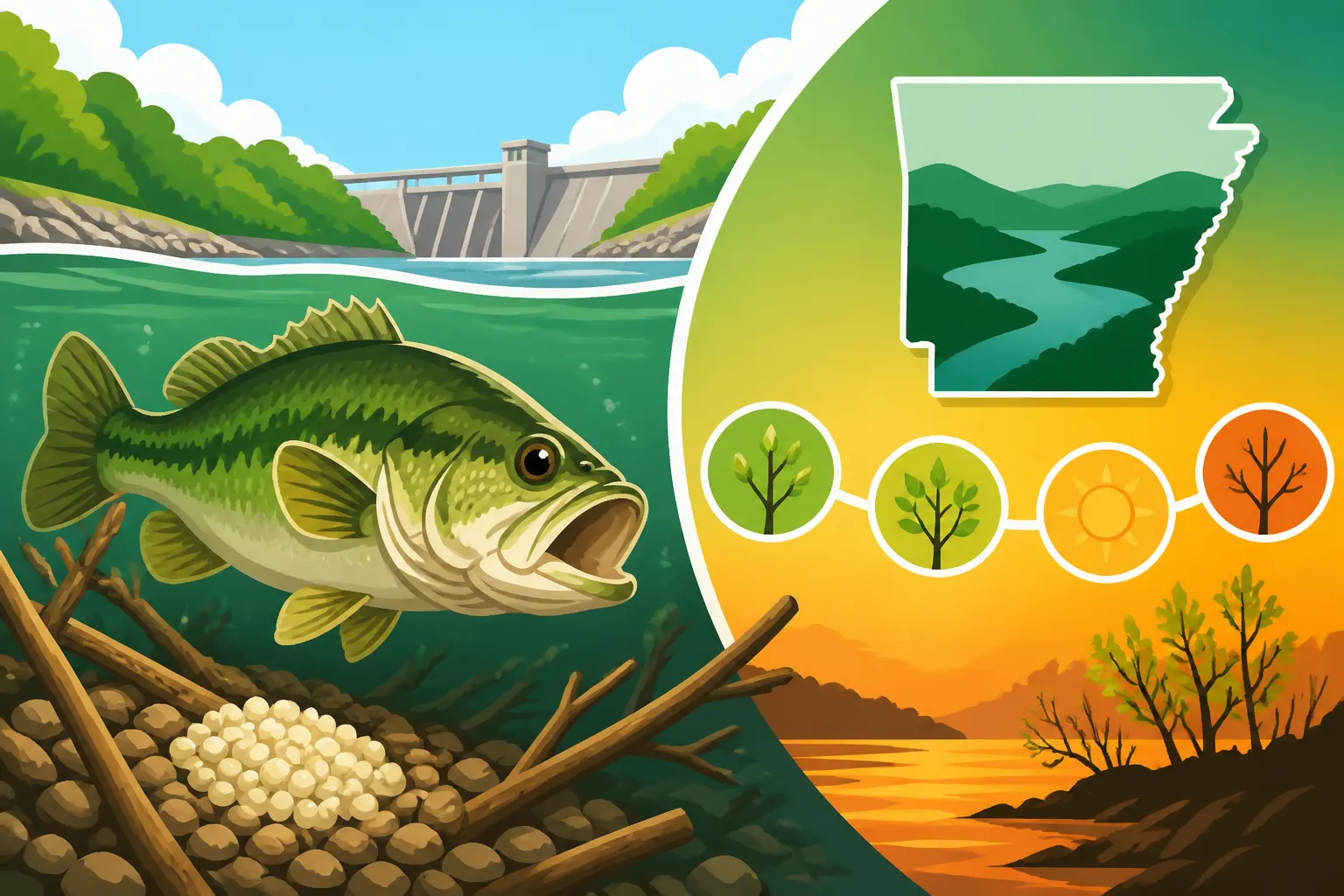
When water temperatures hit that sweet spot (60-68°F for largemouth, 55-65°F for smallmouth) and the moon phases are right, the bass move onto their beds. This is the heart of the spawn. Male bass will sweep out circular depressions, typically in shallow, hard-bottomed areas that receive good sunlight, often near some form of cover like a dock post, submerged log, or lily pad clump. Females will then move in to lay their eggs, and the males guard them ferociously.
Fishing during the peak spawn, often referred to as "bed fishing," requires a different approach. The bass are highly visible, but they're not necessarily feeding. Instead, they're reacting out of aggression and protection. The goal is to annoy them into biting. You'll need stealth, polarized sunglasses, and often lighter tackle to make precise casts to their beds. Texas-rigged soft plastics, jigs, and creature baits are excellent choices, as you can repeatedly throw them into the bed and let them sit, twitching them just enough to provoke a strike. Ethical considerations are important here; many anglers advocate for catch-and-release during the spawn to protect future generations of bass. If you choose to bed fish, consider doing so respectfully. For more specific tactics, check out our guide on How to Fish a Bass Spawn Bed. It's a unique and sometimes polarizing aspect of bass fishing, but undeniably effective for those who master it.
Post-Spawn Recovery and Beyond
Once the eggs have hatched and the fry have dispersed, the bass enter the post-spawn phase. This can be one of the trickiest times to fish, as the bass are often exhausted and disoriented after the rigors of spawning. The females, especially, are spent from laying eggs and need time to recover. They'll often move to slightly deeper, but still accessible, cover to rest and regain their strength. The males, having guarded the beds, will also move off, sometimes staying close to the nursery areas for a short time before scattering.
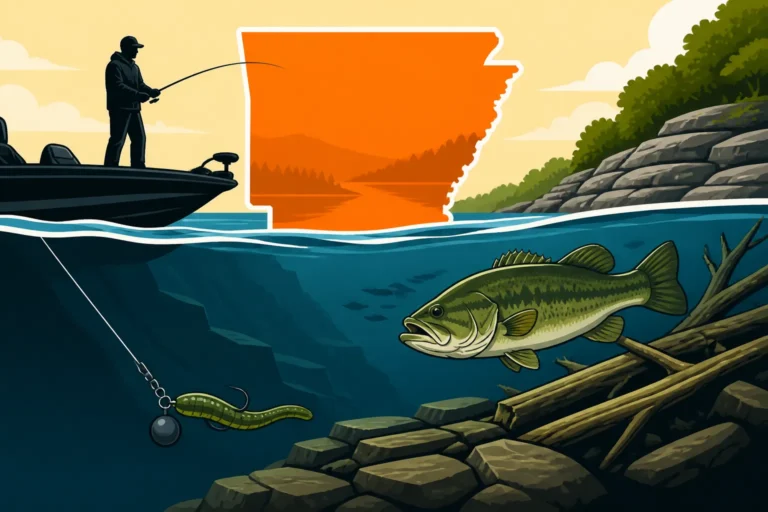
During this period, bass might be spread out and less aggressive. You'll find them recuperating in shaded areas, under docks, near submerged vegetation, or around deeper brush piles. Targeting them often requires finesse techniques or lures that present an easy meal. Smaller worms, shaky heads, drop shots, and even topwater lures during low-light conditions can be effective. They're not chasing big, fast-moving baits like they were in the pre-spawn. This phase often sees them transitioning back towards main lake structure, but the pace is slower. Understanding these patterns, as detailed in our Post-Spawn Bass Fishing Patterns article, is key to not getting frustrated during this quieter time. Don't worry, they'll eventually resume their aggressive feeding habits, but patience is a virtue in the post-spawn.
Equipping for Success: Gear and Techniques
Successful bass fishing during the spawn isn't just about knowing when and where; it's also about having the right tools and knowing how to use them. The changing behaviors of bass throughout the spawning cycle demand versatility in your tackle and an adaptable mindset on the water.
Essential Tackle for Spawning Bass
Having the right rods, reels, and lures makes a world of difference when targeting bass in different stages of the spawn. You don't need to break the bank, but investing in a few key items will significantly boost your chances.
-
Rods and Reels: For pre-spawn power fishing (crankbaits, spinnerbaits), a medium-heavy to heavy action casting rod, typically 7 to 7.5 feet long, paired with a high-speed baitcasting reel (7.1:1 gear ratio or higher) spooled with 15-20 lb fluorocarbon or monofilament line, is ideal. This setup allows for long casts and powerful hooksets, essential when bass are aggressive. For bed fishing and post-spawn finesse, a medium-light to medium action spinning rod, around 6.5 to 7 feet, with a sensitive tip, coupled with a spinning reel spooled with 8-12 lb fluorocarbon or braided line with a fluorocarbon leader, provides the sensitivity and accurate casting needed for delicate presentations. You can find a wide variety of these rods and reels on platforms like Amazon, offering options for every budget and skill level.
-
Lures by Phase:
- Pre-Spawn: As mentioned, larger profile lures that mimic shad or other baitfish are fantastic. Lipless crankbaits, squarebill crankbaits (especially for shallow cover), jerkbaits, and medium-to-large spinnerbaits are staples. Colors that imitate natural forage or chartreuse for stained water often work well.
- Spawn (Bed Fishing): Creature baits, jigs (especially green pumpkin or black and blue), and soft plastic worms are excellent. These lures can be pitched directly onto the bed and slowly worked to annoy the bass. White or brightly colored baits can sometimes help you see the fish react to the lure.
- Post-Spawn: Finesse techniques shine here. Wacky rigs, Ned rigs, drop shots with smaller worms or creature baits, and small jigs are effective. Light topwater baits like poppers or walking baits can also trigger strikes during low-light hours as bass begin to recover and move shallower. It’s always good to have a selection of these baits ready in your tackle bag, and many anglers stock up on their favorites from online retailers like Amazon before their trips.
Reading the Water and Conditions
Beyond just water temperature, various environmental factors influence bass behavior and your success during the spawn. Being observant and adaptable to these conditions can turn a slow day into a memorable one.
-
Sunlight: Bright, sunny days are often preferred by bass for spawning. The sun warms the shallow waters where beds are made and makes it easier for the bass to see and defend their nests. On such days, bass on beds are typically more visible and may be more aggressive. Conversely, cloudy days or days with intermittent sunshine can make bass less visible on beds and might lead them to temporarily retreat to slightly deeper water or heavier cover. For pre-spawn and post-spawn, however, cloudy days can actually be fantastic, as bass may roam more freely and be less wary.
-
Wind: A light breeze can be your friend, creating a chop on the water that breaks up the surface and makes it harder for bass to see you. This can make them less spooky and more willing to bite, especially during bed fishing where stealth is crucial. However, strong winds can make boat control difficult, stir up excessive mud, and push baitfish out of prime areas, making fishing tougher. Adjust your presentation: use heavier weights to keep lures on the bottom in windy conditions or target more protected coves.
-
Water Clarity: This is a huge factor. In clear water reservoirs like some of the Ozark lakes, bass will often bed deeper than in stained or murky water. Clear water also means you can often spot the beds more easily, but the fish can also see you better, making longer casts and stealth more important. In stained water, bass may bed shallower, and you'll rely more on feeling the bite rather than sight fishing. A good pair of polarized sunglasses, available from sporting goods stores or platforms like Amazon, is absolutely essential in clear water conditions for spotting beds and observing fish behavior. Remember, learning to read the water – understanding how current, cover, and light interact – is a skill that develops over time and significantly enhances your chances of success across all phases of the Arkansas bass spawn.
The Ultimate Bass Spawn Strategy for Arkansas Reservoirs
Successfully navigating the bass spawn in Arkansas isn't about rigid rules; it's about dynamic adaptability and a keen understanding of nature's cues. While we've discussed the general timelines, remember that every year is slightly different, and conditions can vary wildly from one reservoir to the next. The best anglers are those who treat each fishing trip as a learning experience, constantly adjusting their approach based on what the fish are telling them.
Combining Knowledge for Peak Performance
Think of the information we've covered as different layers of a map, each one giving you more detail about the terrain. First, you have the broad strokes: knowing the general progression of the spawn from south to north across Arkansas. Then, you drill down into the critical detail of water temperature – the real trigger. This insight is so important that we dedicated an entire article to Arkansas Bass Spawn Timing by Water Temperature. By checking reliable sources for local water temperatures or, even better, using your own boat's thermometer, you can pinpoint whether a specific lake is in pre-spawn, peak spawn, or post-spawn.
Next, you layer in the behavioral patterns of each phase. Are the bass gorging themselves in staging areas, aggressively defending beds, or recovering and scattered? Your lure selection and presentation should directly reflect this understanding. For example, knowing that bass are actively feeding in pre-spawn might lead you to throw a large spinnerbait or a crankbait to cover water quickly, as detailed in Best Lures for Pre-Spawn Bass Fishing. Conversely, if you suspect they are on beds, a Texas-rigged creature bait might be your go-to.
Planning Your Spring Fishing Trips
Armed with this knowledge, you can now plan your spring fishing trips with a much higher degree of precision. If you're hoping to experience that aggressive pre-spawn bite, aim for the period just before the water hits those ideal spawning temperatures. This often means targeting southern Arkansas lakes earlier in March or early April, and then shifting to the central and northern reservoirs, potentially through mid-April, as the warmth spreads.
For those who love the challenge of sight fishing for bedding bass, focus on the peak temperature window for your chosen reservoir, keeping an eye on consistent warm weather trends and stable water levels. Remember that a sudden cold snap can temporarily push fish off beds, so always monitor the forecast. If you're a beginner, perhaps focusing on the energetic pre-spawn or the recovering post-spawn can be less intimidating than the precise nature of bed fishing. Our guide on Bass Fishing Techniques for Beginners offers a great starting point.
Ultimately, the bass spawn is a fleeting yet incredible opportunity to engage with one of Arkansas's most beloved game fish. By understanding its nuances, you're not just fishing; you're participating in a natural phenomenon, greatly increasing your odds of a successful and deeply satisfying experience on the water.
Disclaimer
The information provided in this guide is for general informational purposes only and is based on typical conditions. Fishing conditions, regulations, and fish behavior can vary significantly due to weather, water levels, specific locations, and other unforeseen factors. Always consult the latest regulations from the Arkansas Game and Fish Commission before fishing.