Seasonal Availability of Arkansas Fishing Guides
There’s nothing quite as frustrating as planning your dream fishing trip to Arkansas, getting all excited, and then discovering that the best guides are completely booked, or the species you want to target just aren't biting this time of year. It's a common hurdle, especially when you're unfamiliar with the nuances of our beautiful state's waters. This guide is designed to peel back the layers of Arkansas's fishing seasons, helping you understand when different species are most active and, crucially, when you'll find the best availability for top-notch fishing guides who can put you on the fish.
Understanding the Arkansas Fishing Calendar
Arkansas is truly an angler's paradise, boasting an incredible diversity of fish species across its lakes, rivers, and tailwaters. But like any natural system, fishing here operates on a calendar, driven by water temperatures, fish spawning cycles, and feeding patterns. What's hot in April might be a ghost town in August, and knowing these rhythms is key to a successful guided trip. It's not just about avoiding disappointment; it's about maximizing your chances of a truly memorable experience.
Why Seasons Matter for Guides
For experienced Arkansas fishing guides, the changing seasons are like a playbook. They know precisely where the fish will be, what they'll be eating, and what techniques will be most effective during any given month. For instance, a guide specializing in largemouth bass knows that come spring, those big girls will be moving shallow to spawn, making them more accessible and aggressive. Conversely, in the dog days of summer, those same bass will retreat to deeper, cooler water or seek shade under heavy cover, requiring a different approach entirely.
This deep seasonal knowledge is what you're paying for when you hire a guide. They're not just taking you out on a boat; they're interpreting the water, weather, and fish behavior based on years of experience. A good guide will even advise you on the best time to book your trip based on your target species, ensuring you're not trying to chase a trophy brown trout on the White River during a time when the conditions aren't optimal or, conversely, attempting to land a massive striper on Norfork Lake when they're scattered and difficult to locate. Their availability often reflects these peak times, as they book up quickly when the fishing is at its prime.
Peak Versus Off-Peak Seasons
When we talk about "peak" fishing seasons in Arkansas, we're generally referring to those times of year when a specific species is most active, easiest to catch, or reaches its trophy potential. For trout on the White River, that's often spring and fall, when water temperatures are ideal and insect hatches are prolific. For bass, it's typically spring during the spawn and again in the fall as they feed aggressively. During these periods, guide availability can be tight, and booking well in advance is almost a necessity. You might find yourself having to adjust your dates or even your target species if you don't plan ahead for these high-demand times.
Conversely, "off-peak" seasons might see fewer anglers and slightly less predictable fishing for certain species, but they often offer unique advantages. For example, winter trout fishing on the tailwaters can be absolutely phenomenal with fewer crowds, leading to a more serene and often highly productive experience. Similarly, the heat of summer might drive some species deep, but it's prime time for others like massive striped bass or big catfish. Off-peak can mean more flexible guide schedules, potentially better rates, and a more personalized trip where you have less competition on the water. It's really about knowing what you want and when the conditions align for it.
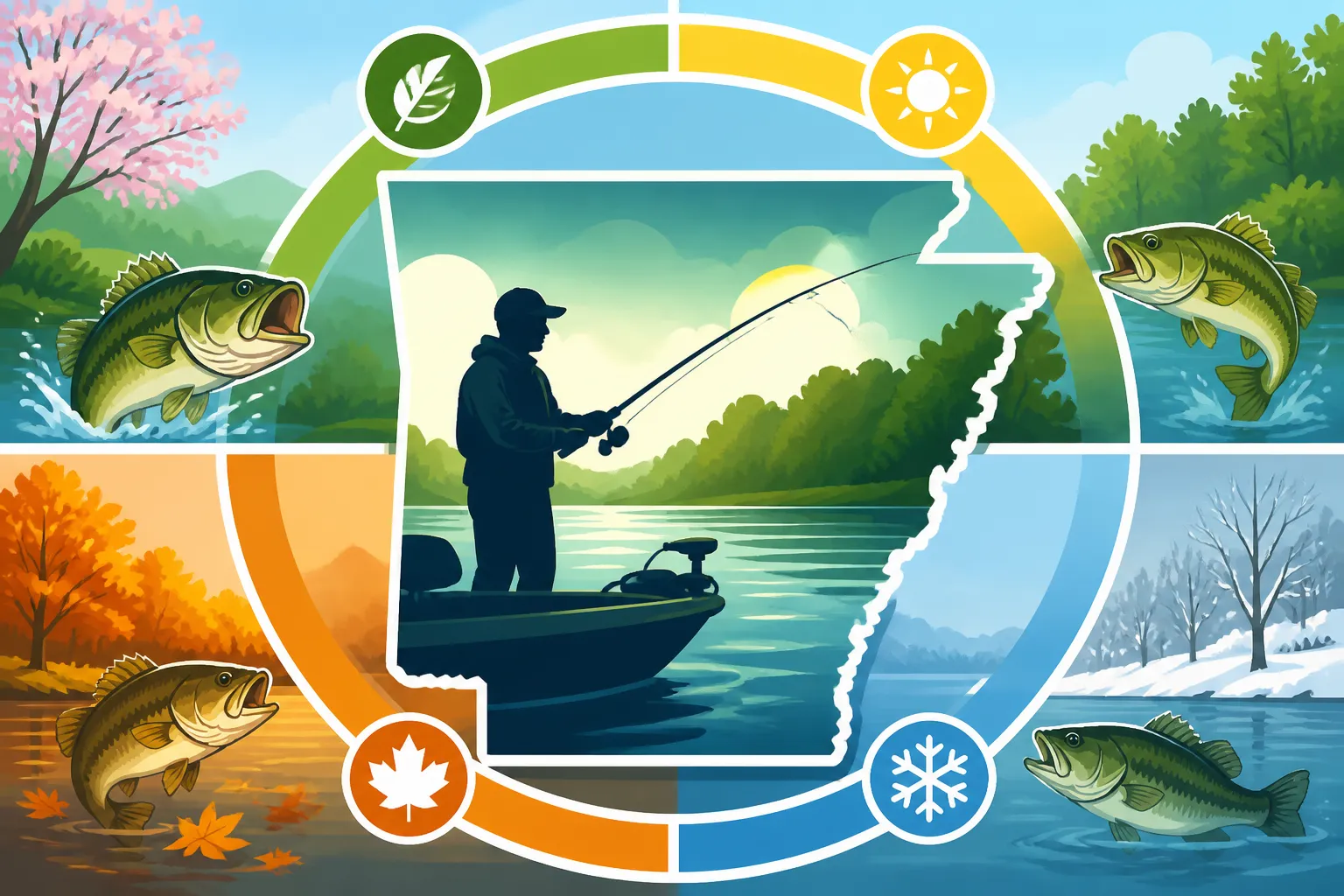
Spring: The Burst of Activity (March – May)
Ah, spring in Arkansas! It's that magical time when the world awakens, and the fish, seemingly just as eager, begin to shake off the winter chill and move into their prime. For many species, spring represents a feeding frenzy and the critical spawning period, making it one of the busiest and most rewarding times to book a guided fishing trip in the Natural State. The weather is generally mild, the scenery is vibrant, and the fish are often more aggressive.
Bass Spawning Frenzy
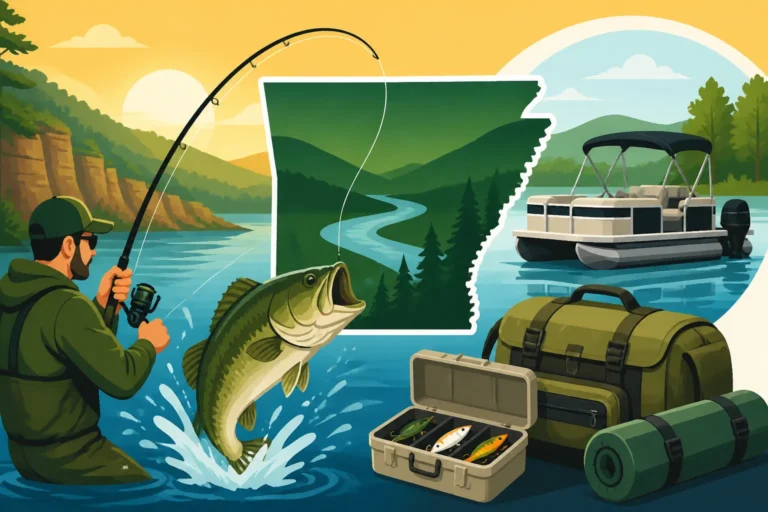
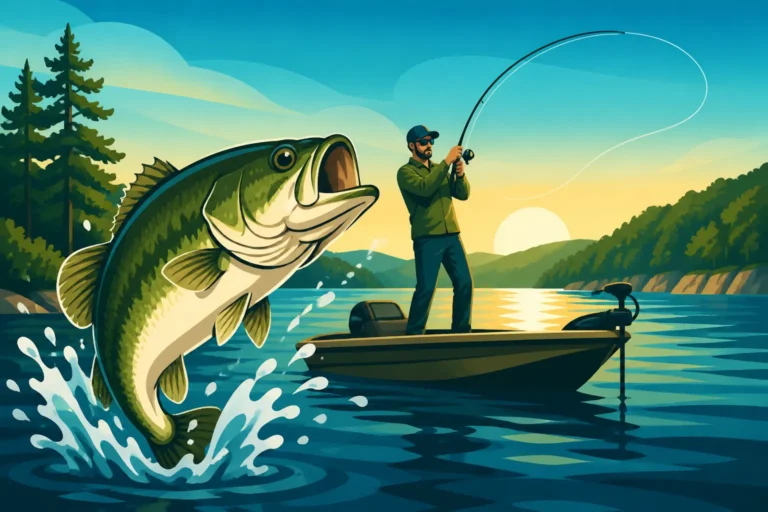
If you're a bass angler, spring in Arkansas is practically a religious experience. As water temperatures begin to rise, largemouth and smallmouth bass move from their deeper wintering grounds to shallower areas to prepare for and execute their annual spawn. This is when they're most visible, often guarding nests, and incredibly territorial, which can make them susceptible to a well-placed lure or bait. Lakes like Ouachita, DeGray, and Beaver Lake become hotspots for largemouth, while the clear, rocky streams of the Ozarks like Crooked Creek or the Little Red River offer fantastic opportunities for smallmouth. Guides specializing in bass fishing will be working tirelessly during this period, capitalizing on the fish's predictable behavior. You can dive deeper into this exciting time with our guide on Arkansas Bass Spawn Fishing Guide to understand the nuances of this critical season.
Booking a guide during the bass spawn means you're almost guaranteed to get into some action, often with bigger fish moving shallow. The challenge, however, is that every other bass angler in the region knows this too, so popular guides and prime weekend dates fill up incredibly fast. It's not uncommon for top guides to be booked months in advance, especially for the sweet spot when the water temperature is just right. Understanding When Do Bass Spawn in Arkansas Reservoirs is crucial for pinpointing the ideal window, giving you an edge when trying to secure a guide who knows these patterns intimately.
Crappie and Panfish Excitement
It's not just bass that get the spring fever; crappie and panfish like bluegill and redear sunfish also come alive. As the water warms, crappie, both black and white, migrate from deeper water into shallow coves, around submerged timber, brush piles, and docks to spawn. They become incredibly concentrated, making them a fantastic target for anglers of all skill levels, including families with kids. Lakes like Lake Conway, Lake Monticello, and numerous smaller ponds become crappie havens, offering fast-paced action and often limits of delicious fish.
Panfish, the unsung heroes of family fishing, also spawn in the spring and early summer. Bluegill, in particular, will create noticeable "beds" in shallow sandy or gravelly areas, often in huge colonies. A guide can quickly locate these beds, providing hours of fun. This is a perfect time to introduce kids to fishing, as the action is usually consistent. For a comprehensive look at this period, check out Arkansas Crappie Spring Spawn Pattern. Guides who target crappie and panfish during this time are often in high demand, particularly those offering family-friendly trips, so planning ahead is important. If you want to maximize your chances, knowing Best Time to Catch Crappie in Arkansas will help you align your trip with their most active period.
Tailwater Trout Awakens
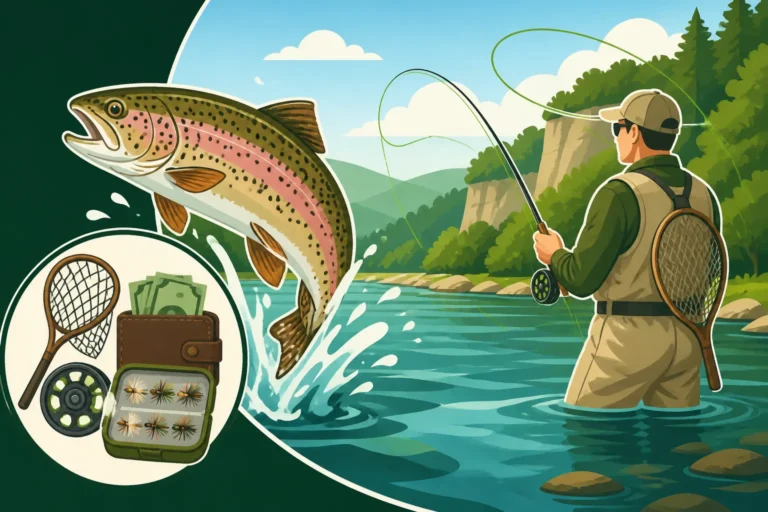
While Arkansas's famous trout tailwaters, such as the White River, Norfork River, and Little Red River, maintain cold water temperatures year-round, spring still brings an extra level of excitement. As ambient temperatures rise and insect hatches become more prolific, trout become incredibly active, rising to the surface to feed on emerging insects. This creates prime conditions for fly fishing, as well as spin fishing with small lures that imitate these natural food sources. Guides specializing in trout fishing, particularly fly fishing, see a significant bump in bookings during this period.
The White River below Bull Shoals Dam is legendary for its brown trout and rainbow trout, and spring is an excellent time to target both. The scenery is gorgeous, and the fishing can be truly exceptional. For those interested in the art of fly fishing, our guide White River Fly Fishing Season Guide for Arkansas Anglers offers a deep dive into the best times and techniques for this unique experience. During this awakening period, guides who operate drift boats and jon boats on these rivers are often booked solid, especially on weekends, so don't delay if a spring trout trip is on your radar.
Summer: Steady Bites and Deep Water (June – August)
When the sweltering heat of an Arkansas summer sets in, many anglers assume the fishing slows down. While it's true that the dynamics change, summer is far from an "off-season" for guided fishing trips. Instead, it becomes a strategic game, where knowing where to find the fish – often in deeper, cooler waters or during specific times of day – is paramount. This is where a knowledgeable guide truly shines, leveraging their expertise to put you on fish that might otherwise be elusive.
Striper and Catfish Deep Dive
Summer is arguably the undisputed king season for targeting monstrous striped bass in Arkansas's big reservoirs. Lakes like Norfork Lake and Lake Hamilton are renowned for their trophy striper fisheries. As surface waters warm, these powerful pelagic predators retreat to the cooler, oxygen-rich depths. Guides specializing in striped bass fishing use sophisticated electronics and specific trolling or downrigging techniques to locate and present baits to these deep-dwelling giants. Imagine the thrill of hooking into a 40-pound striper while drifting through the early morning fog on Norfork Lake—that's a summer guide trip highlight! Our article on Summer Striper Fishing at Norfork Lake Arkansas provides great insight into what to expect during this prime time.
Similarly, summer is excellent for catfish, particularly big blue cats and flatheads. The Arkansas River, with its abundant forage and deep holes, becomes a prime destination. Catfish are hardy fish and tolerate warmer water well, often becoming more active as water temperatures rise. Night fishing trips for catfish are especially popular during the summer, offering a cooler, more relaxed angling experience with the chance to land a true river monster. Guides who know the river's contours and secret holes for catfish will be busy, especially for these evening excursions. If you're pondering the best time to target these whiskered warriors, understanding Best Time of Day to Catch Catfish can make all the difference, especially in the summer heat.
Early Morning and Late Evening for Bass
While the bass spawn is a spring affair, summer still offers excellent opportunities for largemouth and smallmouth, provided you adjust your tactics. The midday heat often sends bass to deeper structure, shaded areas, or into dense cover to escape the sun and find cooler water. This means guides will often focus on early morning and late evening trips, coinciding with the cooler parts of the day when bass are more likely to be active and feeding aggressively in shallower water before retreating.
A good guide will know how to adjust throughout the day, starting shallow with topwater or fast-moving baits at dawn, then moving to deeper points, ledges, or brush piles with jigs, worms, or crankbaits as the sun climbs. The bite might be tougher than in spring, but a skilled guide can consistently put clients on fish by adapting to these patterns. For those looking for a different challenge or to beat the heat, some guides also offer night fishing for bass, using specialized lures under lights or in moonlit conditions, providing a unique and often productive experience.
Consistent Trout Action
One of the greatest advantages of Arkansas's tailwater fisheries – like the White, Norfork, and Little Red Rivers – is their consistent cold water output from the bottom of the dams. This means that even in the blistering heat of July and August, these rivers remain a consistent 50-60 degrees Fahrenheit, offering year-round trout fishing. While insect hatches might slow down compared to spring, the fish are still actively feeding, making summer a reliable time for trout guides.
Many guides operate full schedules through the summer on these rivers, as anglers seek refuge from the heat and enjoy the steady trout bite. It’s a fantastic option for those who might miss the spring rush or prefer less crowded waters. Fly fishing with nymphs and streamers, or spin fishing with powerbait, corn, or small jigs, remains highly effective. Plus, the cooler river temperatures make for a pleasant day on the water, even when the rest of Arkansas is sweltering.
Fall: Comfortable Weather, Aggressive Fish (September – November)
Just when you think the fishing might be winding down, fall sweeps into Arkansas with a refreshing coolness, vibrant foliage, and some of the most spectacular fishing opportunities of the entire year. It’s a season defined by aggressive feeding patterns as fish prepare for winter, coupled with comfortable weather that makes for incredibly enjoyable days on the water. For many guides, fall is a prime booking period, rivaling even the spring for its productivity and pleasant conditions.
The Fall Feed for Bass and Crappie
As summer's oppressive heat breaks and water temperatures begin to drop, bass and crappie embark on a massive "fall feed." They know winter is coming, and they need to pack on calories, making them incredibly active and often less finicky. Largemouth and smallmouth bass will move back to shallower flats, points, and coves, chasing schools of baitfish that are also moving shallow. Topwater action can be explosive, and reaction baits like crankbaits and spinnerbaits become highly effective. This is a fantastic time for both numbers of fish and the chance at a true hawg. Our detailed guide on Fall Fishing Patterns for Bass and Crappie can really help you understand the seasonal shifts that make this period so special.
Crappie, too, become incredibly active, often schooling up in predictable locations as they chase baitfish. They might be found around creek channels, brush piles, or even suspended over deeper water near bait concentrations. Guides who know these patterns can put you on huge schools of hungry crappie, offering some of the best angling of the year. Lakes like Millwood, Bull Shoals, and Greers Ferry become crappie hotbeds. For a broader look at how conditions change, consider reading about Fall Fishing Patterns on Arkansas Reservoirs, as this helps set the stage for why guides are so in-demand during this window.
Prime Trout Conditions
If spring is excellent for trout, fall is often considered the best time for trophy trout on Arkansas's tailwaters. The consistent cold water flows from the dams, combined with cooler ambient temperatures, create ideal conditions for rainbow and, crucially, brown trout. Brown trout often make their spawning runs in the late fall, becoming more aggressive and visible. This is when the chance of hooking into a truly massive brown trout – sometimes exceeding double-digit weights – significantly increases. Many anglers plan their entire year around a fall trip to the White River or Norfork to chase these elusive giants.
The insect activity, though different from spring, can still be robust, with midges and various aquatic insects providing a steady food source. Guides who specialize in trophy trout often have their fall calendars booked solid well in advance, sometimes a year out, due to the exceptional fishing. If a trophy trout is on your bucket list, you absolutely need to consider a fall trip. Our article, Best Time of Year for Rainbow Trout Fishing in Arkansas, while focused on rainbows, highlights the general exceptional conditions found in the fall across our trout streams.
Duck Hunting Crossover Challenges
While fall fishing is phenomenal, it's worth noting a unique seasonal challenge in Arkansas: the overlap with duck hunting season, particularly in the eastern Delta region. Arkansas is a world-renowned destination for waterfowl hunting, and as November rolls around, many lodges, guides, and even local services pivot their focus from fishing to duck hunting. This doesn't necessarily impact trout or bass guides in the Ozarks, but if you're looking for guided fishing in areas like the White River National Wildlife Refuge or other Delta lakes and rivers, you might find fewer fishing guides available or accommodations booked up by hunters.
This crossover is important to keep in mind, especially for early fall trips that might brush up against the hunting seasons. It’s another reason why advance booking is so critical, allowing you to secure a guide before the duck hunters swoop in and claim all available resources. Always communicate your target species and preferred location clearly when reaching out to guides or checking platforms like FishingBooker to ensure you're connecting with someone who specializes in fishing during this period.
Winter: Hidden Gems and Hardcore Angling (December – February)
Winter in Arkansas might bring shorter days and colder temperatures, but for the dedicated angler, it unveils some truly spectacular and often overlooked fishing opportunities. While casual anglers might pack away their rods, the fish are still there, and often, with the right guide, the winter bite can be incredible. Plus, you’ll often find fewer crowds and a more peaceful experience on the water, making it a hidden gem season for those willing to brave the chill.
Excellent Trout Fishing
Without a doubt, winter is a phenomenal time for trout fishing on Arkansas’s cold-water tailwaters. The White River, Norfork, and Little Red River maintain their stable, chilly temperatures, which are perfectly suited for rainbow, brown, and cutthroat trout. What truly sets winter apart is the reduced fishing pressure. You’ll find fewer boats on the water, leading to a more tranquil and often more productive angling experience. The trout are still actively feeding, and sometimes, a slight warming trend on a sunny winter day can spark an incredible bite.
Guides who operate on these rivers often highlight winter as one of their favorite times to fish. The clarity of the water is typically excellent, and the brown trout, in particular, can be quite robust after their fall spawn and feeding. It’s a fantastic opportunity to chase trophy fish without the crowds of spring and fall. For those who want to truly understand the cold-weather game, our guide Winter Trout Fishing on the Norfork Tailwater in Arkansas offers valuable insights. Furthermore, if you're wondering about availability, rest assured that Are Fishing Guides Available in Winter on the White River? confirms that many dedicated guides are ready to brave the elements with you.
Deep Water Crappie and Striper
While the shallow crappie spawn is long past, winter offers a unique challenge and reward for crappie anglers: deep water jigging. Crappie will congregate in large schools around deep structure, sunken brush piles, or river channels in the main lake basins. Modern electronics become crucial for locating these schools, and a skilled guide will have the tools and expertise to pinpoint them. Once found, the action can be fast and furious, with anglers catching limits of slab crappie. This is a game of precision and patience, but the rewards are well worth it. You can explore techniques for this type of angling in How to Catch Crappie in Cold Water.
Striped bass, too, remain active in the deeper parts of lakes like Norfork and Hamilton. They often school up more tightly in winter, making them easier to locate with sonar once you're over them. Trolling or jigging with heavy spoons in deep water are common tactics. The fish are generally fatter and heavier after a season of feeding, offering incredible fights in the cold. Winter striper fishing is a physically demanding pursuit but can yield some truly impressive catches for those seeking a powerful tug at the end of their line.
Quieter Waters, More Personal Trips
Beyond the excellent fishing, one of the most appealing aspects of booking a guided trip in winter is the overall atmosphere. The lakes and rivers are significantly quieter, offering a sense of solitude that's harder to find during the bustling peak seasons. This often translates to a more personal and focused experience with your guide. With fewer clients vying for prime dates, guides might have more flexibility in scheduling and can sometimes offer slightly more competitive rates.
This less hurried pace allows for deeper conversations with your guide, more one-on-one instruction, and a chance to truly soak in the natural beauty of Arkansas without interruption. For anglers who value peace and quiet as much as the catch, or for those looking to hone specific techniques, winter can be an unbeatable time to book a guided trip. Just remember to bundle up, bring plenty of hot coffee, and prepare for some surprisingly good fishing!
Booking Your Guide: Tips for Every Season
Regardless of the time of year you plan your Arkansas fishing adventure, securing the right guide can make all the difference between a good trip and an unforgettable one. Understanding seasonal availability is just one piece of the puzzle; smart planning and clear communication are equally vital to ensure you get the experience you're looking for.
Planning Ahead is Key
This cannot be stressed enough: plan your guided trip well in advance, especially if you're targeting a peak season or a specific, highly sought-after guide. For popular times like the spring bass spawn or the fall trophy trout run on the White River, top guides can be booked solid months, sometimes even a year, out. Waiting until the last minute will severely limit your options and could lead to disappointment. Even for off-peak seasons, booking a few weeks or months ahead is a good practice to ensure you get your preferred date and guide.
Utilizing resources like FishingBooker can be incredibly helpful for early research. You can browse guides, compare their specializations, check their calendars, and often secure your booking months ahead of time. This platform allows you to see what's available and when, giving you a clearer picture of seasonal demand. Consider reading How Far in Advance to Book a White River Guide Trip for specific insights into booking for Arkansas's premier trout destination, as the principles apply broadly to other popular fisheries as well.
Researching Specific Guides and Species
Arkansas offers a vast array of fishing experiences, from fly fishing for trout on swift rivers to deep-water trolling for stripers on expansive lakes. Not all guides specialize in every species or every body of water. When you're planning your trip, think about what you really want to catch and where you want to fish. Then, seek out guides who are renowned for that specific type of angling. A bass guide from Lake Ouachita might not be the best choice for a White River trout trip, and vice-versa.
Take the time to research a guide's particular expertise, read reviews, and look at their past catches. Many guides proudly showcase their specialties. Platforms like FishingBooker often categorize guides by their target species and locations, making it easier to find someone perfectly suited to your aspirations. This targeted approach ensures you're hiring someone with deep, localized knowledge for your chosen pursuit. Our article Choosing the Right Fishing Charter for Your Arkansas Trip provides excellent advice on this very topic, helping you narrow down your choices effectively.
Flexibility and Communication
Sometimes, despite your best planning, your ideal date or target species might not be available with your dream guide. This is where flexibility and clear communication become invaluable. If a guide is booked, ask if they have availability on alternative dates or if they can recommend a trusted colleague. Being open to shifting your trip by a week or two, or even considering a different but equally exciting species, can often salvage your plans.
When you do connect with a guide, be very clear about your expectations: Are you looking for a trophy fish, or just lots of action? Is it a family trip with beginners, or are you a seasoned angler wanting to try advanced techniques? The more information you provide, the better your guide can tailor the trip to your preferences and ensure a positive experience. Don't hesitate to use services like FishingBooker, which often allow for direct messaging with guides before booking, facilitating this crucial communication to ensure everyone is on the same page.
Here's a quick overview of what you can generally expect:
| Season | Key Species to Target | Guide Availability | General Fishing Conditions |
|---|---|---|---|
| Spring | Bass (Largemouth, Smallmouth), Crappie, Trout | Very Tight | High activity, spawning cycles, rising water temps, comfortable weather. Peak for many. |
| Summer | Striped Bass, Catfish, Deep Bass, Trout | Moderate to Tight | Fish often deeper, early/late bites for bass. Tailwaters excellent for trout. Hot weather. |
| Fall | Bass (Largemouth, Smallmouth), Crappie, Trout | Very Tight | Aggressive feeding patterns, comfortable weather, potential for trophy trout. |
| Winter | Trout, Deep Crappie, Striped Bass | Good | Fewer crowds, quiet waters, excellent tailwater trout fishing. Cold weather. |
Disclaimer
This article is for general informational purposes only and does not constitute professional advice. Laws, prices and regulations vary by location and change over time. Consult a qualified professional for guidance on your specific situation.