Do Arkansas Lakes Have Different Fish Than Its Rivers?
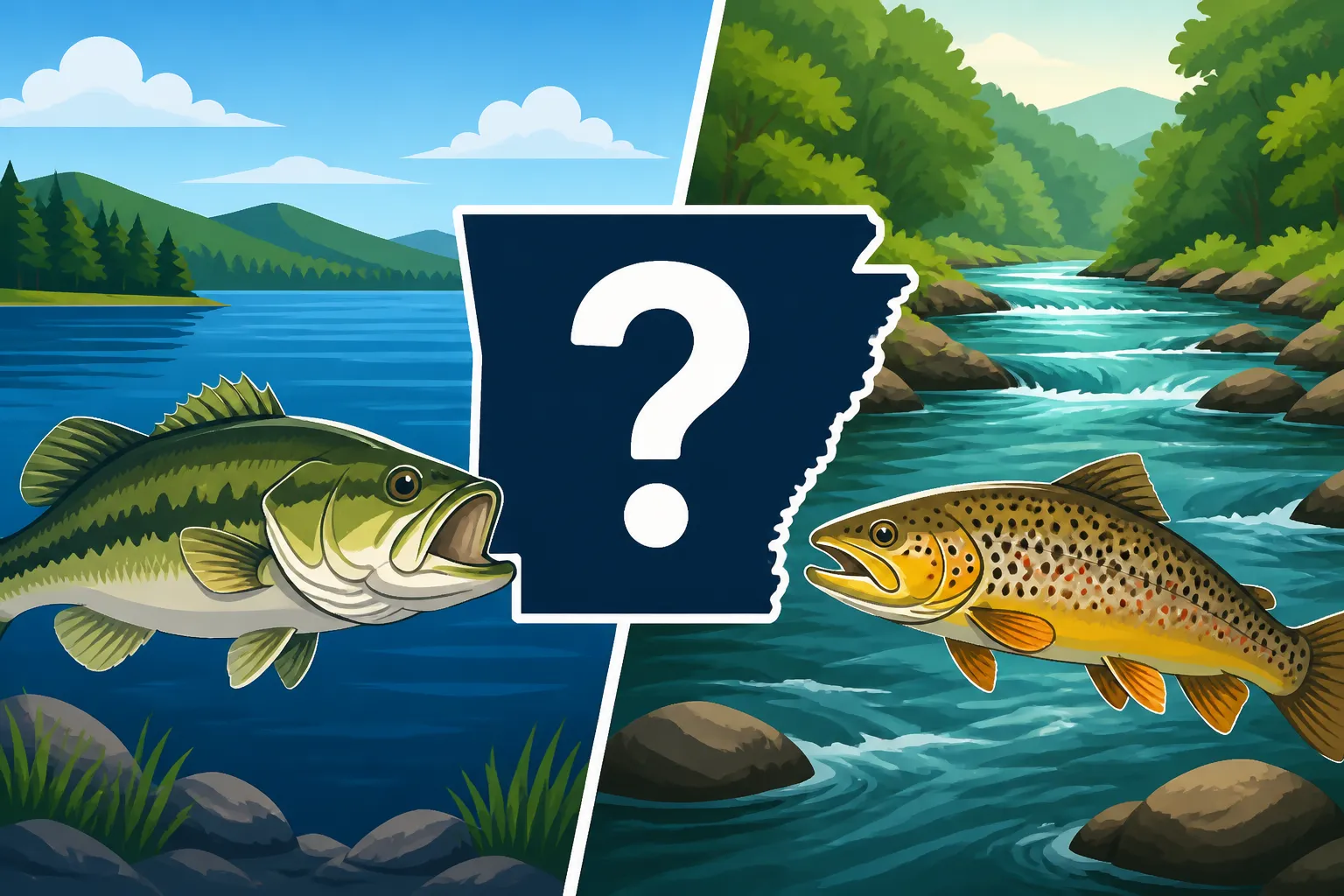
One of the most common questions I hear from fellow anglers, especially those new to the Natural State, is whether they need to completely change their expectations when fishing an Arkansas lake versus an Arkansas river. It's a completely valid thought, and the answer, like most things in fishing, isn't always a simple yes or no. This guide will dive deep into the fascinating world of Arkansas's aquatic ecosystems, exploring how different habitats influence the types of fish you'll encounter and why understanding these distinctions can drastically improve your fishing success.
The Fundamental Differences Between Lake and River Habitats
Arkansas is truly blessed with an incredible diversity of water – from vast, sprawling reservoirs to swift, cold mountain streams. While they all hold fish, the fundamental characteristics of these environments shape which species thrive and how they behave. Thinking of them as just "water" misses a huge part of the puzzle!
Water Flow and Current Dynamics
This is perhaps the most obvious distinction, right? Rivers, by their very nature, are defined by their current. Whether it's a gentle glide through the Delta or a roaring torrent in the Ozarks, that constant movement dictates everything from where fish position themselves to how they feed. Fish in rivers often expend more energy fighting currents or seeking out seams and eddies where they can rest and ambush prey. Their body shapes can even be more streamlined to navigate these conditions.
Lakes, on the other hand, are generally characterized by still or very slow-moving water, especially the large reservoirs that dot our landscape. While wind can create surface currents and even generate thermoclines, the constant, directional flow of a river is largely absent. This means fish aren't spending as much energy fighting a current and can often be found relating more to structure, depth, and forage availability rather than current breaks. They might patrol vast open water areas or hug tight to submerged timber, things a river fish often doesn't have the luxury to do.
Depth, Structure, and Substrate Variations
Picture a typical Arkansas river. Many of our rivers, especially the freestone streams in the Ozarks, are relatively shallow, with rocky bottoms, gravel bars, and occasional deep pools. The structure is often natural – fallen trees, undercut banks, and boulders. Fish are adapted to this more exposed, often shallower environment. Even larger rivers like the Arkansas River, while deeper, still exhibit distinct riverine features like sandbars, wing dikes, and navigation channels.
Now, imagine one of our major lakes, like Lake Ouachita or Bull Shoals Lake. These are often deep, with vast expanses of open water, and typically feature steep drop-offs, submerged timber, old roadbeds, and creek channels from when the lake was initially impounded. The substrate can vary from mud and silt in coves to rock and gravel on main lake points. This complex underwater topography provides a myriad of hiding spots and feeding grounds, leading to different fish distributions and behaviors compared to a more uniform riverbed. Anglers often rely on detailed bathymetric maps, which you can sometimes find online or even purchase on Amazon for popular lakes, to navigate these submerged landscapes effectively.
Temperature and Oxygen Levels
Temperature plays a monumental role in fish distribution. Many Arkansas rivers, particularly the coldwater tailwaters below our large dams (like the White River below Bull Shoals Dam), maintain consistently low temperatures throughout the year. This is ideal for coldwater species like trout. These rivers receive frigid water from the deep depths of the impoundment, creating unique ecosystems that are vastly different from the warmer surface waters of the lakes themselves.
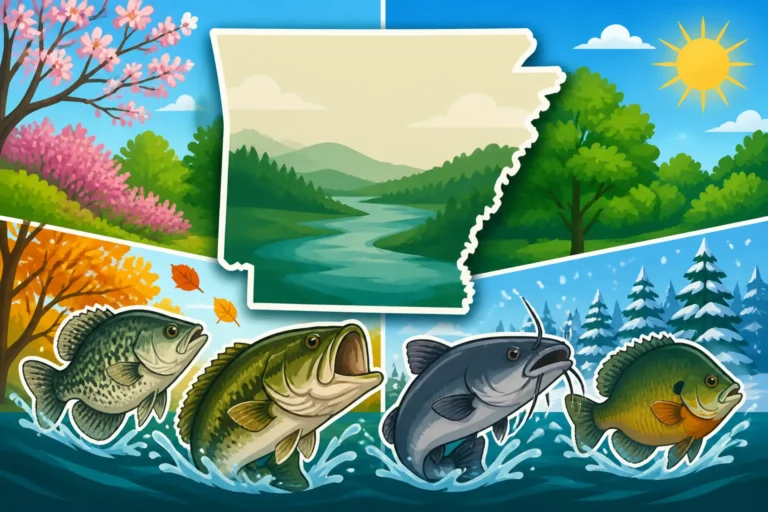
Lakes, especially the large impoundments, experience much more significant seasonal temperature fluctuations. The surface warms dramatically in summer, often creating a thermocline – a distinct layer where warm, oxygen-rich water sits above colder, denser, and sometimes oxygen-depleted water. Fish in lakes must migrate to find their preferred temperature and oxygen zones throughout the year. This is why you might find bass shallow in the spring and fall but deep in the summer. Rivers, especially freestone ones, also have seasonal temperature swings, but the deeper sections of lakes can offer more stable, cooler refuge during the dog days of summer.
Common Fish Species Found in Arkansas Lakes
When you think of fishing Arkansas's famous lakes, certain species immediately come to mind. These waters, often deep and sprawling, create ideal conditions for a particular suite of game fish.
The Largemouth Bass and Crappie Culture
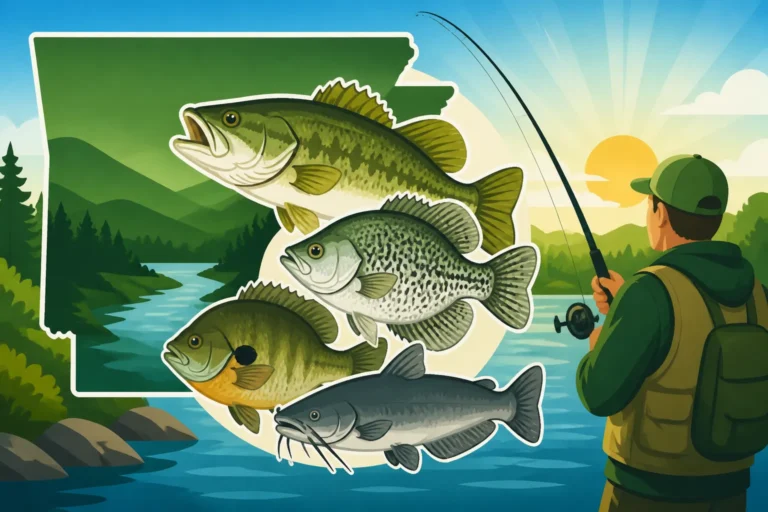
If there's one fish synonymous with Arkansas lakes, it's the largemouth bass. Our impoundments, with their abundant submerged timber, creek channels, and fluctuating water levels, are prime largemouth habitat. These ambush predators thrive in the diverse structure these lakes offer, from shallow coves with lily pads to deep points littered with brush piles. You'll find anglers targeting largemouth with everything from topwater lures to jigs, often chasing that next Largemouth Bass Size Limits on Arkansas Lakes record.
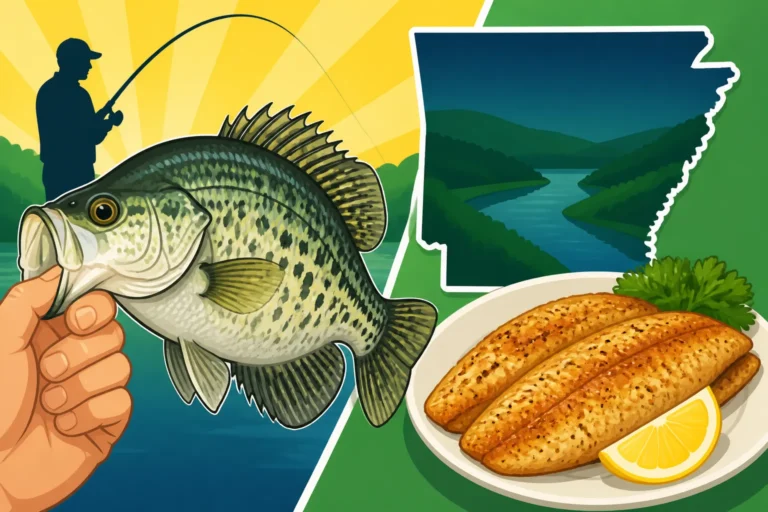
Crappie are another huge draw for lake anglers. Both black and white crappie flourish in the stiller, structure-rich waters of Arkansas lakes. They congregate around brush piles, standing timber, and bridge pilings, offering fantastic action, especially during their spring spawn. Crappie fishing becomes almost a cultural event in some areas, with families heading out to fill coolers with these delicious panfish. Many anglers swear by vertical jigging or slow-trolling minnows to entice these speckled beauties.
Catfish and Panfish Abundance
While you'll certainly find catfish in rivers, our larger lakes are absolute havens for robust populations of channel, blue, and flathead catfish. The vast forage bases and deep waters allow these fish to grow to impressive sizes. Blue catfish, in particular, can reach truly monstrous proportions in some of our larger reservoirs. Anglers use everything from cut bait to prepared stink baits, often setting up on main lake points or deep holes, especially during the warmer months. You can learn more about Catfish Species Found in Arkansas to identify your next big catch.
Beyond crappie, lakes also provide excellent opportunities for other panfish like bluegill and redear sunfish. These smaller, feisty fish are perfect for a family outing or for introducing kids to the joy of fishing. They gather around docks, shallow weed beds, and any available cover, eagerly biting on worms, crickets, or small artificial lures. These panfish are typically abundant and offer consistent action, making them a fantastic target for beginners.
Introduction of Striped Bass
One of the most exciting additions to many Arkansas lakes, and a species you won't typically find thriving in our smaller, natural rivers, is the striped bass. These powerful, ocean-going fish (stocked as landlocked populations) require vast open water and a substantial forage base, typically shad, to reach their incredible sizes. Lakes like Norfork Lake and Lake Ouachita are famous for their trophy striped bass fisheries, attracting anglers from all over the country.
Catching a striper often involves specialized techniques like trolling with large plugs or live bait, or targeting them when they chase schools of shad near the surface. They are truly the apex predators of our larger lakes, offering a fight that few other freshwater fish can match. If you're looking for a serious challenge, targeting a trophy striper in an Arkansas lake is definitely an experience to remember. You might want to check out Norfork Lake's Reputation for Trophy Striped Bass Fishing for specific tips.
Common Fish Species Found in Arkansas Rivers
Shift your focus from the expansive, still waters of a lake to the dynamic, flowing arteries of a river, and you'll find a completely different set of fish species dominating the scene, each perfectly adapted to life in a current.
Trout in Coldwater Tailwaters
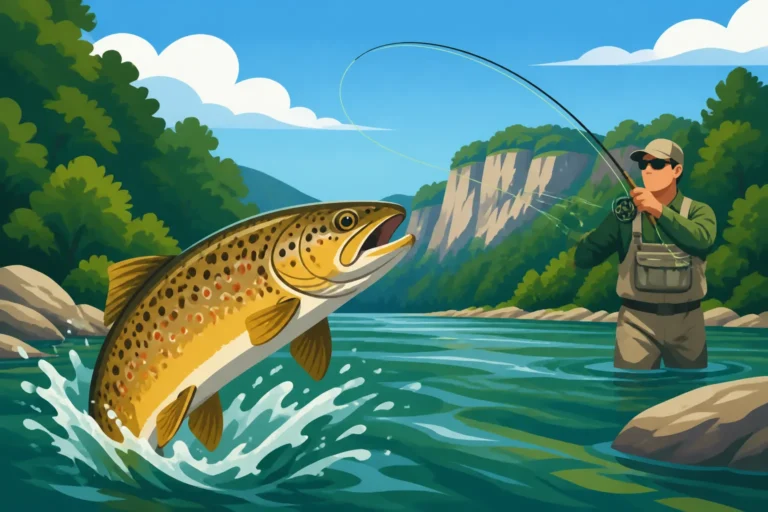
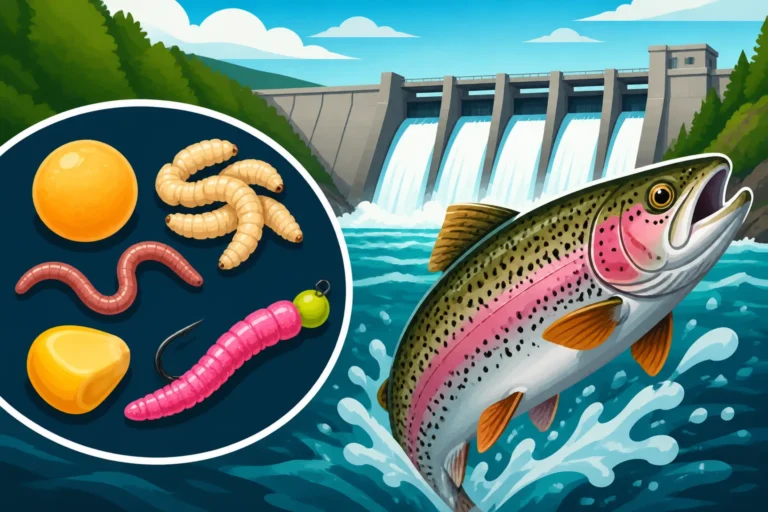
This is probably the most distinct difference between Arkansas lakes and many of its rivers, especially the ones directly below major dams. Our world-renowned trout fisheries, like those on the White River and Norfork River, exist precisely because of the dams. These coldwater tailwaters release frigid water from the bottom of the impoundments, creating a year-round cold-water environment that is simply unsuitable for most warm-water lake species.
Here, you'll find rainbow, brown, cutthroat, and brook trout thriving. These fish are masters of current, often holding in seams, eddies, and behind structure, waiting for insects or baitfish to drift by. Fly fishing is particularly popular in these areas, offering a serene and challenging experience. If you want to dive into this unique fishery, exploring Trout Fishing on Arkansas's White River is a must. Many anglers also find great resources for specialized flies and gear on Amazon to match the hatches on these rivers.
Smallmouth Bass and Stream-Dwellers
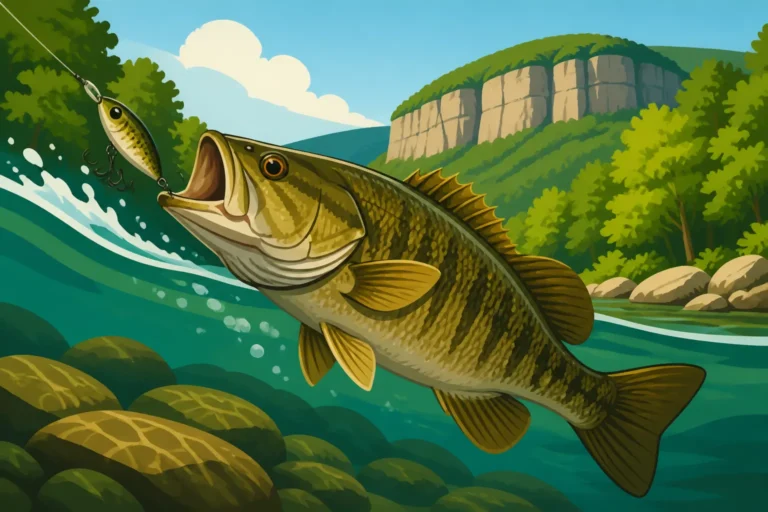
While largemouth bass are kings of the lakes, smallmouth bass rule the clear, rocky rivers and streams of the Ozarks and Ouachitas. These bronze bombers prefer cooler, clearer, flowing water with plenty of rock structure, gravel, and submerged logs. They are incredibly aggressive and offer a fantastic fight, often leaping from the water after being hooked.
Along with smallmouth, you'll find a host of other species perfectly adapted to river life. Rock bass, various species of sunfish (often called bream), and numerous darters and minnows make their homes in these currents. These smaller fish form the base of the food chain, creating a vibrant and interconnected ecosystem. Understanding Smallmouth Bass in Arkansas's Ozark Streams is key to successfully targeting these hard-fighting fish.
Diverse Catfish and Rough Fish Populations
While lakes boast large catfish, rivers also hold impressive populations, often with a slightly different character. River catfish, particularly blue and flathead catfish, are often very much tied to deep holes, log jams, and swift currents. They are opportunistic feeders, preying on anything from baitfish to mussels to unfortunate critters that fall into the water. Fishing for them often involves robust gear and heavy baits to withstand the current.
Beyond the popular game fish, rivers are also home to a wider array of "rough fish" or non-game species. Suckers, drum, carp, and gar are common residents. While not always targeted by sport anglers, they are a vital part of the river ecosystem and can offer a challenging fight. Carp, for instance, are incredibly powerful and often underestimated, providing a unique angling experience for those willing to try.
Overlap and Unique Adaptations
It's tempting to draw a hard line between lake fish and river fish, but nature is far more fluid. There are fascinating overlaps and incredible adaptations that allow some species to thrive in both environments, while others remain fiercely dedicated to one habitat.
Species That Thrive in Both Worlds
While we've highlighted the preferences of certain species, it's important to remember that some fish are incredibly adaptable. Channel catfish, for example, are abundant in both still lakes and flowing rivers across Arkansas. They have a remarkable ability to find food and shelter in a wide variety of conditions, from the muddy bottoms of oxbow lakes to the swift currents of larger rivers. Their versatility is truly impressive.
Similarly, many species of sunfish or "bream" can be found in both systems. While certain species might prefer one over the other, it's not uncommon to catch bluegill in a quiet lake cove or tucked behind a rock in a slow-moving river section. These generalist feeders are good at capitalizing on available resources wherever they are. Even some bass species, particularly Kentucky (spotted) bass, show a greater tolerance for current than their largemouth cousins and can often be found in larger rivers as well as lakes. To understand the subtle differences, you might want to read How to Tell Largemouth, Smallmouth, and Kentucky Bass Apart.
| Fish Species | Primary Lake Habitat | Primary River Habitat | Adaptability Level |
|---|---|---|---|
| Largemouth Bass | Abundant, Structure-rich | Less common, slow backwaters | Moderate |
| Smallmouth Bass | Scarce, very clear parts | Abundant, rocky, clear currents | High |
| Rainbow Trout | Rare (stocked in ponds) | Abundant in cold tailwaters | Low |
| Black/White Crappie | Abundant, structure-rich | Less common, very slow sections | Moderate |
| Channel Catfish | Abundant, varied depths | Abundant, deep holes, log jams | High |
| Blue Catfish | Abundant, deep, open water | Abundant, strong currents, big rivers | High |
| Striped Bass | Abundant, open water reservoirs | Scarce (unless stocked for hybrid) | Low |
| Bluegill | Abundant, shallow, cover | Common, slow pockets, eddies | High |
How Human Intervention Shapes Fisheries
It's impossible to talk about fish distribution in Arkansas without acknowledging the massive impact of human intervention, primarily through the construction of dams. Our large reservoirs like Bull Shoals, Norfork, Ouachita, and Greers Ferry were all created by damming major rivers. This act completely transformed riverine ecosystems into lacustrine ones, changing the landscape and creating new habitats for fish.
The most striking example is the creation of our trout fisheries. Before the dams, these rivers were warm-water bass and catfish streams. The coldwater discharges from the dams created completely new, artificial coldwater habitats that allowed trout to be successfully stocked and thrive. Without these dams, Arkansas would not be known as a premier trout fishing destination. This shows how dramatically human engineering can reshape an environment and influence which fish species flourish in a given body of water.
In essence, while Arkansas's lakes and rivers each have their distinct character and preferred fish populations, the landscape is constantly evolving. Understanding these environmental differences and the adaptability of our diverse fish species is what makes fishing in the Natural State such a rich and rewarding experience. Whether you prefer the still depths of a lake or the lively currents of a river, there's always a new adventure and a different fish waiting to be discovered. Be sure to consult the Arkansas Fishing Regulations Guide before you head out, no matter where you plan to wet a line.
Disclaimer
This article is for general informational purposes only and does not constitute professional advice. Laws, prices and regulations vary by location and change over time. Consult a qualified professional for guidance on your specific situation.