Best Fish to Target on Your First Fishing Trip
Stepping out for your very first fishing trip in Arkansas can feel a bit overwhelming, can't it? You might be dreaming of reeling in a trophy bass or a monster catfish, but the reality is, many beginners end up spending hours without a single bite, leading to frustration and a quickly dwindling interest in the sport. This guide is all about setting you up for success, focusing on the most accessible and cooperative fish species that will give you plenty of action and make your inaugural outing genuinely enjoyable, transforming potential frustration into pure fun.
Why Your First Fishing Trip Should Be About Fun Not Frustration
When you’re just starting out, the most important thing is to actually catch something. There’s nothing quite like the thrill of feeling that tug on your line, the bend in your rod, and the excitement of bringing a fish to hand. If your first few trips involve staring at a motionless bobber for hours, you’re likely to give up before you even get a chance to experience the joy of fishing. We want to avoid that "skunk" – angler slang for coming home empty-handed – and build your confidence with some consistent success.
The Beginner's Mindset: Setting Realistic Expectations
It's completely natural to have grand visions of landing a record-breaking fish, but for your very first few outings, let's pump the brakes on those dreams just a tiny bit. Instead of focusing on size or species rarity, shift your mindset to "any fish is a good fish." The goal here is to learn the basics: casting, baiting a hook, feeling a bite, and reeling in a fish. These fundamental skills are best honed on species that are plentiful, aggressive, and not too particular about your presentation. Think of it as fishing kindergarten – you're learning the ABCs of angling, and those little victories are crucial for building enthusiasm. Don't worry about being the best angler on the lake; just focus on having a good time and making memories.
Avoiding the "Skunk" on Your First Outing
The "skunk" can be a real spirit-killer. Imagine spending a beautiful Saturday morning by the water, only to pack up your gear with nothing to show for it. It happens to seasoned anglers, but for a beginner, it can be deflating. That's why choosing the right target species is paramount. Certain fish are just more forgiving. They live in easily accessible areas, often travel in schools, and are rarely picky eaters. By targeting these cooperative species, you dramatically increase your chances of getting bites, ensuring you don't go home wondering if fishing is even for you. This early success builds confidence and teaches you the rhythm of fishing, making you want to come back for more.
Top Arkansas Fish for First-Time Anglers
Arkansas is truly a fantastic place to learn how to fish because we have such a diverse array of species. But for your first few excursions, let’s narrow it down to the heavy hitters that are almost guaranteed to put a smile on your face. We’re talking about fish that are abundant, relatively easy to locate, and eager to bite. These are the unsung heroes of many a budding angler's career.
Bluegill: The Ultimate Confidence Builder
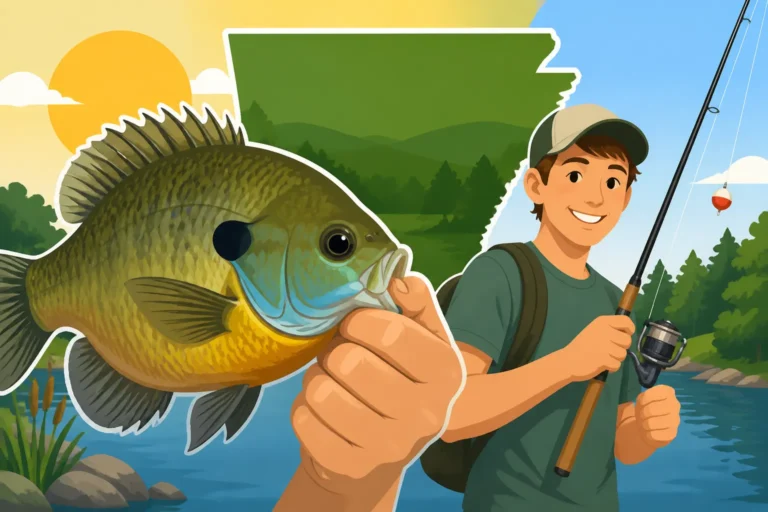
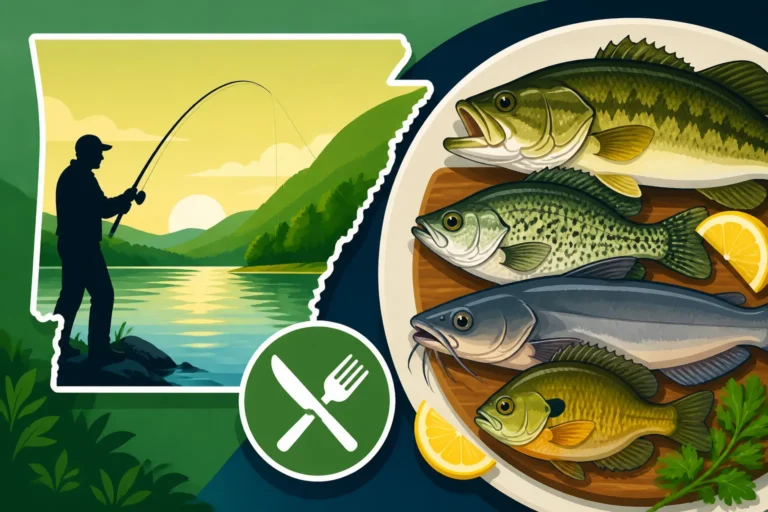
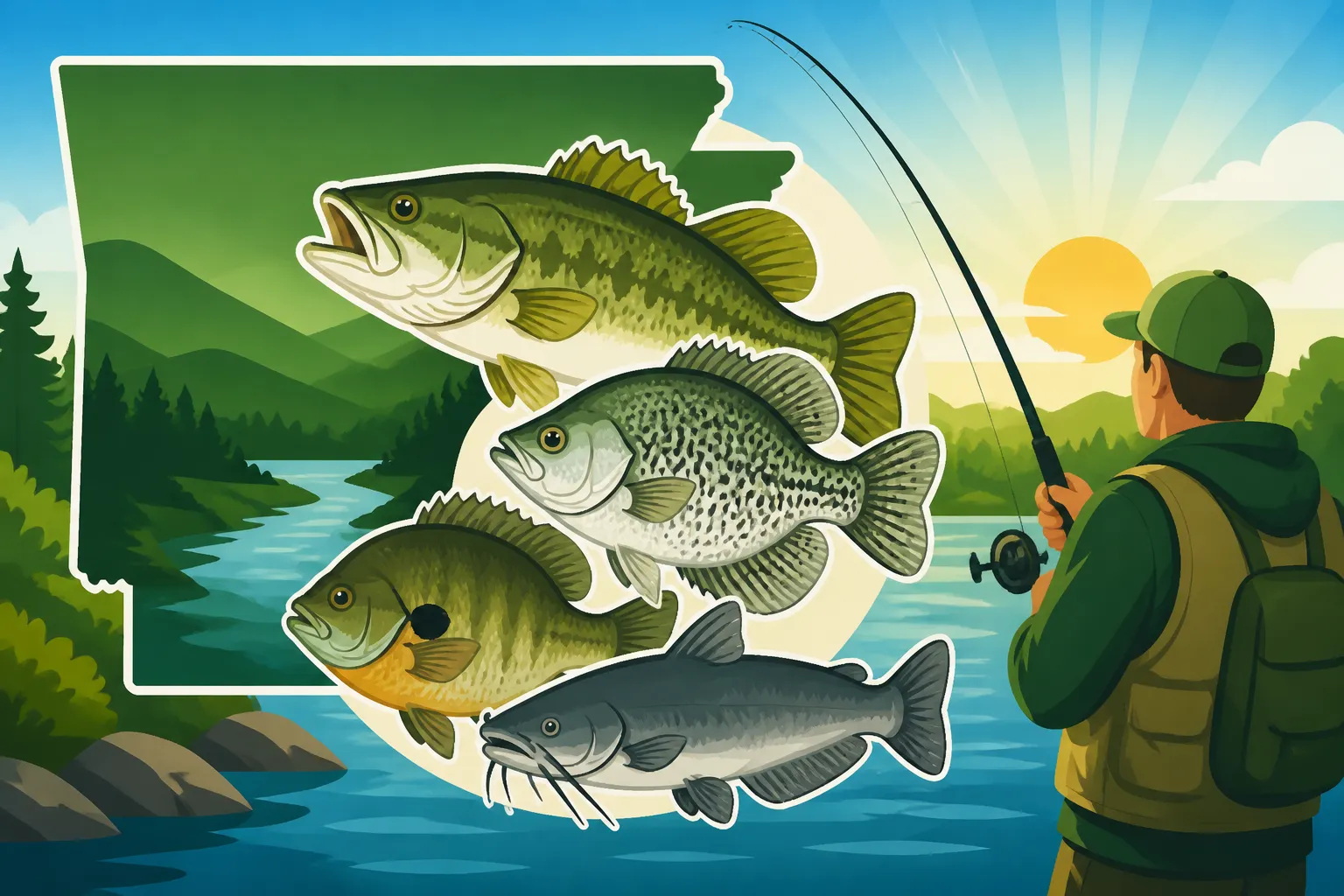
Oh, bluegill! Where do I even begin? These little panfish are quite possibly the best fish in Arkansas for a first-time angler. They’re everywhere – seriously, you’d be hard-pressed to find a pond, creek, or lake in Arkansas that doesn't have bluegill. They're also incredibly aggressive, often hitting a bait as soon as it touches the water. Their small size means they don't require heavy tackle, and their feisty nature on light gear makes every catch feel like a giant. My kids started on bluegill, and the squeals of delight when they felt that first tug are memories I'll cherish forever. For some fantastic tips on getting youngsters hooked, check out How to Teach a Kid to Fish for Bluegill. They are also a delicious bonus if you decide to keep a few for dinner; Is Bluegill Good to Eat? has more on that.
They typically inhabit shallow, weedy areas, around docks, or near submerged cover, making them easy to target from the bank. You don’t need a fancy boat or intricate techniques. A simple hook, a bobber, and a bit of bait are usually all it takes. They’re also fairly tolerant of different water conditions, so you don't need to be a weather expert to find them biting.
Crappie: A Delicious and Engaging Next Step
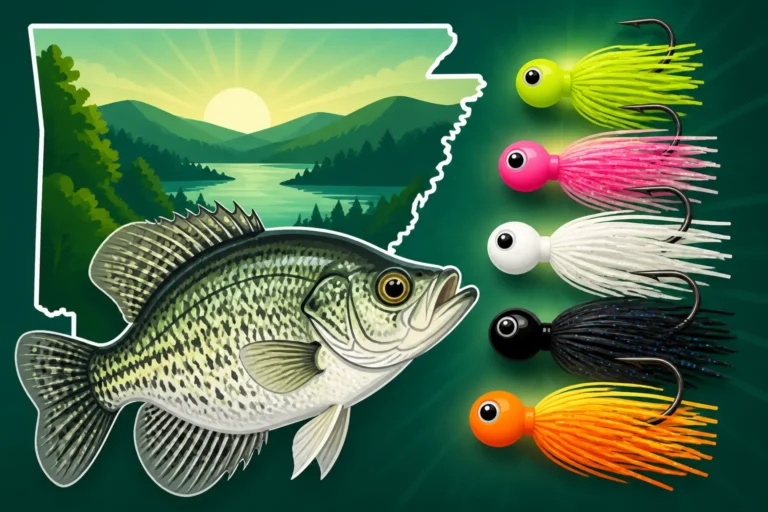
Once you've mastered the art of catching bluegill, crappie are an excellent next step. These schooling fish offer a bit more of a challenge in terms of locating them, but once you do, the action can be non-stop. We have both black and white crappie in Arkansas, and they are renowned for their incredible table fare – truly one of the tastiest freshwater fish you can catch. They tend to hang around submerged brush piles, standing timber, or bridge pilings. While they might require a bit more finesse than a bluegill, they are still very approachable for beginners.
The key to crappie fishing is often finding the "right" spot. Unlike bluegill which are almost omnipresent in shallows, crappie often suspend in open water or hug specific structures. But once you find a school, you can often catch multiple fish from the same spot. This offers a great lesson in fish behavior and structure fishing. Plus, the fight of a crappie, while not as powerful as a bass, is still very spirited, especially on light tackle. You can find more details on finding these tasty fish in Where to Catch Crappie in Arkansas.
Channel Catfish: The Bottom-Dwelling Brawler
If you're looking for something with a bit more heft that's still quite accessible, channel catfish are your go-to. These whiskered beauties are common throughout Arkansas’s rivers and lakes, and they’re not shy about biting. What makes them great for beginners is that they are primarily bottom feeders and rely heavily on scent, meaning you don't need a perfect cast or a subtle lure presentation. They're also active through much of the day and night, offering flexible fishing times.
Channel cats put up a fantastic fight for their size, pulling hard and often making strong runs. It’s a completely different experience from catching a panfish and will teach you a lot about handling a stronger fish. They're also fantastic table fare, just like crappie, making them a popular target for anglers looking to fill the freezer. Targeting them is usually as simple as casting a baited hook to the bottom and waiting. They’re forgiving of heavy line and larger hooks, which is great for beginners who might struggle with tiny knots. For some solid beginner tactics, be sure to read Channel Catfish Fishing Tips for Beginners.
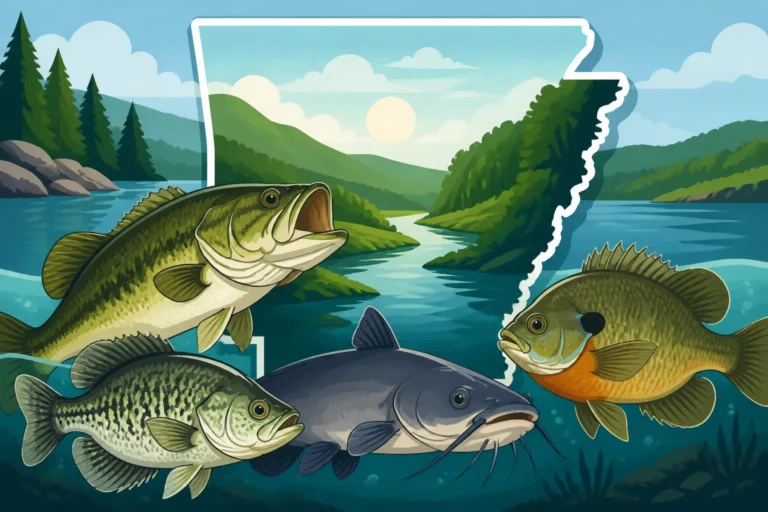
Here’s a quick comparison of these beginner-friendly species:
| Species | Average Size (Weight) | Primary Habitat | Easiest Bait | Fight Level (1-5) | Best for Beginners? |
|---|---|---|---|---|---|
| Bluegill | 0.25 – 1 lb | Shallow, weedy areas, docks, submerged cover | Worms, crickets, small artificial | 2 | Absolutely! |
| Crappie | 0.5 – 2 lbs | Brush piles, standing timber, bridge pilings | Minnows, jigs, small soft plastics | 3 | Excellent |
| Channel Catfish | 1 – 10 lbs | River channels, lake bottoms, deep holes, coves | Cut bait, chicken livers, stink bait | 4 | Very Good |
Gear and Techniques for First-Timers Targeting Easy-to-Catch Species
One of the biggest hurdles for new anglers is feeling like you need a mountain of expensive gear to even get started. Good news: you absolutely do not! For these beginner-friendly species, simplicity is key. You want tackle that’s easy to use, durable, and won’t break the bank.
Simple Gear That Gets the Job Done
Forget the fancy bass boats and complex sonar systems for now. A basic spinning rod and reel combo is your best friend. Look for a light to medium-light action rod, around 6 to 7 feet long. This setup is versatile enough for bluegill, crappie, and even smaller channel cats. You can often find decent combos for a very reasonable price online or at local sporting goods stores. Speaking of which, sometimes you can find perfectly good beginner combos on Amazon with a quick search. Don't feel pressured to buy the most expensive gear; consistent practice with basic equipment is far more valuable.
You'll also need some monofilament fishing line, usually 4 to 8-pound test for panfish and crappie, maybe bumping up to 10-15 pound test if you're specifically targeting larger channel cats. A handful of small hooks (size 6 or 8 for panfish, size 2 or 4 for crappie, and anything from 1/0 to 4/0 for catfish), some small split-shot weights, and a few bobbers (the red and white round ones are classic for a reason!) will complete your basic tackle box. That's it! That's all you need to start catching fish. Seriously, don't overthink it.
Easy Bait and Presentation for Quick Success
This is where the real magic happens for beginners. When targeting bluegill, crappie, and channel catfish, you don't need to learn complex lure retrieves or understand advanced presentations. These fish are often caught with natural baits, which are incredibly effective and straightforward to use.
- Bluegill: Live bait is king here. Small worms (like red wigglers), crickets, or even pieces of hot dog work wonders. Just thread a small piece onto your hook, pinch a small split-shot weight a few inches above the hook, and use a bobber set to a depth of 1-3 feet. Cast it near cover, and wait for that bobber to dance! For more bait ideas, check out Best Bait for Bluegill Fishing.
- Crappie: Live minnows are incredibly effective for crappie, fished under a bobber or slowly retrieved without one. Small jigs (1/32 or 1/16 ounce) with a tiny soft plastic body are also fantastic. Simply cast the jig out and retrieve it very slowly, with small twitches, letting it sink occasionally. Finding the right color jig can be a fun experiment! You can learn more about effective crappie baits in Best Bait for Arkansas Crappie.
- Channel Catfish: These scent-driven feeders love a strong-smelling meal. Chicken livers, cut bait (pieces of shad or hot dogs), or prepared stink baits are all excellent choices. Use a larger hook (1/0 or 2/0 is often a good start), a heavier sinker to get your bait to the bottom, and cast it out. You can fish these on the bottom without a bobber, watching your rod tip for a bite, or use a slip bobber to suspend your bait off the bottom in deeper water. For a deep dive into what cats crave, look at Best Bait for Blue Catfish in Arkansas.
Where to Find These Beginner-Friendly Fish in Arkansas
One of the best things about these target species is their wide distribution across Arkansas. You don't have to travel to some remote, secret fishing hole to find them. Many excellent spots are right in your local community or a short drive away.
Ponds, Parks, and Smaller Lakes
For bluegill and smaller crappie, your local city or county park pond is often a goldmine. Many communities in Arkansas have stocked ponds that are perfect for bank fishing and are usually teeming with panfish. These smaller bodies of water are less intimidating than vast reservoirs and offer easy access. You'll often find amenities like picnic tables, restrooms, and sometimes even fishing piers, which are ideal for families and beginners. These spots are fantastic for a quick afternoon trip where the focus is truly just on catching fish and having a good time. Look for areas with lily pads, downed trees, or any visible cover where fish might hide.
State parks in Arkansas also often feature smaller lakes or designated fishing areas that are well-maintained and perfect for beginners. The Arkansas Game and Fish Commission does a great job managing many of these waters, sometimes even offering specific "Family and Community Fishing Ponds" that are regularly stocked and easily accessible. Before you head out, remember to check Arkansas Fishing License Rules and Costs to make sure you're properly licensed, and if you're bringing kids, refer to Do Kids Need a Fishing License in Arkansas?.
River Backwaters and Calm Edges
While big rivers can be daunting, many of Arkansas's larger waterways, like the Arkansas River or the White River, have calmer backwater areas, oxbow lakes, and quiet coves that are perfect for targeting our beginner-friendly species. These spots often have slower currents, making it easier to present your bait, and they typically hold good populations of channel catfish, crappie, and sometimes even large bluegill. Look for areas where creeks feed into larger rivers or where there's significant submerged timber.
These areas provide shelter and food, attracting the very fish you're looking for. You can often access these spots from public boat ramps that also offer bank fishing opportunities. Just be mindful of any current in the main river channel and always prioritize safety. For a broader look at places to wet a line, check out Best Fishing Spots for a Weekend Trip in Arkansas – you might be surprised how close some great options are. The key is to find protected, shallower water where these fish feel safe and have easy access to food.
Disclaimer
This article is for general informational purposes only and does not constitute professional advice. Laws, prices and regulations vary by location and change over time. Consult a qualified professional for guidance on your specific situation.