Minimum Size Limit for Keeping Crappie in Arkansas
Navigating fishing regulations can sometimes feel like trying to untangle a particularly stubborn fishing line, especially when it comes to specific size limits for popular species like crappie in Arkansas. It's frustrating to head out to your favorite fishing hole, have a fantastic day catching fish, only to realize later you might have kept something that wasn't legal. This guide is here to clear up all that confusion, detailing the minimum size limit for keeping crappie across Arkansas's diverse waters, highlighting the common rules, and pointing out those tricky exceptions you absolutely need to know about.
Understanding Statewide Crappie Size Limits in Arkansas
When you're out on the water, the last thing you want to worry about is whether that beautiful crappie you just reeled in is a keeper or needs to go back. For crappie in most of Arkansas's lakes and rivers, there's a pretty straightforward rule that aims to protect the population and ensure healthy fishing for everyone. You see, the Arkansas Game and Fish Commission (AGFC) implements these rules with the long-term health of our fisheries in mind, which means sometimes we have to sacrifice a few smaller fish today for bigger, healthier populations tomorrow.
Generally speaking, if you're fishing in most public waters across the state that don't have special regulations posted, you'll need to adhere to the statewide minimum size limit. This rule is designed to allow crappie to reach a certain level of maturity and reproduce at least once before they become fair game for our frying pans. It’s all about sustainable fishing, ensuring that our kids and grandkids can enjoy the same fantastic crappie fishing we do. Without these rules, it wouldn't take long for our favorite crappie spots to be picked clean of larger, breeding-size fish.
The General 9-Inch Minimum Rule
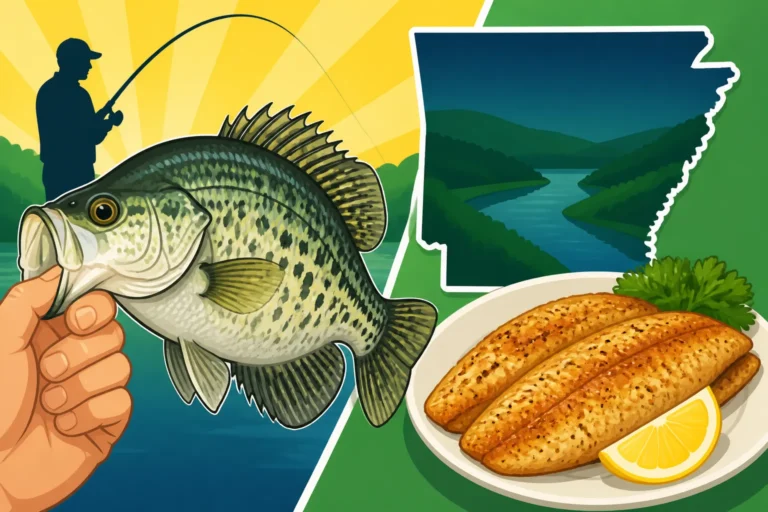
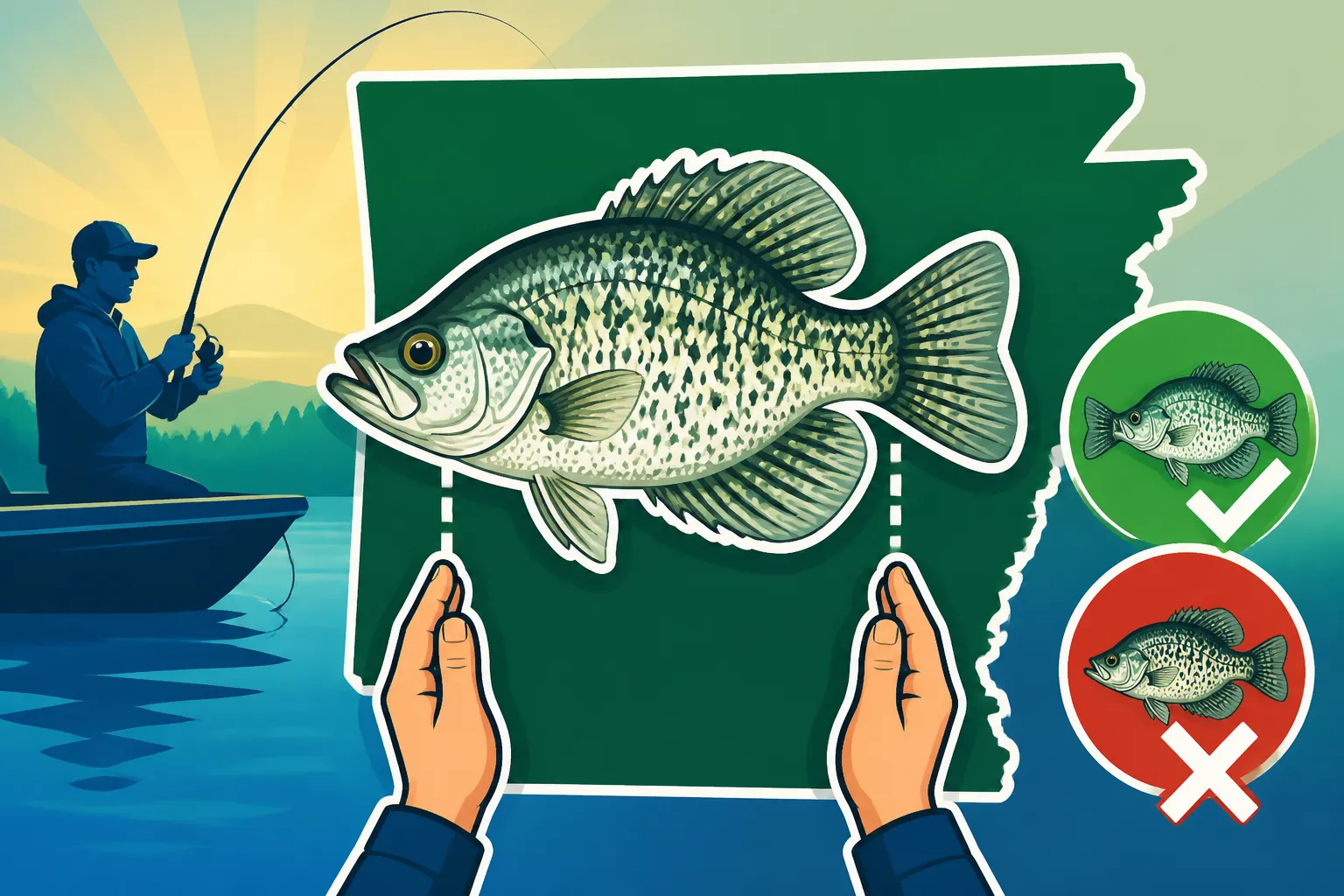
So, let's get right to it: for the vast majority of lakes and streams across Arkansas, crappie must be at least nine inches long to be legally kept. This is a crucial number to remember before you ever drop a line. Many an angler has been caught off guard, either by not knowing this rule or by simply guessing the size of their catch, which is a gamble you really don't want to take. A good habit is to always have a reliable measuring device with you, whether it's a ruler permanently affixed to your boat or a flexible tape measure you keep in your tackle box. Don't eyeball it! That nine-inch mark is measured from the tip of the nose to the very end of the tail, with the fish laid flat. It's a simple rule, but absolutely vital for staying on the right side of the law and contributing to healthy crappie populations. You can find more details on this general rule in Crappie must be 9 inches or longer to keep in Arkansas.
Importance of Measuring Accurately
I can't stress this enough: accuracy in measuring is everything. Imagine catching a crappie that looks "about right," only for a game warden to measure it at 8.75 inches. That small quarter-inch difference could lead to a citation, a fine, and a whole lot of regret. It's not worth the risk. Always carry a measuring board or a tape measure. When you land a crappie, lay it flat against your measuring device, pinch its mouth shut, and gently extend its tail to get the most accurate length. If there's any doubt, or if it's right on the cusp, it's always best to practice catch and release. This isn't just about avoiding penalties; it's about respecting the resource. Small crappie, especially those just under the legal limit, are crucial for the future of the fishery. Plus, handling them carefully and releasing them quickly gives them the best chance of survival.
Specific Lake Exceptions to Crappie Size Limits
Now, here's where things can get a little more complex and where many anglers trip up. While the statewide 9-inch rule is your baseline, some specific lakes in Arkansas have their own unique crappie regulations. These exceptions are put in place by the AGFC to manage particular fisheries more effectively, often due to unique ecological factors, fishing pressure, or to promote the growth of trophy-sized crappie. It means that what's legal on one lake might not be on another, even if they're just a short drive apart. Always, and I mean always, check the current regulations for the specific body of water you plan to fish before you go. This information is readily available on the AGFC website or in their annual fishing guide, which you can often pick up for free at sporting goods stores.
It's tempting to think "a crappie is a crappie," but the AGFC biologists are constantly monitoring these waters and making adjustments to ensure the best possible fishing experience for everyone, while still protecting the fish. These localized rules are not arbitrary; they are data-driven decisions tailored to the specific needs of that particular lake's ecosystem and crappie population.
Lake Monticello Crappie Limit Differences
Lake Monticello is a prime example of a water body with specific crappie regulations that deviate from the statewide standard. Instead of the typical 9-inch minimum, Lake Monticello has a slightly different set of rules designed to manage its crappie population. For instance, the daily limit for crappie at Lake Monticello is often reduced compared to the statewide limit, and there might be specific size slots or restrictions on how many larger fish you can keep. This is usually done to promote the growth of larger crappie and prevent overharvesting of certain size classes.
At Lake Monticello, the daily limit might be 15 crappie, which is a reduction from the more common statewide limit of 20 fish per day. More importantly, there are often length restrictions, for example, only allowing anglers to keep a certain number of crappie over a specific length like 12 inches. So, while you might be able to keep a 9-inch crappie in many other places, that might not be the case here, or if you can, it might count towards a stricter daily bag limit of smaller fish. It's a nuanced system meant to balance angler opportunity with conservation goals. For those heading to this particular lake, it's critical to review Lake Monticello crappie limit drops to 15 fish per day to ensure you're compliant.
Lake Cargile Crappie Limit Rules
Another lake with specific crappie regulations is Lake Cargile. Similar to Lake Monticello, Lake Cargile's rules are tailored to its unique fishery. While the statewide minimum size might be 9 inches, Lake Cargile often features a slot limit or a different daily bag limit that further refines what you can keep. For example, you might encounter a daily limit of 15 crappie, with only 7 of those being 12 inches or longer. This type of regulation encourages anglers to release the larger, more productive breeding fish while allowing for the harvest of some medium-sized crappie. These types of regulations are common ways to manage the age and size structure of a crappie population. They help prevent "trophy hunting" from depleting the largest fish while also ensuring there aren't too many smaller fish competing for food, which can stunt growth. Ignoring these nuances can lead to serious legal trouble, so never assume the statewide rule applies universally. Always confirm the specific regulations for Lake Cargile before your trip, as outlined in Only 7 of your 15 Lake Cargile crappie can be 12 inches or longer.
Here's a quick comparison of common crappie limits in Arkansas:
| Water Body | Minimum Size Limit | Daily Creel Limit | Special Rules |
|---|---|---|---|
| Most Statewide Waters | 9 inches | 20 fish | None beyond general |
| Lake Monticello | Varies by season | 15 fish | Often includes a slot limit or specific size rules (e.g., only X fish over Y inches) |
| Lake Cargile | Varies by season | 15 fish | Often includes specific length restrictions (e.g., only 7 fish 12 inches or longer) |
Always consult the current Arkansas Game and Fish Commission regulations for the most up-to-date and precise information for your specific fishing location, as these rules can change.
Why Crappie Size Limits Are Crucial for Conservation
It’s easy to look at fishing regulations as just another set of hoops to jump through, but they are absolutely fundamental to the health and sustainability of our fisheries. Size limits, in particular, are one of the most effective tools wildlife managers have to ensure that species like crappie continue to thrive year after year. Without them, we would quickly see a decline in both the number and average size of fish in our favorite spots. It's a delicate balance, and these rules are designed to maintain it.
Think about it: crappie are immensely popular, and a lot of people love to catch them. If everyone kept every crappie they caught, regardless of size, the smaller, younger fish wouldn't have a chance to grow up, mature, and reproduce. This would lead to a "recruitment" problem, meaning fewer new fish entering the population, and ultimately, fewer fish for everyone. This is where the importance of understanding the bigger picture comes into play, beyond just the legal aspect.
Protecting Spawning Populations
The primary reason for minimum size limits is to protect crappie until they've had a chance to reproduce. Crappie typically reach sexual maturity when they are around 8-10 inches long, depending on environmental factors like food availability and water temperature. By setting a 9-inch minimum, the AGFC helps ensure that most crappie have at least one opportunity, if not more, to spawn before they can be harvested. Each female crappie can lay tens of thousands of eggs, so allowing them to contribute to the next generation is vital.
Imagine a lake where anglers only kept the biggest crappie, or a lake where there were no size limits at all. The gene pool would suffer, as would the sheer numbers of fish. When fish spawn, they're passing on their genes, and a healthy, diverse breeding population leads to resilient future generations. By protecting these crucial spawning populations, we're investing in the future of crappie fishing for generations to come. It’s an act of stewardship, ensuring that our recreational activities don't deplete the natural resources we cherish.
Preventing Overharvesting and Stunted Growth
Another critical aspect of size limits is preventing overharvesting and managing the population's overall health. In some lakes, if there's no limit on smaller fish, anglers might remove too many, which can actually lead to the opposite problem of stunted growth. How does that work? If you remove all the larger, predatory fish and keep all the medium-sized fish, you can end up with a huge number of very small crappie that compete intensely for limited food resources. This can result in a lake full of malnourished, slow-growing crappie that never reach a desirable size. This scenario, often referred to as a "stunted fishery," is a nightmare for anglers.
Conversely, without a minimum size limit, lakes with heavy fishing pressure could quickly lose all their larger, more desirable fish. Size limits help distribute the harvest across different age classes and allow a certain percentage of fish to grow into larger sizes. This often creates a more balanced ecosystem where fish have enough food, grow to a healthier size, and provide a more rewarding catch for anglers. It's about ensuring sustainable fishing, where the fish population can replenish itself effectively despite consistent angling pressure. This also explains why you'll see specific rules for Statewide Creel Limits Versus Possession Limits in Arkansas, designed to prevent overharvest.
How to Properly Measure and Handle Crappie
So, you've reeled in a crappie, and now it's time to figure out if it's a legal keeper. This isn't just about grabbing a ruler; it's also about doing it safely for both you and the fish, especially if you plan to release it. Proper handling is just as important as accurate measuring, as mishandling a fish can significantly reduce its chances of survival once it goes back into the water. Even if you're keeping the fish, you want to ensure it's handled respectfully and cleanly for the table.
Many anglers find it helpful to have a measuring device permanently mounted on their boat or kayak, or a portable, sturdy plastic ruler. You can find excellent, inexpensive options for these on Amazon, often with clear markings that make quick measurements a breeze. Another great tool for crappie is a lightweight, soft-mesh landing net. This helps you land the fish gently, reducing the risk of injury to the fish and allowing for easier unhooking and measuring.
Step-by-Step Measurement Technique
Measuring a crappie isn't complicated, but precision is key. Here's how to do it correctly:
- Wet Your Hands: Before you even touch the fish, wet your hands. This is crucial if you intend to release the fish. Dry hands can remove the crappie's protective slime coat, making it vulnerable to disease and infection.
- Handle Gently: Cradle the crappie horizontally, supporting its body. Avoid holding it vertically by the jaw or gills, as this can cause internal damage. Crappie have relatively delicate mouths.
- Place on Measuring Device: Lay the fish flat against your measuring board or tape. Ensure its mouth is closed and touching the zero mark or the edge of the board.
- Extend Tail: Gently pinch the tail fin together to extend it as far as possible, ensuring you get the full length. This is often called "total length." Read the measurement at the longest point of the tail.
- Quickly Assess: Compare the measurement to the legal limit for that specific water body. If it's legal and you intend to keep it, place it in your livewell or cooler. If it's short, or if you're practicing catch and release, proceed to the next step.
Remember, if you're ever in doubt about the length, it's always better to release the fish. It's a small sacrifice to ensure you're compliant and doing your part for conservation.
Best Practices for Catch and Release
For those crappie that don't meet the size limit or if you're simply choosing to release them, quick and careful handling is paramount to their survival. The goal is to minimize stress and physical injury.
- Minimize Air Exposure: Keep the fish in the water as much as possible. If you need to remove it for a quick measurement or photo, do so quickly and get it back into the water within seconds. Extended air exposure can damage a fish's gills and organs.
- Use Barbless Hooks (if possible): Barbless hooks or hooks with crimped barbs make unhooking much easier and faster, reducing trauma to the fish.
- Pliers or Hemostats: Keep a pair of long-nose pliers or hemostats handy for quick hook removal. If the hook is deeply embedded, sometimes it's better to cut the line as close to the hook as possible rather than tearing at the fish's mouth to remove it.
- Revive the Fish: Once released, if the fish seems sluggish, gently hold it upright in the water and move it back and forth to force water over its gills. Release it only when it can swim away strongly on its own.
By following these simple steps, you're not only adhering to the rules but also playing a crucial role in maintaining healthy and thriving crappie populations in Arkansas. Happy fishing, and tight lines! Don't forget to review Arkansas Fishing License Penalties and Requirements to understand the consequences of not following these regulations. If you're planning a trip to the White River National Wildlife Refuge, you might find specific crappie fishing advice in Crappie Fishing at Arkansas's White River National Wildlife Refuge. Also, for general info on crappie, check out Black Crappie vs White Crappie in Arkansas.
Disclaimer
This article is for general informational purposes only and does not constitute professional advice. Laws, prices and regulations vary by location and change over time. Consult a qualified professional for guidance on your specific situation.