Best Time of Year for Rainbow Trout Fishing in Arkansas
If you've been dreaming of landing a beautiful rainbow trout in Arkansas, but feel overwhelmed wondering when the "perfect" time to go is, you're certainly not alone. Many anglers assume trout fishing is a seasonal affair, only good in spring or fall. But here in the Natural State, thanks to our incredible tailwater fisheries, rainbow trout fishing is a fantastic, year-round adventure! This guide will break down what each season offers, helping you plan your next memorable trip.
Understanding Arkansas's Trout Waters and Seasons
Arkansas isn't your typical trout state with only high-mountain, spring-fed streams. While we have some of those, our real gems for rainbow trout are the mighty tailwaters below our large dams. This unique environment changes the game entirely, making "seasonal" a bit of a misnomer in the traditional sense.
Year-Round Opportunity: Why Arkansas is Special
What makes Arkansas truly unique for trout fishing, particularly for those vibrant rainbow trout, is the consistent supply of cold water. When lakes like Bull Shoals and Norfork release water from deep below their surface, that water is a steady, chilly temperature, perfect for trout, regardless of how hot it gets topside. This means that even in the dog days of summer, when other rivers are too warm for trout to thrive, our tailwaters remain a vibrant, active fishery. It's not about waiting for a specific month; it's about understanding the specific conditions that each month brings, and how the fish react to them. This constant cold flow creates a thriving habitat that allows rainbow trout to grow big and strong all year long, providing anglers with endless opportunities.
Key Tailwaters: White River and Norfork
When we talk about rainbow trout in Arkansas, two rivers immediately come to mind: the White River and the Norfork River. Both are renowned tailwaters, fed by the deep, cold releases from Bull Shoals Dam and Norfork Dam, respectively. These rivers are not just cold; they are rich in oxygen and food sources, creating an almost perfect ecosystem for trout. The White River, stretching for miles below Bull Shoals, is a national treasure, offering vast stretches for both wading and boat fishing, with different sections presenting unique challenges and rewards. Its sheer size and consistent flow make it a prime destination. Meanwhile, the Norfork Tailwater, though much shorter, is known for its incredible density of trout and often produces truly trophy-sized fish, making it a favorite for many dedicated anglers. Understanding the nuances of these rivers is key to unlocking the best rainbow trout fishing experiences, no matter the season. You can dive deeper into specific locations with our guide to The Best Trout Fishing Spots in Arkansas. These aren't just good spots; they're world-class fisheries right here in our backyard.
Seasonal Breakdowns for Rainbow Trout Fishing
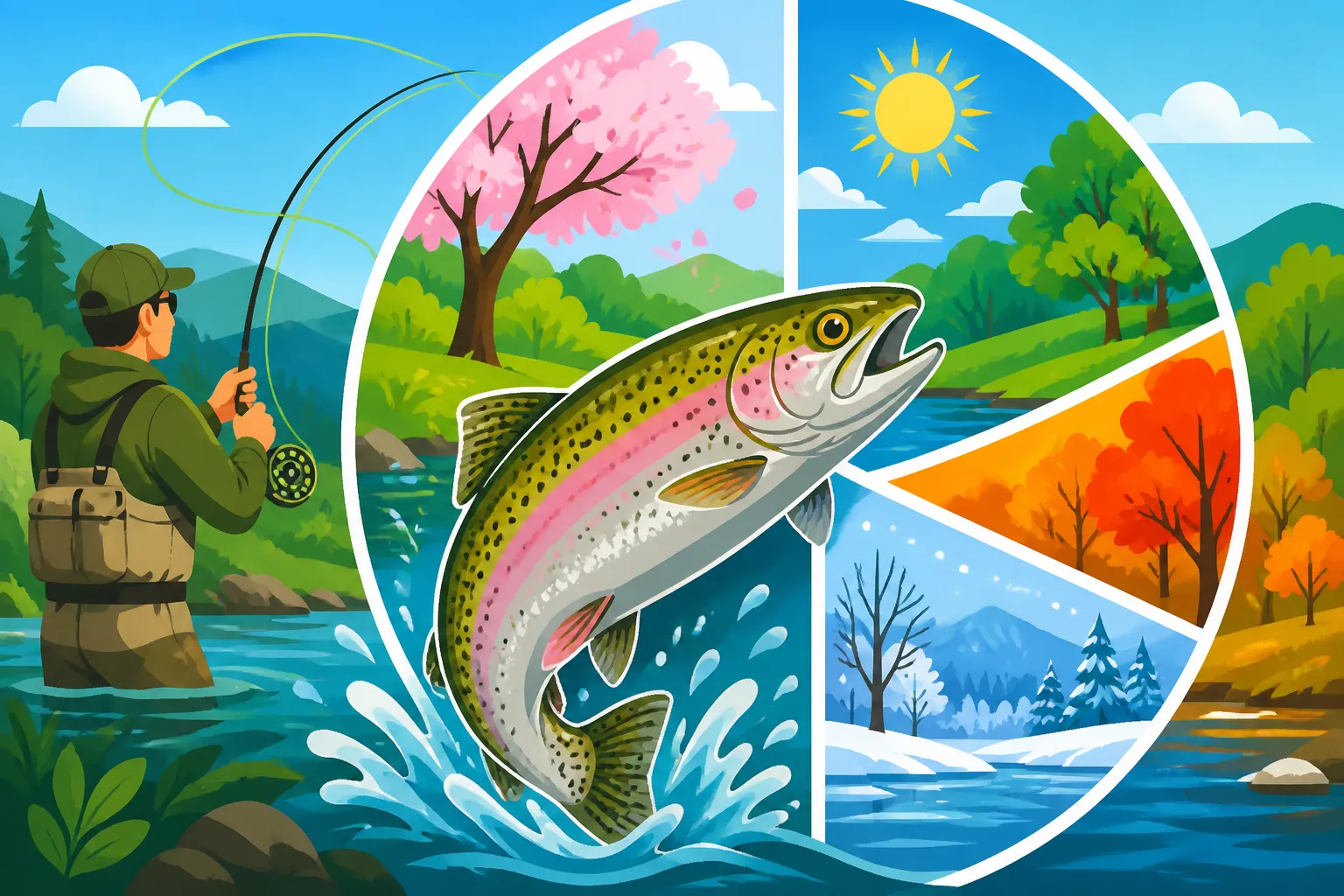
While the tailwaters ensure year-round trout fishing, each season brings its own set of conditions, challenges, and rewards. Knowing what to expect can vastly improve your chances of success and help you decide when your personal "best time" really is.
Spring (March – May): The Post-Winter Awakening
Ah, spring! There’s something truly special about the air warming up, the trees budding, and the promise of renewed life on the water. For rainbow trout fishing in Arkansas, spring is a fantastic time as the fish shake off any winter sluggishness and become incredibly active. As air temperatures rise, so does the metabolism of the trout, making them more willing to chase down a meal.
You’ll start to see increased insect activity, often referred to as "bug hatches." Tiny midges, caddisflies, and even some early stoneflies will begin to emerge, sending rainbow trout into a feeding frenzy. This is prime time for fly anglers, who can "match the hatch" with delicate presentations. However, it's also a great period for spin fishermen, as the active trout readily strike at small spinners, spoons, and soft plastics.
Spring can also bring higher water flows due to seasonal rains and snowmelt further upstream. While this can sometimes make wading trickier, it also disperses fish, offering more opportunities and often bringing in more food. The key is to pay attention to the water levels and clarity; a slightly stained but moving water can be incredibly productive. Learning How to Tell Rainbow Trout from Brown Trout will also be helpful as you'll encounter both in these waters during spring. For fly anglers, having a good selection of Best Fly Patterns for Tailwater Trout that mimic spring hatches is crucial.
Summer (June – August): Deep Water and Early Mornings
Summer in Arkansas can be hot, no doubt about it. But don't let the sweltering heat above ground fool you into thinking the trout fishing dies down. The beauty of our tailwaters is that the water released from the bottom of the dams remains consistently cold, providing a cool, stable environment for rainbow trout even when the thermometer hits triple digits.
During summer, however, trout often become more selective and may seek out deeper, cooler pools and shaded areas. This means your approach might need to shift. Early mornings and late evenings often provide the most productive bites, as the sun is less intense and the fish feel more secure feeding in shallower, more exposed areas. Midday can still be fruitful, but you’ll likely need to target deeper runs and pockets, using heavier nymphs, small jigs, or drifting PowerBait. Look for seams where faster current meets slower water, or around submerged structures.
For fly anglers, deep nymphing rigs become essential, using strike indicators to detect subtle bites. Spin anglers might find success with small, dark-colored jigs or spoons presented slowly along the bottom. Consider looking into Summer White River Trout Trips: What to Expect if you're planning a trip during these months, as guides are experts at navigating summer conditions. When preparing your tackle box for summer, checking out platforms like Amazon for a variety of deep-diving lures or heavy nymphs can really broaden your options.
Fall (September – November): Arguably the "Prime Time"
If you were to press me for a single "best time" to fish for rainbow trout in Arkansas, I'd likely lean towards fall. This season offers a fantastic blend of comfortable weather, beautiful scenery, and incredibly active fish. The cooler air temperatures are a welcome relief, making a full day on the river far more enjoyable.
One of the biggest draws of fall is the brown trout spawn. While you might be targeting rainbows, the brown trout activity stirs up the riverbed, dislodging eggs and aquatic insects, which rainbow trout absolutely gorge themselves on. This means that, even if you’re not specifically fishing for brown trout, their spawning activity makes rainbow trout much more aggressive and easier to catch. Egg patterns, especially those mimicking trout eggs, become highly effective during this time.
Water flows tend to stabilize in the fall after the spring and summer demands for power generation might fluctuate, leading to more predictable fishing conditions. The crowds also thin out a bit compared to the peak summer season, offering a more peaceful angling experience. Streamers, larger nymphs, and minnow imitations work exceptionally well as trout bulk up for the colder months ahead. You might even stumble upon some impressive brown trout while fishing for rainbows, so knowing a bit about Brown Trout Fishing on Arkansas's White River can enhance your experience. Truly, fall can be a magical time on the water, offering some of the most consistent action. Many seasoned anglers consider it the Best Time to Fish the White River in Arkansas for Trout.
Winter (December – February): Consistent Flows and Less Pressure
Winter fishing for rainbow trout in Arkansas might sound daunting, but it’s actually a fantastic time for the dedicated angler. While the air is undeniably cold, the tailwater's consistent water temperature remains the same as in summer – chilly, but stable and life-sustaining for trout. This consistency is a huge advantage.
The biggest benefit of winter fishing is the dramatically reduced angler pressure. You'll often find yourself with vast stretches of river all to yourself, enjoying the quiet solitude and crisp air. Fish tend to congregate in deeper, slower runs and pools, seeking refuge from the current and conserving energy. This can make them easier to locate, though their bites can be more subtle.
Presentation is key in winter. Trout are still feeding, but they're often less aggressive. Tiny midges, sowbugs, and scuds are staples for fly anglers, drifted naturally along the bottom. For spin fishermen, slow retrieves with small jigs or PowerBait can be deadly. It's a time for patience and precision, but the rewards—often larger, robust rainbow trout—are well worth the effort. Just make sure you're bundled up in layers! A good thermos with hot coffee or cocoa can make all the difference. If you're heading to the Norfork, specifically, check out Winter Trout Fishing on the Norfork Tailwater in Arkansas for detailed insights on how to tackle these colder months.
Factors Influencing Your Rainbow Trout Success
Beyond the calendar, several critical factors will dictate your success when chasing rainbow trout in Arkansas. Ignoring these can lead to a frustrating day, while paying attention to them can turn a good day into a great one.
Water Generation Schedules
This is, without a doubt, the single most crucial factor for tailwater fishing in Arkansas. The U.S. Army Corps of Engineers controls the water releases from the dams, generating electricity. This means water levels can fluctuate wildly, from a trickle to a roaring torrent, often multiple times a day. These changes drastically affect fish behavior, wading safety, and even access points.
When the water is low, wading is generally safe and often highly productive, allowing anglers to reach spots inaccessible by boat. However, when generation starts, the water can rise rapidly and powerfully, creating dangerous currents and making wading impossible. Rainbow trout will respond to these changes, often moving to different feeding lanes or seeking calmer water. Therefore, always, always check the generation schedule before you head out, and continue to monitor it throughout the day. Websites and phone lines are available for both the White River and Norfork to provide real-time updates. Knowing when the water is going to rise or fall means you can position yourself safely and strategically for the best fishing. For specific details on conditions below Bull Shoals, refer to Trout Fishing Below Bull Shoals Dam on the White River.
Weather and Water Clarity
Just like any fishing, weather plays a significant role in rainbow trout activity, though perhaps less directly than in other fisheries due to the stable water temperatures of the tailwaters. Major fronts, heavy rain, or sudden temperature drops can all affect how and when trout feed.
- Rain: While a light rain can often be excellent for fishing, heavy rains can muddy the water, reducing visibility. Trout, being sight feeders, might become less active in very cloudy water. However, slightly stained water can sometimes increase their boldness, making them less wary of anglers.
- Cold Fronts: Following a sharp cold front, trout might become less active for a day or two, often holding tight to the bottom or structure. A slower, more subtle presentation is usually required during these times.
- Sunlight: Bright, sunny days often push trout into deeper, shaded areas. Cloudy days, on the other hand, can make them more comfortable feeding in shallower water throughout the day.
Monitoring the forecast and observing the river's clarity when you arrive are vital. Sometimes, just adjusting your lure color or presentation depth based on these factors can make all the difference. Make sure you have appropriate gear for any weather conditions – rain gear and layered clothing are always a good idea. You can find excellent waterproof jackets and waders on platforms like Amazon to ensure you stay comfortable and dry, no matter what Mother Nature throws your way. Gaining insights from Weather and Water Temperature Fishing Tips can also equip you with the knowledge to adapt to changing conditions on the river.
Gear and Techniques
Successful rainbow trout fishing in Arkansas largely depends on using appropriate gear and mastering certain techniques. These are not brute force fisheries; finesse often wins the day.
- Light Tackle: For spin fishing, a light to ultralight rod (5-6 feet) paired with a small spinning reel spooled with 4-6 lb test line is ideal. This allows for delicate presentations and maximizes the fight of even smaller trout.
- Small Lures: Rainbow trout in these clear waters are often wary. Small spinners (like Rooster Tails or Mepps), tiny spoons, and micro jigs are very effective. Experiment with colors based on water clarity and sunlight. Having a diverse selection in your tackle box is key. Check out Best Lures for Spin Fishing Trout for more detailed suggestions.
- Fly Fishing: If you're going the fly fishing route, a 3 to 5-weight fly rod is generally sufficient. Matching the hatch with dry flies, nymphing with indicator rigs, and stripping streamers are all productive methods. Carrying a variety of fly patterns is crucial, from tiny midges and sowbugs to larger caddis and stonefly imitations. A good starting point for novices could be a Best Beginner Fly Fishing Setup for Trout, offering versatility without being overly complicated.
- Presentation: Regardless of your chosen method, presentation is paramount. Drifting your bait or lure naturally with the current, avoiding unnatural jerks or splashes, will entice more strikes. Pay attention to drag when fly fishing, and use as little weight as necessary to get your offering to the desired depth.
Planning Your Rainbow Trout Adventure
A little planning goes a long way when it comes to maximizing your rainbow trout fishing experience in Arkansas. Getting the essentials covered before you even hit the water will let you focus purely on the angling.
Licenses and Regulations
Before you cast your first line, make sure you're legally prepared. In Arkansas, if you're 16 years of age or older, you'll need a valid Arkansas fishing license. But for trout fishing, there's an additional requirement: a trout permit. This permit is required to possess or retain trout, even if you plan on catch-and-release fishing in a designated trout stream.
It's really important not to overlook this. Game wardens frequently patrol these popular trout waters, and being caught without the proper license and permit can result in a hefty fine. So, whether you're a resident or a non-resident, make sure you have both. Regulations also specify size and creel limits, which can vary by specific river sections. Always check the most current regulations guide before you go. You can easily purchase your license and permit online through the Arkansas Game and Fish Commission website, or at most sporting goods stores and bait shops throughout the state. For a full breakdown, check out Arkansas Fishing License Rules and Costs and specifically addressing trout, Do you need a trout permit to keep trout in Arkansas?.
Hiring a Local Guide
For many, especially first-time visitors or those new to tailwater fishing, hiring a local fishing guide is an invaluable investment. These guides are professionals who spend hundreds of days a year on the water, intimately understanding its every nuance. They know exactly where the fish are holding, what they're biting on, and how the water generation schedules will affect the day.
A good guide provides not only expertise but also equipment, often including high-quality rods, reels, and a vast array of flies or lures. They'll teach you the specific techniques needed for success on these unique rivers, improving your skills far beyond what you could learn on your own in a few days. Moreover, they navigate the tricky currents and changing conditions, ensuring your safety and maximizing your fishing time. If you're chasing a trophy fish or simply want to learn the ropes without the stress of planning every detail, a guided trip is highly recommended. Many excellent guides operate out of towns like Cotter and Mountain Home, offering services on both the White and Norfork Rivers. Explore options and details in White River Fishing Guides: Arkansas's Trout Fishing Capital. Often, guides might even recommend specific brands of tackle or waders they trust, and you can easily find those recommendations on a site like Amazon after your trip to build your own gear collection.
Arkansas Rainbow Trout Fishing Seasons at a Glance
To give you a quick visual summary of what each season generally entails for rainbow trout fishing in Arkansas, here’s a handy table:
| Season | Typical Conditions | Rainbow Trout Activity | General Bait/Lure Suggestions | Crowds |
|---|---|---|---|---|
| Spring | Warming air, rising water (potential high flows) | Very active, feeding on emerging insects | Small flies (midges, caddis), spinners, PowerBait | Moderate to High |
| Summer | Hot air, stable cold water releases | Deeper water, early/late bites, can be selective | Deep nymphs, small jigs, PowerBait, small spoons | Moderate to High |
| Fall | Cooler air, stable flows, vibrant foliage | Very active, feeding heavily (brown trout spawn) | Egg patterns, streamers, larger nymphs, minnows | Moderate |
| Winter | Cold air, stable cold water, low flows possible | Concentrated in deep runs, subtle bites | Tiny midges, sowbugs, scuds, PowerBait, small jigs | Low |
No matter when you decide to visit, Arkansas offers unparalleled opportunities for rainbow trout fishing. Each season brings its own beauty and challenges, meaning there truly isn't a "bad" time to hit the water. The key is understanding the conditions and adapting your approach. So, pick your season, pack your gear, and get ready for some incredible fishing in the Natural State!
Disclaimer
This article is for general informational purposes only and does not constitute professional advice. Laws, prices and regulations vary by location and change over time. Consult a qualified professional for guidance on your specific situation.