What Arkansas Lake Holds the Biggest Largemouth Bass?
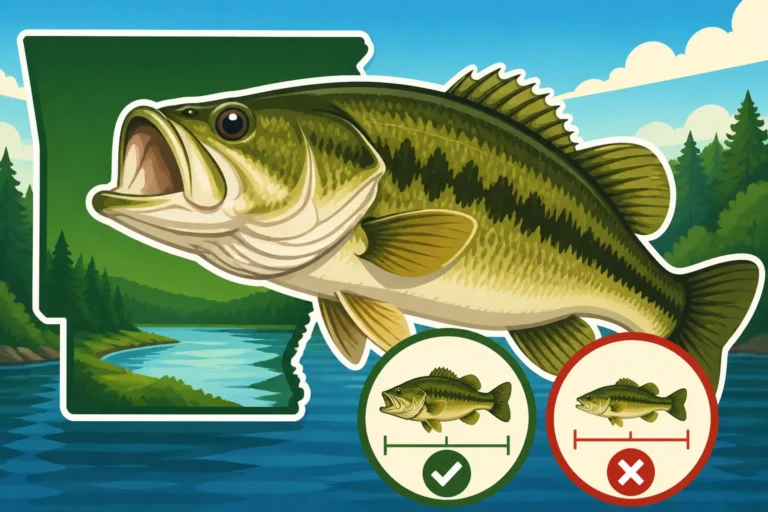
For many anglers, the ultimate dream isn't just catching a bass, but landing a truly monstrous largemouth, a bucketmouth that stretches the tape and leaves your arms aching. If you've spent countless hours wondering which Arkansas lake truly holds those behemoths, the kind that make your fishing stories legendary, you're not alone. This guide is dedicated to uncovering where those giants lurk, the secrets to their habitat, and how you can increase your chances of reeling in the biggest largemouth bass the Natural State has to offer.
The Quest for the Lunker: Arkansas's Top Lake for Biggest Largemouth
It's a question whispered around bait shops and debated at boat ramps across the state: "Where can I catch a truly massive largemouth bass in Arkansas?" While many lakes offer fantastic bass fishing, a select few consistently produce the kind of giants that make headlines and break records. Identifying these waters requires looking beyond just "good fishing" and focusing on the unique factors that allow bass to grow to truly exceptional sizes.
Lake Ouachita: The Undisputed Crown Jewel
When it comes to sheer size and consistent production of monster largemouth bass, Lake Ouachita often stands head and shoulders above the rest in Arkansas. This enormous, crystal-clear reservoir, nestled in the Ouachita Mountains, has a long-standing reputation for kicking out lunker after lunker. Anglers from all over the country come here specifically hoping to tie into a double-digit bass, and many leave with stories to tell. The lake's vast expanse means there's always new water to explore, and its diverse structure provides endless hideouts for big fish.
What sets Lake Ouachita apart isn't just its size, but its remarkable health and habitat. The lake boasts incredible water quality, which supports a thriving forage base that allows bass to pack on the pounds rapidly. It's a complex system of deep channels, extensive timber, and rocky points, all contributing to an ideal environment for largemouth to grow old and large. Many local guides and seasoned pros will tell you that if you want a legitimate shot at a 10-pound-plus bass, Lake Ouachita is where you need to be. If you're planning a trip, be sure to check out Best Bass Fishing Spots on Lake Ouachita, Arkansas for some prime locations.
Other Notable Contenders for Trophy Bass
While Lake Ouachita may wear the crown, Arkansas is blessed with several other lakes that have proven their ability to produce truly impressive largemouth bass. These lakes might not consistently yield the sheer numbers of giants as Ouachita, but they certainly hold the potential for that once-in-a-lifetime catch. Anglers who venture to these waters often find a different kind of challenge and reward.
For instance, Bull Shoals Lake, another massive impoundment, especially on its lower end closer to the dam, has a history of producing huge bass. Its clear, deep waters and rocky bluffs offer a different kind of bass habitat, favoring strong, healthy fish that are often challenging to locate but incredibly rewarding to catch. You can find more information on fishing this incredible lake in our Best Bass Fishing Spots on Bull Shoals Lake guide. Then there's Lake Millwood in Southwest Arkansas, known for its timber-filled waters and fertile grounds, which can hide some truly enormous largemouth. While it presents its own unique challenges with navigation due to all the standing timber, those willing to put in the effort often find it pays off handsomely. It's worth noting that diverse habitats lead to diverse fish populations, and knowing How to Identify a Largemouth Bass is key to appreciating your catch, no matter where it comes from.
| Lake Name | Primary Characteristics for Big Bass | Typical Size Range (Largemouth) |
|---|---|---|
| Lake Ouachita | Exceptional water clarity, diverse structure (timber, rocks, hydrilla), abundant threadfin shad and bream forage, strict slot limits in some areas promoting growth. | Common 3-6 lbs, many 7-9 lbs, numerous double-digit fish caught annually. Potential for state record. |
| Bull Shoals Lake | Deep, clear Ozark highland reservoir, rocky points, bluff walls, vast open water, strong shad population, less fishing pressure in some remote arms, excellent cool-water habitat for older fish. | Common 2-5 lbs, good numbers of 6-8 lbs, occasional 9-11 lbs. |
| Lake Millwood | Timber-rich, fertile lowland reservoir, abundant submerged vegetation, high nutrient levels supporting strong baitfish populations (shad, sunfish), warmer water conducive to faster growth rates, excellent shallow-water cover. | Common 2-4 lbs, consistent 5-7 lbs, good potential for 8-10 lbs. |
| DeGray Lake | Another clear, deep reservoir with diverse structure, including standing timber, rock piles, and submerged roadbeds. It offers excellent habitat diversity and a healthy forage base, including shad. While perhaps not as famed for giants as Ouachita, it produces very healthy, hard-fighting bass regularly. | Common 2-5 lbs, good numbers of 6-8 lbs, with trophy potential for fish pushing into the high single digits. |
What Makes a Lake a True Bass Factory?
It's not just luck when a lake consistently produces monster largemouth bass. There's a science to it, a combination of environmental factors and careful management that creates the perfect incubator for lunkers. Understanding these elements can not only help you identify other potential trophy fisheries but also inform your strategies when you're out on the water. It’s all about giving those fish every advantage to grow big and strong.
Abundant Forage and Rich Ecosystems
The foundation of any healthy, trophy bass fishery is a robust and plentiful forage base. Think about it: a bass can't get big if it doesn't have enough high-quality food to eat. Lakes like Ouachita, Bull Shoals, and Millwood are teeming with baitfish such as threadfin and gizzard shad, various species of sunfish (bream), and even crawfish. This constant buffet allows largemouth to consume large quantities of protein, leading to rapid growth and impressive weight gains.
Beyond just the quantity of food, the overall health of the ecosystem plays a critical role. Good water quality, stable oxygen levels, and a balanced aquatic food web mean that everything from the smallest plankton to the biggest predators is thriving. This interconnectedness ensures that the bass have access to a sustained and nutritious diet throughout their lives. When you're searching for big bass, look for signs of a healthy ecosystem—clear water (but not too clear, sometimes a bit of stain helps), abundant baitfish activity, and a general sense of vitality in the environment. Many guides will advise checking fish finders for schools of bait, as big bass are rarely far from their next meal. You can find excellent fish finders and other electronic accessories on Amazon to help you spot these vital signs.
Diverse Habitat and Structure
Big bass are smart. They don't just swim around aimlessly; they use structure and cover to their advantage for ambushing prey, spawning, and finding refuge from predators or harsh weather conditions. A lake that provides a wide variety of these features is inherently better equipped to grow and hold large numbers of trophy bass. This includes everything from vast expanses of standing timber, like you'd find in parts of Lake Millwood, to deep rock piles, bluff walls, submerged roadbeds, and expansive hydrilla beds characteristic of Lake Ouachita.
The presence of different types of cover at varying depths allows bass to adapt to changing conditions and seasons. During the Arkansas Bass Spawn Fishing Guide, they'll seek out shallow, protected areas, while in the heat of summer, they might retreat to deep brush piles or submerged creek channels. A lake that offers a smorgasbord of these options ensures that bass can always find an optimal living situation, leading to less stress and more energy directed toward growth. Understanding these different habitats is also crucial for adapting your fishing techniques; what works on a rocky point might not work in a dense timber flat.
Effective Fisheries Management
Let's not forget the human element! Even with perfect natural conditions, a trophy fishery often relies on sound management practices by the state's wildlife agencies, like the Arkansas Game and Fish Commission (AGFC). This includes things like catch-and-release programs, slot limits, and habitat improvement projects. Slot limits, for example, might dictate that bass between certain sizes must be released, allowing those fish to grow into the trophy class. We discuss this in more detail in Largemouth Bass Daily Limit in Arkansas.
These regulations aren't just arbitrary rules; they're scientifically designed to ensure the health and sustainability of the bass population, specifically encouraging the growth of larger, older fish. Stocking programs, if needed, can introduce genetically superior bass strains or bolster populations in areas that need help. Furthermore, active habitat improvement, such as sinking artificial brush piles or managing aquatic vegetation, can create even more prime real estate for growing lunkers. Anglers play a huge role too, by practicing responsible catch-and-release, especially for those bigger breeders, ensuring future generations of trophy bass.
Angling for Giants: Tactics and Gear for Trophy Largemouth
Catching a truly massive largemouth bass isn't just about being on the right lake; it's about understanding when, where, and how to present your bait. Trophy bass didn't get big by being easy to catch. They're often older, wiser, and more wary. This requires a shift in mindset and approach from simply catching numbers of smaller fish. It’s a deliberate hunt, a chess match where patience and precision are your most valuable assets.
Timing is Everything
When you're hunting for the biggest bass, the "when" is just as crucial as the "where." Prime times generally revolve around major feeding windows and seasonal patterns. The pre-spawn and spawn periods in spring are legendary for trophy bass, as females are at their heaviest, full of eggs, and aggressively feeding before and during nesting. This is when many of the biggest fish of the year are caught. After the spawn, a brief post-spawn lull might occur, but then summer and fall offer excellent opportunities as bass establish deeper patterns or chase baitfish in preparation for winter. You'll find a lot of useful information on this in Best Time of Year for Bass Fishing in Arkansas.
Beyond seasons, consider the daily timing. Dawn and dusk are almost always productive, as lower light conditions make bass more comfortable moving into shallower feeding areas. Overcast days, or days leading up to a cold front, can also trigger aggressive feeding. Pay close attention to water temperature and weather patterns; big bass are sensitive to these changes and will adjust their behavior accordingly. A sudden temperature drop might send them deeper, while a stable warm spell could keep them active in shallower cover.
Precision Gear and Presentation
To land a double-digit largemouth, you need gear that can handle the fight and techniques that appeal to a wary, experienced fish. This isn't the time for ultralight tackle. You'll want sturdy rods with backbone, reliable reels with smooth drags, and strong, abrasion-resistant line. Fluorocarbon or braided lines in heavier tests (think 15-20 lb test for fluorocarbon, 50-65 lb for braid, depending on cover) are often preferred for their strength and sensitivity. Many anglers stock up on these essentials from reliable online retailers like Amazon.
As for presentation, finesse can be key, but so can bold, aggressive baits. Large swimbaits, substantial jigs, and big plastic worms (like a 10-inch worm or creature bait) are often the ticket for enticing a lunker. These baits mimic larger forage and signal an easy, substantial meal. Slow, deliberate retrieves are often more effective than fast, erratic ones, allowing the big bass time to track and commit. Understanding various Bass Fishing Techniques for Beginners can be a great starting point, but refining them for trophy fish means paying meticulous attention to detail: how your bait lands, how it moves, and how it feels as it bumps structure.
Understanding Bass Behavior
Trophy largemouth bass are often creatures of habit, but they're also highly intelligent and opportunistic. They've survived countless encounters with anglers and predators, developing a keen sense of self-preservation. This means understanding their behavior is paramount. Look for patterns: where do they hide during different times of day or in various weather conditions? What kind of forage are they keying in on? Do they prefer dense vegetation, deep rock piles, or submerged timber?
Factors like current, wind direction, and even the clarity of the water will influence where these fish position themselves. A big bass will often take the most advantageous position to ambush prey, often near a transition zone—the edge of a weed line, a drop-off near a point, or the intersection of a creek channel and a flat. Learn to "read" the water and anticipate where a big fish might be lurking. Experiment with different depths and presentations until you crack the code for that particular day and location. This continuous learning, much like exploring new fishing spots or understanding new regulations like Arkansas Fishing License Penalties and Requirements, is what truly separates the consistent lunker hunters from the occasional lucky angler.
Disclaimer
This article is for general informational purposes only and does not constitute professional advice. Laws, prices and regulations vary by location and change over time. Consult a qualified professional for guidance on your specific situation.