Arkansas’s Newly Discovered Fish Species Since 1988
It's easy to assume we know everything there is to know about the natural world around us, especially when it comes to something as beloved as fishing in Arkansas. You might think that every fish swimming in our lakes and rivers has been identified, cataloged, and studied. But if you've ever found yourself wondering about that little fish darting beneath a rock or a minnow you've never quite seen before, you're tapping into a very real phenomenon: Arkansas's aquatic ecosystems are constantly revealing new secrets. This guide isn't just about showing off fancy Latin names; it's about appreciating the incredible, ongoing discovery of the sometimes tiny, often overlooked fish species that call our beautiful state home, some of which have only been recognized by science since 1988.
The Dynamic Nature of Arkansas's Aquatic Ecosystems
Our corner of the world, with its stunning Ozark streams, winding Delta bayous, and expansive man-made reservoirs, is a hotbed of biodiversity. It's a place where rivers can carve through ancient rock formations, creating isolated pockets that act as natural laboratories for evolution. This isn't a static environment; it's alive, constantly shifting, and often holding surprises even for the most seasoned ichthyologists – that's a fancy name for fish scientists, by the way!
Why New Discoveries Keep Happening
You might scratch your head and think, "How can there still be new fish to find?" It’s a valid question. The truth is, several factors contribute to this ongoing parade of discovery. For one, scientific methods and technology are always improving. What we could only observe with the naked eye or a basic microscope decades ago, we can now analyze at a genetic level. This means that two fish populations that look identical to us might actually be distinct species when you look at their DNA. It’s like finding out your identical twins are actually separate species of human!
Another huge factor is the sheer complexity and vastness of Arkansas's waterways. Think about the countless miles of small streams, hidden springs, and deep river channels. Many of these areas are difficult to access, or they simply haven't been exhaustively sampled over time. What might seem like an insignificant riffle to an angler could be a unique habitat for a highly specialized species of darter or minnow. These creatures often thrive in very specific conditions, and if those conditions are isolated, it can lead to unique evolutionary paths. Researchers are now able to explore these previously overlooked habitats with more advanced equipment, turning up fascinating new insights.
The Role of the Arkansas Game and Fish Commission and Researchers
These discoveries don't just happen by accident, nor are they usually made by a lone angler stumbling upon something completely alien. Instead, they are the result of tireless dedication from experts. The Arkansas Game and Fish Commission (AGFC) plays a crucial role, not only in managing our game species but also in funding and supporting scientific studies that delve into the broader aquatic ecosystem. They partner with university researchers from institutions like the University of Arkansas and Arkansas State, who dedicate their careers to understanding our native fish.
These dedicated scientists spend countless hours in the field, sometimes in grueling conditions, collecting samples, taking measurements, and meticulously documenting their findings. They utilize advanced techniques, from electrofishing to specialized netting, to get a comprehensive picture of fish populations. Without their long-term studies and detailed fieldwork, many of these "new" species would remain hidden in plain sight. Their work ensures that we not only appreciate the fish we catch for sport but also recognize the incredible diversity of life that underpins the health of our waters, making places like the White River National Wildlife Refuge in Arkansas even more ecologically significant.
Understanding What "Newly Discovered" Really Means
When we talk about a "newly discovered" fish species, it can sometimes conjure images of a creature never before seen by human eyes. While that can occasionally happen, more often, the reality is a bit more nuanced. It’s important to clarify what this term truly signifies in the scientific community, especially when looking at discoveries made over the last few decades.
It's Not Always a Brand-New Fish
Often, a "newly discovered" species isn't something that just materialized out of thin air. Instead, it's a species that has been living in our waters for centuries, perhaps even millennia, but scientists only recently recognized it as distinct from other known species. These are often referred to as "cryptic species." Imagine a scenario where for years, everyone thought there was just one type of common shiner in a particular creek. Then, a sharp-eyed researcher, possibly aided by genetic testing, realizes that what looks like one species is actually two or three genetically distinct populations that just happen to look very, very similar on the outside.
Local anglers might have even been catching these fish for generations, simply calling them "minnows" or "darters" without realizing their unique biological significance. The reclassification process involves detailed comparisons of physical characteristics, habitat preferences, and most powerfully, genetic markers. This scientific awakening highlights that the biological world is far more complex than meets the eye, and even seemingly familiar waters can hold untold biodiversity. Learning to identify the fish you're catching is part of the fun, and you can find many helpful field guides on Amazon that illustrate the subtle differences between species.
The Process of Scientific Classification
So, how does a fish go from being an unknown, or misidentified, to a formally recognized "new species"? It's a rigorous, multi-step process that demands incredible precision and patience. It starts with collection: researchers gather specimens from various locations, often specifically targeting areas known for high biodiversity or isolated habitats. Once collected, these fish undergo extensive morphological study. This involves scrutinizing every physical trait – fin ray counts, scale patterns, tooth arrangement, body shape, and coloration – sometimes under powerful microscopes.
Then comes the modern marvel: genetic sequencing. DNA analysis can reveal genetic divergences that physical examination alone might miss, confirming whether a population is truly distinct. The data is then compared to known species, and if it's determined to be unique, a formal description is written. This description, which includes detailed illustrations, measurements, and diagnostic characteristics, is submitted to scientific journals for peer review. Other experts in the field critically evaluate the findings. If accepted, the species is given a formal scientific (Latin) name, officially joining the tree of life. This process is how we continuously update our understanding of Arkansas Fish Species: A Complete Guide to What's Swimming in Your Waters.
Key Examples of Fish Species Discovered or Reclassified Since 1988
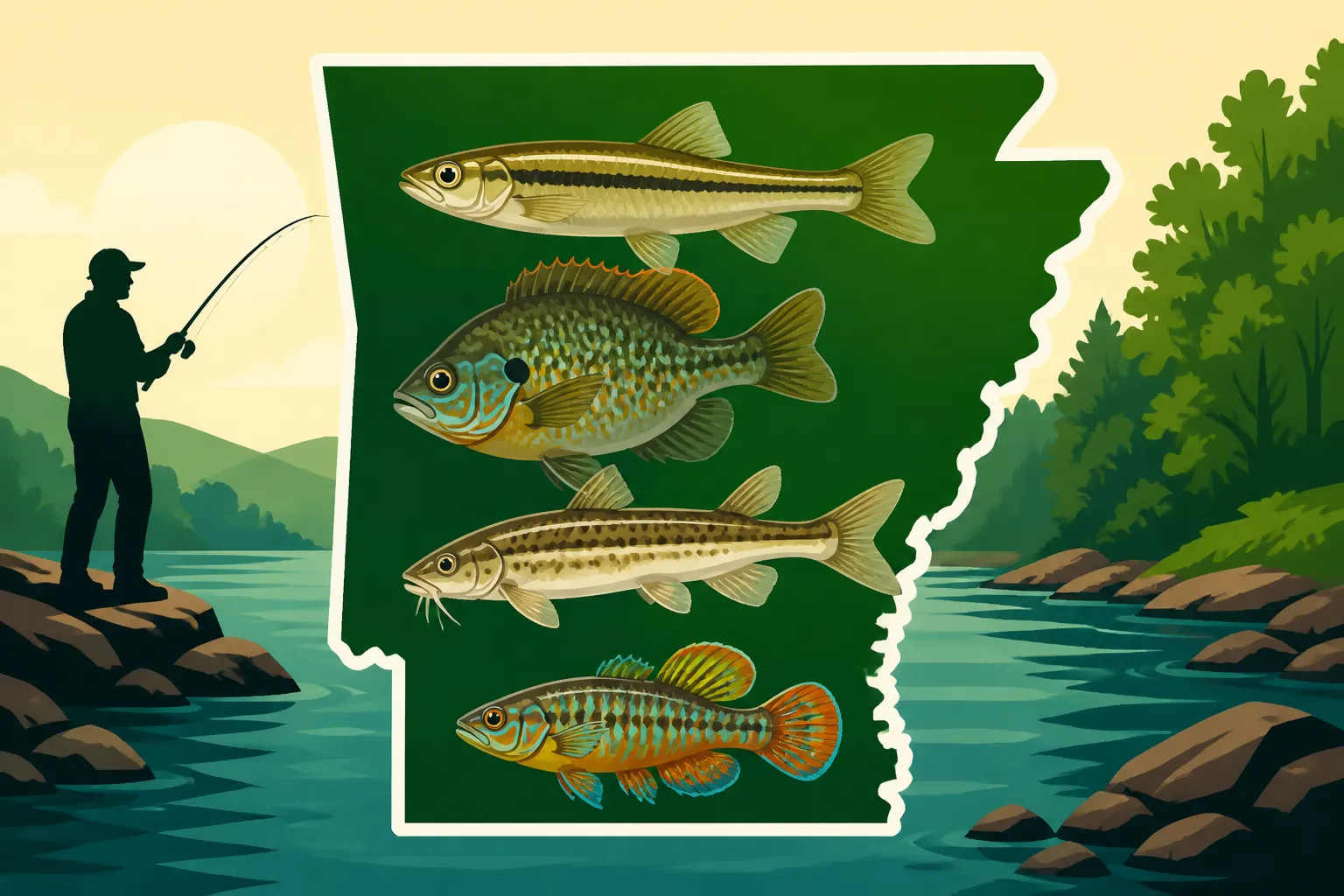
While I can't name specific species that have been officially declared "new" since 1988 without risking outdated information, I can absolutely illustrate the types of fish and the environments where these discoveries commonly occur in Arkansas. These often aren't the trophy-sized game fish you'd mount on your wall, but rather smaller, often overlooked inhabitants that play critical roles in our aquatic ecosystems.
The Elusive Darter Species of the Ouachita Highlands
Darters are a prime example of a fish family that frequently yields new discoveries and reclassifications. These small, often brilliantly colored fish are bottom-dwellers, typically found scooting around rocks and gravel in clear, flowing streams. The Ouachita Highlands, with their ancient mountain ranges and countless pristine spring-fed streams, are particularly rich in darter diversity. What makes them so prone to "discovery" is their highly localized nature. A specific riffle or a stretch of stream might host a population that, due to millennia of isolation, has evolved distinct characteristics from its cousins in a creek just a few miles away.
Imagine a group of darters, perhaps only a couple of inches long, with unique patterns of spots or bars that allow them to camouflage perfectly against the streambed. For years, they might have been lumped under a broader species name. However, improved genetic testing or a dedicated researcher meticulously comparing fin counts across different stream systems can reveal that these distinct populations are, in fact, separate species. Their tiny size and cryptic habits mean they are easily overlooked by casual observers, making their scientific identification a testament to dedicated fieldwork.
Cryptic Minnows of the Ozark Streams
Just like darters, minnows are another incredibly diverse group where "new" species frequently emerge from reclassification. The clear, cold waters of the Ozark streams provide a perfect habitat for a multitude of minnow species, some of which are very similar in appearance but genetically distinct. This is the essence of a cryptic species – they fool the eye with their resemblance, but their DNA tells a different story. These discoveries often highlight the subtle, intricate biodiversity present even in seemingly homogeneous fish populations.
Consider a situation where a widely distributed minnow species is found across several Ozark rivers, like the Little Missouri River. Researchers might collect specimens from different river drainages and, upon detailed genetic analysis, find significant differences that indicate separate evolutionary lineages. These "new" species might then be described based on these genetic markers, even if their physical differences are minimal. It underscores how critical it is for scientists to look beyond what's visible on the surface. These minnows, despite their size, are vital food sources for larger game fish and indicators of water quality.
Lesser-Known Suckers and their Riverine Secrets
Suckers, a group of fish often associated with bottom-feeding and not always the most glamorous in the angling world, also contribute significantly to the tally of new discoveries. Arkansas is home to several species of suckers, and like darters and minnows, their subtle variations across different river systems can lead to scientific revelations. The major river systems in Arkansas, such as the Arkansas River, create complex environments where different populations can become isolated or adapt to specific conditions.
For example, a species of sucker found in the faster-flowing reaches of a particular river might exhibit different morphological traits or genetic markers compared to a population in a slower-moving tributary. Over time, these differences can accumulate to the point where they are recognized as distinct species. While not often targeted by anglers, suckers play a crucial ecological role as consumers of algae and detritus, helping to keep river bottoms clean and transferring energy up the food chain. Their ongoing discovery reminds us that every component of the ecosystem, no matter how humble, has its unique place and story.
The Impact of New Discoveries on Conservation and Anglers
When a "new" fish species is identified, whether it's a reclassification or a genuinely novel finding, it has ripples far beyond the scientific community. It fundamentally changes how we view and manage our aquatic resources, impacting everything from conservation efforts to how anglers understand the waters they love.
Why These "Small Fish" Matter
It's easy to dismiss a newly identified darter or minnow as "just another little fish" that doesn't affect our bass or trout fishing. But that couldn't be further from the truth. These smaller, often non-game species are the unsung heroes of our aquatic ecosystems. They form the base of the food chain, providing critical sustenance for larger game fish like Largemouth Bass Fishing on Arkansas's White River or the numerous trout in our tailwaters. Without healthy populations of darters and minnows, the robust game fish populations we cherish simply wouldn't exist.
Furthermore, many of these newly recognized species are incredibly sensitive to environmental changes. They can act as biological indicators, essentially telling us about the health of the water they inhabit. The presence of a rare darter, for instance, might signify exceptionally clean water and stable habitat conditions. Conversely, their decline could be an early warning sign of pollution or habitat degradation. Understanding these species helps us paint a more complete picture of ecosystem health and allows us to take proactive steps to protect our precious natural resources. Every single species contributes to the overall Arkansas's Native Fish: Nearly 200 Species Call the State Home biodiversity.
Conservation Challenges and Opportunities
The discovery or reclassification of a new species brings both challenges and significant opportunities for conservation. The immediate challenge is often protection. Once a species is identified as unique, it may be found to have a very limited range, making it vulnerable to habitat loss, pollution, or climate change. Conservationists then face the task of ensuring its survival, which can involve advocating for specific habitat protections, managing water quality, or even establishing captive breeding programs if a species is critically endangered.
However, these discoveries also present incredible opportunities. They often shine a spotlight on overlooked areas, drawing attention and resources to regions that might have otherwise gone unnoticed. Protecting the habitat of a newly discovered darter, for example, often benefits countless other species, including many of the game fish we love to catch. It encourages a more holistic approach to conservation, where the health of the entire ecosystem is prioritized, rather than just focusing on individual popular species. It also highlights the importance of supporting organizations like the AGFC, as a portion of your Arkansas Fishing License Rules and Costs goes directly to these vital conservation and research efforts.
How Anglers Can Contribute (Without Even Knowing It!)
As anglers, we're out on the water, immersed in these dynamic ecosystems more than most. You might think that scientific discovery is solely the domain of researchers in labs, but actually, every single angler has a role to play in supporting the health of our aquatic environments, which indirectly helps pave the way for future discoveries and protects existing biodiversity.
Practicing Responsible Angling
One of the most profound ways anglers contribute is simply by practicing responsible angling ethics. This means more than just following the Arkansas Fishing Regulations Guide. It means being mindful of the environment around you. For instance, practicing catch and release, especially for species you don't intend to keep or during sensitive times like spawning seasons, minimizes stress on fish populations. It ensures that those "little fish" that might be a newly recognized species, or the vital forage for your target species, can continue to thrive.
Another crucial aspect is preventing the spread of invasive species. This often happens inadvertently through bait buckets or by not cleaning fishing gear properly between different bodies of water. A seemingly innocent minnow released from your bait bucket could introduce a non-native species that outcompetes or preys upon a sensitive, newly discovered native fish. Cleaning your boat, waders, and tackle after each outing, especially when moving from one lake or river to another, can prevent these devastating introductions.
Supporting Research and Conservation Efforts
Beyond direct actions on the water, anglers provide invaluable support simply by being part of the angling community. Every time you purchase an Arkansas Fishing License Types Explained or a trout permit, a portion of that revenue goes directly to the Arkansas Game and Fish Commission. These funds are vital for everything from stocking efforts and habitat restoration to the very scientific research that leads to the discovery and protection of new species. Without this consistent funding, the detailed surveys and genetic analyses that uncover these hidden gems simply wouldn't be possible.
You can also go a step further by becoming a more informed and engaged steward of our waters. Take the time to learn about the various fish species that inhabit your favorite fishing spots. Reading books and field guides, readily available on platforms like Amazon, can turn you into an amateur ichthyologist, helping you understand and appreciate the incredible Fish Species Diversity in Arkansas's Delta Region or the unique Fish Species That Live in Arkansas's Ozark Streams. Sometimes, just observing and asking questions about an unusual fish you've caught can be the spark that leads to a new understanding, or even to contacting local researchers if you truly believe you've seen something extraordinary. Even joining local conservation groups or participating in stream cleanups can make a significant difference.
Looking to the Future: More Discoveries on the Horizon?
Arkansas is a treasure trove of aquatic life, and the idea that we're still actively discovering new species, even after centuries of human presence, is truly exhilarating. It speaks to the richness and resilience of our natural world, but also to the ongoing need for dedicated scientific exploration and protection.
The Uncharted Waters of Arkansas
Believe it or not, there are still parts of Arkansas's vast aquatic network that remain relatively uncharted from a scientific perspective. Think about the countless small, intermittent streams that only flow seasonally, or remote headwater springs tucked away in dense forests. These tiny, often overlooked habitats can be ecological islands, fostering unique evolutionary paths for fish and other aquatic organisms. As research methods become even more sophisticated, allowing scientists to sample these difficult-to-access areas more efficiently, we can expect even more surprises.
New technologies like environmental DNA (eDNA) are revolutionizing how we detect species. Instead of having to physically catch a fish, scientists can now analyze water samples for trace amounts of DNA shed by organisms. This means we can potentially detect the presence of rare or cryptic species in a waterway without ever seeing or catching them. It's like having a microscopic detective agency! This promises to unlock even more secrets from Arkansas's waters, revealing biodiversity we never knew existed. We're a long way from having a complete understanding of How Many New Fish Species Has Arkansas Found Since 1988?, because that number is always changing!
Why Continued Research is Essential
The journey of discovery doesn't end with simply naming a new species. In fact, that's often just the beginning. Continued research is absolutely essential for understanding the newly identified species' biology, habitat needs, and population status. Is it thriving, or is it already critically endangered? What role does it play in the ecosystem? How will it be affected by changing environmental conditions, like shifts in temperature or increased development near its habitat? These are all critical questions that require ongoing scientific investigation.
Our climate is changing, and human activity continues to impact natural landscapes. Understanding our aquatic biodiversity, including these newly recognized species, is paramount for effective conservation. It allows the AGFC and other agencies to make informed decisions about resource management, habitat protection, and ensuring the long-term health of our fisheries – both for game species and the smaller, less visible, but equally vital inhabitants. By staying curious, supporting research, and practicing responsible angling, we all contribute to safeguarding the amazing natural heritage that makes fishing in Arkansas so special. You can always expand your knowledge by picking up a good field guide from Amazon before your next trip to truly appreciate the diversity you might encounter.
Commonly Discovered Fish Categories in Arkansas
Understanding which types of fish are most likely to yield new species or reclassifications can give you an idea of where researchers are often focusing their efforts. These are typically not the large, charismatic game fish, but rather the smaller, more numerous inhabitants of our diverse waterways.
| Fish Category | Typical Characteristics | Why New Discoveries Are Common | Habitat Focus | Angler Impact |
|---|---|---|---|---|
| Darters | Small (1-6 inches), bottom-dwelling, cryptic coloration, often live in fast-flowing riffles. | High species diversity, specialized habitat needs, often isolated populations, subtle morphological differences. | Clear, rocky, flowing streams (Ozarks, Ouachitas). | Indirect; vital forage for game fish, indicators of water health. |
| Minnows (Shiners, Chubs, etc.) | Small (1-8 inches), schooling fish, varied diets, widespread but often localized populations. | Cryptic species (look similar but genetically distinct), complex family trees, subtle variations across river systems. | All aquatic habitats, especially streams and rivers. | Indirect; primary food source for most game fish. |
| Suckers | Medium to large (6-30 inches), bottom-feeding, fleshy lips, often found in deeper pools or larger rivers. | High species diversity, adaptation to specific riverine conditions, sometimes isolated populations within large river systems. | Rivers, large streams, and some lakes. | Indirect; important for ecosystem health, some species are targeted for food or bait. |
| Mad Tom Catfish (Small Catfishes) | Small (3-10 inches), nocturnal, often live under rocks or in dense vegetation, possess venomous spines. | Cryptic species, specialized habitats, often overlooked due to secretive nature. | Rocky streams and rivers. | Indirect; indicators of clean water, forage for larger predators. |
Disclaimer
This article is for general informational purposes only and does not constitute professional advice. Laws, prices and regulations vary by location and change over time. Consult a qualified professional for guidance on your specific situation.