Spring vs Fall Fishing Guide Trips in Arkansas
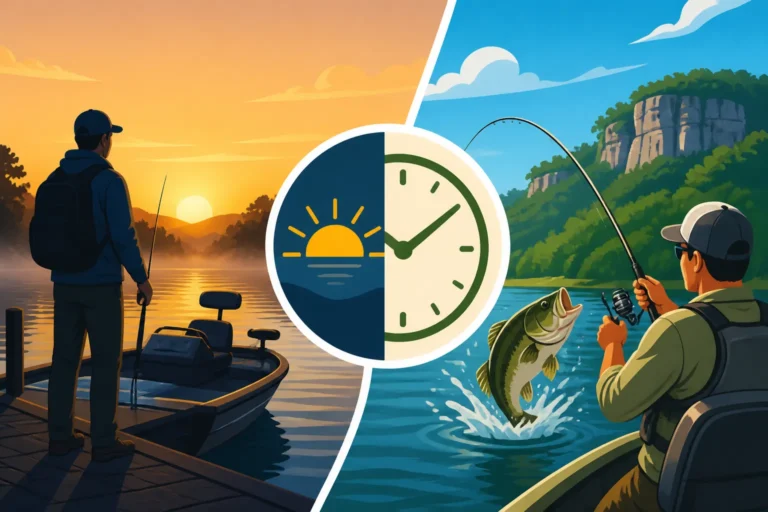
Deciding when to book a guided fishing trip in Arkansas can feel like a real puzzle. You've heard amazing stories about spring fishing, with fish waking up after winter, but then you hear the whispers about phenomenal fall bites, with stunning foliage as a bonus. It’s hard to know which season truly offers the best experience for your angling dreams. This comprehensive guide will walk you through the distinct advantages and unique challenges of both spring and fall fishing guide trips in Arkansas, helping you make an informed choice for your next adventure on the water.
The Allure of Spring Fishing Guide Trips in Arkansas
Ah, spring in Arkansas! After the chill of winter, the natural world explodes with life, and the fish are no exception. This season offers a truly special window for anglers, especially those targeting certain species.
What Spring Brings to Arkansas Waters
As the sun climbs higher and the days lengthen, Arkansas's lakes and rivers undergo a remarkable transformation. Water temperatures begin their slow, steady climb, signaling to fish that it's time to become active again. You'll notice the vibrant greens returning to the landscape, the budding trees, and a general sense of renewal. This warming trend kickstarts metabolic rates for most freshwater species, making them much more eager to feed. In many of the state's popular reservoirs like Lake Ouachita or Greers Ferry Lake, water levels tend to be higher due to spring rains, opening up new flooded cover that fish love to explore. It’s a time of optimism for anglers, where every cast feels like it holds potential.
For instance, imagine launching onto Lake Conway in early spring. The air is crisp but mild, the banks are starting to green, and you can almost feel the water coming alive. Your guide might point out submerged brush or shallow flats where crappie and bass are just starting to stage for the spawn. There’s a buzzing energy, a sense of anticipation that truly defines spring fishing here. It’s a great time for families too, with milder temperatures making for comfortable days on the water without the intense summer heat.
Targeting Popular Species in Spring
When you think of spring fishing in Arkansas, the first species that often comes to mind is the mighty largemouth bass. As water temperatures rise into the 50s and 60s, bass move from their deeper winter haunts into shallower coves and flats, driven by the urge to spawn. This pre-spawn and spawning period can offer some of the most exciting and productive fishing of the year. Guides will often focus on targeting these fish with a variety of presentations, from shallow-running crankbaits and spinnerbaits to jigs and soft plastics worked slowly around cover. You might also encounter smallmouth bass in clearer, rocky waters, particularly in the Ozark streams and larger reservoirs like Bull Shoals Lake. For an in-depth look at this exciting time, check out our guide on Arkansas Bass Spawn Fishing Guide.
Crappie also become incredibly active in spring. Both black and white crappie stage in predictable patterns, often moving into shallow brush piles, submerged timber, and around docks. Vertical jigging with small jigs or slow-trolling with minnows are classic spring crappie tactics that guides employ with great success. Imagine a perfect spring morning on DeGray Lake, pulling slab crappie out of a cedar tree your guide located on their sonar – that's a quintessential Arkansas spring experience. Even the trout in Arkansas’s world-famous tailwaters, like the White River below Bull Shoals Dam, can experience increased activity due to emerging insect hatches, though trout fishing is excellent year-round. You can discover more about this season in Arkansas Crappie Fishing Season Guide.
Potential Challenges and Considerations for Spring Trips
While spring is fantastic, it's not without its quirks. The weather in Arkansas during spring can be notoriously unpredictable. One day you might be basking in 70-degree sunshine, and the next could bring a sudden cold front, heavy rain, or even high winds. These drastic shifts can make fish finicky and harder to locate. It’s vital to pack layers and be prepared for anything Mother Nature throws your way. Always confirm the weather forecast with your guide a day or two before your trip.
Another consideration, especially on very popular lakes, is the potential for increased angling pressure. With everyone eager to hit the water after winter, prime spots can get crowded, especially on weekends or during the peak spawn. This is where a seasoned guide truly shines, as they know the lesser-known spots and how to navigate around other boats. Lastly, heavy spring rains can sometimes lead to increased runoff, which can muddy up certain river sections or lake coves, impacting water clarity and making fishing a bit tougher until the water settles.
Embracing Fall Fishing Guide Trips in Arkansas
Just as spring signifies rebirth, fall in Arkansas brings a different kind of magic to the fishing scene. The oppressive summer heat gives way to crisp, comfortable air, and the landscape explodes with color, creating an unforgettable backdrop for your angling adventure.
The Autumn Transformation of Arkansas Fishing
As summer fades and temperatures begin to drop, Arkansas's lakes and rivers undergo another significant shift. Cooling water temperatures signal to fish that winter is approaching, prompting them to enter a period of aggressive feeding, often referred to as the "fall feeding frenzy" or "wintering up." They need to pack on calories to sustain themselves through the leaner winter months, making them incredibly active and willing to chase down baits. This period, especially after the initial fall turnover in some deeper reservoirs, can be highly productive.
Beyond the fishing itself, the scenery is simply breathtaking. The Ouachita and Ozark Mountains, in particular, become a painter's palette of reds, oranges, and golds. Imagine drifting down a trout stream like the Little Missouri River or trolling across Norfork Lake with the vibrant fall foliage reflecting on the water – it’s an experience that nourishes the soul as much as it excites the angler. The comfortable air temperatures also mean fewer bugs and more pleasant conditions for a full day on the water, without the need for constant sunscreen reapplication or seeking shade. This makes fall a favored time for many who dislike the summer swelter.
Prime Species and Techniques in Fall
Fall fishing often revolves around baitfish. As water temperatures drop, schools of shad and other forage fish migrate from open water towards shallower coves and creeks, followed closely by predatory game fish. Bass will aggressively chase these baitfish, making topwater presentations, jerkbaits, and spinnerbaits incredibly effective, especially around main lake points and creek channels. It’s a fantastic time for action, as fish are often grouped up and competing for food.
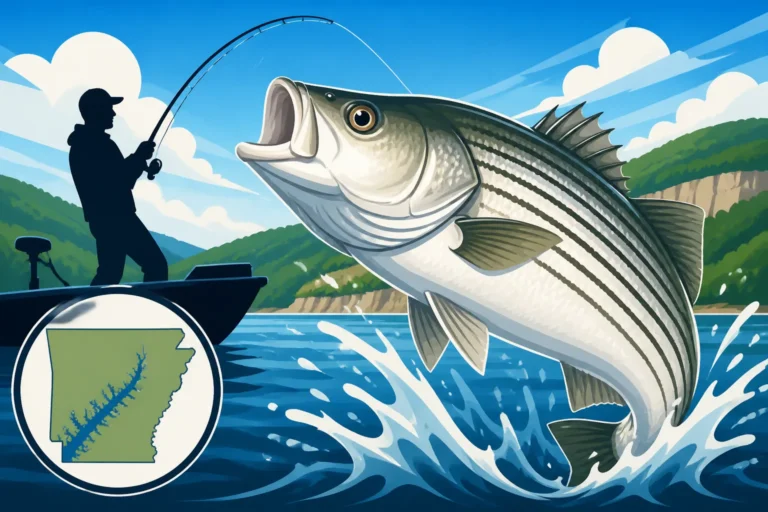
This season is particularly renowned for striped bass fishing in Arkansas's trophy lakes like Norfork Lake and Lake Hamilton. These powerful fish go on a tear, gorging themselves on baitfish before winter. Guides specializing in stripers will often employ trolling techniques with large plugs or live bait, or utilize downriggers to target deep schooling fish. The fight of a big fall striper is legendary. For more on this, check out Arkansas Striper Fishing Techniques. Crappie, too, can be found in predictable patterns, often congregating around main lake brush piles and deeper creek channels as they transition from summer patterns.
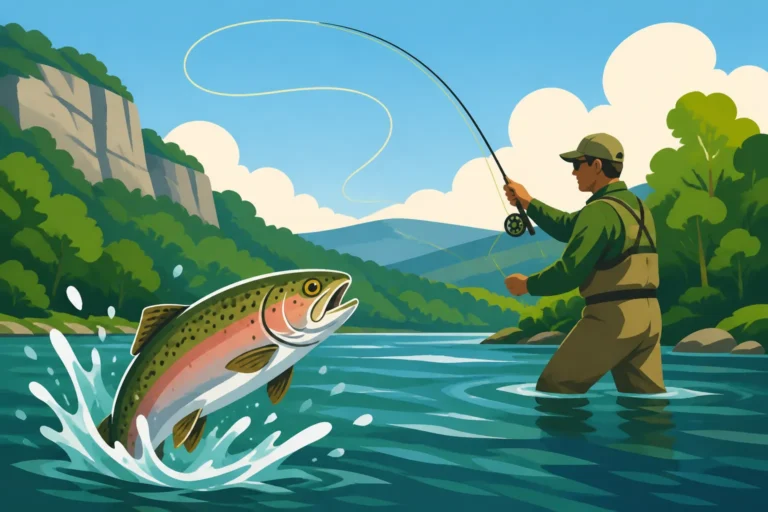
Meanwhile, trout fishing on the state's cold tailwaters remains consistently excellent. The lower pressure from recreational floaters compared to summer, combined with cool, stable water temperatures, means that the White River, Little Red River, and others offer fantastic opportunities for both fly and spin anglers. Imagine a crisp fall morning on the White River, casting to rising trout surrounded by blazing autumn colors – it’s truly magical.
Downsides and Things to Know About Fall Trips
While gorgeous, fall isn't entirely without its considerations. One minor point is the shorter daylight hours compared to the long stretches of summer. This means your fishing day might feel a bit more condensed, especially towards late fall when the sun sets earlier. However, a good guide will optimize your time on the water.
Another factor, particularly in Arkansas's tailwater rivers, can be fluctuating water levels. Hydropower generation from the dams can cause significant changes in river flow throughout the day. While guides are adept at reading these conditions and adjusting their strategies, it's something to be aware of. Lastly, while the fish are aggressive, the sheer "spawn frenzy" of spring, where fish are often concentrated in very shallow, predictable areas, is typically not present. Fall fishing requires a bit more searching for those actively feeding schools, but when you find them, the rewards are often spectacular.
Making Your Decision: Spring vs. Fall Comparison
So, how do you choose between these two incredible seasons? It really boils down to your personal preferences and what kind of experience you're hoping to have. Both offer unique joys and stellar fishing opportunities in Arkansas.
Factors to Weigh for Your Ideal Trip
Your personal preference for weather is a huge factor. If you love the idea of mild, warming temperatures, budding nature, and the intense shallow-water action of the spawn, then spring is likely your season. It's often associated with a vibrant energy and the thrill of new beginnings. If, however, you prefer cooler, crisp air, stunning scenic beauty, fewer bugs, and aggressive feeding patterns focused on baitfish chases, then fall might be your perfect match.
Consider your target species goals. If catching a trophy largemouth bass actively guarding a bed is your ultimate dream, spring offers a distinct advantage. If you're after massive striped bass or want a more serene, less crowded trout fishing experience, fall often delivers. Don't forget crowd avoidance either; while both seasons are popular, spring can sometimes see more recreational boating traffic due to holidays like Spring Break. Using resources like FishingBooker can help you research guides who specialize in specific species during either season, giving you confidence in your choice.
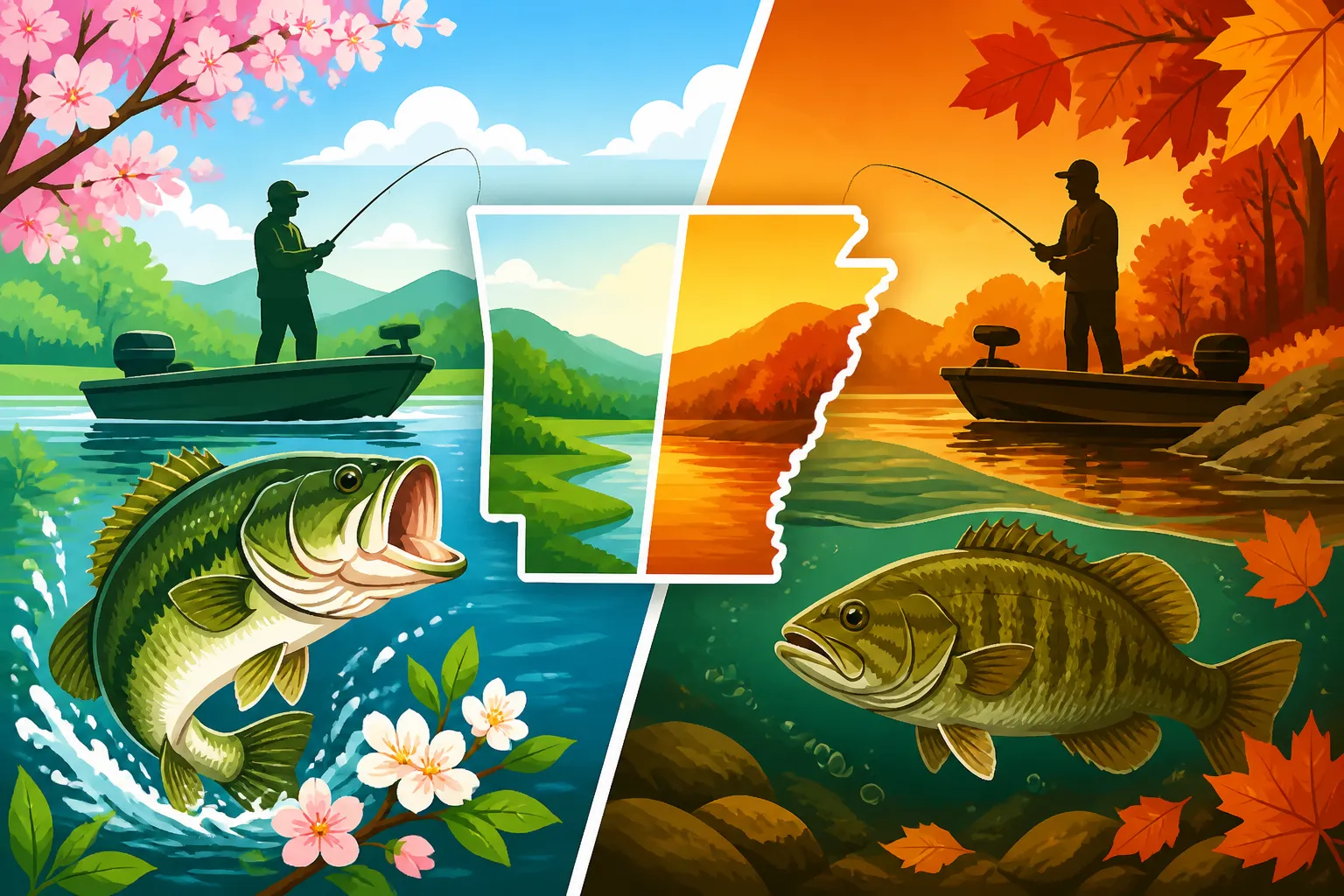
Here's a quick comparison to help you visualize the differences:
| Feature | Spring Fishing in Arkansas | Fall Fishing in Arkansas |
|---|---|---|
| Typical Weather | Mild, warming, but highly variable (can be rainy/cold) | Cool, crisp, stable; vibrant Indian summer days |
| Fish Activity | Pre-spawn/Spawn frenzy for bass & crappie; trout active | Aggressive feeding frenzy for most species; stripers shine |
| Target Species | Largemouth Bass, Crappie, Smallmouth Bass, Trout | Largemouth Bass, Striped Bass, Crappie, Trout |
| Water Conditions | Rising temps, potentially higher/muddy water from runoff | Cooling temps, often clear water; fall turnover in reservoirs |
| Scenery | Budding trees, vibrant green, new growth | Breathtaking fall foliage (reds, oranges, golds) |
| Crowds | Can be crowded on popular lakes during peak spawn/weekends | Generally fewer recreational boaters than peak summer/spring |
| Challenges | Unpredictable weather, highly pressured fish in spots | Shorter daylight, fluctuating river levels (tailwaters) |
General Expectations for Booking and Experience
Regardless of the season, booking a reputable fishing guide in Arkansas is always a smart move. They live and breathe these waters and know how to find fish no matter the conditions. Guide availability can be high in both seasons, as they are both prime times. However, for popular guides or specific dates, it's always wise to book in advance.
Expect your guide to provide quality rods, reels, and tackle, along with their extensive local knowledge. What's crucial is communicating your goals: are you after a trophy, or just want to catch a lot of fish? Do you prefer a certain style of fishing? The more upfront you are, the better your guide can tailor the trip to your expectations. For beginners, a guided trip in either spring or fall can be an invaluable learning experience. You can find more insights on what to bring on your trip by reading What to Bring on a Guided Arkansas Fishing Trip.
Cost and Logistics Considerations
In general, the cost of a guided fishing trip doesn't vary significantly between spring and fall. Factors like trip length (half-day vs. full-day), the number of anglers, and the type of fishing (e.g., specialized trophy trips) usually influence pricing more than the season itself. However, demand might mean that prime dates in either season book up quickly, so early reservation is key.
Logistically, consider your travel plans. If you're coming for the scenery, fall offers unparalleled photographic opportunities along scenic byways. Spring trips might coincide with school breaks for families, which can be a plus or a minus depending on your preference for crowds. Always remember to secure your Arkansas Fishing License Rules and Costs before your trip, even if you’re fishing with a guide – it’s a non-negotiable requirement.
Planning Your Arkansas Fishing Adventure
Once you’ve got a better handle on whether spring or fall calls to you more, it's time to iron out the details and make that dream trip a reality. A little preparation goes a long way in ensuring a memorable experience.
Researching Guides and Locations
This is where the real homework pays off. If you've decided on spring, start looking for guides known for their bass and crappie expertise on lakes like Lake Ouachita, Lake Conway, or Lake Dardanelle. If fall is your choice, seek out those who excel at finding schooling bass or chasing trophy stripers on Norfork Lake or Bull Shoals. The White River, a gem for trout anglers, offers excellent guided trips in both seasons. Many guides specialize, so reading reviews and checking their specialties is crucial. Platforms like FishingBooker are excellent resources for comparing guides, checking their availability, and understanding their offerings for different seasons. They provide a streamlined way to connect with local experts. For more general advice on picking a guide, consult How to Book a Fishing Guide in Arkansas.
Don't just pick a season; pick a specific body of water that aligns with your fishing goals. Each lake and river in Arkansas has its own unique characteristics and target species. For example, the Little Red River is famous for brown trout, while the Arkansas River is a hotspot for catfish and bass. Diving into resources like Best Fishing Spots in Arkansas and The Top Arkansas Lakes for Bass, Crappie, and Catfish can help you narrow down your ideal location.
Essential Gear and Preparation
No matter if you're hitting the water in spring or fall, dressing in layers is paramount in Arkansas. Spring can go from chilly to warm quickly, and fall mornings can be quite cold before warming up nicely. Pack rain gear – even if the forecast looks clear, a pop-up shower isn't uncommon. Comfortable, non-slip shoes are a must for safety on the boat. Sunglasses, a hat, and sunscreen are also essential year-round.
Your guide will typically provide all necessary fishing gear, including rods, reels, and terminal tackle. However, you should still bring your own personal items. A small cooler with drinks and snacks can be a lifesaver on a full-day trip. And don’t forget that all-important Arkansas fishing license! Even on a guided trip, you are personally responsible for having the correct license and any necessary permits, like a trout permit for specific waters. Familiarize yourself with the Arkansas Fishing Regulations Guide beforehand.
Maximizing Your Guided Trip Experience
To truly make the most of your guided trip, whether it's in the vibrant spring or picturesque fall, a few simple actions can enhance the entire experience. Firstly, be punctual. Guides work with tight schedules, often with multiple trips in a day, and showing up on time ensures you get every minute of your paid time on the water. Listen intently to your guide's instructions and advice; they are the experts on these local waters and conditions. Don't hesitate to ask questions – a good guide loves to teach and share their knowledge.
Be open to trying new techniques or baits. What worked last week or in a different state might not be the ticket on the day of your trip. Trust your guide's instincts and experience. And most importantly, relax and enjoy the incredible natural beauty of Arkansas. Fishing is about more than just catching fish; it's about connecting with nature, sharing an experience, and making memories. A small gesture like Tipping Your Fishing Guide in Arkansas can go a long way in showing your appreciation for their hard work and dedication. By being prepared, engaged, and respectful, you're setting yourself up for an unforgettable Arkansas fishing adventure, no matter the season.
Disclaimer
This article is for general informational purposes only and does not constitute professional advice. Laws, prices and regulations vary by location and change over time. Consult a qualified professional for guidance on your specific situation.